 English EN


Bovine gelatin pros and cons everyone should know
Bovine gelatin offers strong gelling and health benefits but has dietary, ethical, and allergen concerns. Compare bovine gelatin to other gelatin options here.
More
If you are a purchasing manager or product developer sourcing ingredients for food, supplements, or pharmaceuticals, you have likely encountered the term gelatin on labels. But did you know it can appear under several other names? Understanding these alternative labels is critical for ensuring batch consistency, avoiding allergen issues, and meeting regulatory requirements. This guide breaks down what gelatin is called on food labels, common synonyms, and how to identify the right grade for your application.
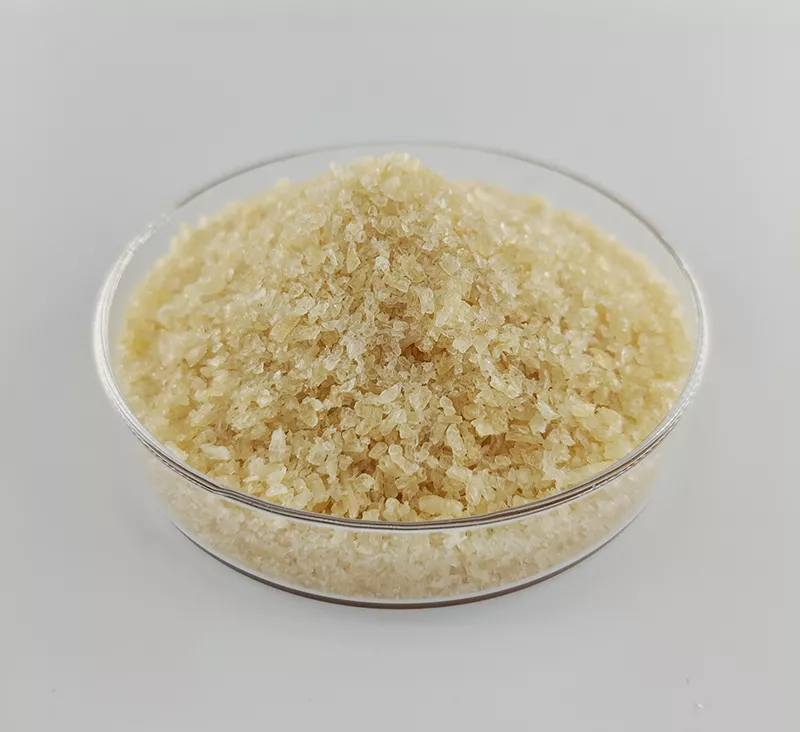
Gelatin is a protein derived from collagen, typically sourced from bovine, porcine, or fish skin and bones. On food labels, it is most commonly listed simply as "gelatin." However, depending on the region and specific regulations, you may also see it under these alternative names:
For overseas buyers, recognizing these terms is essential when reviewing ingredient declarations, especially if you need to avoid specific animal sources or meet certification requirements like halal or kosher.
The variation in labeling stems from differences in processing, intended use, and regional regulations. For example, in the European Union, gelatin is assigned the additive number E441, which must appear on ingredient lists. In the United States, the FDA allows "gelatin" to be used without further specification, but many manufacturers voluntarily list the source (e.g., "bovine gelatin") for transparency.
Additionally, hydrolyzed gelatin or collagen peptides are terms used when the protein is enzymatically broken down into smaller peptides, making it cold-water soluble and easier to digest. This is common in sports nutrition and beauty supplements. If you see "collagen hydrolysate" on a label, it is essentially gelatin that has been further processed.
Gelatin is produced through the partial hydrolysis of collagen, which is extracted from animal connective tissues. The process involves cleaning, acid or alkaline treatment, heating, filtration, and drying. The resulting product is a dry, granular powder or sheet that forms a gel when mixed with water.
Key properties that matter to buyers include:
These parameters directly influence performance in applications like gummies, capsules, and confectionery. For example, a 200–260 Bloom gelatin is ideal for gummy candies, while 150–200 Bloom works well for marshmallows.
The table below summarizes common industry ranges for edible gelatin. Note that these are typical ranges; final values should be confirmed via Certificate of Analysis (COA) from your supplier.
| Parameter | Typical Industry Range | Common Application |
|---|---|---|
| Bloom (g) | 50–300 | Gummies (150–260), softgels (150–200) |
| Viscosity (mPa·s) | 2.0–5.5 | Capsules, confectionery |
| Mesh size | 8–60 | Powder blends, tablets |
| Moisture (%) | ≤14 | All applications |
Typical industry range; final values per COA / sample.
Gelatin is a versatile ingredient used across multiple industries. Here is a quick guide to selecting the right grade:
Beyond Biopharma is a Shanghai-based manufacturer with over 10 years of experience in the food-ingredient industry. We export to 50+ countries and operate a fully automatic production line with GMP clean workshops, stainless-steel sealed piping, and automated temperature/pH control. Our annual capacity is approximately 3,000 MT for collagen and 5,000 MT for gelatin.
We hold ISO 9001 certification, are US FDA registered, and select products carry Halal or Kosher certification. Our bovine bone gelatin is BSE-free, and we maintain an in-house lab for heavy-metal and microbiological testing. We offer three grades—food, pharmaceutical, and cosmetic—along with free samples and formulation support.
No, it can also appear as E441, hydrolyzed gelatin, collagen hydrolysate, or specified by source (e.g., bovine gelatin). Always check the ingredient list for these terms.
Gelatin is partially hydrolyzed collagen that forms a gel. Collagen peptides are more fully hydrolyzed, making them cold-water soluble and easier to digest. Both are derived from the same source.
No, gelatin is always animal-derived. "Vegetable gelatin" is a misnomer for plant-based gelling agents like agar-agar or pectin. If you need a vegan alternative, look for those specific names.
Look for halal or kosher certification symbols on the packaging. Fish gelatin is often acceptable for both, while bovine gelatin must be from halal-slaughtered animals.
Bloom is a measure of gel strength, determined by the force required to depress a gel surface. Higher Bloom values indicate firmer gels, which is important for applications like gummies and capsules.
Yes, pure gelatin is naturally gluten-free. However, always verify with the supplier to ensure no cross-contamination during processing.
If you are sourcing gelatin for your next project, we invite you to contact us with the following details:
Beyond Biopharma will provide free samples, a detailed quote, and formulation support to help you find the perfect gelatin solution for your needs.

We provide you with comprehensive foreign trade solutions to help enterprises achieve global development
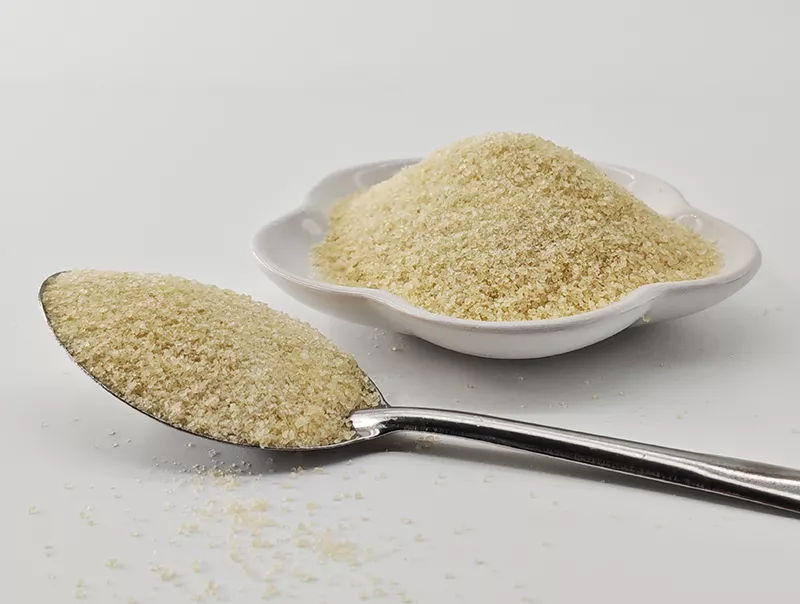
The High-Performance Barrier for Core Material Protection and Controlled Release.
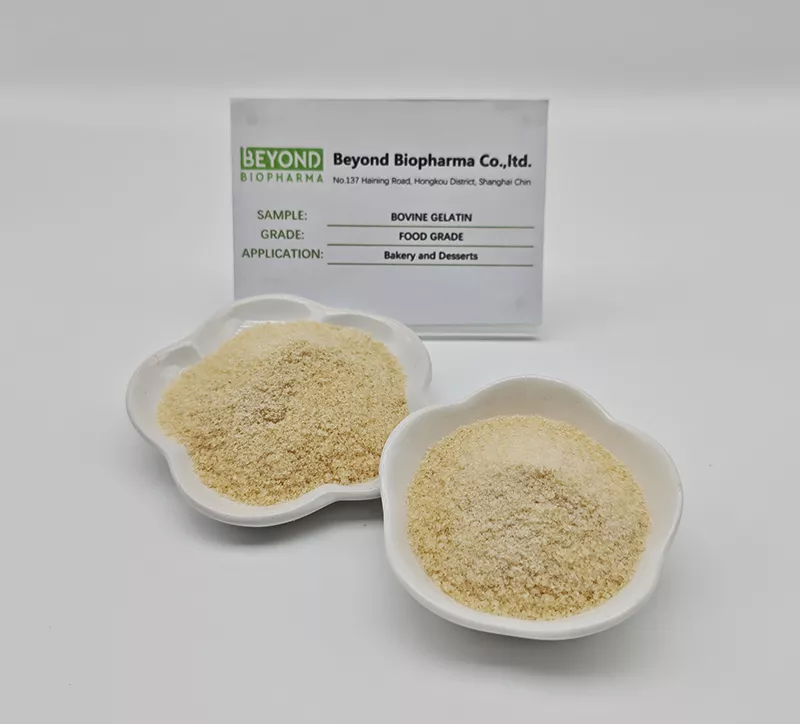
20 years experiences, 5000 ton/year capacity, Sustained supply with stable quality
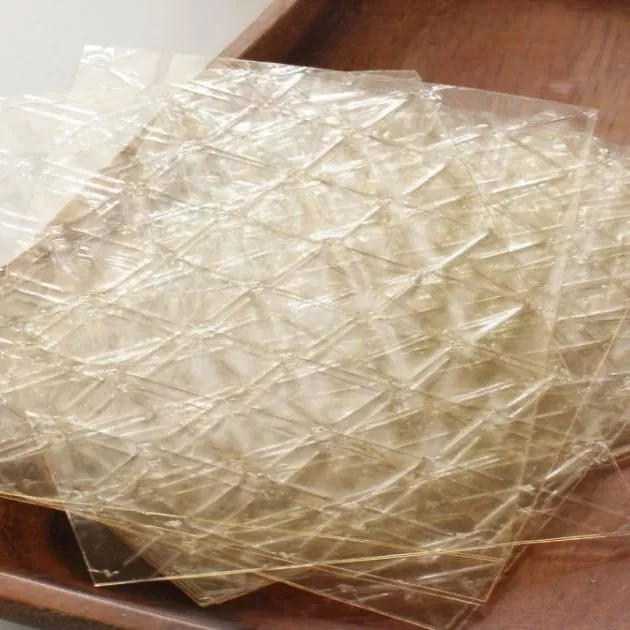
Our Gelatin Sheets are produced to precise standards, ensuring consistency and reliability across different Bloom grades (Silver being the most common professional choice).
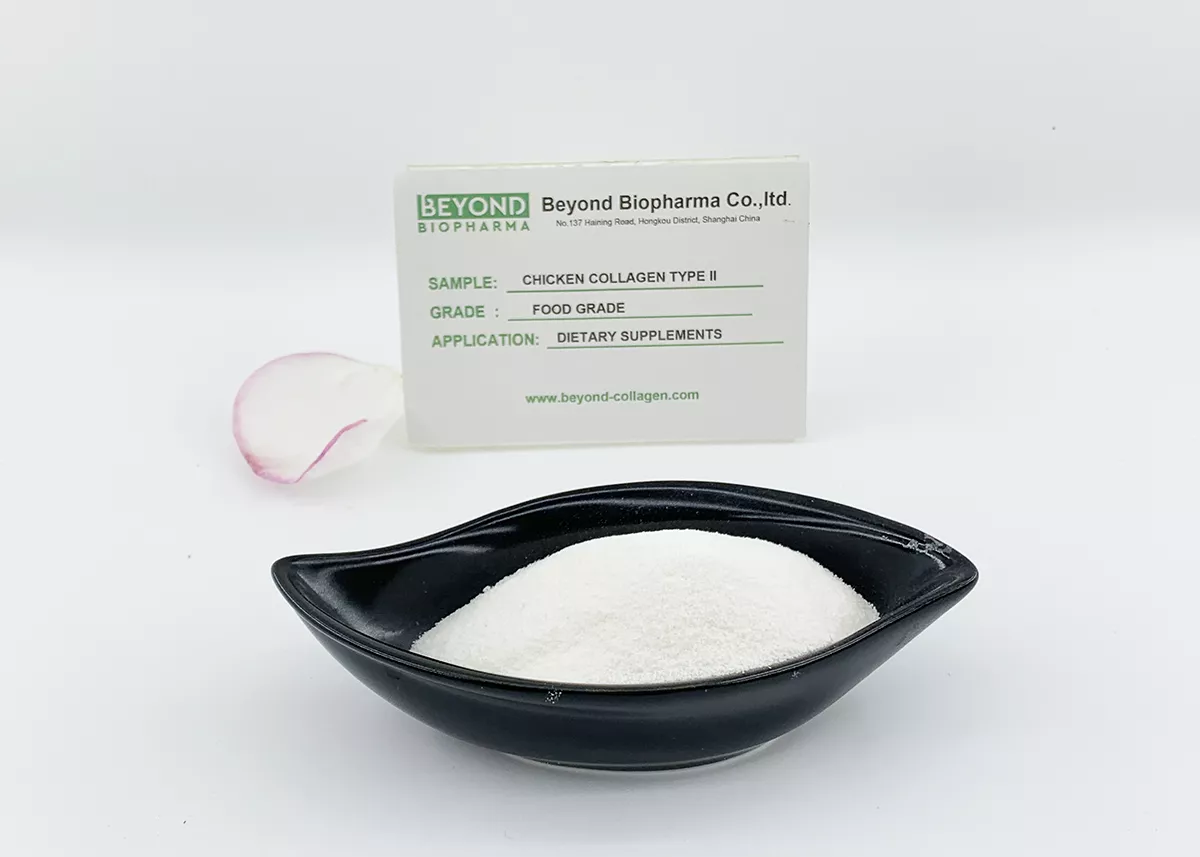
BEYOND BIOPHARMA is a specialized manufacturer of high-quality Undenatured Collagen Type II. Utilizing low-temperature, non-enzymatic extraction methods, our Undenatured Collagen Type II retains its native, triple-helix structure, essential for modulating the immune system's response to joint health and providing superior support for mobility, flexibility, and overall joint comfort.
Select the most popular foreign trade service products to meet your diverse needs
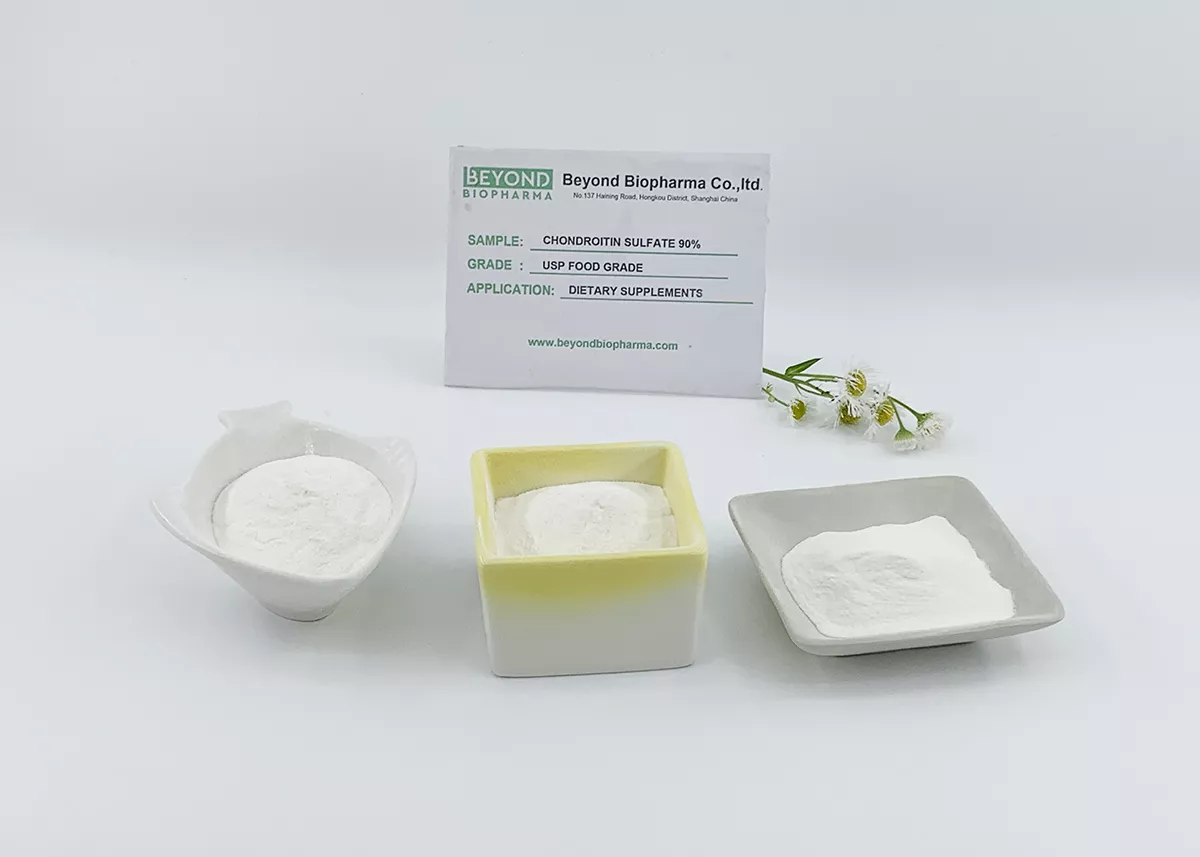
High Purity and Efficacy for Joint Health Formulations
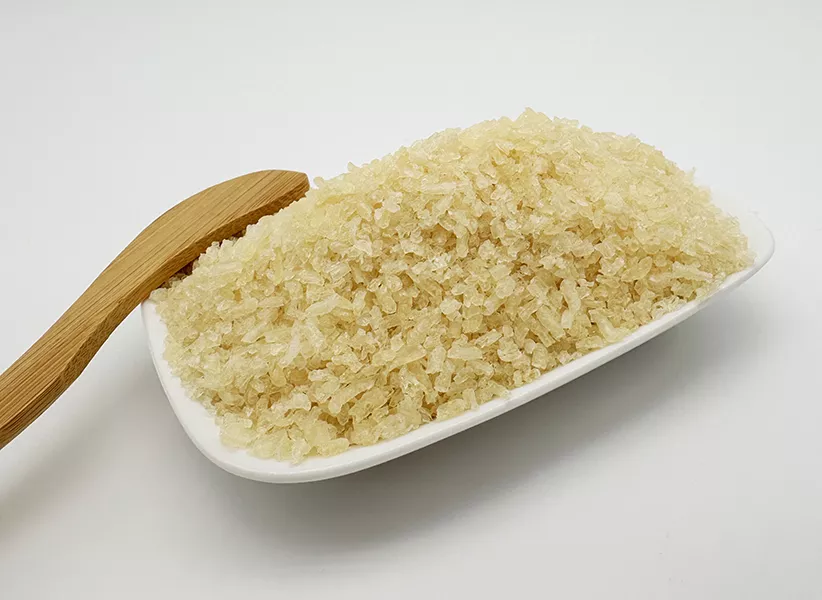
Our Bovine Hides Gelatin is engineered for versatility and compliance, ensuring performance across various applications.
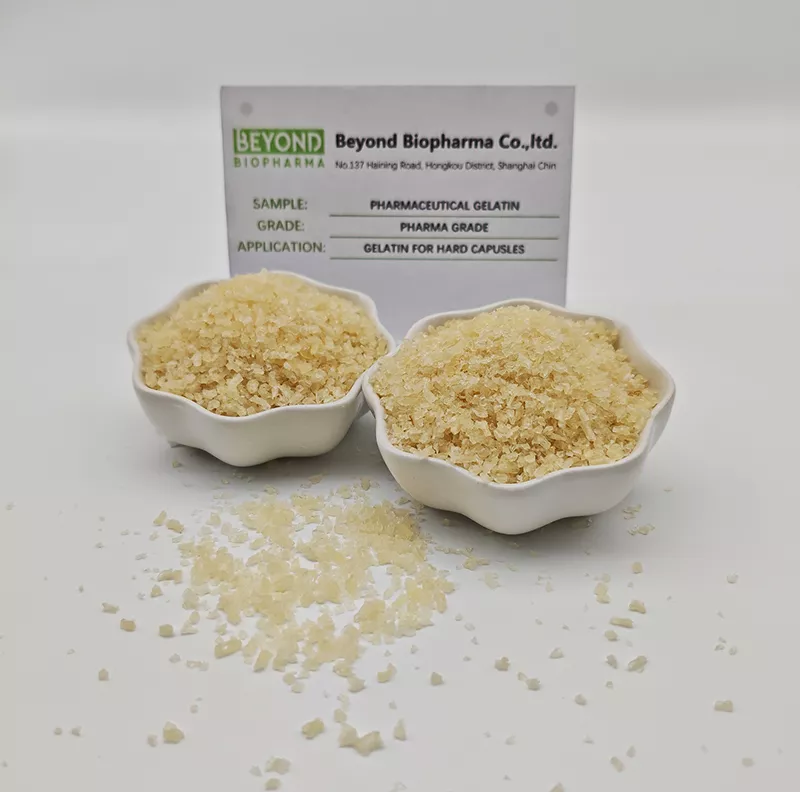
Precision, Purity, and Optimal Machinability
Tel:+86 21 65010906
Cell/Whatsapp/Wechat:
+86 13482884055
+86 18657345785
Email: sales@beyondbiopharma.com





User Comments
Service Experience Sharing from Real Customers
Jack
Pastry ChefAs someone who reads labels religiously for my gluten-free bakery, I was thrilled to finally spot 'hydrolyzed collagen' listed clearly on these gummies. It's such a relief when companies use alternative names like this—makes it so much easier for me to recommend products to clients with specific dietary needs. The texture is perfect, exactly what I was hoping for!
Jacqueline
Nutrition StudentAlmost missed this one because I was scanning for 'gelatin'! Luckily, I spotted 'E441' in the ingredients during my research project on food additives. It's sneaky how many names there are—like 'gelatine' or 'hydrolyzed protein'. This protein bar is a good example of why label literacy matters. Tastes great, but took a minute to decode.
Jackson
Fitness CoachBeen looking for clean supplements without vague terms. This collagen powder lists 'type I collagen' right upfront—no hiding behind just 'gelatin'. As a coach, I appreciate transparency. My clients who avoid pork derivatives can confidently use this since the source (bovine) is specified. Mixes well and no aftertaste. Big win for label clarity!
Jake
Stay-at-Home DadHonestly, I never paid much attention until my kid had a sensitivity. Spent 10 minutes in the aisle comparing marshmallow brands—some say 'gelatin', others 'food-grade collagen' or even 'porcine protein'. This brand uses 'beef gelatine' clearly. Thank you! Makes my life easier. The kids love them, and I feel better knowing exactly what's inside.