English EN


How to Use Gelatin Powder? Applications of Gelatin Powder
Use gelatin powder by blooming it in cold water, dissolving gently, and adding to recipes for perfect texture in desserts, sauces, and supplements.
More
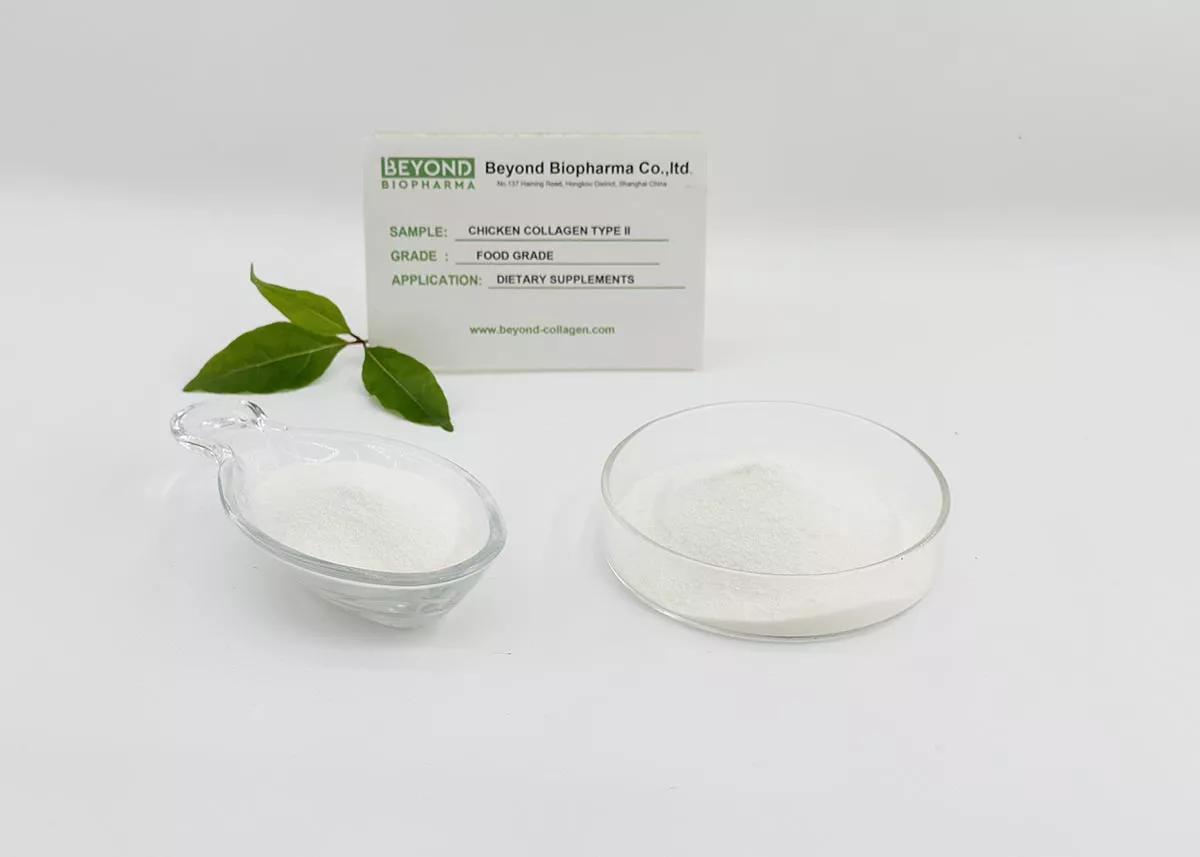
Gelatin comes in two primary forms: powder and sheets (also called leaf gelatin). Both are derived from collagen, typically from bovine or porcine sources, and both work by absorbing water and forming a gel when heated and cooled. The key difference lies in how they are measured and used. Powder gelatin is measured by weight, while sheets are standardized by bloom strength and sheet weight. Bloom strength is a measure of the gel's firmness, ranging from around 90 bloom (soft) to 250 bloom (extra firm). Most commercial recipes use 200-225 bloom gelatin. When converting between forms, you must account for bloom strength to avoid a gummy or weak gel.
The most reliable conversion is based on weight and bloom equivalence. One standard gelatin sheet (typically 200 bloom, weighing about 2.5 grams) sets the same amount of liquid as approximately 1 teaspoon (about 3 grams) of powdered gelatin with the same bloom. However, because powdered gelatin is more concentrated by weight, you need to adjust. The general rule: 1 sheet of gelatin (2.5g, 200 bloom) equals about 1/2 teaspoon (1.5g) of powdered gelatin (200 bloom). If your powdered gelatin has a different bloom (e.g., 250 bloom), you need to recalculate. For example, if you use 250 bloom powder, reduce the amount by roughly 20% because it is stronger. Always check the bloom on your packaging.
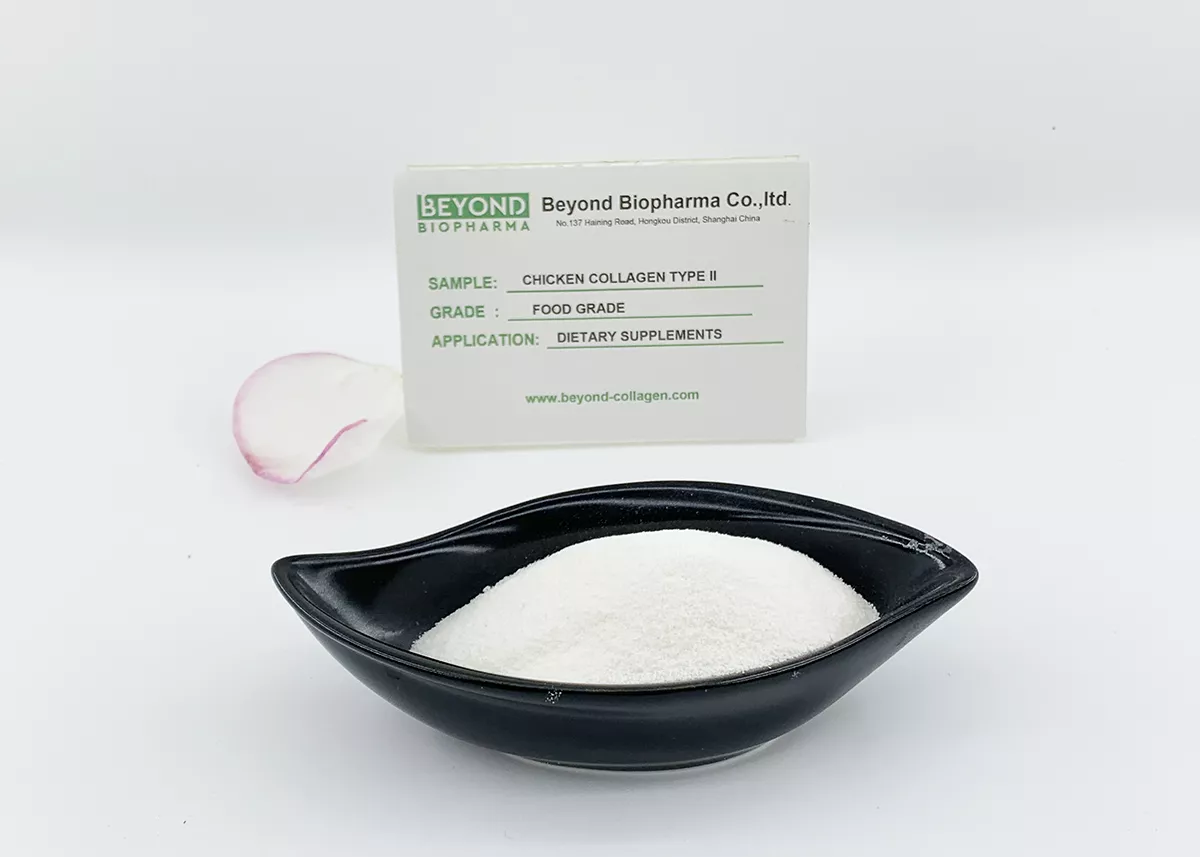
Let us look at a few practical examples. Suppose a recipe calls for 6 sheets of gelatin (each 2.5g, 200 bloom). That is a total of 15g of sheet gelatin. To convert to powder, you would use about 9g of 200 bloom powdered gelatin (since 1 sheet = 1.5g powder). If you only have 250 bloom powder, reduce that to roughly 7.2g. Conversely, if a recipe asks for 10g of powdered gelatin (200 bloom), you need about 6.7 sheets (each 2.5g). Always round to the nearest half sheet for accuracy. For delicate desserts like mousse, precision matters more than for chewy gummies.
The way you hydrate gelatin differs between forms. For powder, you sprinkle it over cold water (use about 5 times the weight of gelatin in water) and let it sit for 5-10 minutes until it becomes a spongy mass. For sheets, you soak them in a bowl of cold water for 5-10 minutes until they are soft and pliable, then squeeze out excess water before adding to warm liquid. Never boil gelatin, as high heat can break down its gelling ability. Always dissolve it into a warm (not hot) liquid around 50-60°C for best results.
One frequent mistake is assuming all gelatin sheets are the same weight. Sheets can vary from 1.7g to 3.3g depending on the brand. Always check the package. Another issue is using the wrong bloom strength for the application. For example, a soft 100 bloom sheet is not interchangeable with a 250 bloom sheet without adjusting the quantity. Also, acidic ingredients like citrus juice or vinegar can weaken gelatin, so you may need to increase the amount by 10-15%. Finally, do not skip the blooming step—adding dry gelatin directly to a hot liquid can result in clumps and a weak gel.
For everyday cooking, here is a simple cheat sheet. For every 1 sheet (2.5g, 200 bloom), use 1.5g of 200 bloom powder. For 4 sheets (10g), use 6g powder. For 8 sheets (20g), use 12g powder. If your powder is 250 bloom, multiply the powder weight by 0.8. If your sheets are a different weight (e.g., 3g each), adjust proportionally. Always weigh ingredients with a digital scale for best accuracy, especially in baking and confectionery.
Keep a small notebook with your conversions, especially if you frequently switch between forms. Store gelatin in a cool, dry place away from direct sunlight, as moisture can degrade its performance. When testing a new conversion, make a small batch first to check the texture. And remember, gelatin is not a one-size-fits-all ingredient—different recipes may require slight tweaks. With practice, you will be able to swap powder and sheets without a second thought.
For more detailed product specifications and sourcing information, you can explore our edible bovine gelatin and food-grade porcine gelatin pages.


We provide you with comprehensive foreign trade solutions to help enterprises achieve global development
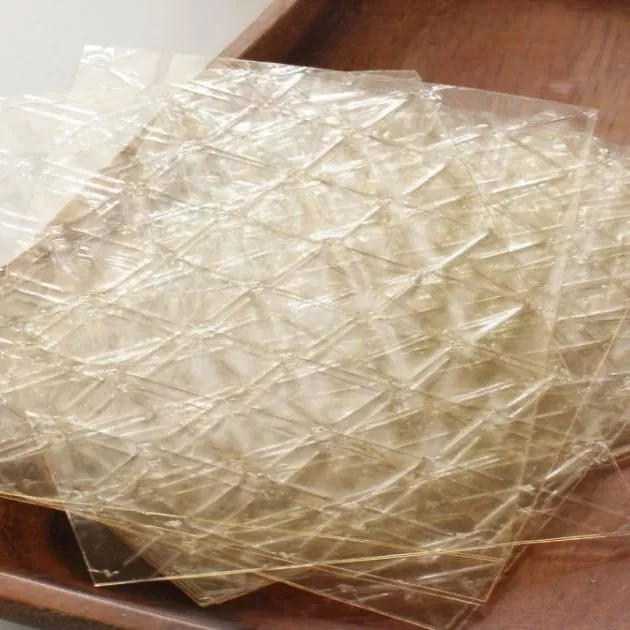
Our Gelatin Sheets are produced to precise standards, ensuring consistency and reliability across different Bloom grades (Silver being the most common professional choice).
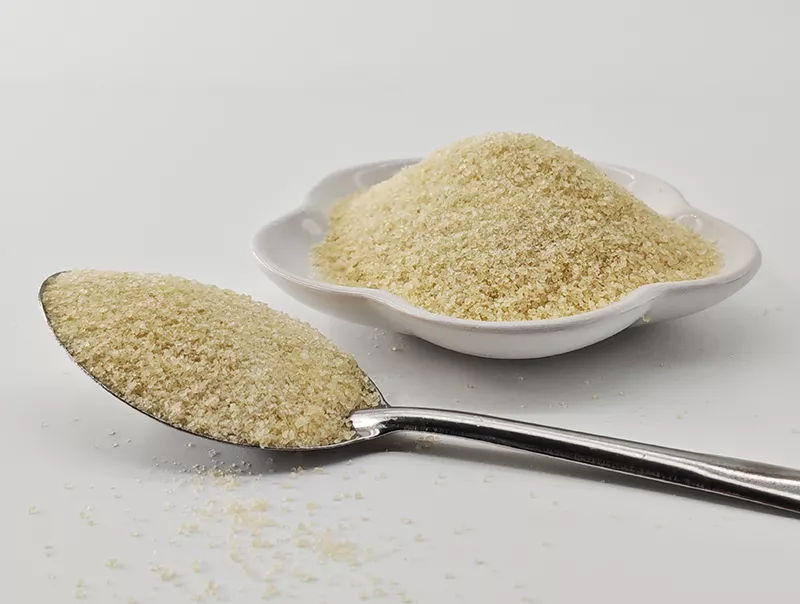
The High-Performance Barrier for Core Material Protection and Controlled Release.
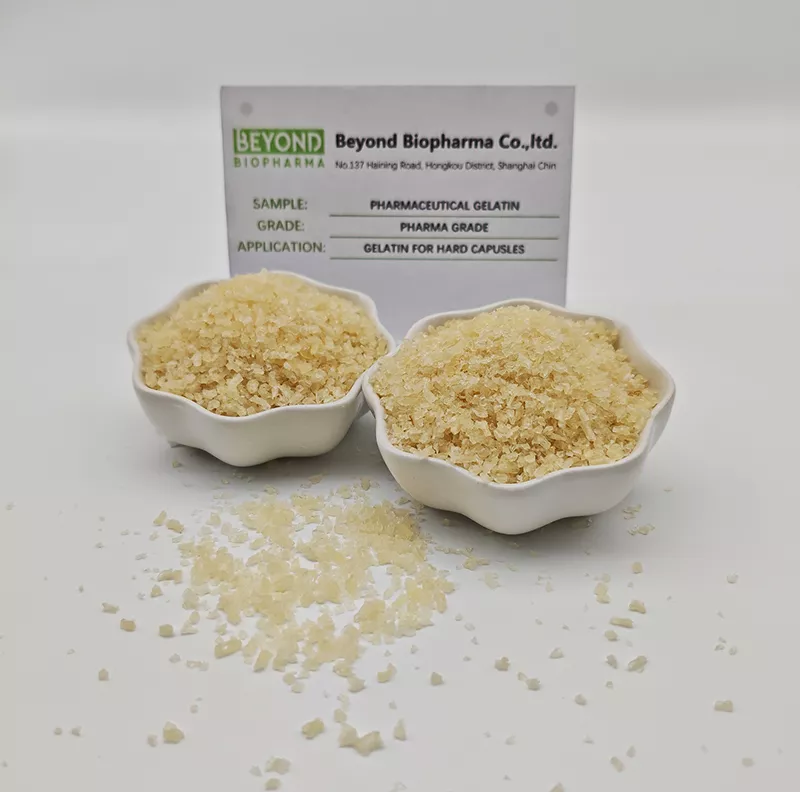
Precision, Purity, and Optimal Machinability
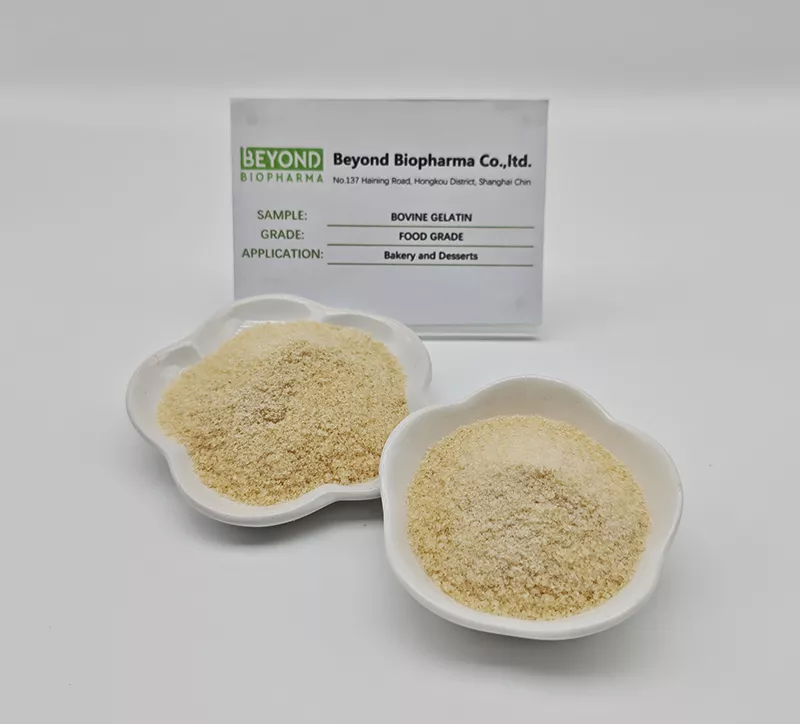
20 years experiences, 5000 ton/year capacity, Sustained supply with stable quality
Tel:+86 21 65010906
Cell/Whatsapp/Wechat:
+86 13482884055
+86 18657345785
Email: sales@beyondbiopharma.com