 English EN


How to Use Gelatin Powder? Applications of Gelatin Powder
Use gelatin powder by blooming it in cold water, dissolving gently, and adding to recipes for perfect texture in desserts, sauces, and supplements.
More
Choosing a food grade edible gelatin powder supplier is about more than comparing prices. Bloom strength consistency, raw material traceability, halal and kosher documentation, and reliable technical support all shape whether your gummies, yogurts, or softgels turn out the same way every batch. This guide walks through what edible gelatin actually does in food production, what to check before you commit to a supplier, and how to match gelatin type to your application. It is written for buyers and product developers who want a steady supply and predictable results, not just a low quote.
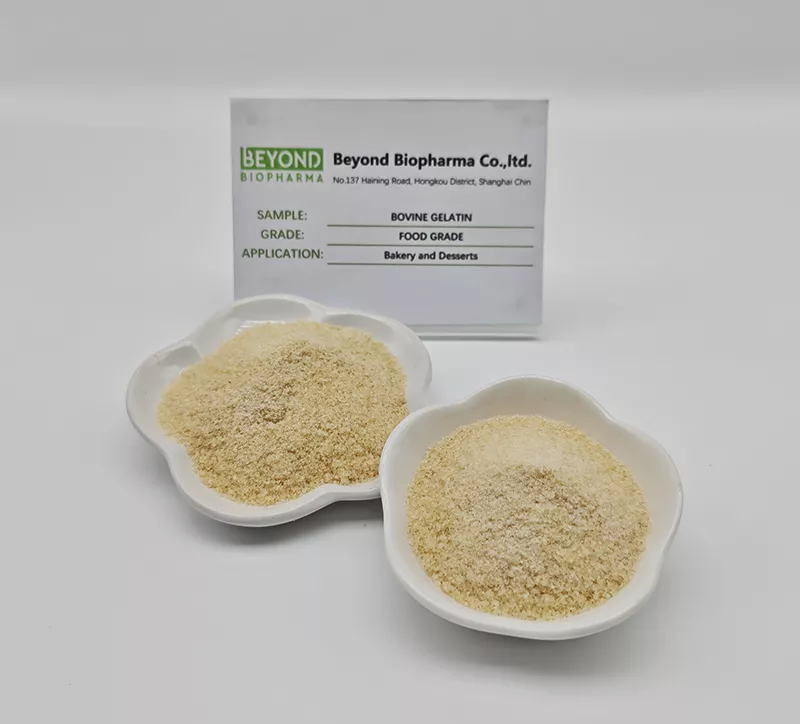
Edible gelatin is a natural protein derived from collagen found in animal skin and bones. In food manufacturing it works as a gelling agent, thickener, stabilizer, and foam builder. You will find it in gummy candies, marshmallows, yogurt, puddings, fruit snacks, nutrition bars, and soft cheeses. In yogurt it prevents whey separation and improves texture. In marshmallows it creates the stable foam that gives that light, airy bite. In nutrition bars it acts as a natural binder that holds ingredients together and helps retain moisture.
Gelatin is valued for properties that are hard to replicate with other ingredients: it gels and melts reversibly, it binds water well, it stays transparent, and it has a neutral taste that does not interfere with your flavor system. It can also be adjusted for strength and elasticity, which is why the same ingredient works in both soft and firm products.
The main commercial sources of gelatin are porcine skin and bone, and bovine hide and bone. Fish gelatin is produced on a smaller scale and suits buyers who avoid pork or beef for religious or ethical reasons. Porcine gelatin is strictly haram, while fish gelatin is widely accepted as halal. Bovine gelatin is permissible under halal rules when the slaughter is certified, and it offers strong gel strength and versatility across many applications.
For gummy and jelly producers, food grade porcine gelatin is a cost-effective choice known for exceptional clarity, neutral taste, and thermal reversibility. If your market requires beef-based or certified halal material, edible bovine gelatin covers confectionery, dairy, and dessert applications with sustained supply and stable quality. Some formulators also combine gelatin with food grade hyaluronic acid powder in joint-health and skin-health supplement formats.
Bloom strength consistency is the first thing to verify. A supplier who delivers the same Bloom value batch after batch saves you from reworking formulas and adjusting dosages. Ask for a certificate of analysis with each lot and compare several lots before signing a long-term agreement. Raw material traceability matters just as much, especially if you export to markets with strict labeling rules. You should know the animal source, the country of origin, and how the material was handled from raw hide or bone to finished powder.
Certifications are not paperwork for its own sake. Halal and kosher certificates determine whether your product can enter certain markets at all. Confirm that the certificate covers the specific production line and that it is renewed on schedule. Technical support is the factor buyers often overlook until something goes wrong. A supplier who can advise on Bloom adjustment, dissolution temperature, and compatibility with your other ingredients is worth more than a small price difference.
Finally, look at capacity and lead time. A supplier with steady annual output and a track record of on-time delivery keeps your production line running. It also helps to review the technical documentation before you order. You can download the Technical Data Sheet Food Grade Porcine Gelatin and the Technical Data Sheet Edible Bovine Gelatin to compare specifications side by side.
Even good gelatin fails in the wrong hands. Bloom the powder in cold water first, sprinkling it evenly rather than dumping it in, and let it rest for 5 to 10 minutes until it swells. Then dissolve it gently at 95°F to 104°F (35°C to 40°C). Boiling weakens gelling power, and adding powder directly to hot liquid causes clumping. Gelling typically occurs around 59°F (15°C), so plan your chilling step accordingly.
Watch for the common mistakes: too much sugar can stop gelatin from setting, so mix sugar with the gelatin before adding liquid; over-stirring after incorporation breaks the gel structure; and freezing instead of refrigerating ruins texture. Most desserts need at least eight hours in the fridge, and a full day gives the best result. If you want a deeper walkthrough of blooming ratios and troubleshooting, the guide on how to use gelatin powder covers the process step by step.
Before you place a first order, request samples from at least two lots and run them through your actual formula, not a bench test alone. Confirm Bloom value, mesh size, viscosity, and moisture against your specification. Verify halal or kosher status if relevant, and check that the certificate names the product you are buying. Ask about minimum order quantity, packaging format, and shelf life under your storage conditions. Keep gelatin powder in a cool, dry place with a tightly sealed container, away from moisture and direct sunlight.
It also pays to understand where gelatin appears in the products you make or buy. If you are reformulating or checking labels, the overview of what food products are made with edible gelatin explains how to spot it on ingredient lists and what alternatives exist. For a broader market view, the comparison of top food grade gelatin powder suppliers reviews how different suppliers position themselves across gummy, dairy, softgel, and clean-label production.
Gelatin is a natural material, so batch-to-batch variation is real. A supplier with two decades of experience and an annual capacity measured in thousands of tons has the inventory depth and process control to smooth out that variation. That is the difference between a formula that works in the lab and a product that ships consistently month after month. When you evaluate a supplier, ask how they handle a failed lot, how quickly they can replace it, and whether they keep safety stock for regular customers. Those answers tell you more about reliability than any brochure.
How do I store edible gelatin powder?
Keep it in a cool, dry place in a tightly sealed container. Avoid moisture and direct sunlight. Under these conditions, gelatin powder holds its quality through its stated shelf life.
Is gelatin powder the same as collagen powder?
No. Gelatin gels and thickens recipes, while collagen powder dissolves easily and does not gel. Both are derived from collagen and support skin and joint health, but they are used differently in formulation.
Can I use gelatin powder in hot drinks?
Yes, but dissolve the bloomed gelatin in warm liquid first, then add it to the hot drink and stir well. Adding dry powder straight to hot liquid causes clumping.
How long does gelatin take to set?
Most desserts need at least eight hours in the refrigerator, and a full day gives the best texture. Setting time depends on temperature, gelatin dosage, and the other ingredients in your recipe.

We provide you with comprehensive foreign trade solutions to help enterprises achieve global development
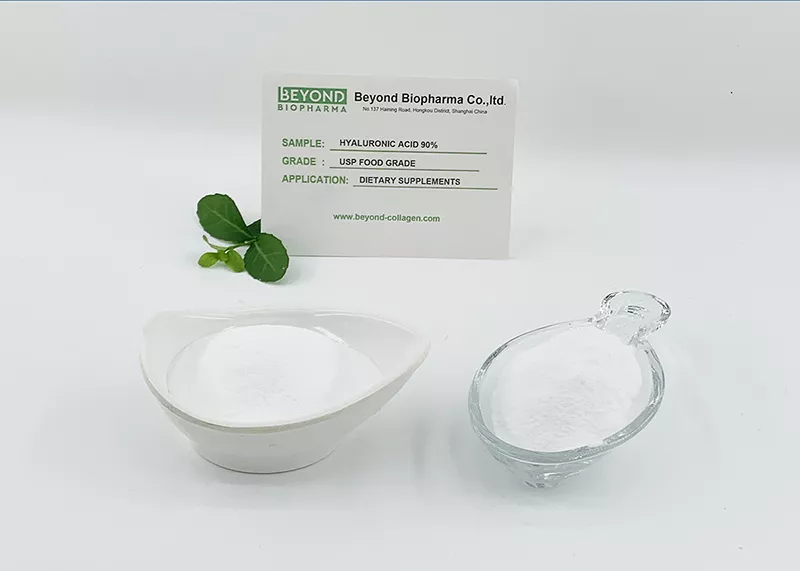
High Molecular Weight for Superior Joint, Skin, and Eye Health.
20 years experiences, 5000 ton/year capacity, Sustained supply with stable quality
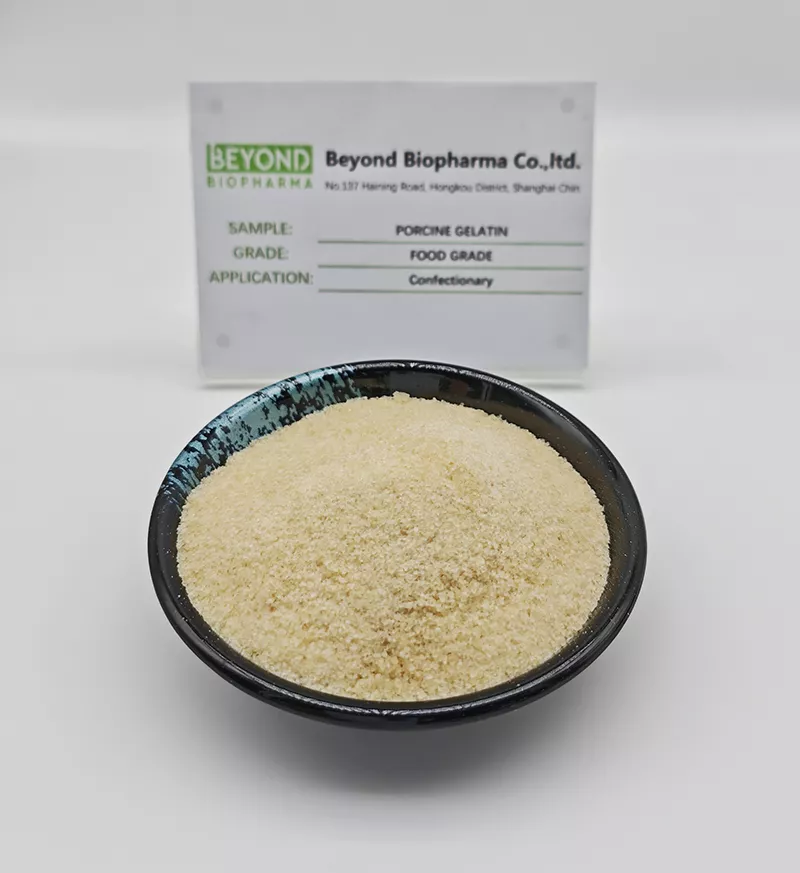
Food-grade porcine gelatin is a highly versatile and cost-effective natural protein derived from the collagen found in pig skin and bones. It is a premier gelling agent known for its exceptional clarity, neutral taste, and thermal reversibility.
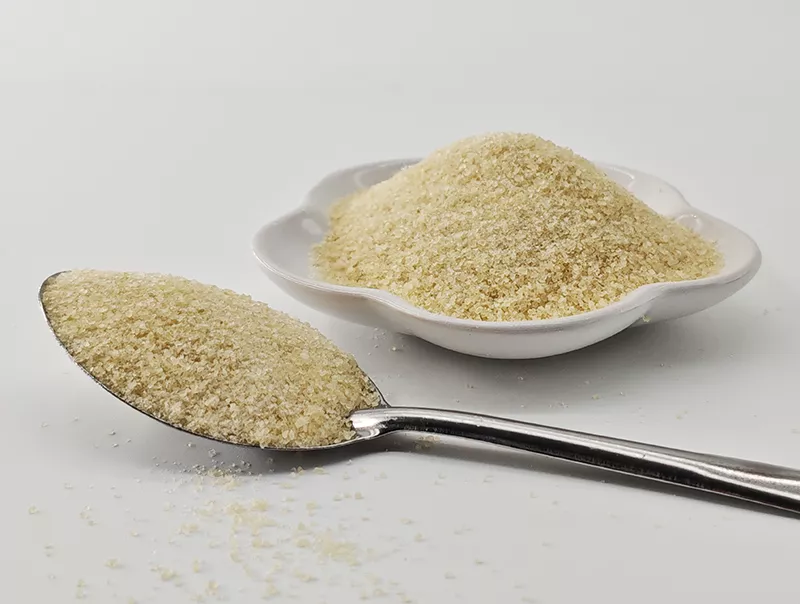
The High-Performance Barrier for Core Material Protection and Controlled Release.
Select the most popular foreign trade service products to meet your diverse needs
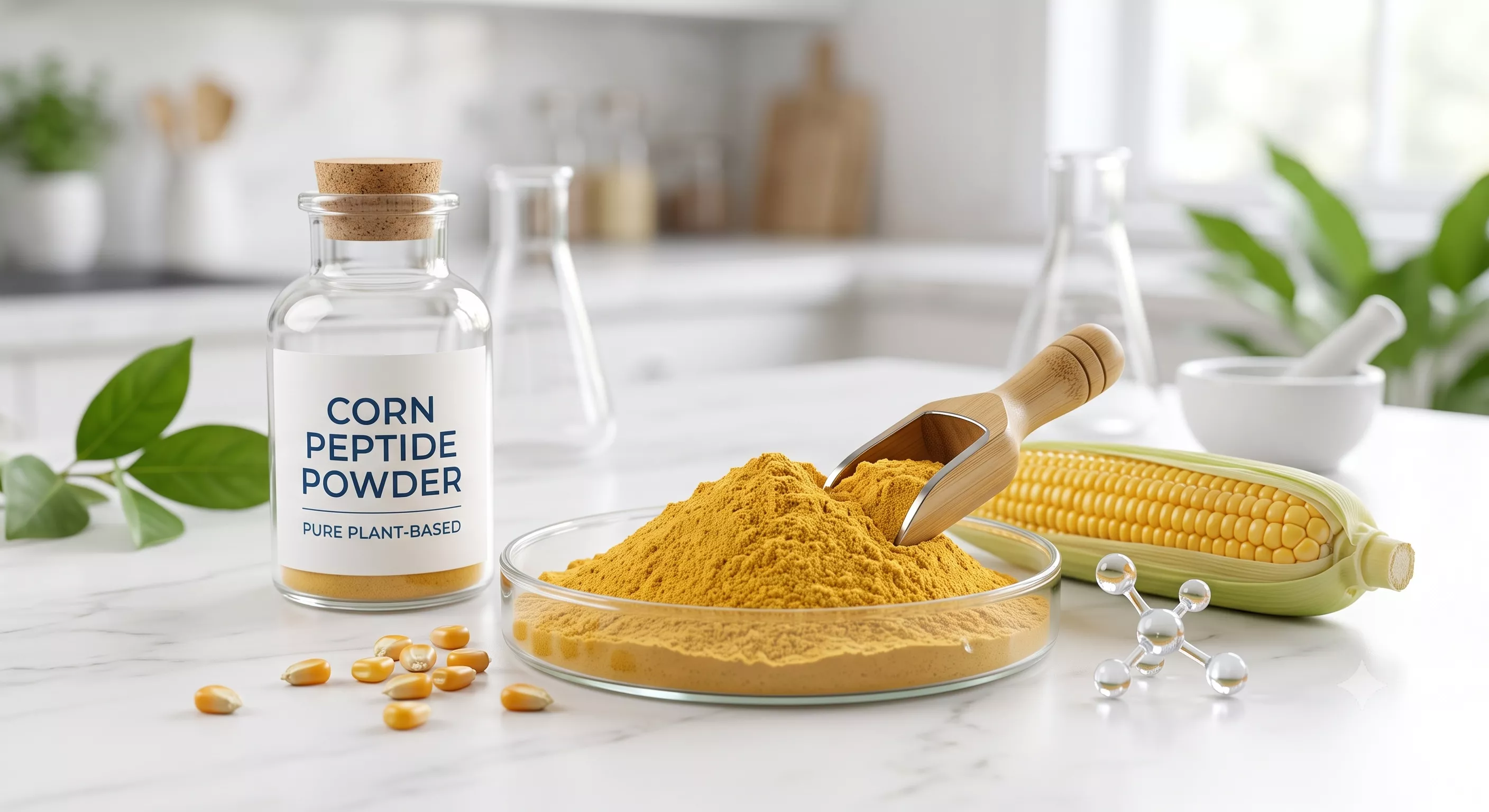
Source high-purity wholesale hydrolyzed corn protein peptide powder in bulk. Over 85% oligopeptides under 1000 Da. Rich in Alanine and Leucine for liver support and sobriety formulas.
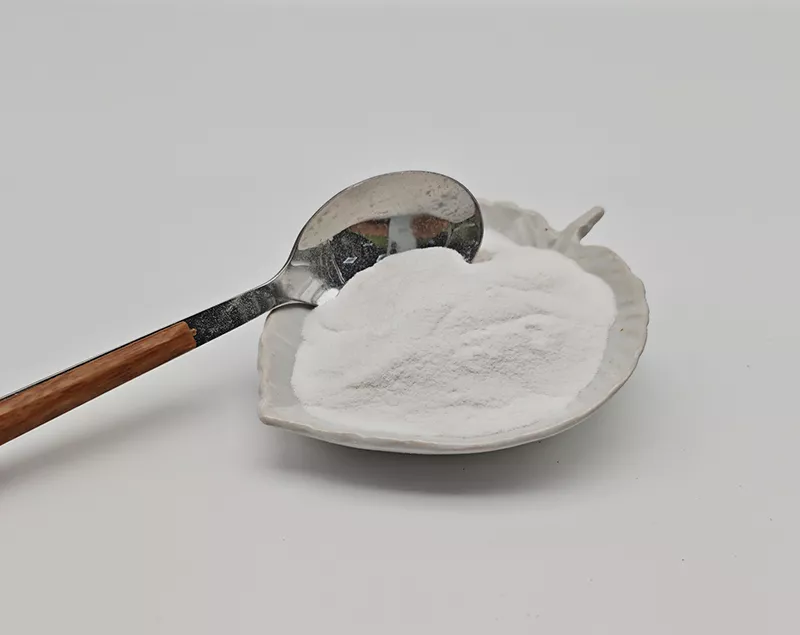
Fish Gelatin for foods is increasingly recognized as the premium alternative to traditional mammalian sources, meeting the growing global demand for clean-label ingredients that align with diverse dietary and religious requirements. Derived from the skin and scales of fish like cod and tilapia, fish gelatin offers unique functional benefits that make it an exceptional gelling, stabilizing, and texturizing agent.
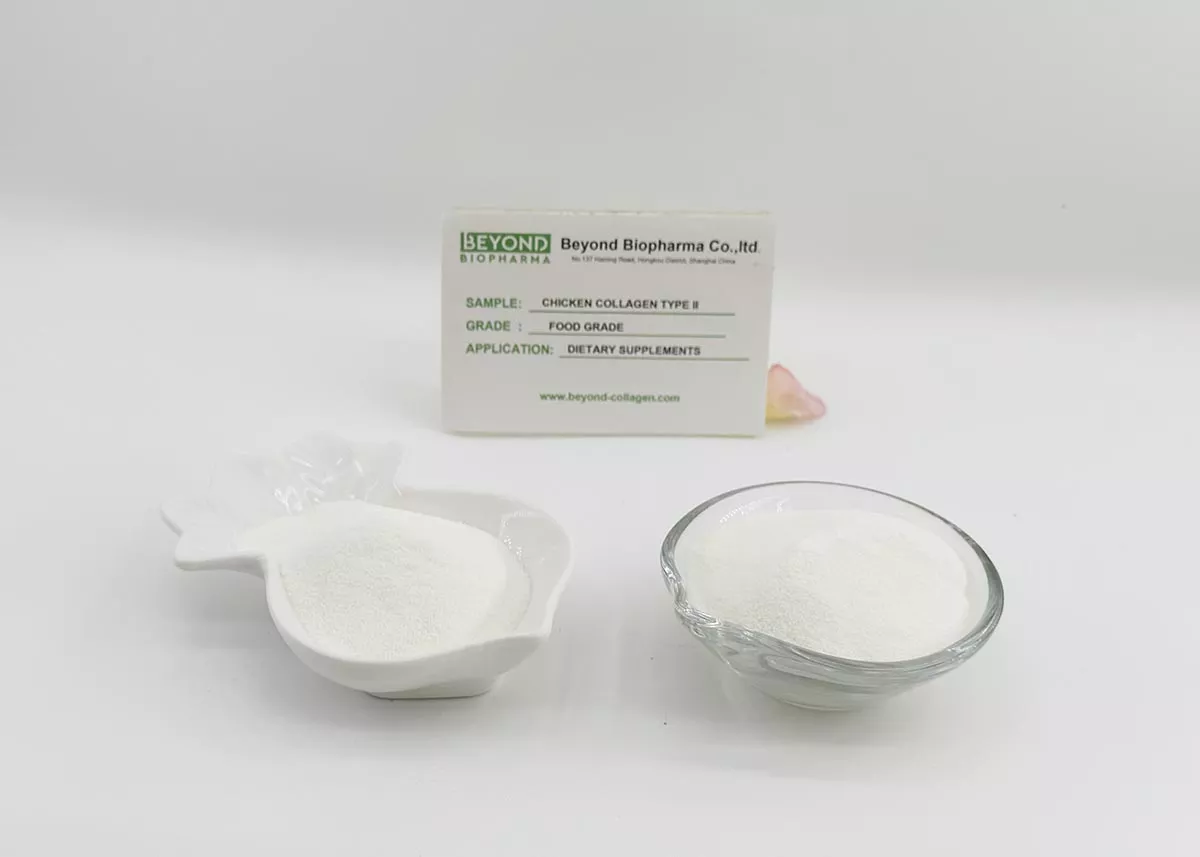
BEYOND BIOPHARMA is a specialized manufacturer of highly purified Hydrolyzed Collagen Type II. Through advanced enzymatic hydrolysis, we create low-molecular-weight collagen peptides that are highly bioavailable, offering foundational nutritional support for cartilage repair, joint function, and skin health. Our product is designed for rapid absorption and maximum efficacy in oral supplements.
Tel:+86 21 65010906
Cell/Whatsapp/Wechat:
+86 13482884055
+86 18657345785
Email: sales@beyondbiopharma.com





User Comments
Service Experience Sharing from Real Customers
Mike
Purchasing ManagerBeen sourcing edible gelatin for our gummy line for almost six years now, and honestly this supplier has been the most consistent one we've worked with. The powder dissolves cleanly, no clumping, and the bloom strength is right where they say it is every single batch. Had one shipment last spring that arrived a couple days late, but they kept me posted the whole time. Can't really complain.
Sarah
Product Development TechnologistWe trialed this gelatin in a new marshmallow formulation and the gel clarity was noticeably better than what we were using before. Flavor is neutral, which matters a lot for us. Docking one star only because the minimum order quantity was a bit steep for a trial run, but the sales rep worked with us on it. Would order again for sure.
David
Small Business OwnerI run a tiny artisan pate and aspic shop, so I'm not a big buyer at all. Half expected to get ignored, but they answered my questions within a day and even sent a small sample before I committed. The gelatin sets beautifully and my customers have noticed the texture improvement. Genuinely good people to deal with.
Priya
Quality Assurance SpecialistDocumentation package was complete - COA, halal cert, allergen statements, all of it, which saves me a headache during audits. Powder passed our incoming moisture and viscosity checks without issue. Only minor gripe is the packaging could be more moisture-resistant for humid climates, we had to repack one pallet. Overall a reliable source though.