 English EN


Glucosamine Hydrochloride or Glucosamine Sulfate Which Helps Arthritis More
Glucosamine sulfate is generally more effective for arthritis, but glucosamine hydrochloride is ideal for vegans or those with shellfish allergies.
More
Current research identifies glucosamine 2NACL as the most effective option for joint health in 2026. Studies show that glucosmaine 2NACL provides superior improvement in osteoarthritis symptoms and maintains a strong safety profile. Selecting the correct glucosamine form directly influences both efficacy and patient safety outcomes.
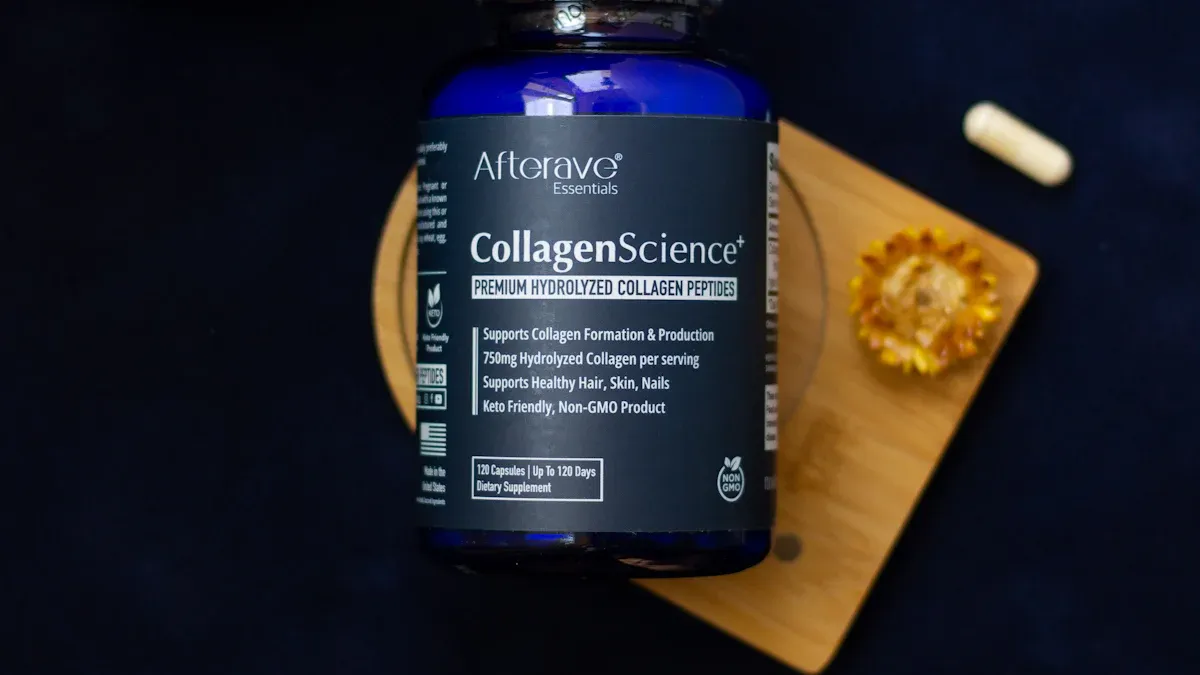
Glucosamine plays a vital role in maintaining healthy joints. It supports the structure and function of articular cartilage, which cushions bones and allows smooth movement. Researchers have found that glucosamine and chondroitin are key components of the extracellular matrix in cartilage. They help reduce inflammation by lowering levels of inflammatory mediators like IL-1, IL-6, and TNF-α. Glucosamine also inhibits catabolic enzymes, which protects cartilage from breakdown and encourages repair processes. These actions make glucosamine a valuable supplement for individuals seeking joint health support.
Note: Consistent use of the right glucosamine form can help manage joint discomfort and improve mobility.
Not all glucosamine supplements are the same. The chemical structure and function of each form influence its effectiveness.
Glucosamine hydrochloride (HCl) offers higher purity and stability, providing about 83% actual glucosamine per dose.
Glucosamine sulfate forms, including glucosamine 2NACL, contain less actual glucosamine (around 60%) and have lower stability.
N-acetyl-D-glucosamine acts as a precursor for glycosaminoglycans, which are important for anti-inflammatory support.
Each form has unique properties that affect absorption, bioavailability, and clinical outcomes. Choosing the correct type, such as glucosamine 2NACL, can maximize benefits for joint health.
Glucosamine 2NACL supports joint health by supplying essential building blocks for cartilage. It stimulates the production of glycosaminoglycans, which help maintain cartilage structure. This form also reduces inflammation by limiting the activity of enzymes that break down cartilage. Many clinicians recognize its ability to protect joints and promote repair.
The body absorbs glucosamine 2NACL efficiently. This form dissolves well in water, which helps increase its bioavailability. Studies show that it reaches the bloodstream quickly and delivers consistent levels of glucosamine to joint tissues. This reliable absorption makes it a preferred choice for individuals seeking joint support.
Recent research highlights the clinical advantages of glucosamine 2NACL compared to other forms. The following table summarizes key findings:
| Evidence Type | Glucosamine Sulfate | Glucosamine Hydrochloride |
|---|---|---|
| Pain Improvement | Modest but clinically relevant | Small or no advantage over placebo |
| Joint Space Narrowing | Less knee joint-space narrowing | Mixed findings in studies |
| Long-term Studies | No observable loss of knee joint space | Constriction observed in placebo groups |
These results suggest that glucosamine 2NACL offers meaningful benefits for pain and joint preservation.
Glucosamine 2NACL reduces pain and improves function in people with knee osteoarthritis.
It matches the effectiveness of NSAIDs like ibuprofen for joint discomfort.
This form may promote cartilage production and decrease joint inflammation.
Some studies report mixed results, so further research is necessary to confirm long-term effects.
Glucosamine hydrochloride supports joint health through several biological pathways. It acts as a precursor in the synthesis of glycosaminoglycans and proteoglycans, which are essential for cartilage structure. This compound enhances the production of cartilage matrix components, such as aggrecan and collagen type II. It also increases hyaluronic acid production in the synovium, which helps lubricate joints. Glucosamine hydrochloride prevents collagen degeneration by inhibiting lipoxidation and protein oxidation. It suppresses the activity of enzymes like matrix metalloproteinases and aggrecanase, which can degrade cartilage. The following table summarizes these mechanisms:
| Mechanism | Description |
|---|---|
| Cartilage Matrix Production | Enhances aggrecan and collagen type II synthesis |
| Hyaluronic Acid Production | Increases joint lubrication |
| Collagen Degeneration Prevention | Inhibits lipoxidation and protein oxidation |
| MMP Inhibition | Reduces cartilage breakdown |
| Aggrecanase Inhibition | Maintains cartilage integrity |
| Anti-inflammatory Effects | Inhibits inflammatory processes |
Glucosamine hydrochloride absorbs efficiently in the small intestine, with rates similar to glucosamine sulfate—about 90%. This form contains a higher concentration of pure glucosamine per dose compared to sulfate forms. It offers greater stability and solubility, which may benefit supplement formulation. While glucosamine sulfate has more clinical studies, glucosamine hydrochloride can be equally effective when dosed properly. The sulfate component in glucosamine sulfate may provide additional benefits for cartilage health, but glucosamine hydrochloride remains a popular choice due to its purity.
Clinical trials have produced mixed results for glucosamine hydrochloride. Large studies found no significant improvement in cartilage damage, bone marrow lesions, or urinary markers of cartilage degradation. Subjects with chronic knee pain did not experience meaningful improvements in pain or function. The table below summarizes these findings:
| Outcome Measure | Result | Conclusion |
|---|---|---|
| Cartilage damage | No significant improvement | Did not reduce cartilage deterioration |
| Bone marrow lesions | No significant improvement | No reduction in worsening of BMLs |
| Urinary CTX-II levels | No significant change | No decrease in cartilage degradation markers |
| Pain and functioning | No significant improvement | No improvement in pain or functioning |
Glucosamine hydrochloride may help delay cartilage decomposition and promote joint function.
Some studies report reduced arthritis symptoms and improved knee health.
Side effects are mild and infrequent.
Large trials show no greater benefit than placebo for knee osteoarthritis.
Smaller studies report inconsistent, modest improvements.
Current guidelines suggest any benefit is small and uncertain.
Glucosamine hydrochloride offers higher purity than glucosamine 2NACL, but clinical outcomes may not match those seen with sulfate forms.
N-acetyl-D-glucosamine (GlcNAc) plays a vital role in joint health by supporting the formation and use of amino sugars. These sugars help maintain cell membranes and intercellular fluids, which are essential for healthy cartilage. Articular cartilage contains proteoglycans, chondrocytes, and collagens. Chondrocytes produce synovial fluid, which nourishes cartilage and keeps joints moving smoothly. When the body lacks proteoglycan precursors or synovial fluid, joints can develop structural problems. This issue often leads to osteoarthritis, especially in older adults.
The body absorbs N-acetyl-D-glucosamine efficiently through the small intestine. This form of glucosamine resists breakdown by stomach acid, which helps more of the active compound reach the bloodstream. As a result, GlcNAc can deliver consistent support to joint tissues. Many experts consider its absorption profile similar to that of glucosamine 2NACL.
Researchers have studied N-acetyl-D-glucosamine in both healthy adults and those with osteoarthritis. The following table summarizes key findings:
| Study Title | Findings | Duration |
|---|---|---|
| Pilot study of oral polymeric N-acetyl-d-glucosamine as a potential treatment for patients with osteoarthritis | N-acetyl-d-glucosamine significantly enhanced the prevention of joint damage, similar to glucosamine hydrochloride. | Not specified |
| Effect of N-acetylglucosamine administration on cartilage metabolism and safety in healthy subjects without symptoms of arthritis | GlcNAc was effective in relieving symptoms of OA, with significant improvement in knee joint pain and range of motion. | 12 weeks |
N-acetyl-D-glucosamine offers several benefits for joint health. It helps protect cartilage, supports joint lubrication, and may reduce pain in people with osteoarthritis. Most studies report good safety and tolerability. However, research on long-term effects remains limited, and results can vary between individuals.
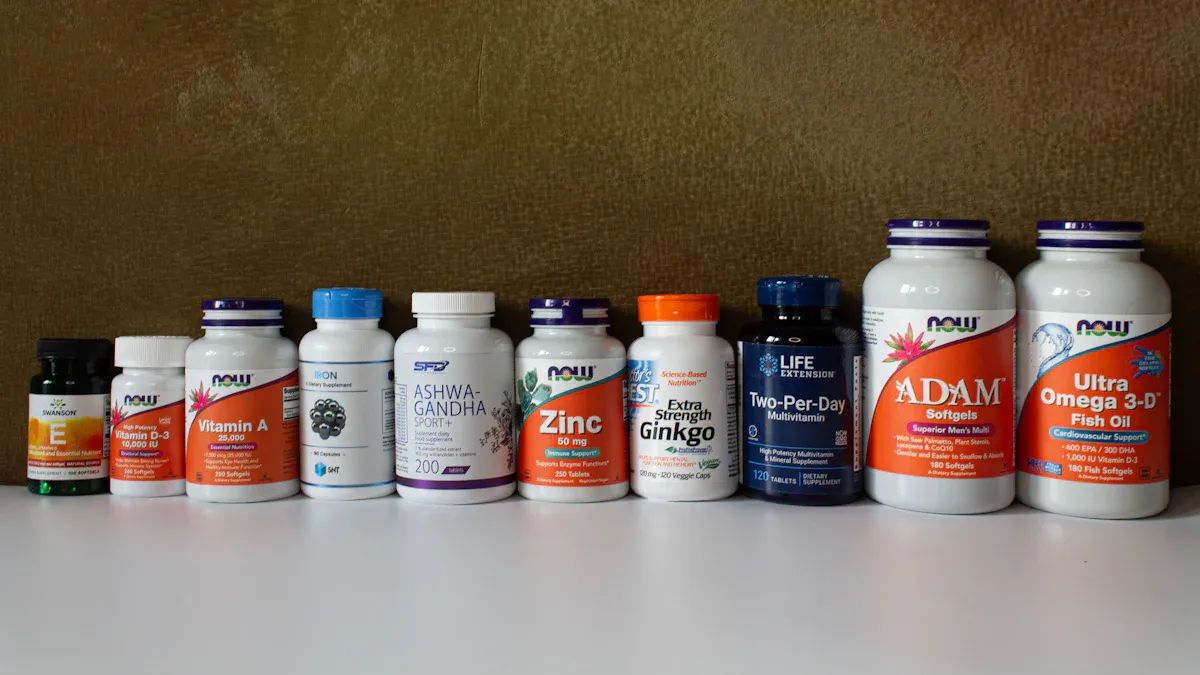
Bioavailability determines how much of a supplement reaches the bloodstream and becomes available for use by the body. Glucosamine 2NACL dissolves well in water, which allows for efficient absorption in the digestive tract. This property ensures that a consistent amount of glucosamine reaches joint tissues. Glucosamine hydrochloride also absorbs efficiently, offering a high concentration of pure glucosamine per dose. N-acetyl-D-glucosamine resists breakdown by stomach acid, which helps more of the active compound reach the bloodstream. Each form provides reliable absorption, but glucosamine 2NACL stands out for its consistent delivery and clinical reliability.
Efficacy remains a key factor when comparing glucosamine forms. Glucosamine 2NACL demonstrates superior results in reducing pain and improving joint function, especially in individuals with knee osteoarthritis. Clinical studies show that this form can slow joint space narrowing and match the effectiveness of common pain relievers. Glucosamine hydrochloride offers some benefit, but large trials often report no significant improvement over placebo. N-acetyl-D-glucosamine supports cartilage health and joint lubrication, but research on its long-term effects remains limited. Most experts recommend glucosamine 2NACL for those seeking the most reliable improvement in joint symptoms.
Safety profiles influence supplement choice. Most people tolerate glucosamine 2NACL well, with adverse events similar to those seen with placebo. Common side effects include mild gastrointestinal symptoms such as abdominal pain, diarrhea, and dyspepsia. No serious adverse events have been reported in studies lasting up to three years. Other forms, including glucosamine hydrochloride and N-acetyl-D-glucosamine, show similar safety records. However, all glucosamine supplements may cause:
Nausea
Vomiting
Diarrhea
Heartburn
Abdominal pain
Pregnant or breastfeeding individuals should avoid glucosamine due to limited safety data. People with type 2 diabetes should consult a healthcare provider, as glucosamine may have a small hypoglycemic effect.
Glucosamine supplements come in several forms to suit different preferences and needs. The following table summarizes common applications:
| Application Type | Description |
|---|---|
| Tablets | Commonly compressed with chondroitin and MSM for oral intake. |
| Capsules | Available in capsule form for easy consumption. |
| Powders | Packaged in sachets for instant drinks, often combined with chondroitin sulfate and MSM for joint support. |
Glucosamine 2NACL works best for adults with osteoarthritis who seek long-term joint support. Glucosamine hydrochloride may suit those who prefer higher purity or have sensitivities to sulfate. N-acetyl-D-glucosamine offers an alternative for individuals interested in additional support for cartilage and synovial fluid. Each form provides options for different lifestyles and health needs.
Tip: Individuals should choose a glucosamine form based on clinical evidence, personal health status, and product availability.
Selecting the most suitable glucosamine supplement involves several important considerations.
Safety remains a top priority. Studies show that glucosamine and chondroitin maintain a strong safety record for up to three years of use.
Individuals should review potential interactions with medications, especially blood thinners like warfarin.
Those with shellfish allergies must avoid glucosamine derived from crustacean shells.
The market offers multiple forms, including hydrochloride, sulfate, and N-acetyl-D-glucosamine.
Some products combine glucosamine with other joint-supporting ingredients, such as Boswellia extracts.
Note: Always check product labels for allergen information and ingredient sources.
Most guidelines recommend a daily dose of 1,500 mg for glucosamine sulfate, often divided into three servings.
Choose products that provide a standardized dose per capsule or serving.
Adhering to the manufacturer’s instructions helps prevent gastrointestinal discomfort or electrolyte imbalance.
Liquid or powdered formulations may offer better absorption.
Many individuals benefit from combining glucosamine sulfate with chondroitin sulfate or MSM, provided the product is third-party tested for quality.
Consultation with a healthcare provider is essential in certain situations:
Individuals with shellfish allergies should seek medical advice before starting supplementation.
Children should not use glucosamine due to insufficient safety data.
Older adults need to discuss potential benefits and risks with their provider.
Breastfeeding individuals should exercise caution, as research on safety remains limited.
Anyone taking other medications should confirm there are no harmful interactions.
Glucosamine 2NACL offers a reliable option for many adults, but individual health status and needs should guide the final choice.
Glucosamine 2NACL stands out as the top choice for joint health in 2026 due to its proven effectiveness and safety. Individuals can make informed decisions by following these steps:
Take glucosamine daily for gradual benefits.
Combine with MSM, turmeric, or Boswellia.
Maintain healthy habits for optimal results.
Glucosamine 2NACL contains a sulfate group, which may enhance joint support. Glucosamine hydrochloride offers higher purity but shows less consistent clinical benefits.
Most glucosamine supplements come from shellfish. People with shellfish allergies should choose synthetic or plant-based glucosamine products.
Many individuals report improvement in joint comfort within 4 to 8 weeks of daily use. Results may vary based on individual health status.

We provide you with comprehensive foreign trade solutions to help enterprises achieve global development
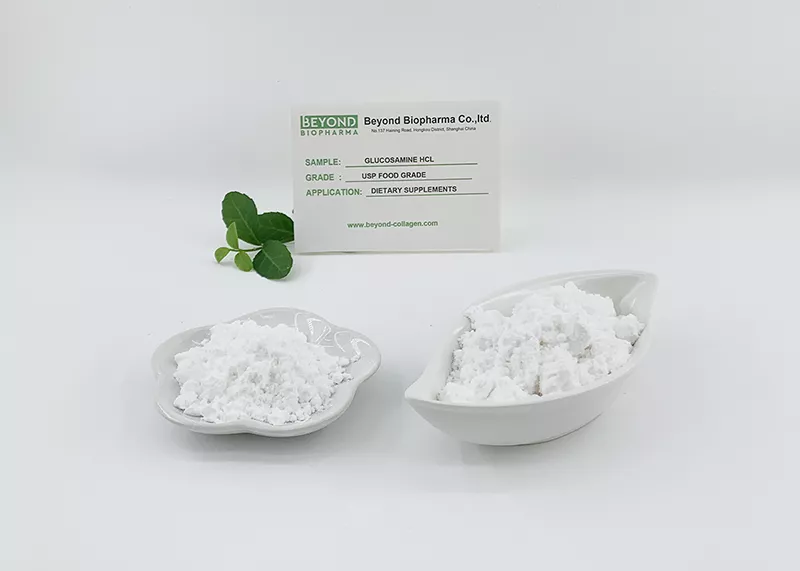
The Purest Plant-Based Joint Support Solution
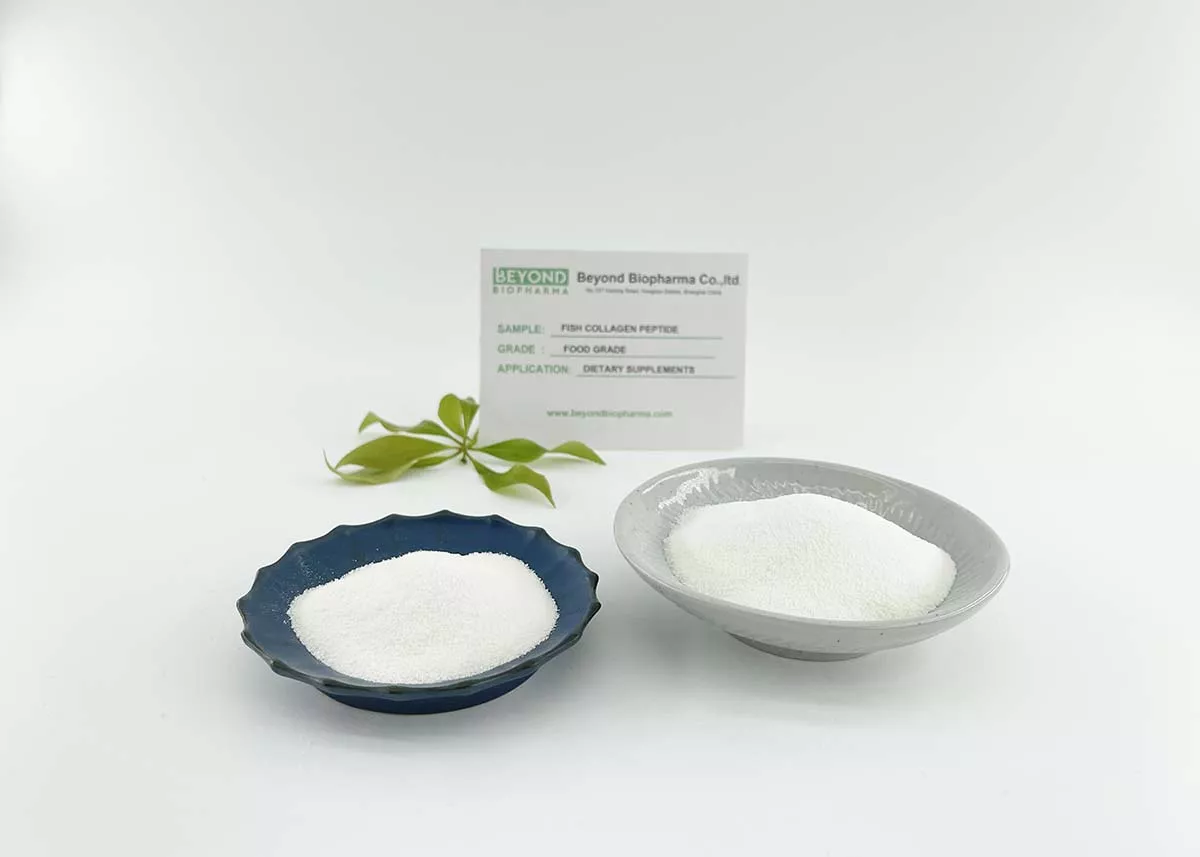
Premium marine-sourced collagen peptides with >90% protein content and low molecular weight (1000-3000 Da) for superior bioavailability. Sustainably sourced, neutral taste, and fully soluble—ideal for nutricosmetics and functional foods.
High Molecular Weight for Superior Joint, Skin, and Eye Health.
Source ultra-pure, non-GMO hydrolyzed soybean oligopeptide powder in bulk. Complete water solubility, over 80% peptides under 1000 Da. Ideal for sports nutrition and immune recovery formulas.
Select the most popular foreign trade service products to meet your diverse needs
20 years experiences, 5000 ton/year capacity, Sustained supply with stable quality
The Purest Plant-Based Joint Support Solution

Our Gelatin Sheets are produced to precise standards, ensuring consistency and reliability across different Bloom grades (Silver being the most common professional choice).
Tel:+86 21 65010906
Cell/Whatsapp/Wechat:
+86 13482884055
+86 18657345785
Email: sales@beyondbiopharma.com





User Comments
Service Experience Sharing from Real Customers
Emma
Physical TherapistAs a professional, I've recommended Glucosamine Sulfate Sodium Chloride to many clients with joint concerns. The purity and bioavailability are excellent. It's become a staple in my supportive supplement protocols.
Liam
Fitness InstructorThis specific formulation of glucosamine really helps me stay active and recover faster after intense training sessions. My knee stiffness has noticeably decreased since I started taking it regularly. Highly effective.
Sophia
Veterinary TechnicianI use this product (under vet guidance) for my older dog's joint support, and the results have been remarkable. The sodium chloride form seems to enhance stability. A high-quality ingredient for mobility formulas.
Noah
PharmacistIn my professional opinion, the Glucosamine Sulfate Sodium Chloride compound is superior in terms of shelf stability and absorption. This is a key ingredient for effective joint health supplements. Reliable and potent.