 English EN


Fish Gelatin Powder or Beef and Pork Gelatin Which Is Right for You
Compare fish gelatin powder with beef and pork gelatin to find the best option for dietary needs, texture, and recipes, including kosher and halal diets.
More
Glucosamine is a natural amino sugar found in cartilage and joint fluid. It is a key building block for glycosaminoglycans, which are essential for maintaining the structure and function of joints. The two most common commercial forms are glucosamine sulfate (often stabilized with potassium or sodium chloride) and glucosamine hydrochloride (HCl). Both are derived from chitin, typically sourced from shellfish shells, though vegan versions from fermentation are also available. The primary difference lies in the salt form and the presence of sulfate ions, which some studies suggest may aid in cartilage synthesis. For buyers, the choice between sulfate and HCl often comes down to target application, solubility requirements, and allergen considerations.
Glucosamine is a precursor to proteoglycans, which help cushion joints and maintain cartilage integrity. When supplemented, it provides the raw material the body uses to repair and rebuild cartilage that naturally degrades with age or overuse. Research indicates that regular intake can help reduce joint discomfort and improve mobility, especially in individuals with mild to moderate osteoarthritis. The mechanism is not anti-inflammatory in the traditional sense; rather, it supports the structural maintenance of joint tissue. For formulators, combining glucosamine with other joint health ingredients like chondroitin or hyaluronic acid is common to create synergistic effects.
The main difference is the chemical salt. Glucosamine sulfate contains a sulfate group, which some researchers believe is beneficial for cartilage production. Glucosamine HCl has a higher glucosamine base content (about 83% versus 65% for sulfate) because the hydrochloride salt is more concentrated. This means you need less HCl to deliver the same amount of active glucosamine. In terms of stability, HCl is more stable and less hygroscopic, making it easier to handle in dry powder blends and capsules. Both forms are widely used in supplements, but HCl is often preferred for vegan or allergen-free formulations when sourced from non-shellfish fermentation. Solubility is excellent for both, though HCl dissolves slightly faster in water.
| Parameter | Glucosamine Sulfate | Glucosamine HCl |
|---|---|---|
| Glucosamine base content | ~65% (typical industry range; final values per COA / sample) | ~83% (typical industry range; final values per COA / sample) |
| Solubility in water | High, but may be slightly slower | Very high, fast dissolution |
| Hygroscopicity | Moderate (requires stable packaging) | Low, more stable in dry form |
| Common source | Shellfish chitin | Shellfish chitin or fermentation (vegan) |
| Typical dosage equivalent | 1,500 mg sulfate = ~1,000 mg glucosamine base | 1,200 mg HCl = ~1,000 mg glucosamine base |
Both forms are typically produced through the hydrolysis of chitin, which is extracted from crustacean shells. The chitin is treated with a strong acid to break it down into glucosamine, which is then purified and converted into either the sulfate or hydrochloride salt. For vegan or allergen-free options, some manufacturers use fermentation processes with corn or other plant substrates to produce glucosamine without shellfish. The final product is a white or off-white crystalline powder. Quality markers include high purity (typically 99%+), low heavy metal content, and consistent particle size. Reputable suppliers provide a Certificate of Analysis (COA) for each batch.
Glucosamine is a staple in joint health supplements, often combined with glucosamine hydrochloride, chondroitin, MSM, and hyaluronic acid. It is used in capsules, tablets, powders, and liquid formulations. For sports nutrition, it supports recovery and joint resilience in athletes. In the beauty-from-within segment, it is sometimes included in formulas targeting skin and connective tissue health. For pharmaceutical applications, it is used as an excipient or active ingredient in some regulated products. When selecting a grade, buyers should specify whether they need food-grade, pharmaceutical-grade, or cosmetic-grade material, as purity and particle size requirements differ.
The choice depends on your target market and product format. For high-dose capsules where you want to minimize fill weight, glucosamine HCl is more efficient due to its higher active content. For formulations that aim to include sulfate ions (often marketed as more natural), glucosamine sulfate is preferred. If you need a vegan or allergen-free claim, look for fermentation-derived HCl. For liquid or drink mixes, both work well, but HCl dissolves faster. Always request a COA to verify purity, heavy metals, and microbiological specs. For gummy or softgel applications, consider the compatibility with other edible gelatin or gelling agents.
Beyond Biopharma is a Shanghai-based manufacturer with over 10 years of experience in the food-ingredient industry, exporting to more than 50 countries. Our facility has an annual capacity of approximately 3,000 MT for collagen and 5,000 MT for gelatin, with fully automatic production lines, GMP clean workshops, and stainless-steel sealed piping with automated temperature and pH control. We are ISO 9001 certified, US FDA registered, and select products carry Halal or Kosher certification. Our bovine bone gelatin is BSE-free. We maintain an in-house lab for heavy-metal and microbiological testing, supported by a dedicated QA/QC team. Our product lines include edible gelatin, pharmaceutical gelatin, collagen peptides, undenatured collagen type II, plant protein peptides, and joint health ingredients including bovine chondroitin sulfate sodium, glucosamine HCl, and food-grade hyaluronic acid powder. We offer free samples and formulation support across food, pharmaceutical, and cosmetic grades.
Both forms are effective. Glucosamine sulfate contains sulfate ions that some research suggests may aid cartilage synthesis, while glucosamine HCl has a higher active glucosamine content per gram. The choice depends on your formulation goals and target dosage.
Yes, vegan glucosamine is produced through fermentation using corn or other plant substrates. This option is suitable for allergen-free and vegan formulations. Beyond Biopharma offers premium vegan glucosamine hydrochloride for such applications.
The common adult dosage is 1,500 mg per day of glucosamine sulfate or 1,200 mg per day of glucosamine HCl, which both provide approximately 1,000 mg of active glucosamine base. Always follow label instructions and consult a healthcare professional.
Store in a cool, dry place away from direct sunlight. Glucosamine sulfate is more hygroscopic and may require airtight packaging. Glucosamine HCl is more stable but still benefits from proper storage to maintain shelf life.
Look for ISO 9001, FDA registration, and third-party testing for heavy metals and microbiology. For specific markets, Halal or Kosher certification may be required. Always request a COA for each batch to verify specs.
Yes, it is commonly combined with chondroitin sulfate, MSM, hyaluronic acid, and collagen peptides for synergistic effects. Beyond Biopharma supplies a full range of joint health ingredients to support such formulations.
If you are sourcing glucosamine sulfate or hydrochloride for your nutraceutical, pharmaceutical, or food application, we invite you to contact Beyond Biopharma. Please provide your intended application, required grade (food, pharmaceutical, or cosmetic), target quantity or MOQ, desired specifications (such as purity, particle size, and certifications), and destination country. Our team will send you free samples and a competitive quote tailored to your needs. We support custom bulk supply and formulation/OEM services to help you bring your product to market efficiently.

We provide you with comprehensive foreign trade solutions to help enterprises achieve global development
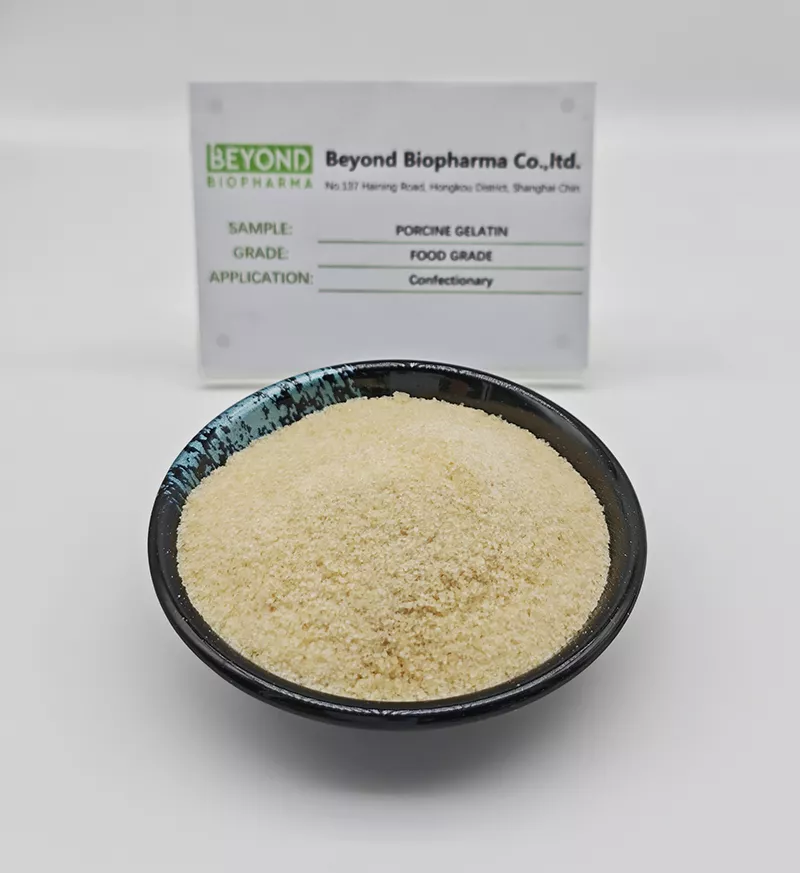
Food-grade porcine gelatin is a highly versatile and cost-effective natural protein derived from the collagen found in pig skin and bones. It is a premier gelling agent known for its exceptional clarity, neutral taste, and thermal reversibility.
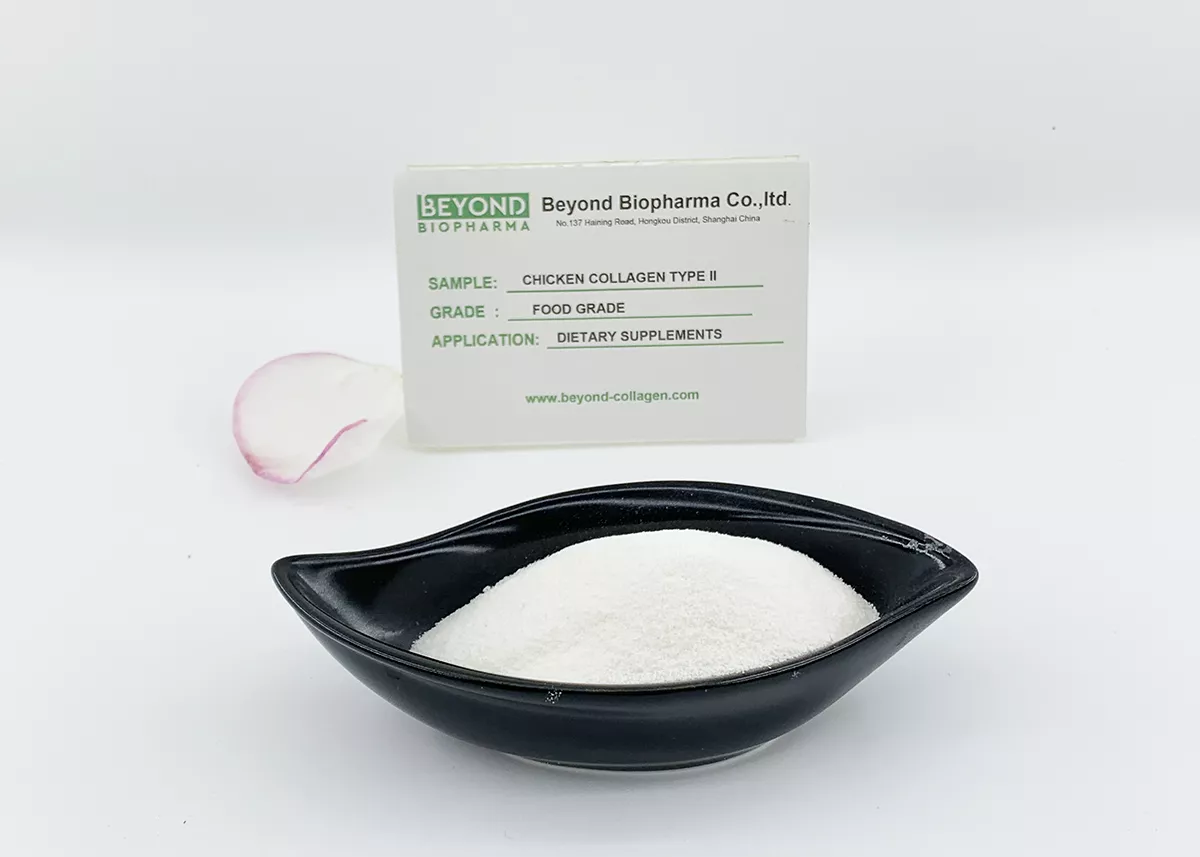
BEYOND BIOPHARMA is a specialized manufacturer of high-quality Undenatured Collagen Type II. Utilizing low-temperature, non-enzymatic extraction methods, our Undenatured Collagen Type II retains its native, triple-helix structure, essential for modulating the immune system's response to joint health and providing superior support for mobility, flexibility, and overall joint comfort.
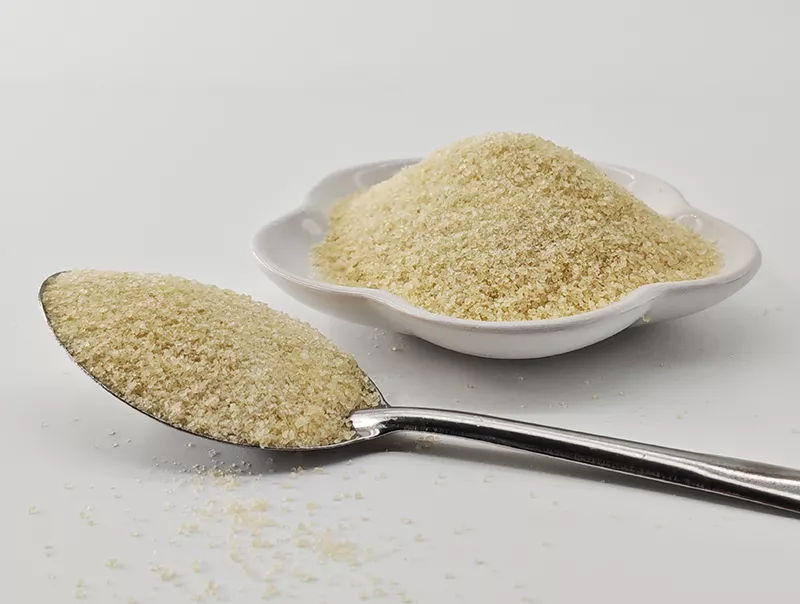
The High-Performance Barrier for Core Material Protection and Controlled Release.
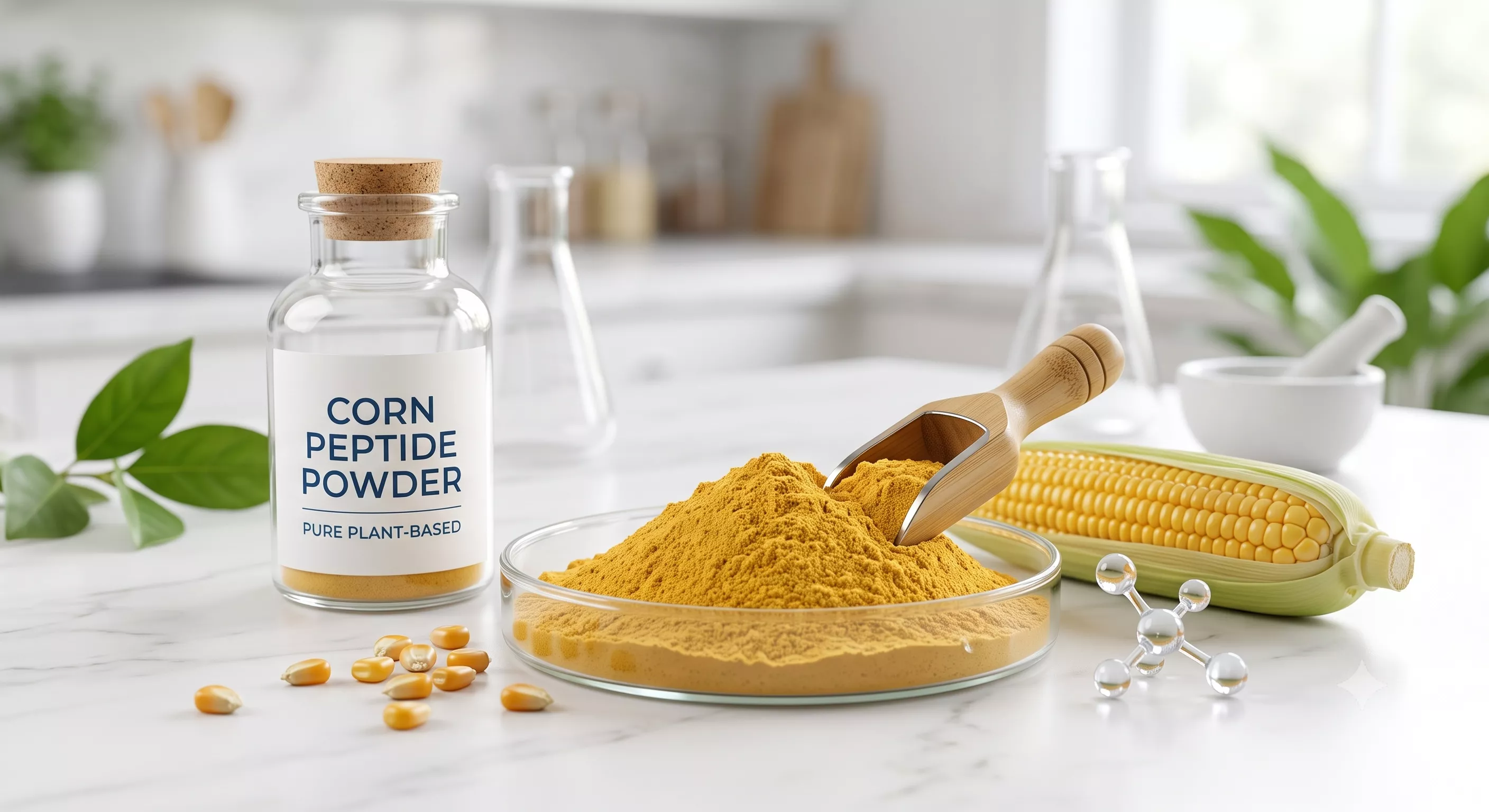
Source high-purity wholesale hydrolyzed corn protein peptide powder in bulk. Over 85% oligopeptides under 1000 Da. Rich in Alanine and Leucine for liver support and sobriety formulas.
Select the most popular foreign trade service products to meet your diverse needs
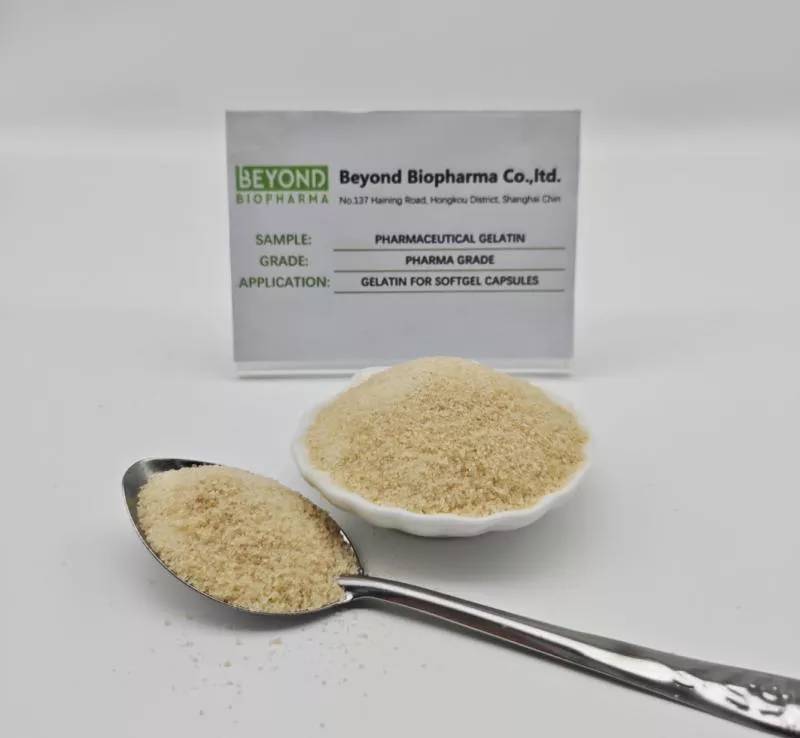
Softgel encapsulation demands a gelatin with unique physical attributes to perform optimally during the high-speed manufacturing process
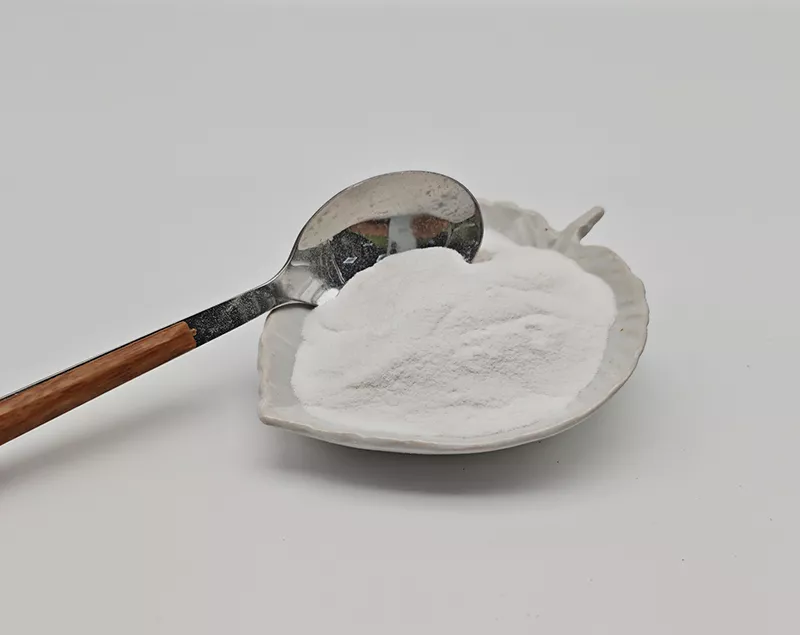
Fish Gelatin for foods is increasingly recognized as the premium alternative to traditional mammalian sources, meeting the growing global demand for clean-label ingredients that align with diverse dietary and religious requirements. Derived from the skin and scales of fish like cod and tilapia, fish gelatin offers unique functional benefits that make it an exceptional gelling, stabilizing, and texturizing agent.
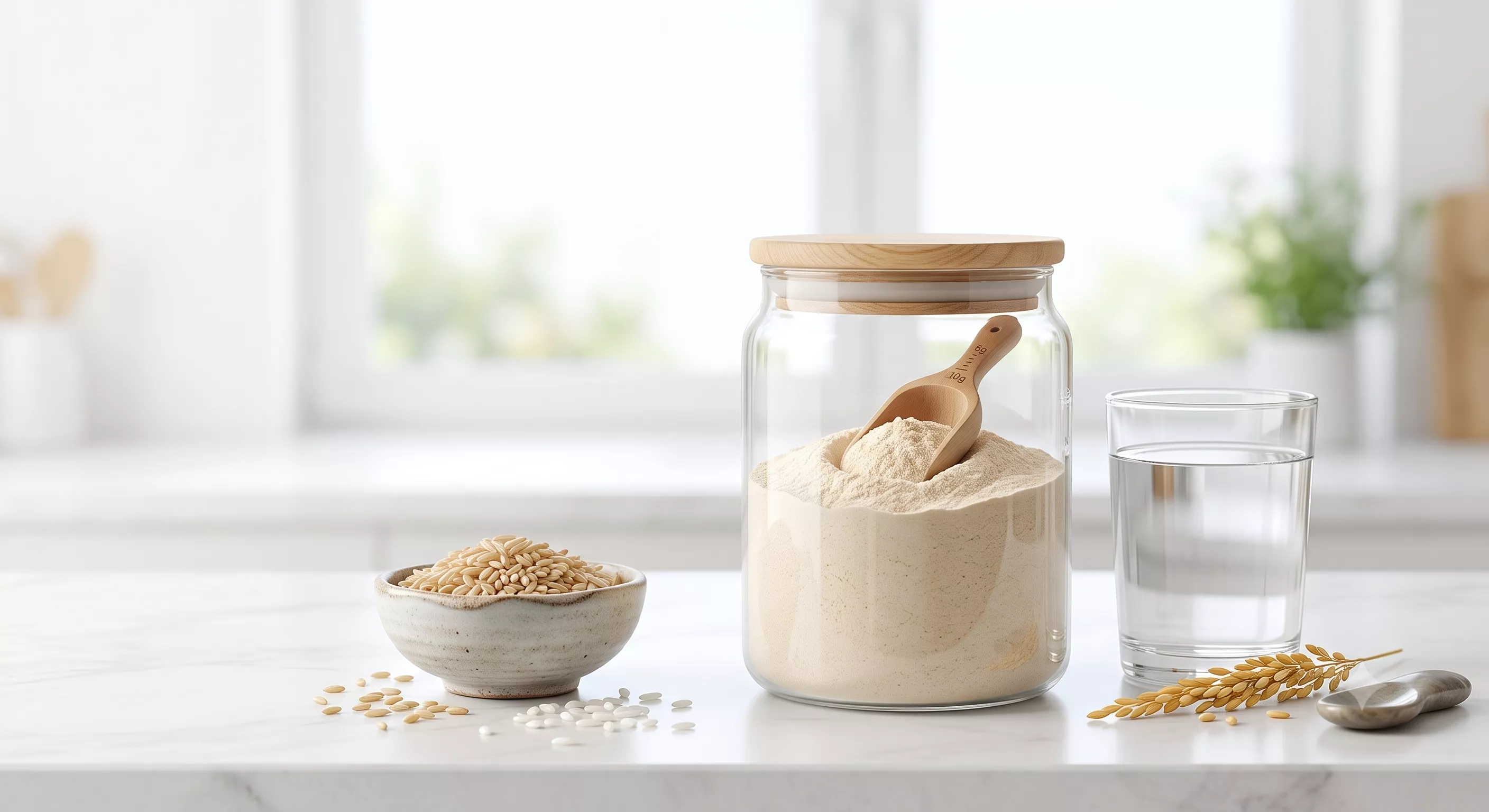
Source ultra-pure, 100% water-soluble wholesale hydrolyzed rice protein peptide in bulk. Over 85% molecules under 1000 Da. Ideal for infant nutrition, clean-label sports formulas, and sensitive skincare.
Tel:+86 21 65010906
Cell/Whatsapp/Wechat:
+86 13482884055
+86 18657345785
Email: sales@beyondbiopharma.com





User Comments
Service Experience Sharing from Real Customers
Megan
Physical TherapistI've been recommending glucosamine sulfate to my patients with mild osteoarthritis for years. The sulfate form seems to have better bioavailability in the studies I've read. Not a miracle cure, but combined with exercise, it genuinely helps many manage stiffness. I take it myself after my old soccer injuries act up!
Leo
Construction SupervisorMy knees were shot after 20 years on job sites. Tried a hydrochloride version first—did nothing. Switched to this glucosamine sulfate brand on my wife's insistence. Within a month, the grinding sensation lessened. I'm not 100%, but I can climb ladders without wincing. Game-changer for my line of work.
Chloe
Graphic DesignerAs someone who sits all day, my back and wrists get cranky. I picked a glucosamine hydrochloride supplement because it was cheaper. It's... fine? Maybe a slight improvement in joint flexibility after 6 weeks, but hard to tell if it's the supplement or just me being more mindful. Might try sulfate next to compare.
Frank
Retired MarineLet's be real—my body's been through the wringer. I've tried every joint supplement out there. This glucosamine sulfate formula is the only one where I actually felt a difference. The morning stiffness in my shoulders is way down. My doc says the sulfate form is better absorbed, and I believe him. Sticking with this.