 English EN


Hydrolyzed Pea Protein Peptide: The Complete B2B Sourcing Guide
Source pea protein peptide powder with GMP, ISO, and allergen-free certifications. Ensure quality, reliable supply, and optimal B2B procurement strategies.
More
Glucosamine hydrochloride potassium sulfate is a stable, non-shellfish-derived form of glucosamine often used in joint health supplements. Unlike traditional glucosamine hydrochloride or sulfate salts, this variant combines the hydrochloride form with potassium sulfate, offering improved solubility and stability in certain formulations. For overseas buyers evaluating glucosamine hydrochloride potassium sulfate, batch-to-batch consistency, allergen status, and certification barriers are top concerns. This ingredient is commonly sourced as a white crystalline powder with minimal odor, making it suitable for tablets, capsules, and powder blends.
Glucosamine is a naturally occurring amino sugar that plays a key role in building cartilage, the flexible tissue that cushions joints. The hydrochloride potassium sulfate form delivers glucosamine in a highly bioavailable manner. Once ingested, it is absorbed in the small intestine and transported to joint tissues, where it stimulates the production of glycosaminoglycans and proteoglycans — essential components of cartilage matrix. This process helps maintain joint structure and supports normal mobility.
Research indicates that consistent intake of glucosamine may slow the breakdown of cartilage and support the body's natural repair mechanisms. The potassium sulfate component also contributes to electrolyte balance, which can be beneficial in active individuals. For product developers, the key advantage of this form is its stability in dry blends and its compatibility with other joint health ingredients like bovine chondroitin sulfate sodium and undenatured collagen type II.
When sourcing this ingredient, buyers should review the certificate of analysis (COA) for key parameters. Below is a table of common industry specifications. Note: These are typical ranges; final values should be confirmed with your supplier's COA and sample.
| Parameter | Typical Range | Notes |
|---|---|---|
| Assay (Glucosamine HCl) | 98.0% – 102.0% | On dry basis |
| Potassium (K) | 10.0% – 12.0% | From potassium sulfate |
| Sulfate (SO4) | 14.0% – 16.0% | From potassium sulfate |
| pH (1% solution) | 3.0 – 5.0 | Aqueous solution |
| Loss on Drying | ≤ 1.0% | Moisture content |
| Heavy Metals | ≤ 10 ppm | As per USP/EP limits |
| Particle Size | 95% through 80 mesh | Typical for powder blends |
*Typical industry range; final values per COA / sample.
This ingredient is used across several segments of the nutraceutical and pharmaceutical industries. Here is how it fits into specific product types:
For R&D teams, selecting the right grade depends on your target market. Food-grade glucosamine hydrochloride potassium sulfate works well for dietary supplements, while pharmaceutical-grade is required for OTC or prescription joint health products. Cosmetic-grade can be used in topical creams and serums.
The production process involves chemical synthesis or fermentation, followed by purification and crystallization. Glucosamine is typically derived from chitin, but the hydrochloride potassium sulfate form is often produced synthetically to avoid shellfish allergens. The process includes hydrolysis, neutralization, and salt formation with potassium sulfate. Quality control steps include heavy-metal testing, microbial analysis, and assay verification. At Beyond Biopharma, we use fully automatic production lines with GMP clean workshops and stainless-steel sealed piping to ensure batch consistency. Our in-house lab performs rigorous testing for every batch.
Beyond Biopharma is a Shanghai, China-based manufacturer with over 10 years of experience in the food-ingredient industry. We export to more than 50 countries and offer custom bulk supply and formulation support. Our facility has an annual capacity of approximately 3,000 MT for collagen and 5,000 MT for gelatin, with dedicated lines for joint health ingredients. We hold ISO 9001 certification, are US FDA registered, and operate GMP clean workshops. Select products carry Halal and Kosher certifications. Our in-house QA/QC team conducts heavy-metal and microbiological testing on every batch.
We offer three grades of glucosamine hydrochloride potassium sulfate: food, pharmaceutical, and cosmetic. We also provide free samples and formulation guidance to help you select the right product for your application. Our team can work with you to meet specific particle size, solubility, or certification requirements.
Q: Is glucosamine hydrochloride potassium sulfate suitable for vegans?
Yes. This form is typically produced synthetically and does not contain shellfish or animal-derived ingredients. It is suitable for vegan and vegetarian formulations. Always check the supplier's COA to confirm the source.
Q: What is the difference between glucosamine HCl and glucosamine hydrochloride potassium sulfate?
Glucosamine hydrochloride potassium sulfate combines glucosamine HCl with potassium sulfate. This provides additional potassium and sulfate ions, which may support electrolyte balance and joint health. The solubility and stability are also improved in some formulations.
Q: What certifications should I look for when sourcing this ingredient?
Key certifications include ISO 9001, GMP, and US FDA registration. For specific markets, Halal or Kosher certification may be required. Beyond Biopharma offers select products with Halal and Kosher verification. Always request the latest COA and certificate of origin.
Q: Can glucosamine hydrochloride potassium sulfate be used in gummies or softgels?
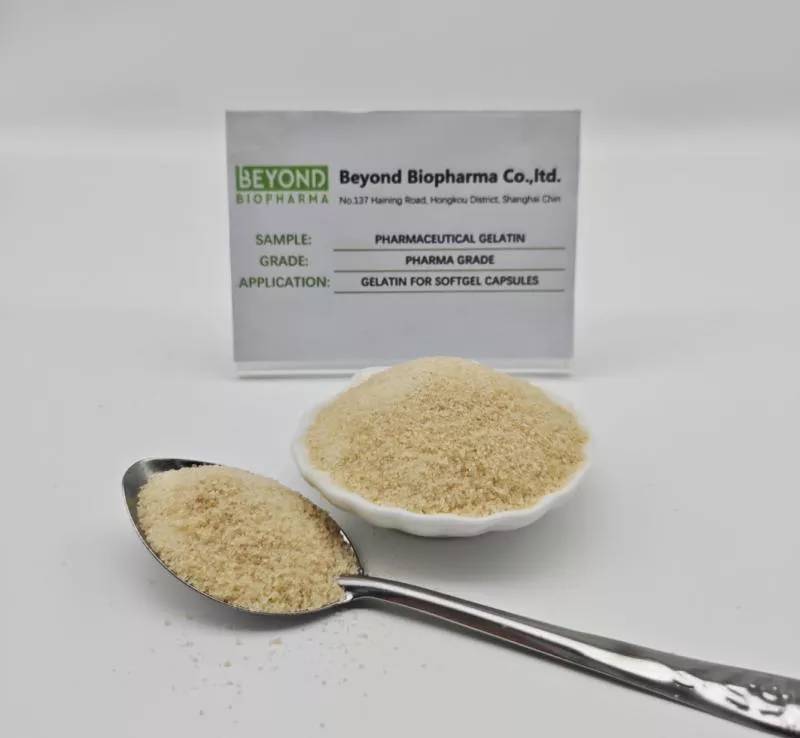
Yes. It is compatible with gelatin-based gummies and softgels. For gummies, we recommend using it with food-grade porcine gelatin or fish gelatin for clean-label products. For softgels, it works well with ultra-high-viscosity gelatin.
Q: What is the typical shelf life of glucosamine hydrochloride potassium sulfate?
When stored in a cool, dry place away from direct sunlight, the typical shelf life is 24 to 36 months. Always check the expiration date on the COA and store in sealed containers to maintain stability.
Q: How do I request a sample for evaluation?
You can request a free sample by contacting Beyond Biopharma with your application, required grade, and target specifications. We will provide a sample along with the COA for your evaluation.
If you are evaluating glucosamine hydrochloride potassium sulfate for your next product, we invite you to contact Beyond Biopharma. Please provide the following details so we can send you a tailored quote and free sample:
Our team will respond with product documentation, a COA, and a competitive quote. We support custom bulk supply and formulation/OEM services to help you bring your joint health product to market efficiently.

We provide you with comprehensive foreign trade solutions to help enterprises achieve global development
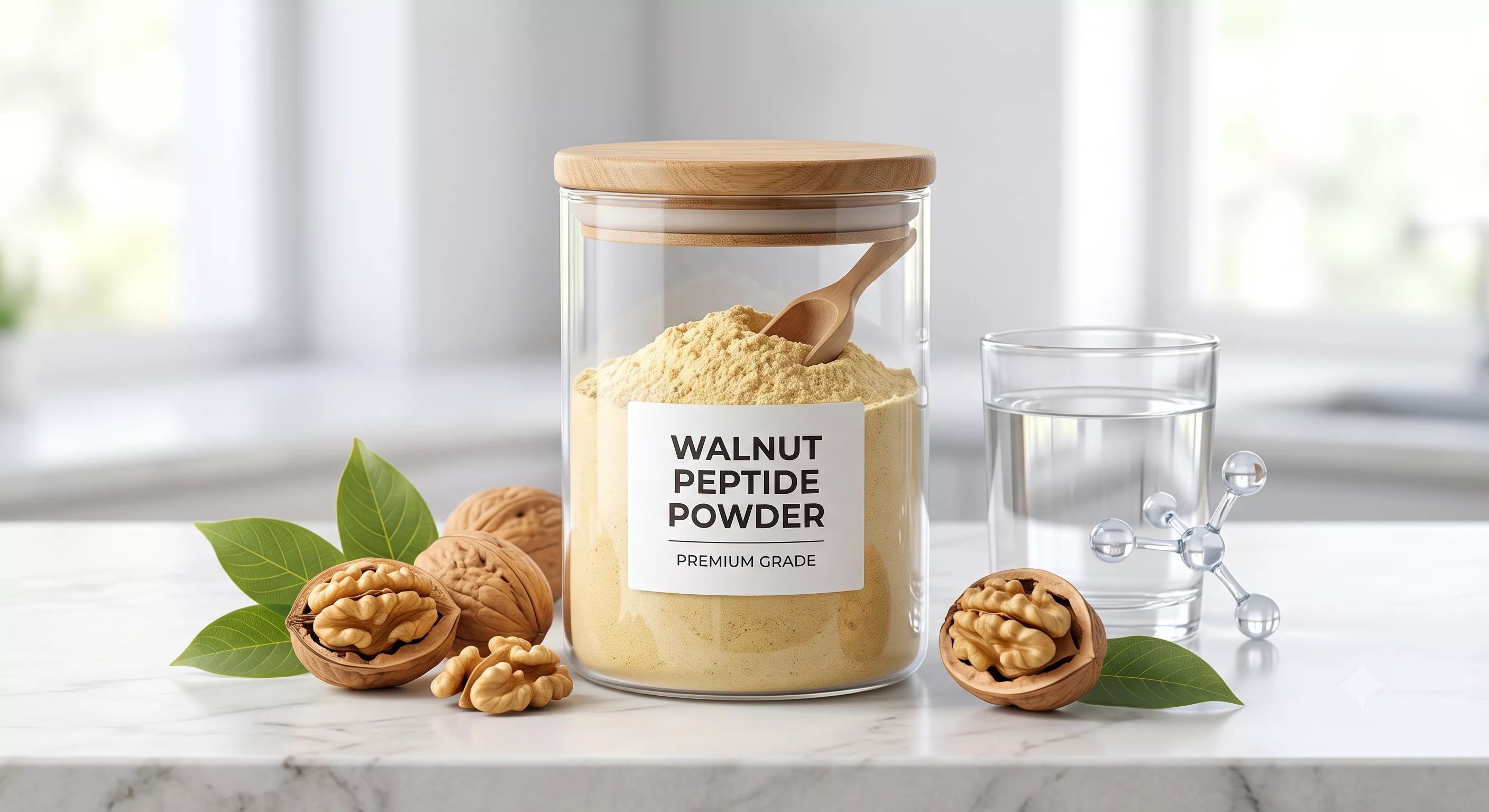
Source wholesale hydrolyzed walnut protein peptide powder in bulk. Over 85% low-molecular-weight oligopeptides rich in Glutamic Acid. Perfect for cognitive formulas and sleep aid supplements.
High Molecular Weight for Superior Joint, Skin, and Eye Health.
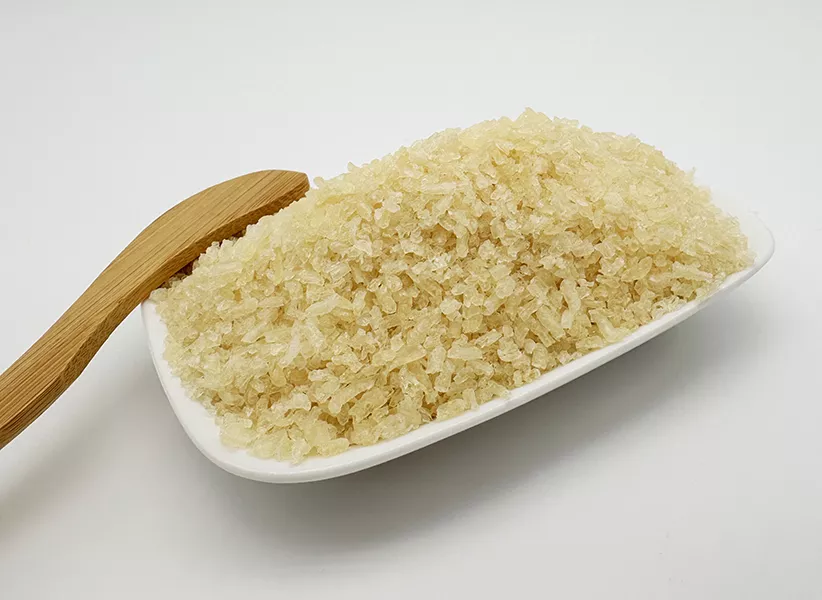
Our Bovine Hides Gelatin is engineered for versatility and compliance, ensuring performance across various applications.
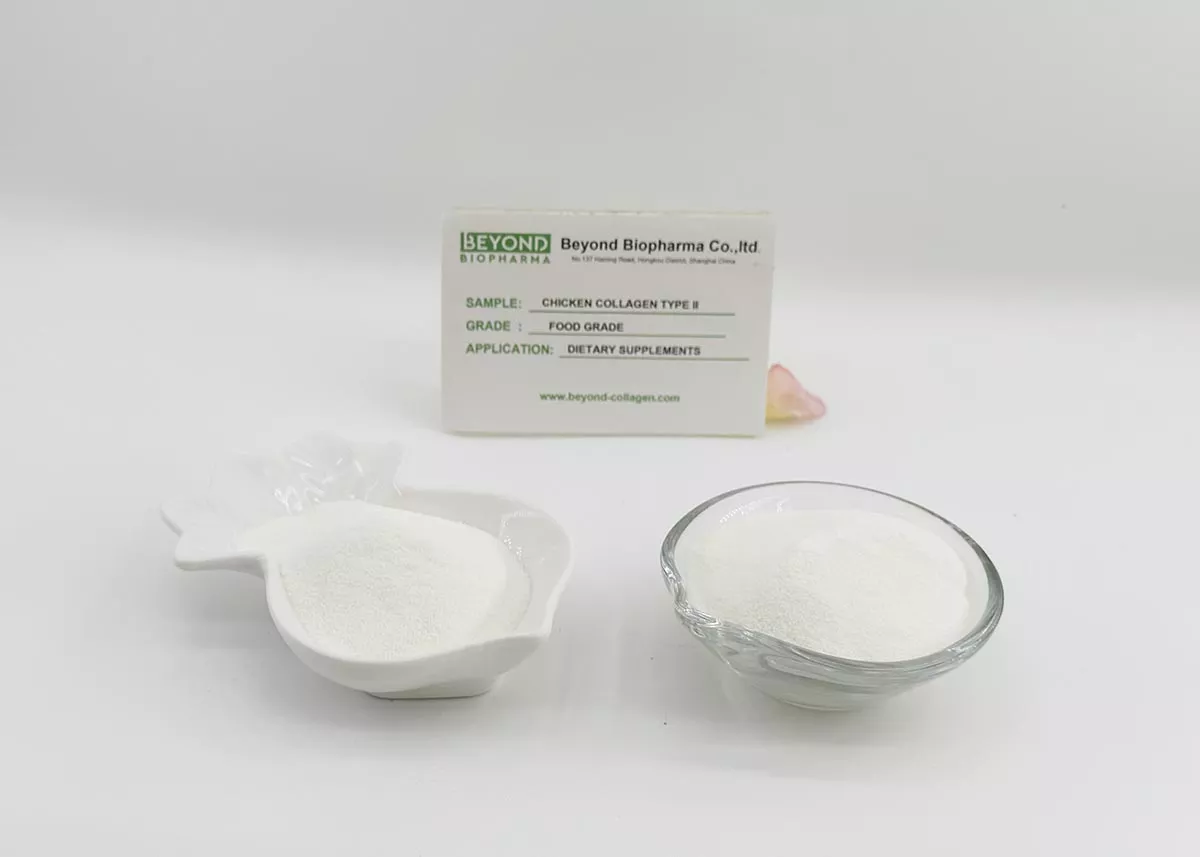
BEYOND BIOPHARMA is a specialized manufacturer of highly purified Hydrolyzed Collagen Type II. Through advanced enzymatic hydrolysis, we create low-molecular-weight collagen peptides that are highly bioavailable, offering foundational nutritional support for cartilage repair, joint function, and skin health. Our product is designed for rapid absorption and maximum efficacy in oral supplements.
Select the most popular foreign trade service products to meet your diverse needs
Our Bovine Hides Gelatin is engineered for versatility and compliance, ensuring performance across various applications.
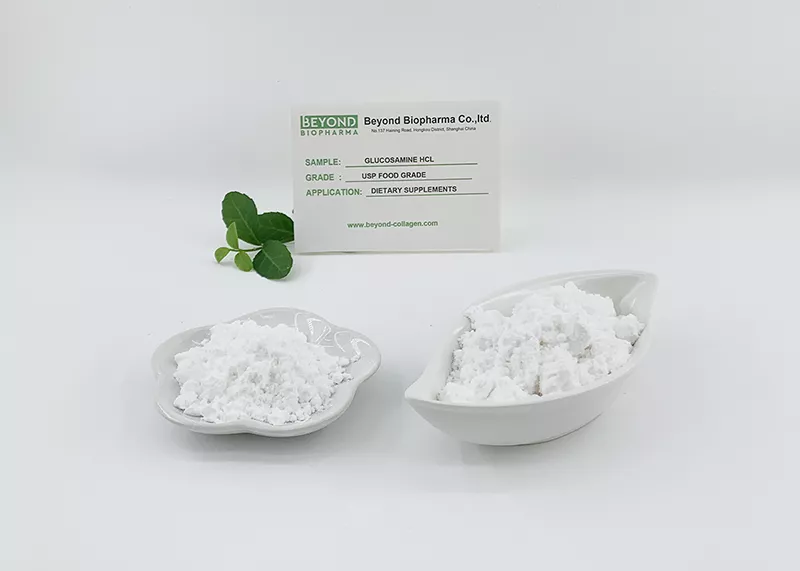
The Purest Plant-Based Joint Support Solution
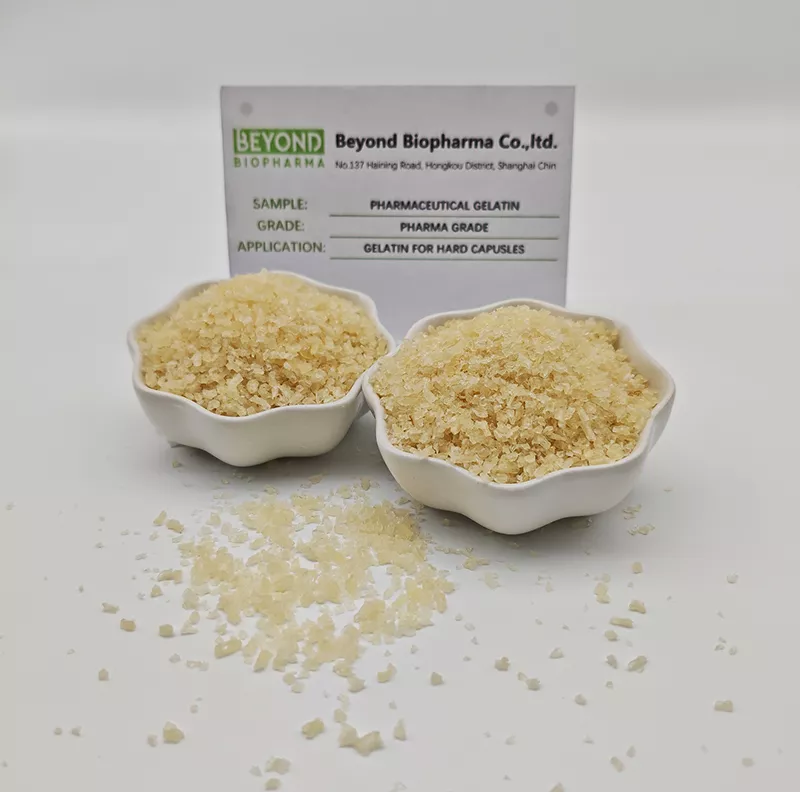
Precision, Purity, and Optimal Machinability
Tel:+86 21 65010906
Cell/Whatsapp/Wechat:
+86 13482884055
+86 18657345785
Email: sales@beyondbiopharma.com





User Comments
Service Experience Sharing from Real Customers
Megan
Physical TherapistBeen recommending glucosamine blends for years, but this specific hydrochloride with potassium sulfate formula feels more effective. My patients with moderate knee discomfort report better mobility within 3-4 weeks. The capsules are easy to swallow, no aftertaste. Not a miracle cure, but a solid maintenance supplement.
Leo
Construction SupervisorMy knees used to ache like crazy after a day on site. Tried this after my buddy swore by it. Honestly skeptical at first, but after two months, the difference is night and day. I'm not saying I'm 20 again, but I can climb ladders without wincing. The potassium sulfate addition seems to make it work faster than other brands I've tried.
Chloe
Graphic DesignerI sit all day and my joints get stiff. Started taking this for general joint health—didn't expect much. Surprised to notice my wrists and fingers feel less creaky during long design sessions. I take it with food, no stomach issues. One star off because the bottle is a bit bulky for my tiny kitchen cabinet.
Frank
Retired TeacherAt 68, I've tried every joint supplement under the sun. This one actually made a noticeable difference for my hip stiffness during morning walks. The hydrochloride form seems purer—no bloating. The potassium sulfate is a bonus; I read it helps with absorption. My gardening sessions are much more enjoyable now. Will repurchase for sure.