 English EN


Gelatin sheet vs powder what science says in 2026
Gelatin sheet offers chefs better clarity, smooth texture, and consistent results than powdered gelatin, making it the top choice for desserts in 2026.
More
For overseas buyers sourcing joint health ingredients, choosing between glucosamine hydrochloride and glucosamine sulfate often comes down to purity, stability, and application fit. While both forms support cartilage repair and joint comfort, their chemical structure, absorption profile, and regulatory status differ significantly. This guide breaks down the key distinctions to help supplement manufacturers, nutraceutical R&D teams, and pharmaceutical excipient buyers make an informed sourcing decision.
Glucosamine hydrochloride (HCl) is a stable, high-purity form of glucosamine derived from chitin. It contains approximately 83% glucosamine base, compared to about 62% in the sulfate form. For overseas buyers, this higher concentration means less material is needed per dose, which can reduce shipping costs and formulation bulk. The HCl form is also less hygroscopic, making it easier to handle during blending and encapsulation without clumping or moisture-related degradation.
Many supplement brands prefer glucosamine HCl when they need a clean label with fewer excipients. It is compatible with vegetarian capsules and can be combined with other Joint Health Ingredients like chondroitin sulfate and hyaluronic acid without stability issues. For pharmaceutical-grade applications, the HCl form is often the standard due to its consistent particle size and predictable dissolution.
Glucosamine sulfate is typically stabilized with sodium chloride or potassium chloride to prevent rapid degradation. It contains a sulfate group that some researchers believe plays a role in cartilage synthesis. However, the sulfate form is more hygroscopic and often requires special packaging or formulation to maintain shelf life. For buyers sourcing for softgels or gummies, the moisture sensitivity of glucosamine sulfate can be a challenge.
In terms of bioavailability, clinical studies show that both forms are absorbed effectively, with the body converting glucosamine into the active form regardless of the salt. The choice between glucosamine hydrochloride vs sulfate often comes down to application-specific requirements rather than efficacy differences. For dry powder blends and capsules, HCl is generally preferred; for liquid or gel-based products, sulfate may be considered if moisture control is adequate.
The table below summarizes the typical parameters for both forms. Note: These are industry-standard ranges; final values should be confirmed per Certificate of Analysis (COA) or sample.
| Parameter | Glucosamine Hydrochloride | Glucosamine Sulfate (2KCl) |
|---|---|---|
| Glucosamine base content | ~83% | ~62% |
| Hygroscopicity | Low (stable in dry conditions) | High (requires moisture control) |
| Typical particle size | 80–200 mesh | 40–100 mesh |
| Common applications | Hard capsules, tablets, dry blends | Softgels, liquids, some tablets |
| Shelf life (typical) | 24–36 months | 18–24 months (stabilized) |
Typical industry range; final values per COA / sample.
Selecting the right form depends on your product format and target market:
Beyond Biopharma, based in Shanghai, China, has over 10 years of experience manufacturing collagen peptides, gelatin, and joint health ingredients for global buyers. Our glucosamine HCl is produced in a GMP clean workshop with fully automatic production lines and stainless-steel sealed piping. We maintain ISO 9001 certification and US FDA registration, with select products carrying Halal or Kosher verification.
Our facility produces approximately 3,000 MT/year of collagen and 5,000 MT/year of gelatin. Every batch of glucosamine HCl undergoes in-house heavy-metal and microbiological testing by our dedicated QA/QC team. We offer three grades — food, pharmaceutical, and cosmetic — and support custom bulk supply with formulation assistance. Free samples are available for evaluation.
Whether you need glucosamine hydrochloride for hard capsules, softgels, or powder blends, our team can help you select the right specification. We also supply complementary Joint Health Ingredients including bovine chondroitin sulfate sodium and food-grade hyaluronic acid.
Q: Which form has better bioavailability — glucosamine HCl or sulfate?
A: Both forms show comparable bioavailability in human studies. The body converts glucosamine into the active form regardless of the salt. The choice should be based on formulation needs rather than absorption differences.
Q: Can glucosamine hydrochloride be used in vegan supplements?
A: Yes, glucosamine HCl is compatible with vegan formulations when paired with plant-based capsules. It is often combined with plant protein peptides for allergen-free joint health products.
Q: Does glucosamine sulfate require special storage conditions?
A: Yes, glucosamine sulfate is hygroscopic and should be stored in airtight containers with desiccants. Glucosamine HCl is more stable and easier to handle in standard warehouse conditions.
Q: What is the typical dosage difference between HCl and sulfate forms?
A: Because glucosamine HCl has a higher base content (83% vs 62%), a 1,500 mg dose of HCl provides more active glucosamine than the same weight of sulfate. Formulators often adjust dosage accordingly.
Q: Are there any certification differences between the two forms?
A: Both forms can be certified Halal, Kosher, or non-GMO depending on the supplier. Beyond Biopharma offers glucosamine HCl with full traceability and third-party test reports.
Q: Which form is better for gummy supplements?
A: Glucosamine HCl is generally preferred for gummies because it is less hygroscopic and does not cause texture issues. It also blends more evenly with gelatin and sweeteners.
If you are evaluating glucosamine hydrochloride vs sulfate for your next product line, Beyond Biopharma can help. To receive a quote and free samples, please provide the following details:
Our team will confirm availability and send a COA along with samples for your evaluation. We support custom bulk supply and can assist with formulation development for joint health, sports nutrition, and beauty-from-within products. Contact us today to start the conversation.

We provide you with comprehensive foreign trade solutions to help enterprises achieve global development
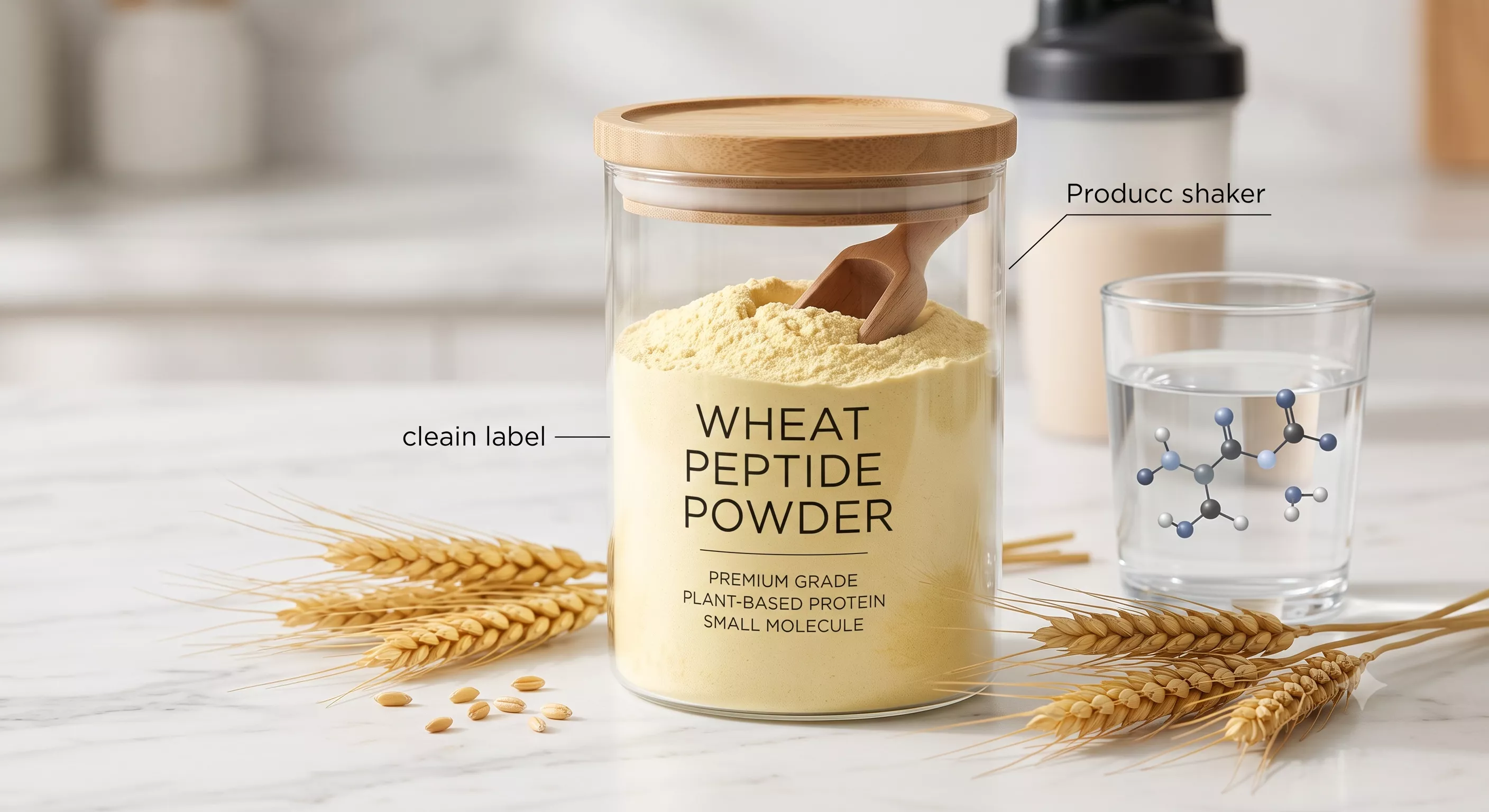
Source ultra-pure, high-solubility wholesale hydrolyzed wheat gluten peptide in bulk. Rich in plant-bound Glutamine ($\ge 25\%$) for muscle recovery and gut barrier health.
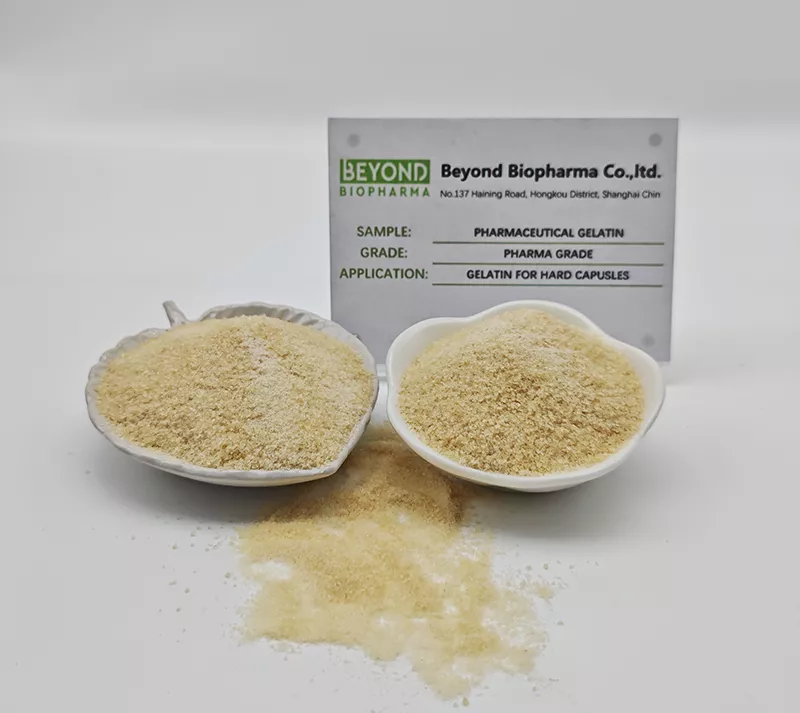
The high-strength and rapid-setting characteristics of Bovine Bone Gelatin ensure it forms a stable, uniform, and durable shell that preserves the integrity of the active pharmaceutical ingredient (API).
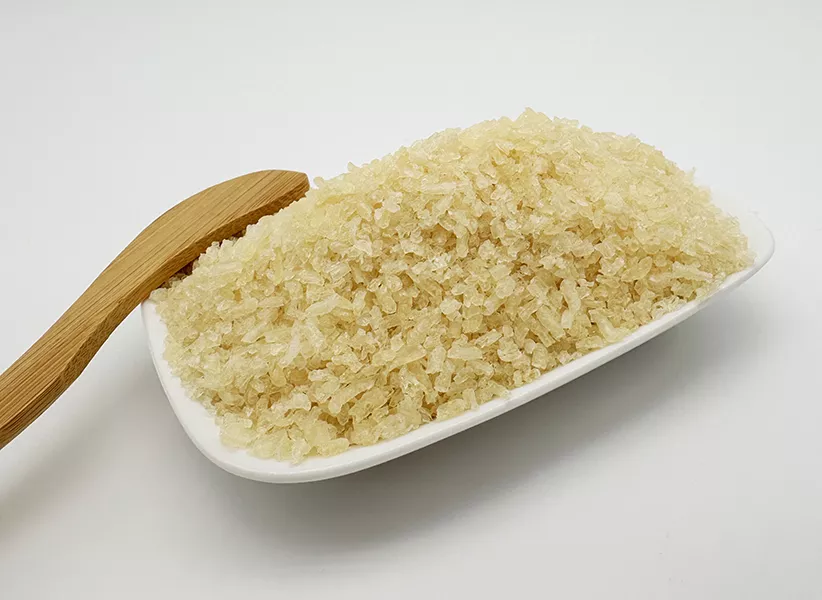
Our Bovine Hides Gelatin is engineered for versatility and compliance, ensuring performance across various applications.
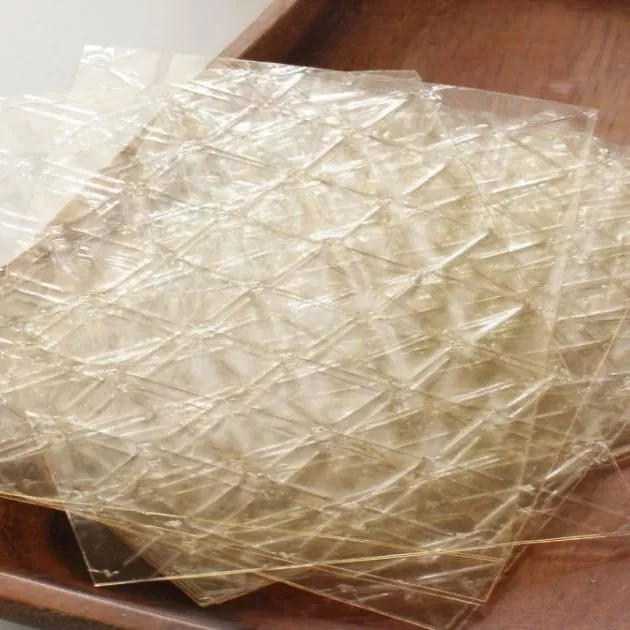
Our Gelatin Sheets are produced to precise standards, ensuring consistency and reliability across different Bloom grades (Silver being the most common professional choice).
Select the most popular foreign trade service products to meet your diverse needs
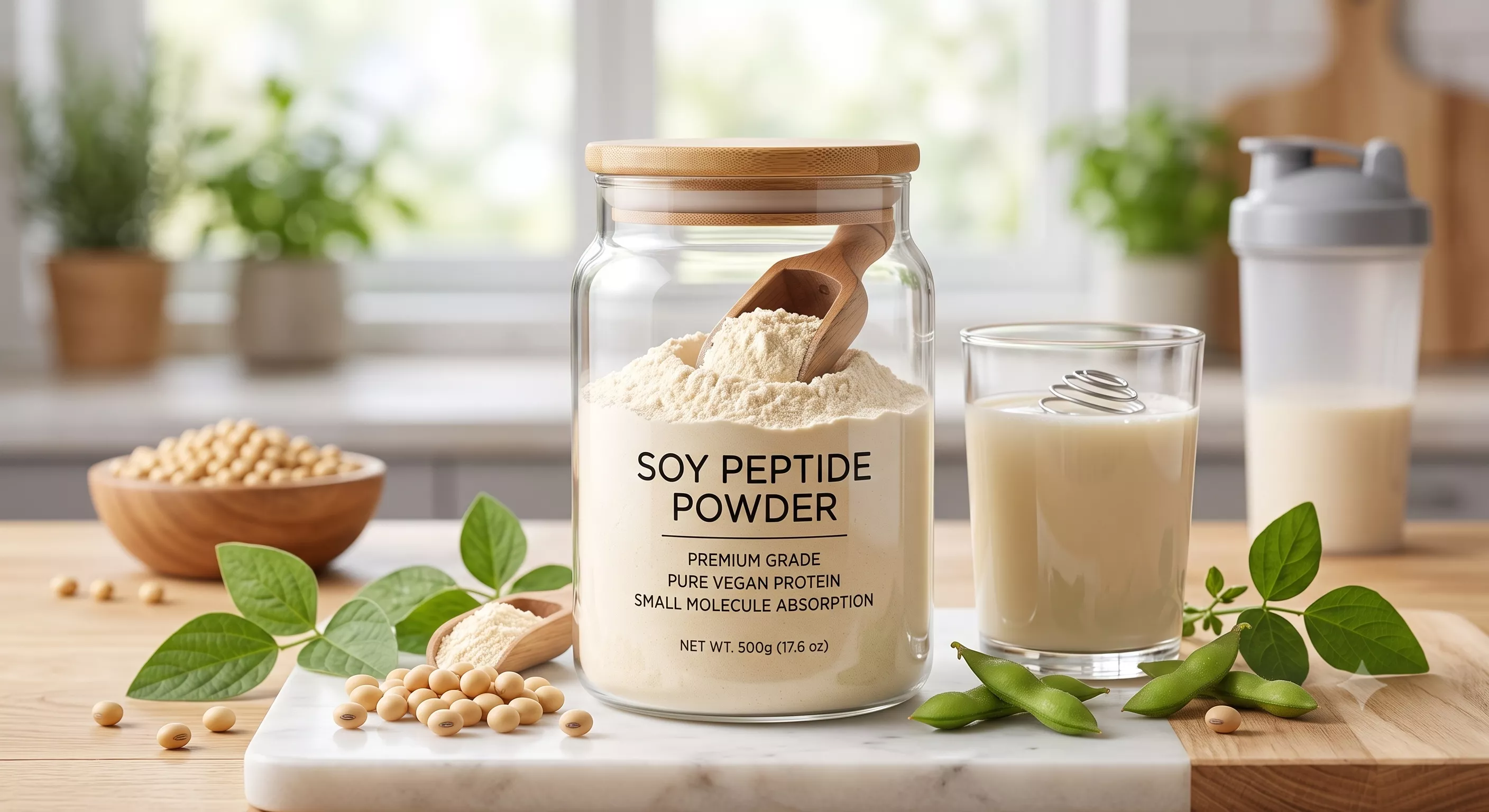
Source ultra-pure, non-GMO hydrolyzed soybean oligopeptide powder in bulk. Complete water solubility, over 80% peptides under 1000 Da. Ideal for sports nutrition and immune recovery formulas.
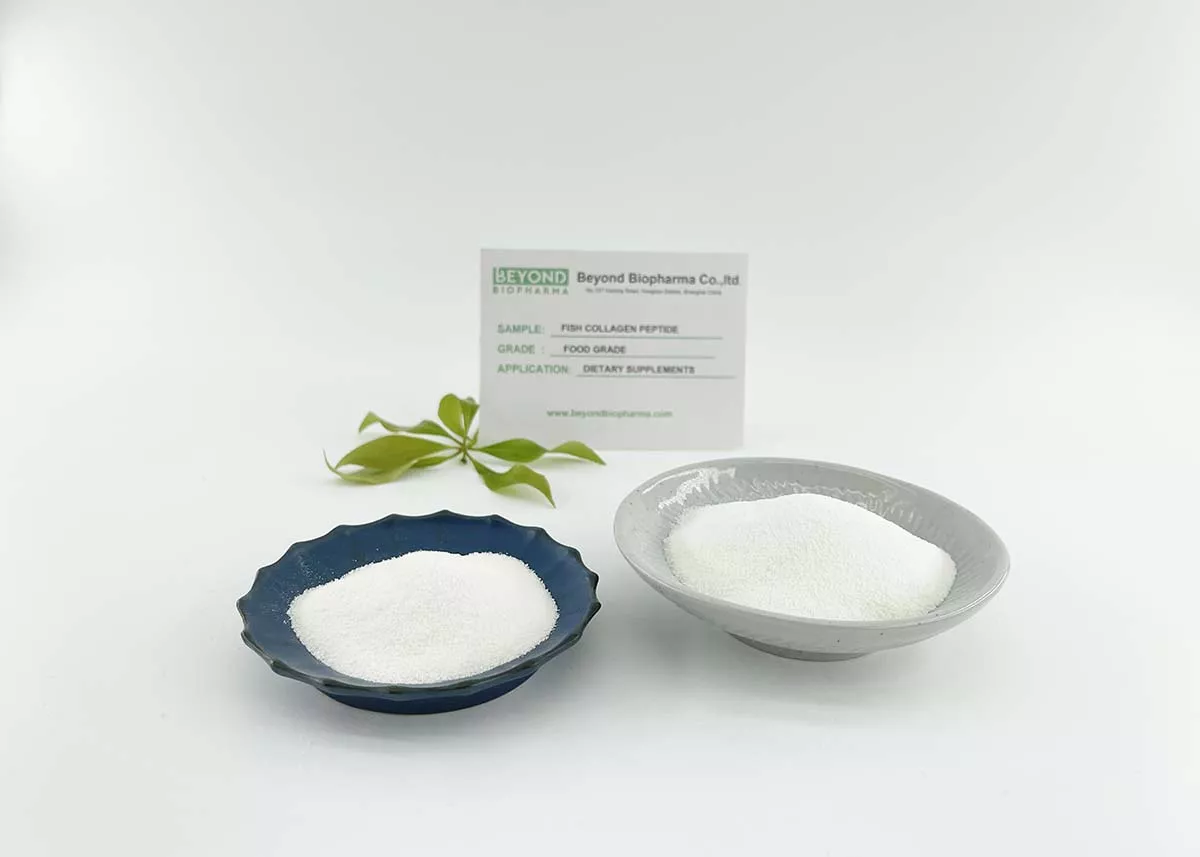
Premium marine-sourced collagen peptides with >90% protein content and low molecular weight (1000-3000 Da) for superior bioavailability. Sustainably sourced, neutral taste, and fully soluble—ideal for nutricosmetics and functional foods.
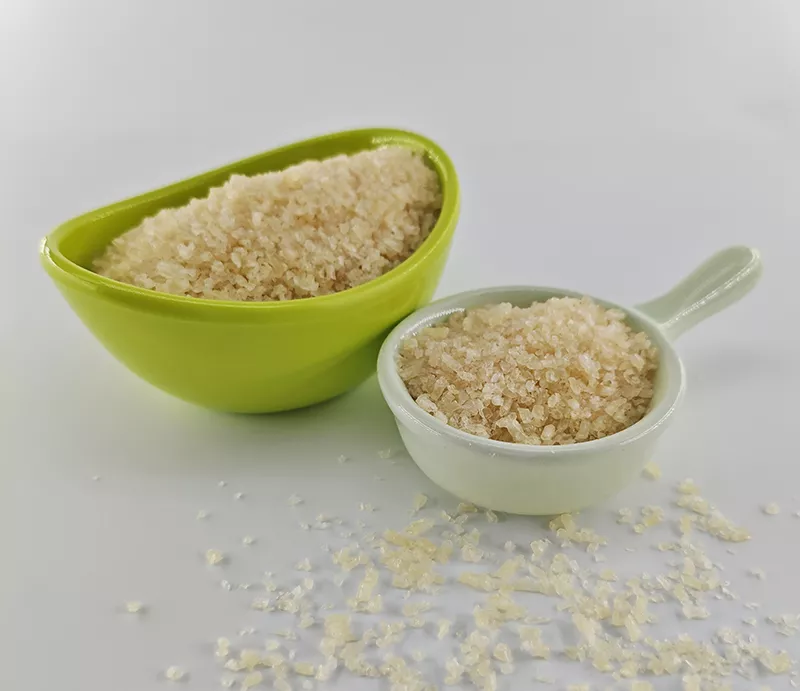
Stability, Swallowing Enhancement, and Controlled Release
Tel:+86 21 65010906
Cell/Whatsapp/Wechat:
+86 13482884055
+86 18657345785
Email: sales@beyondbiopharma.com





User Comments
Service Experience Sharing from Real Customers
Mike
Marathon CoachI’ve been taking glucosamine sulfate for about six months after my knees started barking on long runs. Tried hydrochloride years ago and it did nothing but bloat me. Sulfate actually feels like it’s keeping the creaking at bay—not a miracle, but I can down stairs without wincing now.
Lena
Veterinary TechnicianSwitched from hydrochloride to sulfate on a friend’s recommendation. Huge difference in how fast I felt it working—less joint stiffness in my hands after a day of lifting heavy dogs. Hydrochloride just gave me heartburn. Sulfate is pricier but my knuckles thank me.
Tom
RooferBeen on hydrochloride for years, figured I’d give sulfate a shot after reading it absorbs better. Honestly? Not feeling any major change. Maybe a little less noise in my shoulders, but my knees still ache after a full day of shingles. Sticking with hydrochloride for now—it’s cheaper and works okay for me.
Sophie
Piano TeacherHydrochloride was a total dud for my arthritic fingers. My rheumatologist suggested sulfate and within three weeks I could play scales without that grinding feeling. It’s not a cure, but I’m actually practicing again. Only downside: the pills are huge.