 English EN


Gelatin sheet vs powder what science says in 2026
Gelatin sheet offers chefs better clarity, smooth texture, and consistent results than powdered gelatin, making it the top choice for desserts in 2026.
More
Plant protein peptide powder is a hydrolyzed protein ingredient derived from sources such as pea, rice, or soy. Through controlled enzymatic hydrolysis, the long protein chains are broken into short-chain peptides — typically with a molecular weight below 5,000 Da. This pre-digestion means the body can absorb these peptides directly via peptide transporters in the gut, rather than waiting for stomach acids and enzymes to break down whole proteins. For formulators targeting rapid recovery, sports nutrition, or clinical nutrition, this faster uptake translates into quicker amino acid availability and reduced digestive load.
Standard protein powders — whether whey, soy, or pea isolate — contain intact proteins that must first be denatured and then hydrolyzed in the gastrointestinal tract. This process can take 2–4 hours before amino acids appear in the bloodstream. In contrast, plant protein peptide powder can begin delivering peptides within 30–60 minutes of ingestion. For buyers sourcing ingredients for post-workout formulas, meal replacements, or medical nutrition, this difference is clinically relevant.
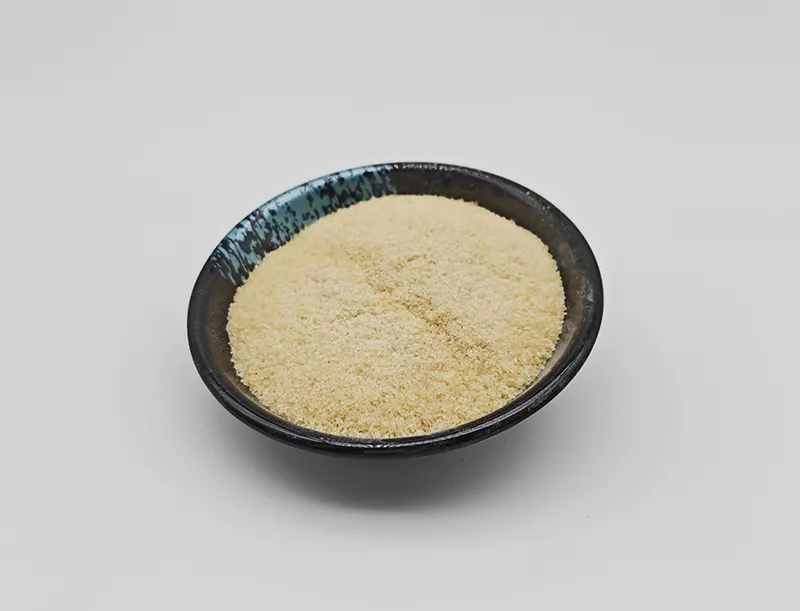
The production process begins with selecting a high-quality plant protein concentrate or isolate. Common sources include yellow pea, brown rice, and non-GMO soy. The protein is then suspended in water and subjected to enzymatic hydrolysis using food-grade proteases. Temperature, pH, and reaction time are carefully controlled to achieve a specific degree of hydrolysis (DH). The resulting slurry is then pasteurized, filtered, spray-dried, and milled to a fine powder.
At Beyond Biopharma, we use fully automatic production lines with GMP clean workshops and stainless-steel sealed piping. Automated temperature and pH control ensures batch-to-batch consistency — a critical factor for buyers who need reproducible solubility, flavor profile, and peptide distribution. The final product is tested in-house for heavy metals and microbiological parameters before release.
Below is a table of common industry parameters for plant protein peptide powder. Note that these are typical ranges; final values should be confirmed per Certificate of Analysis (COA) or sample.
| Parameter | Typical Range | Notes |
|---|---|---|
| Protein Content | 80–90% | Dry basis, measured by Kjeldahl |
| Molecular Weight | Typically <5,000 Da | Lower MW = faster absorption |
| Degree of Hydrolysis (DH) | 15–30% | Higher DH = more short peptides |
| Solubility | ≥95% at pH 6–7 | Cold water soluble typical |
| Moisture | ≤8% | Low moisture for stability |
| Ash | ≤6% | Depends on source material |
| Allergen Profile | Source-dependent | Pea and rice are top-8 allergen-free |
Typical industry range; final values per COA / sample.
Standard protein powders — such as pea protein isolate or rice protein concentrate — contain intact globular proteins. These must be denatured by stomach acid and then cleaved by pepsin and pancreatic proteases into oligopeptides and amino acids. This process is rate-limited and can be inefficient, especially for individuals with compromised digestion. In contrast, plant protein peptide powder has already undergone this breakdown step. The short-chain peptides (di- and tripeptides) are absorbed via the PepT1 transporter in the intestinal brush border, which is faster and more energy-efficient than amino acid transporters.
Clinical studies on hydrolyzed plant proteins show that plasma amino acid levels peak 30–60 minutes after ingestion, compared to 90–120 minutes for intact protein. For sports nutrition brands developing fast-absorbing recovery drinks, or for medical nutrition products targeting malabsorption patients, this speed advantage is a key selling point. Additionally, plant protein peptide powder typically has lower viscosity at higher concentrations, making it easier to formulate into ready-to-drink beverages without a gritty texture.
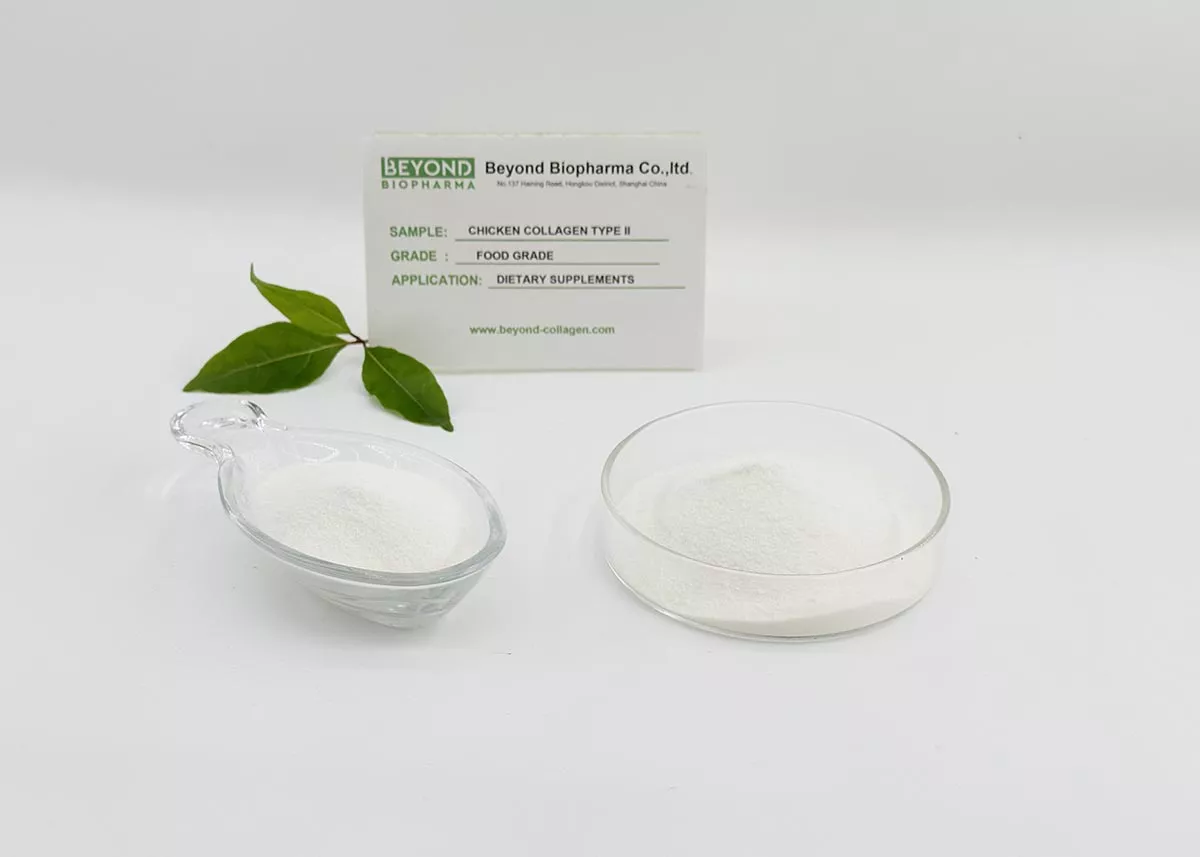
Plant protein peptide powder is a versatile ingredient suitable for multiple industries. Below is selection guidance by application:
Beyond Biopharma is a Shanghai-based manufacturer with over 10 years of experience in the food-ingredient industry. Our products are exported to more than 50 countries. We operate a fully automatic production line with GMP clean workshops, stainless-steel sealed piping, and automated temperature/pH control to ensure consistent quality. Our annual capacity is approximately 3,000 MT for collagen peptides and 5,000 MT for gelatin, with dedicated lines for plant protein peptide powder.
We hold ISO 9001 certification and are US FDA registered. Select products carry Halal or Kosher certification. Our in-house lab conducts heavy-metal and microbiological testing on every batch, supported by a dedicated QA/QC team. We offer three grades — food, pharmaceutical, and cosmetic — and provide free samples along with formulation and selection support. Whether you need a standard pea peptide or a custom hydrolyzed blend, we can accommodate bulk supply and OEM requirements.
For joint health applications, our hydrolyzed collagen type II powder and ultra-high-viscosity gelatin for softgel capsules complement our plant protein peptide line. We also supply bovine chondroitin sulfate, glucosamine HCl, and hyaluronic acid for comprehensive nutraceutical formulations.
Q: What is the difference between plant protein peptide powder and plant protein isolate?
A: Plant protein isolate is a concentrated form of intact protein (typically ≥90% protein), while plant protein peptide powder has been enzymatically hydrolyzed into smaller peptides. The peptide form is absorbed faster and is more soluble, making it ideal for rapid-nutrition applications.
Q: Is plant protein peptide powder suitable for vegan and allergen-free formulations?
A: Yes. Pea and rice peptides are naturally vegan and free from the top eight allergens. Soy peptides are also plant-based but may require allergen labeling. Beyond Biopharma can supply allergen-free options upon request.
Q: What molecular weight should I look for in a fast-absorbing plant protein peptide?
A: For fastest absorption, choose a product with an average molecular weight below 3,000 Da. Most commercial plant protein peptide powders range from 2,000 to 5,000 Da. Lower MW correlates with faster uptake and higher solubility.
Q: Can plant protein peptide powder be used in gummy or softgel formulations?
A: Yes. It can be blended with gelatin or other gelling agents. For softgels, it is often combined with ultra-high-viscosity gelatin to maintain capsule integrity. Beyond Biopharma offers both plant peptides and pharmaceutical-grade gelatin for such applications.
Q: What certifications are available for plant protein peptide powder?
A: Beyond Biopharma products are ISO 9001 certified and US FDA registered. Select items carry Halal or Kosher certification. We can also provide a Certificate of Analysis (COA) for each batch, including heavy-metal and microbiological data.
Q: How do I request a sample for evaluation?
A: Simply reach out with your application, required grade (food/pharma/cosmetic), target quantity or MOQ, desired specifications (molecular weight, solubility, certifications), and destination country. Beyond Biopharma will provide free samples and a competitive quote.
If you are evaluating plant protein peptide powder for your next product, we invite you to contact Beyond Biopharma. Please provide the following details so we can match the right grade to your application:
We will send free samples and a tailored quotation. With over a decade of experience and a global export network, Beyond Biopharma is your reliable partner for plant protein peptide powder and related ingredients.

We provide you with comprehensive foreign trade solutions to help enterprises achieve global development
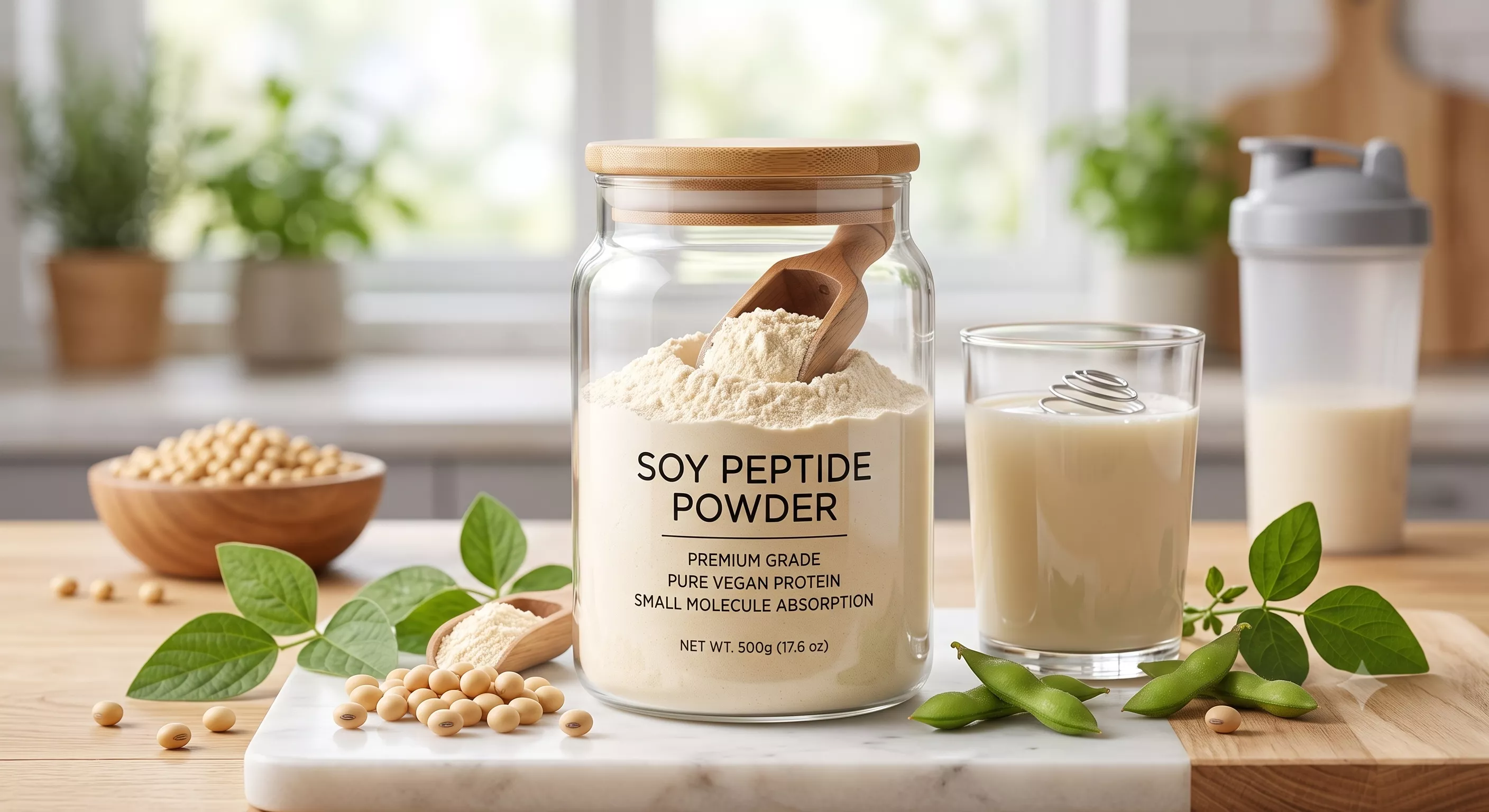
Source ultra-pure, non-GMO hydrolyzed soybean oligopeptide powder in bulk. Complete water solubility, over 80% peptides under 1000 Da. Ideal for sports nutrition and immune recovery formulas.
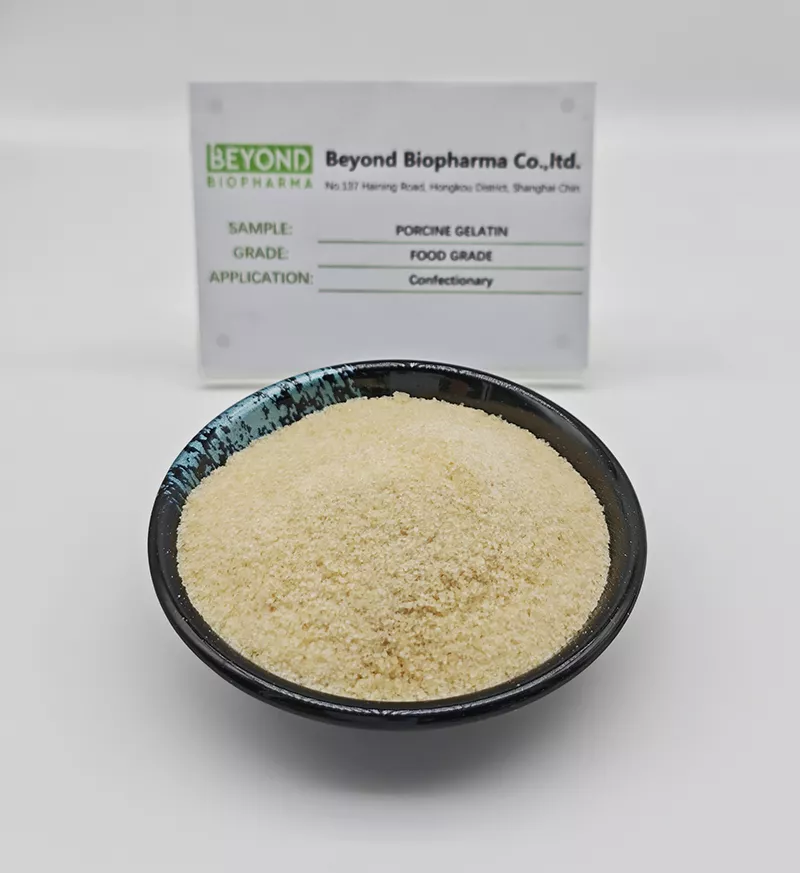
Food-grade porcine gelatin is a highly versatile and cost-effective natural protein derived from the collagen found in pig skin and bones. It is a premier gelling agent known for its exceptional clarity, neutral taste, and thermal reversibility.
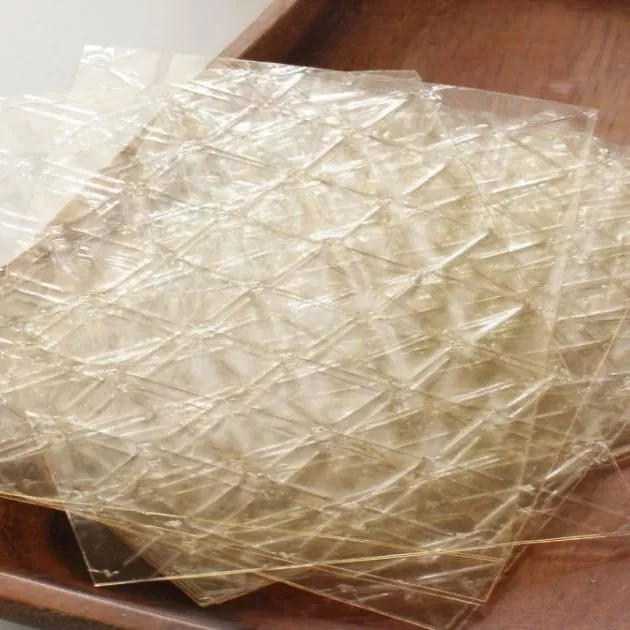
Our Gelatin Sheets are produced to precise standards, ensuring consistency and reliability across different Bloom grades (Silver being the most common professional choice).
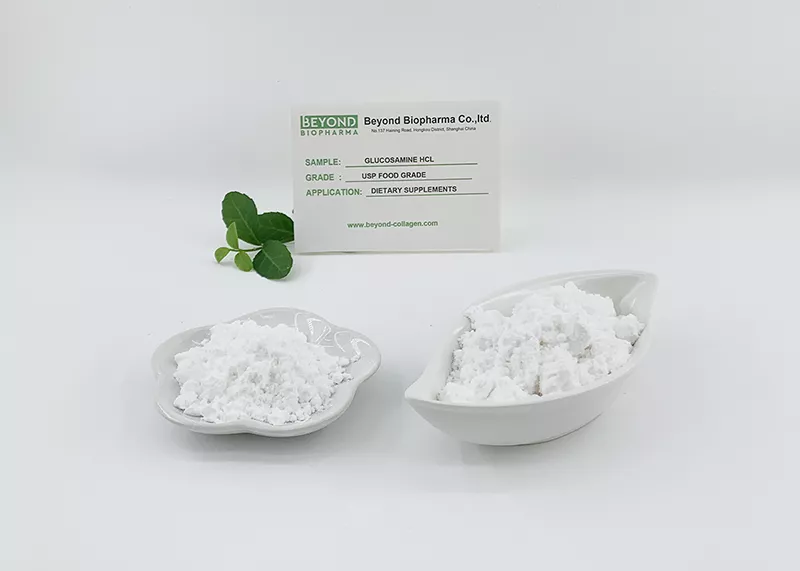
The Purest Plant-Based Joint Support Solution
Select the most popular foreign trade service products to meet your diverse needs
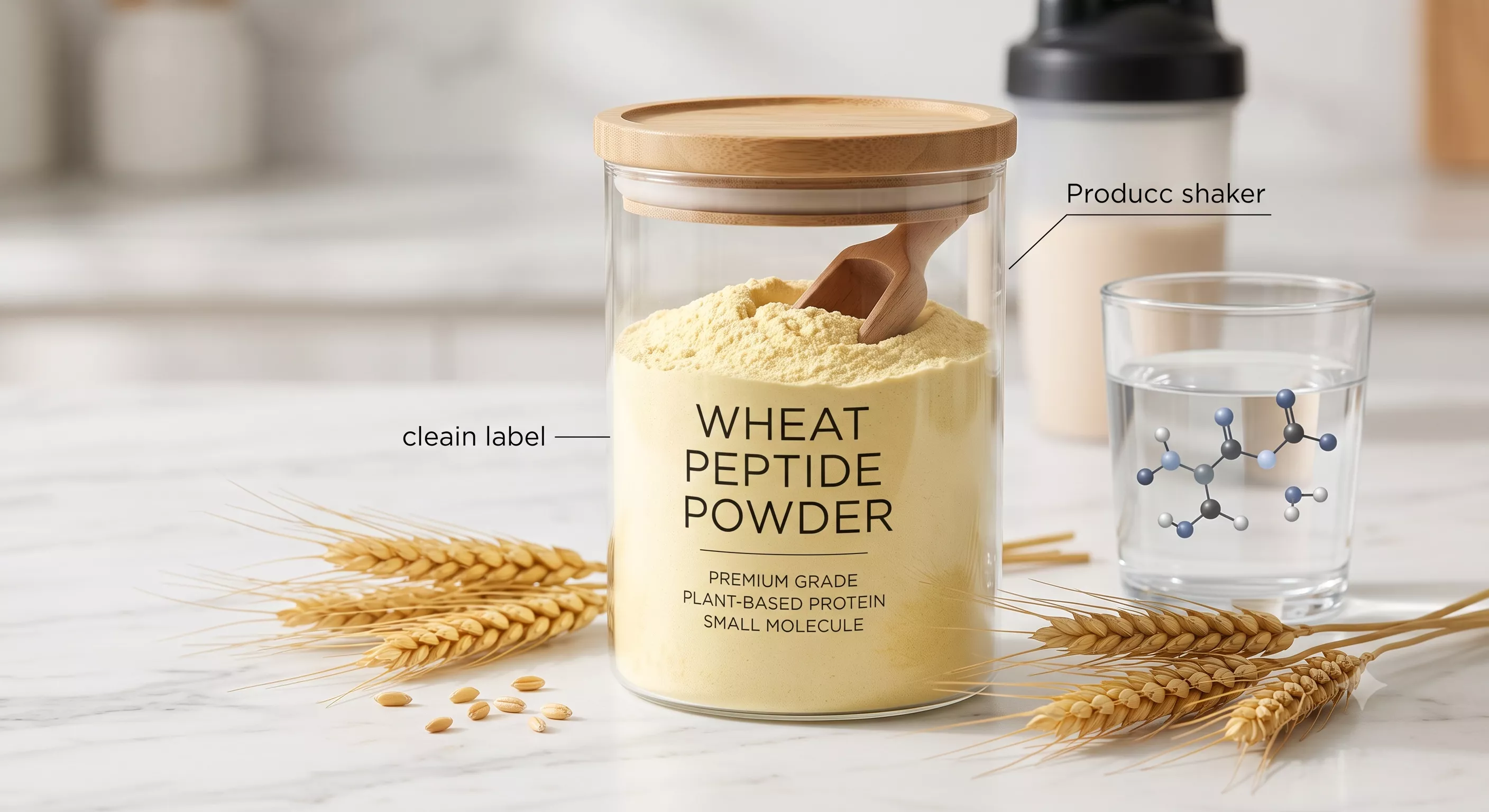
Source ultra-pure, high-solubility wholesale hydrolyzed wheat gluten peptide in bulk. Rich in plant-bound Glutamine ($\ge 25\%$) for muscle recovery and gut barrier health.
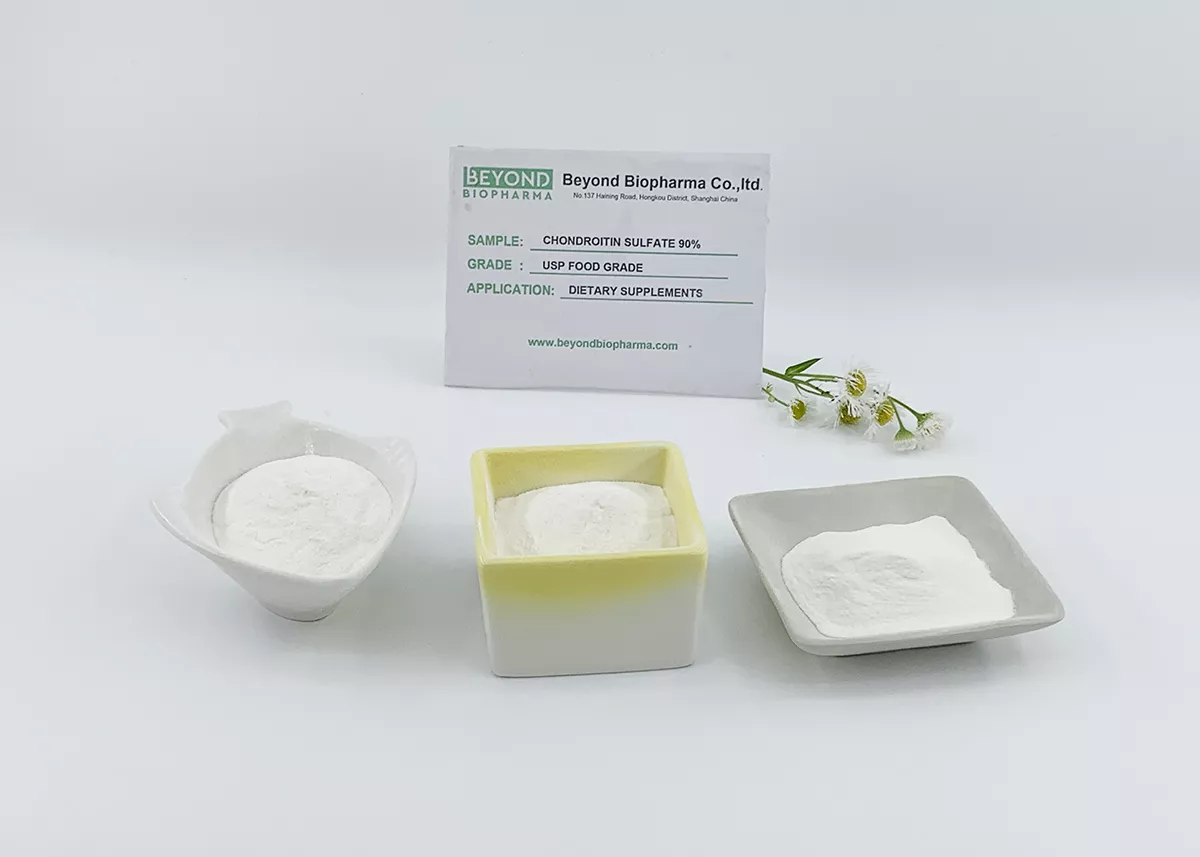
High Purity and Efficacy for Joint Health Formulations
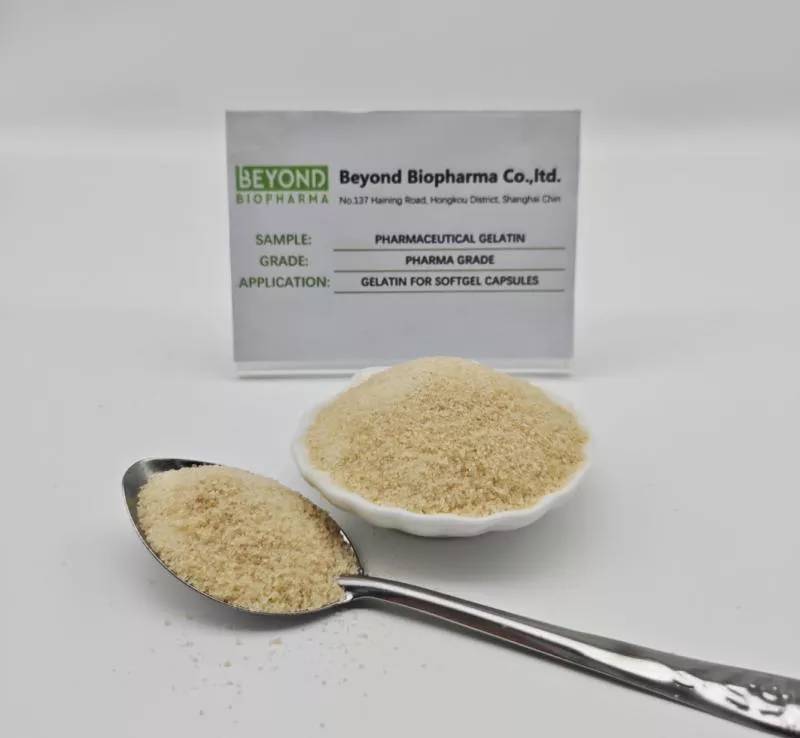
Softgel encapsulation demands a gelatin with unique physical attributes to perform optimally during the high-speed manufacturing process
Tel:+86 21 65010906
Cell/Whatsapp/Wechat:
+86 13482884055
+86 18657345785
Email: sales@beyondbiopharma.com





User Comments
Service Experience Sharing from Real Customers
Elena Rossi
Registered DietitianI’ve been recommending this plant protein peptide powder to my clients who struggle with digestion after workouts. The solubility is impressive—no clumps even in cold water—and the amino acid profile is well-balanced. A few of my athletes noticed less muscle soreness within a week. Just wish the vanilla flavor was slightly less sweet.
Marcus Chen
Construction ForemanNot gonna lie, I was skeptical about plant protein because I’ve tried chalky stuff before. This one mixes smooth in my morning oatmeal and doesn’t upset my stomach. I’m on my feet 10 hours a day framing houses, and this helps me feel less wiped out by lunch. Only gave it 4 stars because the bag could use a resealable zipper—gets messy in my lunchbox.
Sarah Mitchell
High School Biology TeacherI started adding this to my smoothies after a friend raved about it, and honestly it’s been a game-changer for my mid-afternoon slump. I teach five classes back-to-back and used to crash hard around 2 PM. Now I feel steady energy without jitters. The unflavored version is perfect—no weird aftertaste. My husband (who hates protein powders) even uses it in his coffee now.
Tomás Rivera
Freelance Graphic DesignerI bought this for post-run recovery because I’m trying to eat less animal products. The texture is fine in a blender bottle, but the flavor is a bit earthy for my taste—I have to mask it with cocoa powder. It does the job, and I feel less achy the next day, but for the price I expected a tastier experience. Might try a different brand next time.