 English EN


From Lab to Line: How Gelatin Bloom Strength Dictates Gummy Demolding and Shelf Life
At Beyond Biopharma, we view Bloom strength not just as a specification, but as the structural backbone of your brand’s scalability and consumer trust.
More
For overseas buyers in food, nutraceutical, and pharmaceutical industries, sourcing a reliable hydrolyzed plant protein that delivers consistent batch quality, high solubility, and a neutral sensory profile can be a persistent challenge. Whether you are developing plant-based protein bars, hypoallergenic supplements, or clean-label beverages, the right hydrolyzed plant protein can dramatically improve your product’s texture, absorption, and overall performance.
Hydrolyzed plant protein is a protein derived from plant sources such as pea, rice, or soy that has been broken down into smaller peptides through enzymatic hydrolysis. This process improves solubility, digestibility, and absorption while reducing bitterness and allergenicity. For formulators, it means a functional ingredient that blends easily into liquids, delivers faster nutrient uptake, and meets the growing demand for vegan and allergen-free products.
The production of hydrolyzed plant protein involves controlled enzymatic cleavage of long protein chains into shorter peptides. This process typically uses food-grade proteases under precise temperature and pH conditions. The result is a product with a molecular weight commonly below 5,000 Da, which enhances solubility in cold water and reduces viscosity. Compared to intact plant protein, hydrolyzed versions show significantly better dispersion in beverages and faster absorption in the body, making them ideal for sports nutrition and clinical supplements.
Below are common parameter ranges for hydrolyzed plant protein peptides. Please note these are typical industry ranges; final values per COA and sample should be confirmed with your supplier.
| Parameter | Typical Range | Notes |
|---|---|---|
| Protein Content | 80–90% | Dry basis, varies by source |
| Molecular Weight | Commonly <5,000 Da | Lower MW improves absorption |
| Solubility | ≥95% (in water at 20°C) | Key for beverage applications |
| Moisture | ≤8% | Ensures shelf stability |
| Allergen Profile | Source-dependent | Pea and rice are allergen-free; soy contains soy allergen |
Choosing the correct grade of hydrolyzed plant protein depends on your target industry and formulation requirements. Below are common applications and selection tips:
Beyond Biopharma, based in Shanghai, China, has over 10 years of experience in the food-ingredient industry, exporting to more than 50 countries. Our facility produces approximately 3,000 MT/year of collagen and 5,000 MT/year of gelatin, with a fully automatic production line, GMP clean workshop, stainless-steel sealed piping, and automated temperature and pH control. We hold ISO 9001 certification, are US FDA registered, and maintain a GMP clean workshop. Select products carry Halal or Kosher certifications, and our bovine bone gelatin is BSE-free. Our in-house lab conducts heavy-metal and microbiological testing, supported by a dedicated QA/QC team. We offer three grades—food, pharmaceutical, and cosmetic—and provide free samples along with formulation and selection support.
Q: What is the difference between hydrolyzed plant protein and intact plant protein?
Hydrolyzed plant protein is broken down into smaller peptides, making it more soluble and faster to absorb. Intact protein has longer chains, which can cause grittiness and slower digestion. Hydrolyzed versions are preferred for beverages and sports nutrition.
Q: Can hydrolyzed plant protein replace gelatin in vegan capsules?
Yes, but with adjustments. Hydrolyzed plant protein does not form a gel like gelatin, so it is typically used as a filler or binder in tablet formulations rather than for capsule shells. For vegetarian capsules, alternatives like HPMC are more common, but hydrolyzed plant protein can be used in the fill.
Q: How do I ensure batch-to-batch consistency for hydrolyzed plant protein?
Request a Certificate of Analysis (COA) for each batch, focusing on protein content, molecular weight distribution, solubility, and microbial counts. Work with a supplier like Beyond Biopharma that has in-house QA/QC and automated production controls.
Q: Is hydrolyzed plant protein suitable for hypoallergenic products?
It depends on the source. Pea and rice protein hydrolysates are naturally free from common allergens like gluten, dairy, and soy. Soy protein hydrolysate contains soy allergens. Always verify the allergen profile with your supplier.
Q: What certifications should I look for when sourcing hydrolyzed plant protein?
Key certifications include ISO 9001 for quality management, FDA registration for US compliance, and Halal or Kosher if required for your target market. Beyond Biopharma offers these certifications on select products.
Q: How does molecular weight affect the performance of hydrolyzed plant protein?
Lower molecular weight (e.g., below 5,000 Da) improves solubility and absorption rate. For sports nutrition and clinical supplements, lower MW peptides are preferred. Higher MW may be suitable for texture modification in food applications.
Ready to improve your product performance with high-quality hydrolyzed plant protein? Contact Beyond Biopharma with the following details so we can send you free samples and a tailored quote: your specific application (food, nutraceutical, or pharmaceutical), required grade (food, pharma, or cosmetic), estimated quantity or MOQ, target specifications (protein content, molecular weight, solubility, certifications needed), and destination country. Our team will match you with the optimal hydrolyzed plant protein solution for your formulation.

We provide you with comprehensive foreign trade solutions to help enterprises achieve global development
The High-Performance Barrier for Core Material Protection and Controlled Release.
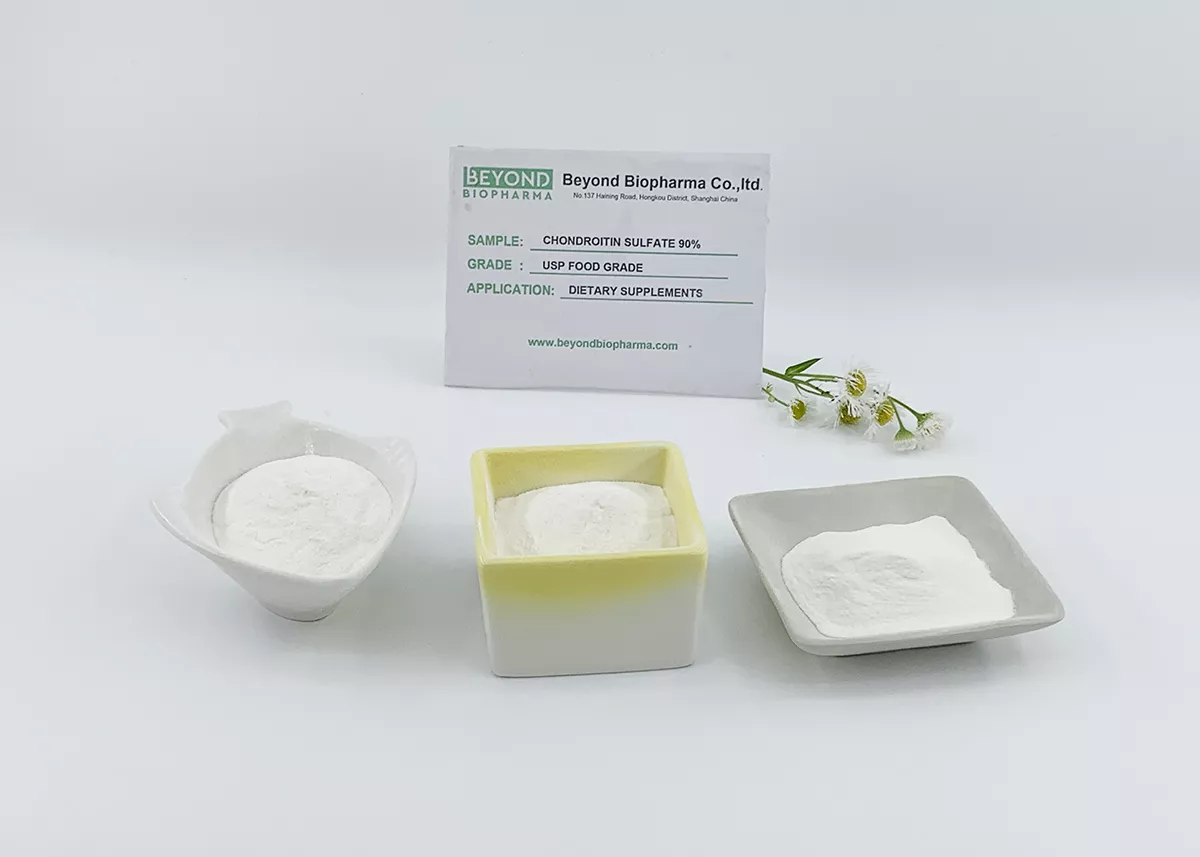
High Purity and Efficacy for Joint Health Formulations
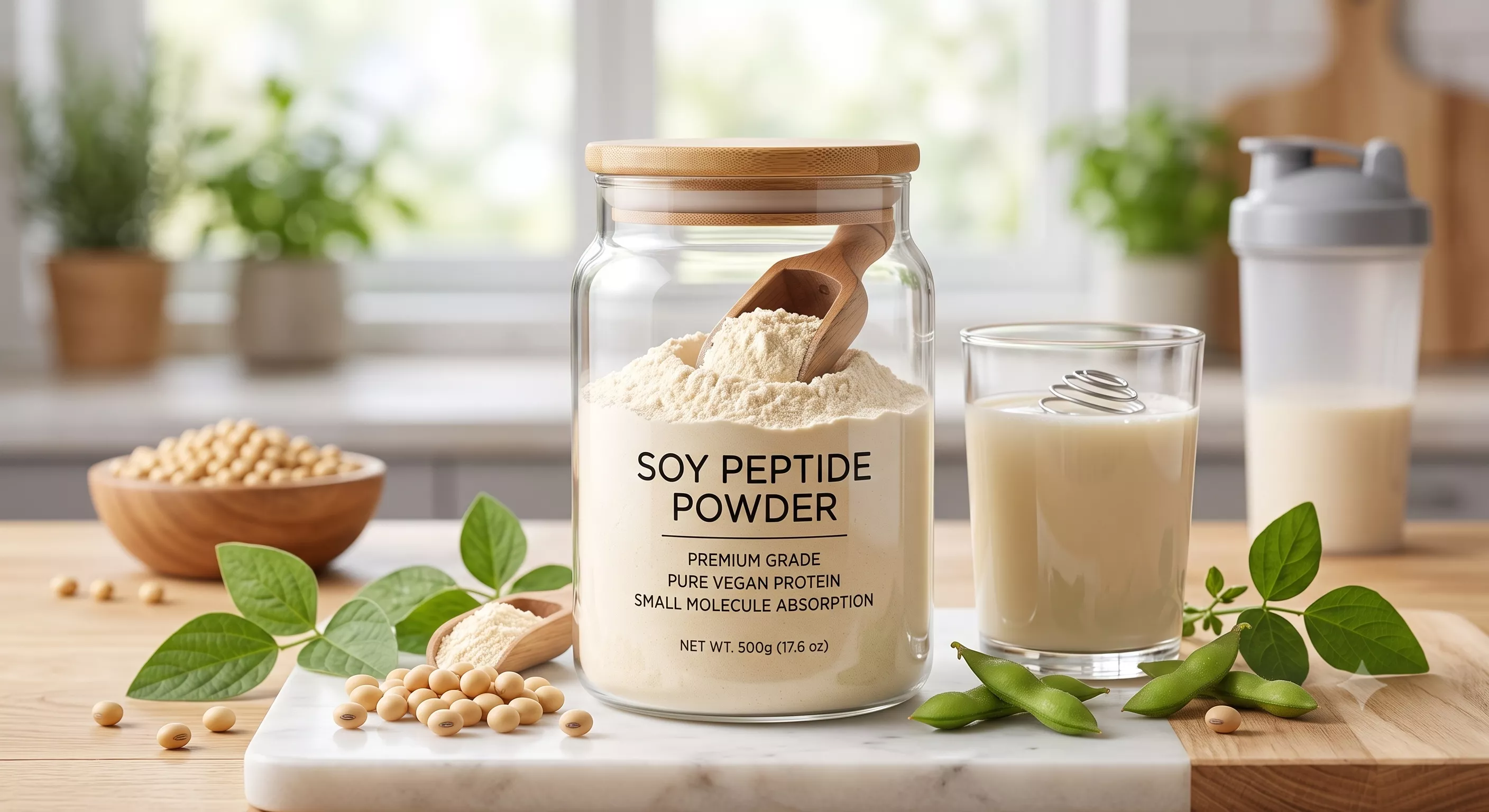
Source ultra-pure, non-GMO hydrolyzed soybean oligopeptide powder in bulk. Complete water solubility, over 80% peptides under 1000 Da. Ideal for sports nutrition and immune recovery formulas.
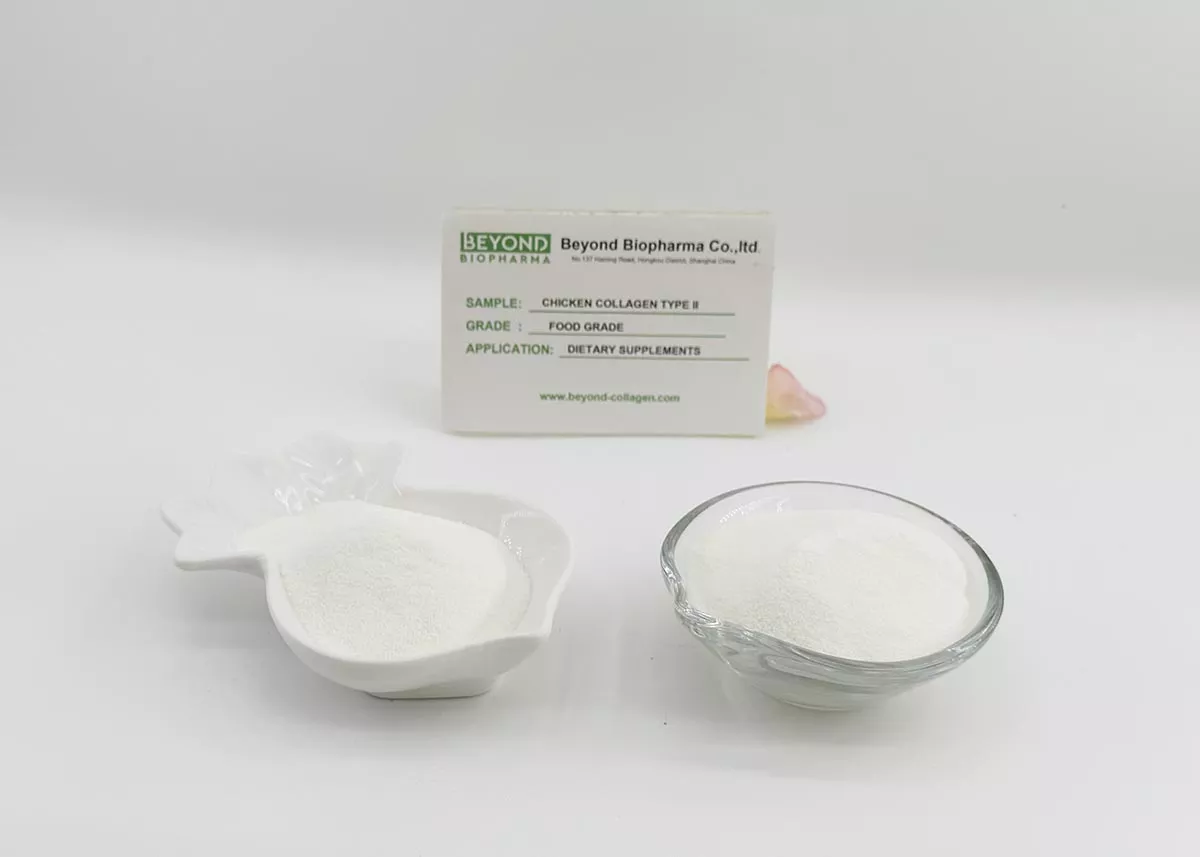
BEYOND BIOPHARMA is a specialized manufacturer of highly purified Hydrolyzed Collagen Type II. Through advanced enzymatic hydrolysis, we create low-molecular-weight collagen peptides that are highly bioavailable, offering foundational nutritional support for cartilage repair, joint function, and skin health. Our product is designed for rapid absorption and maximum efficacy in oral supplements.
Select the most popular foreign trade service products to meet your diverse needs
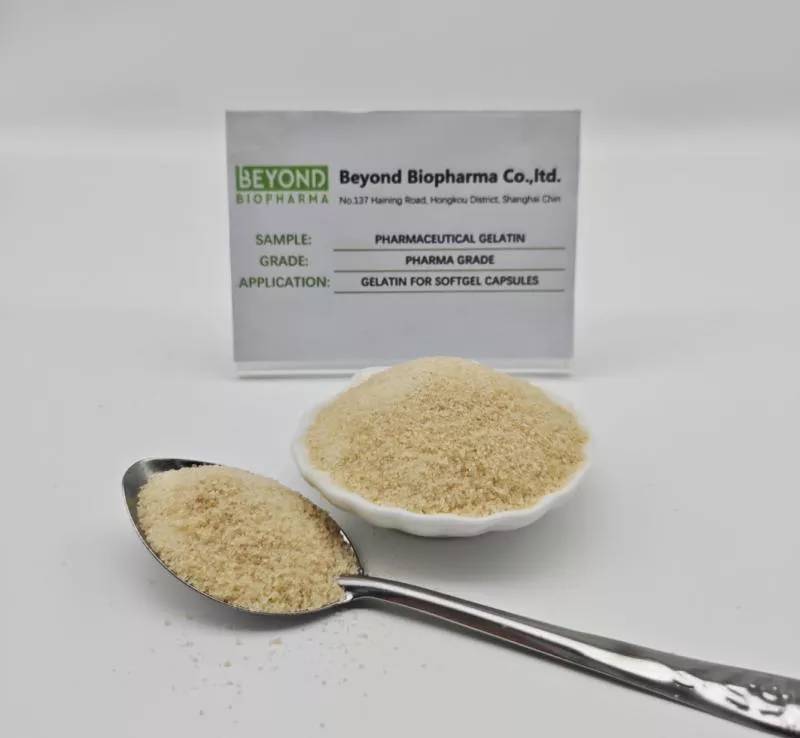
Softgel encapsulation demands a gelatin with unique physical attributes to perform optimally during the high-speed manufacturing process
The High-Performance Barrier for Core Material Protection and Controlled Release.
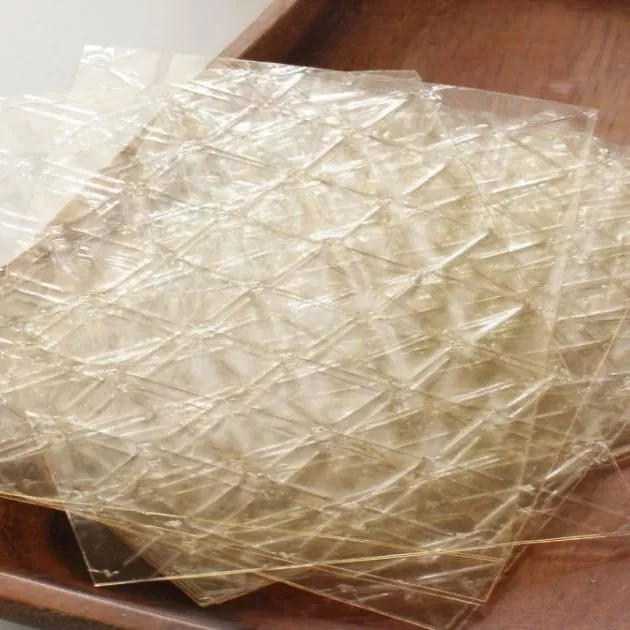
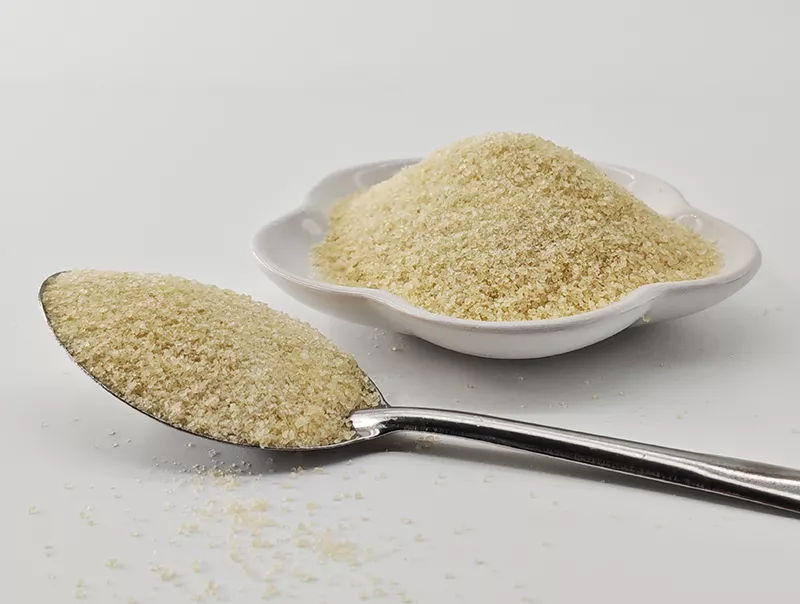
Our Gelatin Sheets are produced to precise standards, ensuring consistency and reliability across different Bloom grades (Silver being the most common professional choice).
Tel:+86 21 65010906
Cell/Whatsapp/Wechat:
+86 13482884055
+86 18657345785
Email: sales@beyondbiopharma.com





User Comments
Service Experience Sharing from Real Customers
Sarah
配方化学师说实话,我一开始对水解植物蛋白在护肤品里的效果半信半疑,直到我们实验室测试了这个原料。它的分子量分布很均匀,溶解性比之前用的其他批次好太多。用在敏感肌测试配方里,完全没有刺激反馈,保湿数据也漂亮。同行们可以闭眼入。
Mike
宠物食品采购经理我们厂一直缺一款既能提升适口性又不会导致狗狗过敏的蛋白源。试了这批水解植物蛋白后,挑食的客户反馈明显少了,而且颗粒成型度很稳定。扣一星是因为供货周期偶尔会慢两天,但质量没话说。
Emma
素食厨师 & 博主我自己做纯素高汤和植物肉酱时总差那么点鲜味,直到朋友推荐了这个粉。加一小勺到蘑菇汤里,那种醇厚的肉感居然出来了,而且没有奇怪的豆腥味。已经回购三次,打算开发自己的调味粉品牌了。
Tom
生物发酵工程师作为原料供应商的下游用户,我必须说这款产品的水解度控制得不错,氮源利用率高,发酵罐里没出现泡沫异常。但说实话价格比竞品贵了15%,而且批次间的颜色略有差异,虽然不影响发酵指标,但品控还可以再严格点。