Understanding Soy Protein Peptide and Its Role in Modern Nutrition
Sourcing a reliable soy protein peptide supplier involves more than just comparing prices. Batch consistency, solubility, off-flavor control, and certification barriers are common pain points for overseas buyers. This article provides a practical overview of soy protein peptide, its production process, typical specifications, and application guidance to help you make informed procurement decisions.
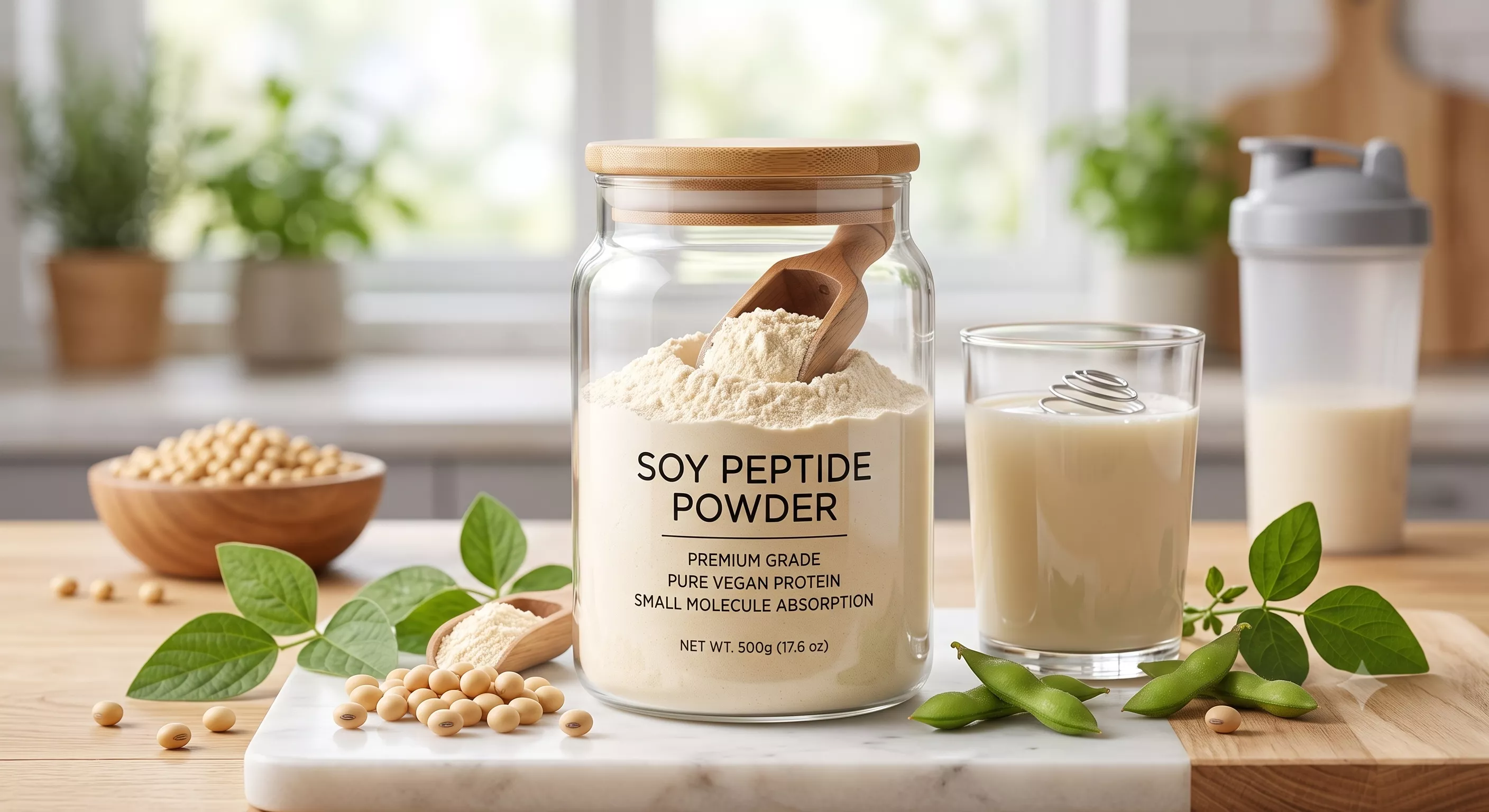
Soy protein peptide is a hydrolyzed plant protein ingredient derived from soybeans. Through controlled enzymatic hydrolysis, large soy protein molecules are broken down into smaller peptide chains, typically with a molecular weight below 5,000 Da. This process improves solubility, digestibility, and absorption compared to intact soy protein. For food-ingredient purchasing managers and nutraceutical R&D teams, soy protein peptide offers a versatile, allergen-friendly alternative to animal-derived proteins, especially in vegan and plant-based formulations.
How Is Soy Protein Peptide Produced and What Makes It Effective?
The production of soy protein peptide begins with high-quality defatted soybean meal. The protein is extracted and then subjected to enzymatic hydrolysis using food-grade proteases. This process cleaves the protein into shorter peptide fragments, reducing molecular weight and enhancing functional properties. Key performance indicators include solubility (often >95% at neutral pH), low bitterness, and a clean sensory profile. The final product is spray-dried into a fine powder, making it easy to incorporate into beverages, bars, and supplements.
What Are the Typical Specifications for Soy Protein Peptide?
When evaluating soy protein peptide, buyers should focus on a few critical parameters. The table below outlines common industry ranges. Note that these are typical ranges; final values should be confirmed per Certificate of Analysis (COA) and sample testing.
| Parameter |
Typical Industry Range |
| Protein Content |
80–90% (dry basis) |
| Molecular Weight |
Commonly
|
| Solubility |
≥95% at neutral pH |
| Moisture |
≤8% |
| Ash |
≤7% |
| Allergen Profile |
Contains soy; suitable for vegan formulations |
Typical industry range; final values per COA / sample.
Applications and Selection Guidance for Soy Protein Peptide
Soy protein peptide is widely used across food, nutraceutical, and pharmaceutical applications. Its high solubility and neutral flavor make it ideal for protein-fortified beverages, sports nutrition powders, and meal replacements. In the nutraceutical sector, it serves as a base for plant-based protein supplements targeting muscle recovery and overall wellness. For pharmaceutical excipient buyers, soy protein peptide can be used in tablet formulations as a binder or filler, though compatibility testing is recommended.
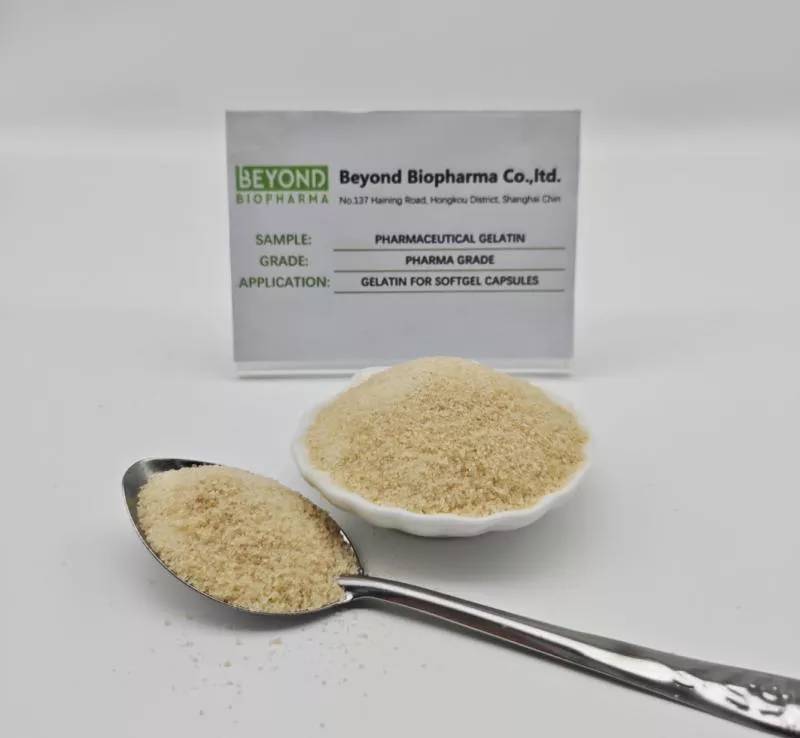
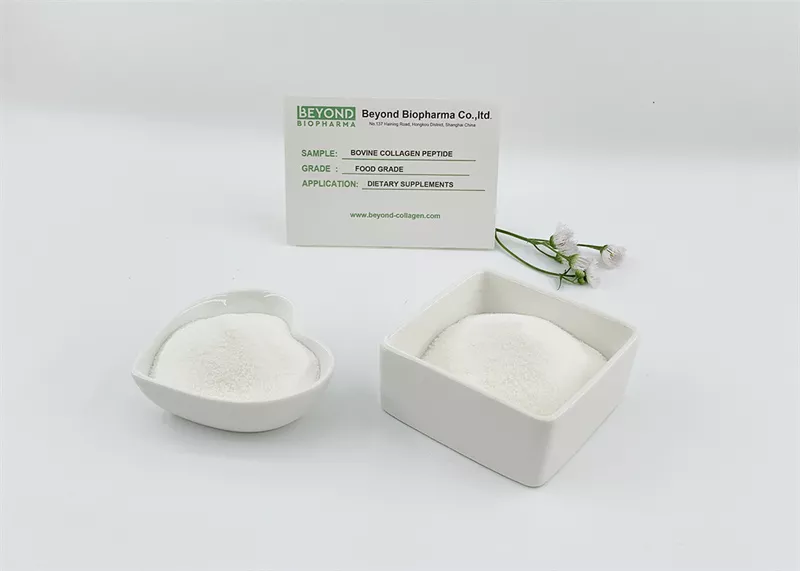
When selecting a grade, consider the end application. Food-grade soy protein peptide is suitable for general food fortification, while pharmaceutical-grade material requires stricter purity and microbiological controls. For vegan and allergen-free formulations, soy protein peptide is a natural fit, but always verify the allergen declaration and cross-contamination protocols with your supplier. Beyond Biopharma offers food-grade gelatin and bovine collagen peptide as complementary ingredients for hybrid formulations.
Why Choose Beyond Biopharma for Soy Protein Peptide?
Beyond Biopharma is a Shanghai-based manufacturer with over 10 years of experience in the food-ingredient industry. Our products are exported to more than 50 countries. We operate a fully automatic production line with GMP clean workshops, stainless-steel sealed piping, and automated temperature and pH control. Our facility has an annual capacity of approximately 3,000 MT for collagen and 5,000 MT for gelatin, with dedicated lines for plant protein peptides.
We hold ISO 9001 certification, are US FDA registered, and maintain GMP clean workshop standards. Select products carry Halal and Kosher certifications. Our in-house lab performs heavy-metal and microbiological testing, supported by a dedicated QA/QC team. We offer free samples and formulation support across food, pharmaceutical, and cosmetic grades. For joint health applications, we also supply bovine chondroitin sulfate sodium and ultra-high viscosity gelatin for softgels.
Frequently Asked Questions About Soy Protein Peptide
Is soy protein peptide suitable for vegan and allergen-free formulations?
Yes, soy protein peptide is plant-based and fits vegan diets. However, it contains soy, which is a common allergen. Always check the supplier's allergen management protocols if cross-contamination is a concern.
What is the typical molecular weight of soy protein peptide?
The molecular weight commonly falls below 5,000 Da. Lower molecular weight peptides generally offer faster absorption and higher solubility, which is beneficial for sports nutrition and clinical nutrition products.
How does soy protein peptide compare to pea or rice protein peptides?
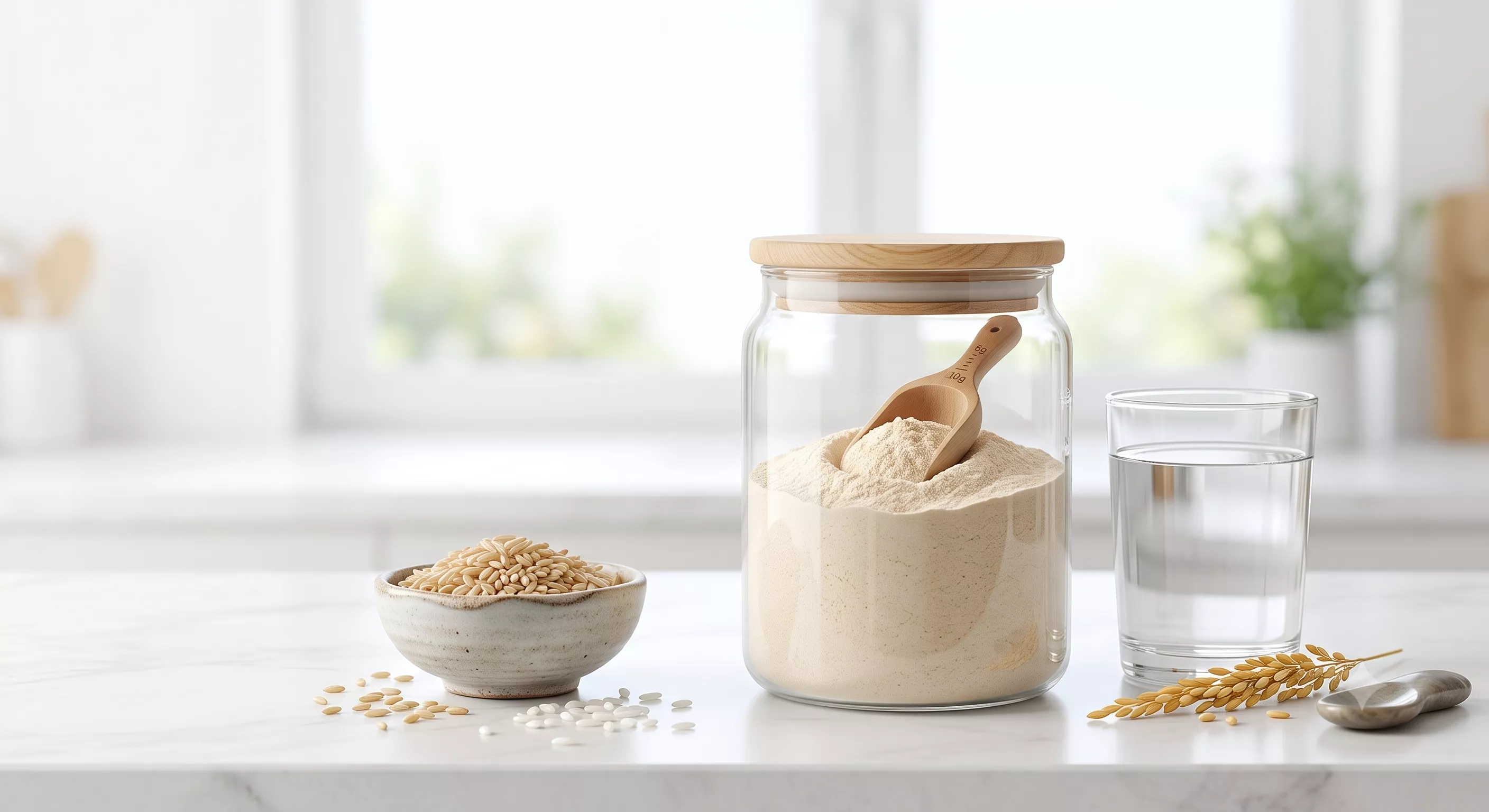
Soy protein peptide has a well-balanced amino acid profile, including all essential amino acids. Pea and rice peptides are also plant-based but may require blending to achieve a complete amino acid profile. Soy is often more cost-effective and widely available.
Can soy protein peptide be used in gummy or softgel formulations?
Soy protein peptide is typically used in powder or liquid formulations. For gummies and softgels, gelatin or plant-based gelling agents are more common. Beyond Biopharma offers high-bloom gelatin for hard capsules and pharmaceutical-grade bovine bone gelatin for such applications.
What certifications should I look for when sourcing soy protein peptide?
Key certifications include ISO 9001, GMP, and where applicable, Halal or Kosher. For pharmaceutical use, US FDA registration and BSE-free documentation are important. Always request a COA for each batch.
Does soy protein peptide have a strong taste or odor?
High-quality soy protein peptide has a mild, neutral flavor with minimal bitterness. Low odor and high solubility are quality markers. Sensory evaluation should be part of your sample testing process.
Request a Quote and Free Sample
Ready to evaluate soy protein peptide for your next formulation? Contact Beyond Biopharma with your application details, required grade (food, pharmaceutical, or cosmetic), target quantity or MOQ, desired specifications (molecular weight, solubility, certifications), and destination country. We will send free samples and a competitive quote tailored to your needs. Our team is ready to support your product development with reliable supply and technical guidance.

 English EN








User Comments
Service Experience Sharing from Real Customers
Mike
Certified Personal TrainerI've been using this soy protein peptide powder for about three months now, and my recovery time after heavy leg days has noticeably improved. I mix it into my post-workout shake and it dissolves instantly without that chalky taste. Honestly, I was skeptical about plant-based options, but my clients keep asking what I'm taking because they see the difference. No bloating either, which is a huge win for me.
Sarah
Registered DietitianI recommend this to a few of my vegan clients who struggle to hit their protein goals without feeling heavy. The peptide form seems to be easier on the stomach compared to standard soy isolate. I've tried it myself during a busy work week, and it kept me full until lunch without any gas issues. Only reason I'm not giving five stars is the vanilla flavor is a bit mild for my taste, but it blends well in smoothies.
Tom
Warehouse Shift SupervisorI'm on my feet twelve hours a day lifting boxes and running around. My wife bought this for me because she said I needed more protein. I just dump a scoop in my water bottle and shake it up during my break. Keeps me going without that heavy feeling in my stomach. The unflavored one tastes like nothing, which is perfect because I can add it to anything. Been using it for two months and my energy is way more stable.
Elena
Freelance Graphic DesignerI'm not a gym person at all, but I started using this soy peptide to help with my hair and nails after a stressful project season. I just stir it into my morning oatmeal. It doesn't change the texture or taste, which is huge for me because I'm picky. Noticed my nails are less brittle after about six weeks. It's not a miracle, but it's a solid addition to my routine. Would like smaller packaging options though.