 English EN


How Are Collagen Peptides Applied In Modern Industries
Collagen peptides are applied in food, pharma, cosmetics, and eco-materials, supporting joint health, skin, and sustainable industrial solutions.
More
When sourcing ingredients for modern skincare formulations, batch consistency and solubility are common pain points. Soy peptide — a hydrolyzed plant protein derived from soy — addresses these concerns with high solubility, low odor, and a clean amino acid profile. Unlike some animal-based peptides, it meets vegan and allergen-free requirements, making it a versatile choice for global buyers.
Soy peptide is produced through controlled enzymatic hydrolysis of soy protein isolate. This process breaks down large protein chains into smaller peptides, typically with a molecular weight below 5,000 Da. The result is a powder that dissolves readily in water, allowing for easy incorporation into serums, creams, and masks. In skincare, these small peptides can penetrate the outer skin barrier, supporting hydration and collagen synthesis without irritation.
For formulators, the key advantage is the predictable performance: consistent solubility, neutral taste and odor, and stable pH in finished products. This makes soy peptide a reliable alternative to fish or bovine collagen peptides in plant-based and hypoallergenic lines.
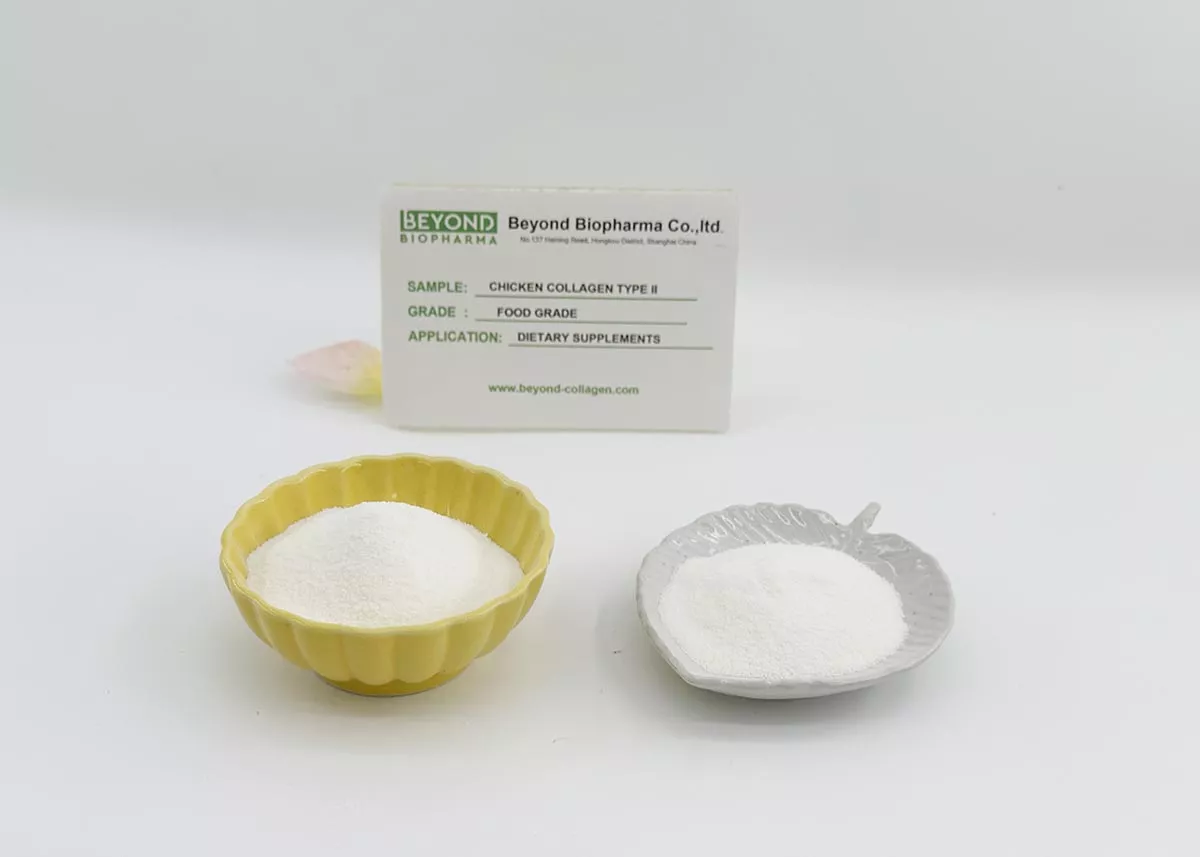
When evaluating soy peptide for your formulation, here are the common parameter ranges you can expect. These are typical industry values; final specifications should always be confirmed per Certificate of Analysis (COA) and sample testing.
| Parameter | Typical Range (Industry Standard) |
|---|---|
| Protein Content | 80–90% |
| Molecular Weight | Below 5,000 Da (commonly 500–3,000 Da) |
| Solubility | High (≥95% in water at 25°C) |
| Moisture | ≤8% |
| Ash | ≤7% |
| Allergen Profile | Contains soy; free from gluten, dairy, animal derivatives |
Note: These are generic industry ranges. For your specific application, request a COA from your supplier to verify molecular weight distribution and microbiological purity.
Soy peptide is not limited to topical skincare. Its functional properties make it suitable for multiple product categories, especially when combined with other ingredients like food-grade hyaluronic acid powder or hydrolyzed collagen type II for comprehensive wellness formulations.
For formulators targeting vegan or hypoallergenic markets, soy peptide is a direct alternative to fish collagen peptide or bovine collagen peptide. Its low molecular weight ensures rapid absorption, comparable to premium vegan glucosamine hydrochloride HCl in joint health supplements.
Beyond Biopharma, based in Shanghai, China, has over 10 years of experience in the food-ingredient industry. Our products are exported to more than 50 countries. We operate a fully automatic production line with GMP clean workshops, stainless-steel sealed piping, and automated temperature and pH control. Our facility produces approximately 3,000 MT of collagen peptides and 5,000 MT of gelatin annually.
We hold ISO 9001 certification, are US FDA registered, and maintain GMP clean workshops. Select products carry Halal and Kosher certifications (e.g., fish gelatin). Our bovine bone gelatin is BSE-free. An in-house lab conducts heavy-metal and microbiological testing, supported by a dedicated QA/QC team.
Our product lines include soy peptide as part of our standardized gelatin sheets for consistent gels and other plant protein peptides (pea, rice). We offer three grades: food, pharmaceutical, and cosmetic. Free samples and formulation support are available.
1. Is soy peptide suitable for vegan skincare formulations?
Yes, soy peptide is 100% plant-based and free from animal-derived ingredients. It is an excellent alternative to fish or bovine collagen peptides in vegan and hypoallergenic products.
2. What is the typical molecular weight of soy peptide?
The molecular weight of soy peptide commonly ranges from 500 to 3,000 Da, though it can go up to 5,000 Da. Lower molecular weight peptides are absorbed more readily in topical and oral applications.
3. Does soy peptide have a strong odor or taste?
High-quality soy peptide has a neutral, mild flavor and very low odor. This makes it easy to formulate into flavored supplements and scented skincare products without masking.
4. Can soy peptide be used in combination with other ingredients like hyaluronic acid?
Absolutely. Soy peptide pairs well with ingredients like food-grade hyaluronic acid powder and bovine chondroitin sulfate sodium for comprehensive skin and joint health formulations.
5. What certifications should I look for when sourcing soy peptide?
Look for ISO 9001, US FDA registration, and GMP compliance. If you require vegan or allergen-free claims, confirm the supplier’s testing protocols and COA. Beyond Biopharma provides in-house lab reports for heavy metals and microbiology.
6. How does soy peptide compare to fish collagen peptide in terms of absorption?
Both are hydrolyzed to low molecular weights for rapid absorption. Fish collagen peptide typically has a slightly lower molecular weight, but soy peptide offers a plant-based alternative with comparable bioavailability and a complete amino acid profile.
If you are evaluating soy peptide for your next formulation, we invite you to share your requirements. Please provide your intended application (skincare, nutraceutical, pharmaceutical), required grade (food, pharma, or cosmetic), estimated quantity or MOQ, target specifications (molecular weight, protein content, certifications), and destination country. Beyond Biopharma will send free samples and a competitive quote.
We look forward to supporting your sourcing needs with reliable, high-quality soy peptide and other plant-based ingredients.

We provide you with comprehensive foreign trade solutions to help enterprises achieve global development
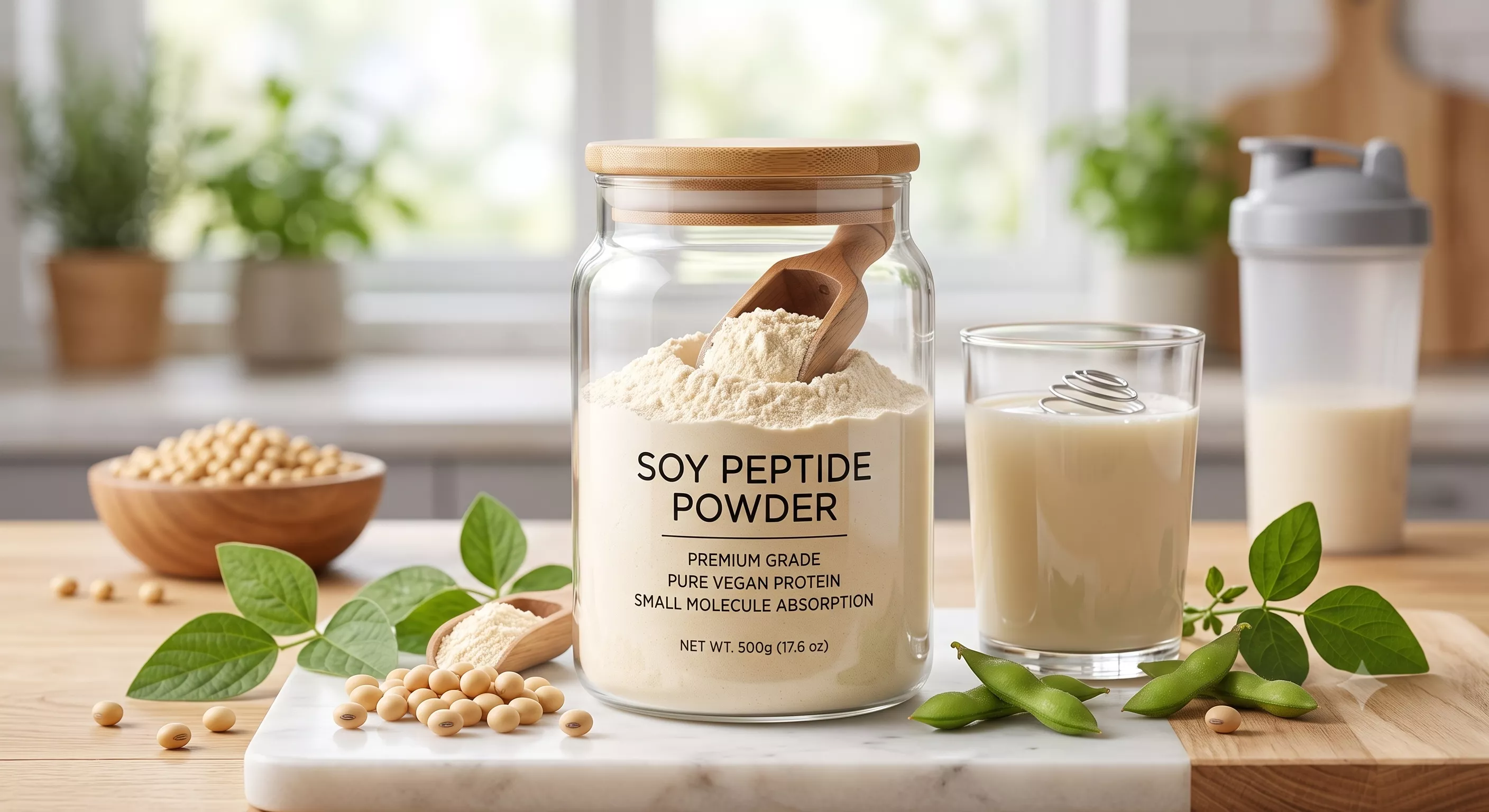
Source ultra-pure, non-GMO hydrolyzed soybean oligopeptide powder in bulk. Complete water solubility, over 80% peptides under 1000 Da. Ideal for sports nutrition and immune recovery formulas.

Our Gelatin Sheets are produced to precise standards, ensuring consistency and reliability across different Bloom grades (Silver being the most common professional choice).
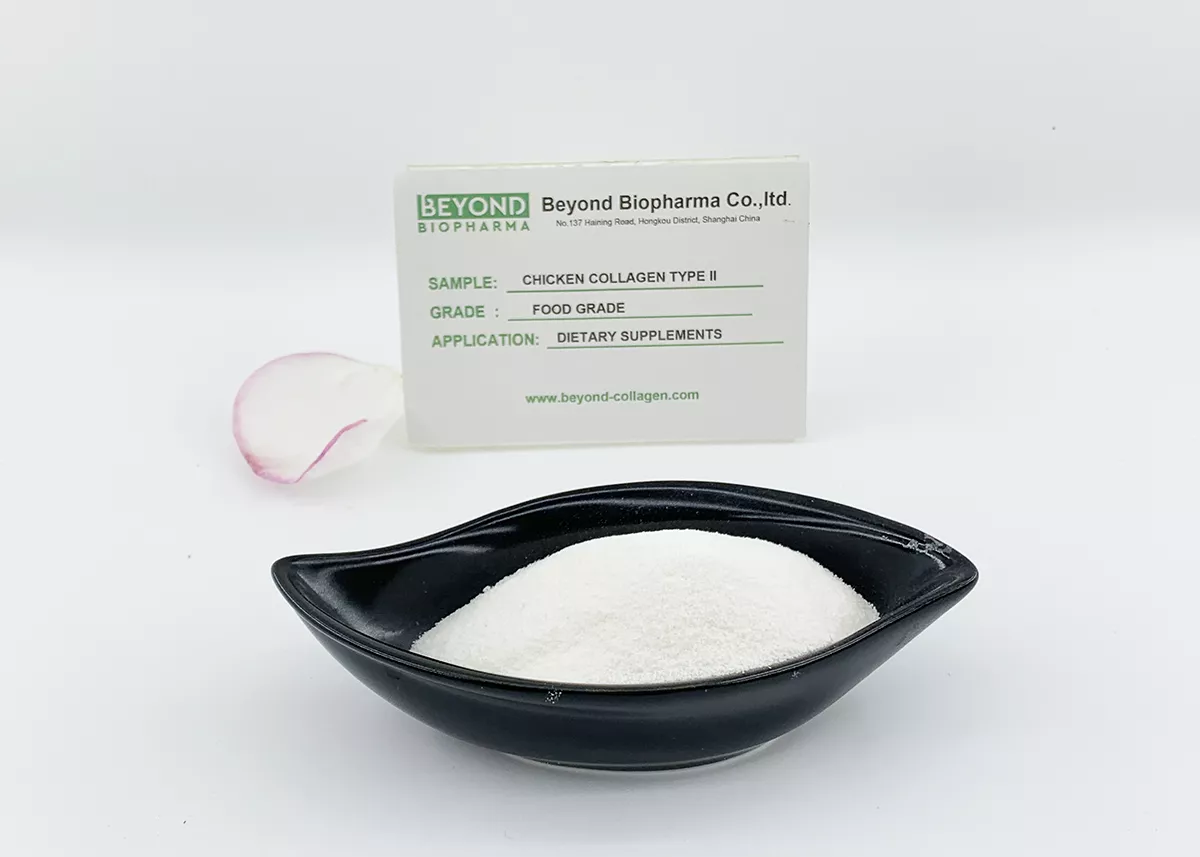
BEYOND BIOPHARMA is a specialized manufacturer of high-quality Undenatured Collagen Type II. Utilizing low-temperature, non-enzymatic extraction methods, our Undenatured Collagen Type II retains its native, triple-helix structure, essential for modulating the immune system's response to joint health and providing superior support for mobility, flexibility, and overall joint comfort.
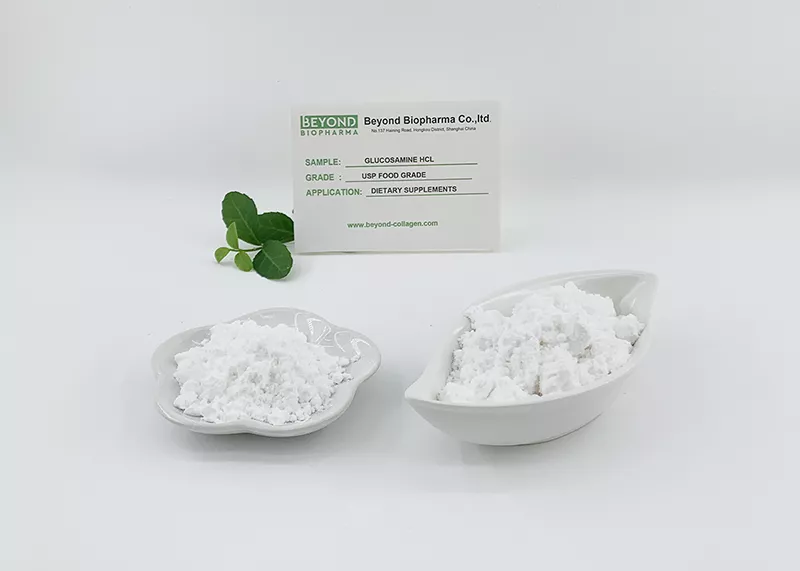
The Purest Plant-Based Joint Support Solution
Select the most popular foreign trade service products to meet your diverse needs
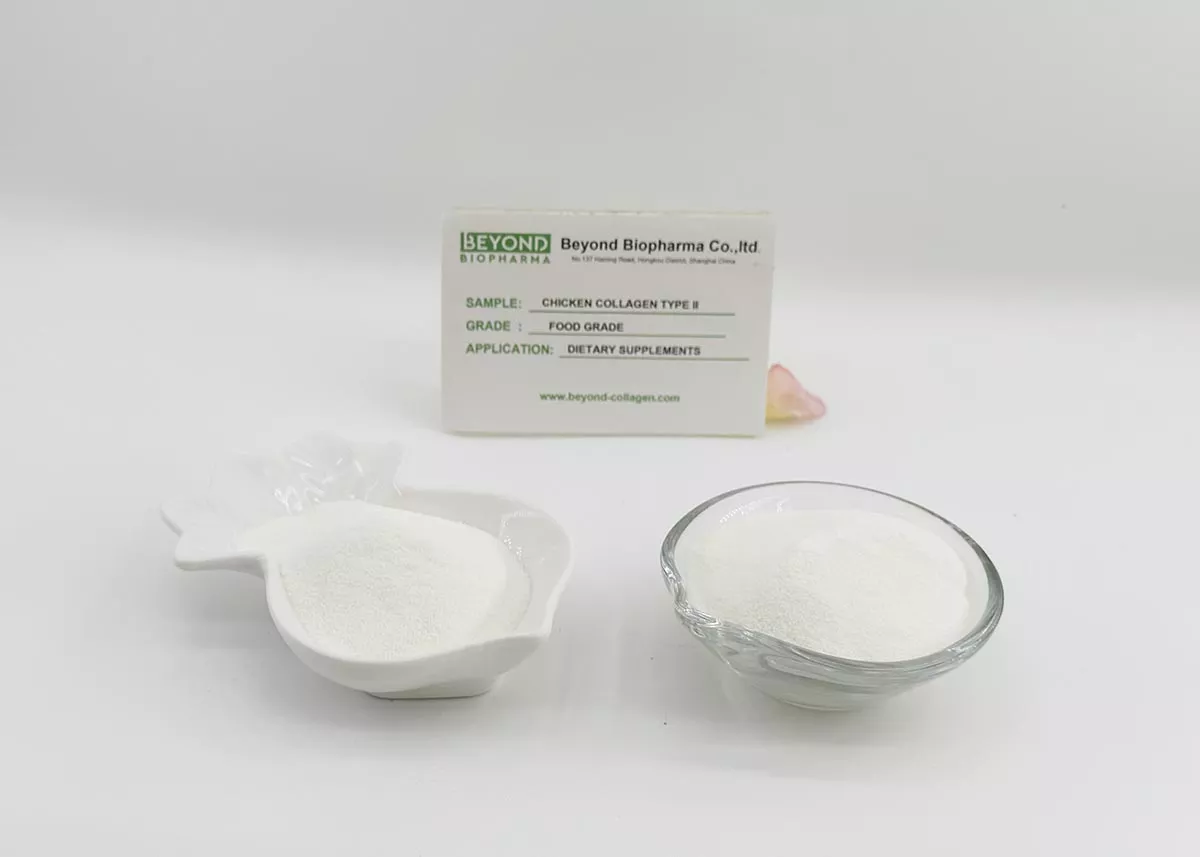
BEYOND BIOPHARMA is a specialized manufacturer of highly purified Hydrolyzed Collagen Type II. Through advanced enzymatic hydrolysis, we create low-molecular-weight collagen peptides that are highly bioavailable, offering foundational nutritional support for cartilage repair, joint function, and skin health. Our product is designed for rapid absorption and maximum efficacy in oral supplements.
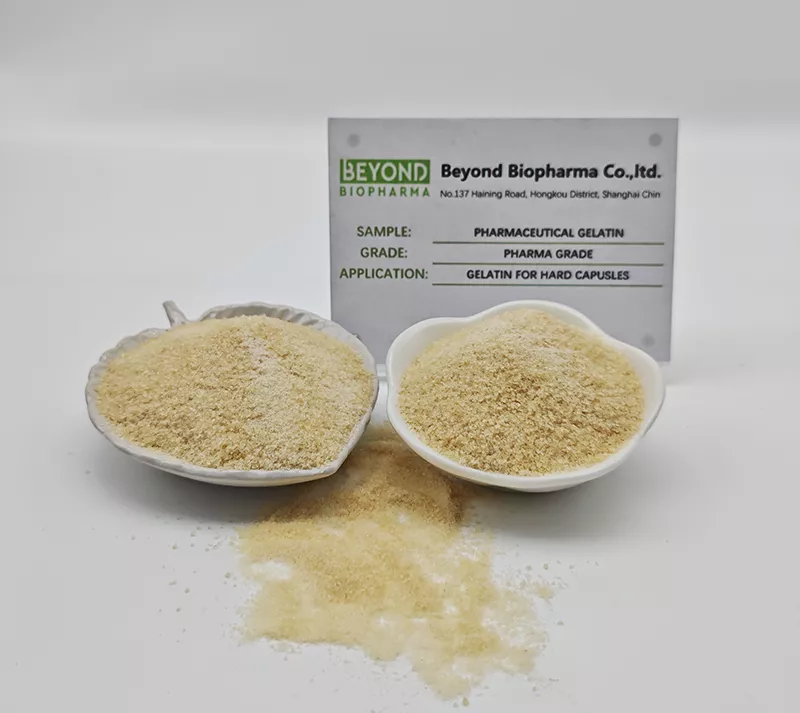
The high-strength and rapid-setting characteristics of Bovine Bone Gelatin ensure it forms a stable, uniform, and durable shell that preserves the integrity of the active pharmaceutical ingredient (API).
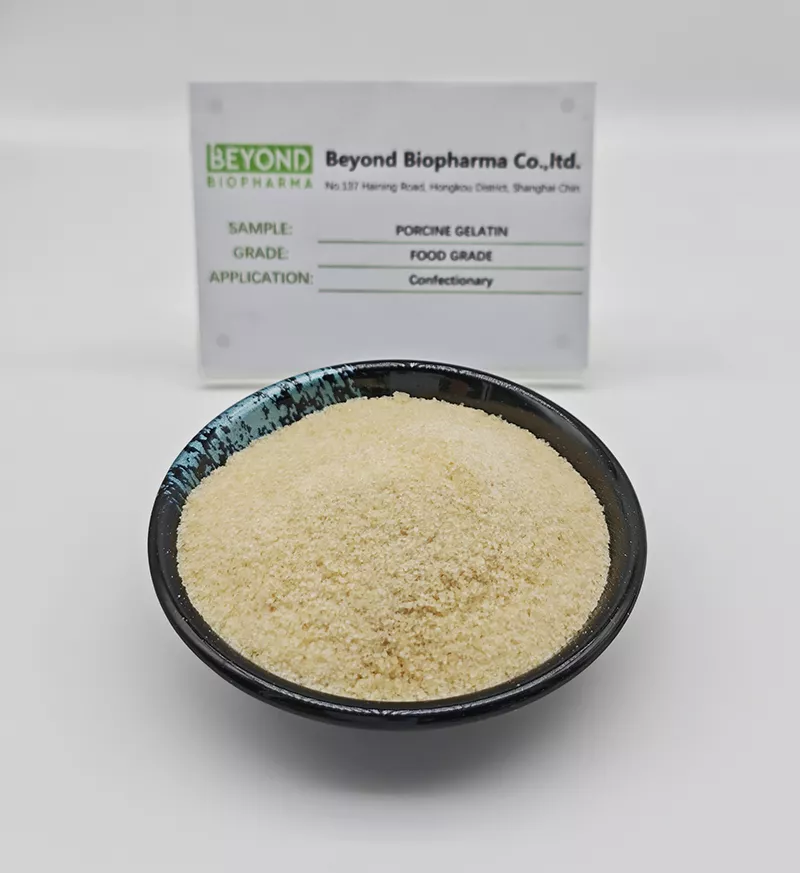
Food-grade porcine gelatin is a highly versatile and cost-effective natural protein derived from the collagen found in pig skin and bones. It is a premier gelling agent known for its exceptional clarity, neutral taste, and thermal reversibility.
Tel:+86 21 65010906
Cell/Whatsapp/Wechat:
+86 13482884055
+86 18657345785
Email: sales@beyondbiopharma.com





User Comments
Service Experience Sharing from Real Customers
Mike
Personal TrainerI’ve been adding soy peptide to my post-workout shakes for about two months now. Honestly, my recovery time has noticeably dropped—I’m not as sore the next day, and my muscle definition is coming along better. Tastes neutral, mixes easily. Worth every penny.
Linda
Retired NurseStarted taking soy peptide on my daughter’s recommendation after I complained about joint stiffness. I’m not expecting miracles at my age, but I do feel a bit more flexible and my skin seems a tad firmer. Only downside is the slight aftertaste, but a splash of juice fixes it.
Tom
Software DeveloperBought this because I sit at a desk 10 hours a day and wanted something to help with muscle maintenance. Can’t say I’ve noticed huge changes in energy or recovery, but my hair and nails are growing like crazy—which is weird but kinda cool. Might keep using it for that alone.
Sarah
Yoga InstructorI’m pretty picky about supplements, but this soy peptide is gentle on my stomach and doesn’t bloat me like some plant proteins do. I’ve been using it in smoothies post-class, and it helps me feel less drained after teaching three back-to-back sessions. Highly recommend for active women.