 English EN


How Are Collagen Peptides Applied In Modern Industries
Collagen peptides are applied in food, pharma, cosmetics, and eco-materials, supporting joint health, skin, and sustainable industrial solutions.
More
For overseas cosmetic ingredient buyers and R&D teams, sourcing a functional, plant-based active that delivers real skin benefits without compromising on sustainability or allergen profiles has always been a challenge. Wheat protein peptide, derived from enzymatic hydrolysis of wheat gluten, offers a compelling solution: it provides film-forming properties, moisture retention, and antioxidant activity that rival traditional animal-derived peptides. This article breaks down what makes wheat protein peptide a strategic choice for modern cosmetic formulations, from its working mechanism to practical sourcing considerations.
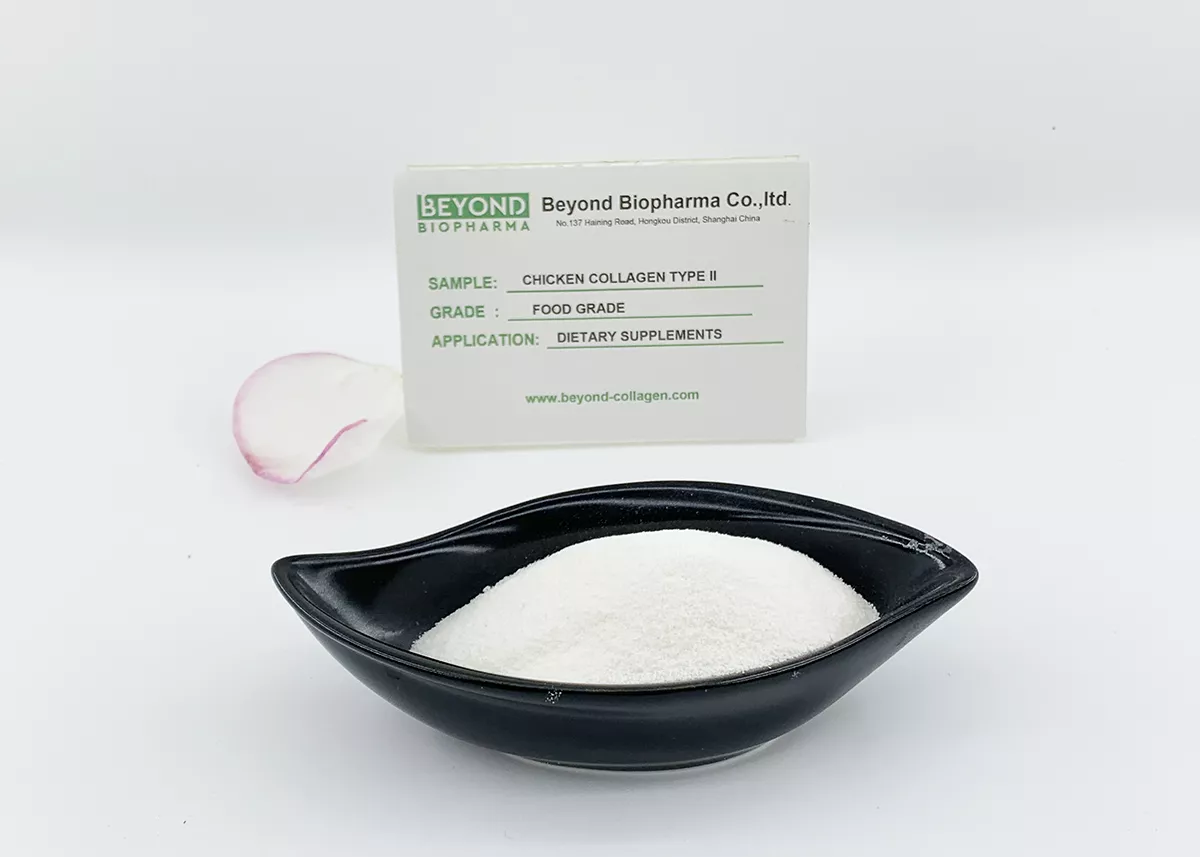
Wheat protein peptide is a hydrolyzed form of wheat gluten, broken down into smaller peptide chains through controlled enzymatic processes. In cosmetic science, it functions as a multifunctional active: it forms a protective film on the skin, binds moisture, and delivers antioxidant benefits. Unlike whole wheat protein, the peptide form ensures better solubility and deeper penetration into the stratum corneum.
For formulators, this means a plant-based alternative to collagen peptides or keratin hydrolysates, with the added advantage of being vegan-friendly and generally hypoallergenic. The global shift toward clean beauty and sustainable sourcing has made wheat protein peptide a go-to ingredient for anti-aging serums, moisturizers, and hair care products.
The production process starts with wheat gluten, which is subjected to enzymatic hydrolysis using food-grade proteases. This breaks the large protein molecules into peptides with a molecular weight typically ranging from 500 to 5,000 Da. The hydrolysis conditions—temperature, pH, and enzyme type—are carefully controlled to achieve a consistent peptide profile.
Once applied to the skin, wheat protein peptide forms a thin, elastic film that reduces transepidermal water loss (TEWL). Its amino acid composition, rich in glutamine and proline, supports natural moisturizing factor (NMF) replenishment. Additionally, certain peptide fractions exhibit free-radical scavenging activity, helping to protect against environmental stressors.
Compared to fish collagen peptide, which is animal-derived, wheat protein peptide offers a plant-based alternative with comparable film-forming and moisture-binding properties, making it suitable for vegan and allergen-free formulations.
When sourcing wheat protein peptide for cosmetic use, buyers should evaluate the following parameters. The table below shows typical industry ranges—final values should be confirmed per Certificate of Analysis (COA) or sample.
| Parameter | Typical Industry Range | Notes |
|---|---|---|
| Molecular Weight | 500 – 5,000 Da | Lower MW enhances penetration; typical industry range; final values per COA / sample. |
| Protein Content | ≥ 85% | High purity ensures efficacy; typical industry range; final values per COA / sample. |
| Solubility | ≥ 98% (in water) | Cold water soluble for easy formulation; typical industry range; final values per COA / sample. |
| Moisture | ≤ 8% | Low moisture prevents microbial growth; typical industry range; final values per COA / sample. |
| pH (1% solution) | 5.0 – 7.0 | Compatible with most cosmetic bases; typical industry range; final values per COA / sample. |
| Heavy Metals | Complies with global cosmetic regulations; typical industry range; final values per COA / sample. |
Wheat protein peptide is versatile and can be incorporated into a wide range of cosmetic and personal care products. Below are the primary application areas and recommended selection guidance:
Beyond Biopharma, based in Shanghai, China, is a manufacturer with over 10 years of experience in the food-ingredient industry. Our products are exported to more than 50 countries, serving cosmetic, nutraceutical, and pharmaceutical clients.
Our facility operates with a fully automatic production line, GMP clean workshop, and stainless-steel sealed piping with automated temperature and pH control. We produce approximately 3,000 MT of collagen and 5,000 MT of gelatin annually. For wheat protein peptide, we apply the same rigorous quality standards.
We hold ISO 9001 certification, are US FDA registered, and maintain a GMP clean workshop. Select products carry Halal and Kosher certifications. Our in-house lab conducts heavy-metal and microbiological testing, supported by a dedicated QA/QC team. We offer three grades—food, pharmaceutical, and cosmetic—so you can select the exact specification for your application.
For formulators looking to combine wheat protein peptide with other actives, we also supply bovine collagen peptide, edible bovine gelatin, and food-grade porcine gelatin. Free samples and formulation support are available upon request.
Q1: Is wheat protein peptide suitable for gluten-sensitive individuals?
Wheat protein peptide is derived from wheat gluten and contains trace gluten residues. While the hydrolysis process reduces gluten content, it is not recommended for individuals with celiac disease or severe gluten sensitivity. For allergen-free formulations, consider plant protein peptide from pea or rice sources.
Q2: What is the typical molecular weight for cosmetic-grade wheat protein peptide?
For cosmetic applications, the molecular weight typically ranges from 500 to 5,000 Da. Lower molecular weight peptides (under 2,000 Da) offer better skin penetration, while higher molecular weight fractions provide stronger film-forming effects. Your choice depends on the desired functionality.
Q3: Can wheat protein peptide be used in combination with other active ingredients?
Yes, wheat protein peptide is compatible with most cosmetic actives, including hyaluronic acid, vitamin C, and retinol. It can also be blended with bovine chondroitin sulfate sodium for joint health nutricosmetics. Always conduct a stability test for your specific formulation.
Q4: What certifications should I look for when sourcing wheat protein peptide?
For cosmetic use, look for ISO 9001, GMP compliance, and heavy-metal testing reports. Halal and Kosher certifications may be required depending on your target market. Beyond Biopharma provides these certifications for select products, along with a full COA for each batch.
Q5: How does wheat protein peptide compare to collagen peptides in cosmetic formulations?
Wheat protein peptide is a plant-based alternative to animal-derived collagen peptides. While collagen peptides are rich in glycine and proline, wheat protein peptide offers a different amino acid profile with higher glutamine content. Both provide film-forming and moisturizing benefits, but wheat protein peptide is preferred for vegan and allergen-free products.
Q6: What is the shelf life of wheat protein peptide powder?
When stored in a cool, dry place away from direct sunlight, wheat protein peptide powder typically has a shelf life of 24 months from the date of manufacture. Always check the COA for the specific batch expiration date.
Ready to evaluate wheat protein peptide for your next cosmetic formulation? Contact Beyond Biopharma with the following details so we can send you free samples and a tailored quote:
We provide free samples, formulation support, and full documentation including COA, MSDS, and allergen statements. Our team is ready to help you select the right wheat protein peptide grade for your product line.
In summary, wheat protein peptide offers a reliable, plant-based active for modern cosmetic science. With its film-forming, moisturizing, and antioxidant properties, it addresses key formulation challenges while meeting the growing demand for sustainable and vegan ingredients. Beyond Biopharma is your trusted partner for consistent quality and expert support.

We provide you with comprehensive foreign trade solutions to help enterprises achieve global development
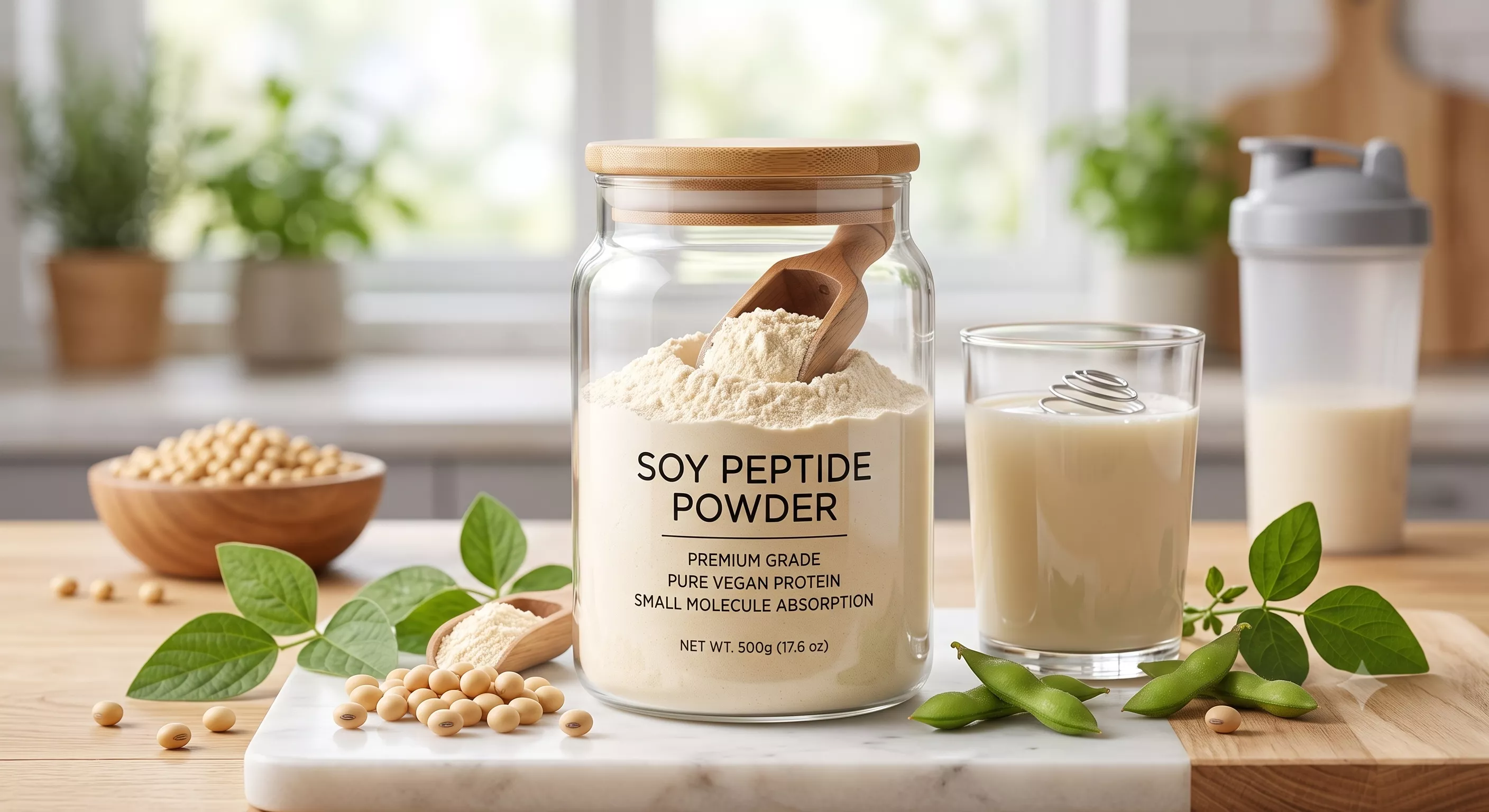
Source ultra-pure, non-GMO hydrolyzed soybean oligopeptide powder in bulk. Complete water solubility, over 80% peptides under 1000 Da. Ideal for sports nutrition and immune recovery formulas.
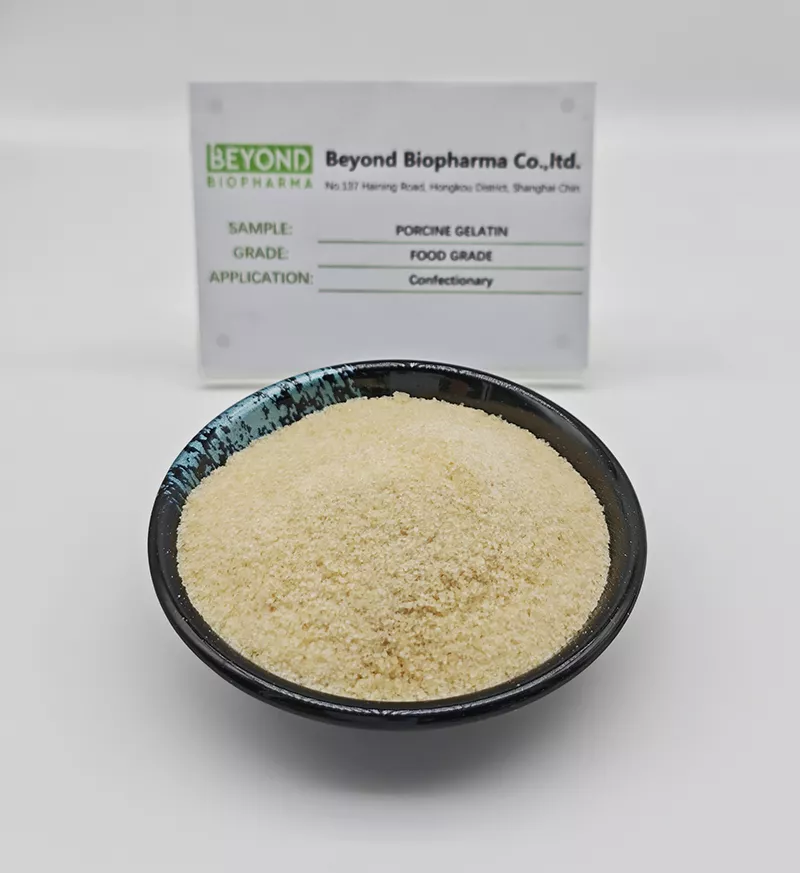
Food-grade porcine gelatin is a highly versatile and cost-effective natural protein derived from the collagen found in pig skin and bones. It is a premier gelling agent known for its exceptional clarity, neutral taste, and thermal reversibility.
Stability, Swallowing Enhancement, and Controlled Release
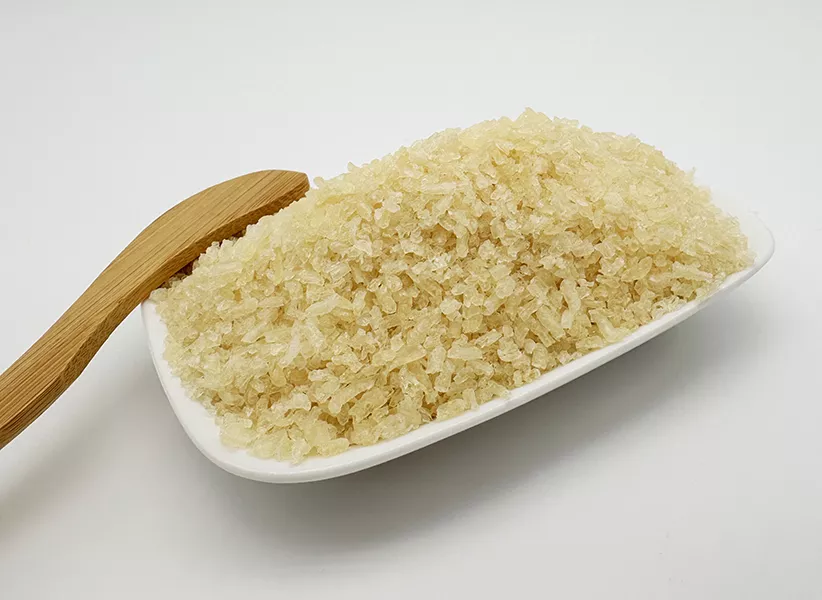
Our Bovine Hides Gelatin is engineered for versatility and compliance, ensuring performance across various applications.
Select the most popular foreign trade service products to meet your diverse needs
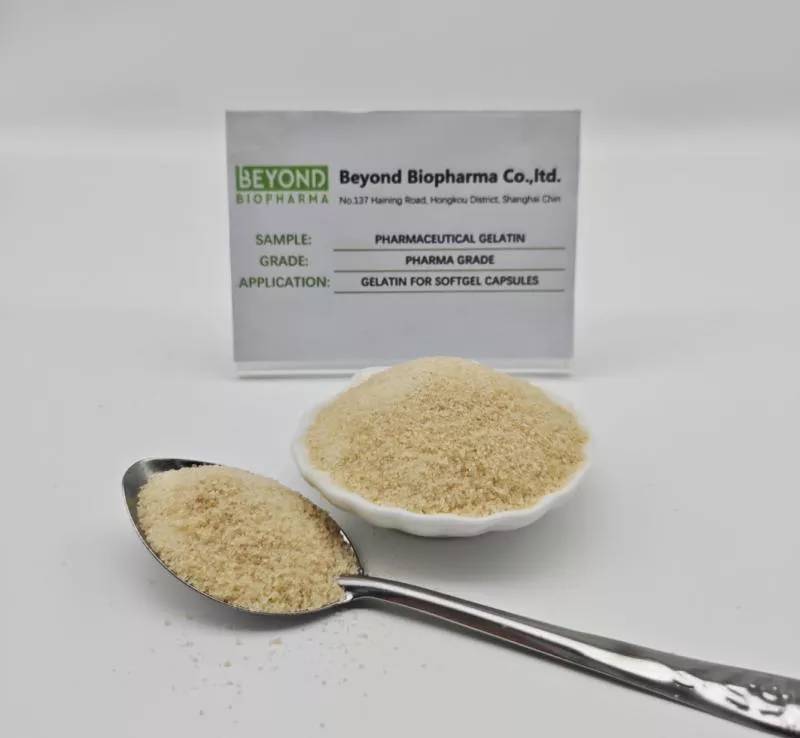
Softgel encapsulation demands a gelatin with unique physical attributes to perform optimally during the high-speed manufacturing process
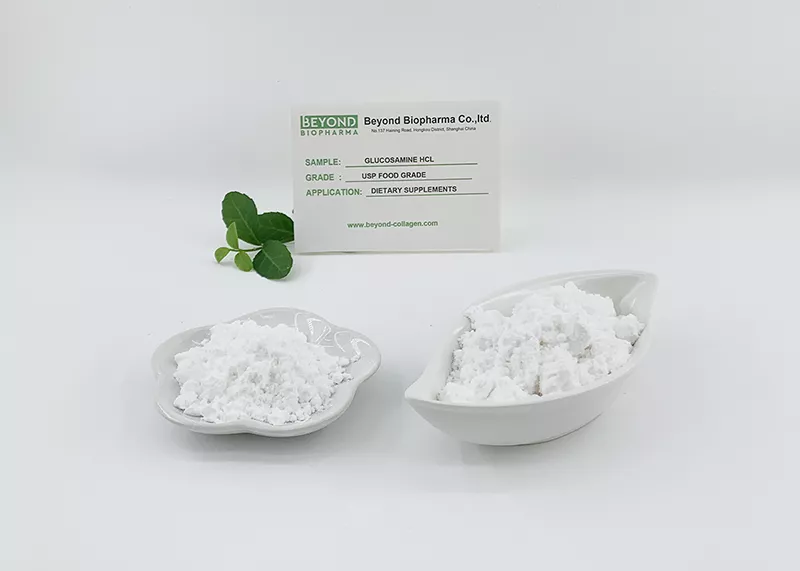
The Purest Plant-Based Joint Support Solution
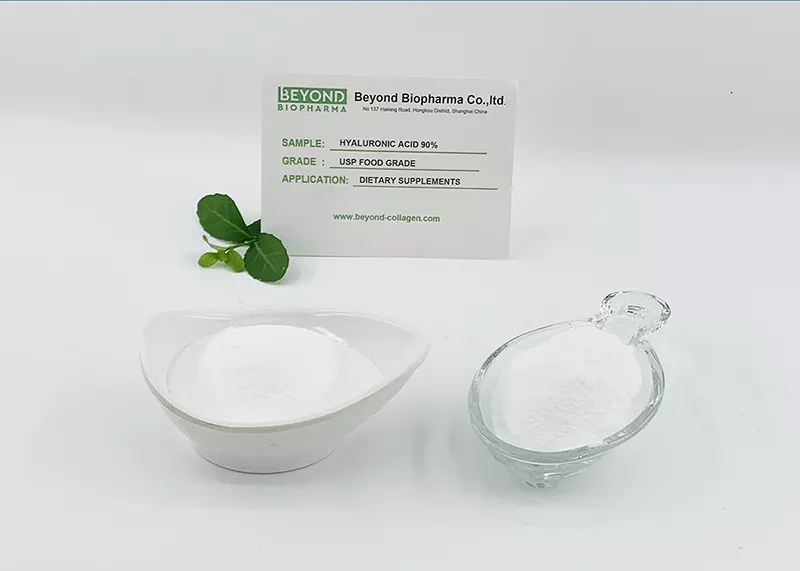
High Molecular Weight for Superior Joint, Skin, and Eye Health.
Tel:+86 21 65010906
Cell/Whatsapp/Wechat:
+86 13482884055
+86 18657345785
Email: sales@beyondbiopharma.com





User Comments
Service Experience Sharing from Real Customers
Elena
Senior Product DeveloperI’ve been testing plant-based protein isolates for years, and this wheat peptide is the first that actually dissolves without that gritty aftertaste. Mixed it into a cold brew for a clean energy boost before my shift—no bloating, no clumps. Definitely switching our R&D samples to this.
Marcus
Personal TrainerRecommended this to a few clients who are vegetarian and struggling to hit their macros. The peptide profile seems solid, and the digestibility is way better than soy. Only reason I’m not giving 5 stars is the smell—kinda like wet cardboard when you first open the bag. But once it’s in a smoothie, you can’t tell.
Priya
Clinical DietitianI have a patient with mild IBS who couldn’t tolerate pea or rice protein. Switched her to this wheat peptide and she’s had zero GI distress for three weeks now. The amino acid profile is surprisingly complete for a plant source. Huge win for sensitive guts.
Tomas
Bakery R&D ManagerWe trialed this in a high-protein bread formulation. The dough handled beautifully—better water absorption than standard vital wheat gluten. Final loaf had a nice crumb structure and no weird off-flavors. Only docked a point because the price per kilo is still a bit steep for bulk commercial use.