 English EN


What Are The Ingredients In Joint Health Tablets?
Joint health tablets often contain glucosamine, chondroitin, collagen, MSM, hyaluronic acid, turmeric, and other key joint health ingredients.
More
Sourcing a clean, allergen-free protein ingredient that delivers both functional performance and consumer appeal is a growing challenge for food and supplement formulators. Rice protein peptide offers a solution: a plant-based, hydrolyzed protein with excellent solubility, a neutral taste profile, and a complete amino acid structure. This article explains how rice protein peptide works, its key specifications, and why it deserves a spot in your next product development cycle.
Rice protein peptide is a hydrolyzed plant protein derived from non-GMO rice. Through a controlled enzymatic hydrolysis process, the large protein molecules are broken down into smaller peptide chains, typically under 5,000 Daltons. This makes rice protein peptide highly soluble in water and easy for the body to absorb. For overseas buyers, it addresses common pain points like fishy odor, poor mixability, and allergen restrictions—common issues with dairy, soy, or animal-based proteins.
The production process starts with high-quality rice protein concentrate. Enzymes are added under controlled temperature and pH conditions to cleave the protein into shorter peptides. This step is critical—it determines the final molecular weight, solubility, and bitterness level. After hydrolysis, the liquid is filtered, concentrated, and spray-dried into a fine powder. The result is a clean-label ingredient with minimal processing, no chemical solvents, and a very low allergen risk.
From a formulation standpoint, the smaller peptide size means faster dissolution in cold water or juice, no gritty texture, and a light, non-chalky mouthfeel. This is a major advantage over standard rice protein concentrates, which often require high-shear mixing or heat to disperse.
When evaluating rice protein peptide for your supply chain, focus on these common specifications. Keep in mind these are typical industry ranges; final values should always be confirmed with a Certificate of Analysis (COA) and sample testing.
| Parameter | Typical Range (Industry) | Notes |
|---|---|---|
| Protein Content | 80–90% | Dry basis, nitrogen factor 6.25 |
| Molecular Weight | Typically <5,000 Da | Lower MW = faster absorption |
| Solubility | ≥95% (in water at 20°C) | Clear to slightly opalescent solution |
| Moisture | ≤8% | Low moisture ensures shelf stability |
| Ash | ≤7% | Reflects mineral content |
| Allergen Status | Free from gluten, soy, dairy | Naturally hypoallergenic |
*Typical industry range; final values per COA / sample.
Rice protein peptide is versatile across several market segments. Here is a quick selection guide:
Beyond Biopharma, based in Shanghai, China, has over 10 years of experience in the food-ingredient industry. Our products are exported to more than 50 countries. We operate a fully automatic production line with a GMP clean workshop, stainless-steel sealed piping, and automated temperature and pH control. Our facility has an annual capacity of approximately 3,000 MT for collagen and 5,000 MT for gelatin, and we apply the same rigorous standards to our plant protein peptide line.
We hold ISO 9001 certification, are US FDA registered, and maintain a GMP clean workshop. Select products carry Halal and Kosher certification. Our in-house lab performs heavy-metal and microbiological testing on every batch, supported by a dedicated QA/QC team. For rice protein peptide, we offer food-grade and pharmaceutical-grade options, with free samples and formulation support available upon request.
Q: Is rice protein peptide suitable for people with soy or dairy allergies?
A: Yes. Rice protein peptide is naturally free from soy, dairy, gluten, and other common allergens. It is an excellent choice for hypoallergenic formulations.
Q: How does the taste compare to other plant proteins like pea or soy?
A: Rice protein peptide has a very mild, neutral flavor with no bitterness or beany aftertaste. This makes it easier to mask in flavored beverages and bars compared to pea or soy protein isolates.
Q: What is the typical molecular weight of rice protein peptide?
A: Most commercial rice protein peptides have a molecular weight below 5,000 Daltons. Lower molecular weight peptides are absorbed more quickly and offer better solubility.
Q: Can rice protein peptide be used in clear beverages?
A: Yes. Due to its high degree of hydrolysis, rice protein peptide dissolves completely in cold water and produces a clear to slightly opalescent solution, suitable for transparent protein waters.
Q: Does Beyond Biopharma offer free samples for rice protein peptide?
A: Yes. We provide free samples for evaluation. Please share your application, required grade, target specifications, and destination country so we can send the appropriate sample and a competitive quote.
Rice protein peptide is a smart choice for clean protein formulations. If you are a purchasing manager or product developer looking for a reliable supply of high-quality rice protein peptide, we invite you to reach out. Tell us your application (food, nutraceutical, or pharmaceutical), required grade, target quantity or MOQ, desired specifications (molecular weight, solubility, protein content, certifications), and destination country. Beyond Biopharma will respond with free samples, a detailed quote, and technical support to help you move your project forward.

We provide you with comprehensive foreign trade solutions to help enterprises achieve global development
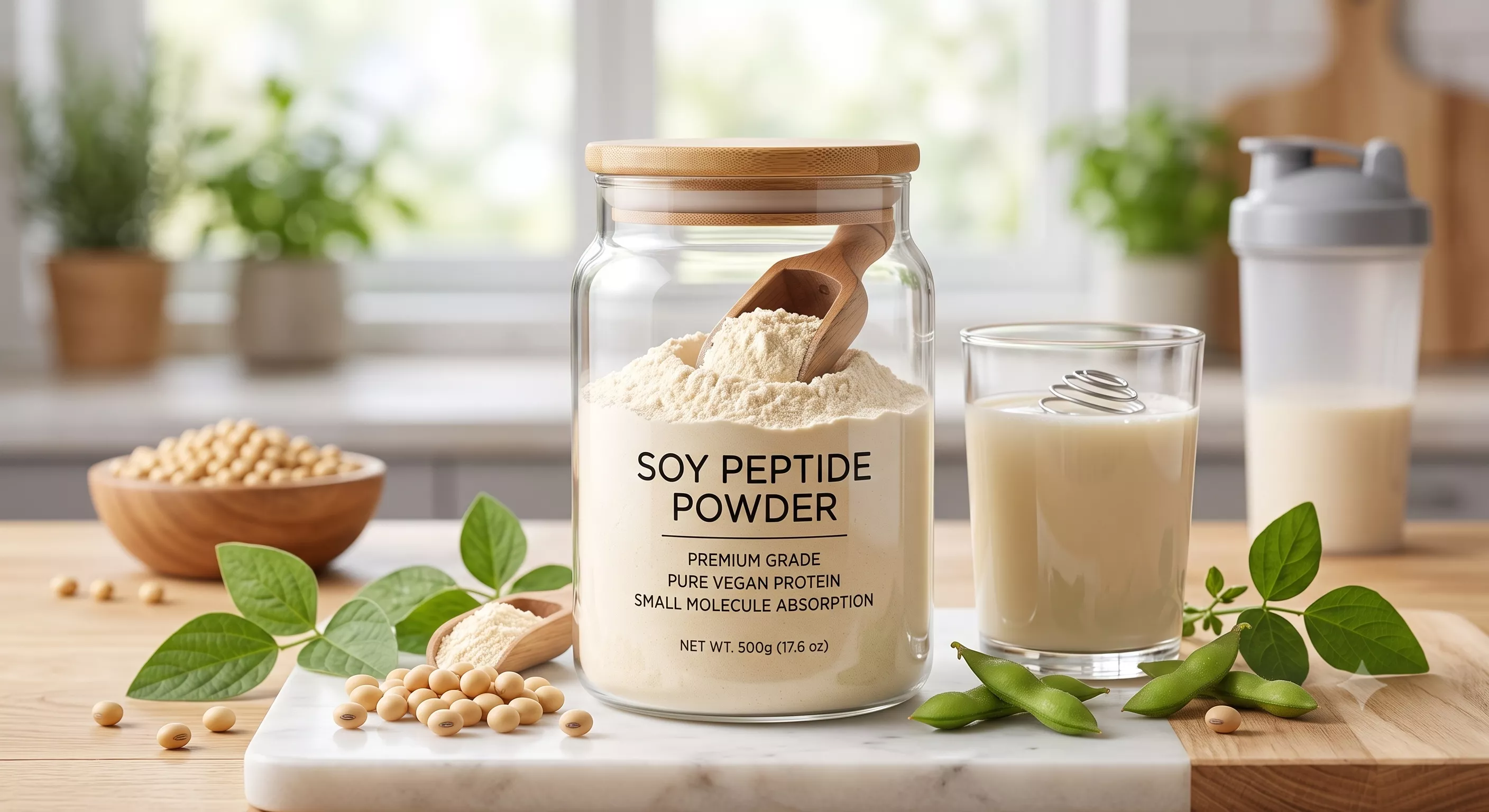
Source ultra-pure, non-GMO hydrolyzed soybean oligopeptide powder in bulk. Complete water solubility, over 80% peptides under 1000 Da. Ideal for sports nutrition and immune recovery formulas.
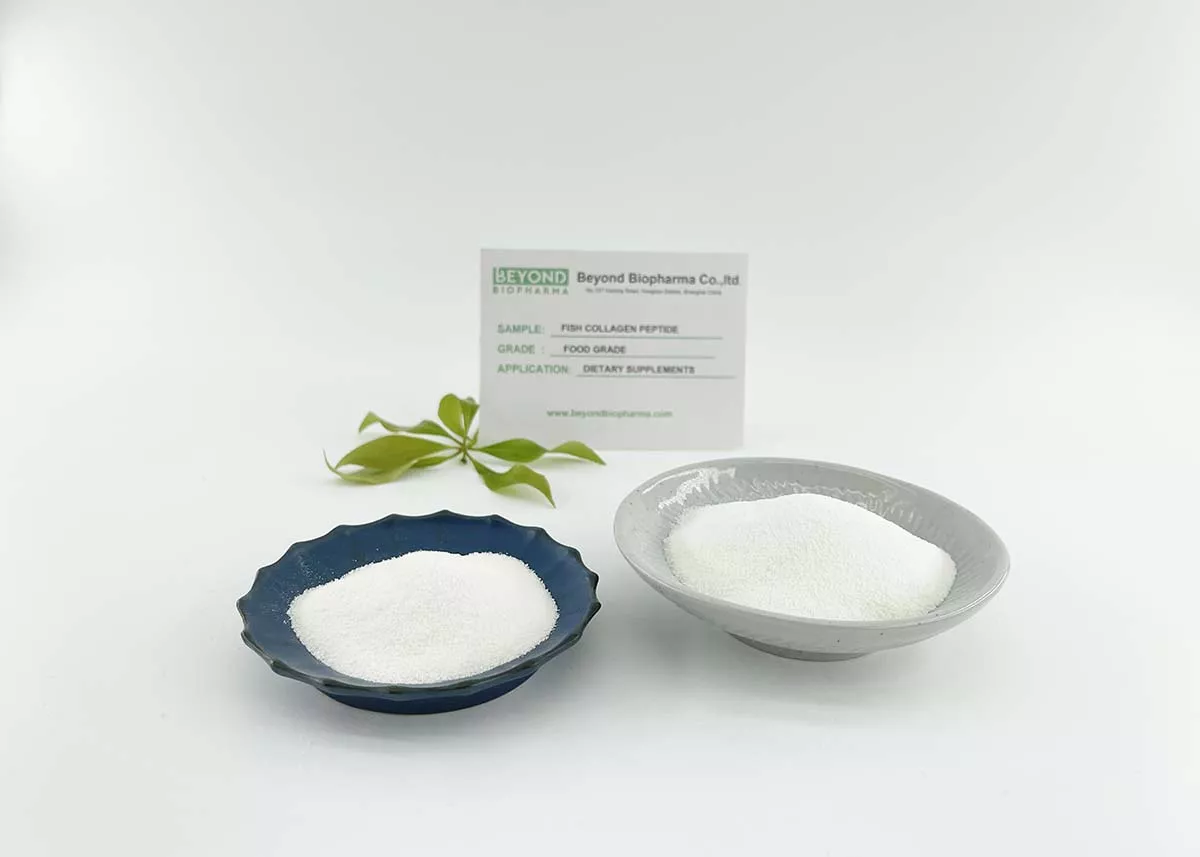
Premium marine-sourced collagen peptides with >90% protein content and low molecular weight (1000-3000 Da) for superior bioavailability. Sustainably sourced, neutral taste, and fully soluble—ideal for nutricosmetics and functional foods.
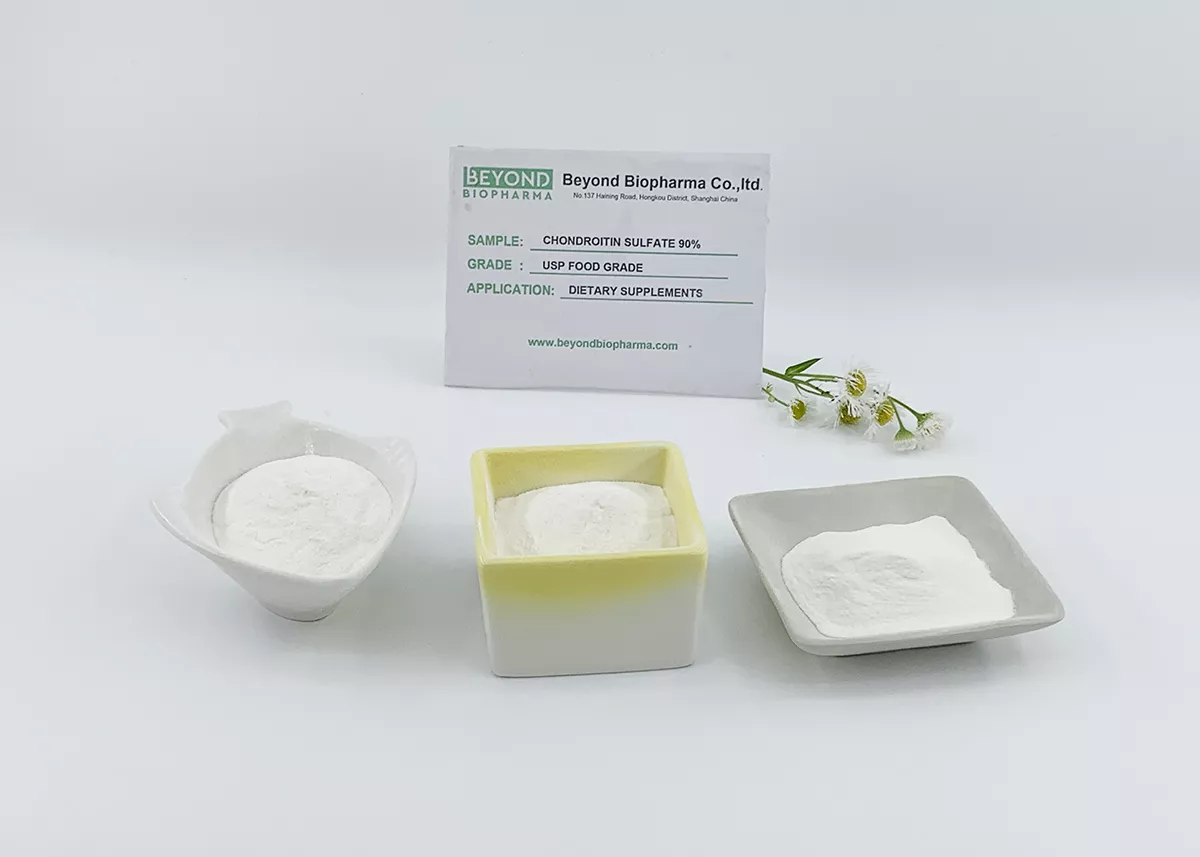
High Purity and Efficacy for Joint Health Formulations
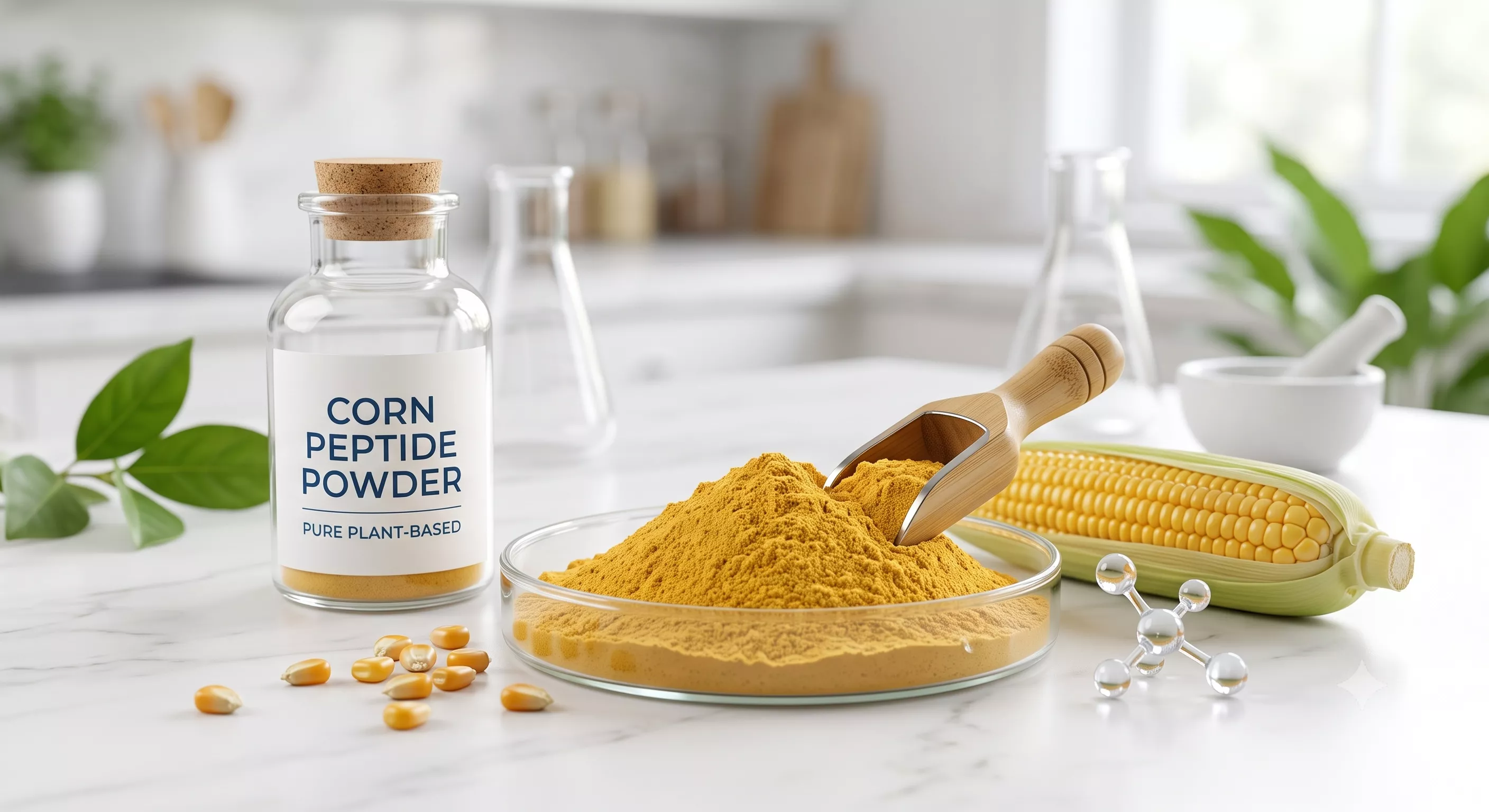
Source high-purity wholesale hydrolyzed corn protein peptide powder in bulk. Over 85% oligopeptides under 1000 Da. Rich in Alanine and Leucine for liver support and sobriety formulas.
Select the most popular foreign trade service products to meet your diverse needs
Premium marine-sourced collagen peptides with >90% protein content and low molecular weight (1000-3000 Da) for superior bioavailability. Sustainably sourced, neutral taste, and fully soluble—ideal for nutricosmetics and functional foods.
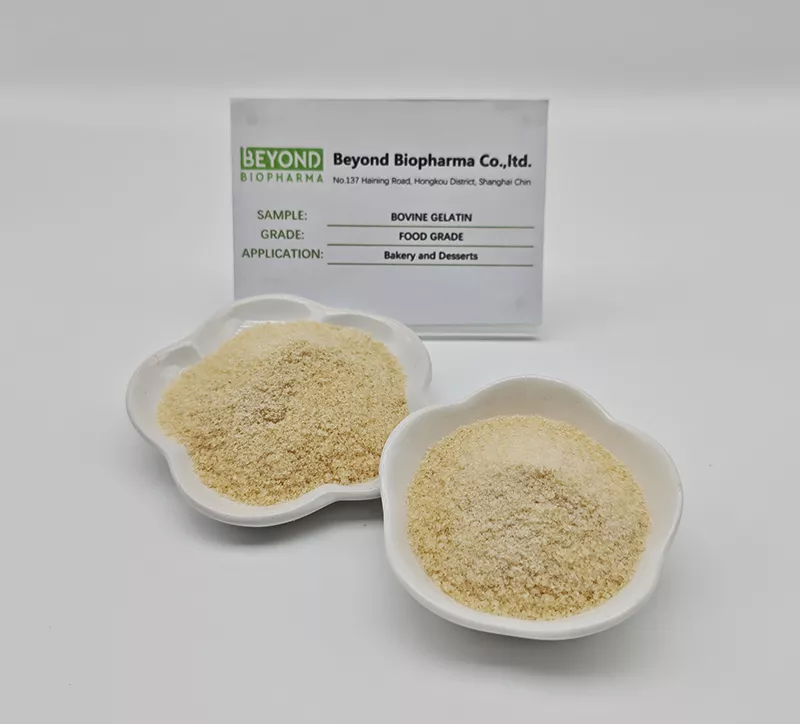
20 years experiences, 5000 ton/year capacity, Sustained supply with stable quality
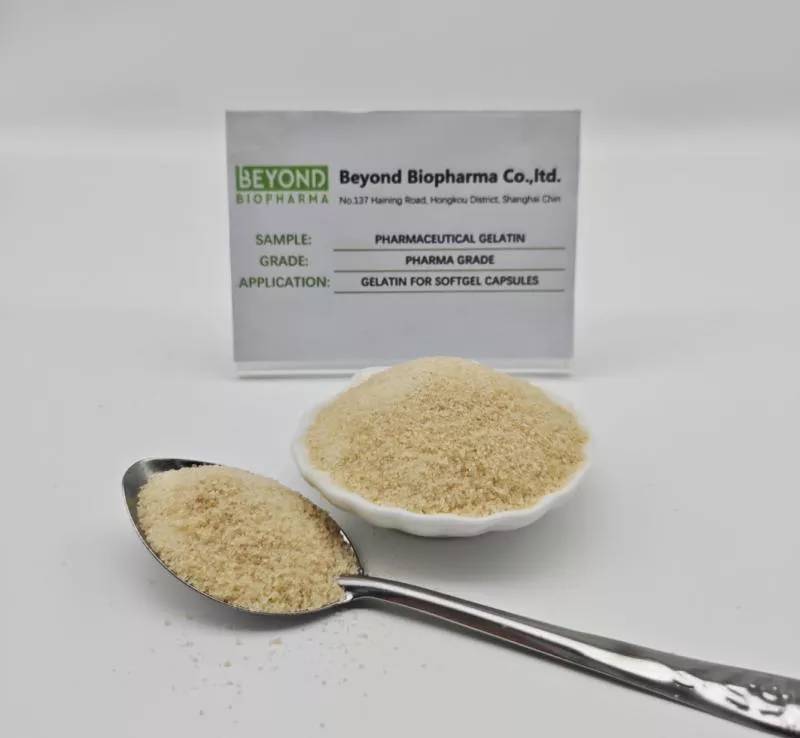
Softgel encapsulation demands a gelatin with unique physical attributes to perform optimally during the high-speed manufacturing process
Tel:+86 21 65010906
Cell/Whatsapp/Wechat:
+86 13482884055
+86 18657345785
Email: sales@beyondbiopharma.com





User Comments
Service Experience Sharing from Real Customers
Sarah
Fitness CoachI've been using this rice protein peptide for about two months now, and honestly, it's a game-changer for my post-workout recovery. No bloating like with whey, and it mixes super smooth in my morning smoothie. My clients keep asking what I'm taking because my energy levels are through the roof.
Mike
Graphic DesignerWas a bit skeptical at first since I'm not a gym person, but I started adding this to my oatmeal for a protein boost during long design sprints. It doesn't have a weird aftertaste like some plant proteins I've tried. Only gave 4 stars because the scoop is a bit small for my liking.
Emily
Registered DietitianI recommend this to clients who struggle with dairy sensitivities. The amino acid profile is solid for a plant-based source, and the peptide form seems to help with absorption. Tried it myself on a busy clinic day—kept me full and focused without any digestive issues. Definitely a staple in my pantry now.
Tom
Construction SupervisorNot gonna lie, I was just looking for something cheap to add to my coffee after a long day on site. This stuff actually does the job—no weird texture, and it doesn't clump up like that other brand I tried. I'm no health guru, but I feel less sore after hauling lumber all week.