 English EN


Glucosamine Hydrochloride or Glucosamine Sulfate Which Helps Arthritis More
Glucosamine sulfate is generally more effective for arthritis, but glucosamine hydrochloride is ideal for vegans or those with shellfish allergies.
More
For overseas buyers in the cosmetic ingredient space, sourcing a reliable peanut peptide supplier often comes down to batch consistency, solubility, allergen control, and certification compliance. As consumer demand for plant-based and vegan-friendly actives grows, peanut peptide offers a compelling alternative to animal-derived collagen peptides. Beyond Biopharma, a Shanghai-based manufacturer with over a decade of experience, provides cosmetic-grade peanut peptide that meets rigorous quality standards.
Peanut peptide is a hydrolyzed protein derived from peanut kernels through controlled enzymatic hydrolysis. This process breaks down intact peanut protein into smaller peptide chains, typically with a molecular weight below 5,000 Da. The result is a water-soluble, easily absorbed ingredient with enhanced bioactivity. In cosmetics, peanut peptide functions as a humectant, antioxidant, and skin-conditioning agent.
The production involves defatting peanut meal, followed by enzymatic hydrolysis, filtration, concentration, and spray drying. Beyond Biopharma uses fully automatic production lines with stainless-steel sealed piping and automated temperature/pH control to ensure consistent peptide profiles. This process yields a fine powder with high solubility, low odor, and a light color — critical for cosmetic formulations.
When evaluating peanut peptide for cosmetic use, buyers should focus on protein content, molecular weight distribution, solubility, and microbiological purity. Below is a table of typical industry parameters. Note that these are generic ranges; final values should be confirmed per Certificate of Analysis (COA) and sample testing.
| Parameter | Typical Range (Cosmetic Grade) | Notes |
|---|---|---|
| Protein Content | ≥ 85% | Dry basis; typical industry range |
| Molecular Weight | <5,000 Da (majority) | Lower MW enhances skin penetration |
| Solubility | ≥ 98% (in water at 25°C) | High solubility for clear formulations |
| Moisture | ≤ 6% | Low moisture ensures stability |
| Heavy Metals (Pb, As, Hg) | Complies with cosmetic limits | In-house lab tested |
| Microbiological | TAMC ≤ 100 CFU/g, TYMC ≤ 10 CFU/g | GMP clean workshop production |
These specifications are comparable to industry benchmarks from suppliers like Roquette or ADM. Beyond Biopharma offers free samples and COAs so buyers can verify parameters before committing to bulk orders.
Peanut peptide functions primarily as a moisturizing and antioxidant ingredient. Its low molecular weight allows it to penetrate the stratum corneum, where it binds water molecules and supports the skin's natural moisture barrier. The peptide sequences also exhibit free-radical scavenging activity, helping to reduce oxidative stress caused by UV exposure and pollution.
In formulations, peanut peptide is often used in serums, creams, masks, and eye treatments. It pairs well with other active ingredients like food-grade hyaluronic acid powder for enhanced hydration, or with fish collagen peptide for anti-aging benefits. Unlike animal-derived peptides, peanut peptide is vegan-friendly and suitable for allergen-free product lines when properly processed.
Peanut peptide can be integrated into a wide range of cosmetic and personal care products. Below are common application categories and selection guidance:
For R&D teams developing new formulations, Beyond Biopharma offers formulation support and selection guidance. The company's cosmetic-grade peanut peptide is produced in a GMP clean workshop, ISO 9001 certified, and US FDA registered, ensuring traceability and safety.
Beyond Biopharma is a Shanghai-based manufacturer with over 10 years of experience in the food and cosmetic ingredient industry. Our products are exported to more than 50 countries. We operate fully automatic production lines with GMP clean workshops, stainless-steel sealed piping, and automated temperature/pH control systems. Our annual capacity reaches approximately 3,000 MT for collagen peptides and 5,000 MT for gelatin.
We hold ISO 9001 certification, US FDA registration, and select products carry Halal or Kosher verification. Our in-house lab conducts heavy-metal and microbiological testing, supported by a dedicated QA/QC team. For peanut peptide, we offer three grades: food, pharmaceutical, and cosmetic. We also provide free samples and formulation support to help you select the right product for your application.
Our product lines include edible bovine gelatin, halal and kosher verified fish gelatin, and plant protein peptides. For joint health formulations, we supply bovine chondroitin sulfate sodium, glucosamine HCl, and food-grade hyaluronic acid powder.
Q1: Is peanut peptide safe for sensitive skin?
Yes, peanut peptide is generally well-tolerated. However, individuals with peanut allergies should avoid topical products containing peanut-derived ingredients. Always conduct patch testing and review allergen declarations on the COA.
Q2: What is the recommended dosage of peanut peptide in cosmetic formulations?
Typical usage ranges from 1% to 5% of the total formulation weight, depending on the desired effect. For serums, 2–3% is common; for masks, up to 5% can be used. Higher concentrations may require solubility and stability testing.
Q3: How does peanut peptide compare to fish collagen peptide in cosmetics?
Both offer moisturizing and anti-aging benefits. Fish collagen peptide is animal-derived and has a lower molecular weight (typically 2,000–3,000 Da), while peanut peptide is plant-based and vegan. Peanut peptide is suitable for allergen-free and vegan product lines.
Q4: Does peanut peptide have any odor or color issues?
High-quality peanut peptide has a mild, neutral odor and a light off-white to cream color. Beyond Biopharma's production process minimizes off-flavors and discoloration. We recommend requesting a sample to evaluate organoleptic properties.
Q5: Can peanut peptide be used in combination with other active ingredients?
Yes, peanut peptide is compatible with most cosmetic actives, including hyaluronic acid, vitamin C, and plant extracts. Avoid combining with strong acids or bases at extreme pH levels, as this may degrade the peptide structure.
Q6: What certifications does Beyond Biopharma have for peanut peptide?
Beyond Biopharma is ISO 9001 certified and US FDA registered. Our production facility operates under GMP clean workshop standards. Select products carry Halal or Kosher certification. Peanut peptide is produced under the same quality system.
If you are sourcing peanut peptide for your cosmetic product line, Beyond Biopharma is ready to support you. To receive a tailored quote and free samples, please provide the following information:
Our team will respond with a detailed quotation, COA, and available samples. We look forward to helping you bring high-quality, plant-based peptide ingredients to your cosmetic formulations.

We provide you with comprehensive foreign trade solutions to help enterprises achieve global development
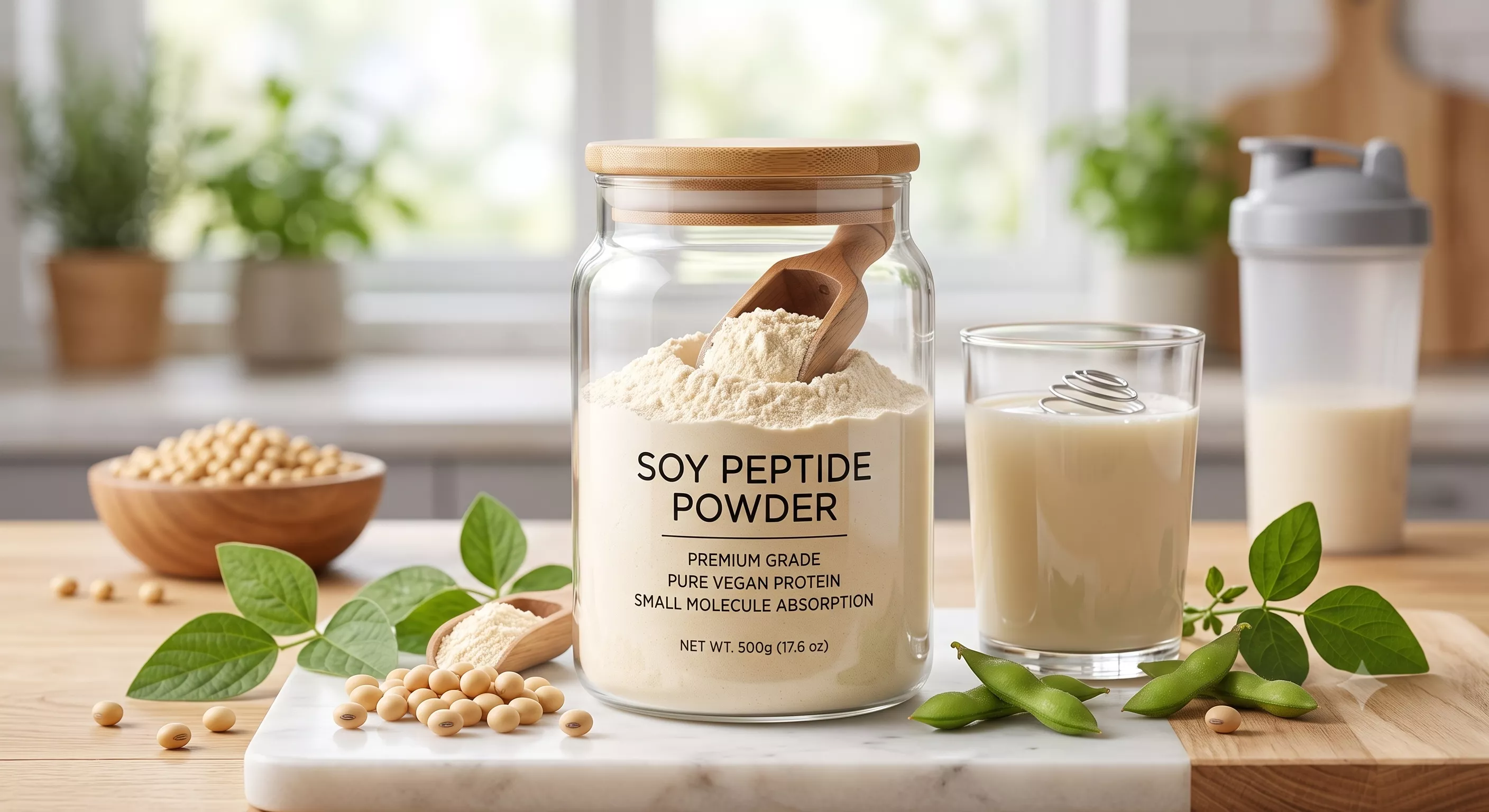
Source ultra-pure, non-GMO hydrolyzed soybean oligopeptide powder in bulk. Complete water solubility, over 80% peptides under 1000 Da. Ideal for sports nutrition and immune recovery formulas.
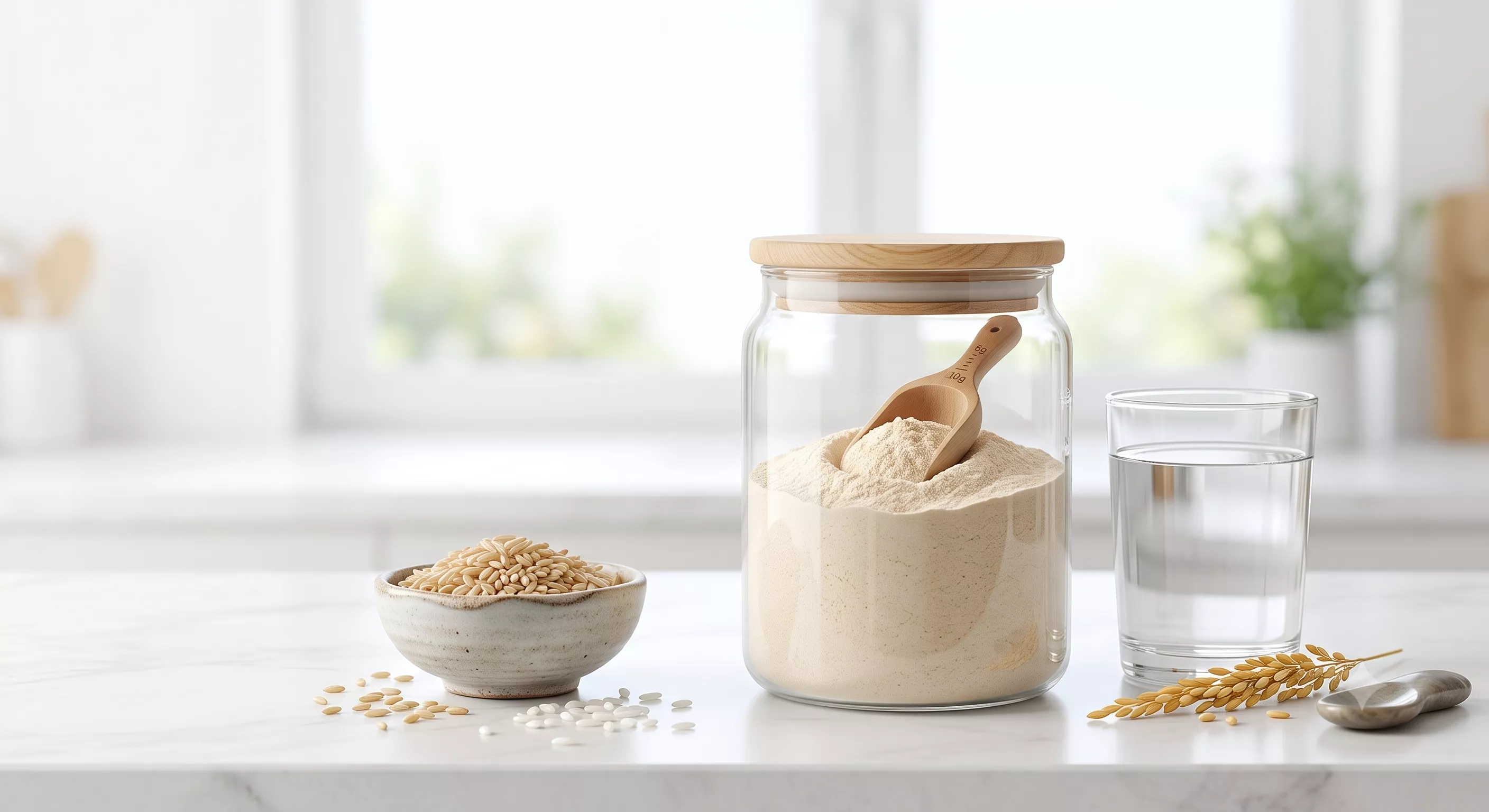
Source ultra-pure, 100% water-soluble wholesale hydrolyzed rice protein peptide in bulk. Over 85% molecules under 1000 Da. Ideal for infant nutrition, clean-label sports formulas, and sensitive skincare.
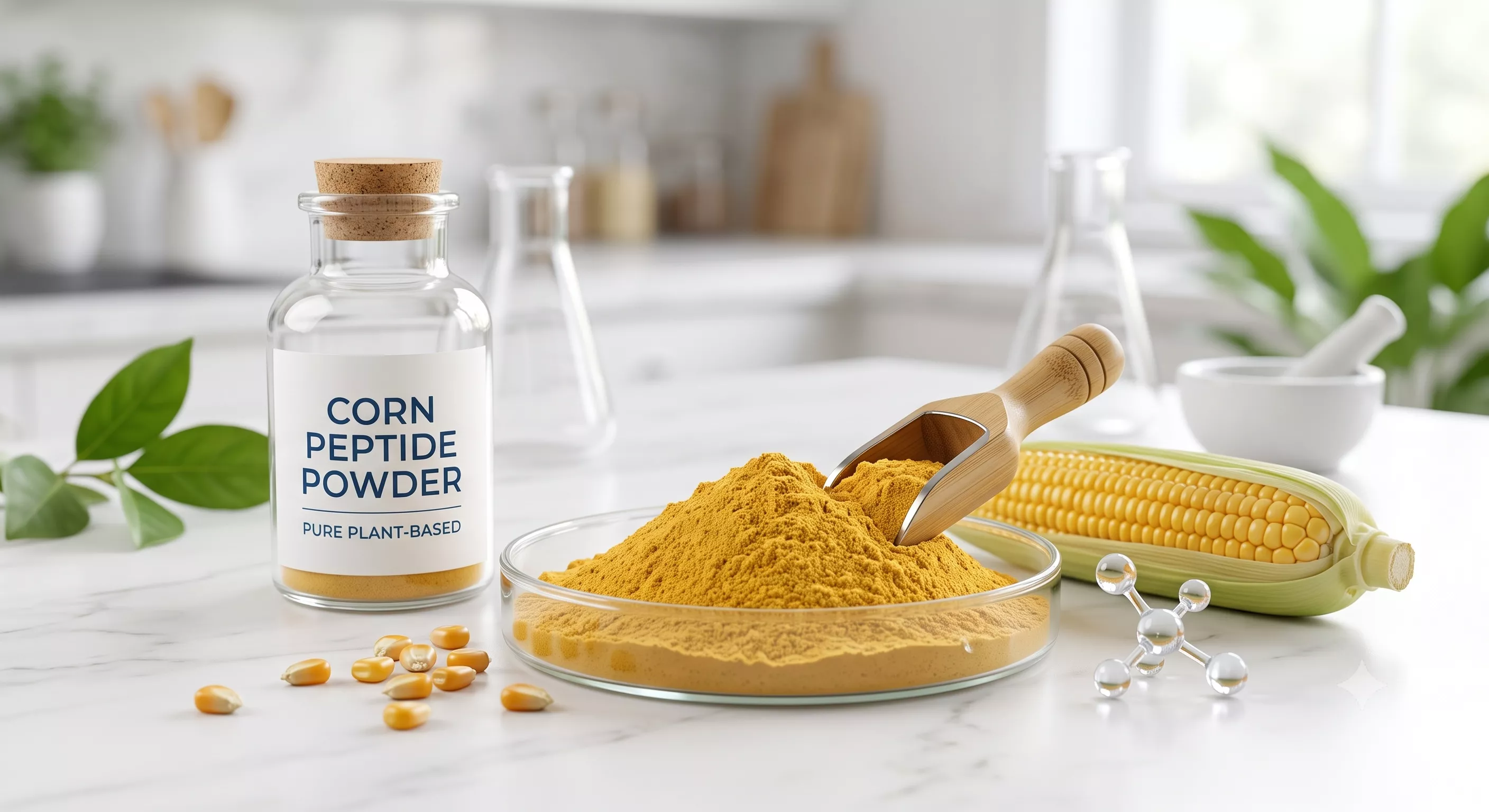
Source high-purity wholesale hydrolyzed corn protein peptide powder in bulk. Over 85% oligopeptides under 1000 Da. Rich in Alanine and Leucine for liver support and sobriety formulas.
BEYOND BIOPHARMA is a specialized manufacturer of high-quality Undenatured Collagen Type II. Utilizing low-temperature, non-enzymatic extraction methods, our Undenatured Collagen Type II retains its native, triple-helix structure, essential for modulating the immune system's response to joint health and providing superior support for mobility, flexibility, and overall joint comfort.
Select the most popular foreign trade service products to meet your diverse needs
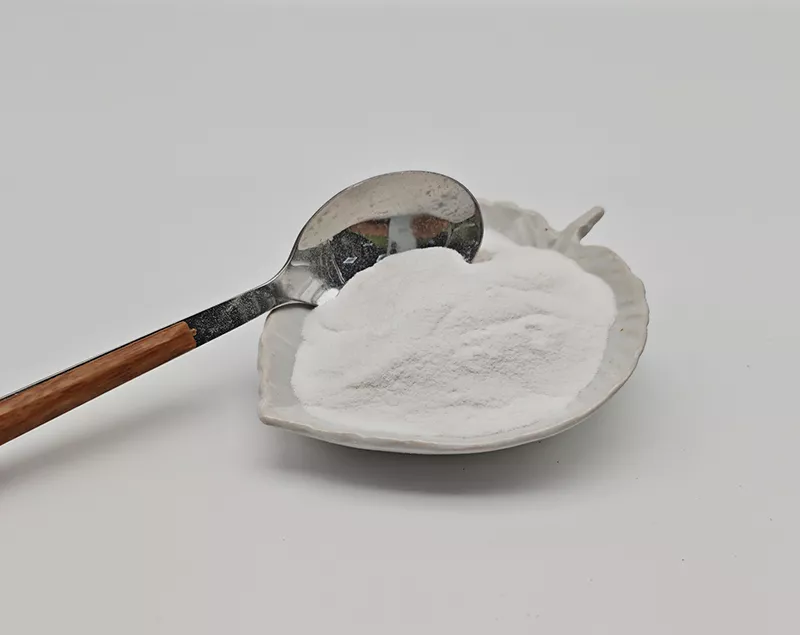
Fish Gelatin for foods is increasingly recognized as the premium alternative to traditional mammalian sources, meeting the growing global demand for clean-label ingredients that align with diverse dietary and religious requirements. Derived from the skin and scales of fish like cod and tilapia, fish gelatin offers unique functional benefits that make it an exceptional gelling, stabilizing, and texturizing agent.
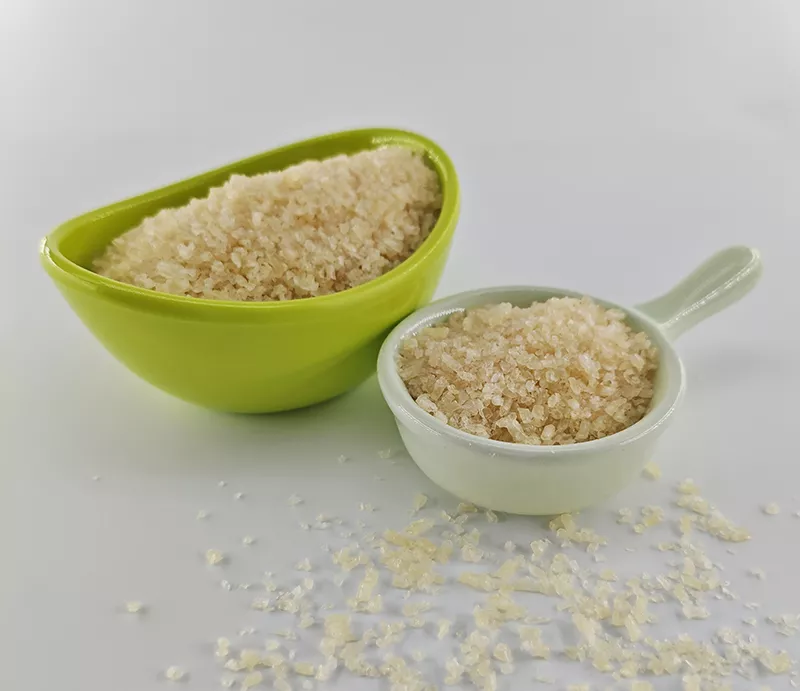
Stability, Swallowing Enhancement, and Controlled Release
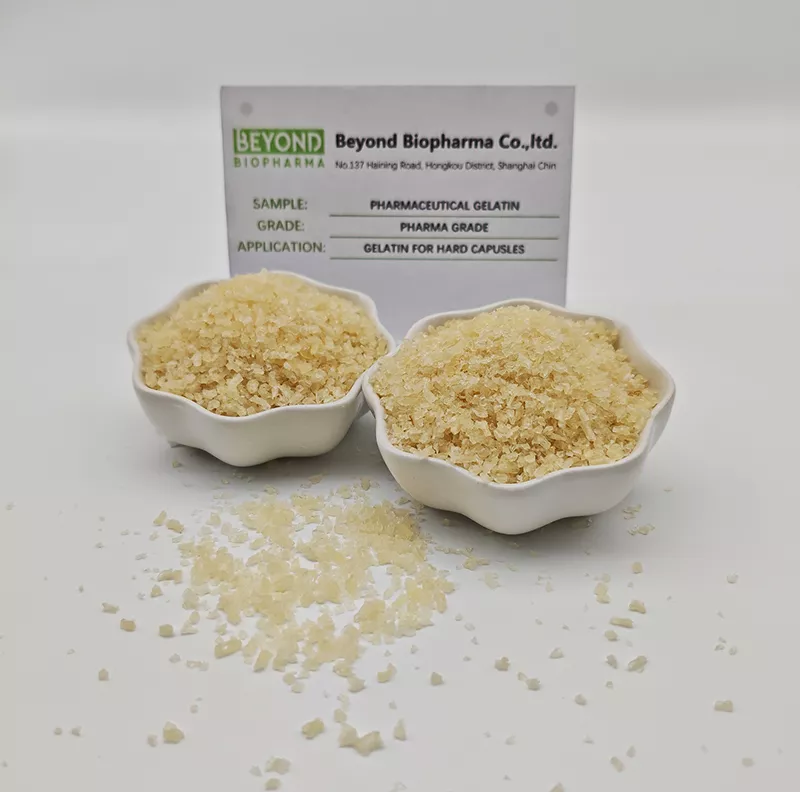
Precision, Purity, and Optimal Machinability
Tel:+86 21 65010906
Cell/Whatsapp/Wechat:
+86 13482884055
+86 18657345785
Email: sales@beyondbiopharma.com





User Comments
Service Experience Sharing from Real Customers
Ethan
Clinical Research CoordinatorI’ve been using peanut peptide for about three months now as a supplement to help with muscle recovery after long shifts. Honestly, I wasn’t expecting much, but the difference in my energy levels is noticeable. No jitters, just steady stamina. My knees don’t ache as much after standing all day either. Highly recommend for anyone in healthcare who’s on their feet constantly.
Maya
Freelance Graphic DesignerOkay, so I’m not a gym rat or anything, but I started adding peanut peptide to my morning oatmeal because I heard it helps with skin elasticity. Three weeks in, and my colleagues actually asked if I got a facial. It’s subtle, but my skin feels less dry and a bit firmer. Only gave it 4 stars because the taste is a little earthy for me—mixes better with smoothies than plain water.
Raj
Warehouse Operations LeadI was skeptical about another protein supplement, but peanut peptide is legit. I do heavy lifting and stacking for 10-hour shifts, and this stuff keeps me going without that bloated feeling I get from whey. Mixes clear, tastes mild, and my joints feel way less cranky. My whole team is now ordering it. Solid product.
Lena
High School Biology TeacherBought this on a whim after reading about plant-based peptides for cognitive focus. I’ve been taking it before my early classes, and I do feel more alert during first period—no more mid-lesson brain fog. Plus, it’s nice knowing it’s not packed with artificial junk. Only wish the packaging had a resealable zip; the scoop gets lost in the bag.