 English EN


Why Gelatin Powder from Halal or Grass-Fed Sources Matters
Choosing halal or grass-fed gelatin powder ensures purity, better nutrition, and ethical sourcing, meeting health, dietary, and religious standards.
More
Sourcing a reliable plant-based protein peptide supplement can be a challenge for purchasing managers and R&D teams. Key pain points include batch consistency, solubility, odor control, and certification barriers such as allergen-free and vegan requirements. This article provides a professional overview of plant protein peptides, their production process, typical specifications, and application guidance, helping you make informed sourcing decisions for your next nutraceutical or food formulation.
A plant-based protein peptide supplement is a hydrolyzed protein derived from sources like pea, rice, or soy. Through enzymatic hydrolysis, large protein molecules are broken down into smaller peptide chains, typically with a molecular weight below 5,000 Da. This process improves solubility and absorption, making it an ideal ingredient for vegan and allergen-free formulations. Unlike whole protein powders, peptides are more readily utilized by the body for muscle repair and daily nutrition support.
The production of a plant-based protein peptide supplement begins with selecting high-quality raw plant proteins. These are then subjected to controlled enzymatic hydrolysis, which cleaves peptide bonds to create shorter chains. The hydrolysate is filtered, concentrated, and spray-dried into a fine powder. Key quality markers include high solubility, low bitterness, and a consistent amino acid profile. At Beyond Biopharma, we use a fully automatic production line with GMP clean workshops and stainless-steel sealed piping to ensure batch-to-batch consistency.
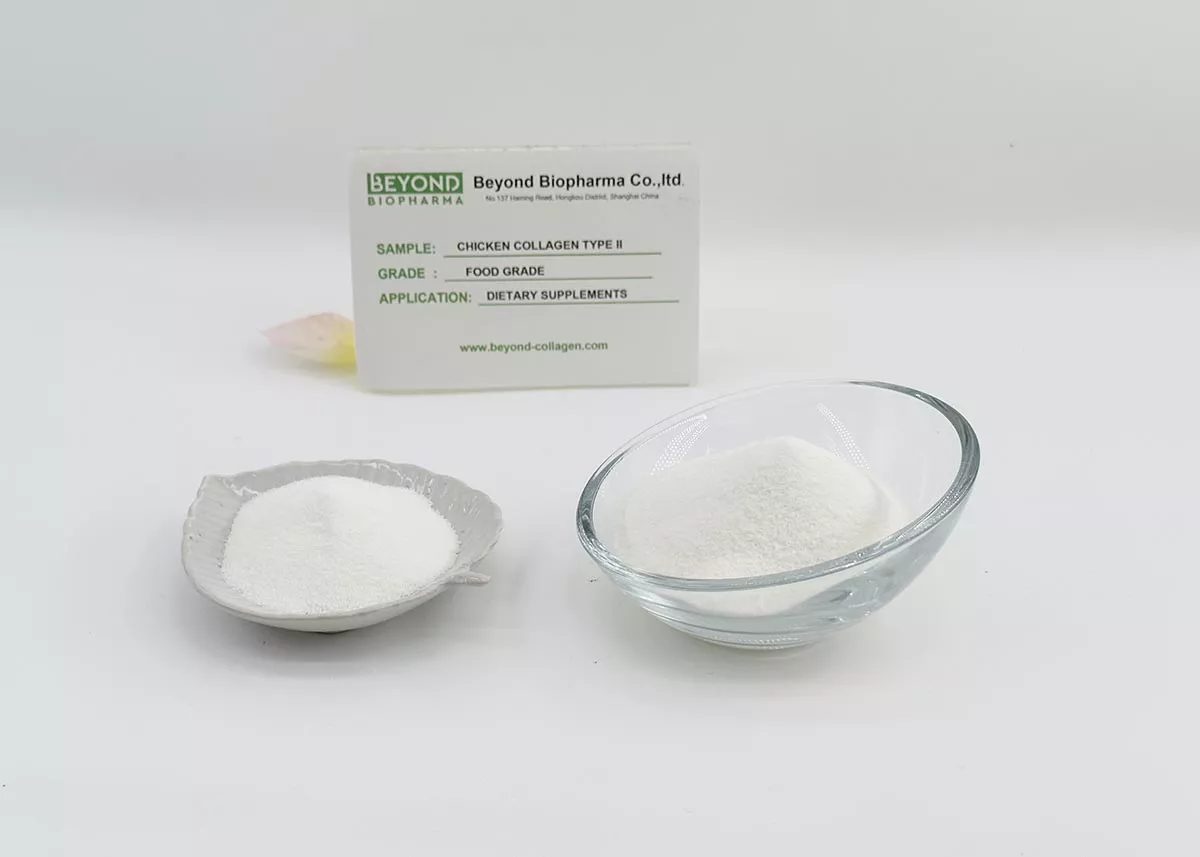
Below is a table of common parameter ranges for plant protein peptides. These are typical industry values; final specifications are provided per Certificate of Analysis (COA) and sample testing.
| Parameter | Typical Range | Notes |
|---|---|---|
| Protein Content | 80–90% | Dry basis |
| Molecular Weight | <5,000 Da | Lower MW for faster absorption |
| Solubility | ≥98% | In water at 20°C |
| Moisture | ≤8% | Low moisture for stability |
| Allergen Profile | Source-dependent | Pea, rice, soy options |
Typical industry range; final values per COA / sample.
A plant-based protein peptide supplement is versatile across multiple industries. Here is how to select the right grade for your application:
Beyond Biopharma, based in Shanghai, China, has over 10 years of experience in the food-ingredient industry. We export to more than 50 countries and operate a facility with an annual capacity of approximately 3,000 MT for collagen and 5,000 MT for gelatin. Our plant protein peptides are produced in GMP clean workshops with fully automatic lines and stainless-steel sealed piping. We are ISO 9001 certified, US FDA registered, and offer Halal and Kosher certifications on select products. Our in-house lab conducts heavy-metal and microbiological testing, supported by a dedicated QA/QC team. We provide free samples and formulation support across food, pharmaceutical, and cosmetic grades.
Q: What is the difference between plant protein peptides and whole plant protein powder?
A: Plant protein peptides are hydrolyzed into smaller chains, making them more soluble and faster to absorb than whole protein powder. This makes them ideal for rapid muscle support and easier digestion in supplements.
Q: Are plant protein peptides suitable for vegan and allergen-free formulations?
A: Yes. Pea and rice protein peptides are naturally vegan and free from common allergens like dairy, soy, and gluten. They are an excellent alternative to animal-derived collagen peptides.
Q: How do I ensure batch consistency when sourcing plant protein peptides?
A: Request a Certificate of Analysis (COA) for each batch. Look for suppliers with GMP-certified facilities and in-house QA/QC labs, like Beyond Biopharma, to ensure consistent protein content, solubility, and molecular weight.
Q: Can plant protein peptides be used in gummies or softgels?
A: Yes, but they are typically used as the active ingredient inside capsules or in powder blends. For the capsule shell, consider our Standardized Gelatin Sheets or pharmaceutical gelatin for softgels.
Q: What certifications should I look for in a plant protein peptide supplier?
A: ISO 9001, FDA registration, and GMP certification are essential. For vegan and religious dietary needs, Halal or Kosher certifications are important. Beyond Biopharma offers these on select products.
Q: How does the molecular weight of plant protein peptides affect absorption?
A: Lower molecular weight peptides (below 5,000 Da) are absorbed more quickly by the body. This is beneficial for post-exercise muscle recovery and daily nutrition support.
To get started with sourcing a high-quality plant-based protein peptide supplement, please provide the following details to Beyond Biopharma:
We will send free samples and a competitive quote. Our team also offers formulation and selection support to help you choose the right plant-based protein peptide supplement for your product line. Contact us today to discuss your project.

We provide you with comprehensive foreign trade solutions to help enterprises achieve global development
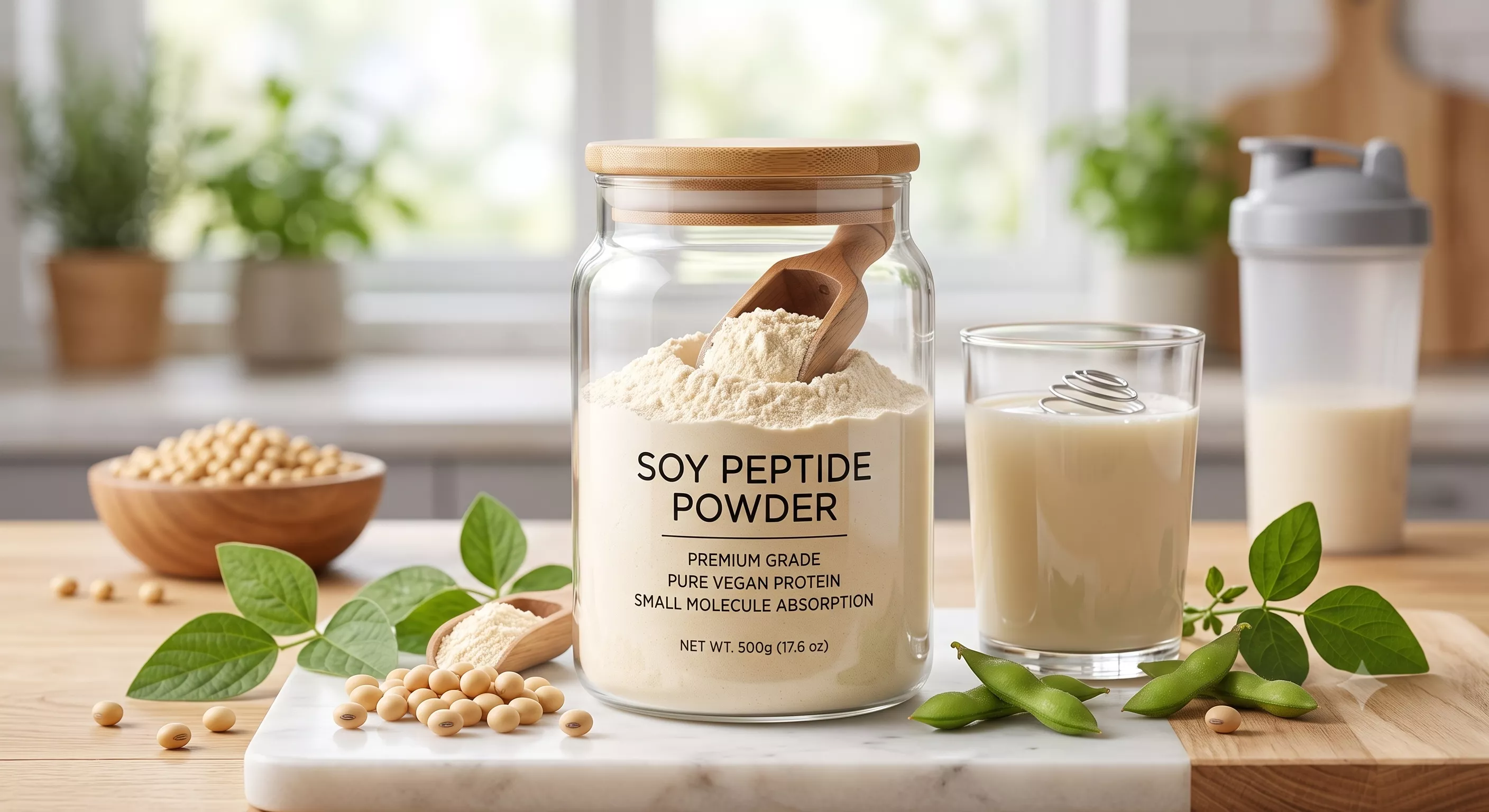
Source ultra-pure, non-GMO hydrolyzed soybean oligopeptide powder in bulk. Complete water solubility, over 80% peptides under 1000 Da. Ideal for sports nutrition and immune recovery formulas.
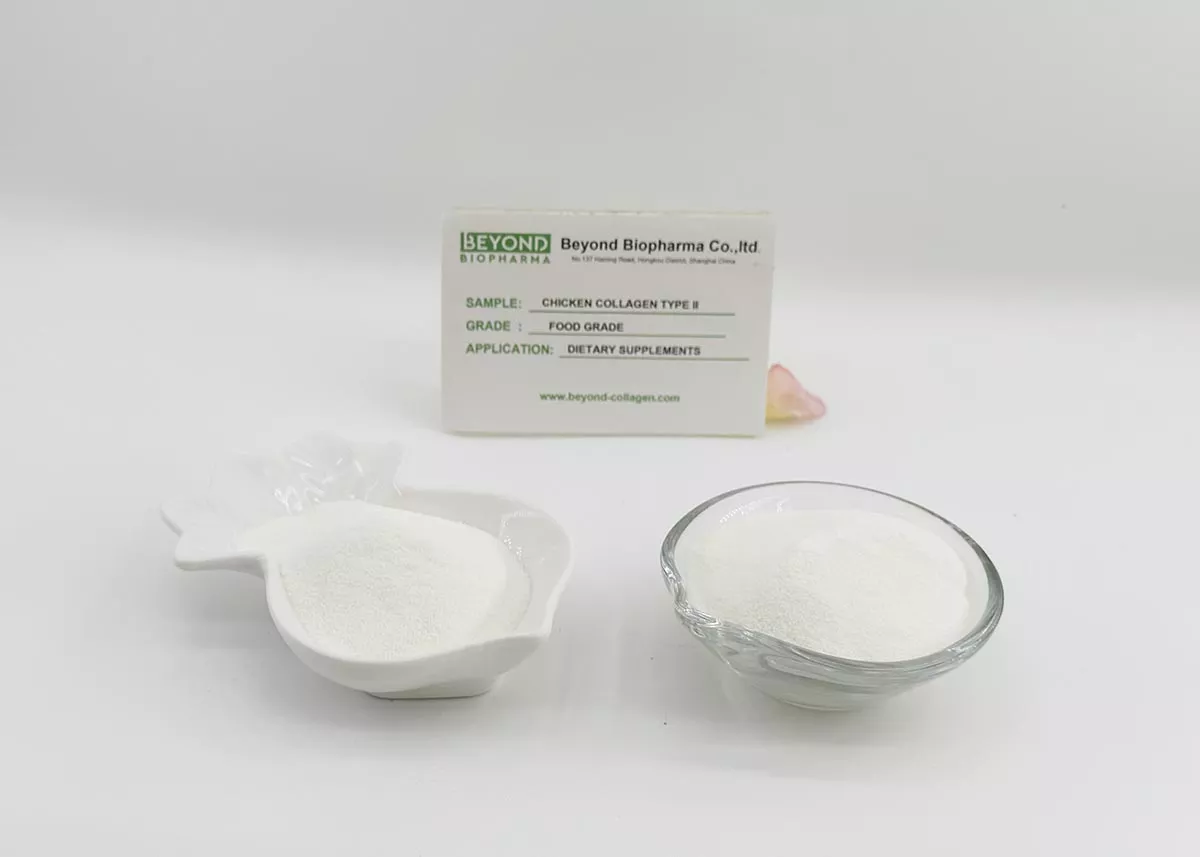
BEYOND BIOPHARMA is a specialized manufacturer of highly purified Hydrolyzed Collagen Type II. Through advanced enzymatic hydrolysis, we create low-molecular-weight collagen peptides that are highly bioavailable, offering foundational nutritional support for cartilage repair, joint function, and skin health. Our product is designed for rapid absorption and maximum efficacy in oral supplements.
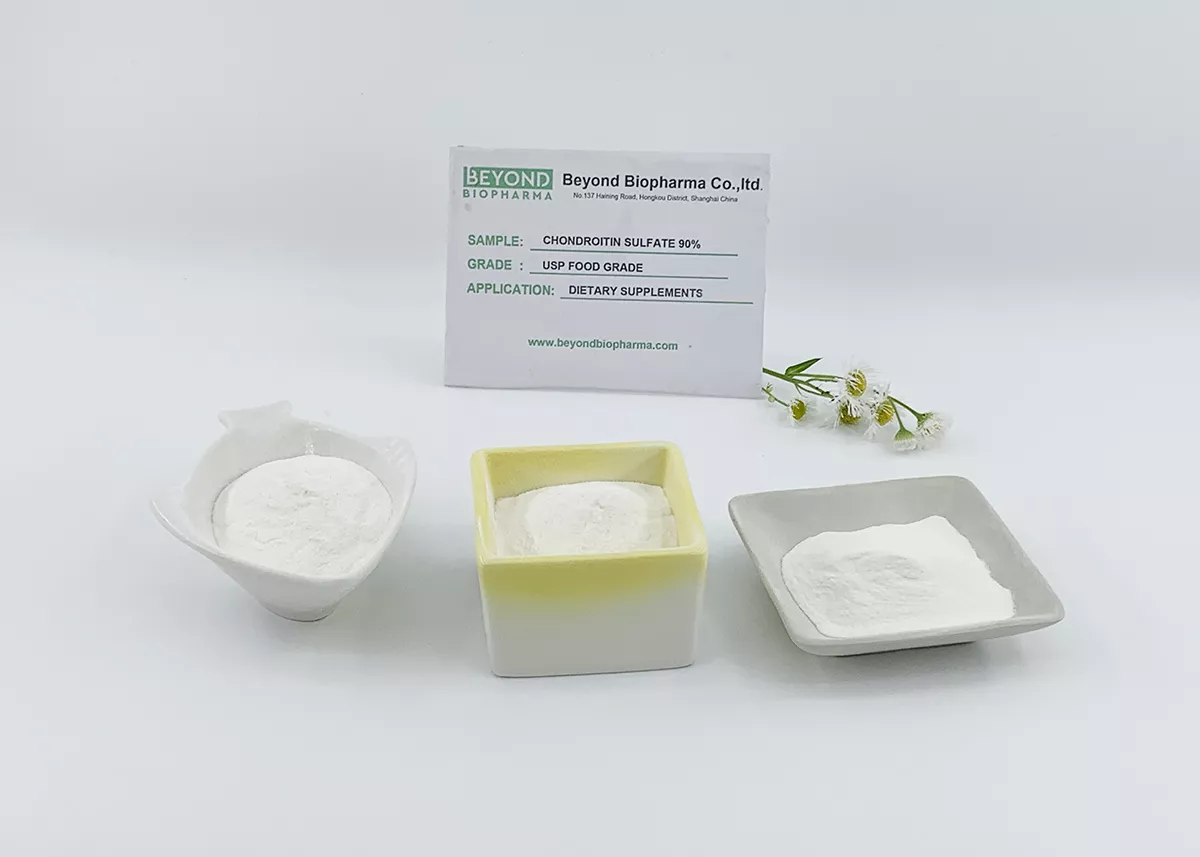
High Purity and Efficacy for Joint Health Formulations
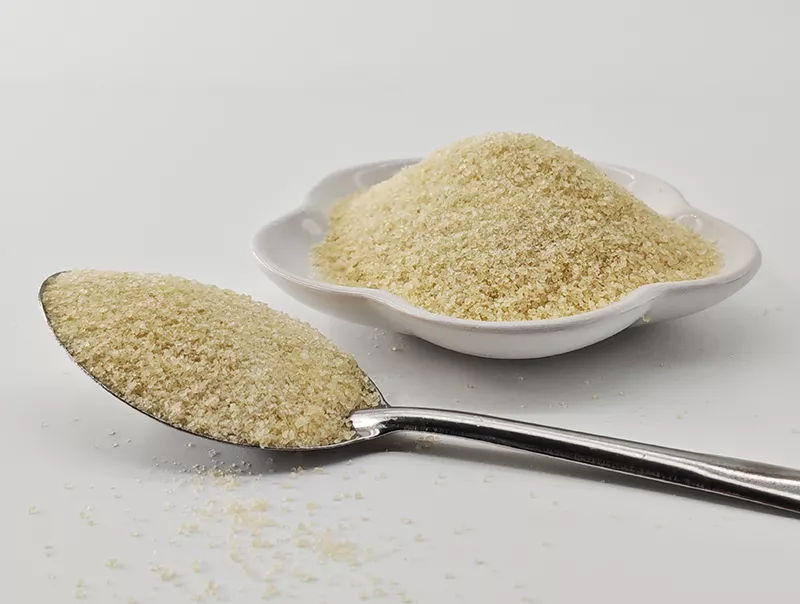
The High-Performance Barrier for Core Material Protection and Controlled Release.
Select the most popular foreign trade service products to meet your diverse needs
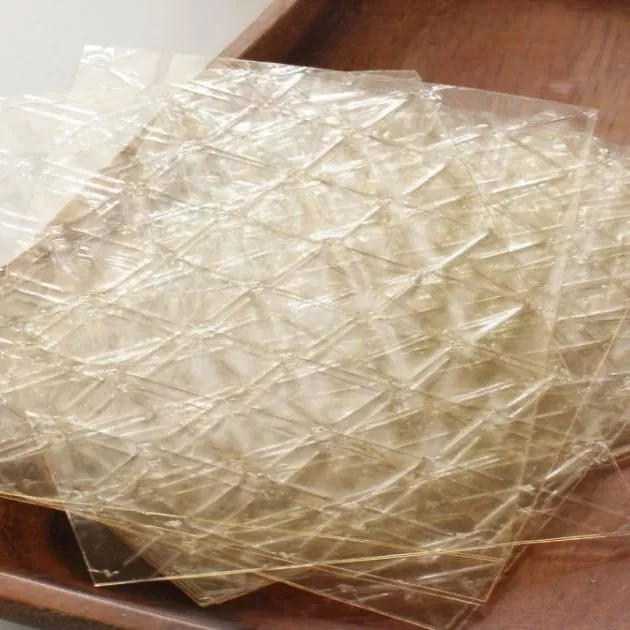
Our Gelatin Sheets are produced to precise standards, ensuring consistency and reliability across different Bloom grades (Silver being the most common professional choice).
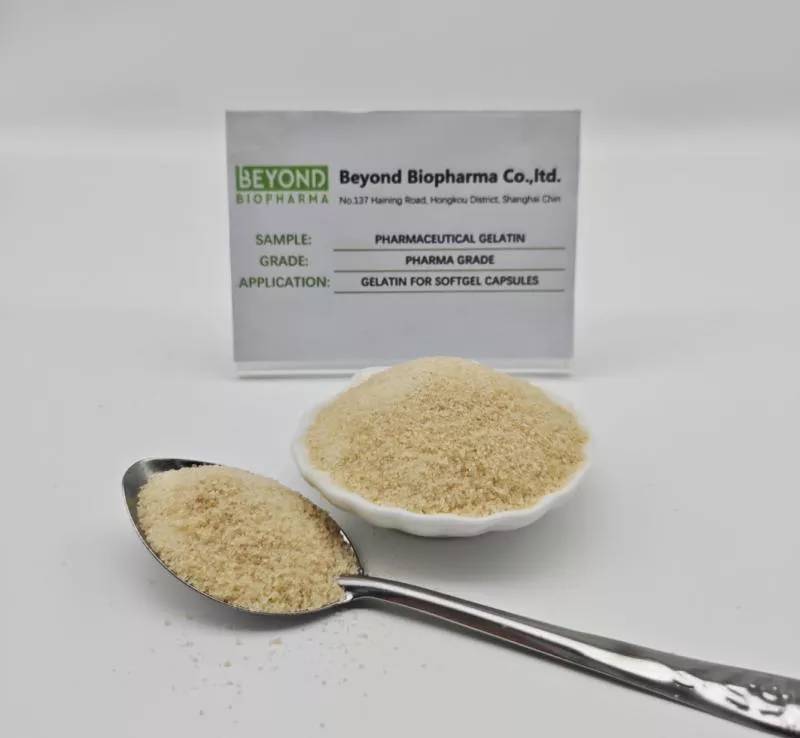
Softgel encapsulation demands a gelatin with unique physical attributes to perform optimally during the high-speed manufacturing process
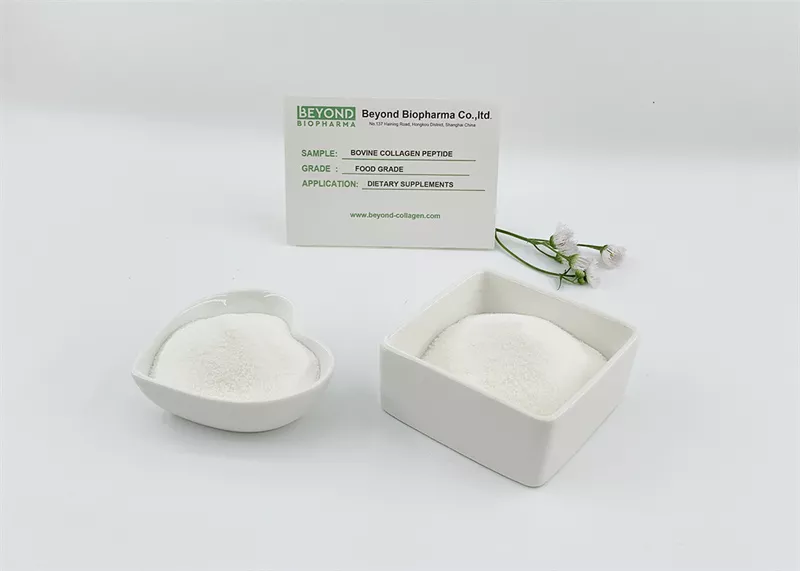
Manufacturer of bovine collagen peptide, shipping in containers all around the world
Tel:+86 21 65010906
Cell/Whatsapp/Wechat:
+86 13482884055
+86 18657345785
Email: sales@beyondbiopharma.com





User Comments
Service Experience Sharing from Real Customers
Emily R.
CrossFit CoachI’ve tried a dozen plant proteins over the years, and this peptide supplement is the first one that actually dissolves completely in my post-workout shake without that gritty texture. My recovery time feels noticeably faster—less soreness the next morning. The neutral flavor blends well with almond milk and a banana. Highly recommend for anyone serious about training.
Marcus T.
Software DeveloperHonestly, I was skeptical about peptide-based protein because I usually stick with whole food sources. But since my mornings are a rush, I needed something quick. This stuff mixes with just water and doesn’t foam up like crazy. I’ve been using it for about three weeks and feel less sluggish during my 10 a.m. stand-ups. Only wish it came in a bigger tub.
Priya K.
Registered DietitianI recommend peptide-based supplements to clients who have trouble digesting larger protein molecules, and I decided to test this one myself. It’s gentle on the stomach, no bloating, and the amino acid profile is solid—especially the leucine content for muscle synthesis. The ingredient list is clean, no weird fillers. A great option for vegans or anyone with sensitive digestion.
Leo M.
High School Biology TeacherI bought this to add a little extra protein to my oatmeal after morning runs. It mixes okay but can clump if you don’t whisk it fast enough. Taste is mild—not bad, not great. I do feel a bit more energetic through the school day, but I’m not sure if that’s the supplement or just placebo. It works, but I’ve had better for the price.