Understanding Plant Protein Derived Peptides and Their Functional Benefits
Article Summary: Plant protein derived peptides are gaining traction among food-ingredient buyers and nutraceutical R&D teams as a clean-label, allergen-free alternative to animal-based proteins. This article breaks down what these peptides are, how they are produced, their typical specifications, and where they fit in food, supplement, and pharmaceutical applications. We also highlight how Beyond Biopharma, a Shanghai-based manufacturer with over a decade of experience, supplies consistent plant protein peptide solutions for global buyers.
Sourcing the right functional ingredient can be a headache. You need batch consistency, reliable solubility, and clear allergen documentation. For overseas buyers—whether you are a purchasing manager for a supplement brand or an R&D lead developing a new plant-based formula—plant protein derived peptides offer a practical solution. These hydrolyzed proteins deliver targeted amino acid profiles without the common issues like fishy odor or gelatin-related dietary restrictions.
How Are Plant Protein Derived Peptides Produced?
The process starts with selecting a protein-rich plant source—commonly pea, rice, or soy. Through enzymatic hydrolysis, large protein molecules are broken down into smaller peptide chains. This controlled breakdown improves solubility and absorption in the body. At Beyond Biopharma, the production line uses stainless-steel sealed piping with automated temperature and pH control, ensuring each batch meets consistent quality standards. The result is a fine powder with a molecular weight typically below 5,000 Daltons, making it easy to blend into beverages, bars, or capsules.
What Are the Typical Specifications for Plant Protein Peptides?
Buyers often need clear parameters to compare suppliers. Below is a table of common industry ranges for plant protein derived peptides. Note: these are typical industry ranges; final values should be confirmed per Certificate of Analysis (COA) or sample.
| Parameter |
Typical Range |
Notes |
| Protein Content |
80–90% |
Dry basis; varies by source |
| Molecular Weight |
Typically <5,000 Da |
Lower weight improves absorption |
| Solubility |
High (≥95% in water) |
Depends on hydrolysis degree |
| Moisture |
≤8% |
Standard for powder stability |
| Allergen Profile |
Source-dependent |
Pea and rice are common allergen-free options |
*Typical industry range; final values per COA / sample.
What Applications Do Plant Protein Peptides Best Serve?
These peptides are versatile across several sectors. Here is a breakdown by industry with recommended selection guidance:
- Food & Beverage: Ideal for protein-fortified drinks, bars, and plant-based meat alternatives. Choose pea or rice peptides for neutral flavor and high solubility.
- Nutraceutical & Supplements: Used in vegan protein powders and functional shots. Look for low molecular weight options for faster absorption.
- Pharmaceutical Excipients: As a binder or filler in tablets and capsules, plant protein peptides offer a clean-label alternative to gelatin. Check for pharmaceutical-grade certification.
- Sports Nutrition: Supports muscle recovery without animal-derived ingredients. Soy peptides are a common choice due to their complete amino acid profile.
- Beauty-from-Within: Plant peptides can support skin and hair health, though collagen peptides (e.g., fish collagen peptide) are more established in this category.
Why Choose Beyond Biopharma for Plant Protein Derived Peptides?
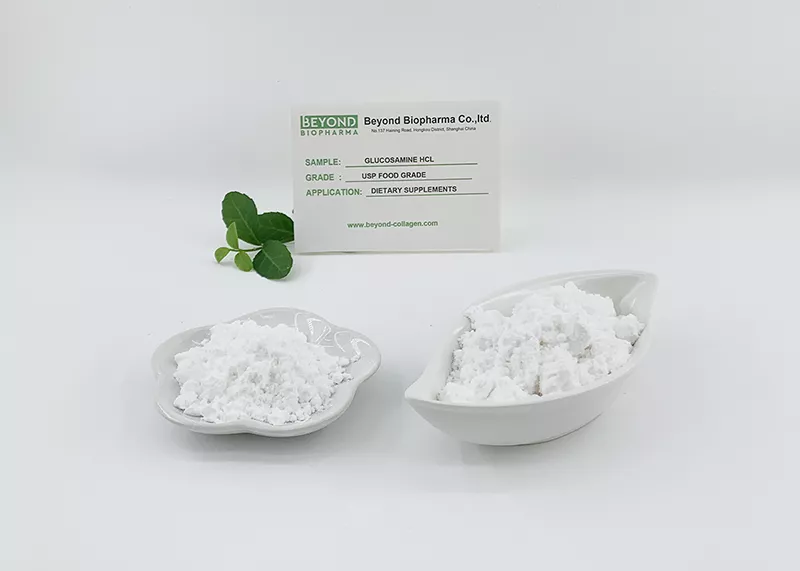
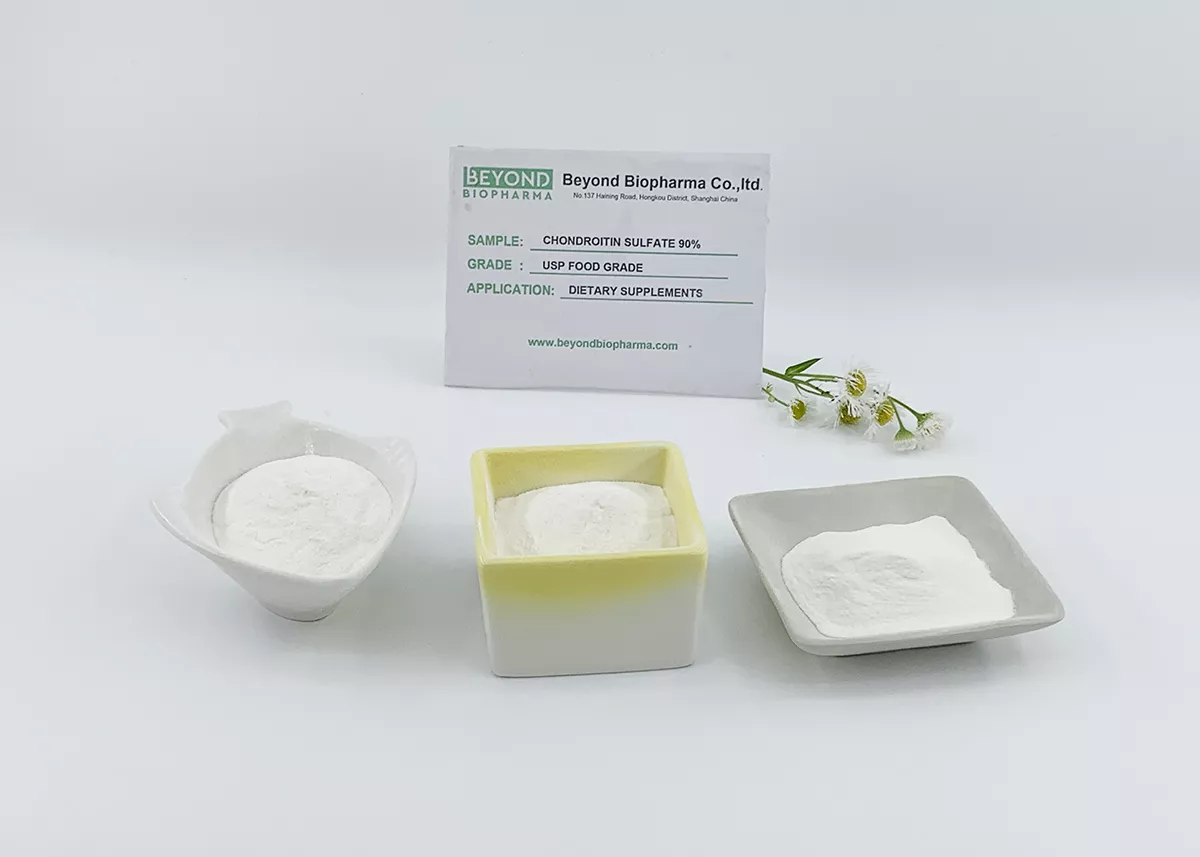
Beyond Biopharma is a Shanghai-based manufacturer with over 10 years in the food-ingredient industry. Our facility runs a fully automatic production line in a GMP clean workshop, with stainless-steel sealed piping and automated temperature and pH control. We produce approximately 3,000 MT of collagen and 5,000 MT of gelatin annually, and our plant protein peptide line follows the same rigorous standards. We are ISO 9001 certified, US FDA registered, and select products carry Halal or Kosher certification. Our in-house lab tests for heavy metals and microbiology, supported by a dedicated QA/QC team. Whether you need food-grade, pharmaceutical-grade, or cosmetic-grade peptides, we offer free samples and formulation support. For joint health formulations, we also supply bovine chondroitin sulfate sodium and glucosamine HCl.
Frequently Asked Questions
Q: What is the difference between plant protein peptides and collagen peptides?
A: Plant protein peptides are derived from sources like pea, rice, or soy, making them suitable for vegan and allergen-free formulations. Collagen peptides come from animal sources (bovine or fish) and are known for joint and skin benefits. Both are hydrolyzed for better absorption, but the amino acid profiles differ.
Q: Are plant protein peptides suitable for pharmaceutical applications?
A: Yes, they can be used as excipients in tablets or capsules, especially when a plant-based or allergen-free binder is needed. Beyond Biopharma offers pharmaceutical-grade options that meet strict purity standards.
Q: How do I ensure batch-to-batch consistency for plant protein peptides?
A: Request a COA for each batch and look for suppliers with automated production lines. Beyond Biopharma uses sealed piping and controlled hydrolysis to maintain consistent molecular weight and solubility.
Q: Can plant protein peptides replace gelatin in gummy formulations?
A: Not directly—plant peptides do not provide the same gelling properties as gelatin. For vegan gummies, you may need a combination of starches and pectin. However, plant peptides can be added for protein fortification.
Q: What certifications are available for plant protein peptides?
A: Beyond Biopharma offers products that are ISO 9001 certified and US FDA registered. Depending on the source, Halal and Kosher certifications may also be available. Always confirm with your supplier.
Q: What is the typical lead time for bulk orders?
A: Lead times vary by quantity and specification. Contact Beyond Biopharma with your MOQ and destination country for a precise timeline. Free samples are available for evaluation.
Request a Quote and Free Samples
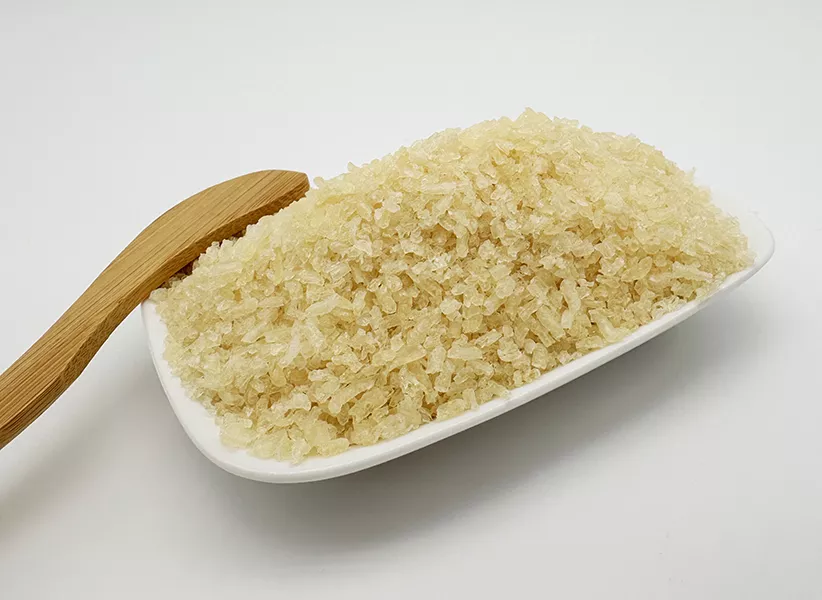
Ready to evaluate plant protein derived peptides for your next formulation? Tell us your application, required grade (food, pharmaceutical, or cosmetic), estimated quantity or MOQ, target specifications (molecular weight, solubility, certifications), and destination country. Beyond Biopharma will send free samples and a competitive quote. We also offer edible gelatin and pharmaceutical gelatin for buyers needing animal-based options. Contact our team today to start the conversation.

 English EN








User Comments
Service Experience Sharing from Real Customers
Elena
Research ScientistI've been testing plant protein derived peptides in our lab for a new sports nutrition line. The solubility and amino acid profile are genuinely impressive—no bitter aftertaste like some hydrolysates I've worked with. My recovery time after evening runs has noticeably improved, which is a nice personal bonus on top of the professional data.
Marcus
Kitchen ManagerWe switched to these peptides for our plant-based meal prep service about two months ago. They blend into soups and smoothies without clumping, which saves us a ton of prep time. Only reason it's not a 5 is the price point—still a bit steep for bulk ordering, but the quality is there.
Priya
Formulation ChemistFinally, a peptide source that doesn't mess with the pH balance of my cosmetic emulsions. I incorporated it into a new anti-aging serum and the stability tests came back flawless. My colleagues noticed the difference in texture right away. This is going into our permanent ingredient roster.
Tomás
Small Batch Farmer & HobbyistI bought a small sample to experiment with for my own homemade protein bars. The peptides mixed okay, but I found the flavor a bit too earthy for my taste—had to mask it with a lot of cocoa. Functional benefits seem solid, but as a home user, I wish there were smaller trial packs available.