How Collagen Peptides for Skin Support a Healthier Complexion
Collagen peptides for skin have become a cornerstone ingredient in the beauty-from-within market. For purchasing managers and R&D teams sourcing these ingredients, the key challenges often revolve around batch consistency, solubility, odor control, and certification compliance. This article breaks down how collagen peptides work, what specifications matter, and how to select a reliable supplier for your formulations.
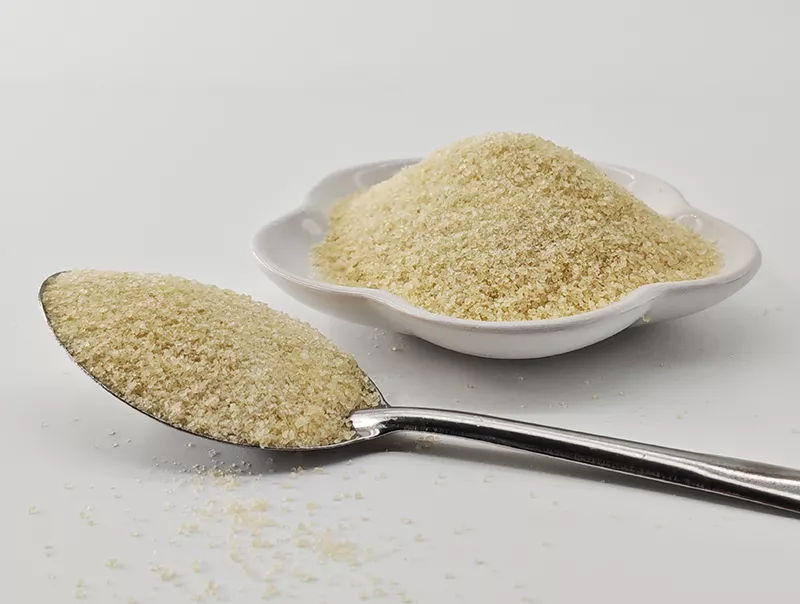
What Are Collagen Peptides for Skin and Why Do They Matter?
Collagen peptides for skin are short-chain amino acid chains derived from hydrolyzed collagen. They are produced through enzymatic hydrolysis, which breaks down full-length collagen into smaller peptides with a molecular weight typically ranging from 2,000 to 5,000 Da. This lower molecular weight allows for better absorption and bioavailability, making them a preferred ingredient in nutraceutical and functional food applications targeting skin elasticity, hydration, and wrinkle reduction.
For overseas buyers, a common pain point is ensuring the ingredient meets both regulatory standards and sensory expectations. Fish collagen peptides, for instance, are often chosen for their lower molecular weight and faster absorption, but they can carry a fishy smell if not properly processed. Bovine collagen peptides offer a neutral taste and higher thermal stability, making them suitable for gummies and bars. Understanding these nuances is critical for product developers.
How Are Collagen Peptides Produced to Ensure Quality?
The production process begins with raw materials such as bovine hide, fish skin, or porcine skin. These are cleaned, degreased, and subjected to controlled enzymatic hydrolysis. The resulting hydrolysate is then filtered, concentrated, and spray-dried into a fine powder. Key quality indicators include protein content (typically ≥90%), solubility in cold water, and low odor.
At Beyond Biopharma, we operate a fully automatic production line with GMP clean workshops, stainless-steel sealed piping, and automated temperature and pH control. This ensures consistent molecular weight distribution and minimal batch-to-batch variation. For buyers, requesting a Certificate of Analysis (COA) and testing a free sample are standard steps to verify these parameters.
What Are the Typical Specifications for Collagen Peptides for Skin?
Below is a table of common industry parameters. Note that these are typical ranges; final values should be confirmed per COA or sample.
| Parameter |
Typical Range |
Notes |
| Molecular Weight |
2,000–5,000 Da |
Fish collagen is often lower; bovine is higher. |
| Protein Content |
≥90% |
Dry basis, typical for hydrolyzed peptides. |
| Solubility |
≥98% in cold water |
High solubility reduces processing issues. |
| Odor |
Neutral to mild |
Fish type may have slight marine note; bovine is bland. |
| Moisture |
≤8% |
Standard for powder stability. |
| Heavy Metals |
Compliant with USP/EP |
In-house lab testing available. |
These parameters are generic industry ranges. For exact specifications, always refer to the supplier's COA and request a sample for your application.
Applications and Selection Guidance for Collagen Peptides for Skin
Choosing the right collagen peptide depends on your final product format and target market. Here is a breakdown by industry:
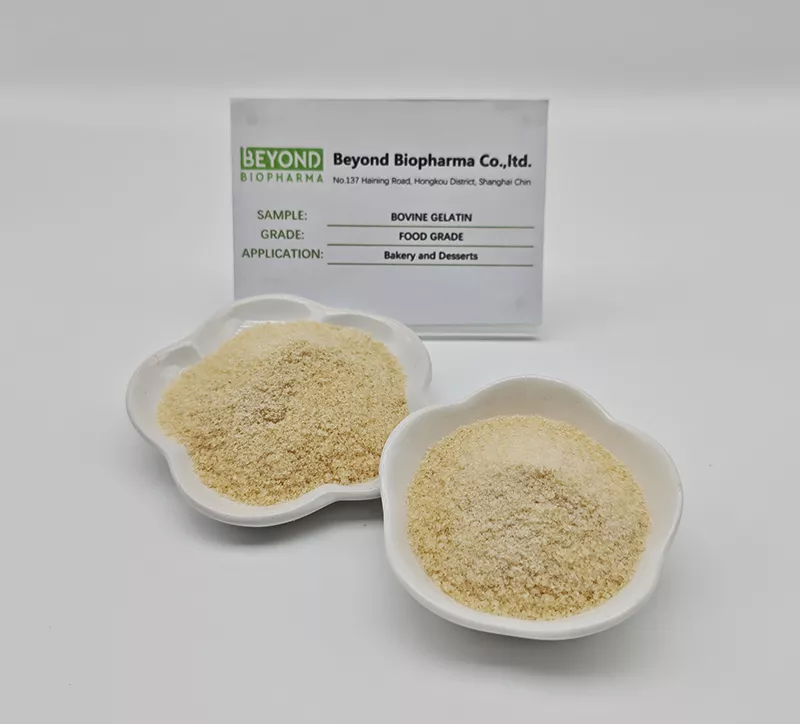
- Food & Gummies: Use high-bloom Edible Gelatin (bovine or porcine) for gummy texture. Collagen peptides with neutral flavor work best.
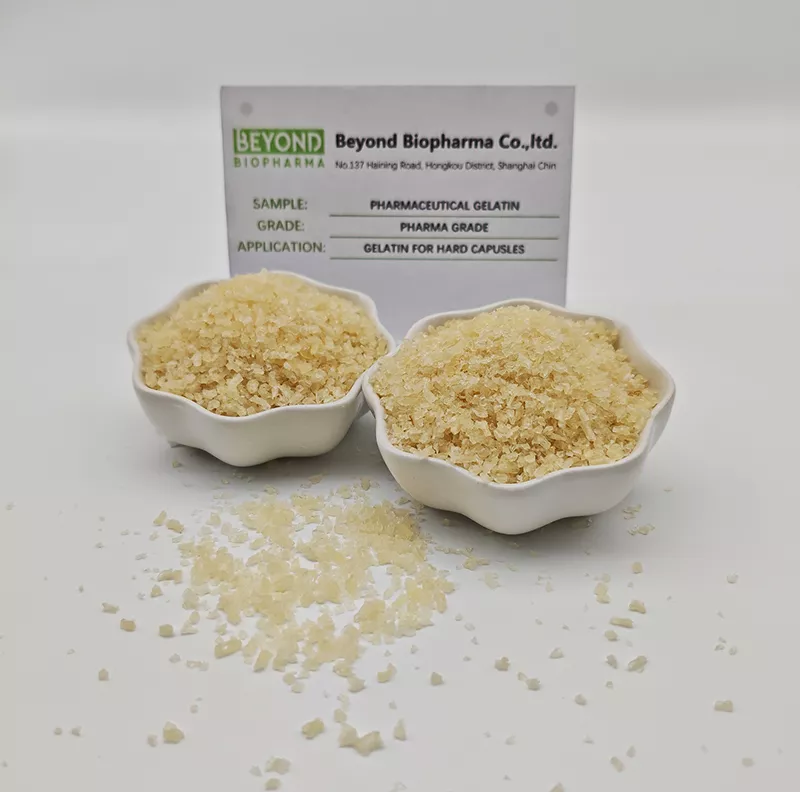
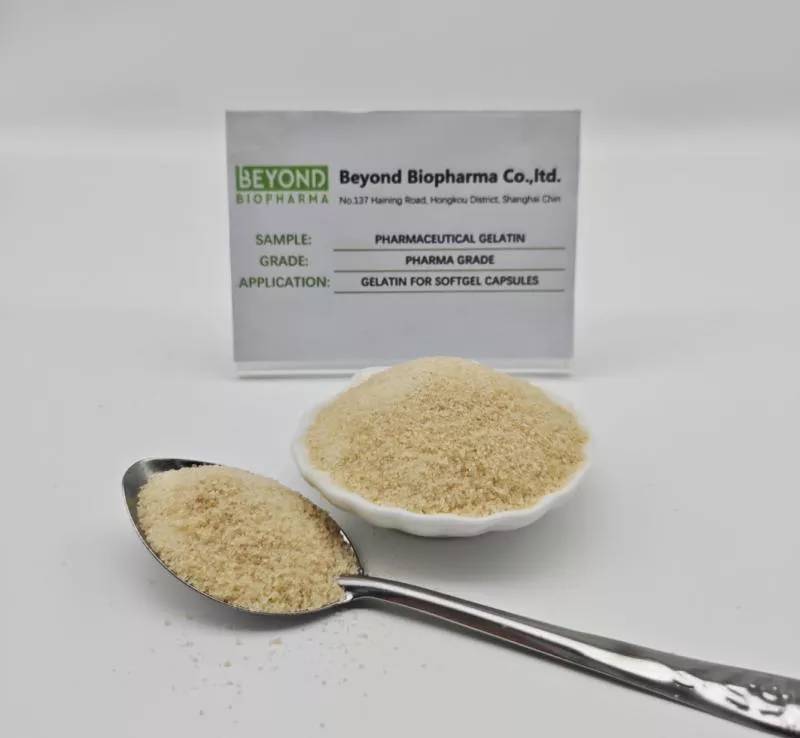
- Hard & Soft Capsules: For hard capsules, Pharmaceutical Gelatin with bloom 150–260 g is standard. For softgels, ultra-high-viscosity gelatin ensures shell stability.
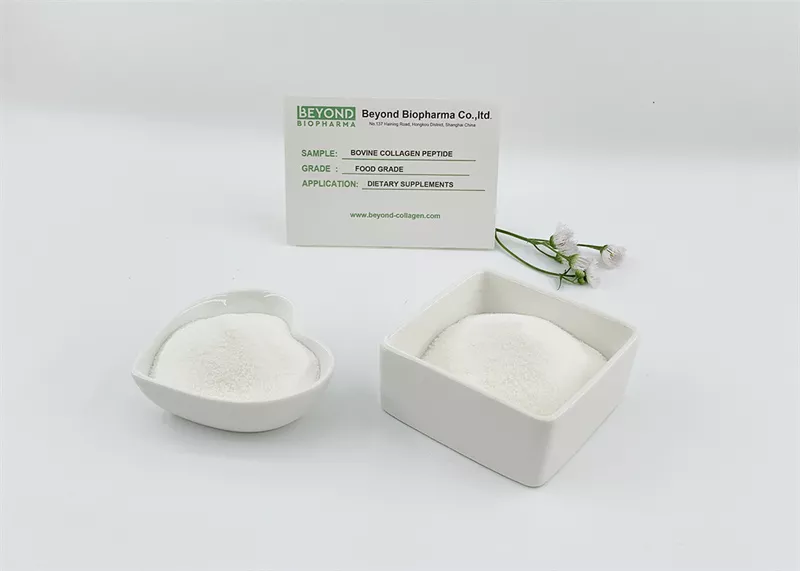
- Sports Nutrition: Bovine Collagen Peptide is ideal for protein bars and powders due to its neutral taste and high solubility.
- Beauty-from-Within: Fish Collagen Peptide is preferred for its low molecular weight and rapid absorption. It is often used in sachets and ready-to-drink shots.
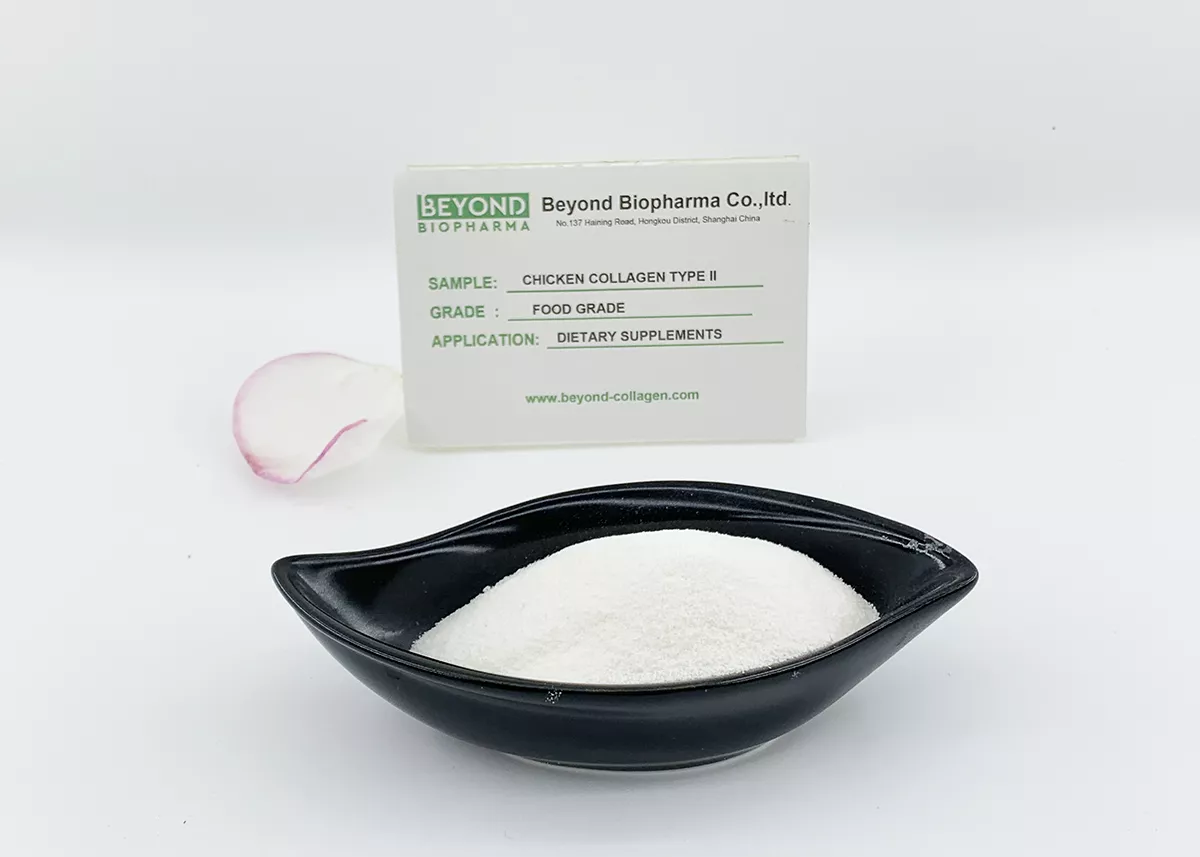
- Joint Health: Undenatured Collagen Type II is a separate category targeting joint comfort, often combined with glucosamine and chondroitin.
- Plant-Based & Vegan: Plant Protein Peptide (pea, rice, soy) offers an allergen-free alternative with protein content 80–90% and molecular weight below 5,000 Da.
Why Choose Beyond Biopharma for Collagen Peptides for Skin?
Beyond Biopharma is a Shanghai-based manufacturer with over 10 years of experience in the food-ingredient industry. Our products are exported to more than 50 countries. We operate a fully automatic production line with a GMP clean workshop, stainless-steel sealed piping, and automated temperature and pH control. Our annual capacity is approximately 3,000 MT for collagen and 5,000 MT for gelatin.
We hold ISO 9001 certification, are registered with the US FDA, and select products carry Halal or Kosher certification. Our bovine bone gelatin is BSE-free. An in-house lab conducts heavy-metal and microbiological testing, supported by a dedicated QA/QC team. We offer three grades: food, pharmaceutical, and cosmetic, along with free samples and formulation support.
Frequently Asked Questions About Collagen Peptides for Skin
Q: What is the difference between fish and bovine collagen peptides for skin?
A: Fish collagen peptides typically have a lower molecular weight (around 2,000–3,000 Da), which may support faster absorption. Bovine collagen peptides have a higher molecular weight and a neutral flavor, making them more suitable for food applications like bars and gummies.
Q: How can I verify the quality of collagen peptides before ordering bulk?
A: Request a free sample and a Certificate of Analysis (COA). Test for solubility, odor, protein content, and molecular weight. Reputable suppliers like Beyond Biopharma provide these documents and support third-party testing.
Q: Are collagen peptides for skin suitable for vegan formulations?
A: Traditional collagen peptides are animal-derived. For vegan products, consider plant protein peptides from pea, rice, or soy. These are hydrolyzed to a similar molecular weight and offer comparable functional benefits.
Q: What certifications should I look for when sourcing collagen peptides?
A: Key certifications include ISO 9001, FDA registration, Halal, and Kosher. For bovine products, BSE-free certification is important. Beyond Biopharma offers these certifications on select product lines.
Q: How do I handle fishy odor in fish collagen peptides?
A: Choose a supplier with advanced deodorization processes. Beyond Biopharma uses controlled enzymatic hydrolysis and low-temperature drying to minimize off-odors. Always test a sample in your final formulation.
Q: What is the typical MOQ for collagen peptides for skin?
A: MOQ varies by supplier and grade. Beyond Biopharma offers flexible bulk quantities. Contact us with your required volume and destination country for a tailored quote.
Request a Quote and Free Sample for Collagen Peptides for Skin
To ensure the collagen peptides for skin you source meet your exact formulation needs, please provide the following details when reaching out:
- Your application (food, pharmaceutical, cosmetic, or nutraceutical)
- Required grade (food, pharma, or cosmetic)
- Target quantity and MOQ
- Desired specifications (molecular weight, solubility, protein content, certifications)
- Destination country for shipping
Beyond Biopharma offers free samples and formulation support. Contact our team to receive a quote and COA for your project.

 English EN








User Comments
Service Experience Sharing from Real Customers
Megan
Yoga InstructorI was skeptical at first because I’ve tried so many collagen powders that tasted like fish. This one dissolves clean in my morning matcha and has zero aftertaste. After about six weeks, my nail ridges are almost gone and my skin looks way more dewy, even without foundation. Big fan.
Tom
Truck DriverMy wife bought this for me because she said my face looked 'tired all the time.' Ha. Been taking it for two months now, and I gotta admit, the dark circles under my eyes aren’t as bad. Plus the little cuts on my knuckles heal faster. Only downside is the scooper is tiny and I keep losing it in the bag.
Priya
UX DesignerI spend 10+ hours staring at screens and my skin was starting to look dull and lifeless. A friend in skincare recommended these peptides and I’ve been adding them to my overnight oats. Three weeks in and my cheeks have that healthy bounce again. Also no bloating, which is a win.
Dave
Graduate StudentHonestly, I’m not sure if it’s doing much for my skin yet, but my joints feel less creaky after long lab sessions. I’ve only been using it for three weeks, so maybe I need to give it more time. Taste is fine, no weird smell. I’ll finish the bag and see.