Unlocking the Nutritional Potential of Plant Protein Hydrolysate Through Enzymatic Hydrolysis
Article Summary: Plant protein hydrolysate is gaining traction among food-ingredient buyers and nutraceutical developers as a clean-label, allergen-friendly alternative to animal-derived proteins. This article explores how enzymatic hydrolysis transforms plant proteins into highly soluble, low-molecular-weight peptides that address common sourcing pain points such as batch inconsistency, bitter off-notes, and poor solubility. We break down the working principle, typical spec ranges, and practical applications across food, sports nutrition, and vegan formulations. For overseas buyers seeking reliable supply chains, we also highlight how a Shanghai-based manufacturer like Beyond Biopharma supports custom bulk orders with GMP-certified production and in-house quality control.
When sourcing plant protein hydrolysate, purchasing managers and R&D teams often face a familiar set of challenges: inconsistent batch quality, lingering bitter or beany flavors, poor solubility in finished formulations, and the growing demand for allergen-free or vegan-certified ingredients. Enzymatic hydrolysis offers a precise, repeatable solution to these pain points, turning raw plant proteins—such as pea, rice, or soy—into highly functional peptides that perform reliably across food, supplement, and pharmaceutical applications.
How Does Enzymatic Hydrolysis Work for Plant Proteins?
Enzymatic hydrolysis uses specific proteases to break down intact plant protein molecules into shorter peptide chains and free amino acids. The process typically starts with a plant protein concentrate or isolate—common sources include pea, rice, and soy—which is suspended in water and treated with food-grade enzymes under controlled temperature and pH conditions. Unlike acid or alkaline hydrolysis, enzymatic methods preserve amino acid integrity and produce a cleaner taste profile.
The degree of hydrolysis (DH) is carefully monitored to achieve target molecular weights, typically below 5,000 Da for optimal absorption and solubility. After hydrolysis, the enzyme is inactivated, and the resulting plant protein hydrolysate is filtered, concentrated, and spray-dried into a fine powder. This process yields a product that dissolves quickly in cold water, has reduced bitterness compared to untreated hydrolysates, and offers a neutral flavor base that blends easily into beverages, bars, and gummies.
What Are the Typical Specifications for Plant Protein Hydrolysate?
When evaluating suppliers, buyers should look for consistent spec sheets that include protein content, molecular weight distribution, solubility, and microbiological limits. Below is a table of common parameter ranges for commercial-grade plant protein hydrolysate:
| Parameter |
Typical Industry Range |
Notes |
| Protein content (dry basis) |
80% – 90% |
Varies by source; pea and rice typically on the higher end |
| Molecular weight |
Commonly <5,000 Da |
Lower MW improves absorption and solubility |
| Solubility |
≥95% at 20°C |
Key for clear beverage and liquid applications |
| Moisture |
≤8% |
Ensures shelf stability and prevents caking |
| Heavy metals (Pb, As, Cd, Hg) |
Compliant with USP/EP limits |
In-house lab testing per batch |
| Allergen profile |
Source-dependent (soy is allergen; pea/rice are generally hypoallergenic) |
Important for clean-label and vegan formulations |
Note: These are typical industry ranges. Final values should be confirmed per Certificate of Analysis (COA) and sample testing.
What Applications Benefit Most from Plant Protein Hydrolysate?
The functional properties of plant protein hydrolysate—high solubility, low viscosity, neutral taste, and rapid absorption—make it suitable for a wide range of finished products. Here are the primary application areas:
- Sports nutrition: Ready-to-mix protein powders, recovery shakes, and clear protein waters. The low molecular weight supports faster muscle uptake.
- Functional beverages: Acid-stable and heat-stable, ideal for RTD (ready-to-drink) protein drinks and juice blends without sedimentation.
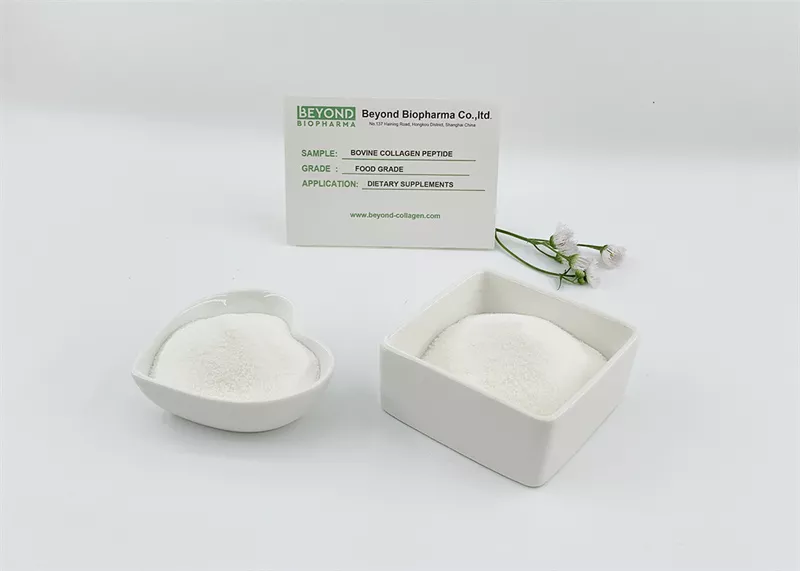
- Plant-based and vegan formulations: A direct alternative to animal-derived collagen or gelatin peptides. Compatible with fish gelatin or bovine collagen peptide for hybrid products.
- Medical nutrition: Elemental diets and clinical supplements where easy digestion is critical.
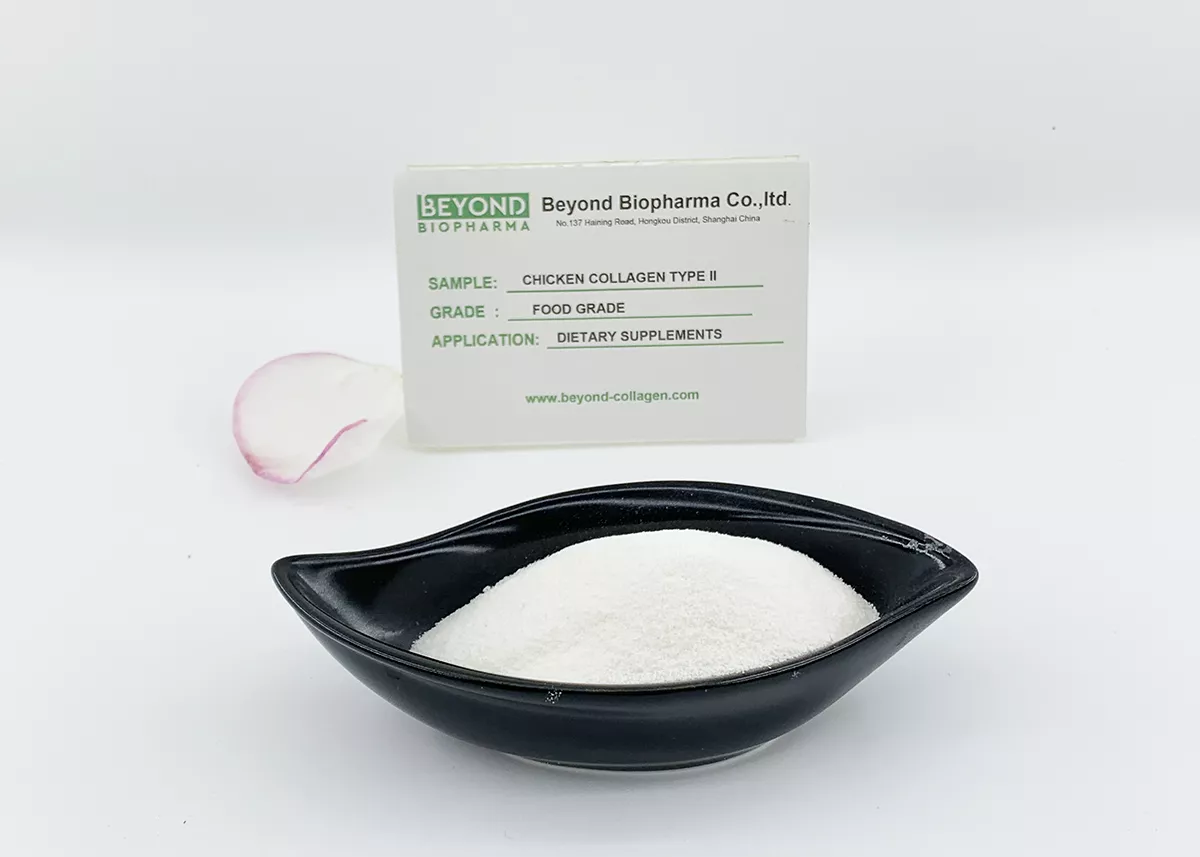
- Beauty-from-within: Collagen-boosting blends that combine hydrolyzed collagen type II with plant peptides for joint and skin health.
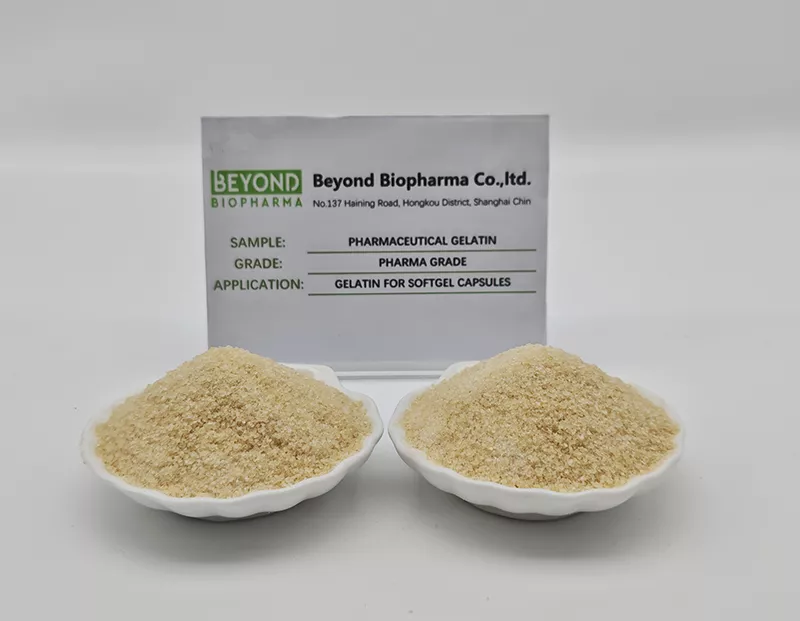
- Gummies and soft chews: Low-viscosity hydrolysates that do not interfere with gelation when used alongside ultra-high-viscosity gelatin for softgel capsules.
Why Choose Beyond Biopharma for Plant Protein Hydrolysate Sourcing?
Beyond Biopharma, headquartered in Shanghai, China, has over a decade of experience in the food-ingredient industry and exports to more than 50 countries. Our production facility operates fully automatic lines in a GMP clean workshop, with stainless-steel sealed piping and automated temperature/pH control to ensure batch-to-batch consistency. We manufacture approximately 3,000 MT of collagen peptides and 5,000 MT of gelatin annually, and our plant protein hydrolysate line is produced under the same rigorous quality standards.
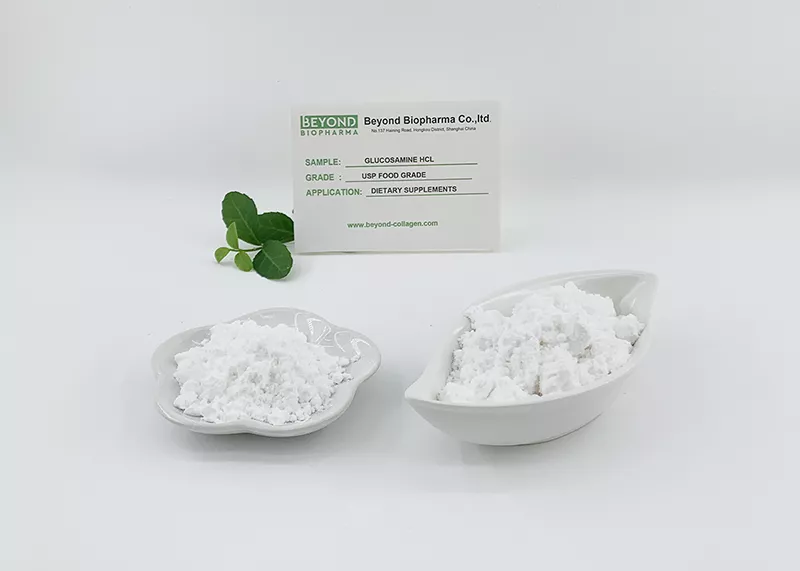
Our certifications include ISO 9001, US FDA registration, and select products carry Halal or Kosher verification. Bovine bone gelatin is BSE-free, and our in-house lab conducts heavy-metal and microbiological testing on every batch. We offer three grades—food, pharmaceutical, and cosmetic—and support custom bulk supply, formulation assistance, and free samples. For buyers looking for a reliable partner in vegan glucosamine hydrochloride or bovine chondroitin sulfate sodium, we provide the same level of quality assurance.
Frequently Asked Questions About Plant Protein Hydrolysate
Q1: What is the difference between plant protein hydrolysate and plant protein isolate?
Plant protein isolate is mechanically or chemically processed to remove fats and carbohydrates, yielding a high-protein powder (typically >90% protein). Plant protein hydrolysate goes a step further: enzymes break the protein into smaller peptides, making it more soluble and faster-absorbing. Hydrolysates are preferred for clear beverages and rapid-digestion formulas.
Q2: Does plant protein hydrolysate have a bitter taste?
Bitterness can occur with extensive hydrolysis, but modern enzymatic processes use specific protease blends and controlled DH levels to minimize off-notes. Many commercial plant protein hydrolysate products are neutral or mildly savory, especially when sourced from pea or rice. Always request a sensory sample before bulk ordering.
Q3: Can plant protein hydrolysate replace collagen peptides in a formulation?
Yes, for vegan or allergen-free products. While collagen peptides are animal-derived and rich in glycine and proline, plant protein hydrolysates offer a different amino acid profile. They work well in hybrid blends—for example, combining undenatured collagen type II with plant peptides for joint support.
Q4: What certifications should I look for when buying plant protein hydrolysate?
For international buyers, key certifications include ISO 9001, FDA registration, and Halal or Kosher if required. Also check for GMP compliance and third-party lab reports on heavy metals and microbiological safety. Beyond Biopharma provides all of these upon request.
Q5: How do I determine the right molecular weight for my application?
For clear beverages and rapid absorption, look for molecular weights below 3,000 Da. For bar or gummy applications, slightly higher MW (3,000–5,000 Da) can provide better texture retention. Always discuss target specs with your supplier—Beyond Biopharma can customize hydrolysis parameters to match your formulation needs.
Q6: What is the minimum order quantity for plant protein hydrolysate?
MOQ varies by supplier and grade. For custom bulk orders, Beyond Biopharma typically requires a minimum of 500 kg for food-grade plant protein hydrolysate. Smaller trial quantities and free samples are available for formulation testing.
Request a Quote and Free Sample
If you are evaluating plant protein hydrolysate for your next product line, we invite you to reach out to Beyond Biopharma. To help us provide the most accurate quotation and sample, please include the following details in your inquiry:
- Intended application (food, nutraceutical, pharmaceutical, cosmetic)
- Required grade (food, pharma, or cosmetic)
- Estimated annual quantity or MOQ
- Target specifications (protein content, molecular weight, solubility, certifications)
- Destination country for import compliance
Our team will send you a free sample, a detailed COA, and a competitive quote tailored to your requirements. We look forward to supporting your next formulation with reliable, high-quality plant protein hydrolysate.

 English EN








User Comments
Service Experience Sharing from Real Customers
Elena M.
Product Development LeadI've been testing different plant protein hydrolysates for our new line of vegan sports supplements, and this one blew me away. The solubility is incredible—no clumping even in cold water—and the amino acid profile is actually complete. My lab team was skeptical, but after the first batch, they're all on board. This is going straight into our next formulation.
Marcus Chen
Senior R&D ChefHonestly, I was worried about the bitter aftertaste that usually comes with hydrolyzed proteins, but this one is surprisingly neutral. I used it to boost the protein content in a plant-based burger patty, and it didn't mess with the flavor profile at all. The texture was spot-on too—moist and not chalky. Only giving 4 stars because I wish the particle size was a bit finer for dry blends, but it's a solid product.
Sophie Laurent
Aquaculture NutritionistWe've been trialing this hydrolysate as a partial fishmeal replacement in our salmon feed trials, and the results are promising. The palatability is high—fish are taking to it without any hesitation—and the digestibility seems significantly better than standard soy protein. Early growth metrics are looking good. For anyone in aquafeed, this is a game-changer for reducing dependency on marine ingredients.
Jamie Torres
Home Fermentation HobbyistPicked this up to experiment with making my own high-protein tempeh and miso at home. It definitely works—fermentation kicked off quickly and the mold grew evenly. But the flavor was a bit more 'earthy' than I expected, even after rinsing. Might be better suited for commercial use where you can mask it with other ingredients. Not bad, just not my favorite for delicate ferments.