 English EN


How Bovine and Marine Collagen Peptides Differ in Benefits and Uses
Bovine collagen peptide supports joints and muscles, while marine collagen boosts skin and hair. Compare benefits, uses, and absorption for your needs.
More
As a purchasing manager or R&D professional, you likely face challenges like inconsistent peptide profiles, off-odors, or limited solubility in finished products. Bioactive plant peptides offer a solution that aligns with vegan, allergen-free, and sustainable formulation trends. This article provides a practical, data-driven look at how these peptides work, their key specifications, and how to source them reliably from a manufacturer like Beyond Biopharma.
Bioactive plant peptides are typically produced through controlled enzymatic hydrolysis of plant proteins—such as pea, rice, or soy—breaking them down into smaller fragments with molecular weights commonly below 5,000 Da. This process mimics natural digestion, releasing peptide sequences that can interact with human cell receptors, modulate enzyme activity, or act as antioxidants. In plant biology, these peptides regulate defense mechanisms and growth; in human nutrition, they support muscle repair, joint health, and skin elasticity without the allergenic concerns linked to animal-derived collagen.
The production method matters. Using a fully automatic production line with GMP clean workshop conditions—like those at Beyond Biopharma—ensures consistent molecular weight distribution and minimal bitterness. Automated temperature and pH control during hydrolysis prevents over-processing, preserving the peptide bioactivity that formulators rely on.
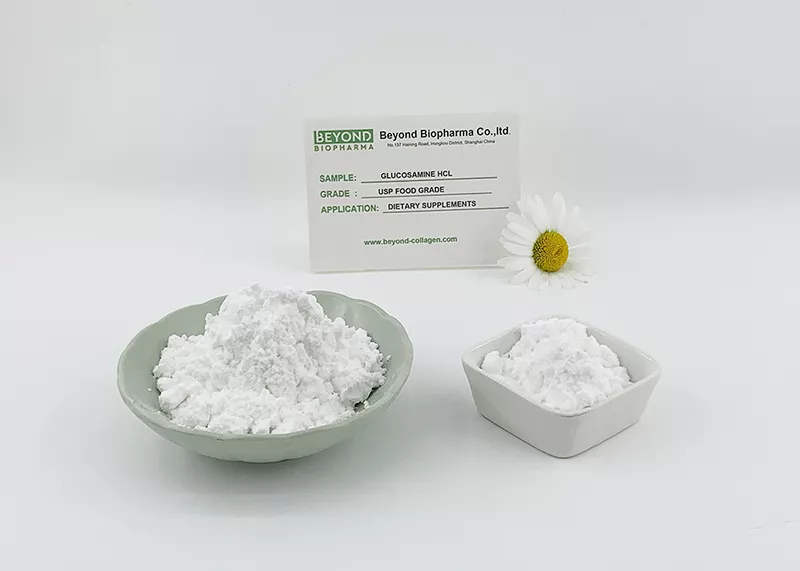
The process starts with selecting a plant protein source—pea, rice, or soy are common—followed by enzymatic hydrolysis using food-grade proteases. After hydrolysis, the peptide solution is filtered, concentrated, and spray-dried into a fine powder. The result is a highly soluble, low-odor ingredient that integrates easily into beverages, bars, and capsules.
Below are typical industry parameter ranges for bioactive plant peptides. Note that final values should always be confirmed per Certificate of Analysis (COA) from your supplier.
| Parameter | Typical Industry Range | Notes |
|---|---|---|
| Protein Content | 80–90% | Dry basis; higher is preferred for concentrated formulations |
| Molecular Weight | Commonly <5,000 Da | Lower MW improves absorption and solubility |
| Solubility | ≥95% in water at 25°C | Key for clear beverage applications |
| Moisture | ≤8% | Ensures shelf stability and microbial safety |
| Heavy Metals | Compliant with USP/EP limits | In-house lab testing at Beyond Biopharma |
Typical industry range; final values per COA / sample.
Bioactive plant peptides are versatile across multiple industry segments. Here is a practical selection guide:
Beyond Biopharma, headquartered in Shanghai, China, brings over a decade of experience in manufacturing collagen peptides, gelatin, and plant protein peptides. Our facility operates with a fully automatic production line and GMP clean workshop, ensuring consistent quality across every batch. We maintain an in-house lab for heavy-metal and microbiological testing, supported by a dedicated QA/QC team.
Our Plant Protein Peptide line includes pea, rice, and soy hydrolysates, available in food, pharmaceutical, and cosmetic grades. We offer free samples and formulation support to help you match the right peptide profile to your application. With exports to over 50 countries and certifications including ISO 9001 and US FDA registration, we are a reliable partner for bulk custom supply and OEM projects.
Plant peptides are derived from sources like pea or rice, making them vegan and allergen-friendly. Collagen peptides come from bovine, fish, or porcine sources. Both offer bioactivity, but plant peptides are preferred for plant-based formulations and often have a lower molecular weight for faster absorption.
Request a COA showing solubility ≥95% at room temperature. Also, choose a supplier that uses controlled enzymatic hydrolysis, which minimizes insoluble aggregates. Beyond Biopharma provides samples for pre-qualification testing.
Not directly, as plant peptides lack the gelling properties of gelatin. However, they can be combined with plant-based gelling agents like pectin or agar to create vegan gummies. For traditional gelatin-based gummies, consider Halal and Kosher verified fish gelatin as an alternative.
Key certifications include ISO 9001, FDA registration, and GMP compliance. For vegan or allergen-free claims, request third-party testing. Beyond Biopharma also offers Halal and Kosher options on select products.
High-quality plant peptides have a neutral to mild flavor and low odor. Bitterness or beany notes indicate over-hydrolysis or poor raw material. Always request a sensory evaluation sample before bulk ordering.
MOQ varies by grade and specification. Beyond Biopharma supports both small trial batches and full container loads. Contact us with your target volume and application to receive a tailored quote.
To move forward with your formulation, please provide the following details to Beyond Biopharma so we can send you free samples and a competitive quote:
Our team will match your requirements with the most suitable Bioactive Plant Peptide from our product line and provide documentation including COA and sensory data. We look forward to supporting your next product launch with reliable, high-quality ingredients.

We provide you with comprehensive foreign trade solutions to help enterprises achieve global development
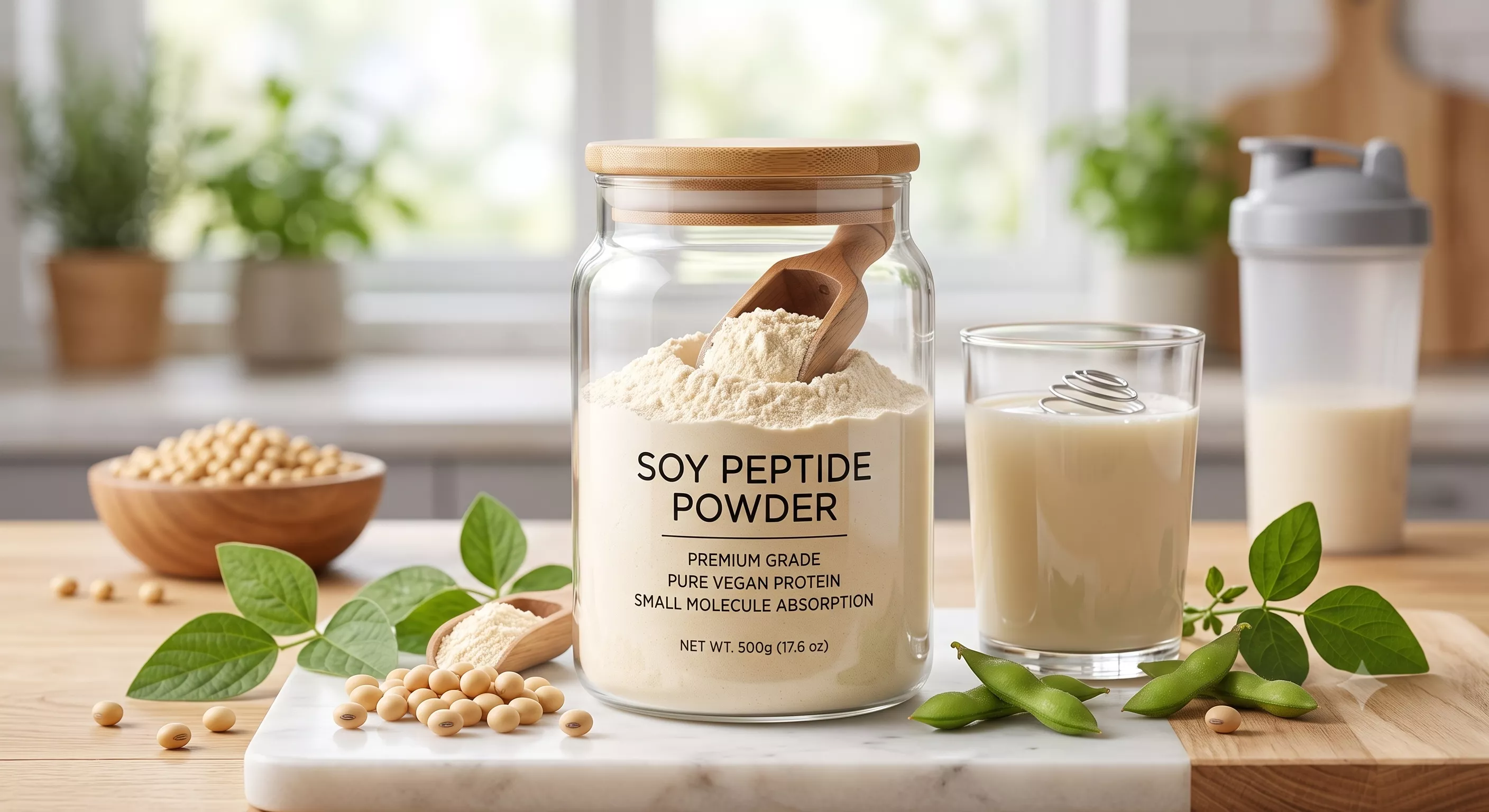
Source ultra-pure, non-GMO hydrolyzed soybean oligopeptide powder in bulk. Complete water solubility, over 80% peptides under 1000 Da. Ideal for sports nutrition and immune recovery formulas.
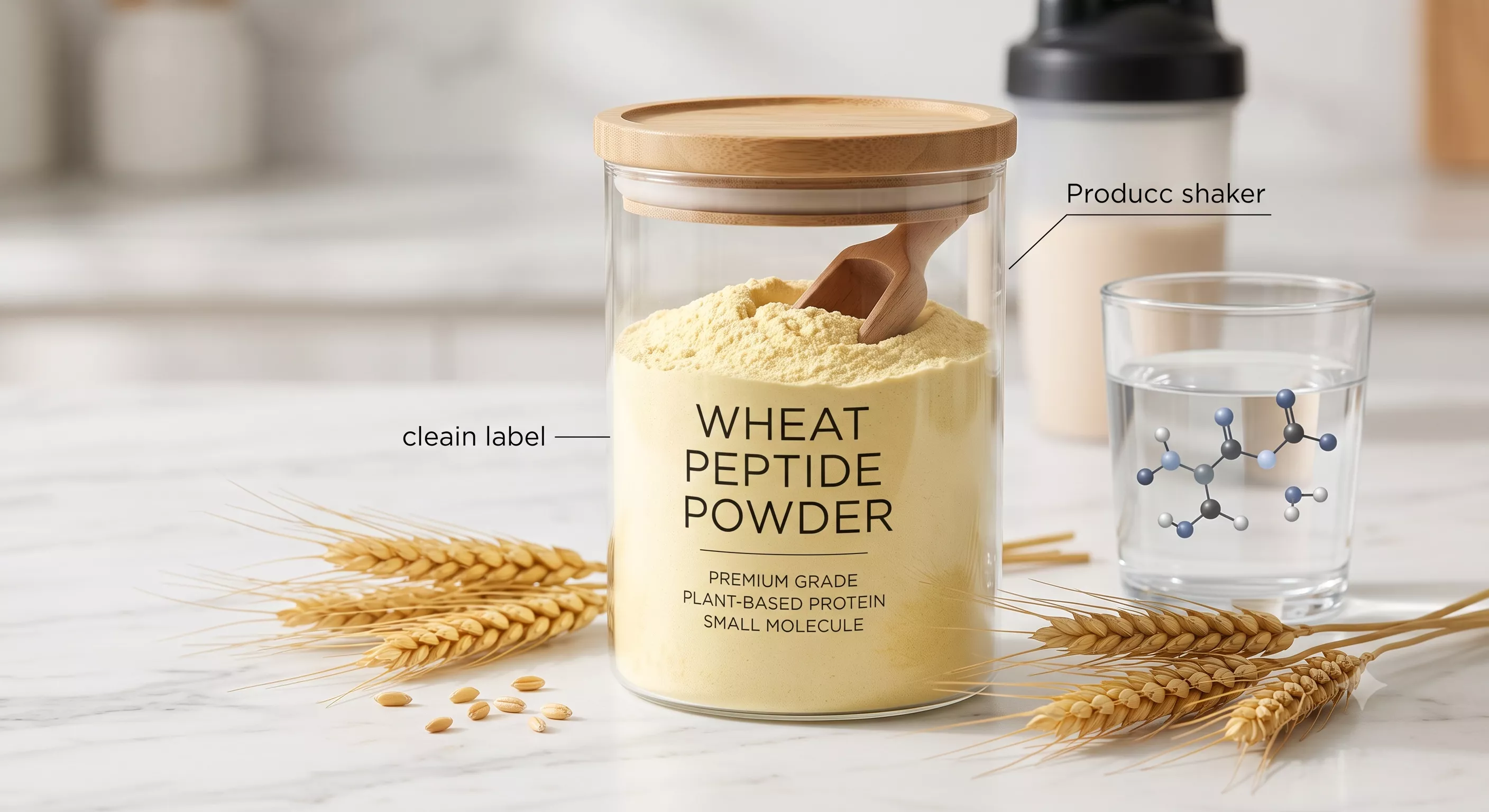
Source ultra-pure, high-solubility wholesale hydrolyzed wheat gluten peptide in bulk. Rich in plant-bound Glutamine ($\ge 25\%$) for muscle recovery and gut barrier health.
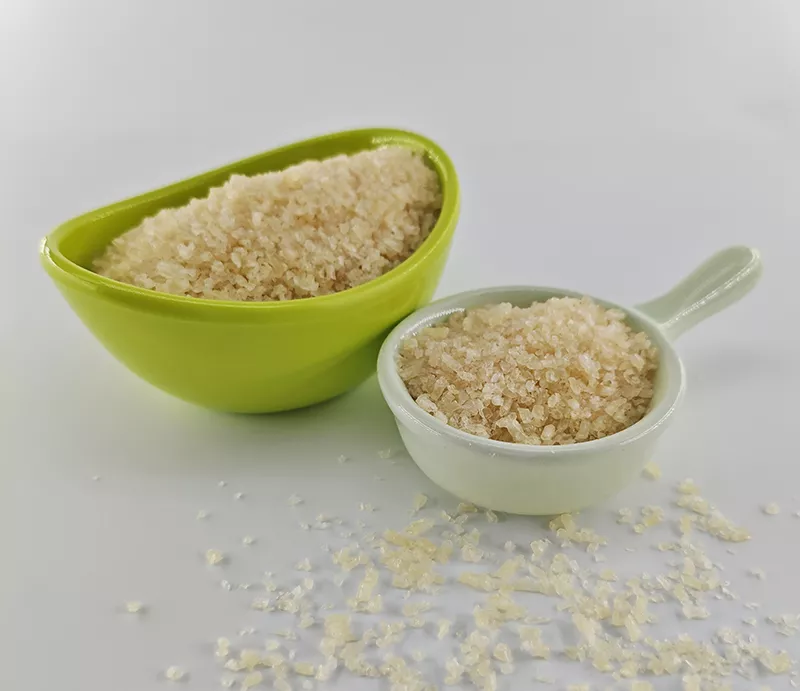
Stability, Swallowing Enhancement, and Controlled Release
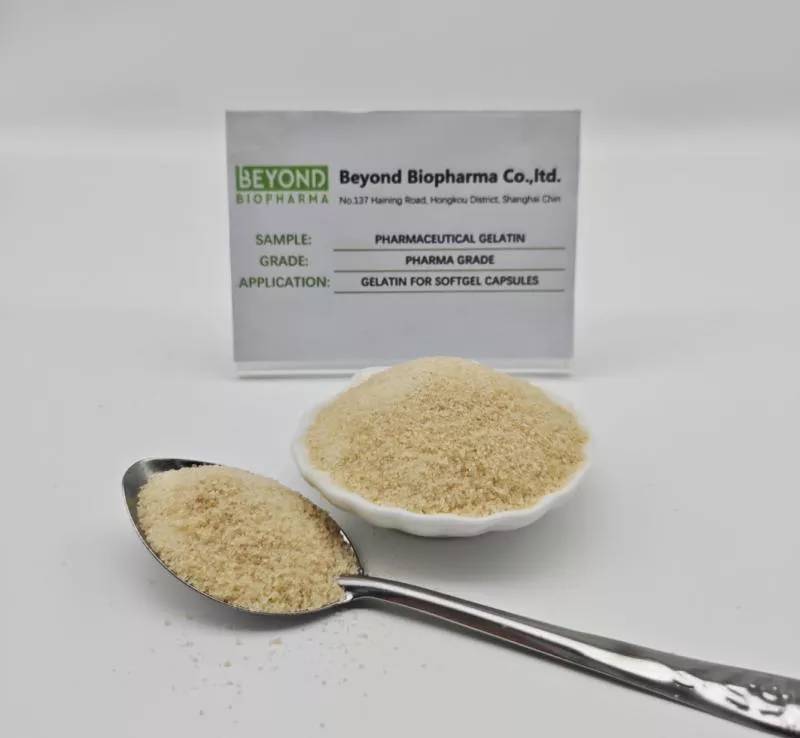
Softgel encapsulation demands a gelatin with unique physical attributes to perform optimally during the high-speed manufacturing process
Select the most popular foreign trade service products to meet your diverse needs
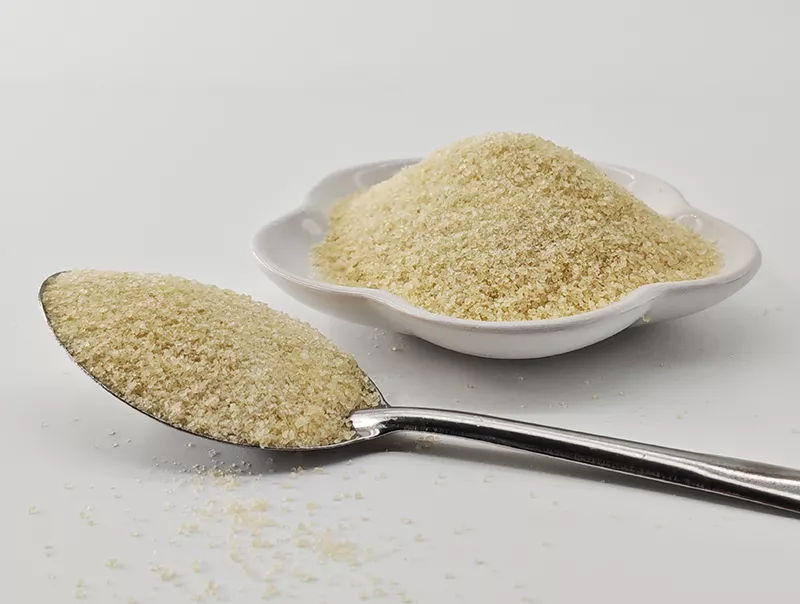
The High-Performance Barrier for Core Material Protection and Controlled Release.
Source ultra-pure, non-GMO hydrolyzed soybean oligopeptide powder in bulk. Complete water solubility, over 80% peptides under 1000 Da. Ideal for sports nutrition and immune recovery formulas.
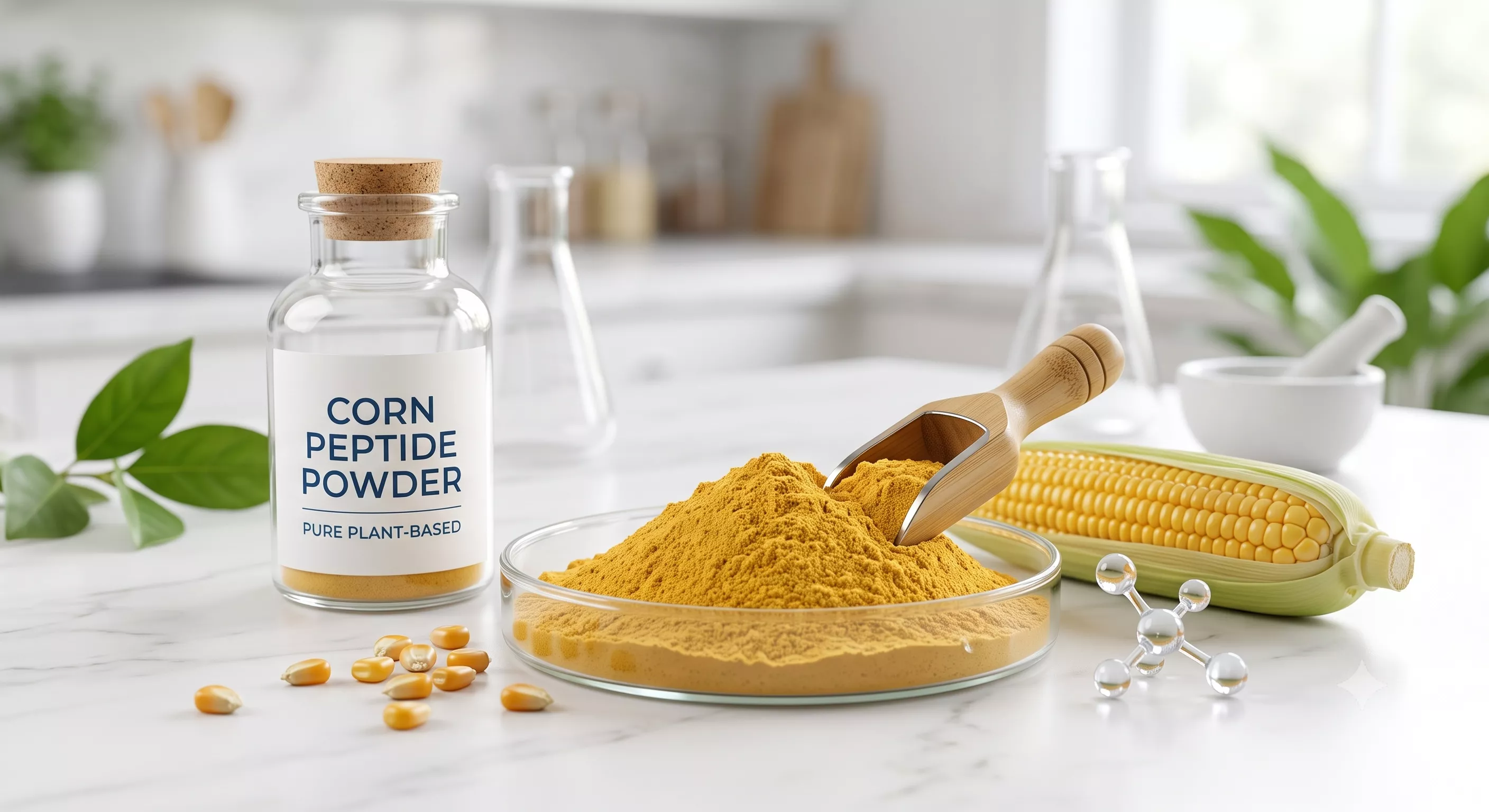
Source high-purity wholesale hydrolyzed corn protein peptide powder in bulk. Over 85% oligopeptides under 1000 Da. Rich in Alanine and Leucine for liver support and sobriety formulas.
Tel:+86 21 65010906
Cell/Whatsapp/Wechat:
+86 13482884055
+86 18657345785
Email: sales@beyondbiopharma.com





User Comments
Service Experience Sharing from Real Customers
Ethan
Senior Formulation ChemistI’ve been testing this bioactive plant peptide for about six weeks in our new anti-aging serum. The stability in water-based formulas is surprisingly good—no precipitation or loss of activity even after a month at 40°C. My panelists are reporting noticeably firmer skin, which is rare for a plant-derived ingredient. Definitely adding it to our core library.
Maya
Clinical Research CoordinatorWe ran a small double-blind trial on 30 volunteers with mild acne scars. After 8 weeks, the group using a serum with this peptide showed a 22% improvement in scar depth measured by 3D imaging. No irritation reported, which is a big plus. Only gave 4 stars because the sample size was small—I’d love to see larger studies.
Liam
Organic Farm ManagerI’m not a scientist, just a guy who grows heirloom tomatoes. I sprayed a diluted solution of this peptide on a patch of plants hit by early blight. Within ten days, new leaves looked healthier and the spread stopped. My usual copper treatment didn’t work half as well. I’ll be using this again next season.
Priya
Nutritional Product DeveloperThe concept is promising—plant peptides with oral bioavailability claims are hot right now. We encapsulated it into a supplement and tested for bitterness. Unfortunately, even with flavor masking, the aftertaste was slightly grassy. Bioactivity seemed intact in vitro, but I’d need more human absorption data before I’d recommend it for our premium line.