 English EN


Hydrolyzed Collagen Powder What Works and What to Watch Out For
Hydrolyzed collagen powder supports joints, skin, and bones but may cause digestive issues or allergies. Learn benefits, risks, and how to choose quality.
More
Sourcing plant-derived peptides for skincare and nutraceutical applications often comes down to three real pain points: batch-to-batch consistency, solubility in finished formulations, and meeting clean-label or vegan requirements. Unlike animal-based collagen, plant-derived peptides offer a hypoallergenic, sustainable route to support dermal matrix integrity and moisture retention. This article breaks down how these peptides work, what specs matter, and how to select the right ingredient for your product line.
Plant-derived peptides are short-chain amino acid sequences obtained from hydrolyzed plant proteins, such as pea, rice, or soy. Through controlled enzymatic hydrolysis, these proteins are broken down into peptides with molecular weights typically below 5,000 Da. This low molecular weight allows for better absorption and bioavailability compared to whole proteins. For skin health, these peptides act as signaling molecules that can stimulate fibroblast activity, support collagen synthesis, and improve the skin's natural moisture barrier. Unlike traditional collagen peptides sourced from bovine or fish, plant-derived options are fully vegan, allergen-friendly, and compatible with clean-label formulations.
The mechanism is rooted in the peptide's amino acid profile and molecular size. When ingested or applied topically, di- and tripeptides can penetrate the dermal layers and trigger collagen and elastin production. Specific sequences, such as proline-rich fragments, are known to upregulate hyaluronic acid synthesis, which directly boosts skin hydration. In formulation, plant-derived peptides offer high solubility across a wide pH range and low viscosity, making them easy to incorporate into beverages, gummies, or topical serums. For product developers, the key is matching the peptide's molecular weight distribution to the desired absorption rate and functional outcome.
Below is a table of common parameter ranges for plant-derived peptides used in nutraceutical and cosmetic applications. These are typical industry ranges; final values should be confirmed per Certificate of Analysis (COA) or sample.
| Parameter | Typical Range | Notes |
|---|---|---|
| Protein Content | 80–90% | Dry basis; higher protein indicates fewer fillers |
| Molecular Weight | Lower MW (e.g., | |
| Solubility | ≥98% in water | Cold water soluble options available |
| Moisture | ≤8% | Low moisture ensures longer shelf life |
| Allergen Profile | Varies by source | Pea and rice are top 8 allergen-free |
Typical industry range; final values per COA / sample.
Selecting the right plant-derived peptide depends on your target application. Here is a practical guide:
Beyond Biopharma is a Shanghai-based manufacturer with over 10 years of experience in the food-ingredient industry. Our Plant Protein Peptide line includes pea, rice, and soy hydrolysates designed for allergen-free and vegan formulations. We operate fully automatic production lines in GMP clean workshops with stainless-steel sealed piping and automated temperature/pH control. Our facility produces approximately 3,000 MT/year of collagen and 5,000 MT/year of gelatin. We hold ISO 9001, US FDA registration, and select products carry Halal or Kosher certifications. Our in-house lab conducts heavy-metal and microbiological testing, supported by a dedicated QA/QC team. We offer three grades—food, pharmaceutical, and cosmetic—and provide free samples along with formulation and selection support.
Q: Are plant-derived peptides as effective as animal collagen for skin hydration?
Yes, they can be equally effective when properly hydrolyzed. Plant peptides with molecular weights below 1,000 Da show comparable bioavailability and can stimulate collagen production and moisture retention in the skin.
Q: What is the typical molecular weight for skin-supporting plant peptides?
For skin applications, a molecular weight under 3,000 Da is recommended. Lower molecular weight peptides, such as those under 1,000 Da, are absorbed more rapidly and are ideal for beauty-from-within products.
Q: Can plant-derived peptides be used in gummy formulations?
Absolutely. They can be blended with gelatin or pectin to create gummies. Ensure the peptide is heat-stable and has low hygroscopicity to maintain texture and shelf life.
Q: Do plant-derived peptides have a strong taste or odor?
High-quality plant peptides are processed to have a neutral taste and minimal odor. Rice and pea peptides are particularly mild, making them suitable for clear beverages and flavored supplements.
Q: What certifications should I look for when sourcing plant-derived peptides?
Key certifications include ISO 9001, FDA registration, and Halal or Kosher if required. Also verify that the product is free from major allergens and meets the purity standards for your target market.
If you are evaluating plant-derived peptides for your next product, we invite you to contact Beyond Biopharma. Please provide your application, required grade (food, pharmaceutical, or cosmetic), estimated quantity or MOQ, target specifications (molecular weight, solubility, certifications), and destination country. We will send free samples and a competitive quote tailored to your needs.

We provide you with comprehensive foreign trade solutions to help enterprises achieve global development
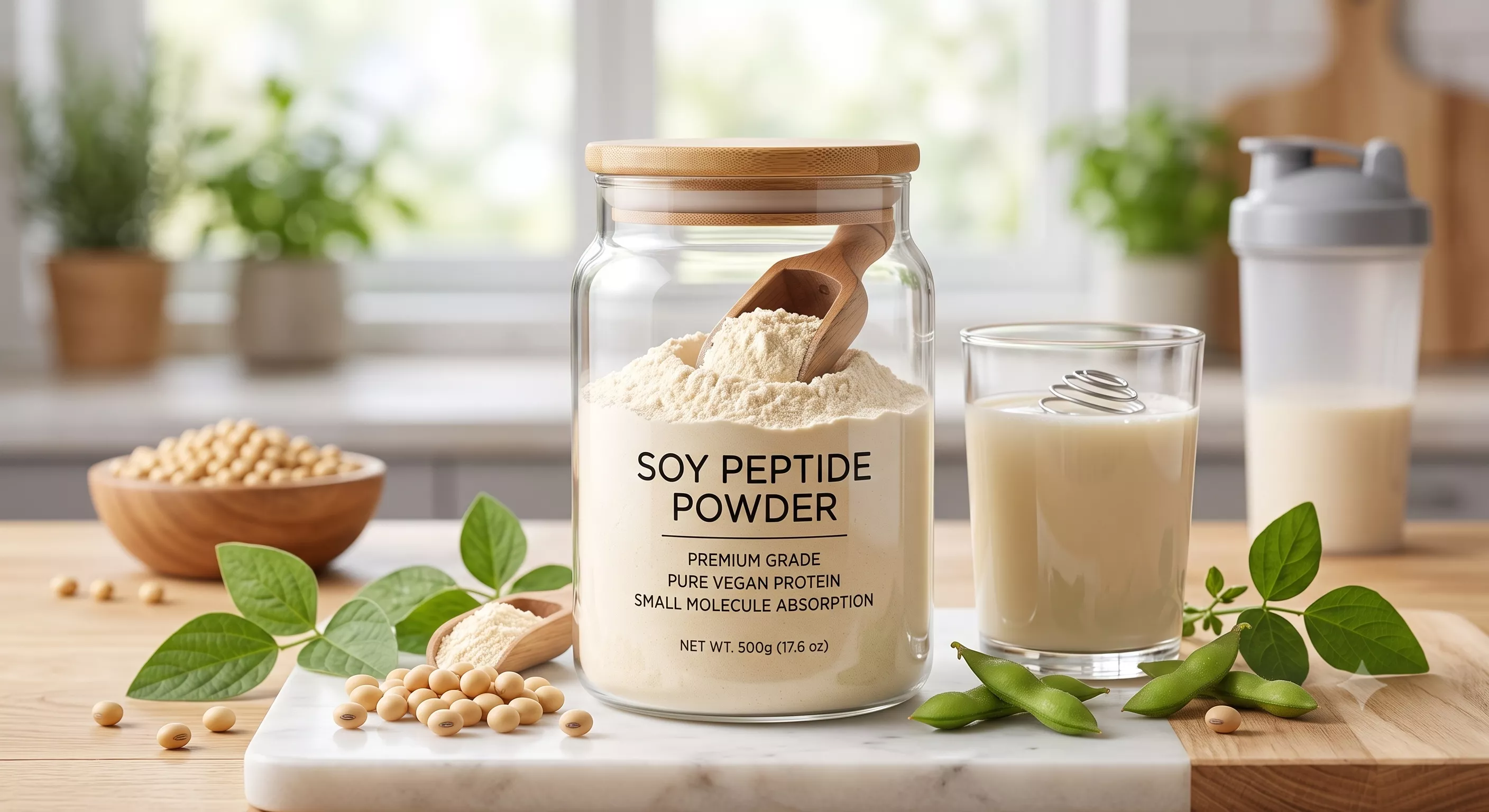
Source ultra-pure, non-GMO hydrolyzed soybean oligopeptide powder in bulk. Complete water solubility, over 80% peptides under 1000 Da. Ideal for sports nutrition and immune recovery formulas.
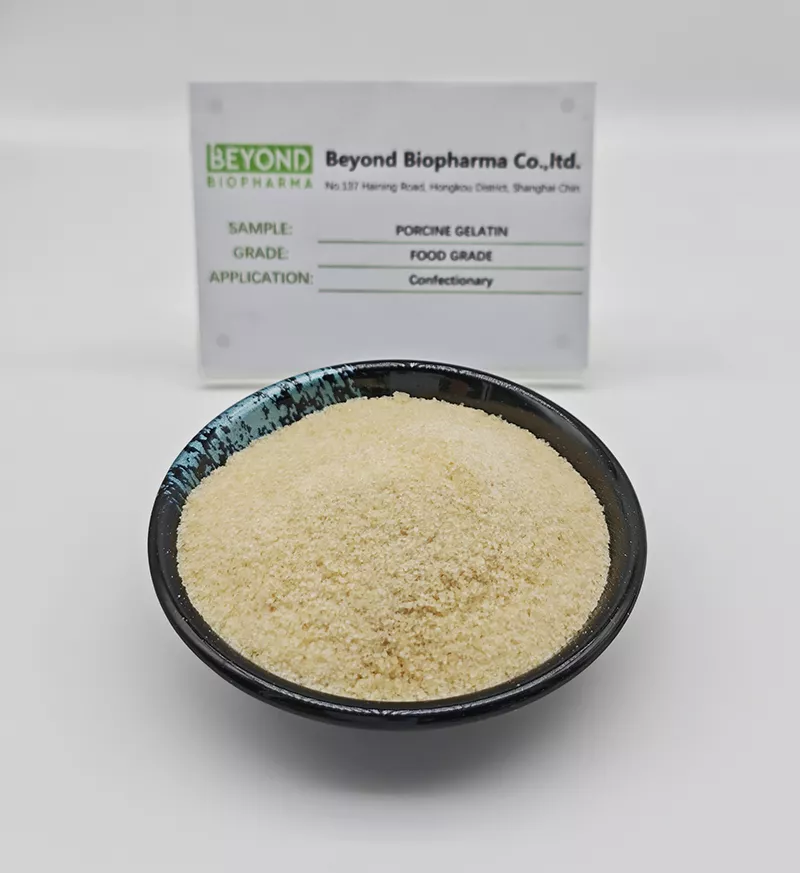
Food-grade porcine gelatin is a highly versatile and cost-effective natural protein derived from the collagen found in pig skin and bones. It is a premier gelling agent known for its exceptional clarity, neutral taste, and thermal reversibility.
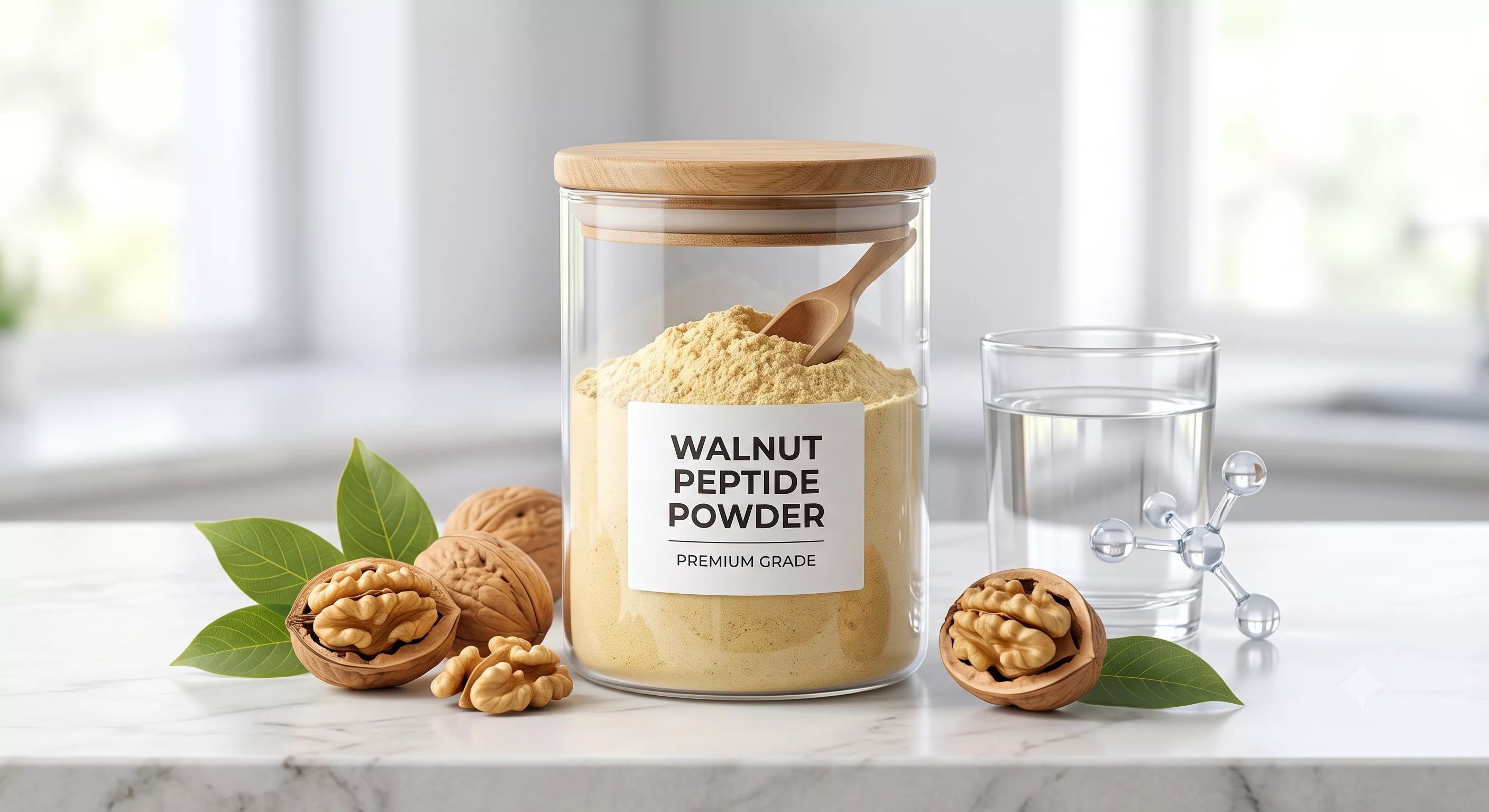
Source wholesale hydrolyzed walnut protein peptide powder in bulk. Over 85% low-molecular-weight oligopeptides rich in Glutamic Acid. Perfect for cognitive formulas and sleep aid supplements.
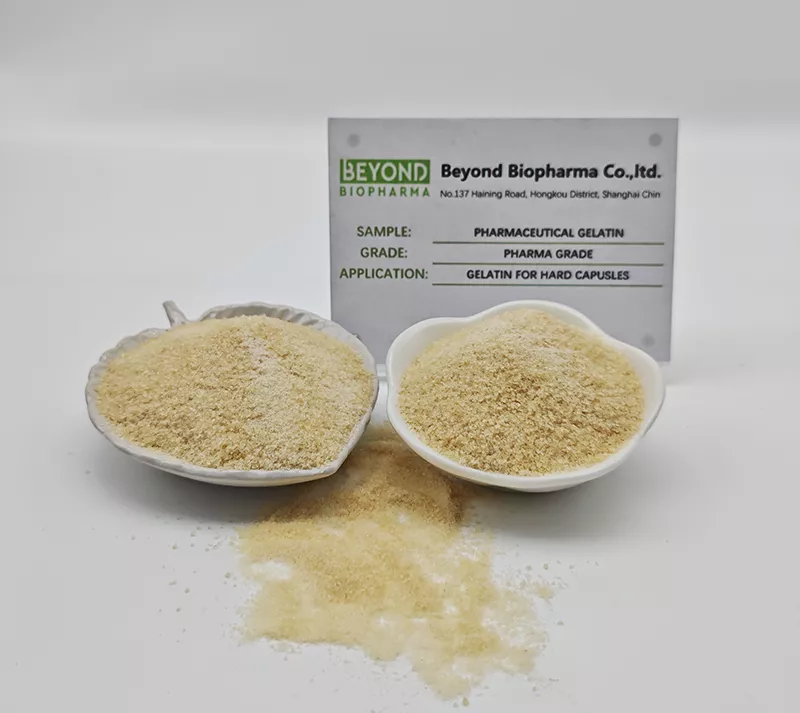
The high-strength and rapid-setting characteristics of Bovine Bone Gelatin ensure it forms a stable, uniform, and durable shell that preserves the integrity of the active pharmaceutical ingredient (API).
Select the most popular foreign trade service products to meet your diverse needs
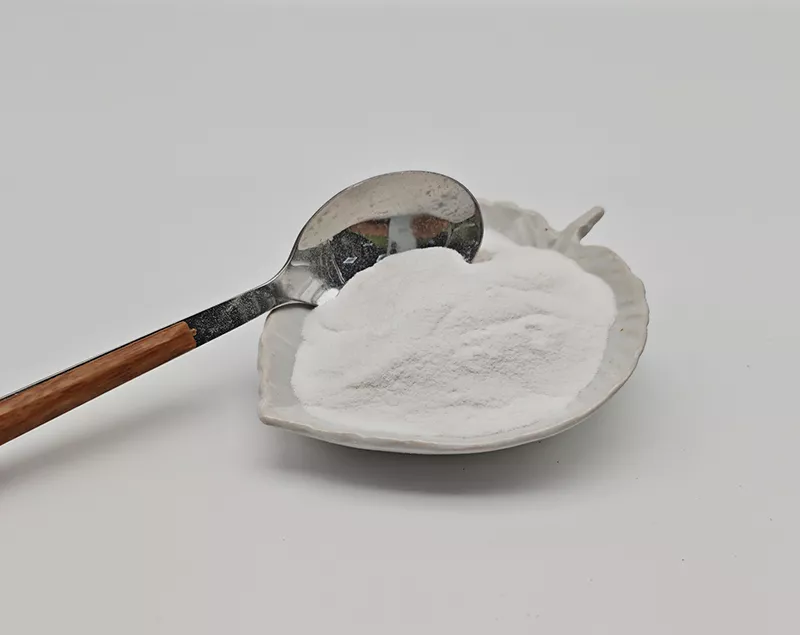
Fish Gelatin for foods is increasingly recognized as the premium alternative to traditional mammalian sources, meeting the growing global demand for clean-label ingredients that align with diverse dietary and religious requirements. Derived from the skin and scales of fish like cod and tilapia, fish gelatin offers unique functional benefits that make it an exceptional gelling, stabilizing, and texturizing agent.
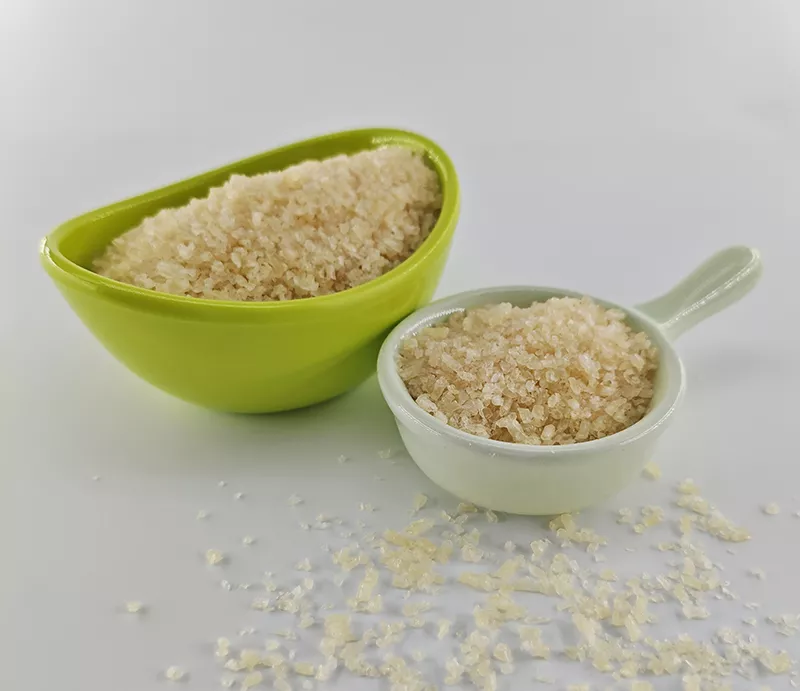
Stability, Swallowing Enhancement, and Controlled Release
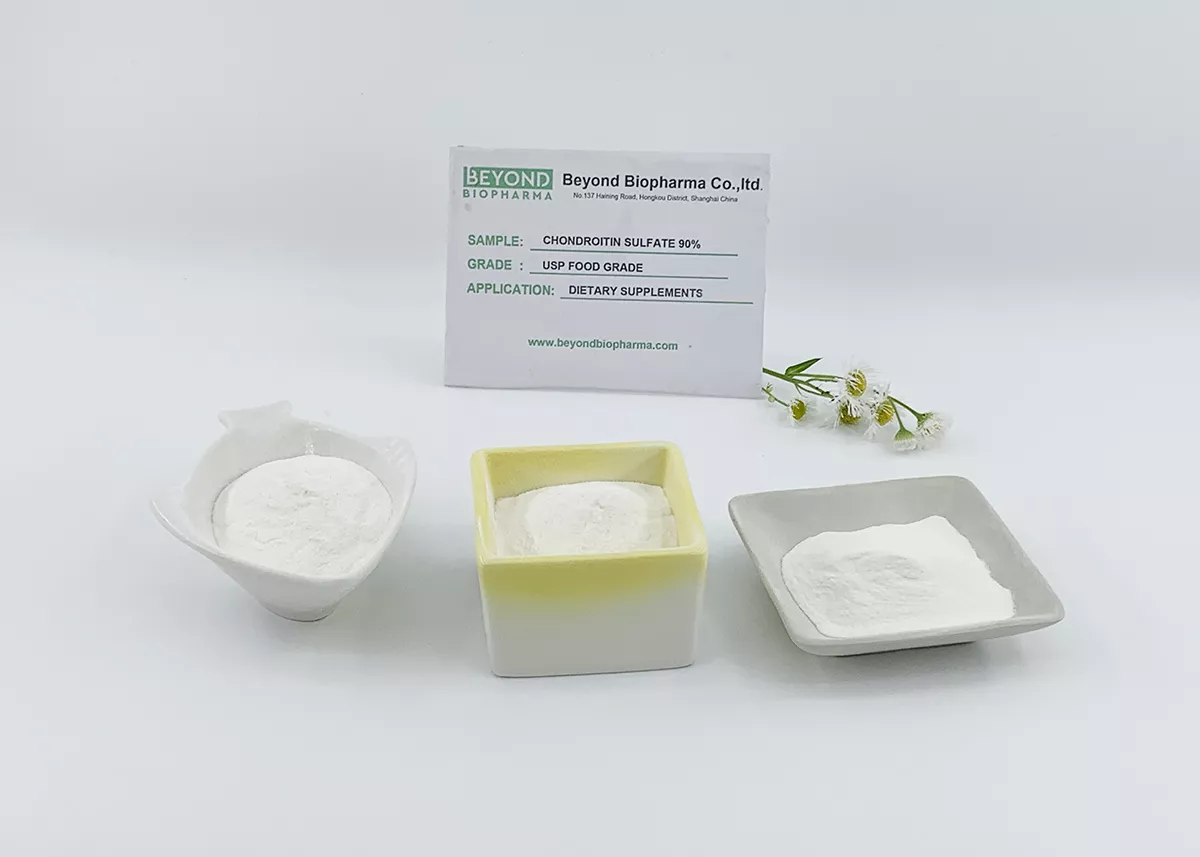
High Purity and Efficacy for Joint Health Formulations
Tel:+86 21 65010906
Cell/Whatsapp/Wechat:
+86 13482884055
+86 18657345785
Email: sales@beyondbiopharma.com





User Comments
Service Experience Sharing from Real Customers
Mike_Harper
Senior Formulation ScientistI was skeptical at first, but after running a stability test on these plant-derived peptides, the solubility and bioactivity blew me away. Our R&D team has been trying to replace synthetic options for months, and this finally checks all the boxes. No weird aftertaste in the prototype either.
Liam_Chow
Kitchen ManagerWe started using these in our plant-based protein bowls about three weeks ago. Texture is way better than the soy stuff we used before, and customers haven't complained once about bitterness. Only gave 4 stars because the packaging could be more resealable for our busy line cooks.
Jenna_Reeves
Clinical NutritionistRecommended these to a few clients dealing with post-workout recovery and mild gut sensitivity. Two of them came back saying they felt less bloated compared to whey. I'm genuinely impressed with the amino acid profile. Definitely adding this to my go-to supplement list.
Tom_Bennett
Freelance Product TesterI've tested a dozen peptide powders this year. These are decent—mix well in cold water, no clumps—but the flavor is just okay. Kinda grassy, like spirulina but milder. Not bad for the price, but I've had better from other plant sources. Would buy again if on sale.