 English EN


Gelatin sheet vs powder what science says in 2026
Gelatin sheet offers chefs better clarity, smooth texture, and consistent results than powdered gelatin, making it the top choice for desserts in 2026.
More
For procurement managers and product developers sourcing plant-derived bioactive peptide compounds, the challenge often comes down to three things: batch-to-batch consistency, solubility performance in finished formulations, and navigating certification barriers like allergen-free or vegan requirements. These hydrolyzed protein peptides, derived from sources like pea, rice, or soy, offer a functional alternative to animal-based collagen, but only if the supplier can deliver predictable specs and clean sensory profiles.
The production process for plant-derived bioactive peptide compounds typically starts with a protein-rich raw material — pea protein concentrate, rice protein, or soy protein isolate. Through controlled enzymatic hydrolysis, the long protein chains are broken down into shorter peptides, usually with a molecular weight under 5,000 Da. This step is critical because it determines solubility, digestibility, and bioactivity. Temperature and pH are carefully managed during hydrolysis to avoid bitterness or off-flavors. After hydrolysis, the peptide solution is filtered, concentrated, and spray-dried into a fine powder. The result is a highly soluble ingredient that disperses easily in water or juice without clumping, making it ideal for ready-to-mix powders, protein bars, and clear beverages.
When evaluating plant-derived bioactive peptide compounds, buyers should focus on a few core parameters. The table below summarizes typical industry ranges for common specs. Note that these are generic ranges; final values should always be confirmed via Certificate of Analysis (COA) or sample testing.
| Parameter | Typical Industry Range | Notes |
|---|---|---|
| Protein Content | 80 – 90% | Higher protein means less filler; check on dry basis. |
| Molecular Weight | Typically <5,000 Da | Lower MW often correlates with faster absorption. |
| Solubility | ≥95% in water at 20°C | Key for clear beverages and liquid formulations. |
| Moisture | ≤8% | Lower moisture improves shelf life and flowability. |
| Allergen Profile | Varies by source | Pea and rice are generally allergen-free; soy is a known allergen. |
Typical industry range; final values per COA / sample.
The versatility of plant-derived bioactive peptide compounds makes them suitable across multiple sectors. Here is how they perform in specific applications:
Beyond Biopharma, based in Shanghai, China, has been a B2B manufacturer of collagen peptides, gelatin, and plant-derived bioactive peptide compounds for over 10 years. Our products are exported to more than 50 countries. We operate a fully automatic production line with GMP clean workshops, stainless-steel sealed piping, and automated temperature/pH control to ensure consistent quality. Our annual capacity is approximately 3,000 MT for collagen and 5,000 MT for gelatin. We hold ISO 9001 certification, are US FDA registered, and select products carry Halal or Kosher certification (e.g., fish gelatin). Our bovine bone gelatin is BSE-free. An in-house lab conducts heavy-metal and microbiological testing, supported by a dedicated QA/QC team. We offer three grades — food, pharmaceutical, and cosmetic — and provide free samples along with formulation support. For plant-based formulations, our bovine collagen peptide for energy bar products and fish collagen peptide for skin health supplements are popular choices, but we also supply plant protein peptides for vegan applications.
Q: What is the difference between plant peptides and animal collagen peptides?
A: Plant peptides are derived from sources like pea, rice, or soy, making them suitable for vegan and allergen-free formulations. Animal collagen peptides come from bovine, porcine, or fish sources and have a different amino acid profile, typically higher in glycine and proline. Both are hydrolyzed for solubility, but plant peptides often have a lower molecular weight and faster absorption.
Q: How do I ensure batch-to-batch consistency when sourcing plant peptides?
A: Request a Certificate of Analysis (COA) for each batch, focusing on protein content, molecular weight distribution, solubility, and heavy-metal levels. Work with suppliers that have in-house QA/QC labs and automated production lines, like Beyond Biopharma, to minimize variability.
Q: Can plant-derived bioactive peptide compounds be used in clear beverages?
A: Yes, provided the peptide has high solubility (≥95% at 20°C) and a low molecular weight. Pea and rice peptides are particularly well-suited for clear, acidic beverages like sports drinks or vitamin waters, as they remain transparent and do not develop a bitter taste.
Q: What certifications should I look for when buying plant peptides for export?
A: Key certifications include ISO 9001 for quality management, US FDA registration for US market entry, and Halal or Kosher certification if targeting specific religious dietary requirements. Also check for allergen-free declarations and BSE/TSE-free statements if sourcing from animal-derived co-products.
Q: How do plant peptides compare to soy protein isolate in terms of functionality?
A: Plant peptides are hydrolyzed into shorter chains, offering better solubility and faster absorption than intact soy protein isolate. They also have a lower viscosity, making them easier to incorporate into liquid formulations. However, soy protein isolate has a higher protein content (around 90%) and is a common allergen, whereas pea or rice peptides are often allergen-free.
Q: What is the typical shelf life of plant-derived peptide powders?
A: When stored in a cool, dry place away from direct sunlight, plant peptide powders typically have a shelf life of 18 to 24 months from the date of manufacture. Always check the COA for specific storage recommendations and moisture content, as higher moisture can accelerate degradation.
If you are sourcing plant-derived bioactive peptide compounds for your next formulation, we invite you to share your requirements. Please provide the following details so we can send you the right samples and a competitive quote:
Contact our team at Beyond Biopharma to discuss your project. We provide free samples and formulation support to help you find the optimal peptide solution for your product line.

We provide you with comprehensive foreign trade solutions to help enterprises achieve global development
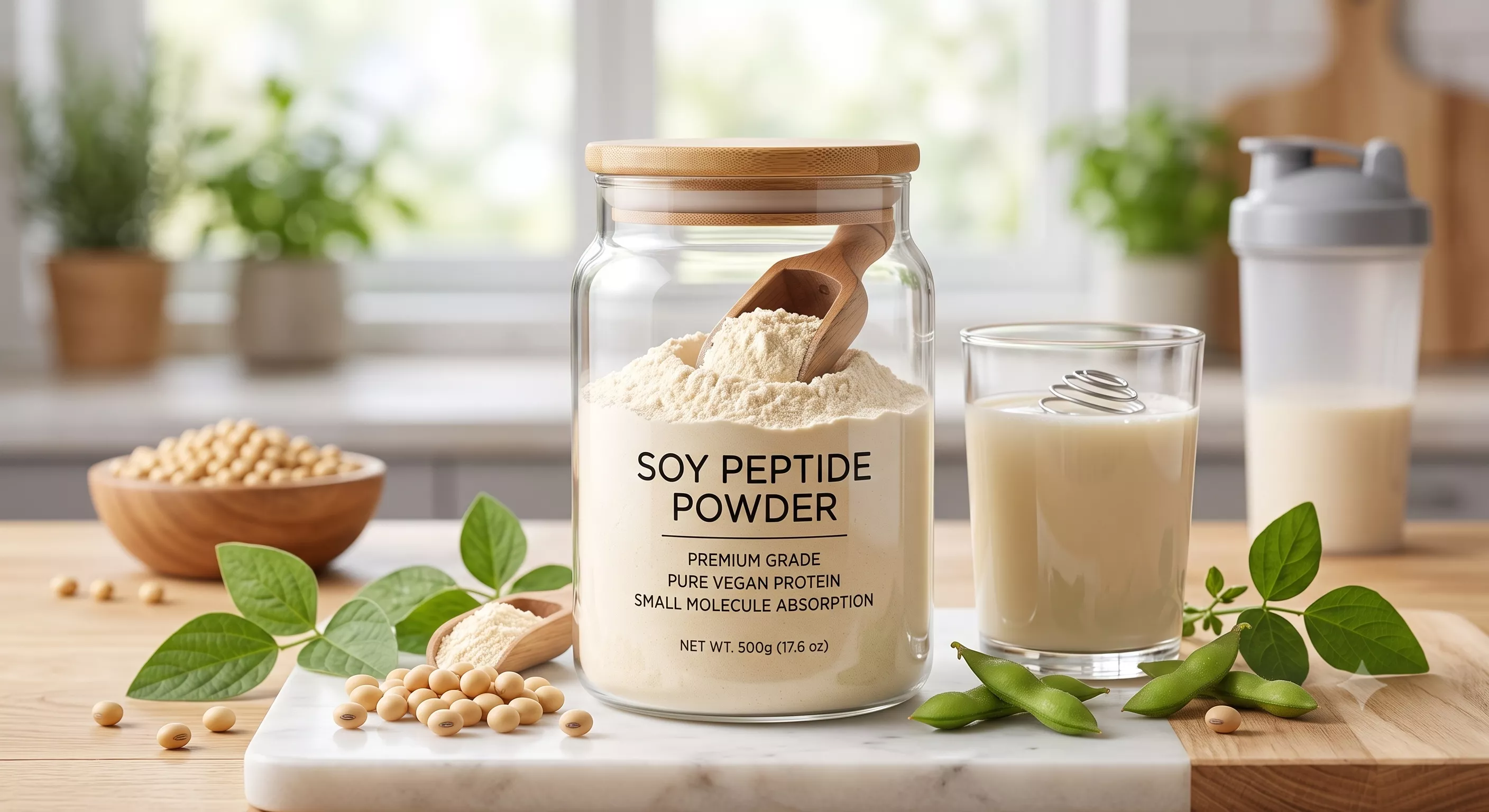
Source ultra-pure, non-GMO hydrolyzed soybean oligopeptide powder in bulk. Complete water solubility, over 80% peptides under 1000 Da. Ideal for sports nutrition and immune recovery formulas.
High Molecular Weight for Superior Joint, Skin, and Eye Health.
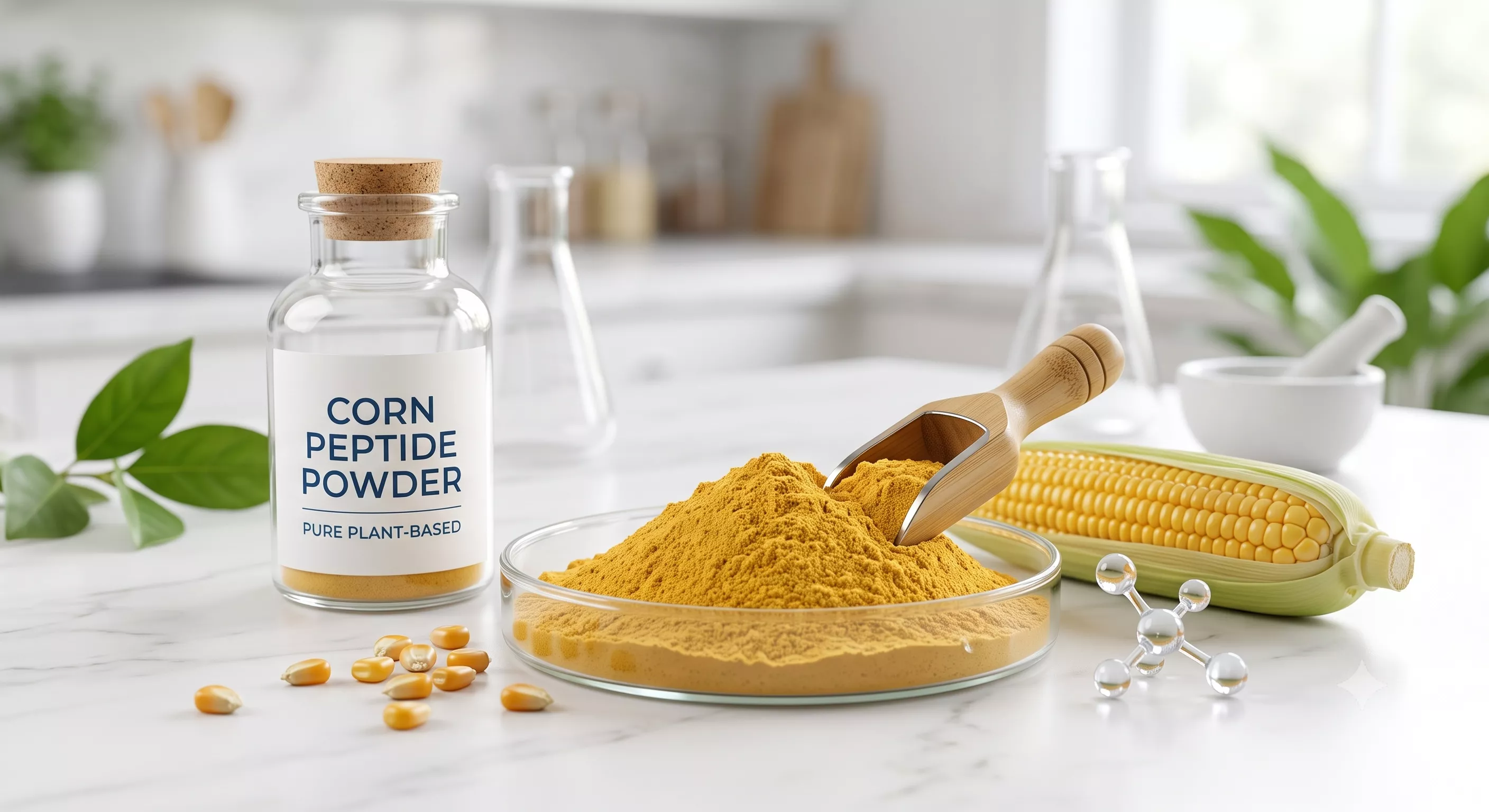
Source high-purity wholesale hydrolyzed corn protein peptide powder in bulk. Over 85% oligopeptides under 1000 Da. Rich in Alanine and Leucine for liver support and sobriety formulas.
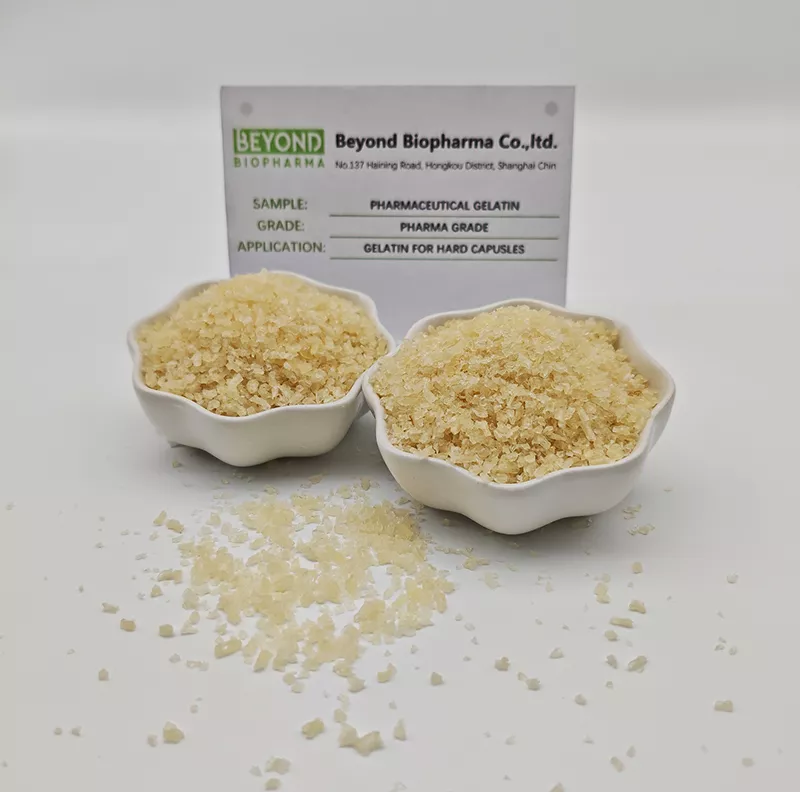
Precision, Purity, and Optimal Machinability
Select the most popular foreign trade service products to meet your diverse needs
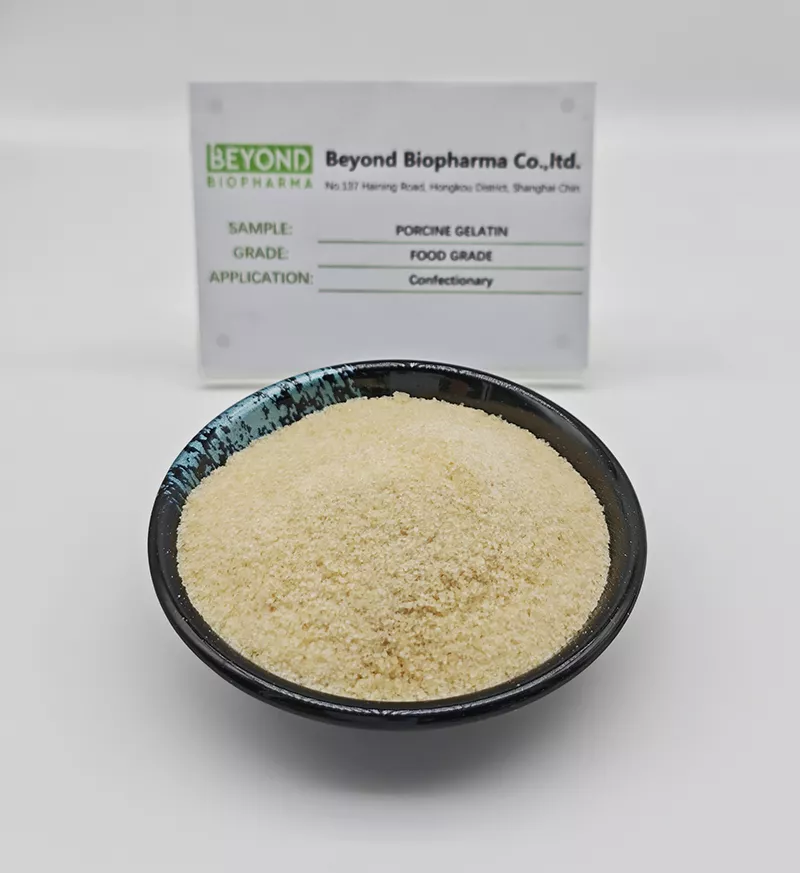
Food-grade porcine gelatin is a highly versatile and cost-effective natural protein derived from the collagen found in pig skin and bones. It is a premier gelling agent known for its exceptional clarity, neutral taste, and thermal reversibility.
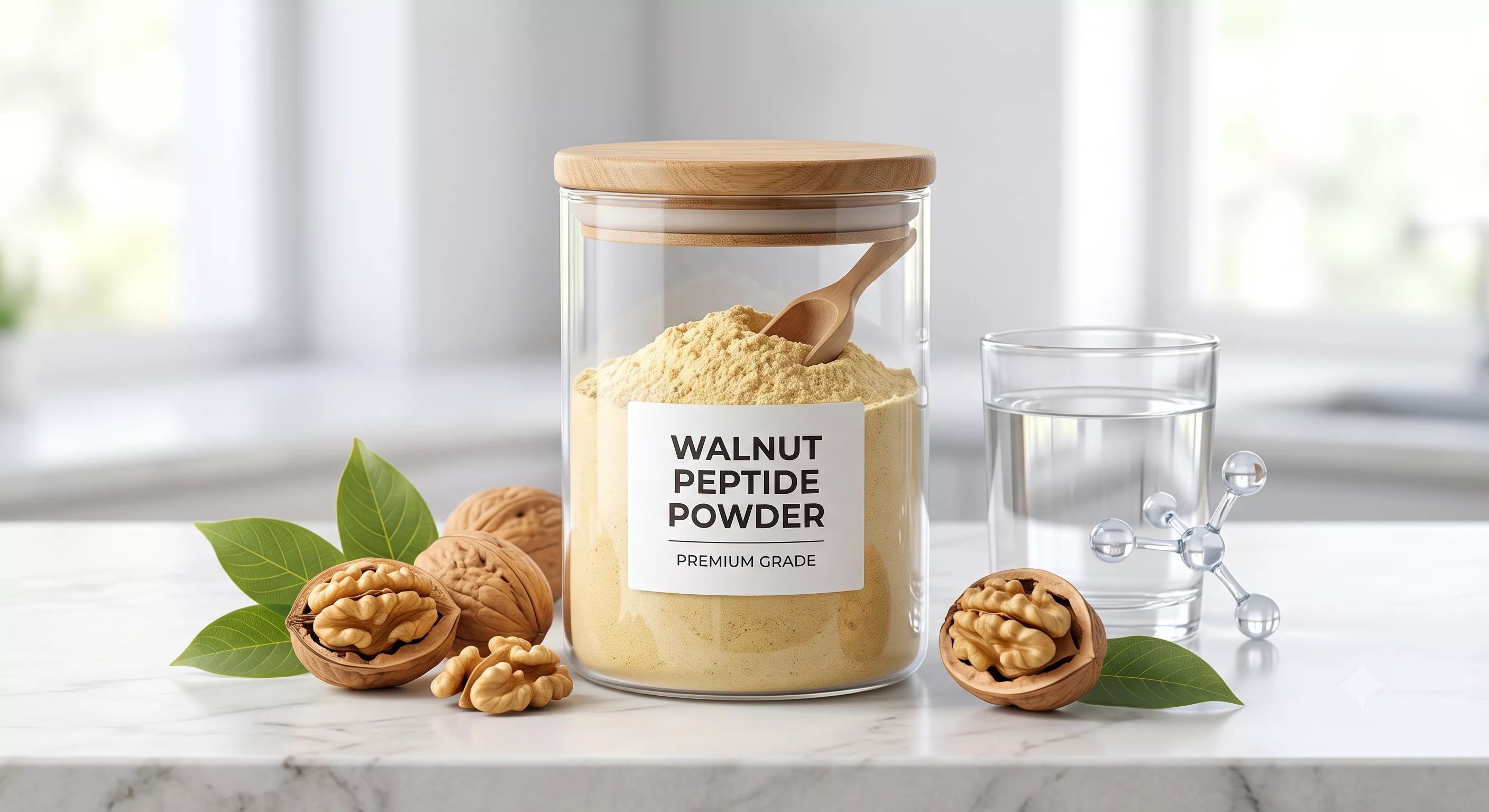
Source wholesale hydrolyzed walnut protein peptide powder in bulk. Over 85% low-molecular-weight oligopeptides rich in Glutamic Acid. Perfect for cognitive formulas and sleep aid supplements.
Source ultra-pure, non-GMO hydrolyzed soybean oligopeptide powder in bulk. Complete water solubility, over 80% peptides under 1000 Da. Ideal for sports nutrition and immune recovery formulas.
Tel:+86 21 65010906
Cell/Whatsapp/Wechat:
+86 13482884055
+86 18657345785
Email: sales@beyondbiopharma.com





User Comments
Service Experience Sharing from Real Customers
Mia
Senior Formulation ScientistI’ve been testing this plant-derived bioactive peptide in our new anti-aging serum for three months. The stability in formulation is impressive—no degradation even after accelerated aging tests. My lab team noticed a significant boost in collagen synthesis markers. Finally, a natural peptide that actually delivers without the synthetic side effects.
Ethan
Clinical Research CoordinatorWe ran a small pilot on post-surgical wound healing using this peptide. Patients reported less scarring and faster closure compared to our standard treatment. Only gave it 4 stars because the solubility in saline was a bit tricky—had to vortex longer than usual. But the bioactivity is solid.
Priya
Organic Farm ManagerI’m not a scientist, but I’ve been adding this peptide to our foliar spray for a trial on lettuce. The plants look greener and have way less fungal damage. My workers even noticed the leaves are thicker. For an organic operation, this is a game-changer. No weird chemicals, just real results.
Liam
QA TechnicianWe use this peptide as a natural preservative booster in our ready-to-eat meals. It extended shelf life by about 3 days without altering taste or texture. The only downside is the cost per gram—still higher than synthetic options. But for clean-label products, it’s worth every penny.