 English EN


What Food Products Are Made With Edible Gelatin
Edible gelatin is found in gummy candies, marshmallows, yogurt, fruit snacks, jello, trifles, and many processed foods. Check labels for gelatin sources.
More
Bioactive plant peptides are short-chain protein fragments derived from plant sources like pea, rice, and soy through controlled enzymatic hydrolysis. For overseas buyers in the food ingredient, nutraceutical, and pharmaceutical sectors, these peptides offer a clean-label, allergen-friendly alternative to animal-derived proteins. They matter because they combine high digestibility, targeted bioactivity (antioxidant, ACE-inhibitory, mineral-binding), and formulation versatility—without the fishy smell or ethical concerns tied to collagen or gelatin. This article breaks down what they are, how they work, their typical specs, and how to source them reliably from a manufacturer like Beyond Biopharma.
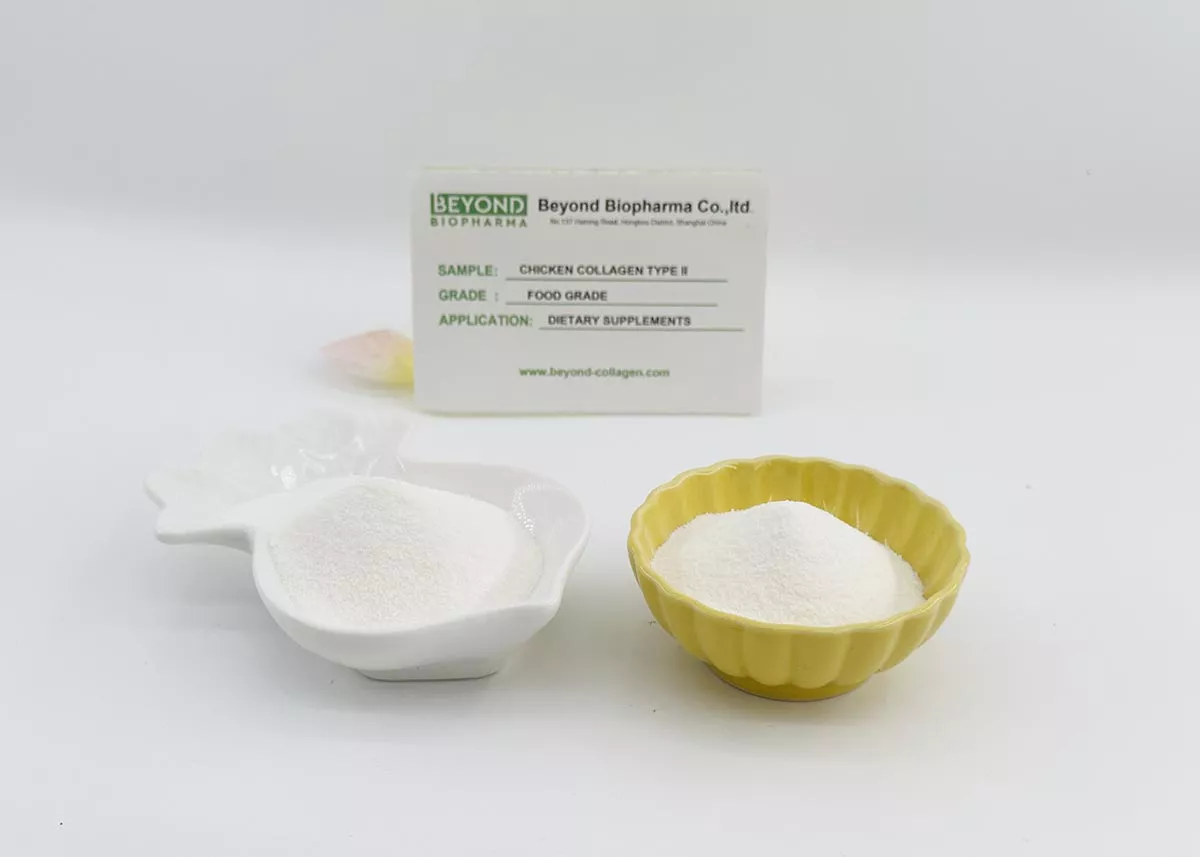
Bioactive plant peptides are hydrolyzed protein fragments typically ranging from 2 to 20 amino acids in length. They are produced by breaking down whole plant proteins (e.g., pea, rice, soy) using specific enzymes under controlled temperature and pH. Unlike intact protein, these peptides are small enough to be absorbed rapidly in the gut and can exert physiological effects beyond basic nutrition. Common bioactivities include antioxidant activity, blood pressure modulation (ACE inhibition), and enhanced mineral solubility (calcium, iron). For product developers, they solve a real sourcing pain point: batch-to-batch consistency in solubility and odor, especially when replacing animal-based ingredients in vegan or allergen-free formulations.
The production process starts with selecting a high-protein plant source—typically pea, rice, or soy. The protein is extracted, then subjected to enzymatic hydrolysis using food-grade proteases. Temperature, pH, and hydrolysis time are tightly controlled to achieve a target molecular weight profile, usually below 5,000 Da. The resulting hydrolysate is then spray-dried into a fine powder. In application, these peptides work by surviving partial digestion in the stomach and being absorbed in the small intestine as di- and tripeptides. Their small size and specific amino acid sequences allow them to interact with cellular receptors or enzymes, triggering bioactive responses. For example, pea-derived peptides have shown ACE-inhibitory activity in clinical models, while rice peptides are valued for their antioxidant properties.
Below is a table of common parameter ranges for plant protein peptides. These are typical industry ranges; final values per COA/sample will vary by source and hydrolysis conditions.
| Parameter | Typical Range (Industry Standard) | Notes |
|---|---|---|
| Protein Content | 80–90% | Dry weight basis |
| Molecular Weight | Typically | Lower MW = faster absorption |
| Solubility | ≥95% (in water at 20°C) | Key for clear beverages |
| Moisture | ≤8% | Standard for powder stability |
| pH (1% solution) | 5.0–7.0 | Varies by source |
| Heavy Metals | Per USP/EP limits |
Bioactive plant peptides are used across food, nutraceutical, and pharmaceutical applications. Here is selection guidance by industry:
Beyond Biopharma is a Shanghai, China–based manufacturer with over 10 years of experience in the food-ingredient industry. Our products are exported to more than 50 countries. We operate a fully automatic production line with GMP clean workshops, stainless-steel sealed piping, and automated temperature/pH control. Our annual capacity is approximately 3,000 MT for collagen and 5,000 MT for gelatin, and we also produce Food Grade Hyaluronic Acid and joint health ingredients like Bovine Chondroitin Sulfate Sodium. We hold ISO 9001 certification, are US FDA registered, and select products carry Halal or Kosher certifications. Our in-house lab performs heavy-metal and microbiological testing, and we have a dedicated QA/QC team. We offer three grades—food, pharmaceutical, and cosmetic—and provide free samples along with formulation and selection support.
Yes, but it depends on the source. Pea and rice peptides are naturally gluten-free and soy-free. Soy peptides are not suitable for soy-allergic individuals. Always request an allergen declaration from your supplier. Beyond Biopharma provides clear allergen documentation for all Fish Collagen Peptide and plant peptide batches.
Both are highly bioavailable when hydrolyzed to low molecular weight (below 5,000 Da). Plant peptides from pea or rice typically have a different amino acid profile—lower in glycine and proline—so they support different bioactivities. Collagen peptides are richer in hydroxyproline, which is linked to skin and joint benefits. Choose based on your target application.
Under proper storage conditions (cool, dry place, below 25°C, away from direct sunlight), plant peptide powders typically have a shelf life of 24 to 36 months from the date of manufacture. Always check the COA for specific stability data.
Yes, provided the peptide has high solubility (≥95%) and low turbidity. Rice and pea peptides with molecular weight below 3,000 Da generally produce clear solutions at low pH (3.0–4.5). Request a solubility test sample before bulk ordering.
Quality plant peptides have a mild, neutral flavor and very low odor. Poorly processed peptides can have a bitter or beany taste. Beyond Biopharma uses controlled enzymatic hydrolysis to minimize off-flavors. We recommend sensory evaluation of samples before formulation.
For pharmaceutical use, you typically need GMP compliance, ISO 9001, and sometimes USP/EP monographs. Beyond Biopharma is ISO 9001 certified and US FDA registered. We also offer Halal and Kosher certifications on select products. Always confirm with your QA team.
If you are evaluating bioactive plant peptides for your next product, we invite you to contact Beyond Biopharma. Please provide the following details so we can send you a tailored quote and free sample:
Our team will respond with a product data sheet, COA, and pricing within 1–2 business days. We support custom bulk supply and formulation/OEM. Bioactive plant peptides are a growing category—partner with a manufacturer who understands quality and consistency.

We provide you with comprehensive foreign trade solutions to help enterprises achieve global development
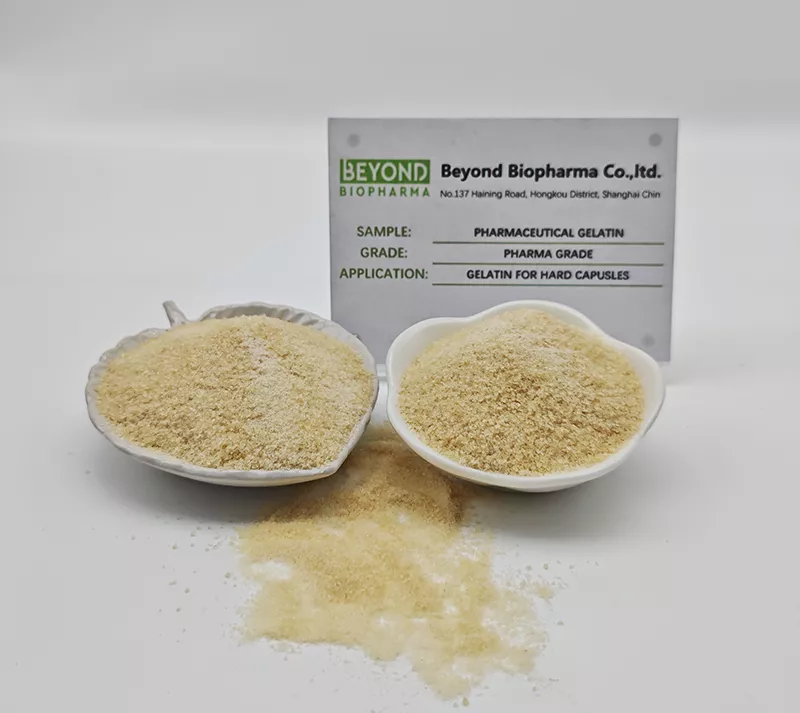
The high-strength and rapid-setting characteristics of Bovine Bone Gelatin ensure it forms a stable, uniform, and durable shell that preserves the integrity of the active pharmaceutical ingredient (API).
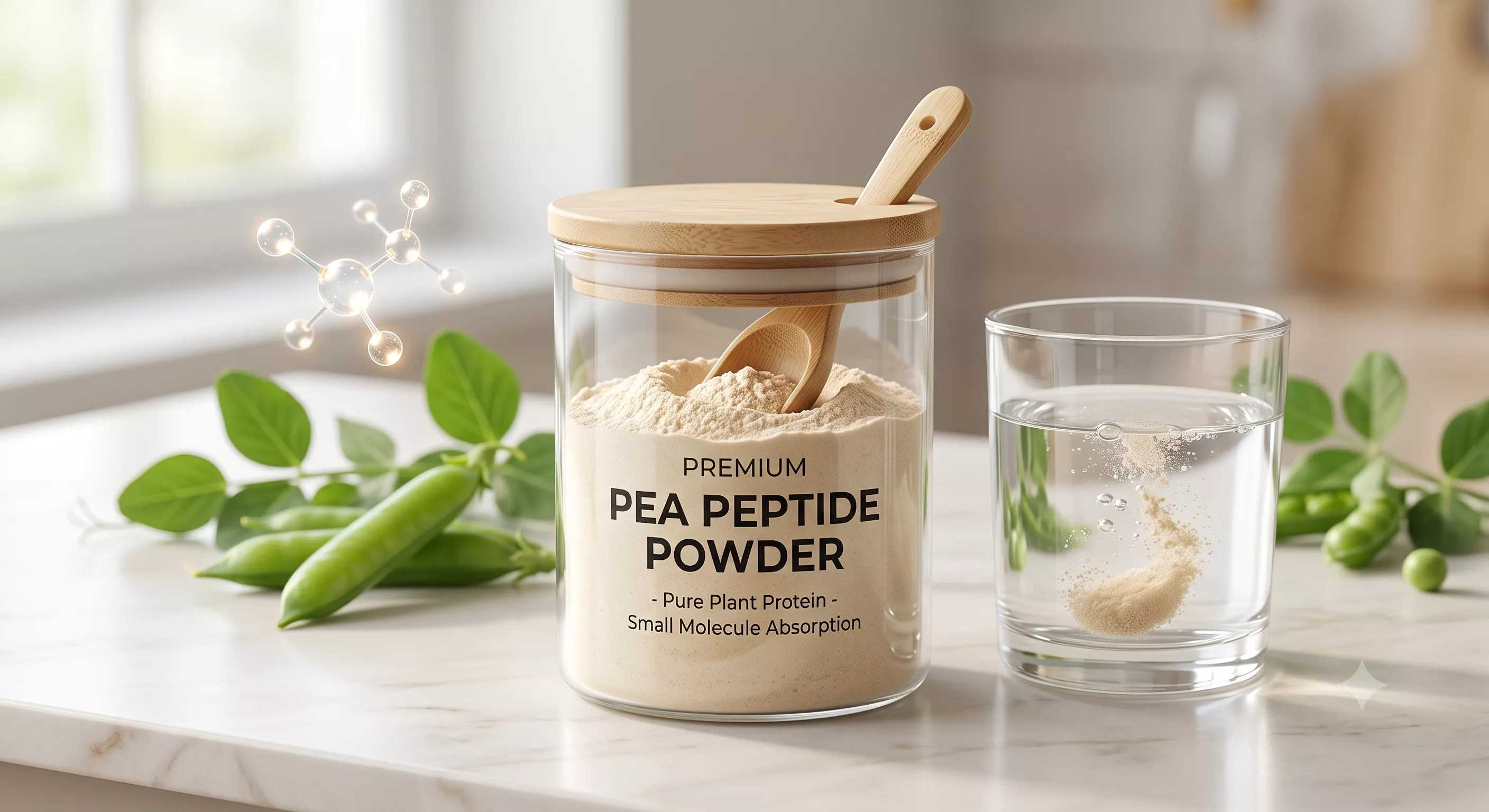
Source high-purity, hypoallergenic hydrolyzed pea peptide powder in bulk. Complete water solubility, rich in BCAAs, ideal for vegan recovery formulas.
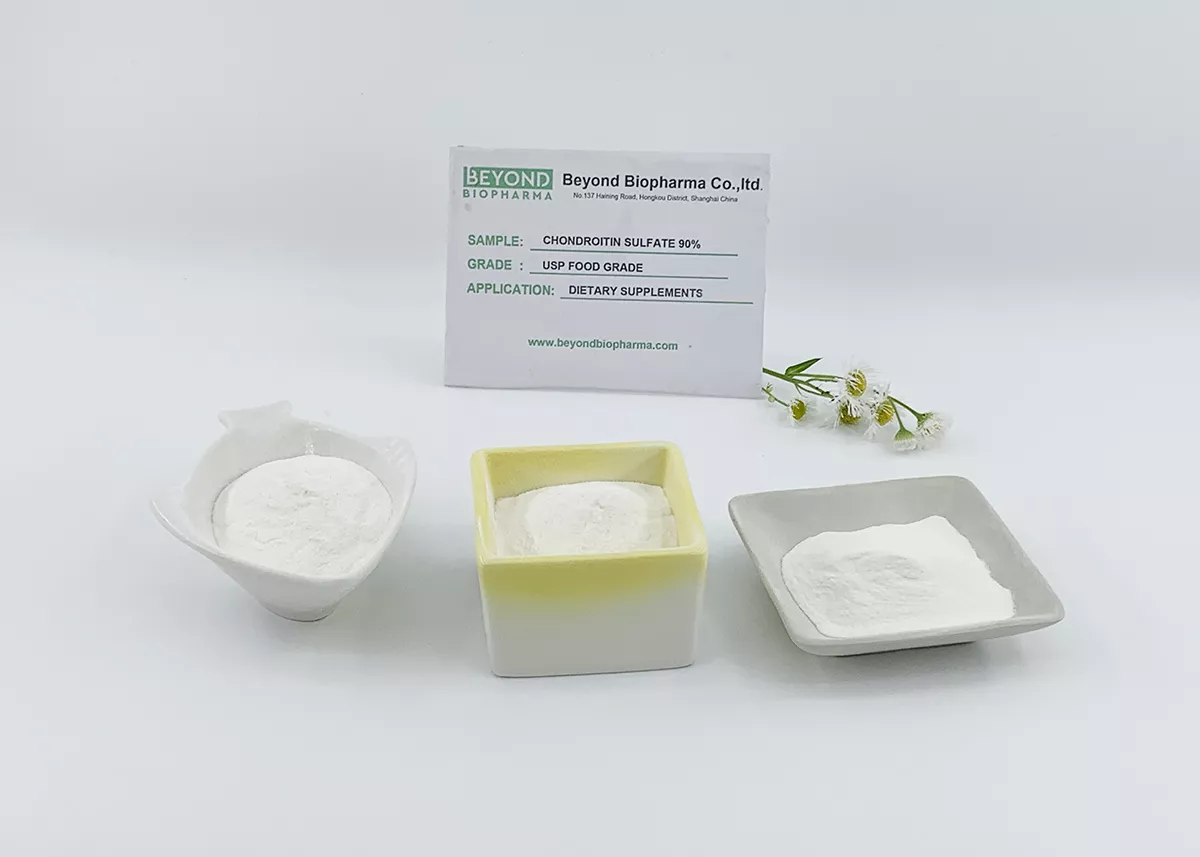
High Purity and Efficacy for Joint Health Formulations
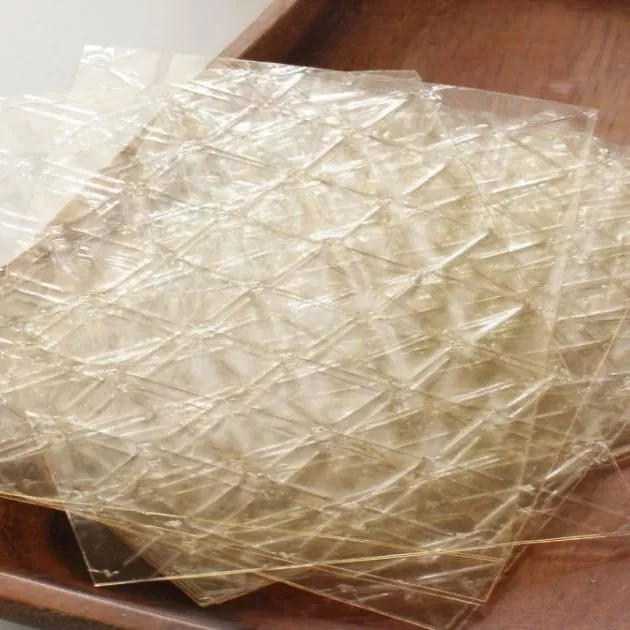
Our Gelatin Sheets are produced to precise standards, ensuring consistency and reliability across different Bloom grades (Silver being the most common professional choice).
Select the most popular foreign trade service products to meet your diverse needs
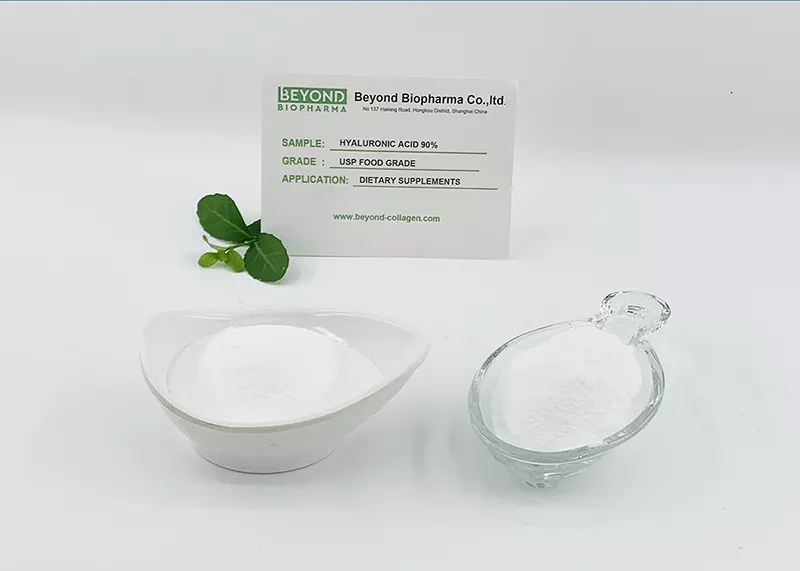
High Molecular Weight for Superior Joint, Skin, and Eye Health.
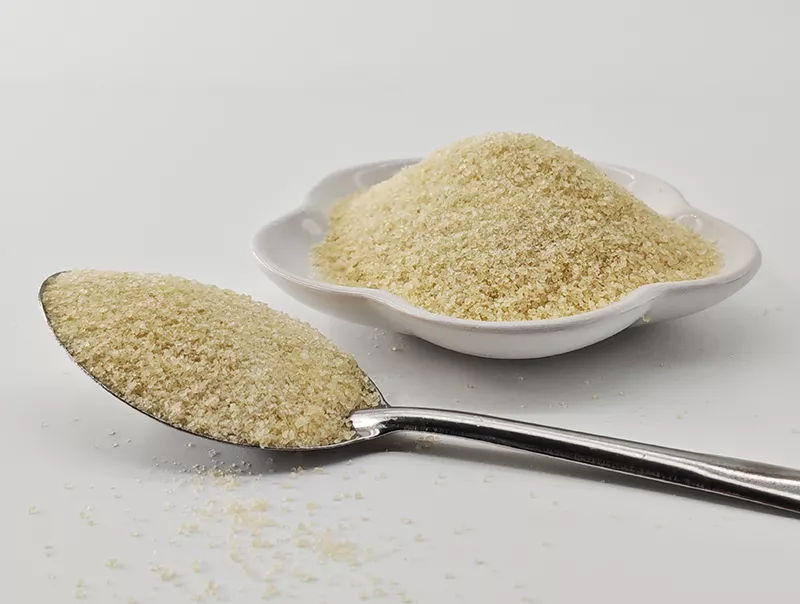
The High-Performance Barrier for Core Material Protection and Controlled Release.
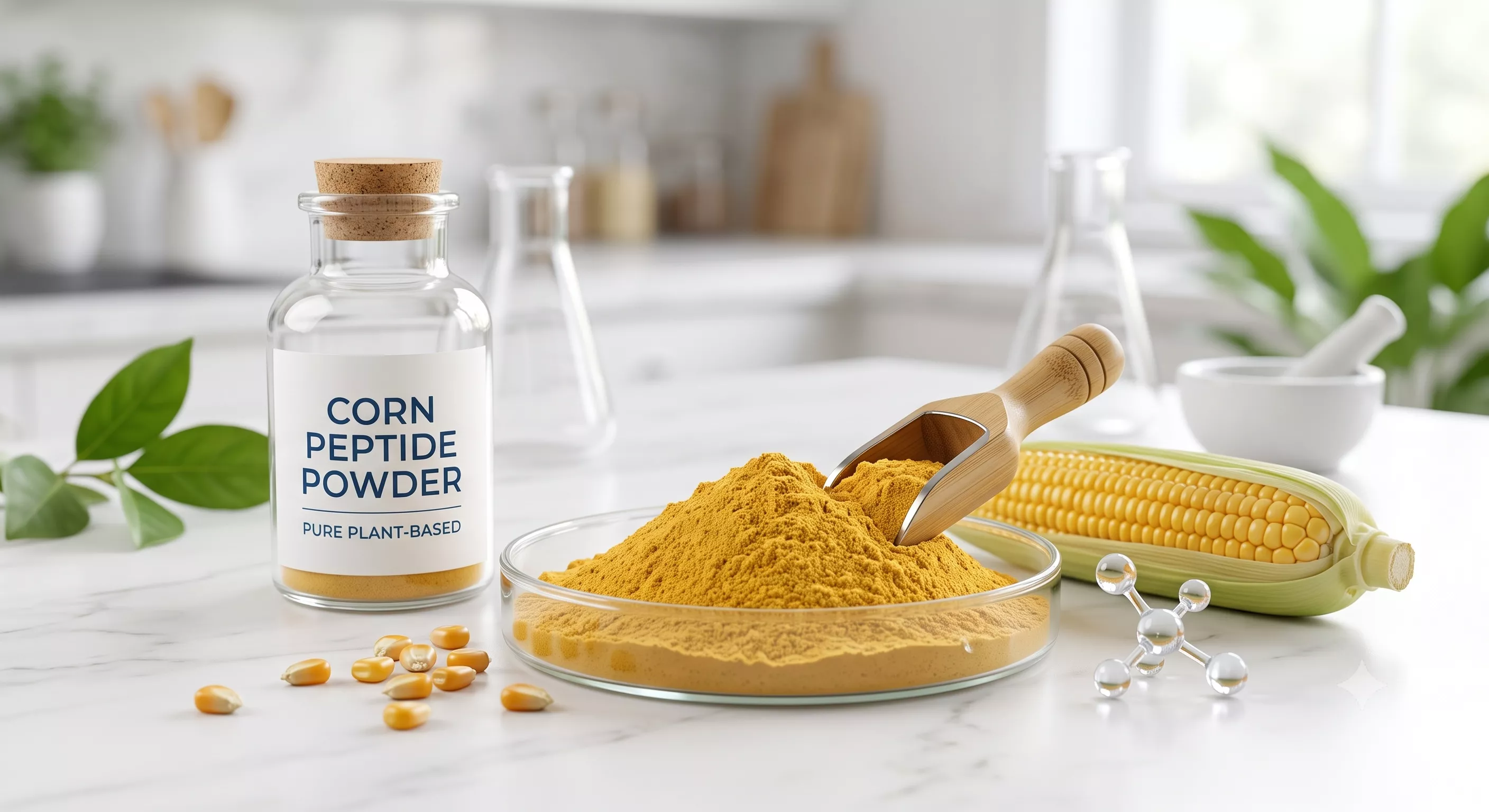
Source high-purity wholesale hydrolyzed corn protein peptide powder in bulk. Over 85% oligopeptides under 1000 Da. Rich in Alanine and Leucine for liver support and sobriety formulas.
Tel:+86 21 65010906
Cell/Whatsapp/Wechat:
+86 13482884055
+86 18657345785
Email: sales@beyondbiopharma.com





User Comments
Service Experience Sharing from Real Customers
Clara
Lead Formulation ScientistI’ve been testing these bioactive plant peptides in our new skincare line for about three months now. The stability in formulation is impressive—no degradation even after accelerated aging tests. Our clinical trial subjects are reporting visibly firmer skin. Honestly, this is the first ingredient that’s made me genuinely excited about plant-based actives again.
Marcus
Organic Farm ManagerWas a bit skeptical at first—heard so many buzzwords around “bioactive peptides” that I thought it was just marketing fluff. But after applying them as a foliar treatment on our tomato crop, I saw a measurable boost in stress tolerance during that heatwave last month. Leaves stayed greener longer. Would love to see more data on long-term soil impact, but so far, solid results.
Priya
Senior R&D NutritionistWe incorporated these peptides into a plant-based protein powder for elderly patients with muscle wasting. The bioavailability in simulated digestion models was way better than our previous hydrolysates. And the taste? No bitterness—that alone is a win in my book. My only regret is not switching sooner.
Tomás
Graduate ResearcherI’m using these in a lab study on plant defense signaling. The peptides definitely trigger a jasmonate response in Arabidopsis, which is cool, but the batch-to-batch consistency could be tighter—I saw some variation in molecular weight distribution between lots. For pure research it’s manageable, but I’d be cautious if you’re scaling up for commercial use. Still, the concept is solid.