 English EN


Porcine gelatin always protects vaccines from harm
Porcine gelatin stabilizes vaccines, ensuring safety and effectiveness. Most people tolerate it well, with rare allergic reactions and strict quality controls.
More
Sourcing the right gelatin in food applications often comes down to three real pain points: batch-to-batch consistency, solubility and odor control, and navigating the growing demand for allergen-free or vegan alternatives. Whether you are a purchasing manager for a gummy manufacturer or an R&D developer formulating a new nutraceutical softgel, understanding the types of gelatin available and how they perform is critical to product success. This guide breaks down the key differences, typical specifications, and practical selection advice to help you make an informed decision.
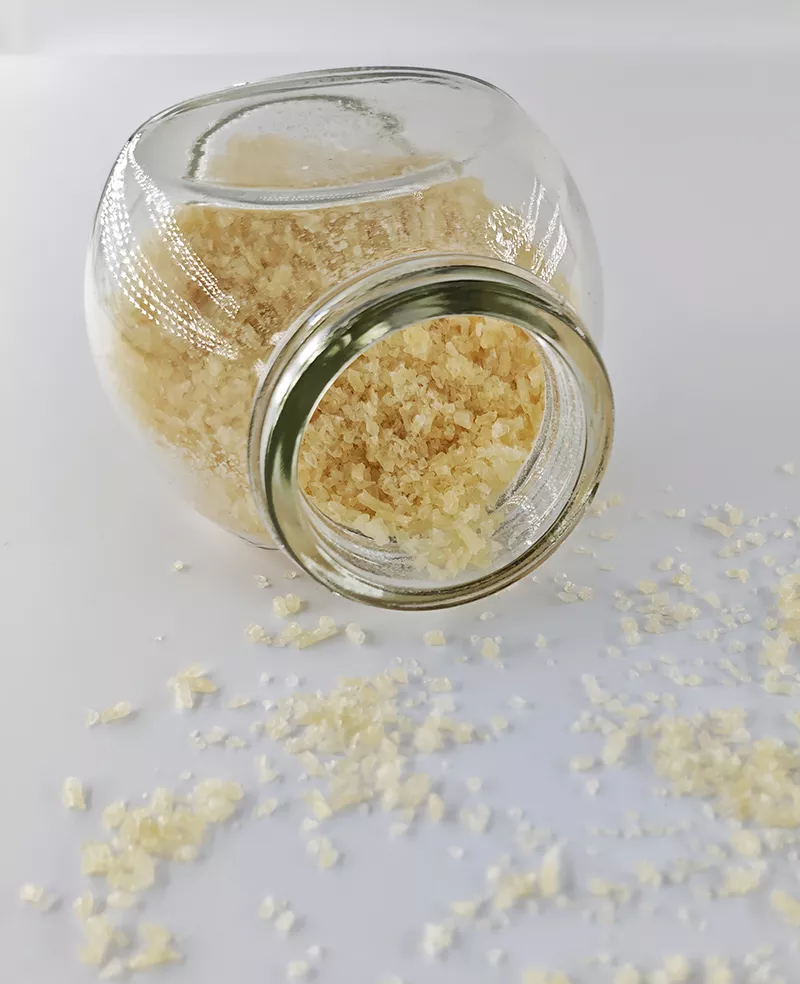
Gelatin is derived from collagen through controlled hydrolysis. The source animal (bovine, porcine, or fish) and the extraction process directly influence its gel strength, viscosity, and melting point. For gelatin in food, the key performance factors are Bloom value (gel strength measured in grams), viscosity, and mesh size. Higher Bloom values (e.g., 200–260 g) create firmer gels ideal for gummies and confectionery, while lower Bloom (50–100 g) is used for softer textures in desserts or dairy. Enzymatic hydrolysis produces collagen peptides with lower molecular weight (2,000–5,000 Da), which dissolve easily in cold water and are absorbed faster—making them preferred for sports nutrition and beauty supplements.
When evaluating suppliers, you will encounter a range of technical parameters. Below is a summary of common industry ranges for the main types of gelatin in food and pharmaceutical grades. Note that these are typical industry ranges; final values should always be confirmed per Certificate of Analysis (COA) and sample testing.
| Parameter | Edible Gelatin (Bovine/Porcine/Fish) | Pharmaceutical Gelatin | Collagen Peptides (Fish/Bovine) |
|---|---|---|---|
| Bloom (g) | 50–300 (typical industry range) | 150–260 (hard capsules, softgels) | N/A (no gel strength) |
| Viscosity (mPa·s) | 2.0–5.5 | 3.0–6.0 (ultra-high for softgels) | N/A |
| Mesh Size | 8–60 | 8–40 | 20–80 |
| Moisture (%) | ≤14 | ≤12 | ≤8 |
| Protein (%) | ≥85 | ≥90 | ≥90 |
| Molecular Weight (Da) | N/A | N/A | 2,000–5,000 (typical industry range) |
Typical industry range; final values per COA / sample.
Selecting the correct type of gelatin in food depends on your end product and processing conditions. Here is a practical guide by industry:
Based in Shanghai, China, Beyond Biopharma has been a reliable B2B manufacturer of collagen peptides, gelatin, and plant protein peptides for over 10 years. Our products are exported to more than 50 countries, and we support custom bulk supply as well as formulation and OEM services. Our facility has an annual capacity of approximately 3,000 MT for collagen and 5,000 MT for gelatin, operated with fully automatic production lines, GMP clean workshops, stainless-steel sealed piping, and automated temperature and pH control. We hold ISO 9001 certification, are US FDA registered, and select products carry Halal or Kosher certifications. Our bovine bone gelatin is BSE-free, and our in-house lab conducts heavy-metal and microbiological testing with a dedicated QA/QC team. Whether you need edible bovine gelatin for food applications or pharmaceutical-grade gelatin for capsules, we offer free samples and formulation support across food, pharmaceutical, and cosmetic grades.
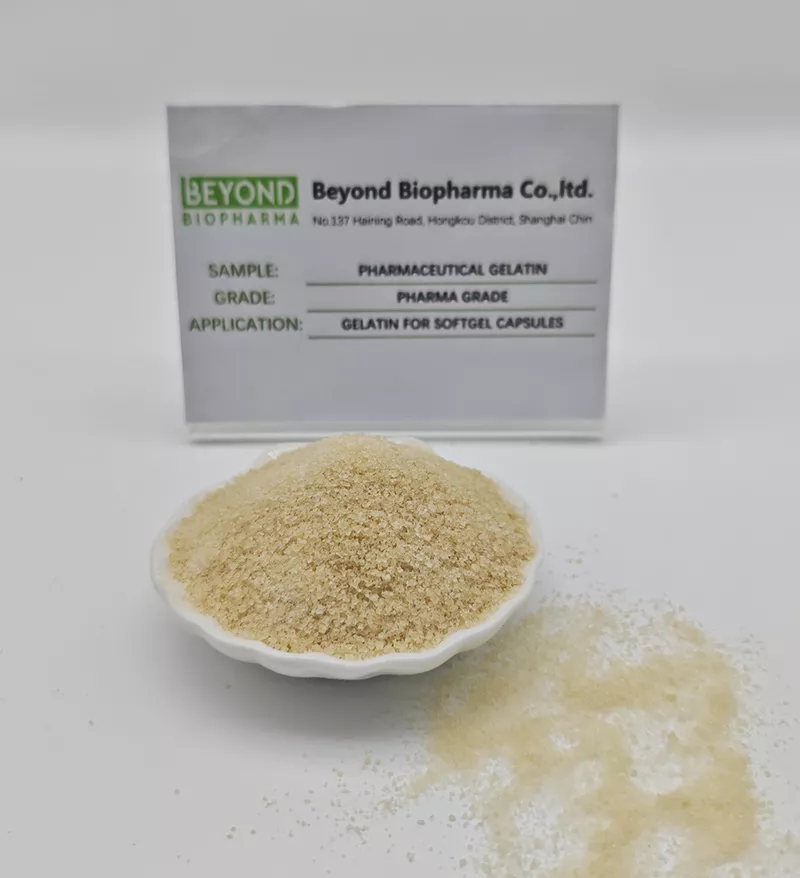
Q: What is the difference between edible gelatin and pharmaceutical gelatin?
A: The main difference is purity and specification control. Pharmaceutical gelatin meets stricter limits on heavy metals, microbial content, and viscosity consistency, making it suitable for capsule shells and tablet coating. Edible gelatin is produced for food applications like gummies and desserts, with a wider range of Bloom and mesh sizes.
Q: Can gelatin in food be replaced with plant-based alternatives?
A: Yes, but the texture and functionality differ. Plant protein peptides (pea, rice, soy) do not form a gel like gelatin. They are better suited for beverages, bars, and supplements where solubility and protein content are priorities. For gummy-like textures, pectin or agar-agar are common vegan alternatives, though they require different processing conditions.
Q: How do I choose between bovine and fish gelatin?
A: Bovine gelatin offers higher gel strength and is cost-effective for most food applications. Fish gelatin has a lower melting point and is preferred for soft capsules and products requiring a kosher or halal certification. Fish collagen peptides also have a lower molecular weight, which may enhance absorption in nutraceuticals.
Q: What certifications should I look for when sourcing gelatin?
A: Key certifications include ISO 9001 for quality management, US FDA registration for export to the US, and Halal or Kosher for specific religious dietary requirements. For bovine gelatin, ensure the supplier provides BSE-free documentation. Always request a COA to verify Bloom, viscosity, and microbiological data.
Q: How does molecular weight affect collagen peptide performance?
A: Lower molecular weight (2,000–3,000 Da) peptides dissolve more easily in cold water and are absorbed more quickly by the body. Higher molecular weight peptides (4,000–5,000 Da) may have slightly better stability in some formulations. The choice depends on your target application—sports drinks typically use lower molecular weight, while capsules can use a wider range.
Q: What is the minimum order quantity (MOQ) for custom gelatin orders?
A: MOQ varies by product and grade. For standard edible gelatin, typical MOQ starts at 500 kg. For pharmaceutical-grade or custom-spec products, MOQ may be higher. Contact the supplier with your target application and volume to get a precise quote and free sample.
If you are evaluating different types of gelatin in food or need a reliable partner for collagen peptides, plant protein peptides, or joint health ingredients, we invite you to reach out. Provide your specific application, required grade (food, pharmaceutical, or cosmetic), estimated quantity or MOQ, target specifications (Bloom, mesh, molecular weight, certifications), and destination country. Beyond Biopharma will send you free samples and a competitive quote tailored to your needs. Our team is ready to support your next product launch with consistent quality and expert formulation guidance.

We provide you with comprehensive foreign trade solutions to help enterprises achieve global development
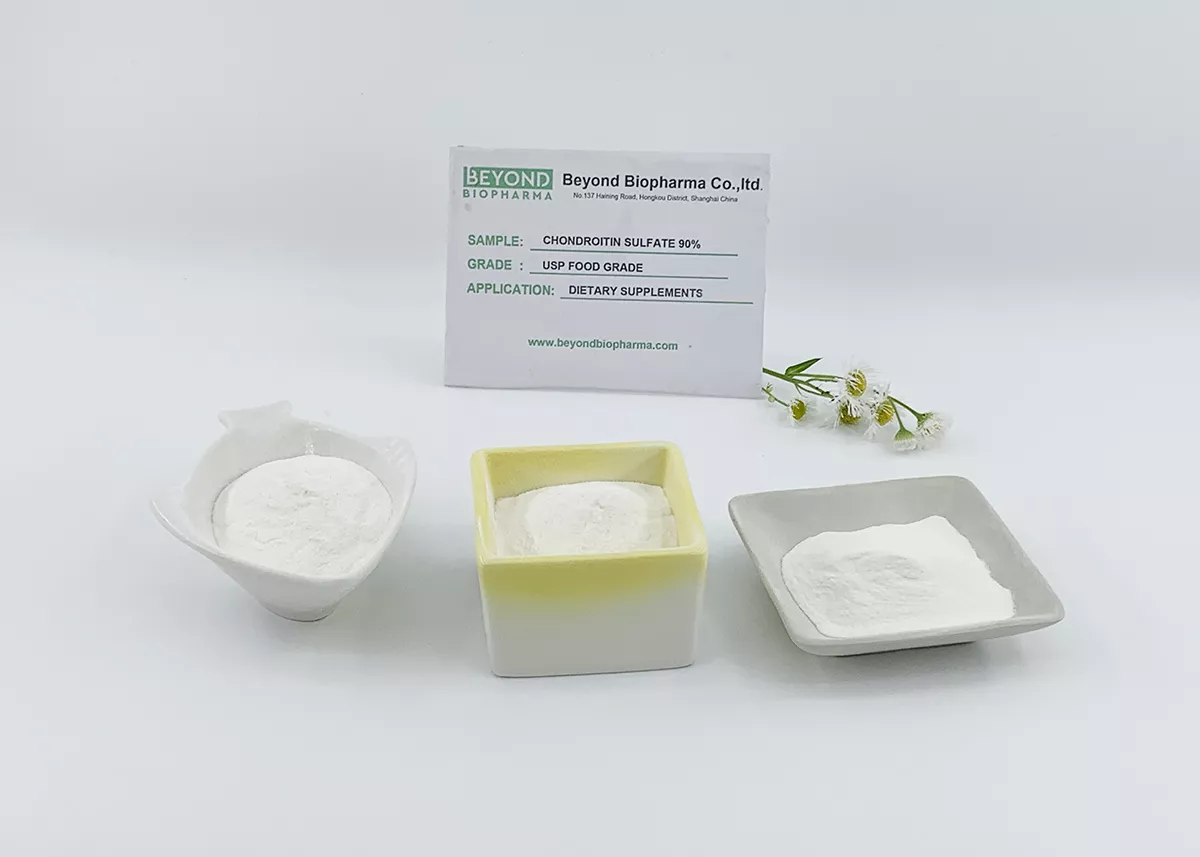
High Purity and Efficacy for Joint Health Formulations
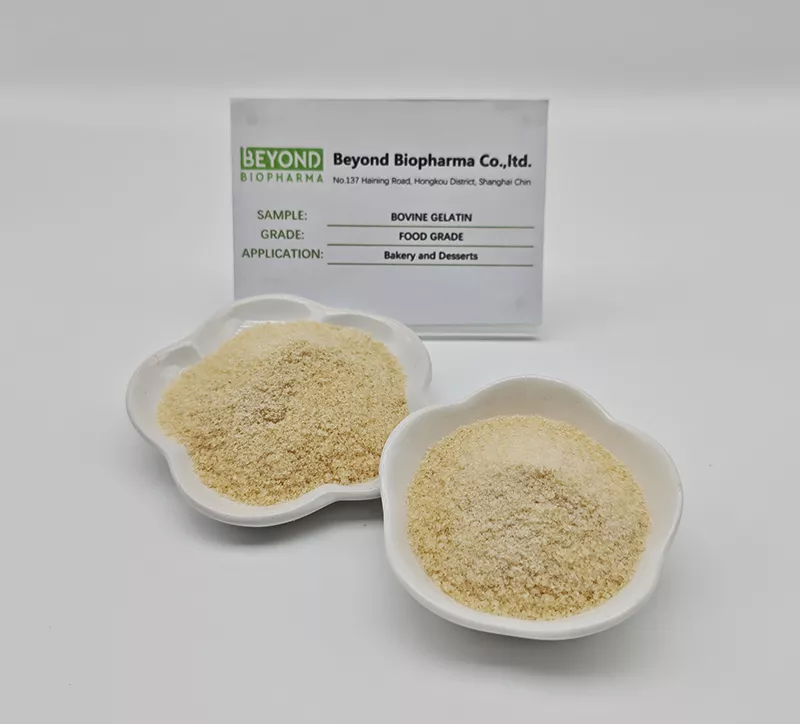
20 years experiences, 5000 ton/year capacity, Sustained supply with stable quality
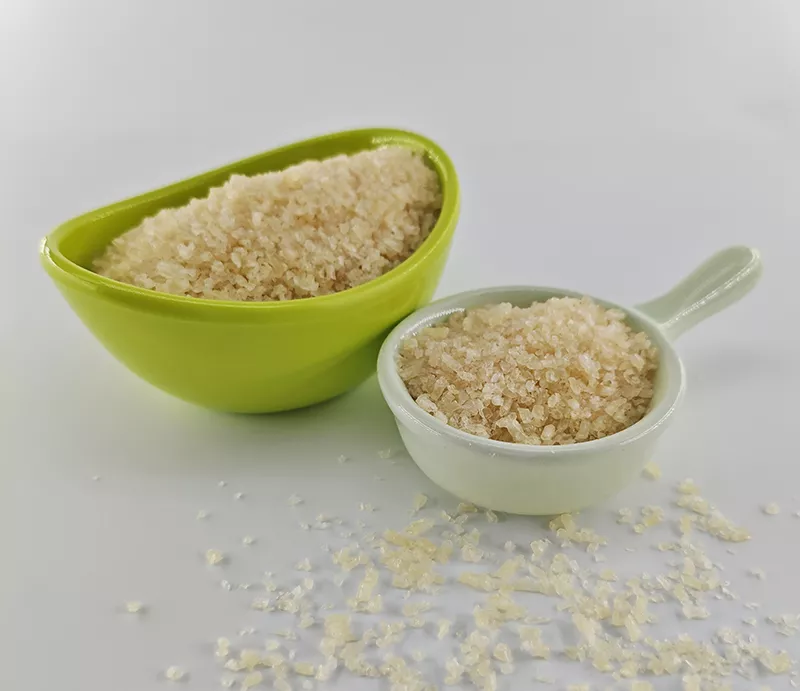
Stability, Swallowing Enhancement, and Controlled Release
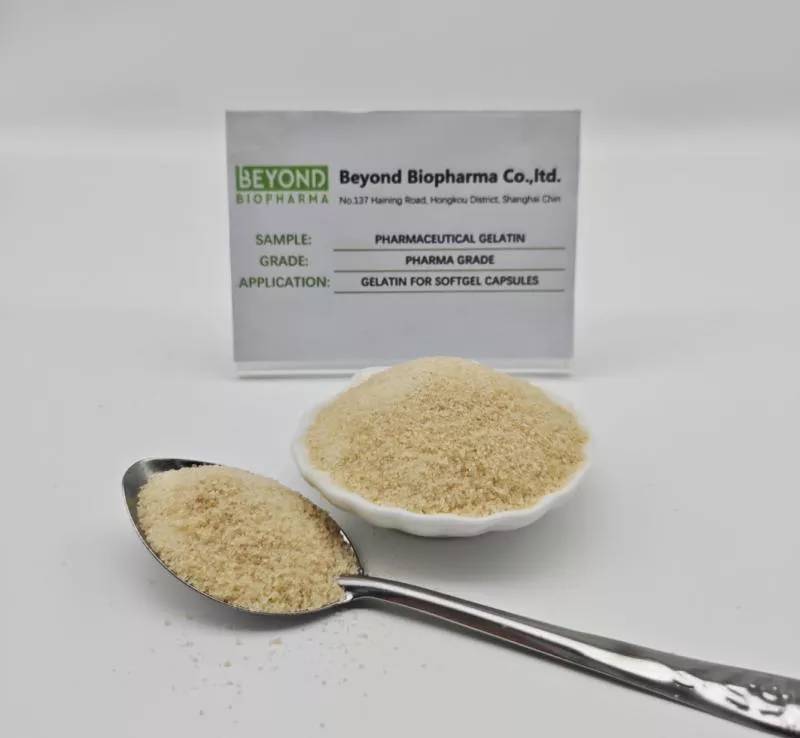
Softgel encapsulation demands a gelatin with unique physical attributes to perform optimally during the high-speed manufacturing process
Select the most popular foreign trade service products to meet your diverse needs
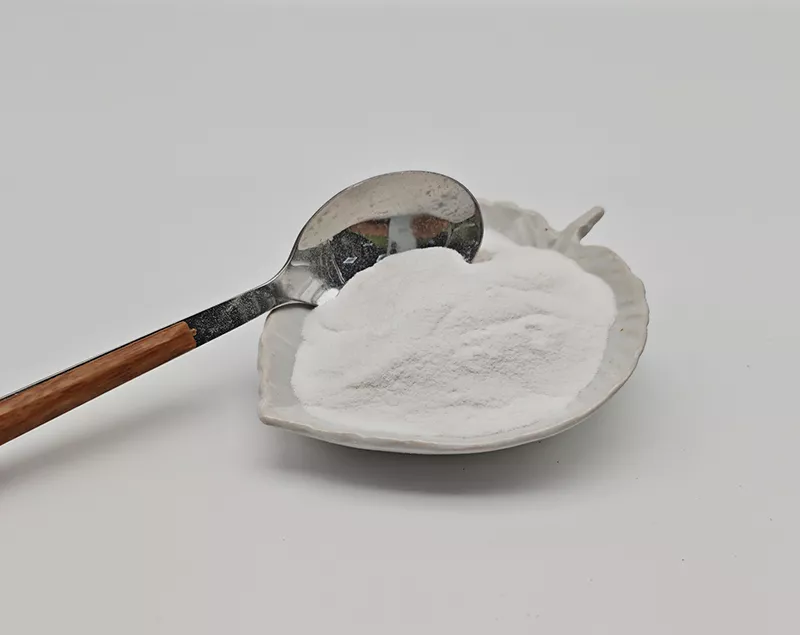
Fish Gelatin for foods is increasingly recognized as the premium alternative to traditional mammalian sources, meeting the growing global demand for clean-label ingredients that align with diverse dietary and religious requirements. Derived from the skin and scales of fish like cod and tilapia, fish gelatin offers unique functional benefits that make it an exceptional gelling, stabilizing, and texturizing agent.
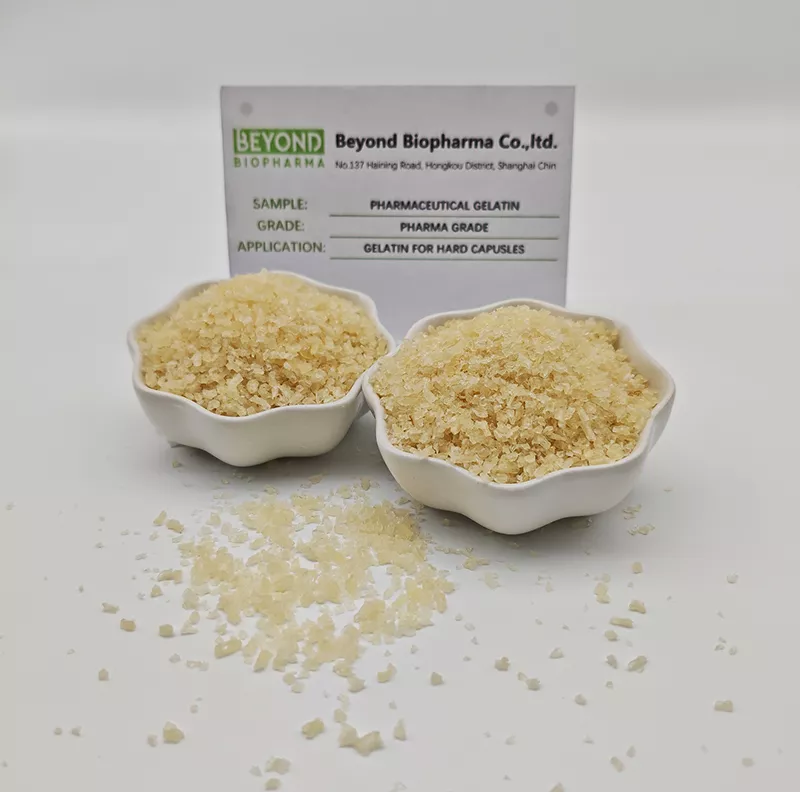
Precision, Purity, and Optimal Machinability
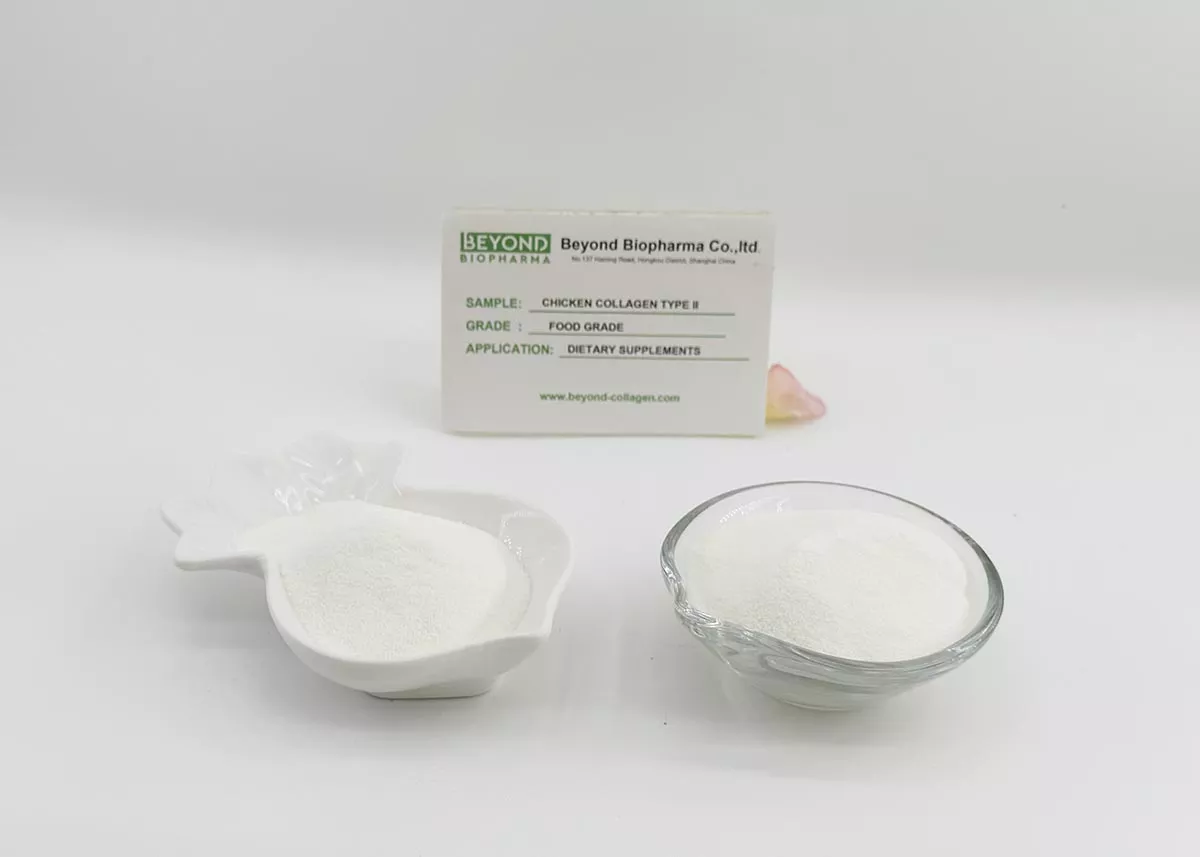
BEYOND BIOPHARMA is a specialized manufacturer of highly purified Hydrolyzed Collagen Type II. Through advanced enzymatic hydrolysis, we create low-molecular-weight collagen peptides that are highly bioavailable, offering foundational nutritional support for cartilage repair, joint function, and skin health. Our product is designed for rapid absorption and maximum efficacy in oral supplements.
Tel:+86 21 65010906
Cell/Whatsapp/Wechat:
+86 13482884055
+86 18657345785
Email: sales@beyondbiopharma.com





User Comments
Service Experience Sharing from Real Customers
Megan
Pastry ChefAs someone who's worked with both bovine and fish gelatin for years, I was skeptical about trying this pork-derived one. But wow! The clarity and setting strength in my panna cotta are phenomenal. It dissolved without that weird smell some gelatins have. Finally, a consistent product that doesn't compromise my vegan customers' alternatives.
Leo
Home BakerNever really thought about the type of gelatin until my kid asked if our gummies were vegetarian. Did some digging and switched to this fish-based gelatin. It's a game-changer for family treats – sets perfectly in fruit jellies and my wife loves that it's halal. Lost one star because it can be a bit finicky to bloom compared to my old brand.
Chloe
Food Science InternStudying hydrocolloids in college, I've tested countless gelatins. This hydrolyzed collagen peptide powder is different – it stays soluble in cold drinks! Perfect for protein-enriched smoothies without the gummy texture. My professor even mentioned it in our last lab session. From a science perspective, the molecular weight distribution is impressive.
Ryan
Supplement FormulatorBeen in the sports nutrition field for 8 years. We switched to this grass-fed bovine gelatin for our joint health capsules after clients complained about fishy aftertastes. The bioavailability tests came back great, and the sourcing transparency is a huge plus. Only downside is the price point, but you get what you pay for in purity.