 English EN


Porcine gelatin always protects vaccines from harm
Porcine gelatin stabilizes vaccines, ensuring safety and effectiveness. Most people tolerate it well, with rare allergic reactions and strict quality controls.
More
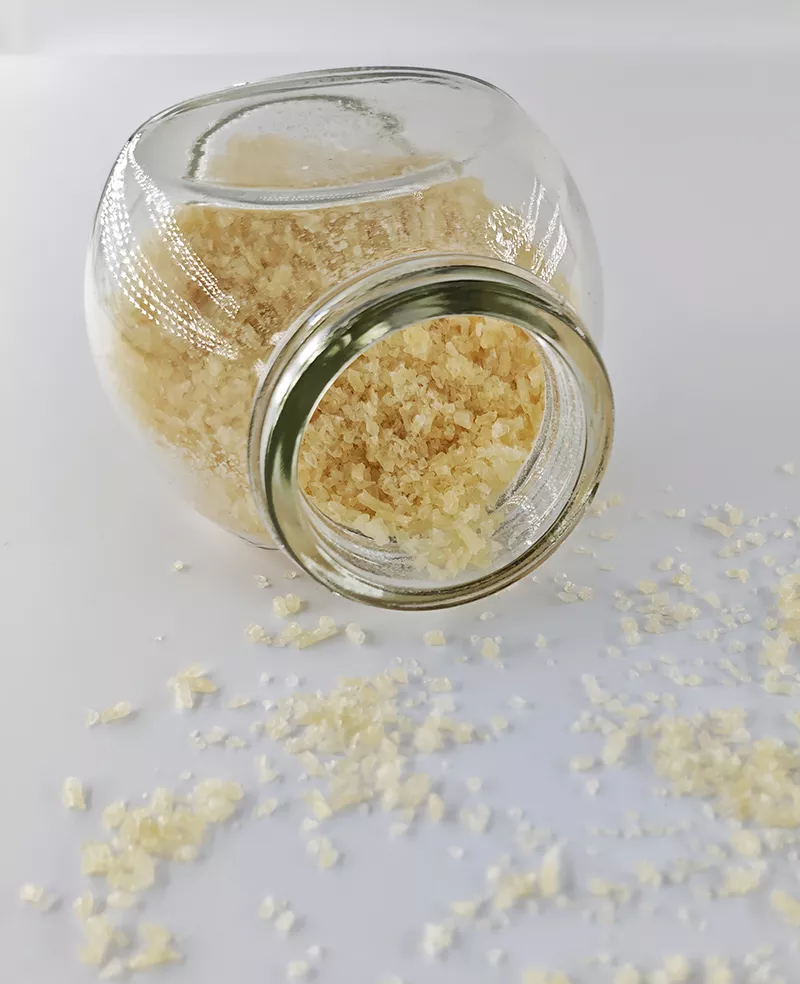
Gelatin is a natural protein derived from collagen, typically extracted from animal bones, hides, and connective tissues. For overseas buyers, a common pain point is batch consistency — variations in bloom strength, viscosity, or odor can disrupt production. Another challenge is meeting certification barriers such as Halal, Kosher, or BSE-free requirements. Understanding which foods contain gelatin and how different grades perform is essential for selecting the right raw material.
Gelatin is produced through a controlled process of hydrolysis. Raw collagen is treated with acid or alkali, then heated to break it down into smaller protein chains. The resulting gelatin can be dried into powder, granules, or sheets. Key performance factors include:
For collagen peptides, molecular weight is critical — typically 2,000–5,000 Da. Fish collagen peptides tend to have lower molecular weight, which supports faster absorption. High solubility and low odor are quality markers. Plant protein peptides, such as pea or rice hydrolysates, offer allergen-free alternatives with protein content around 80–90% and molecular weight commonly below 5,000 Da. Note: these are typical industry ranges; final values should be confirmed per COA or sample.
The table below summarizes common parameter ranges for edible gelatin, collagen peptides, and plant protein peptides. These are generic industry benchmarks.
| Product Type | Key Parameter | Typical Range |
|---|---|---|
| Edible Gelatin | Bloom (g) | 50–300 |
| Edible Gelatin | Viscosity (mPa·s) | 2.0–5.5 |
| Edible Gelatin | Mesh | 8–60 |
| Collagen Peptides | Molecular Weight (Da) | 2,000–5,000 |
| Collagen Peptides | Protein Content (%) | ≥90 |
| Plant Protein Peptides | Protein Content (%) | 80–90 |
| Plant Protein Peptides | Molecular Weight (Da) |
Note: These are typical industry ranges; final values per COA or sample.
Gelatin is widely used across several industries. Here is a breakdown of common applications and recommended solutions:
Gummy candies, marshmallows, jellies, and dessert mixes rely on gelatin for texture and stability. For these applications, edible gelatin with a bloom of 150–260 g is common. Bovine, porcine, and fish gelatin are all options depending on dietary restrictions.
Hard capsules and softgels require precise gelatin properties. Pharmaceutical gelatin for hard capsules typically uses bovine bone gelatin with high gel strength. For softgels, ultra-high-viscosity gelatin is preferred to ensure shell integrity and encapsulation efficiency.
Collagen peptides are popular in protein powders, bars, and joint health supplements. Fish collagen peptide is often chosen for its low molecular weight and rapid absorption. For joint-specific products, bovine chondroitin sulfate sodium and glucosamine HCl are common companions.
Collagen peptides for skin, hair, and nail health are a growing category. Fish and bovine collagen peptides are both used, with fish types often marketed for faster absorption. Plant-based formulations can use halal and kosher verified fish gelatin or plant protein peptides to meet clean-label and allergen-free demands.
For vegan or allergen-free products, plant protein peptides from pea, rice, or soy offer an alternative. These hydrolyzed proteins provide good solubility and a clean amino acid profile, though they do not form a gel like traditional gelatin.
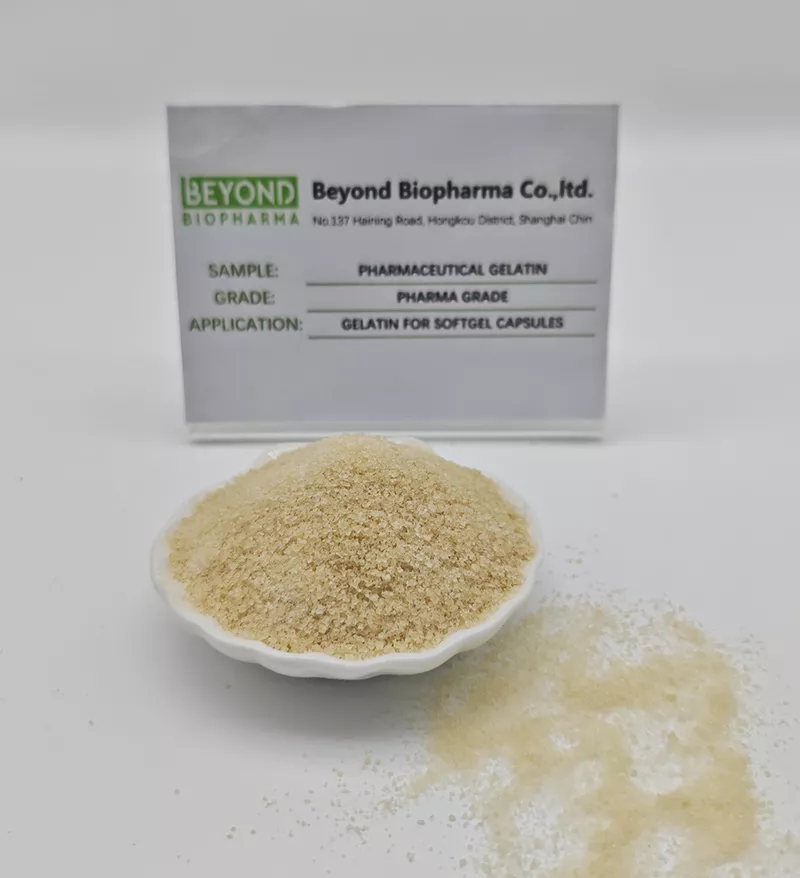
Beyond Biopharma is a Shanghai, China–based manufacturer specializing in collagen peptides, gelatin, and plant protein peptides. With over 10 years in the food-ingredient industry, we export to more than 50 countries. Our facility has an annual capacity of approximately 3,000 MT for collagen and 5,000 MT for gelatin. We operate fully automatic production lines in GMP clean workshops, using stainless-steel sealed piping with automated temperature and pH control.
Our certifications include ISO 9001, US FDA registration, and GMP compliance. Select products carry Halal or Kosher certification — for example, our fish gelatin. Bovine bone gelatin is BSE-free. We maintain an in-house lab for heavy-metal and microbiological testing, supported by a dedicated QA/QC team.
We offer three grades — food, pharmaceutical, and cosmetic — and support custom bulk supply and formulation/OEM. Free samples and selection support are available upon request.
Gelatin is not naturally present in plants. It is derived from animal collagen, so foods that contain gelatin are typically processed items like gummy candies, marshmallows, gelatin desserts, some yogurts, and coated pills. Bone broths also contain natural gelatin from simmered animal bones.
Yes. Bovine gelatin is widely used for its high bloom strength and neutral flavor, making it ideal for gummies and capsules. Fish gelatin has a lower melting point and is often chosen for Halal or Kosher applications. Fish collagen peptides also tend to have lower molecular weight, which may support faster absorption.
Traditional gelatin is animal-derived and not suitable for vegan products. However, plant protein peptides — such as pea, rice, or soy hydrolysates — can serve as alternatives in formulations where gelation is not required. These are often used in protein powders and beverages.
Common certifications include ISO 9001, US FDA registration, GMP compliance, Halal, and Kosher. For bovine gelatin, BSE-free certification is important. Always request a Certificate of Analysis (COA) to verify bloom, viscosity, and microbiological specs.
Bloom strength determines gel firmness. For gummy candies and softgels, 150–260 Bloom is typical. For marshmallows or mousses, lower bloom (50–150 g) may be used. For hard capsules, higher bloom (200–300 g) is common. Your supplier can provide samples to test.
When stored in a cool, dry place away from direct sunlight, gelatin and collagen peptides typically have a shelf life of 2–3 years. Always check the manufacturer's expiration date and storage recommendations on the packaging.
If you are sourcing gelatin, collagen peptides, or plant protein peptides for your next project, we invite you to contact Beyond Biopharma. Please provide the following details so we can send you free samples and a customized quote:
Our team will work with you to match the right product to your formulation needs, ensuring batch consistency and regulatory compliance.

We provide you with comprehensive foreign trade solutions to help enterprises achieve global development
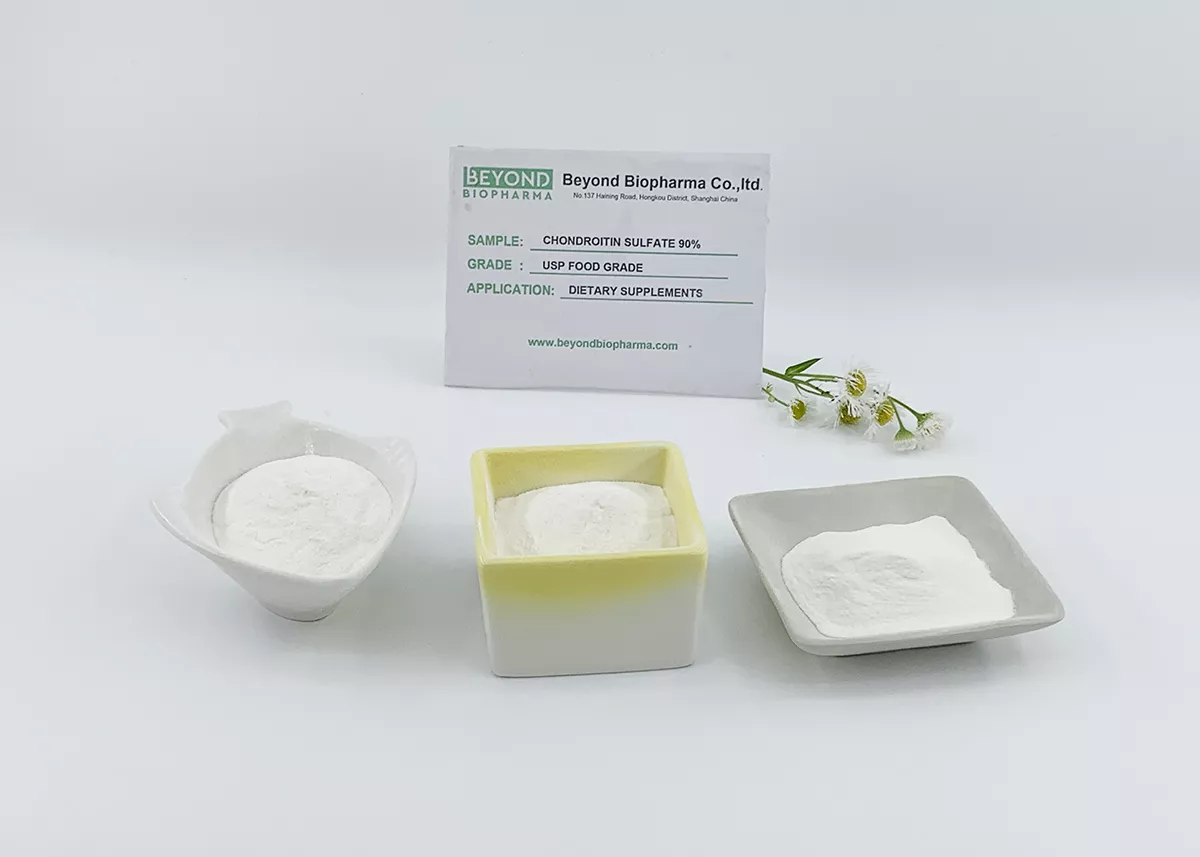
High Purity and Efficacy for Joint Health Formulations
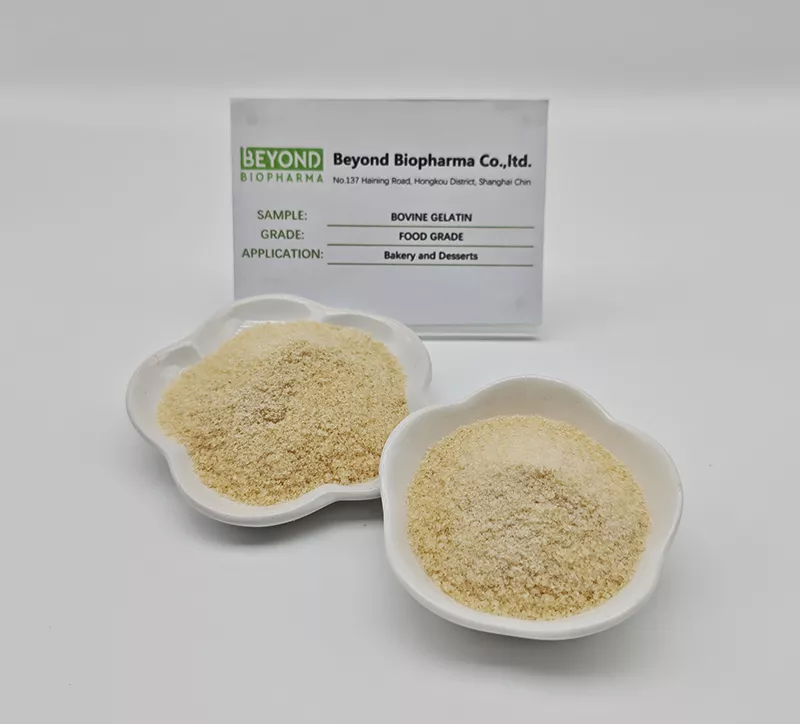
20 years experiences, 5000 ton/year capacity, Sustained supply with stable quality
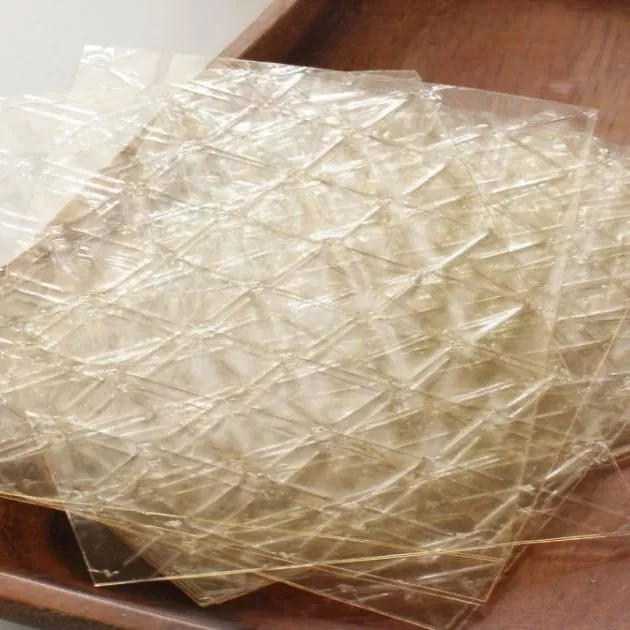
Our Gelatin Sheets are produced to precise standards, ensuring consistency and reliability across different Bloom grades (Silver being the most common professional choice).
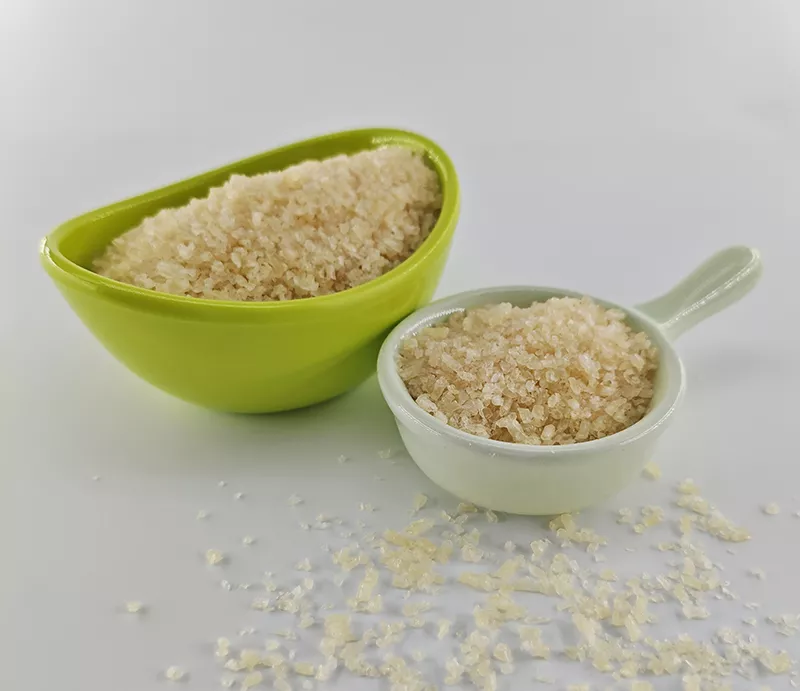
Stability, Swallowing Enhancement, and Controlled Release
Select the most popular foreign trade service products to meet your diverse needs
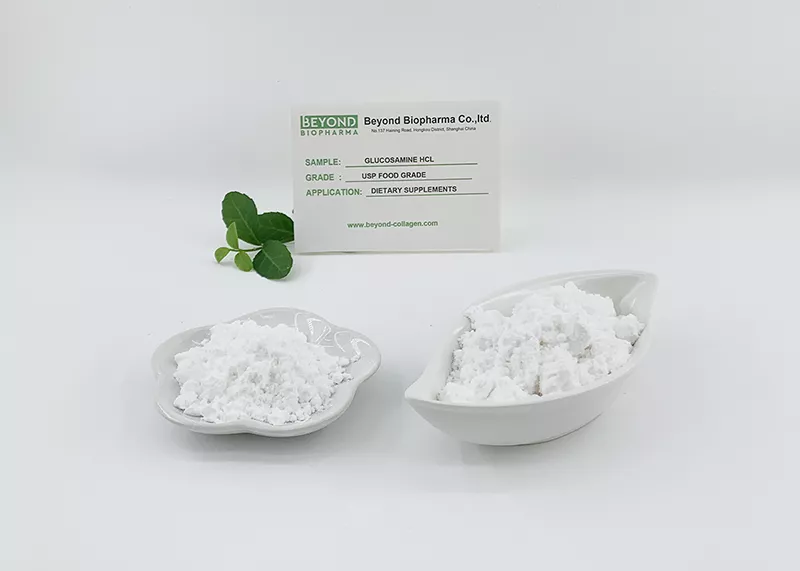
The Purest Plant-Based Joint Support Solution
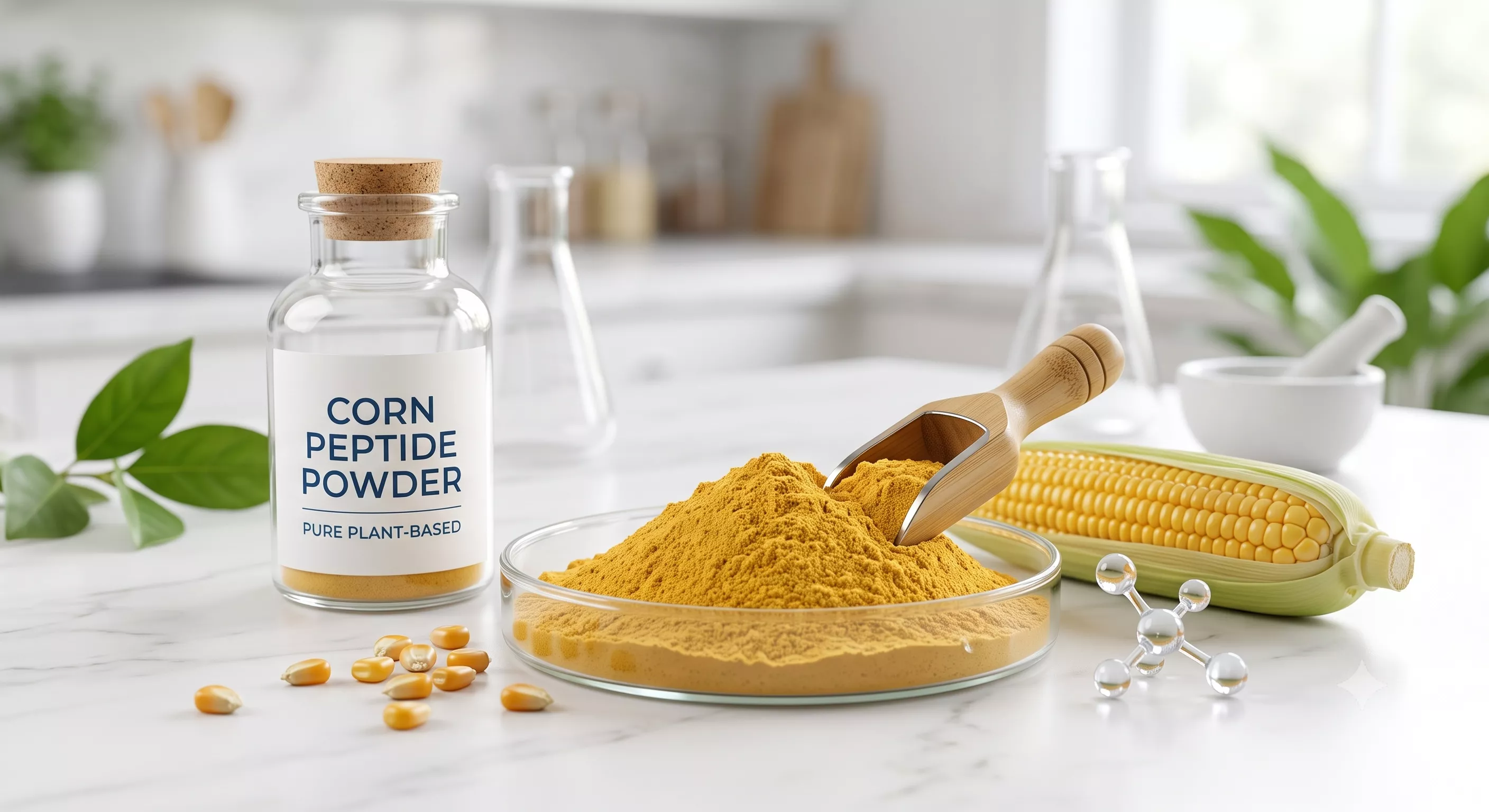
Source high-purity wholesale hydrolyzed corn protein peptide powder in bulk. Over 85% oligopeptides under 1000 Da. Rich in Alanine and Leucine for liver support and sobriety formulas.
Our Gelatin Sheets are produced to precise standards, ensuring consistency and reliability across different Bloom grades (Silver being the most common professional choice).
Tel:+86 21 65010906
Cell/Whatsapp/Wechat:
+86 13482884055
+86 18657345785
Email: sales@beyondbiopharma.com





User Comments
Service Experience Sharing from Real Customers
Megan
Pastry ChefAs someone who bakes for a living, I'm always checking labels. This fruit gummy snack clearly lists gelatin on the package – it's from beef sources, which is important for my Muslim customers to know. Wish more brands were this transparent!
Leo
Fitness InstructorNever realized gelatin was in marshmallows until I read the ingredients on this hot cocoa mix kit. As a vegetarian trying to be more aware, this detail matters. The product itself is great, but the clear labeling deserves a shout-out.
Chloe
Lab TechnicianBought these yogurt-covered treats for my kids. Was surprised to find gelatin listed under ingredients – usually it's in gummies, not yogurt coatings. Taste is fine, but as a scientist, I appreciate when companies don't hide these details.
Ryan
Event PlannerOrdered these fancy panna cottas for a corporate dinner. The description upfront mentioned they contain gelatin (from fish), which saved me from a potential allergy disaster with a guest. Smart move being specific – the texture was perfect too.