 English EN


Bovine gelatin pros and cons everyone should know
Bovine gelatin offers strong gelling and health benefits but has dietary, ethical, and allergen concerns. Compare bovine gelatin to other gelatin options here.
More
Gelatin does more than create jiggly desserts — it is a natural preservation tool that extends shelf life, stabilizes emulsions, and protects texture in food, supplements, and pharmaceuticals. For sourcing managers and R&D teams evaluating gelatin for clean-label applications, understanding its preservation mechanism is key to selecting the right grade. This guide explains how gelatin works, its typical specs, and how to match it to your product needs.
Gelatin is a hydrolyzed protein derived from collagen in animal hides, bones, or fish skin. Its preservation power comes from three actions: it forms a physical barrier that limits oxygen exposure, binds water to reduce free moisture available for microbial growth, and creates a stable gel network that suspends ingredients and prevents separation. Unlike synthetic preservatives, gelatin is a clean-label ingredient recognized as safe (GRAS) by the FDA and accepted in organic and natural product formulations.
The production process involves controlled enzymatic hydrolysis or acid/alkaline extraction from raw collagen sources. After extraction, the gelatin is filtered, concentrated, dried, and milled to a specific mesh size. Key parameters that affect preservation performance include bloom strength (gel firmness), viscosity, and molecular weight distribution. At Beyond Biopharma, our fully automatic production line with stainless-steel sealed piping and automated temperature/pH control ensures batch-to-batch consistency — a critical factor for buyers who need reproducible preservation results.
The following table lists common industry parameters for gelatin used in preservation and gelling applications. Note that these are typical ranges; final values should be verified per Certificate of Analysis (COA) and sample testing.
| Parameter | Typical Range | Notes |
|---|---|---|
| Bloom (g) | 50–300 | Pharma/gummies often use 150–260 Bloom |
| Viscosity (mPa·s) | 2.0–5.5 | Measured at 6.67% solution, 60°C |
| Mesh | 8–60 | Finer mesh dissolves faster |
| Moisture | ≤14% | Standard for shelf stability |
| Protein | ≥85% | Typical for edible grades |
Typical industry range; final values per COA / sample.
The preservation mechanism of gelatin varies by application. Here is a breakdown by industry:
Based in Shanghai, China, Beyond Biopharma is a B2B manufacturer with over 10 years of experience in collagen peptides, gelatin, and plant protein peptides. Our products are exported to more than 50 countries. We operate a fully automatic production line in a GMP clean workshop, with stainless-steel sealed piping and automated temperature/pH control. Our annual capacity is approximately 3,000 MT for collagen and 5,000 MT for gelatin. We hold ISO 9001 certification, are US FDA registered, and select products carry Halal and Kosher certifications (e.g., fish gelatin). Our bovine bone gelatin is BSE-free. An in-house lab conducts heavy-metal and microbiological testing, supported by a dedicated QA/QC team.
We offer three grades — food, pharmaceutical, and cosmetic — and support custom bulk supply and formulation/OEM. Free samples and selection support are available upon request.
Q: Can gelatin replace synthetic preservatives like potassium sorbate?
A: Yes, in many applications. Gelatin reduces water activity and creates a barrier against oxygen, which slows microbial growth and oxidation. It is most effective when combined with proper packaging and pH control. It is not a direct replacement for all preservatives but works well in clean-label reformulations.
Q: What bloom strength is best for preserving gummy candies?
A: A bloom of 200–260 g is typical for gummies. Higher bloom gives a firmer gel that holds shape longer and reduces moisture migration. For softgels, ultra-high-viscosity gelatin (above 5.0 mPa·s) is recommended to prevent capsule leakage.
Q: Is fish gelatin suitable for vegan or halal formulations?
A: Fish gelatin is not vegan (it is animal-derived), but it is acceptable in halal and kosher diets when certified. For vegan formulations, consider plant protein peptides such as pea or rice hydrolysates, which offer similar water-binding and texturizing properties.
Q: How do I verify gelatin quality before placing a bulk order?
A: Request a free sample and a Certificate of Analysis (COA) that includes bloom, viscosity, mesh, moisture, protein content, heavy metals, and microbiological counts. At Beyond Biopharma, we provide COAs from our in-house lab and can send samples for your own testing.
Q: What is the shelf life of gelatin powder?
A: Typically 2–3 years when stored in a cool, dry place below 25°C and away from direct sunlight. Moisture content below 14% ensures stability. Once opened, reseal tightly to prevent clumping.
Q: Can gelatin be used in acidic foods like fruit juices?
A: Yes, but gelatin loses gel strength below pH 4. For acidic applications, use a higher bloom gelatin or consider collagen peptides, which remain soluble and stable in low-pH environments. Fish collagen peptides, for example, work well in acidic beverages.
To find the right gelatin for your preservation needs, please provide the following details in your inquiry: application (food, pharma, or cosmetic), required grade, target quantity/MOQ, desired specs (bloom, mesh, molecular weight, certifications), and destination country. Beyond Biopharma will send free samples and a tailored quote. Contact our team to start the selection process.
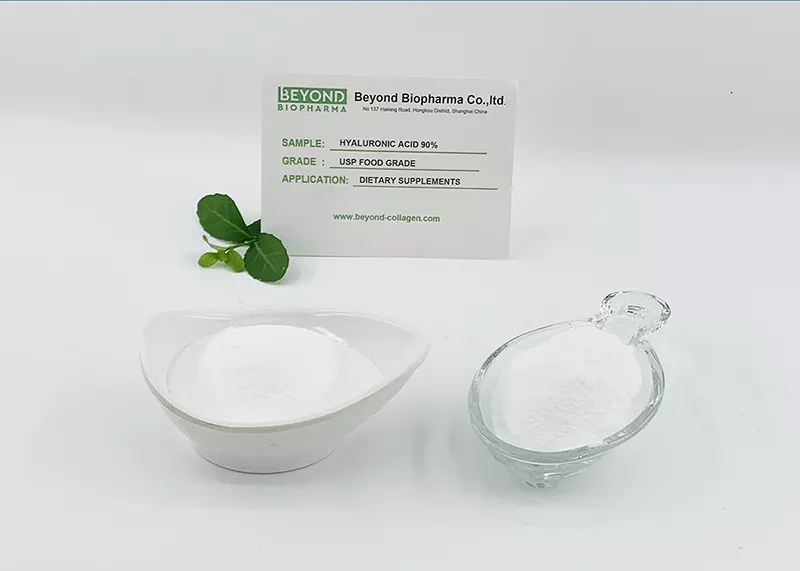
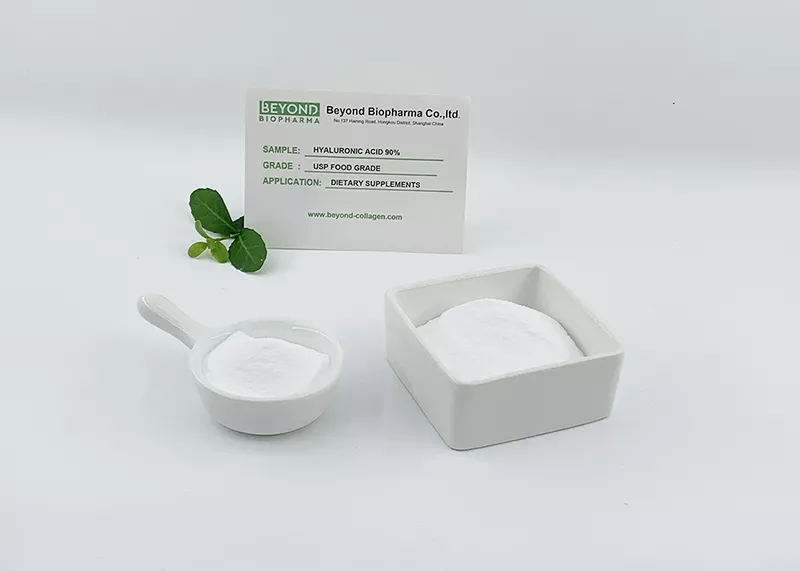
We also supply complementary ingredients for joint health and nutraceutical formulations, including glucosamine HCl, food-grade hyaluronic acid powder, and standardized gelatin sheets for consistent gel performance.

We provide you with comprehensive foreign trade solutions to help enterprises achieve global development
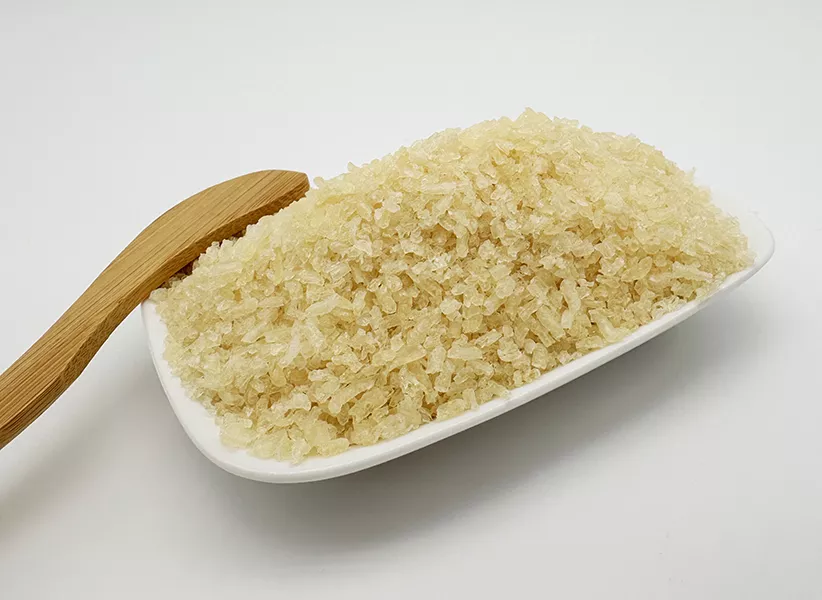
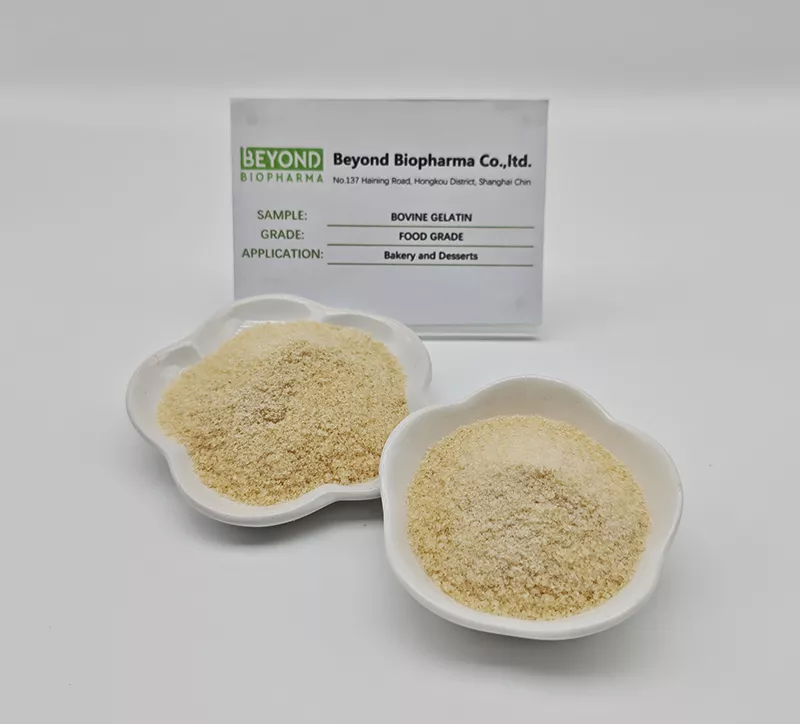
Our Bovine Hides Gelatin is engineered for versatility and compliance, ensuring performance across various applications.
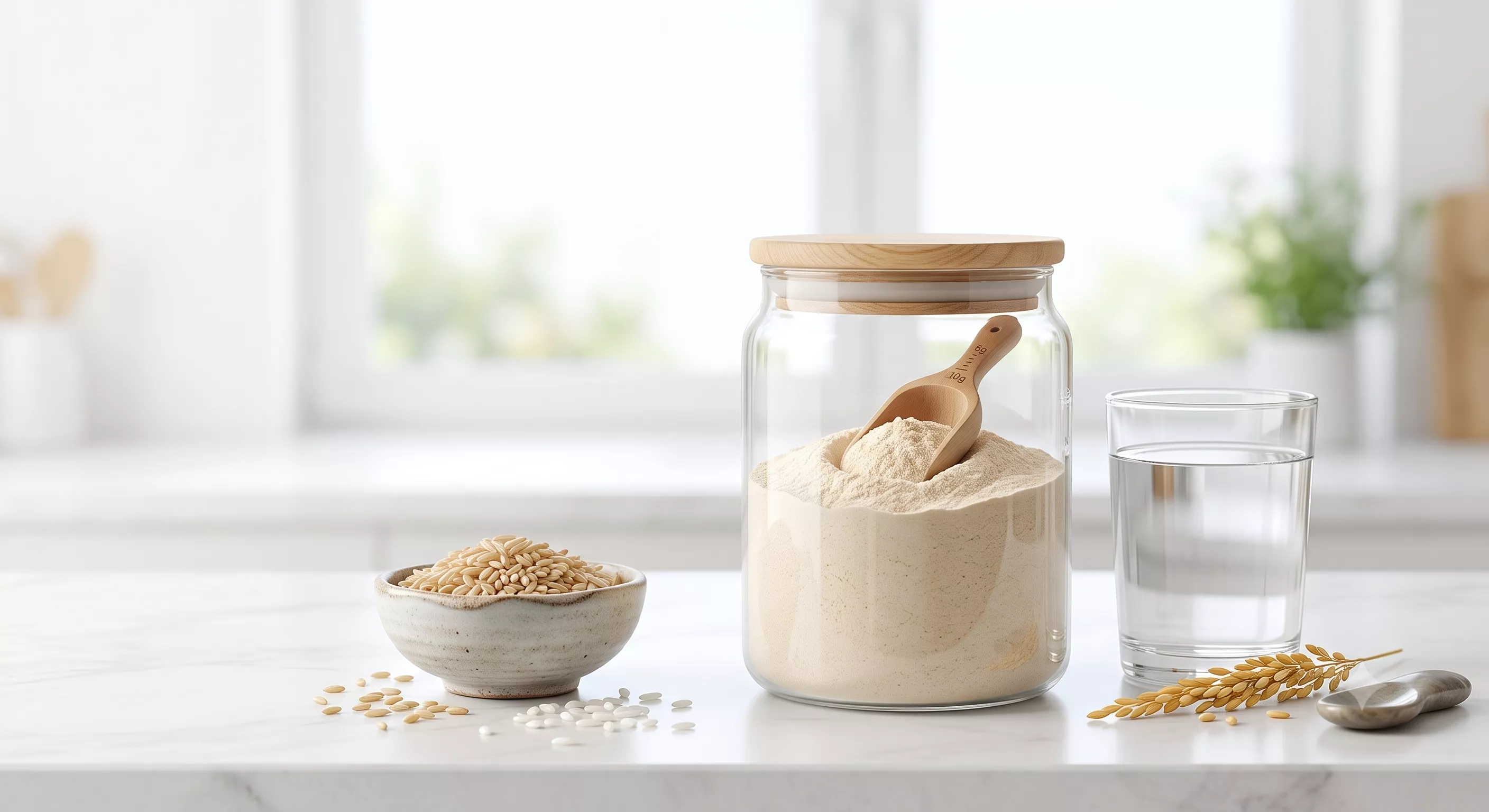
Source ultra-pure, 100% water-soluble wholesale hydrolyzed rice protein peptide in bulk. Over 85% molecules under 1000 Da. Ideal for infant nutrition, clean-label sports formulas, and sensitive skincare.
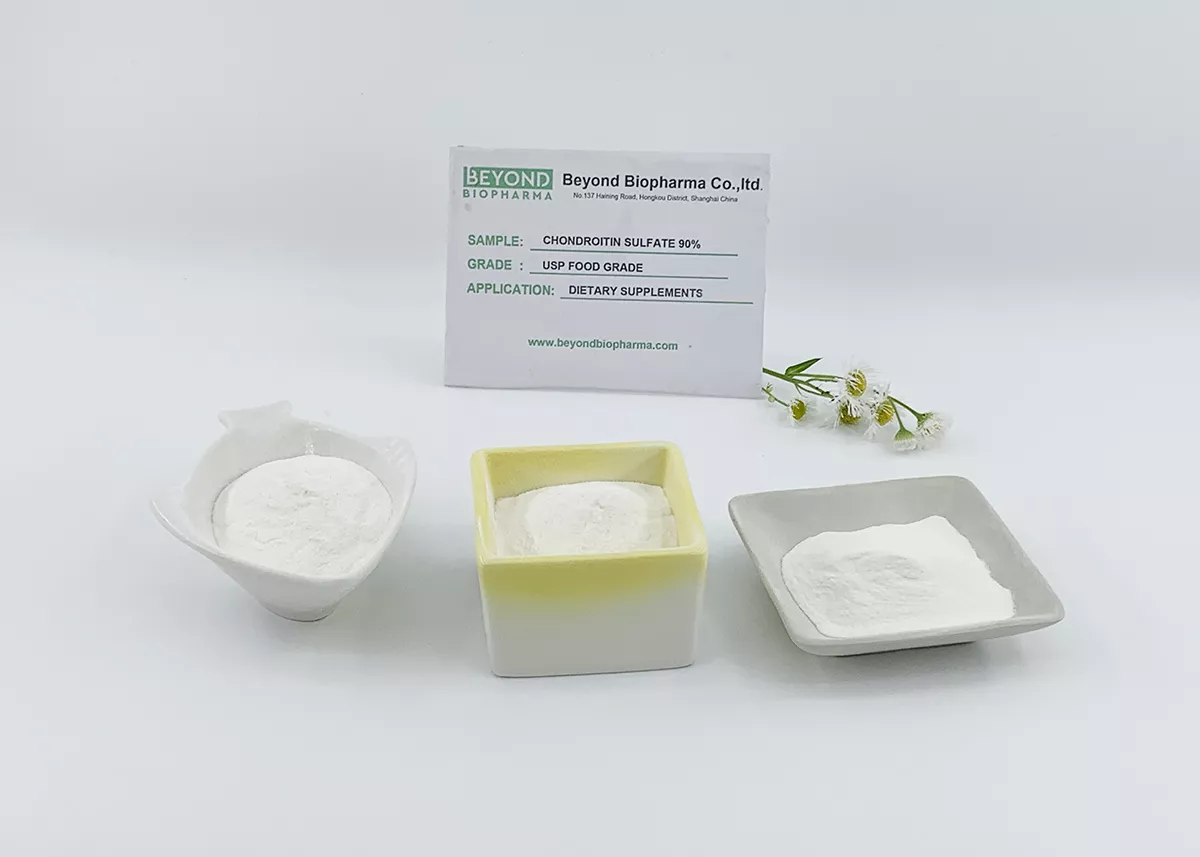
High Purity and Efficacy for Joint Health Formulations
20 years experiences, 5000 ton/year capacity, Sustained supply with stable quality
Select the most popular foreign trade service products to meet your diverse needs
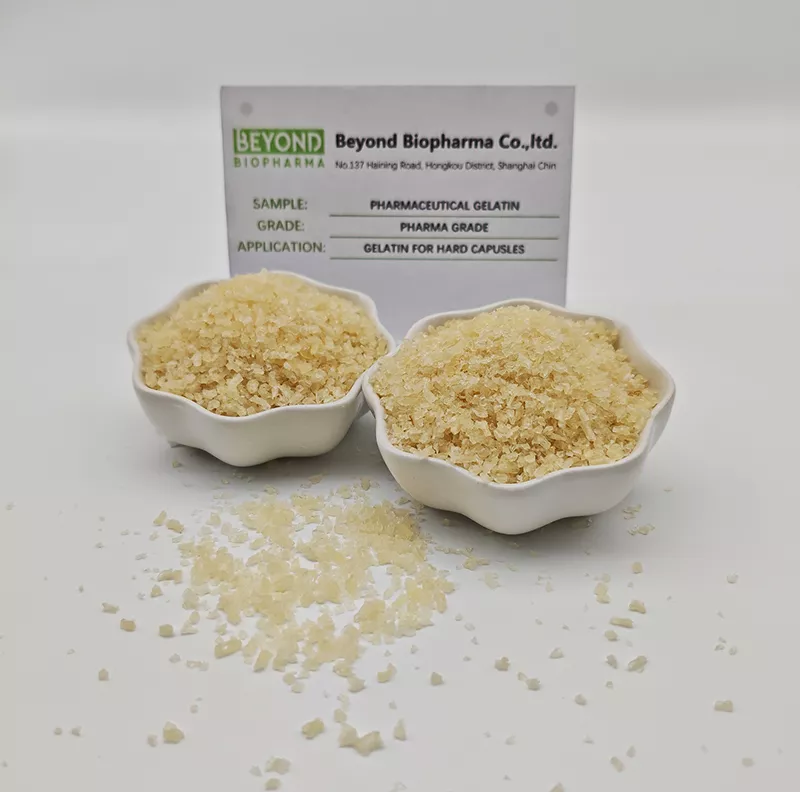
Precision, Purity, and Optimal Machinability
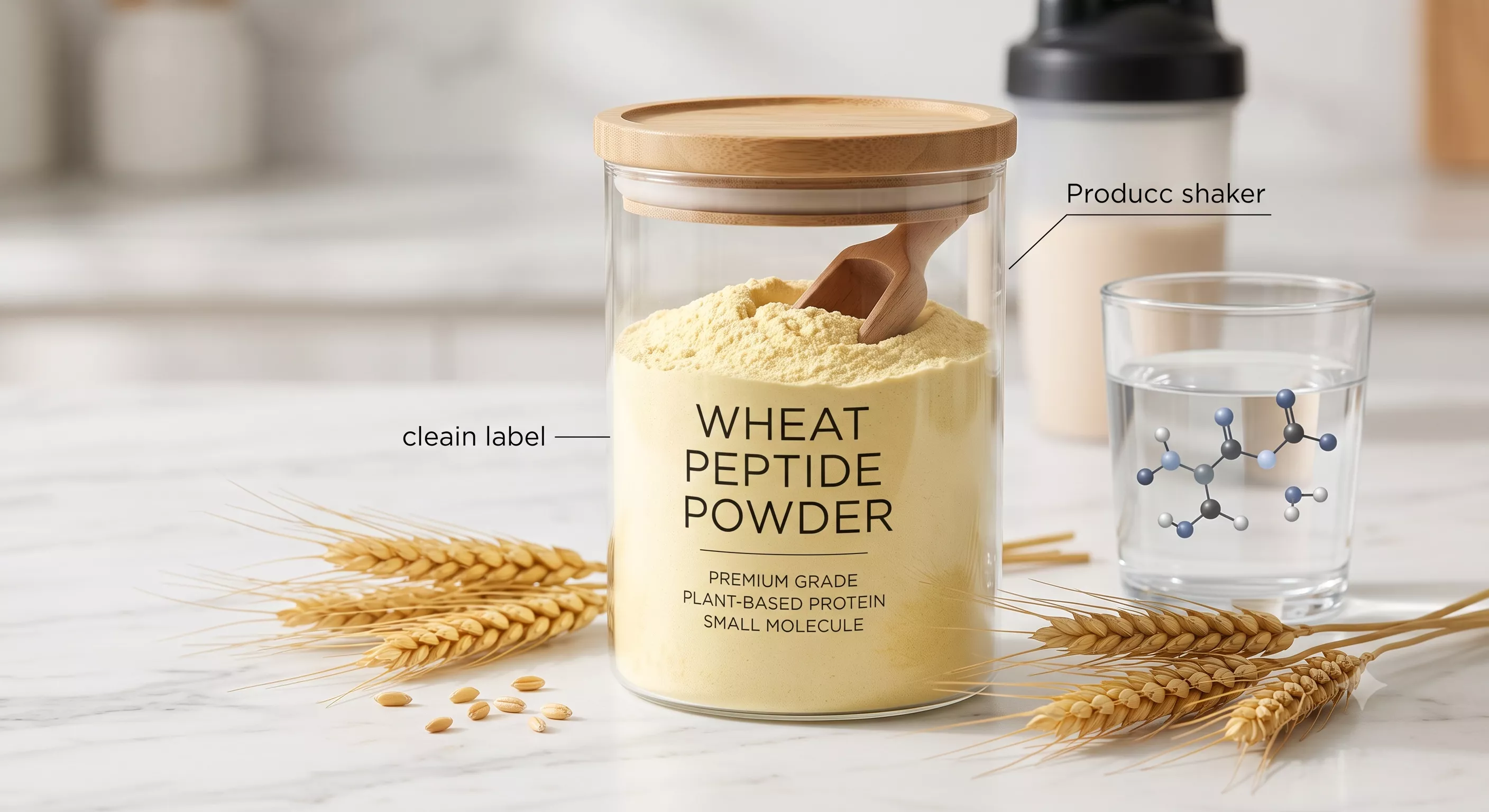
Source ultra-pure, high-solubility wholesale hydrolyzed wheat gluten peptide in bulk. Rich in plant-bound Glutamine ($\ge 25\%$) for muscle recovery and gut barrier health.
High Purity and Efficacy for Joint Health Formulations
Tel:+86 21 65010906
Cell/Whatsapp/Wechat:
+86 13482884055
+86 18657345785
Email: sales@beyondbiopharma.com





User Comments
Service Experience Sharing from Real Customers
Megan
Home BakerAs someone who makes jams and preserves at home, I was skeptical about using gelatin. But wow – it's a game-changer! My strawberry preserves now hold their shape perfectly and have a lovely texture. It feels more natural than some commercial thickeners. My family can't tell the difference in taste, but the jars last weeks longer in the fridge.
Leo
Line CookUsed food-grade gelatin in our kitchen to extend the shelf life of some sauces and pâtés. Honestly, it works surprisingly well for short-term preservation – things stay fresh and don't separate. Knocked off one star because it's not a magic bullet for everything, but for the price? Definitely worth trying if you're in a pinch.
Chloe
Nutrition StudentStudying food science, I did a small experiment comparing methods. Gelatin actually created a protective barrier that slowed oxidation in some fruit purees! It's not a substitute for canning, but for daily kitchen use, it helps reduce waste. Plus, it's a protein. My roommates think I'm a kitchen nerd, but hey, our leftovers look fresher.
Raj
Camping GuideWe prep meals ahead for long trips. Started adding a bit of gelatin to stews and meat dishes before chilling – they keep better in the cooler and have less liquid separation. It's not a preservative in the chemical sense, but it definitely helps food hold up. Just a handy old-school trick that actually works.