 English EN


Bovine gelatin pros and cons everyone should know
Bovine gelatin offers strong gelling and health benefits but has dietary, ethical, and allergen concerns. Compare bovine gelatin to other gelatin options here.
More
Converting gelatin sheets to powder is a common challenge for bakers and food manufacturers. This guide explains the exact conversion ratios, bloom strength differences, and practical steps to ensure consistent results in your recipes. Whether you work with edible gelatin for gummies or pharmaceutical gelatin for capsules, understanding this substitution saves time and prevents batch failures.
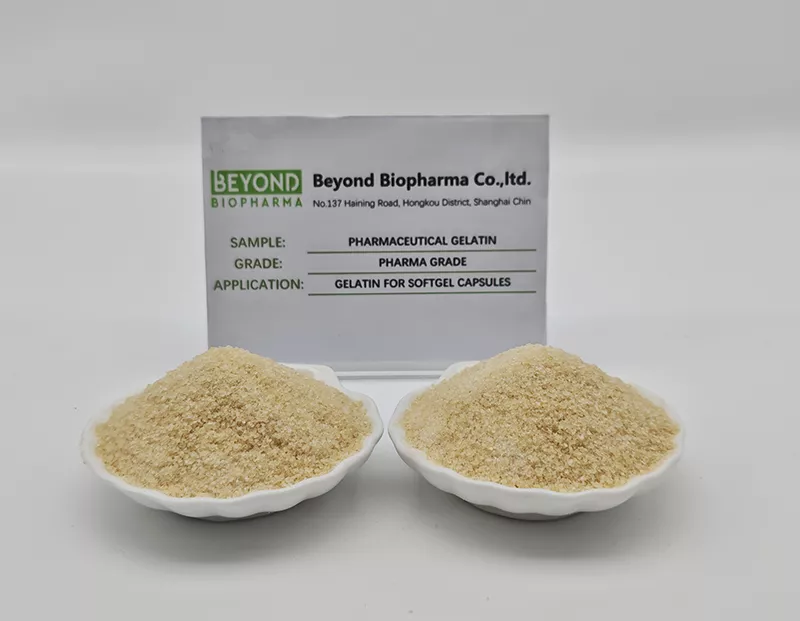
Gelatin sheets and powder are both derived from collagen, but they differ in physical form and bloom strength. Sheets typically have a bloom of 160–250 g, while powder ranges from 50–300 g. When a recipe calls for sheets and you only have powder, or vice versa, using the wrong ratio leads to weak gels or overly firm textures. For overseas buyers sourcing edible gelatin for bulk production, batch consistency is critical. A single error in conversion can ruin an entire batch of gummies, marshmallows, or pharmaceutical capsules.
The conversion relies on bloom strength, which measures gel firmness. One gelatin sheet (typically 2–3 g) with a bloom of 200 g is equivalent to about 2–3 g of powder with the same bloom. However, most recipes assume standard sheet bloom (around 200 g) and standard powder bloom (around 225 g). To convert, multiply the sheet weight by 1.1 to get the powder weight for similar gel strength. For example, 10 g of sheets equals 11 g of powder. Always check the bloom value on your food-grade porcine gelatin or bovine gelatin COA for precise adjustments.
Understanding the specs helps you choose the right product. Below are common industry parameters for gelatin sheets and powder. Note: These are typical industry ranges; final values per COA or sample may vary.
| Parameter | Gelatin Sheets | Gelatin Powder |
|---|---|---|
| Bloom (g) | 160–250 (typical 200) | 50–300 (typical 225) |
| Moisture (%) | ≤14 | ≤14 |
| Mesh size | N/A (sheet form) | 8–60 |
| Viscosity (mPa·s) | 2.0–5.5 | 2.0–5.5 |
Different industries require specific gelatin forms. For food applications like gummies and jellies, sheets offer precise dosing and clarity. For pharmaceutical gelatin in hard capsules or softgels, powder is easier to blend with excipients. Sports nutrition and beauty-from-within products often use collagen peptides, which are hydrolyzed for rapid absorption. Plant-based formulations may require plant protein peptides as an alternative. For joint health, consider undenatured collagen type II or bovine chondroitin sulfate sodium. Always match the grade—food, pharmaceutical, or cosmetic—to your end use.
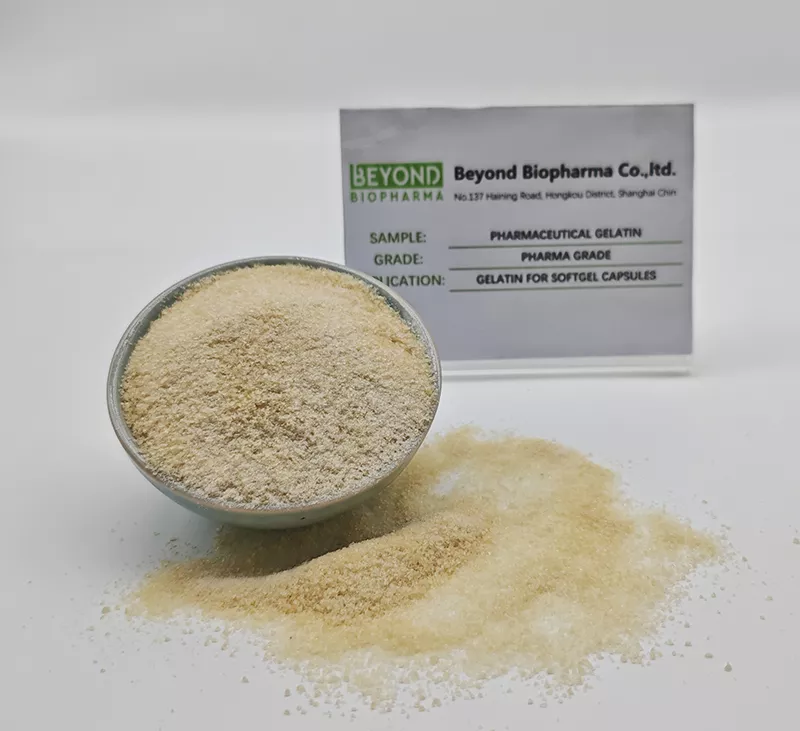
Beyond Biopharma, based in Shanghai, China, has over 10 years of experience in the food-ingredient industry. We export to 50+ countries and operate a fully automatic production line with GMP clean workshops. Our capacity reaches approximately 3,000 MT/year for collagen and 5,000 MT/year for gelatin. We hold ISO 9001, US FDA registration, and select products carry Halal or Kosher certifications. Our bovine bone gelatin is BSE-free, and our in-house lab conducts heavy-metal and microbiological testing. We offer free samples and formulation support across food, pharmaceutical, and cosmetic grades.
Q: Can I use gelatin powder instead of sheets in any recipe?
A: Yes, but you must adjust the weight based on bloom strength. For standard sheet bloom (200 g) and powder bloom (225 g), multiply sheet weight by 1.1. Always hydrate powder in cold water before use.
Q: What is the exact conversion ratio for gelatin sheets to powder?
A: A general rule is 1 sheet (2–3 g) equals 1 teaspoon of powder. For precise conversion, check the bloom on your COA. A typical ratio is 10 g sheets to 11 g powder.
Q: Does the type of gelatin affect the conversion?
A: Yes. Bovine, porcine, and fish gelatin have different bloom ranges. Fish gelatin often has lower bloom, so conversion may require more weight. Always verify with the supplier's spec sheet.
Q: How do I hydrate gelatin powder for best results?
A: Sprinkle powder over cold water (1:5 ratio) and let it bloom for 5–10 minutes. Then gently heat until dissolved. Do not boil, as high heat reduces gel strength.
Q: Can I use gelatin sheets for pharmaceutical capsule production?
A: Sheets are less common for capsules due to handling. Powder is preferred for blending with excipients. For softgels, ultra-high-viscosity gelatin is recommended.
Q: Are there vegan alternatives to gelatin sheets?
A: Yes, plant protein peptides from pea, rice, or soy can replace gelatin in some applications. They offer similar gelling properties but require different hydration methods.
Ready to source high-quality gelatin sheets or powder for your next project? Contact Beyond Biopharma with your application, required grade (food, pharmaceutical, or cosmetic), quantity or MOQ, target specs (bloom, mesh, molecular weight, certifications), and destination country. We will send free samples and a competitive quote. Our team supports custom bulk supply and formulation/OEM to meet your exact needs.

We provide you with comprehensive foreign trade solutions to help enterprises achieve global development
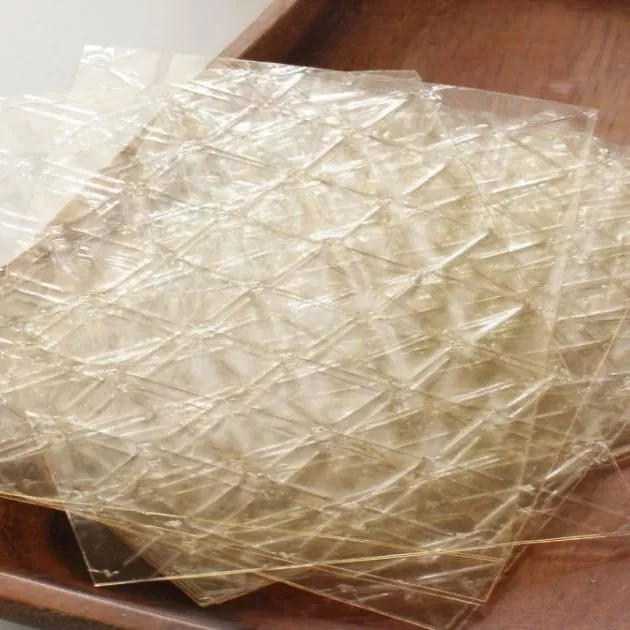
Our Gelatin Sheets are produced to precise standards, ensuring consistency and reliability across different Bloom grades (Silver being the most common professional choice).
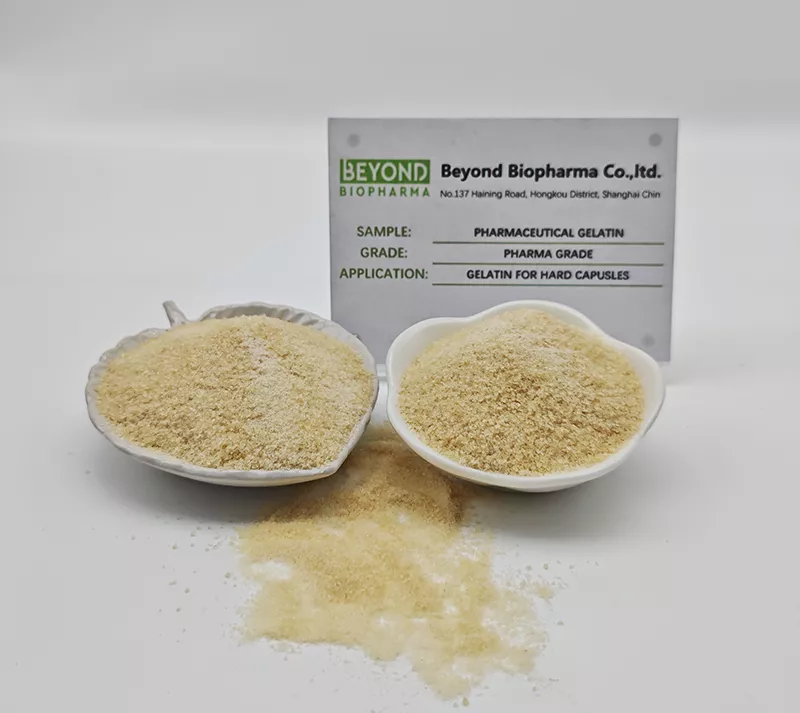
The high-strength and rapid-setting characteristics of Bovine Bone Gelatin ensure it forms a stable, uniform, and durable shell that preserves the integrity of the active pharmaceutical ingredient (API).
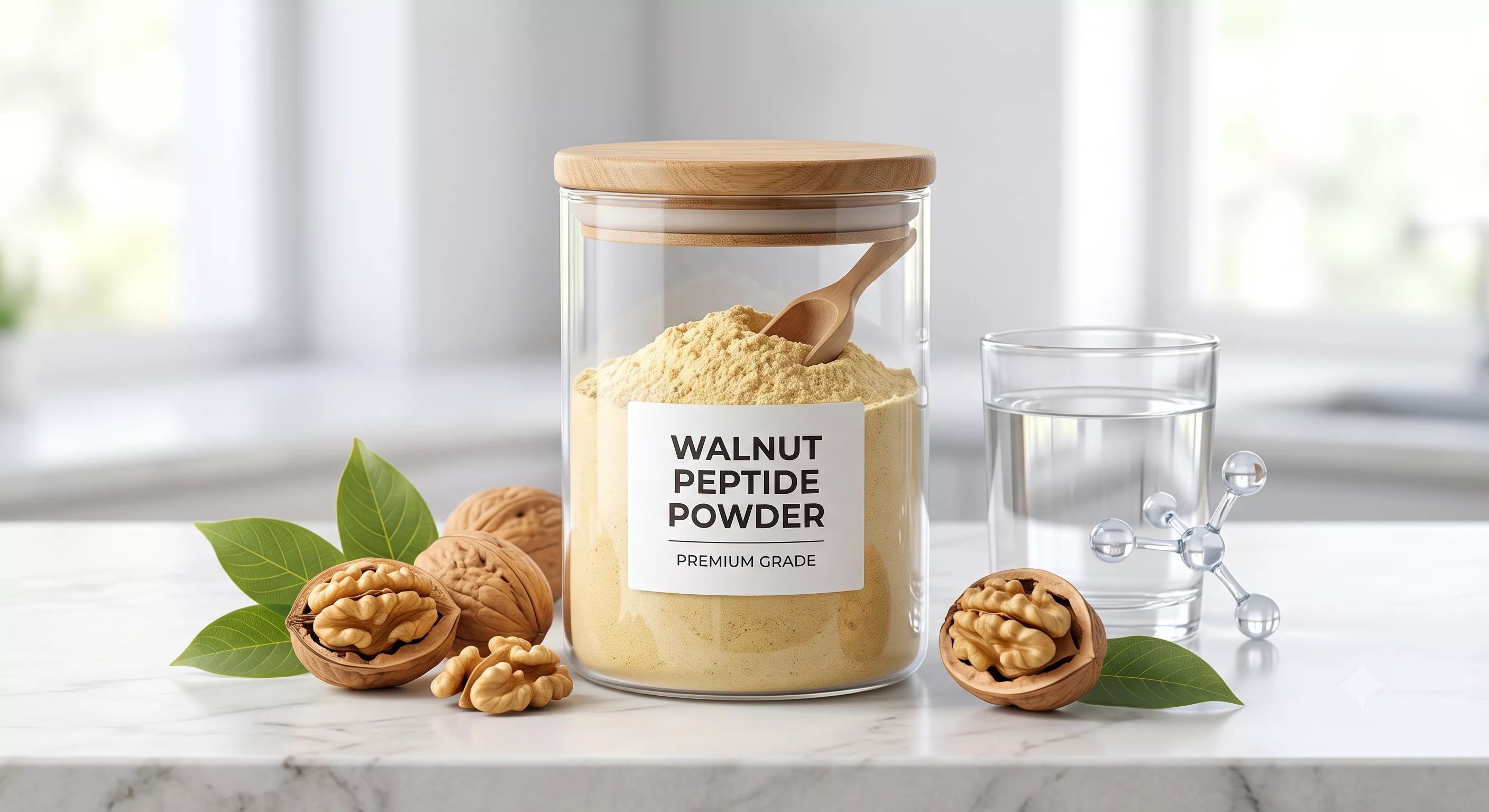
Source wholesale hydrolyzed walnut protein peptide powder in bulk. Over 85% low-molecular-weight oligopeptides rich in Glutamic Acid. Perfect for cognitive formulas and sleep aid supplements.
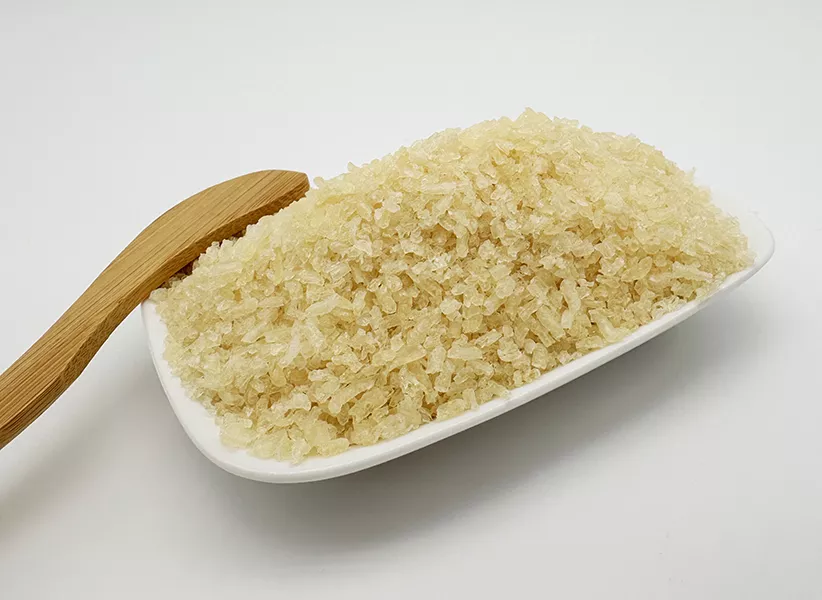
Our Bovine Hides Gelatin is engineered for versatility and compliance, ensuring performance across various applications.
Select the most popular foreign trade service products to meet your diverse needs
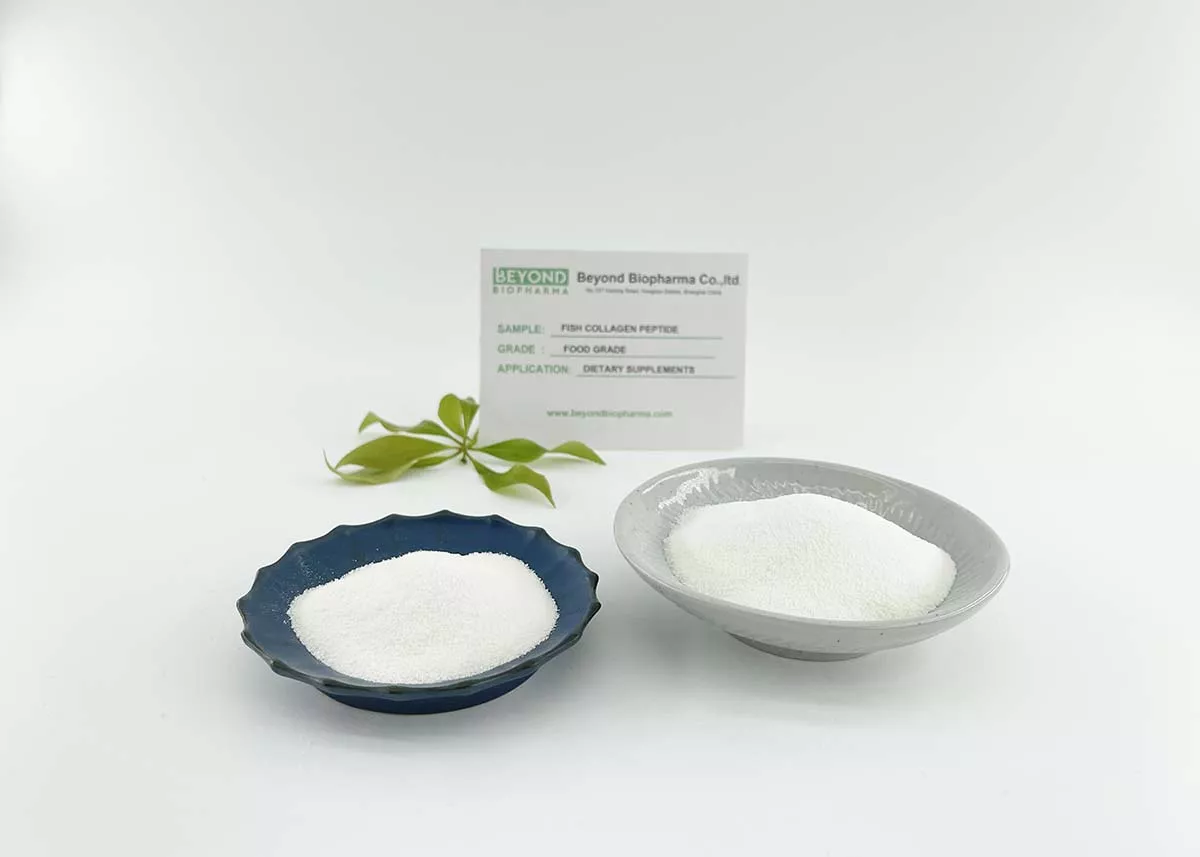
Premium marine-sourced collagen peptides with >90% protein content and low molecular weight (1000-3000 Da) for superior bioavailability. Sustainably sourced, neutral taste, and fully soluble—ideal for nutricosmetics and functional foods.
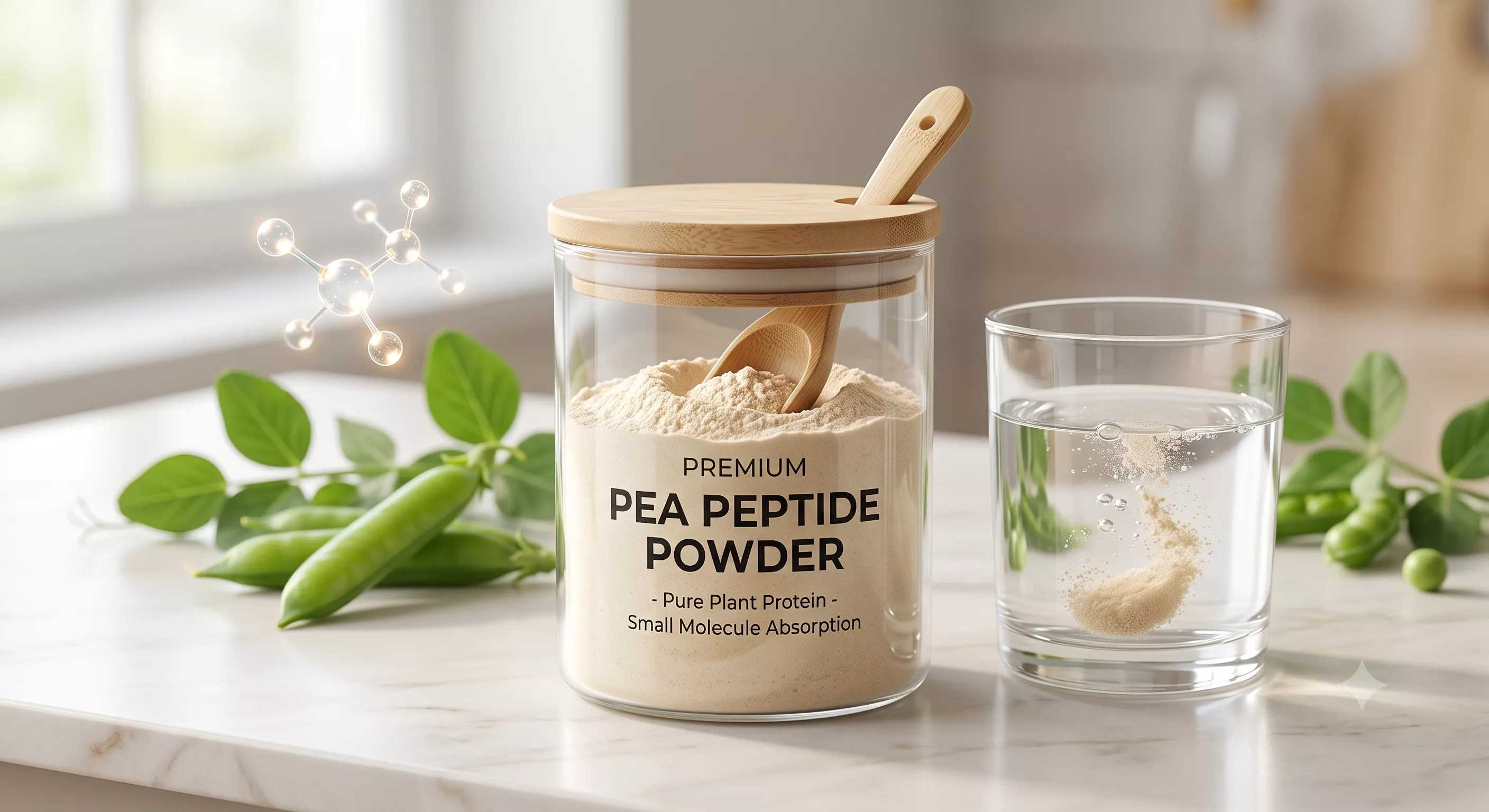
Source high-purity, hypoallergenic hydrolyzed pea peptide powder in bulk. Complete water solubility, rich in BCAAs, ideal for vegan recovery formulas.
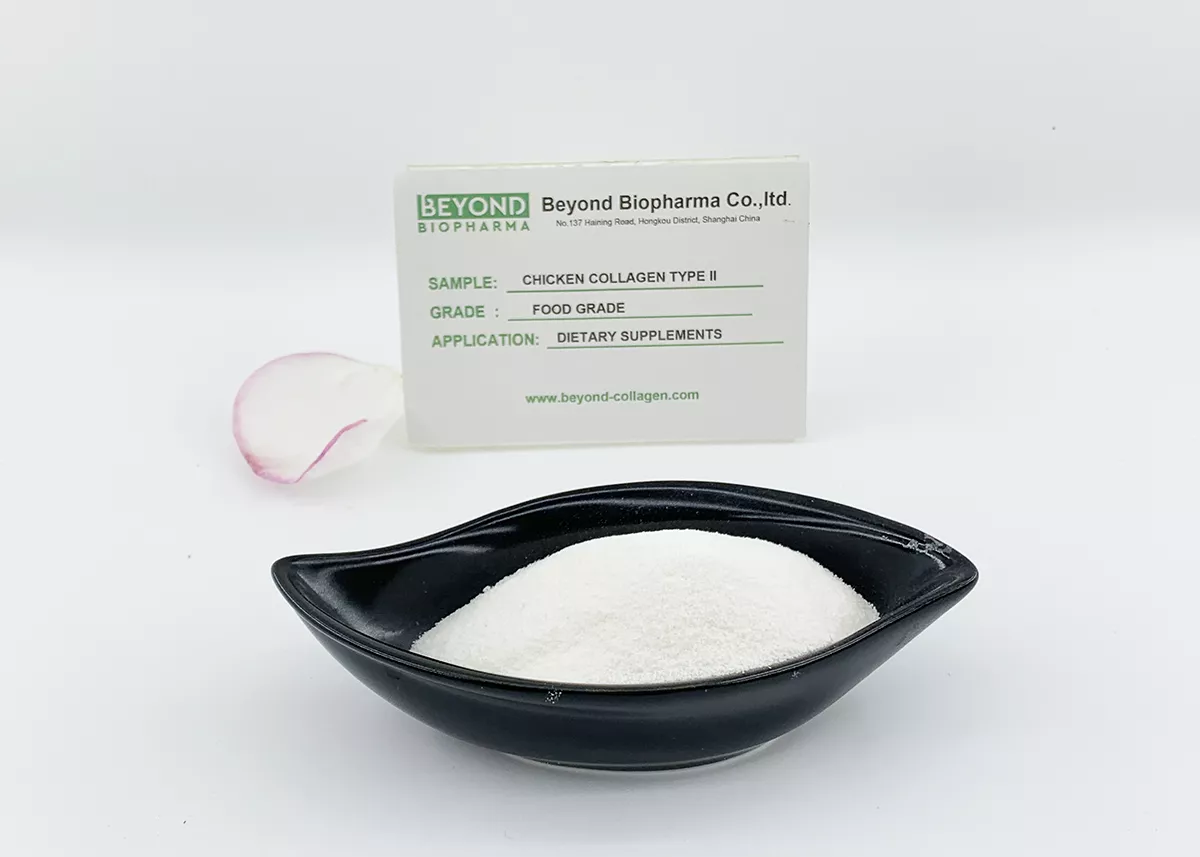
BEYOND BIOPHARMA is a specialized manufacturer of high-quality Undenatured Collagen Type II. Utilizing low-temperature, non-enzymatic extraction methods, our Undenatured Collagen Type II retains its native, triple-helix structure, essential for modulating the immune system's response to joint health and providing superior support for mobility, flexibility, and overall joint comfort.
Tel:+86 21 65010906
Cell/Whatsapp/Wechat:
+86 13482884055
+86 18657345785
Email: sales@beyondbiopharma.com





User Comments
Service Experience Sharing from Real Customers
Megan
Pastry ChefAs someone who's worked in professional kitchens for 12 years, I've always preferred sheets but needed powder for a large batch recipe. This conversion guide was spot-on – the measurements worked perfectly for my lemon panna cotta. No more guessing games!
Leo
Home BakerI'm just getting into fancy desserts and was completely lost when my recipe called for gelatin sheets. Found this conversion tip while frantically Googling at 10 PM – saved my blackberry mousse from disaster! One star off because I wish there was a quick-print chart.
Chloe
Food Science ResearcherFrom a food chemistry perspective, the conversion ratios provided are scientifically accurate. I've tested them in our lab with different bloom strengths and the results were consistent. Finally a reliable resource that doesn't oversimplify the science behind gelatin.
Ryan
Catering ManagerWe had to switch suppliers suddenly and got stuck with powder instead of sheets for 200 wedding dessert portions. This conversion saved our bacon – the texture came out identical. Pro tip: always add the powder slowly while whisking like they mentioned, or you'll get lumps.