 English EN


Bovine gelatin pros and cons everyone should know
Bovine gelatin offers strong gelling and health benefits but has dietary, ethical, and allergen concerns. Compare bovine gelatin to other gelatin options here.
More
For overseas food-ingredient buyers and R&D professionals, converting gelatin powder to sheets is a common yet critical step in achieving consistent texture and gel strength in applications like gummies, desserts, and pharmaceutical capsules. This guide covers the conversion ratio, bloom equivalency, and practical tips to ensure batch-to-batch reliability when sourcing from suppliers like Beyond Biopharma.
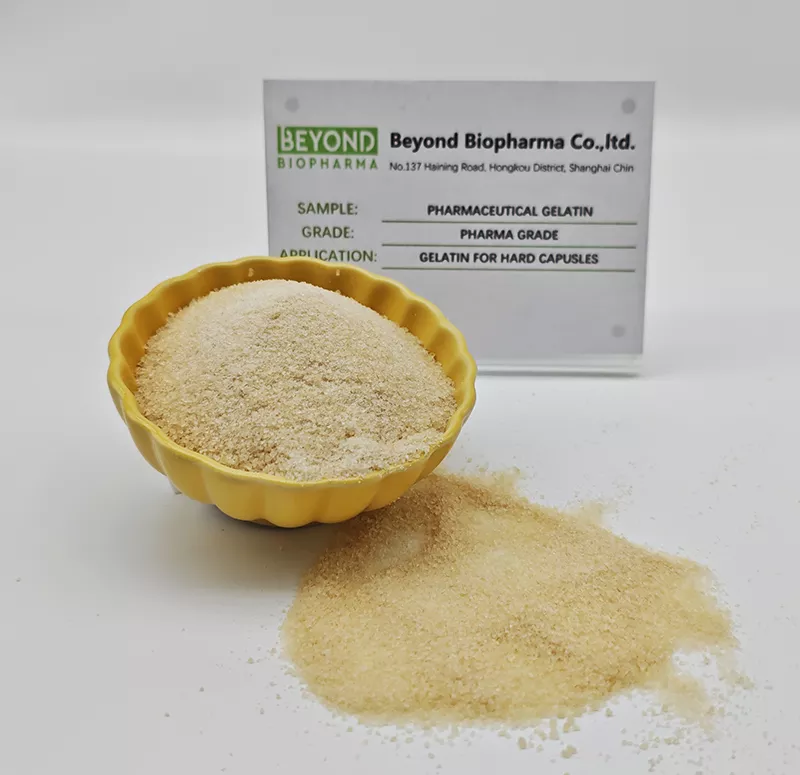
When you order gelatin powder but receive sheets, or vice versa, the immediate challenge is batch consistency. Bloom strength, viscosity, and solubility vary between forms. A 200-bloom sheet does not always equal a 200-bloom powder in performance. This mismatch can ruin a gummy texture or cause softgel shell brittleness. Understanding how to convert gelatin powder to sheets accurately is essential for maintaining product quality and avoiding costly reformulation.
Gelatin powder and sheets are both derived from collagen through hydrolysis, but their physical form affects hydration and dissolution rates. Sheets are pre-measured and dissolve more evenly in cold water, making them preferred in fine confectionery. Powder offers flexibility in dosing and is common in industrial settings. The key parameter is bloom strength: both forms can be produced at the same bloom value (e.g., 150–260 bloom for gummies), but the conversion ratio by weight is not 1:1 due to moisture content differences. Typically, sheet gelatin has slightly lower moisture (≤12%) compared to powder (≤14%), so you may need to adjust weight by about 5–10% when substituting.
Below is a comparison of common parameters. Note: these are typical industry ranges; final values per COA or sample.
| Parameter | Gelatin Powder | Gelatin Sheets |
|---|---|---|
| Bloom (g) | 50–300 (typical: 150–260 for gummies) | 50–300 (typical: 150–260 for gummies) |
| Viscosity (mPa·s) | 2.0–5.5 | 2.0–5.5 |
| Mesh size | 8–60 | N/A (sheet thickness varies) |
| Moisture | ≤14% | ≤12% |
| Protein content | ≥90% | ≥90% |
For Edible Gelatin and Pharmaceutical Gelatin, Beyond Biopharma offers both powder and sheet forms with consistent bloom values. Always request a COA to confirm the exact specs for your batch.
The conversion is based on bloom strength and weight. Here is the general method:
For precise results, use a conversion chart from your supplier. Beyond Biopharma provides technical support for Food Grade Porcine Gelatin and other grades to ensure your formulation stays on target.
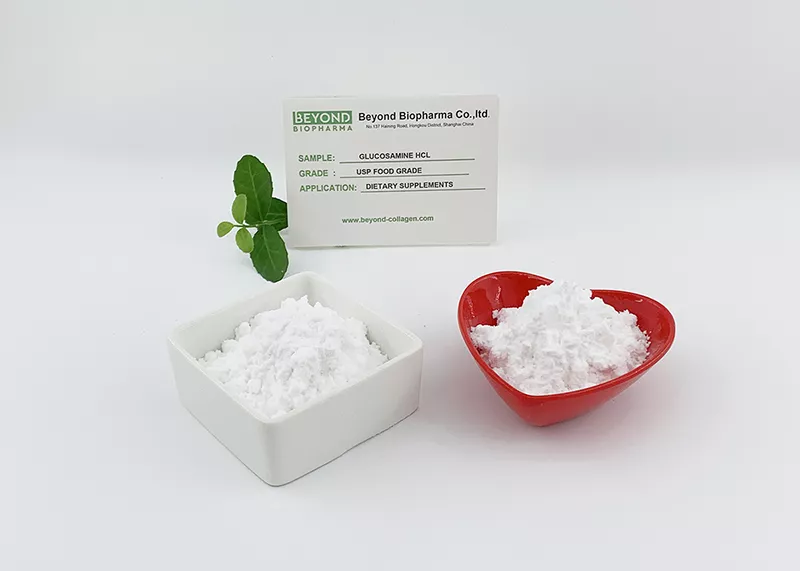
Different industries require specific bloom and form factors. Here is selection guidance:
Beyond Biopharma, based in Shanghai, China, has over 10 years of experience in the food-ingredient industry, exporting to 50+ countries. Our facility produces approximately 3,000 MT/year of collagen and 5,000 MT/year of gelatin, with fully automatic production lines and GMP clean workshops. We offer ISO 9001, US FDA registration, and select products with Halal/Kosher certification. Our in-house lab conducts heavy-metal and microbiological testing, ensuring every batch meets your specs. Whether you need edible gelatin, pharmaceutical gelatin, or collagen peptides, we provide free samples and formulation support. Our product lines include bovine, porcine, and fish gelatin, as well as plant protein peptides and joint health ingredients like glucosamine HCl and hyaluronic acid.
Q: Can I substitute gelatin powder for sheets in any recipe?
Yes, but you must adjust for bloom and moisture. Use a conversion chart from your supplier. For example, 10g of 200-bloom powder equals about 3–4 standard sheets of the same bloom. Test a small batch first.
Q: What bloom strength should I use for gummy candies?
For gummies, 200–260 bloom is typical. Higher bloom gives firmer texture. Both powder and sheets can achieve this range. Beyond Biopharma offers high-bloom gelatin suitable for gummies.
Q: How do I hydrate gelatin sheets vs. powder?
Soak sheets in cold water for 5–10 minutes until soft. For powder, sprinkle over cold water and let bloom for 20–30 minutes. Both should then be gently heated to dissolve.
Q: Is there a difference in shelf life between powder and sheets?
Both have similar shelf life (2–3 years) when stored in a cool, dry place. Sheets may be more prone to moisture absorption due to larger surface area. Always seal packaging tightly.
Q: Can I use fish gelatin sheets instead of bovine?
Yes, but fish gelatin has a lower melting point and different bloom profile. It is compatible with kosher and halal requirements. Beyond Biopharma supplies fish gelatin in both powder and sheet forms.
Q: How do I ensure batch consistency when converting?
Request a Certificate of Analysis (COA) for each batch. Test bloom, viscosity, and moisture. Work with a supplier like Beyond Biopharma that provides consistent specs and free samples for pre-production testing.
To ensure your gelatin powder to sheets conversion is accurate and cost-effective, contact Beyond Biopharma with your application details. Please provide: your intended use (food, pharma, or cosmetic), required grade, estimated quantity/MOQ, target specs (bloom, mesh, molecular weight, certifications), and destination country. We will send free samples and a competitive quote. Our team supports custom bulk supply and formulation/OEM to meet your exact needs. Reach out today to streamline your sourcing process.

We provide you with comprehensive foreign trade solutions to help enterprises achieve global development
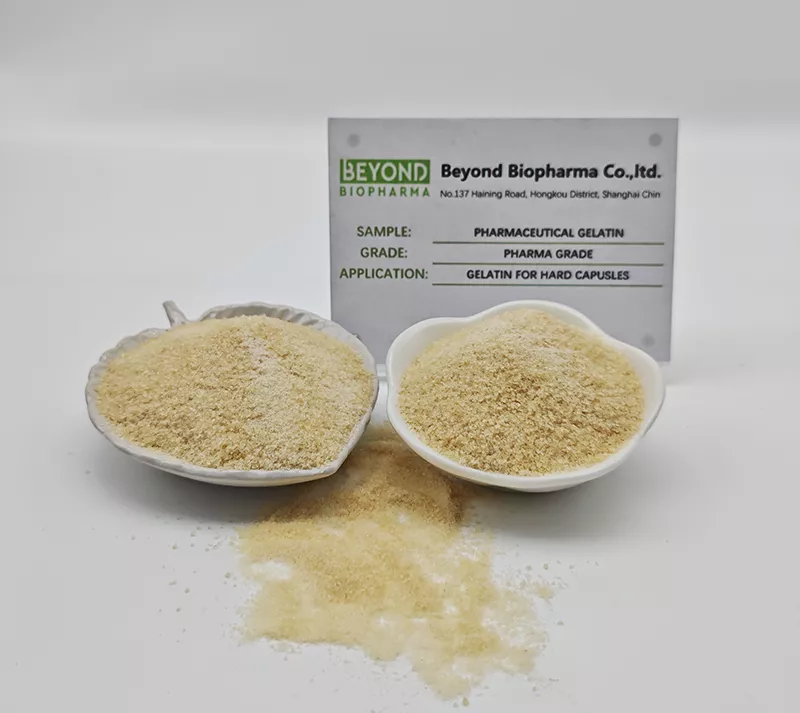
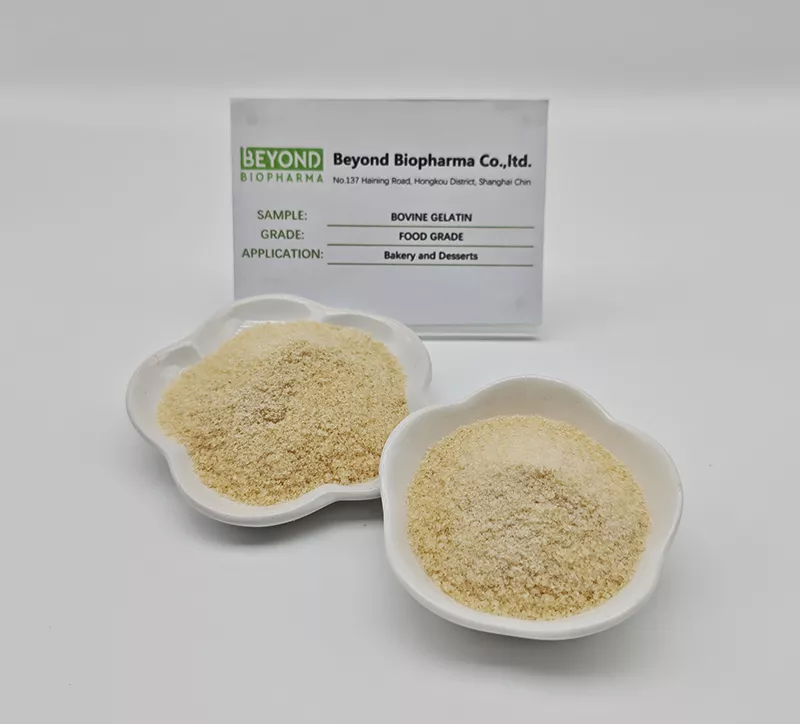
The high-strength and rapid-setting characteristics of Bovine Bone Gelatin ensure it forms a stable, uniform, and durable shell that preserves the integrity of the active pharmaceutical ingredient (API).
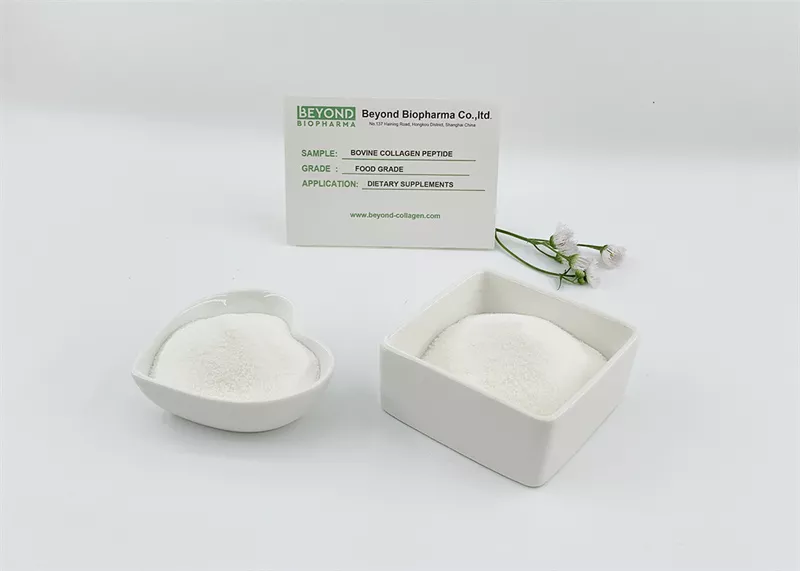
Manufacturer of bovine collagen peptide, shipping in containers all around the world
20 years experiences, 5000 ton/year capacity, Sustained supply with stable quality
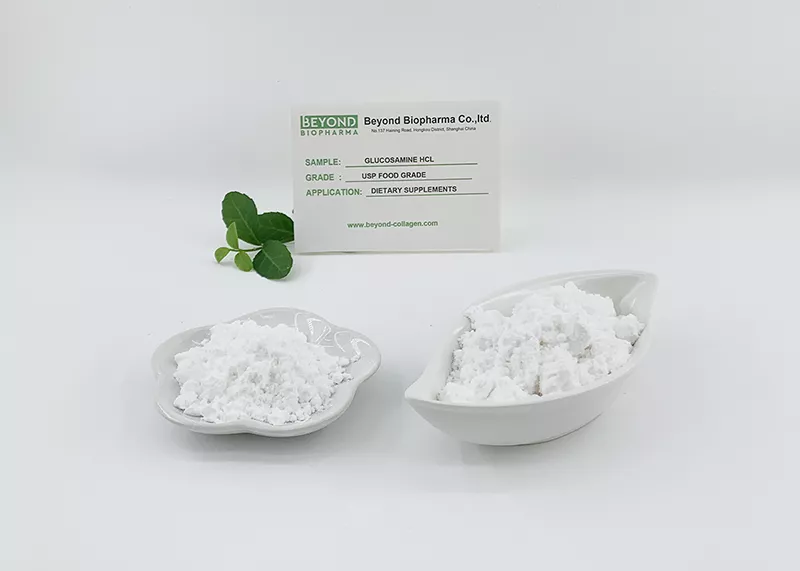
The Purest Plant-Based Joint Support Solution
Select the most popular foreign trade service products to meet your diverse needs
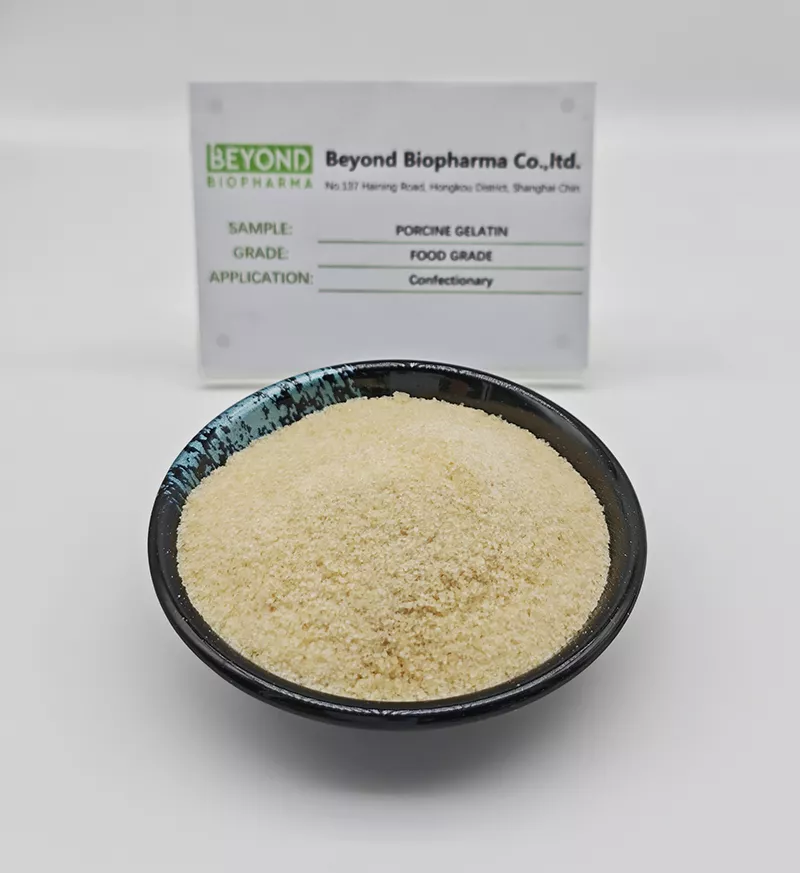
Food-grade porcine gelatin is a highly versatile and cost-effective natural protein derived from the collagen found in pig skin and bones. It is a premier gelling agent known for its exceptional clarity, neutral taste, and thermal reversibility.
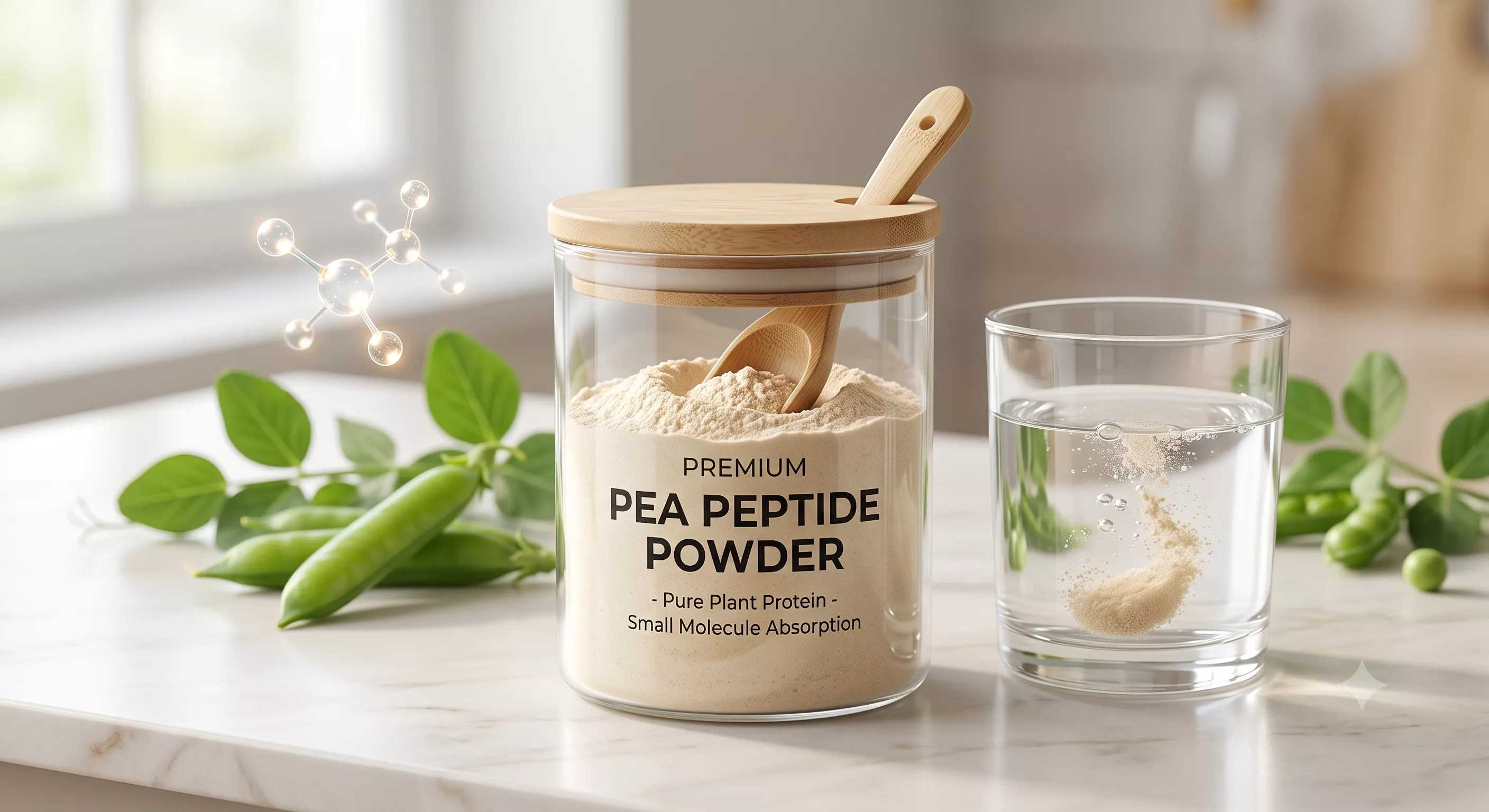
Source high-purity, hypoallergenic hydrolyzed pea peptide powder in bulk. Complete water solubility, rich in BCAAs, ideal for vegan recovery formulas.
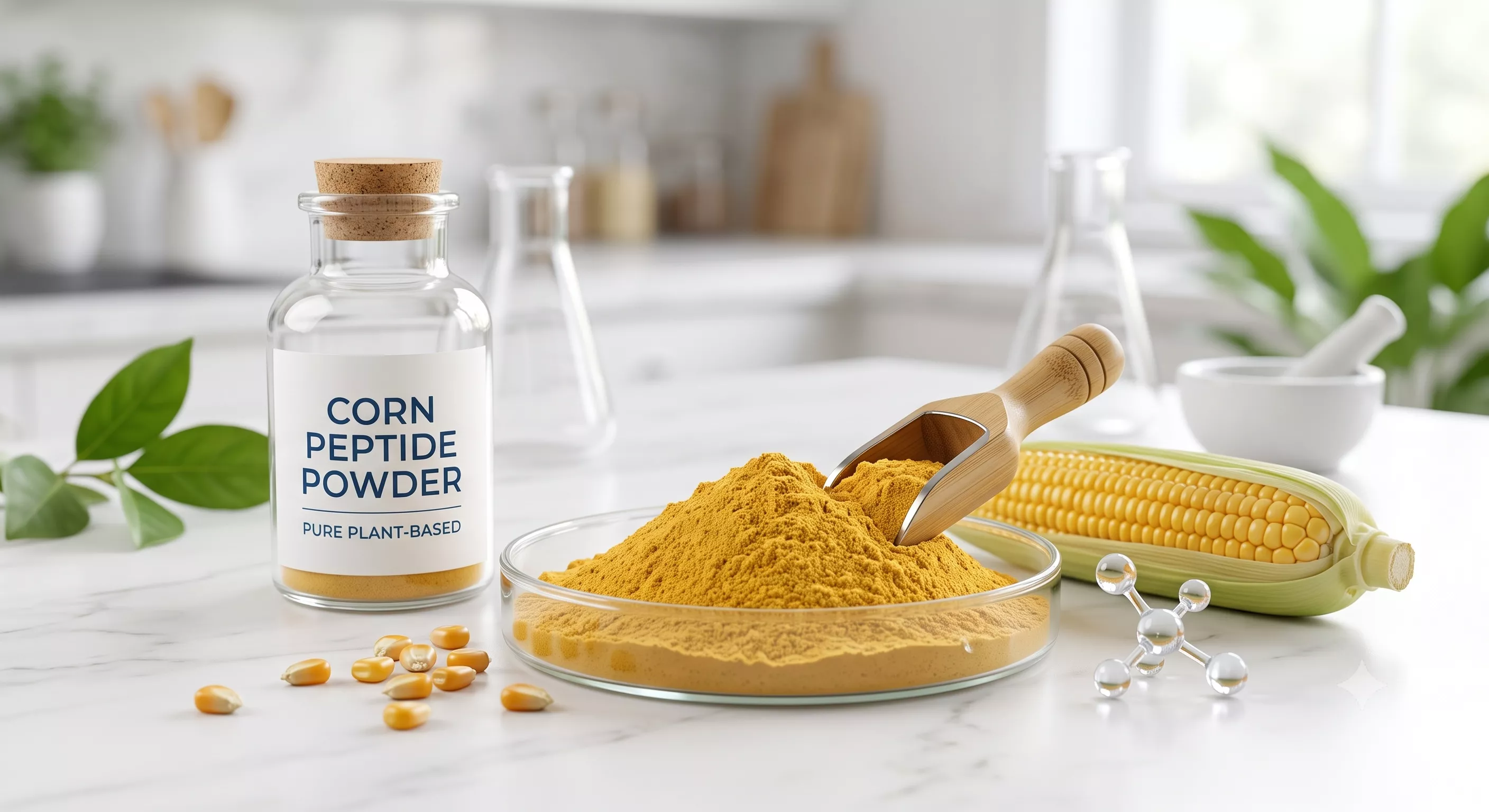
Source high-purity wholesale hydrolyzed corn protein peptide powder in bulk. Over 85% oligopeptides under 1000 Da. Rich in Alanine and Leucine for liver support and sobriety formulas.
Tel:+86 21 65010906
Cell/Whatsapp/Wechat:
+86 13482884055
+86 18657345785
Email: sales@beyondbiopharma.com





User Comments
Service Experience Sharing from Real Customers
Megan
Pastry ChefAs someone who's always used sheets, switching to powder felt daunting. This guide was a lifesaver! The 1:4 ratio tip worked perfectly for my panna cotta. No more guessing games – my textures are now consistently silky. Lifesaver for busy kitchens!
Leo
Home BakerHonestly, I was skeptical because my last attempt with another method was a rubbery disaster. This broke it down so simply – especially the part about blooming in cold water first. My marshmallows finally have that perfect chew. Lost one star because I wish there was a trouble-shooting section for high humidity days.
Chloe
Food Science StudentFrom a technical standpoint, the conversion explanation is spot-on. It clearly explains the weight vs. bloom strength difference that most recipes gloss over. Used this for a lab experiment on gelling agents and got reproducible results. Super practical for anyone needing precision.
Raj
Catering ManagerWe had a last-minute supplier issue and only had powder when the recipe called for sheets. Found this guide and it saved the day for a 200-person event. The tip about dissolving completely over low heat was key – no grainy texture in the charlotte. My team now keeps this bookmarked.