 English EN


How to Use Gelatin Powder? Applications of Gelatin Powder
Use gelatin powder by blooming it in cold water, dissolving gently, and adding to recipes for perfect texture in desserts, sauces, and supplements.
More
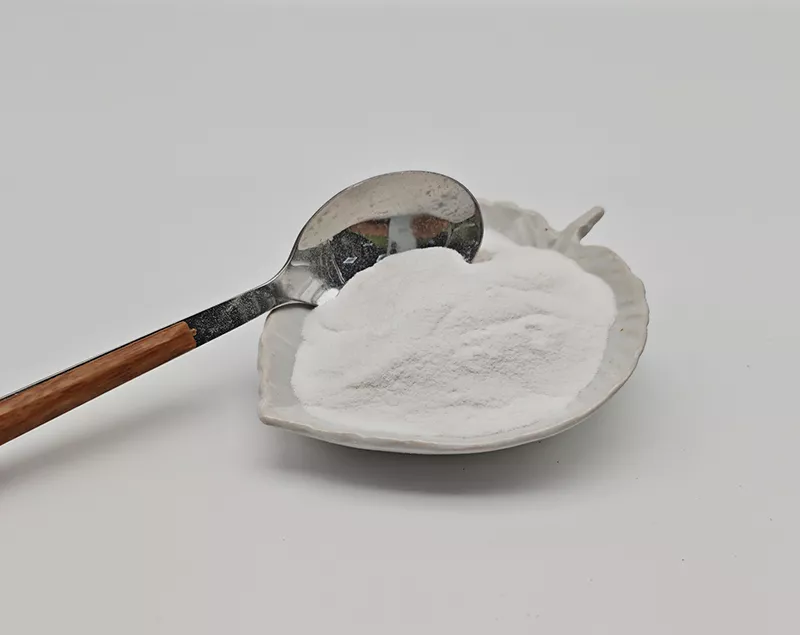
Gelatin leaves, also known as sheet gelatin, come in different bloom strengths. The most common type used in home and professional kitchens has a bloom strength of around 160 to 200. One standard gelatin leaf typically weighs about 2 grams and sets the same amount of liquid as 1 teaspoon (roughly 3 grams) of powdered gelatin. This means that if a recipe calls for 4 leaves of gelatin, you can substitute with 4 teaspoons of powdered gelatin. For precise measurement, always weigh your ingredients: 1 leaf (2 g) equals 2 g of powder, but because powder is denser, volume-based conversions differ slightly. Always check the bloom strength on your gelatin package, as higher bloom leaves require less powder to achieve the same set.
To convert gelatin leaves to powder, start by determining the total weight of leaves needed. For example, if a recipe requires 6 leaves (12 g total), you will use 12 g of powdered gelatin. Bloom the powder in cold water for 5 to 10 minutes using a ratio of 1 part gelatin to 5 parts water by weight. For 12 g of powder, use 60 g of cold water. After blooming, gently heat the mixture until the gelatin dissolves completely, but do not boil, as high heat can weaken its setting power. Once dissolved, add the gelatin to your recipe as you would with bloomed leaves. This method works for both savory and sweet applications, from panna cotta to terrine.
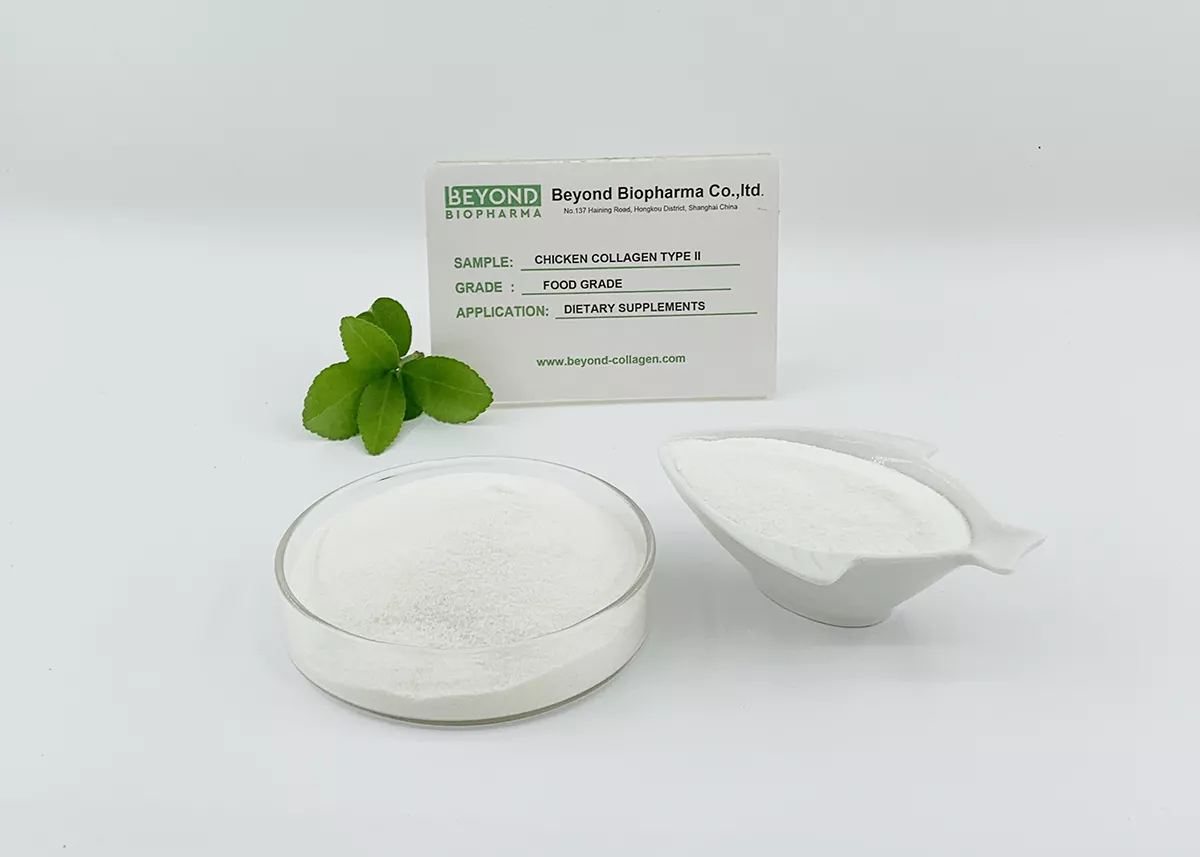
Here are the most reliable conversion ratios based on industry standard gelatin (160-200 bloom): 1 leaf (2 g) = 1 teaspoon (3 g) powder by volume, but for accuracy use weight: 1 leaf = 2 g powder. For 10 leaves (20 g), use 20 g powder. If your recipe calls for 4 leaves (8 g), use 8 g powder. Always bloom powder in cold water for at least 5 minutes. One common mistake is using too much water when blooming powder, which can lead to weak gels. Stick to a 5:1 water-to-gelatin ratio by weight. Also, remember that gelatin sets faster when chilled, so allow at least 4 hours for full setting in the refrigerator. For more detailed product information, you can explore standardized gelatin sheets or edible bovine gelatin for specific applications.
When converting gelatin leaves to powder in recipes like mousse or jelly, always dissolve the bloomed powder completely over low heat. If you notice lumps, strain the mixture through a fine sieve. For fruit-based recipes, be aware that certain fruits like pineapple, kiwi, and papaya contain enzymes that break down gelatin. These fruits must be cooked before adding gelatin to deactivate the enzymes. In professional kitchens, gelatin powder is often preferred for its longer shelf life and ease of storage. However, leaves provide a more consistent bloom and are less prone to clumping. Choose based on your specific needs. For those working with specialty gelatins, you may also consider halal and kosher verified fish gelatin for clean-label products.
Using the correct gelatin conversion ensures your desserts set properly and have the right texture. Too little gelatin results in a runny mixture, while too much creates a rubbery or tough gel. By following the weight-based conversion of 1 leaf (2 g) to 2 g of powder, you maintain the same setting power. This precision is especially important in commercial baking and food manufacturing, where consistency is key. Always store gelatin powder in a cool, dry place away from direct sunlight to preserve its bloom strength. With these guidelines, you can confidently adapt any recipe that uses gelatin leaves to its powdered form.


We provide you with comprehensive foreign trade solutions to help enterprises achieve global development
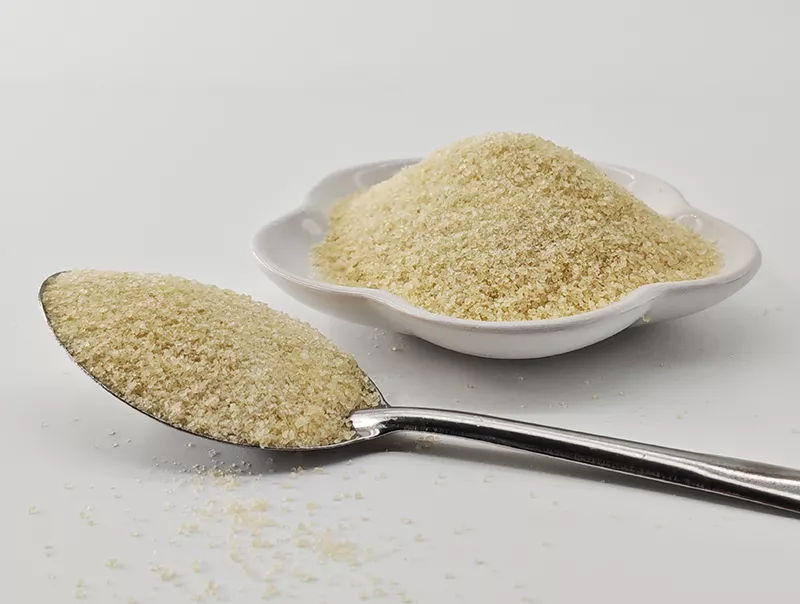
The High-Performance Barrier for Core Material Protection and Controlled Release.
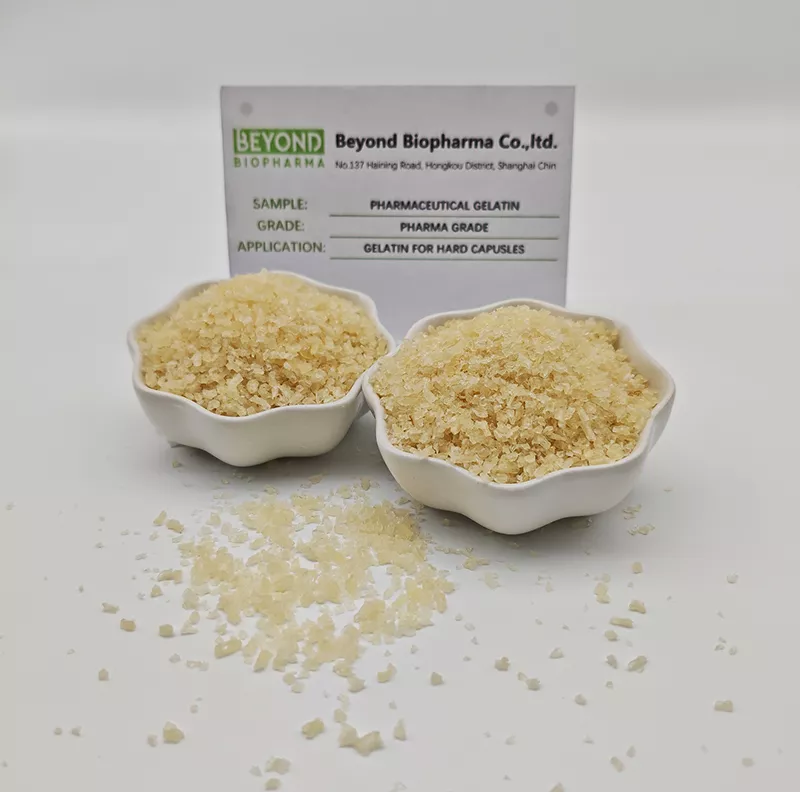
Precision, Purity, and Optimal Machinability
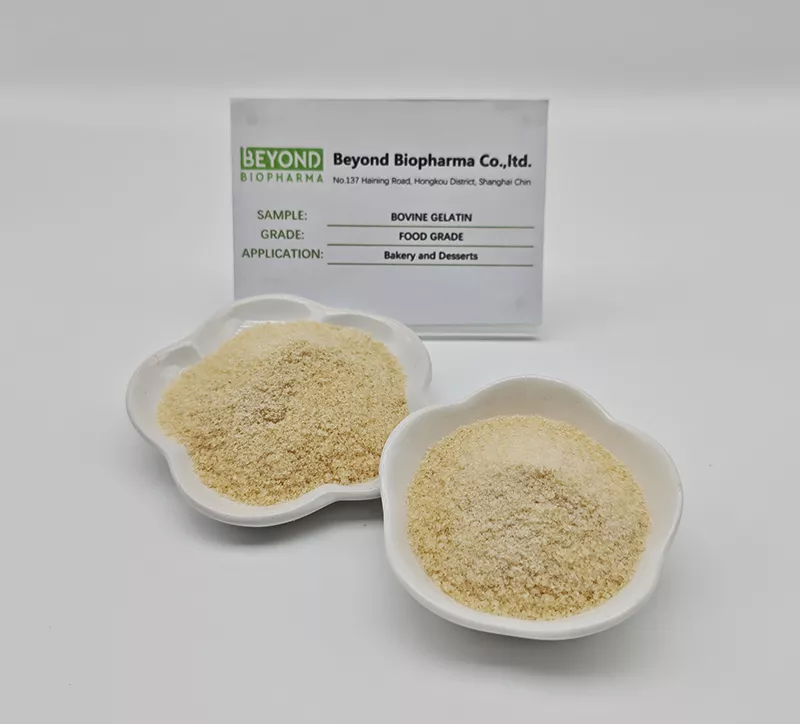
20 years experiences, 5000 ton/year capacity, Sustained supply with stable quality
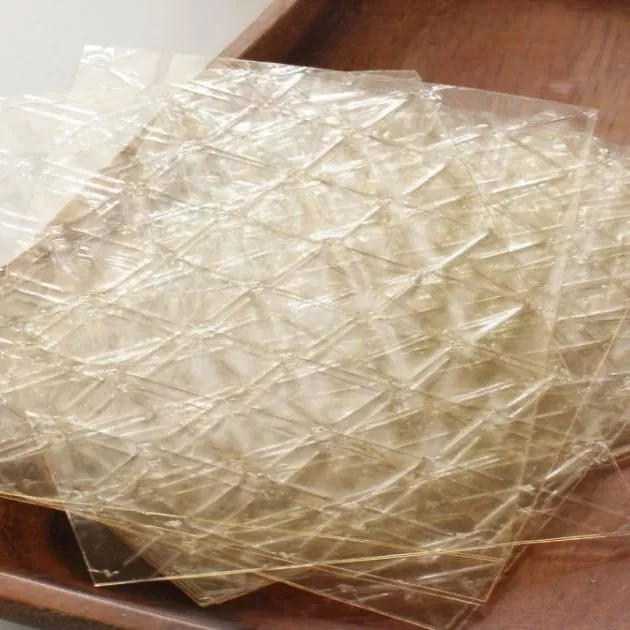
Our Gelatin Sheets are produced to precise standards, ensuring consistency and reliability across different Bloom grades (Silver being the most common professional choice).
Tel:+86 21 65010906
Cell/Whatsapp/Wechat:
+86 13482884055
+86 18657345785
Email: sales@beyondbiopharma.com




