English EN


How to Use Gelatin Powder? Applications of Gelatin Powder
Use gelatin powder by blooming it in cold water, dissolving gently, and adding to recipes for perfect texture in desserts, sauces, and supplements.
More
Switching between gelatin powder and sheets can feel tricky at first, but it’s actually quite straightforward once you understand the basic ratio. Whether you’re making panna cotta, mousses, or homemade gummies, knowing how to substitute one form for the other ensures consistent results every time. This guide walks you through the simple conversion process, with practical tips for both home cooks and professional bakers.
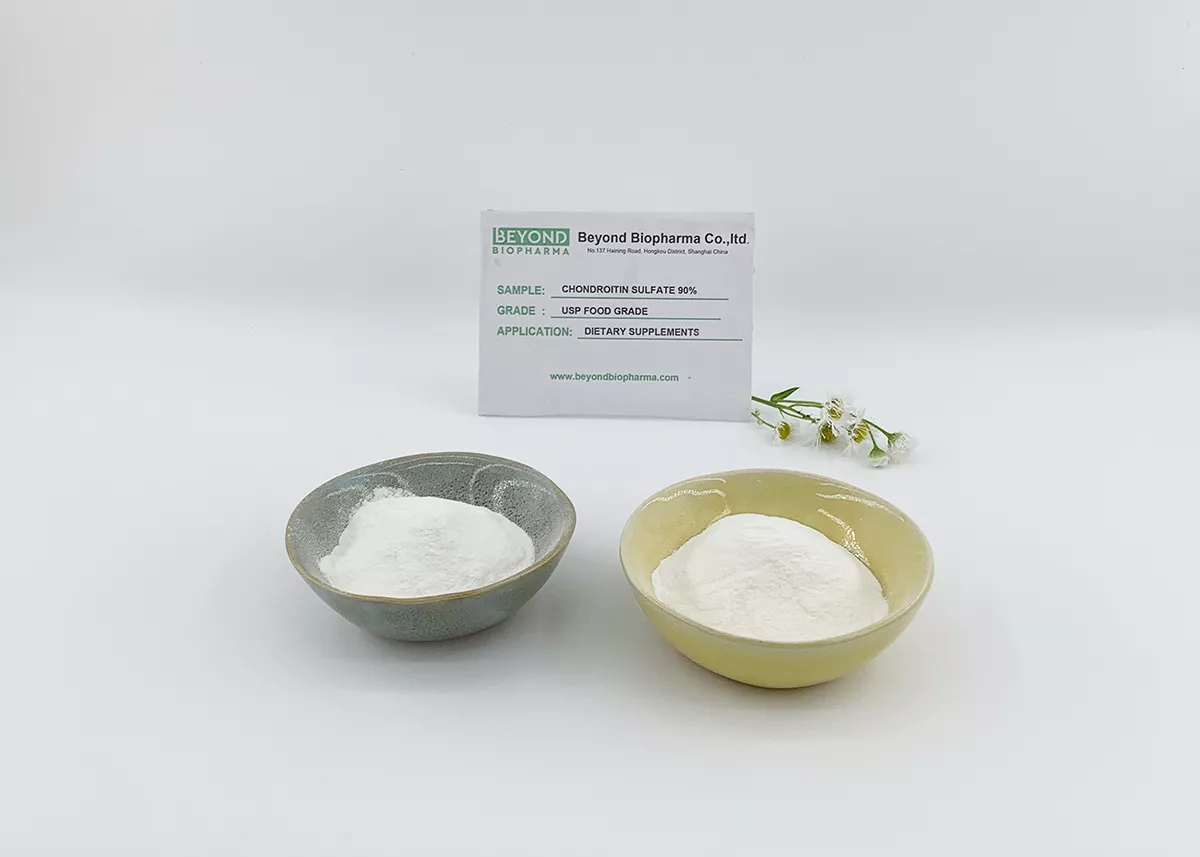
The key rule to remember is that 1 packet (about 7 grams) of powdered gelatin equals roughly 4 to 5 sheets of standard gelatin, depending on the sheet strength (usually 200 bloom for sheets). In practice, one sheet of gelatin (around 2 grams) provides the same gelling power as about 1.4 to 1.6 grams of powder. For most recipes, using 1 sheet per 1.5 grams of powder works perfectly. This ratio holds true for both bovine and porcine gelatins, as long as the bloom strength is similar.
Start by checking your recipe: if it calls for 10 grams of gelatin powder, you’ll need about 6 to 7 sheets (since each sheet is roughly 2 grams). To be precise, weigh your sheets on a kitchen scale. Next, bloom the sheets in cold water for 5 to 10 minutes until they become soft and pliable. Squeeze out excess water gently before adding them to your warm liquid. For powder, you would sprinkle it over cold water and let it sit for 5 minutes before heating. The final texture is nearly identical when using the correct conversion.
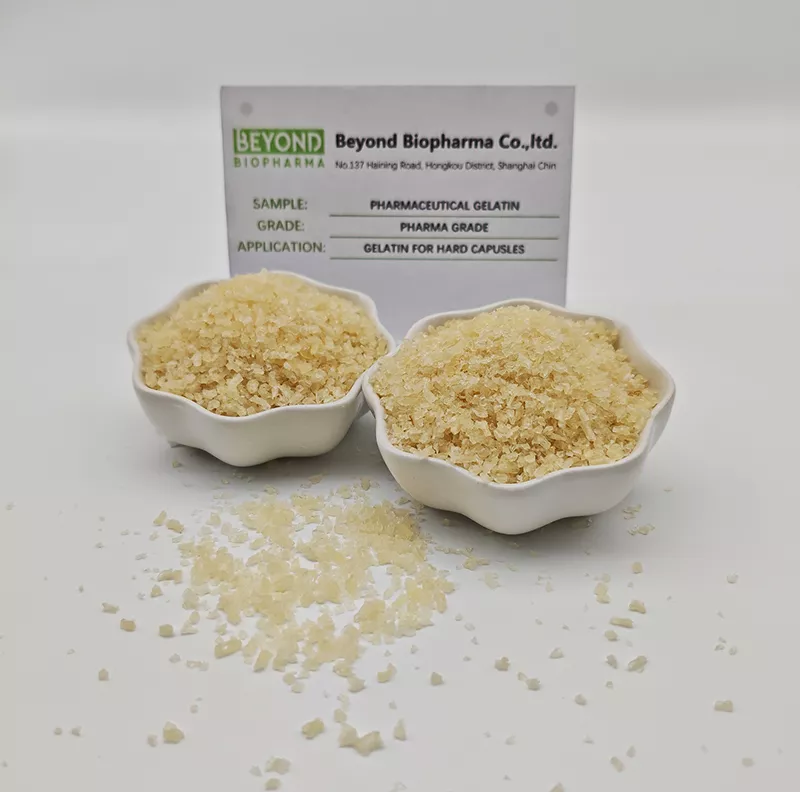
Always use cold water for blooming—never warm or hot, as that can weaken the gelatin’s strength. If your recipe uses an acidic ingredient like lemon juice or vinegar, increase the gelatin amount by about 10% because acid can break down the protein structure. For fruit-based desserts, note that fresh pineapple, kiwi, and papaya contain enzymes that prevent gelling; use canned or cooked versions instead. Store both powder and sheets in a cool, dry place away from direct sunlight to maintain their potency.
One frequent error is assuming all gelatin sheets have the same weight. Standard sheets are about 2 grams each, but some brands offer “extra strength” sheets that weigh 3.3 grams. Always check the package label. Another mistake is overheating the gelatin mixture—temperatures above 185°F (85°C) can reduce gelling power. Stir gently and remove from heat as soon as the gelatin dissolves. Finally, don’t skip the blooming step; it ensures even hydration and prevents lumps in your final product.
Gelatin powder is more widely available and easier to measure in small quantities, making it ideal for everyday baking and cooking. Sheets, on the other hand, are preferred in professional kitchens because they dissolve more evenly and produce a clearer, more transparent gel. For delicate desserts like mirror glazes or layered terrines, sheets give you better control. For quick recipes like jelly shots or simple fruit gels, powder works just fine. Choose based on your recipe’s requirements and your personal convenience.
For more detailed information on different types of gelatin and their specific uses, you can explore food-grade porcine gelatin for gummies or high bloom gelatin for capsules. These resources offer additional insights into bloom strengths and application tips.


We provide you with comprehensive foreign trade solutions to help enterprises achieve global development
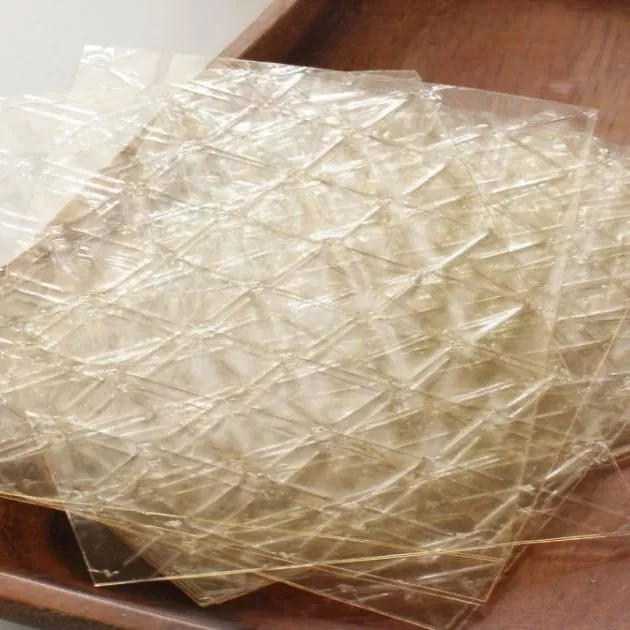
Our Gelatin Sheets are produced to precise standards, ensuring consistency and reliability across different Bloom grades (Silver being the most common professional choice).
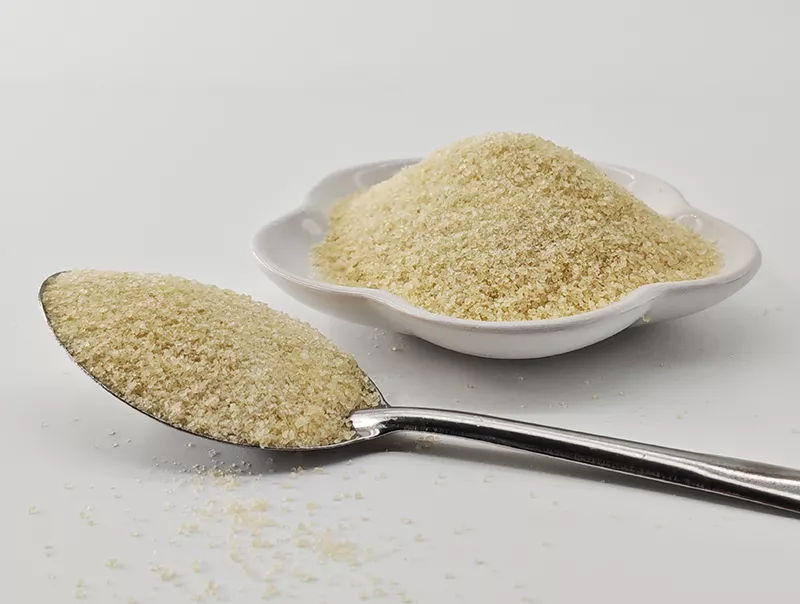
The High-Performance Barrier for Core Material Protection and Controlled Release.
Precision, Purity, and Optimal Machinability
20 years experiences, 5000 ton/year capacity, Sustained supply with stable quality
Tel:+86 21 65010906
Cell/Whatsapp/Wechat:
+86 13482884055
+86 18657345785
Email: sales@beyondbiopharma.com