English EN


How to Use Gelatin Powder? Applications of Gelatin Powder
Use gelatin powder by blooming it in cold water, dissolving gently, and adding to recipes for perfect texture in desserts, sauces, and supplements.
More
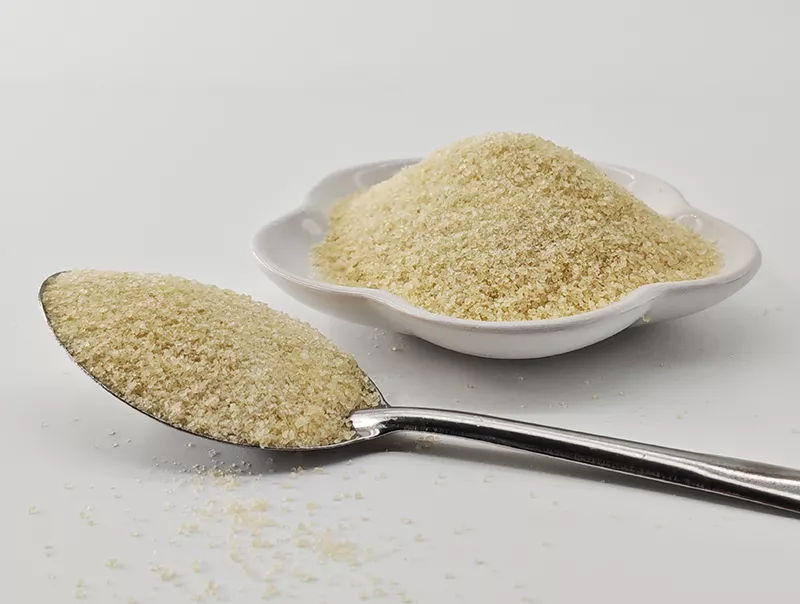
The most reliable conversion is based on the setting power, not weight alone. One standard gelatine leaf (typically weighing about 2 grams) provides the same gelling strength as 1 teaspoon (approximately 3 grams) of powdered gelatin. This 1:1 ratio by setting power is widely accepted in professional kitchens and home baking. For example, if a recipe calls for 4 gelatine leaves, you can substitute with 4 teaspoons of gelatin powder. Always use the same liquid volume to maintain the intended consistency.
To convert gelatine leaves to gelatin powder, follow these simple steps. First, measure the number of leaves required in your recipe. Multiply that number by 1 teaspoon to get the equivalent powder amount. Next, bloom the powder by sprinkling it over cold water (use about 2 tablespoons of water per teaspoon of powder). Let it sit for 5 to 10 minutes until it becomes spongy. Then, gently heat the bloomed gelatin until fully dissolved, just as you would with soaked leaves. This method ensures the gelatin activates properly and integrates smoothly into your mixture.
When substituting, keep these points in mind. Gelatin powder dissolves more quickly than leaves, so avoid overheating to prevent weakening the gel. For recipes that require a clear, transparent set, powder works just as well as leaves if bloomed correctly. If you are working with acidic ingredients like citrus juice, increase the gelatin amount by 10 to 15 percent because acid can reduce gelling strength. Store both forms in a cool, dry place to maintain their potency. For more details on gelatin types and applications, you can explore edible bovine gelatin for food applications.
One frequent error is using weight alone for conversion. Since leaves and powder have different densities, relying on grams can lead to an overly firm or weak set. Always use the leaf-to-teaspoon ratio. Another mistake is skipping the blooming step for powder, which causes clumping and uneven setting. Also, do not boil the gelatin mixture, as high heat destroys its gelling ability. By following these guidelines, you can confidently switch between forms in any recipe.
Knowing how to convert gelatine leaves to gelatin powder gives you flexibility in the kitchen. You can use whichever form is available without altering the final dish. This skill is especially useful when scaling recipes or working with different brands. For those interested in specialized gelatin products, food-grade porcine gelatin for gummies and jellies offers another option. With accurate conversion, your desserts, aspics, and confections will turn out perfectly every time.


We provide you with comprehensive foreign trade solutions to help enterprises achieve global development
The High-Performance Barrier for Core Material Protection and Controlled Release.
Precision, Purity, and Optimal Machinability
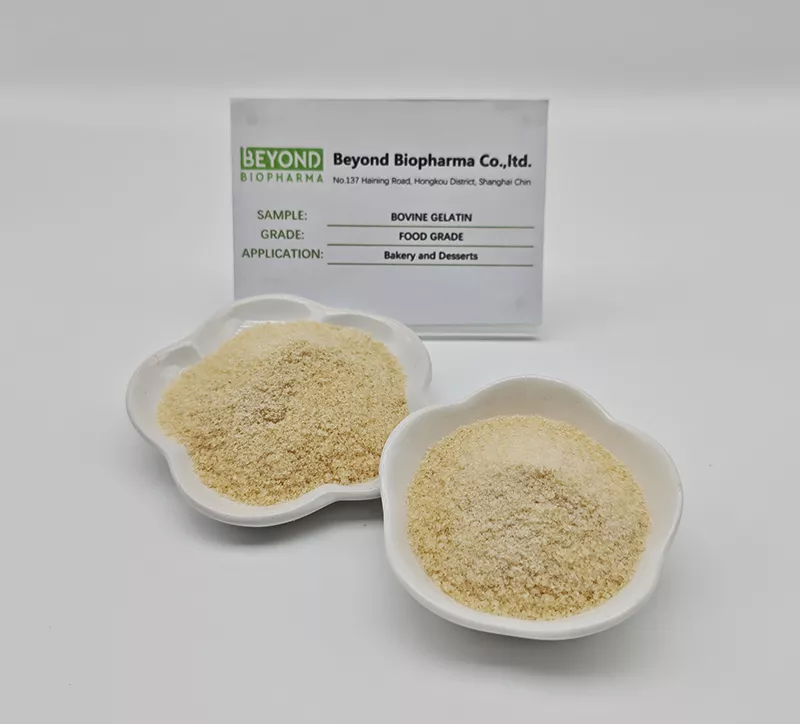
20 years experiences, 5000 ton/year capacity, Sustained supply with stable quality
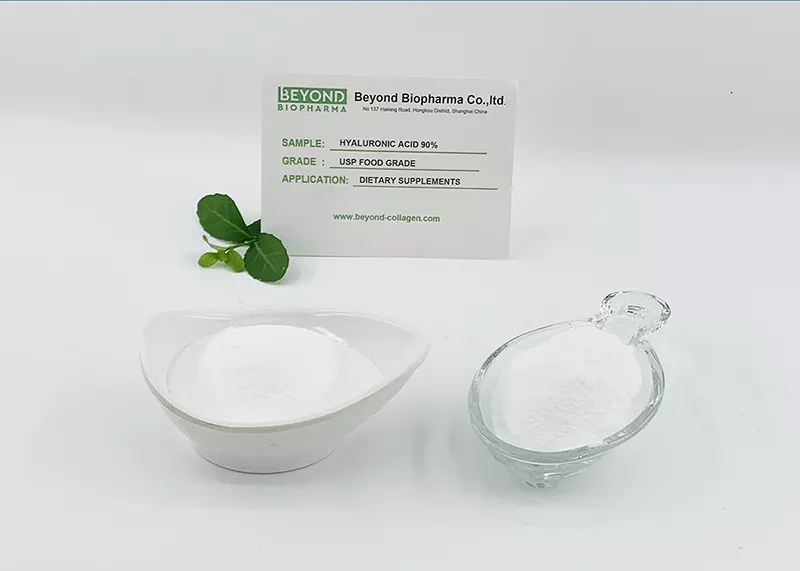
High Molecular Weight for Superior Joint, Skin, and Eye Health.
Tel:+86 21 65010906
Cell/Whatsapp/Wechat:
+86 13482884055
+86 18657345785
Email: sales@beyondbiopharma.com