 English EN


Gelatin sheet vs powder what science says in 2026
Gelatin sheet offers chefs better clarity, smooth texture, and consistent results than powdered gelatin, making it the top choice for desserts in 2026.
More
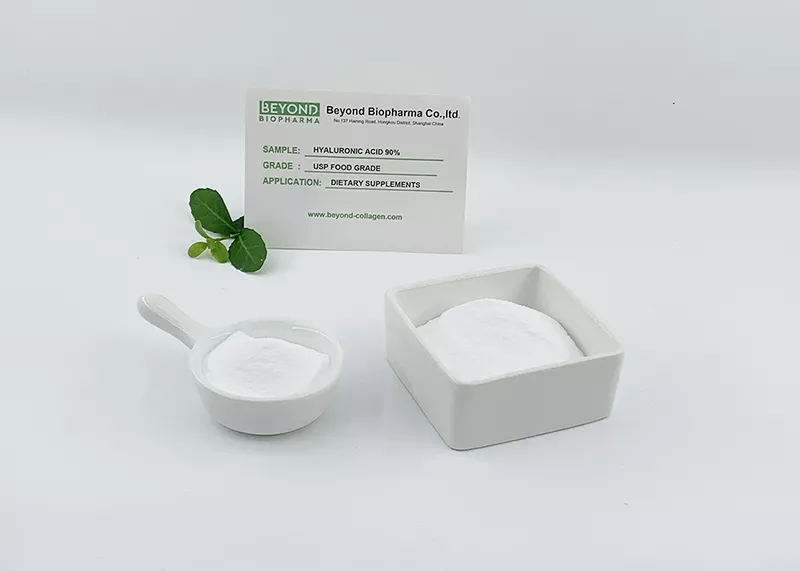
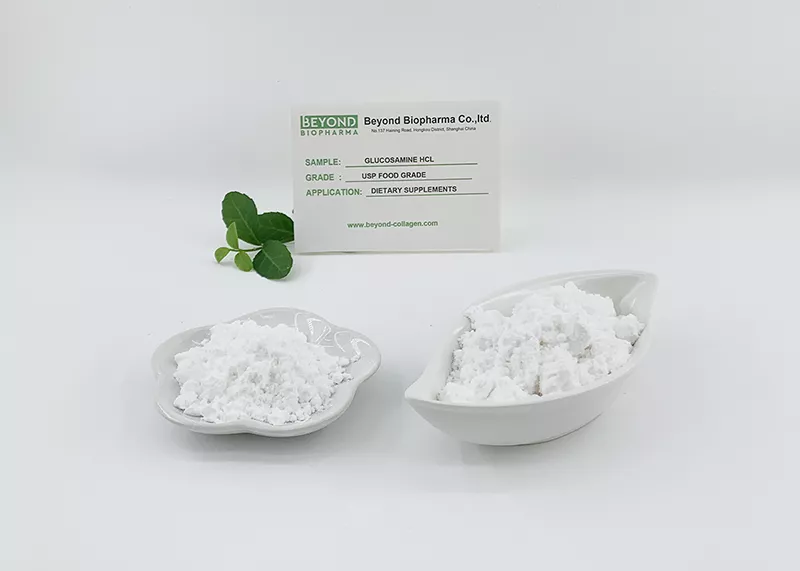
Glucosamine is a naturally occurring amino sugar and a key building block of cartilage. As a dietary supplement, it is most commonly available in two salt forms: glucosamine sulfate and glucosamine HCl. The primary difference lies in the stabilizing anion attached to the glucosamine molecule. This seemingly small chemical variation leads to significant differences in stability, purity, dosage, and manufacturing suitability. For purchasing managers and R&D teams, understanding these differences is critical to selecting the right ingredient for your product line, whether you are formulating hard capsules, softgels, gummies, or powders.
Both forms are typically derived from chitin, found in the shells of shellfish like shrimp and crab. The production process involves hydrolysis and purification. Glucosamine sulfate is often stabilized with sodium chloride or potassium chloride, resulting in a product that is approximately 60–70% glucosamine by weight. Glucosamine HCl, on the other hand, is a more concentrated form, containing about 83% glucosamine base. This higher concentration means you need less raw material to achieve the same active dose, which can reduce capsule size and improve tablet compression. Glucosamine HCl is also more stable and less hygroscopic than the sulfate form, making it easier to handle in dry blending and encapsulation processes.
The table below outlines common industry specifications for both forms. Please note these are typical industry ranges; final values should be confirmed per Certificate of Analysis (COA) and sample testing.
| Parameter | Glucosamine Sulfate (2KCl) | Glucosamine HCl |
|---|---|---|
| Glucosamine Base Content | ~60–70% | ~83% |
| Sulfate Content | Present (stabilized) | None |
| Chloride Content | Minimal (from KCl) | ~20% |
| Hygroscopicity | High (requires careful storage) | Low (more stable) |
| Typical Purity (HPLC) | ≥98% | ≥99% |
| Common Particle Size | 40–80 mesh | 40–80 mesh |
| Heavy Metals (Pb, As, Hg, Cd) | Compliant with USP/EP limits | Compliant with USP/EP limits |
Choosing between glucosamine sulfate and HCl depends on your final product format and target market.
Beyond Biopharma, based in Shanghai, China, is a dedicated manufacturer of high-quality food and pharmaceutical ingredients, including glucosamine HCl. With over 10 years of industry experience, we supply products to more than 50 countries. Our facility operates fully automatic production lines within GMP clean workshops, using stainless-steel sealed piping and automated temperature/pH control to ensure batch-to-batch consistency. We are ISO 9001 certified, US FDA registered, and our bovine bone gelatin is BSE-free. Select products carry Halal and Kosher certifications. Our in-house QA/QC lab conducts rigorous heavy-metal and microbiological testing on every batch. We offer free samples and provide formulation support to help you select the right grade for your application, whether food, pharmaceutical, or cosmetic. For joint health formulations, we also supply undenatured collagen type II and other complementary ingredients.
1. Which form of glucosamine is more bioavailable?
Both forms are well-absorbed by the body. Glucosamine HCl has a higher glucosamine base content per gram, meaning you need a smaller dose to achieve the same active amount. Some studies suggest the sulfate form may be more effective for cartilage synthesis, but the evidence is mixed. For practical formulation, HCl is often preferred for its stability and potency.
2. Is glucosamine sulfate better for joint pain than HCl?
Clinical research has used both forms. Some studies indicate glucosamine sulfate may have a slight edge in slowing cartilage degradation, but HCl is widely used in successful clinical trials as well. The choice often comes down to formulation goals and cost. Both are considered effective for supporting joint health.
3. Can I use glucosamine HCl in a vegan product?
Yes. Glucosamine HCl can be produced from non-animal sources, such as corn fermentation. This vegan-friendly version is chemically identical and suitable for plant-based formulations. Always verify the source with your supplier.
4. How should I store glucosamine sulfate vs HCl?
Glucosamine sulfate is hygroscopic and should be stored in a cool, dry place in tightly sealed containers. Glucosamine HCl is more stable and less prone to moisture absorption, making it easier to handle in manufacturing environments. Both should be kept away from direct sunlight and high humidity.
5. What are the typical dosage recommendations for each form?
A common dosage for glucosamine sulfate is 1,500 mg per day (providing ~1,000 mg of glucosamine base). For glucosamine HCl, a typical dose is 1,000–1,500 mg per day (providing ~830–1,245 mg of glucosamine base). Always follow label instructions and consult a healthcare professional.
Choosing the right glucosamine form is a critical decision for your product's efficacy and manufacturing efficiency. Whether you need glucosamine HCl for a vegan capsule line or a stable powder blend, we are here to help. Please provide your application details, required grade (food, pharmaceutical, or cosmetic), estimated quantity or MOQ, target specifications (purity, mesh size, molecular weight, certifications), and destination country. Our team will send you free samples and a competitive quote tailored to your needs. Contact us today to start the conversation.

We provide you with comprehensive foreign trade solutions to help enterprises achieve global development
High Molecular Weight for Superior Joint, Skin, and Eye Health.
The Purest Plant-Based Joint Support Solution
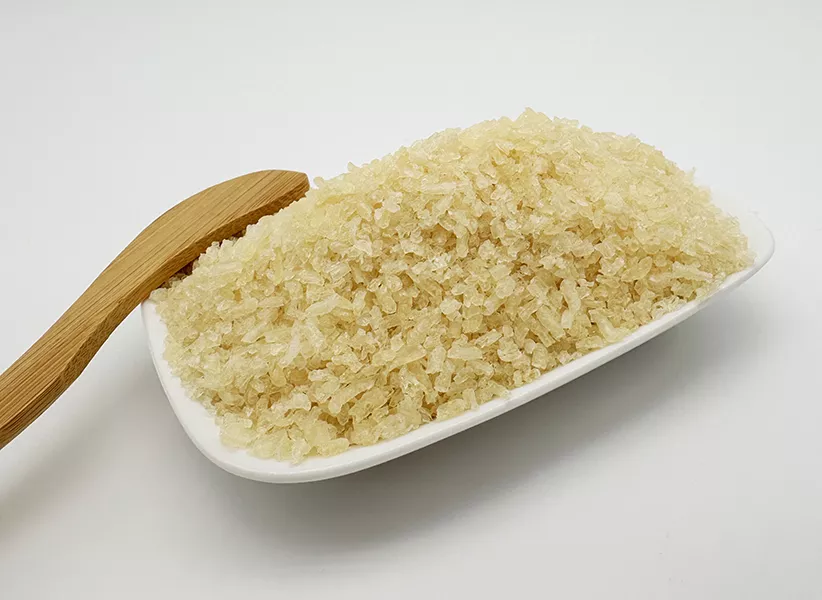
Our Bovine Hides Gelatin is engineered for versatility and compliance, ensuring performance across various applications.
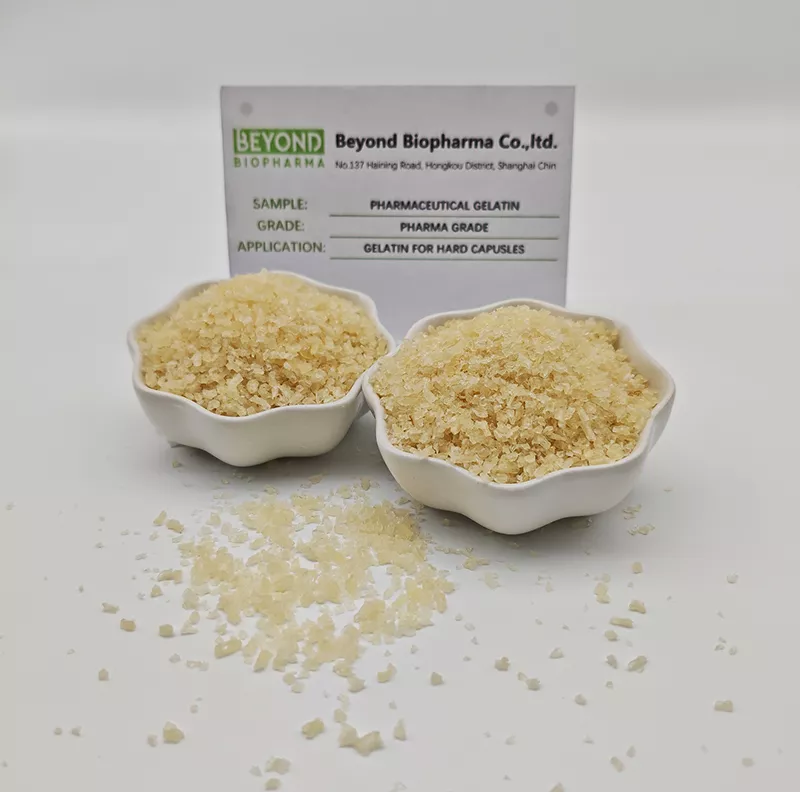
Precision, Purity, and Optimal Machinability
Select the most popular foreign trade service products to meet your diverse needs
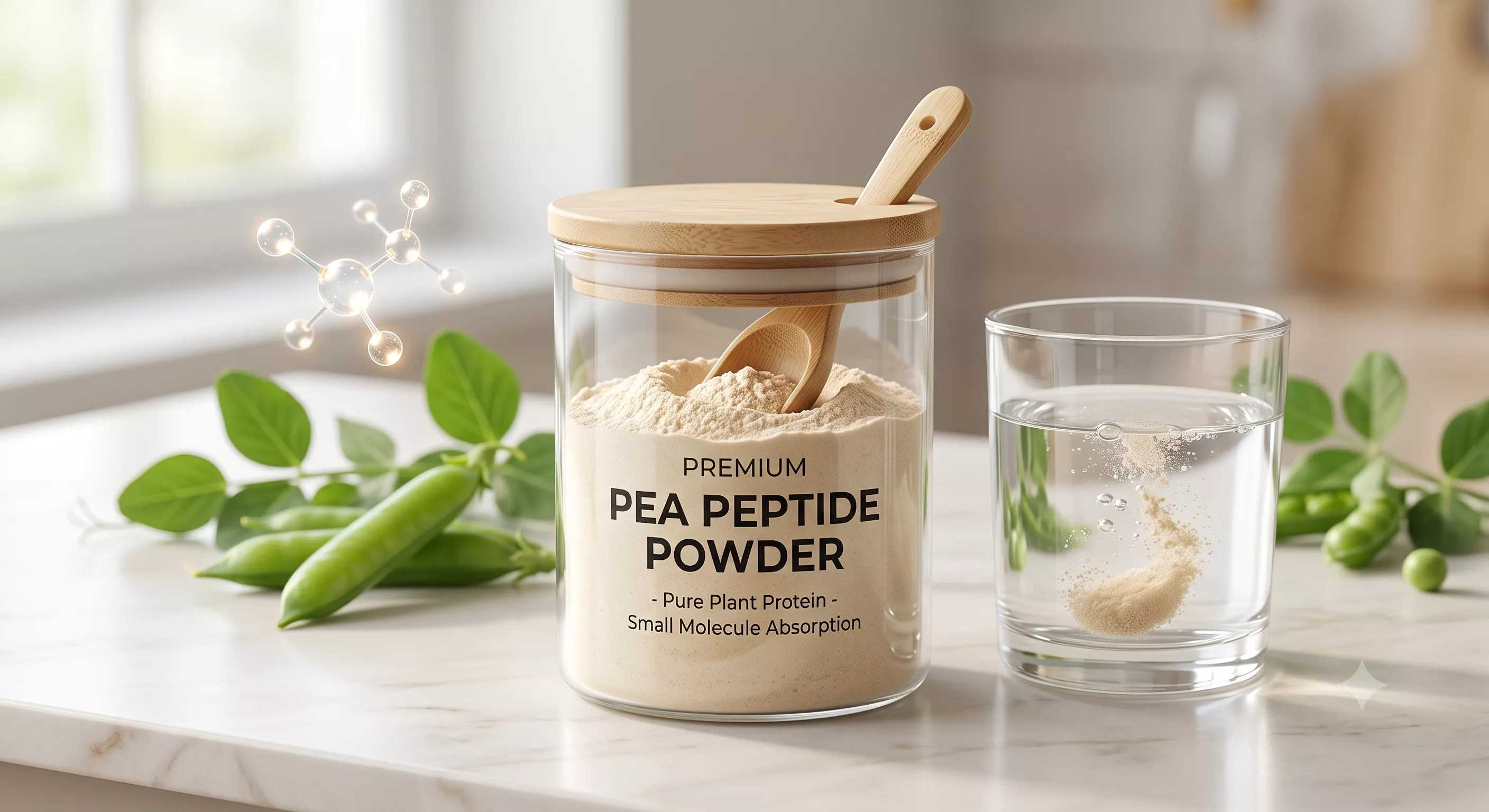
Source high-purity, hypoallergenic hydrolyzed pea peptide powder in bulk. Complete water solubility, rich in BCAAs, ideal for vegan recovery formulas.
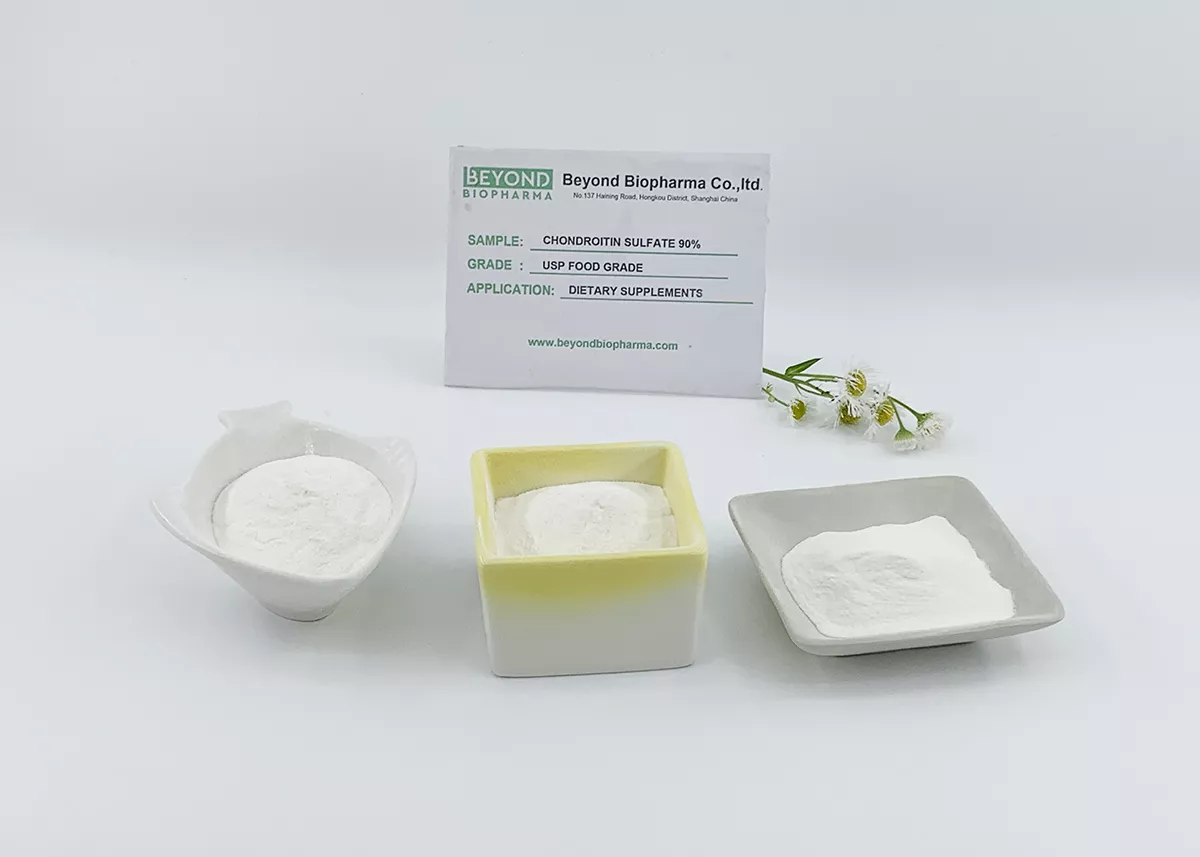
High Purity and Efficacy for Joint Health Formulations
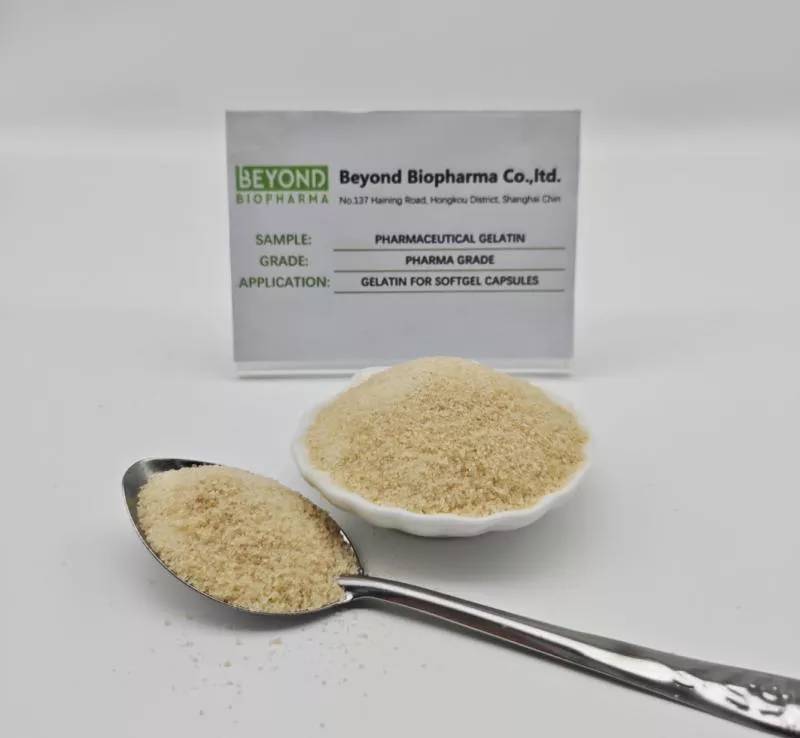
Softgel encapsulation demands a gelatin with unique physical attributes to perform optimally during the high-speed manufacturing process
Tel:+86 21 65010906
Cell/Whatsapp/Wechat:
+86 13482884055
+86 18657345785
Email: sales@beyondbiopharma.com





User Comments
Service Experience Sharing from Real Customers
Mike
Physical TherapistI’ve been comparing these two forms for my patients. The HCl seems to absorb faster and doesn’t upset my stomach like the sulfate did. Not a miracle cure, but after three weeks my knee creaking is way down. Solid option if you’re sensitive to shellfish too.
Emma
Marathon RunnerSwitched from sulfate to HCl six months ago and my joints feel noticeably less crunchy on long runs. Sulfate made me bloated, HCl doesn’t. I take it with my morning smoothie and it’s been a game changer for recovery. Definitely worth the extra few bucks.
Tom
Warehouse SupervisorBeen on sulfate for years for my shoulders. Tried HCl for two months and honestly didn’t notice a huge difference. Maybe a tiny bit less stiffness in the mornings, but not enough to switch permanently. Both work okay, but neither fixed me completely. YMMV.
Sophie
Veterinary TechnicianI started using HCl after reading it’s more bioavailable. My dog’s hip dysplasia improved too—yes, I sneak it into his food. For me, the sulfate gave me heartburn, HCl is gentle. Took about a month to feel the difference in my hands. Highly recommend giving it a shot.