 English EN


Gelatin sheet vs powder what science says in 2026
Gelatin sheet offers chefs better clarity, smooth texture, and consistent results than powdered gelatin, making it the top choice for desserts in 2026.
More
Sourcing the right glucosamine form can make or break a joint health formulation. Glucosamine sulphate and glucosamine HCl are the two most common variants, yet they differ significantly in chemical structure, stability, and application suitability. This article breaks down the core differences to help purchasing managers and R&D teams make informed decisions.
For overseas buyers in the nutraceutical and pharmaceutical sectors, understanding the distinction between glucosamine sulphate and glucosamine HCl is essential for product consistency and regulatory compliance. Both forms are widely used in joint health supplements, but their performance in different delivery systems—tablets, capsules, liquids, or gummies—varies. This guide provides a clear, data-backed comparison.
Glucosamine sulphate is a naturally occurring amino sugar that plays a key role in building cartilage. It is typically derived from shellfish shells and is often stabilized with sodium chloride or potassium chloride. In the body, it supports the synthesis of glycosaminoglycans, which are critical for joint lubrication and cushioning. The sulphate group is believed to aid in cartilage repair, making this form a popular choice for osteoarthritis supplements.
From a sourcing perspective, glucosamine sulphate is more hygroscopic than its HCl counterpart, meaning it absorbs moisture more readily. This can affect powder flow and tablet compression if not handled properly. Many manufacturers pair it with Undenatured Collagen Type II for a synergistic joint health formula.
Glucosamine HCl is the hydrochloride salt form of glucosamine. It contains a higher concentration of glucosamine base—typically around 83% compared to 65% in the sulphate form—because the HCl molecule is lighter. This makes it a more concentrated active ingredient. It is also less hygroscopic, offering better stability in dry powder blends and tablet formulations.
Glucosamine HCl is often preferred for applications where moisture sensitivity is a concern, such as in effervescent tablets or gummy supplements. It is also a common ingredient in combination products alongside Edible Gelatin for gummy joint health chews.
The table below summarizes the most important differences between the two forms. These parameters are typical industry ranges; final values should be confirmed per Certificate of Analysis (COA) and sample testing.
| Parameter | Glucosamine Sulphate | Glucosamine HCl |
|---|---|---|
| Glucosamine base content | ~65% (typical industry range) | ~83% (typical industry range) |
| Hygroscopicity | Higher (absorbs moisture easily) | Lower (more stable in dry blends) |
| Common salt form | 2NaCl or 2KCl stabilized | Hydrochloride (no additional salt) |
| Typical application | Capsules, tablets, powders | Gummies, effervescent tablets, liquids |
| Shelf life stability | Moderate (requires dry storage) | Good (less prone to caking) |
Note: These are typical industry ranges. Final values per COA and sample.
Choosing between glucosamine sulphate and HCl depends on your final product format and target market.
Beyond Biopharma is a Shanghai-based manufacturer with over 10 years of experience in the food-ingredient industry. Our products are exported to more than 50 countries. We offer both glucosamine sulphate and glucosamine HCl, along with a full range of joint health ingredients including Undenatured Collagen Type II, bovine chondroitin sulfate sodium, and food-grade hyaluronic acid powder.
Our facility features a fully automatic production line, GMP clean workshop, and stainless-steel sealed piping with automated temperature and pH control. We hold ISO 9001 certification, are US FDA registered, and select products carry Halal or Kosher verification. Our bovine bone gelatin is BSE-free. An in-house lab conducts heavy-metal and microbiological testing, supported by a dedicated QA/QC team.
We supply three grades—food, pharmaceutical, and cosmetic—and offer free samples along with formulation and selection support. Whether you need glucosamine HCl for gummies or glucosamine sulphate for capsules, we can provide consistent quality and bulk supply.
Q: Which form of glucosamine is better for absorption?
A: Both forms are well absorbed, but glucosamine sulphate is often cited in clinical research for osteoarthritis due to the potential role of the sulphate group in cartilage synthesis. Glucosamine HCl provides a higher glucosamine base per dose.
Q: Can glucosamine HCl be used in vegan supplements?
A: Standard glucosamine HCl is derived from shellfish shells, so it is not vegan. Synthetic glucosamine HCl is available but less common. For vegan formulations, consider plant-based joint health ingredients like Plant Protein Peptide.
Q: What is the typical shelf life of glucosamine sulphate powder?
A: When stored in a cool, dry place, glucosamine sulphate powder typically has a shelf life of 2–3 years. Due to its hygroscopic nature, it should be kept in airtight containers. Glucosamine HCl generally has a longer shelf life under similar conditions.
Q: Do you offer custom blends of glucosamine with other joint health ingredients?
A: Yes, Beyond Biopharma supports custom bulk supply and formulation/OEM. We can combine glucosamine with chondroitin sulfate, hyaluronic acid, or collagen peptides per your specifications.
Q: What certifications do your glucosamine products carry?
A: Our glucosamine products are manufactured in a GMP-certified facility. We are ISO 9001 certified and US FDA registered. Halal and Kosher certifications are available for select product lines. Please inquire for specific certifications.
We understand that every formulation is unique. To get started, please provide the following details so we can match the right glucosamine form to your application:
Once we receive your requirements, we will send free samples and a competitive quote. Our team is ready to support your next joint health product launch with reliable supply and technical guidance.
Choosing the right glucosamine form—whether sulphate or HCl—is a critical step in developing a high-quality joint health supplement. Beyond Biopharma is here to help you make that choice with confidence.

We provide you with comprehensive foreign trade solutions to help enterprises achieve global development
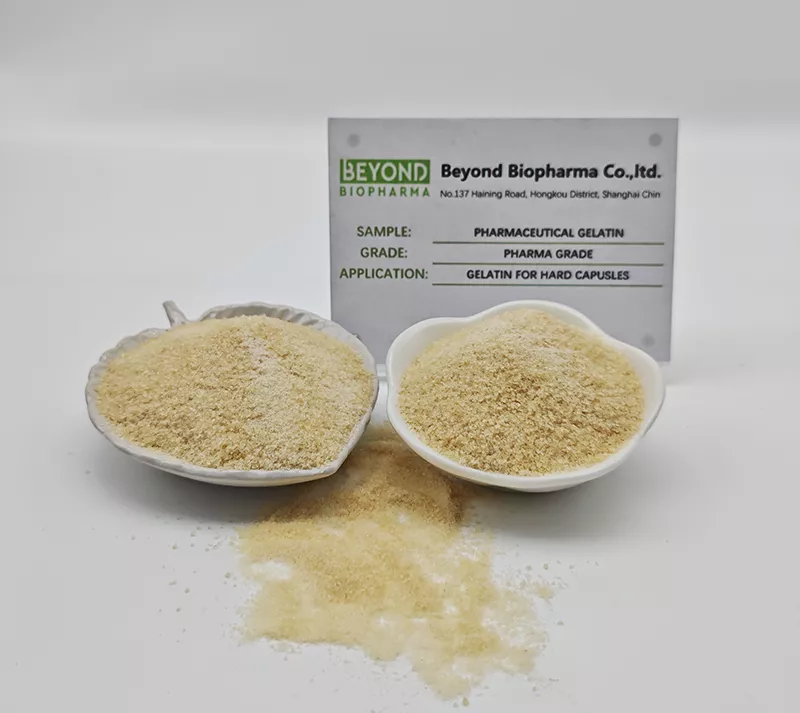
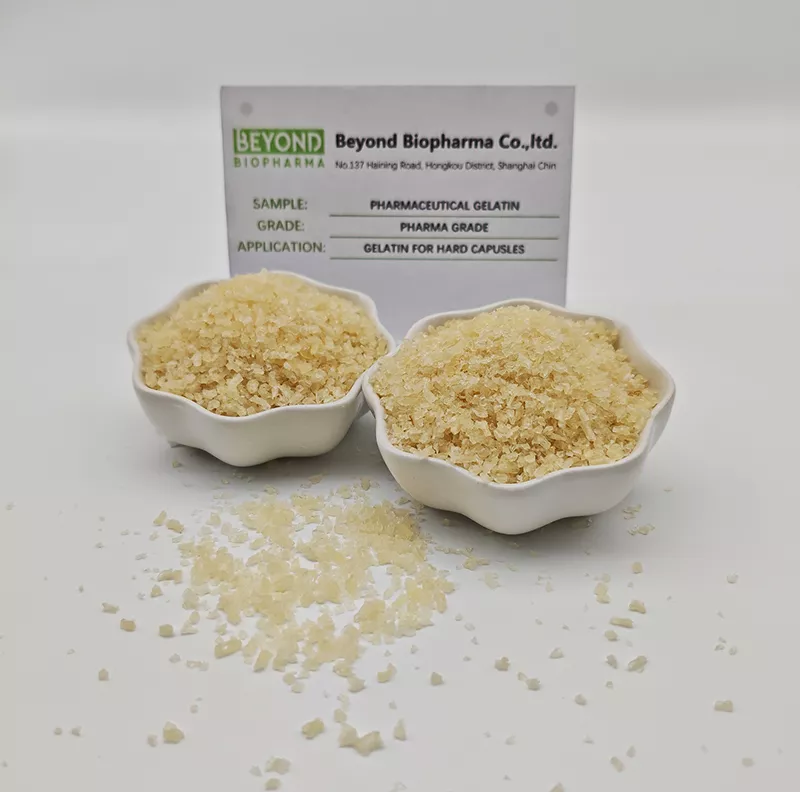
The high-strength and rapid-setting characteristics of Bovine Bone Gelatin ensure it forms a stable, uniform, and durable shell that preserves the integrity of the active pharmaceutical ingredient (API).
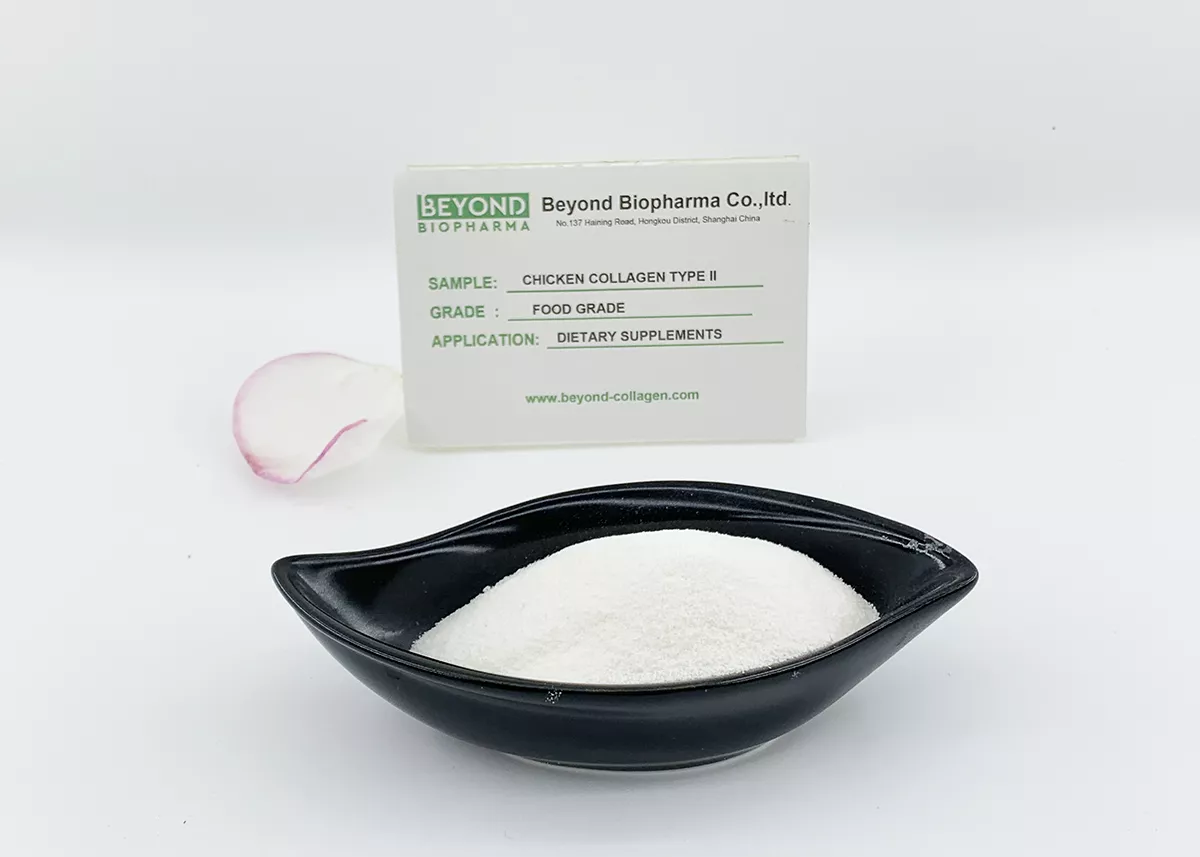
BEYOND BIOPHARMA is a specialized manufacturer of high-quality Undenatured Collagen Type II. Utilizing low-temperature, non-enzymatic extraction methods, our Undenatured Collagen Type II retains its native, triple-helix structure, essential for modulating the immune system's response to joint health and providing superior support for mobility, flexibility, and overall joint comfort.
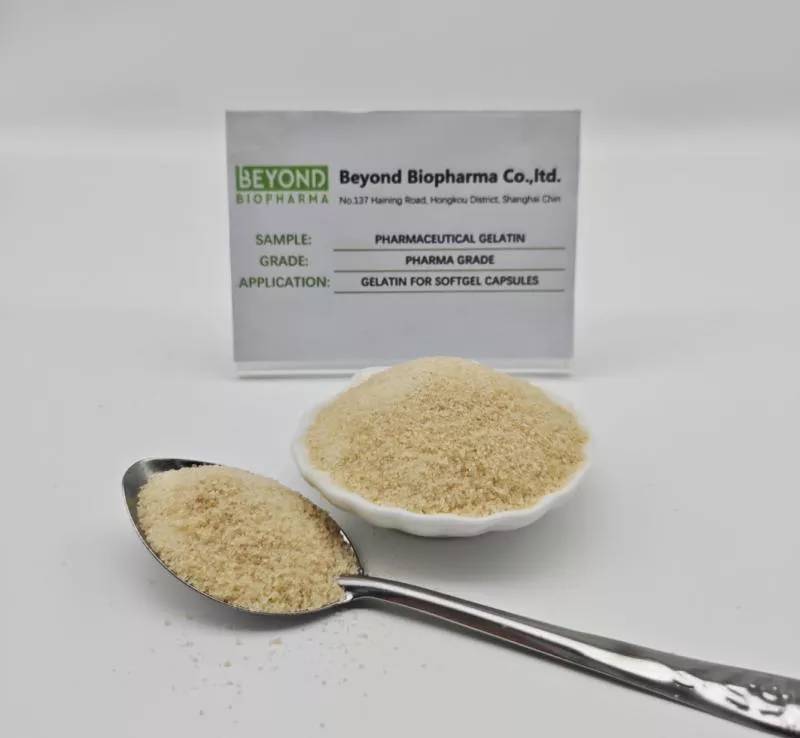
Softgel encapsulation demands a gelatin with unique physical attributes to perform optimally during the high-speed manufacturing process
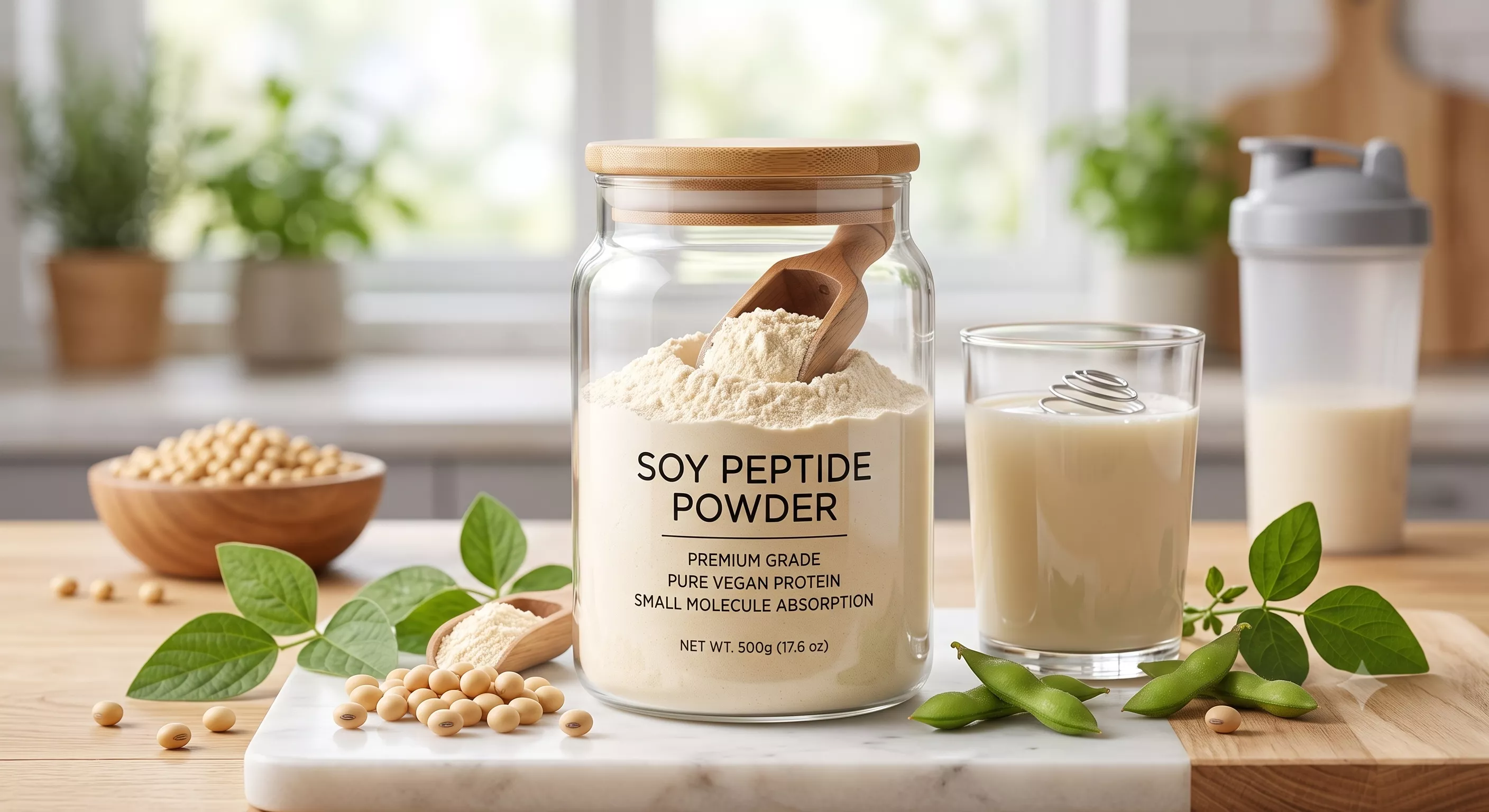
Source ultra-pure, non-GMO hydrolyzed soybean oligopeptide powder in bulk. Complete water solubility, over 80% peptides under 1000 Da. Ideal for sports nutrition and immune recovery formulas.
Select the most popular foreign trade service products to meet your diverse needs
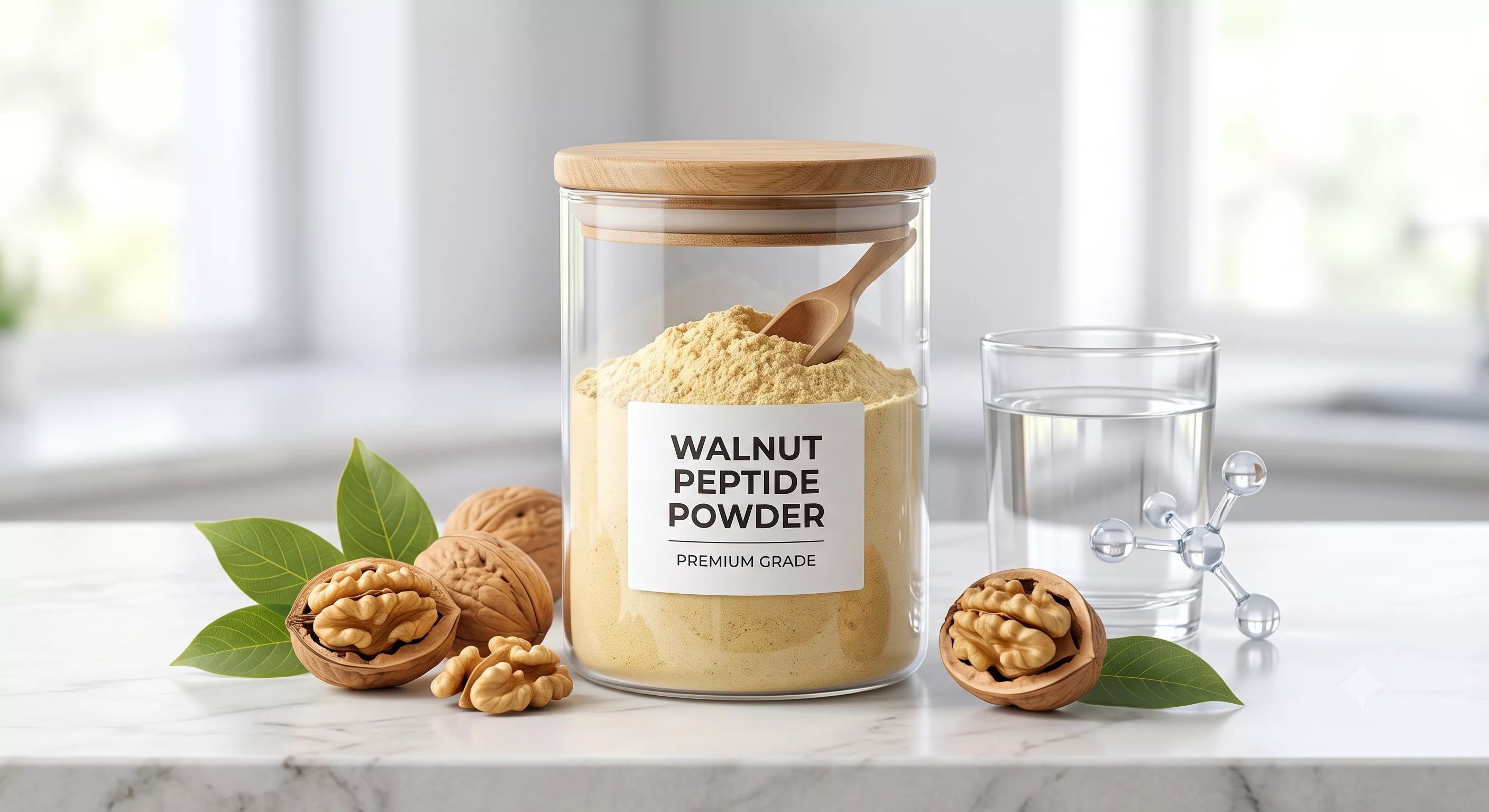
Source wholesale hydrolyzed walnut protein peptide powder in bulk. Over 85% low-molecular-weight oligopeptides rich in Glutamic Acid. Perfect for cognitive formulas and sleep aid supplements.
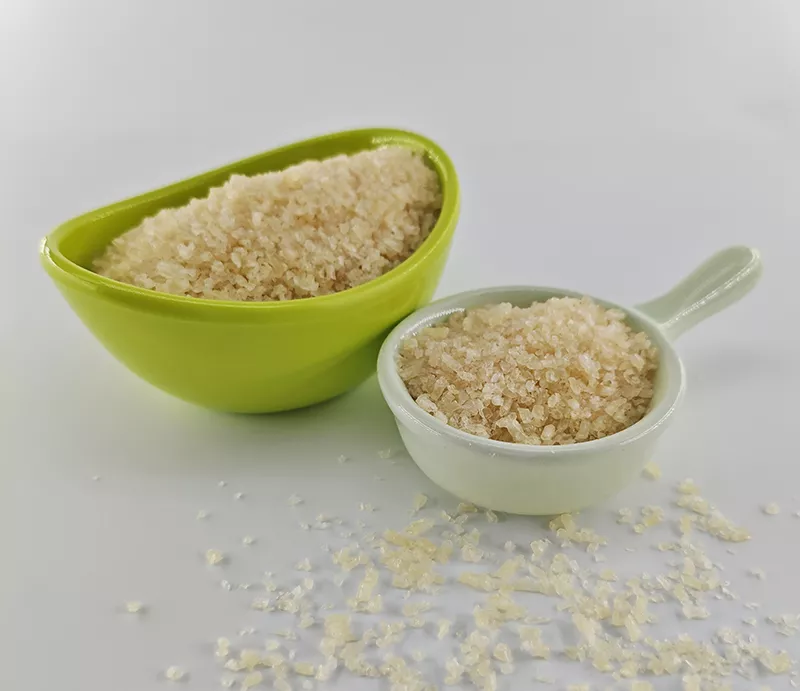
Stability, Swallowing Enhancement, and Controlled Release
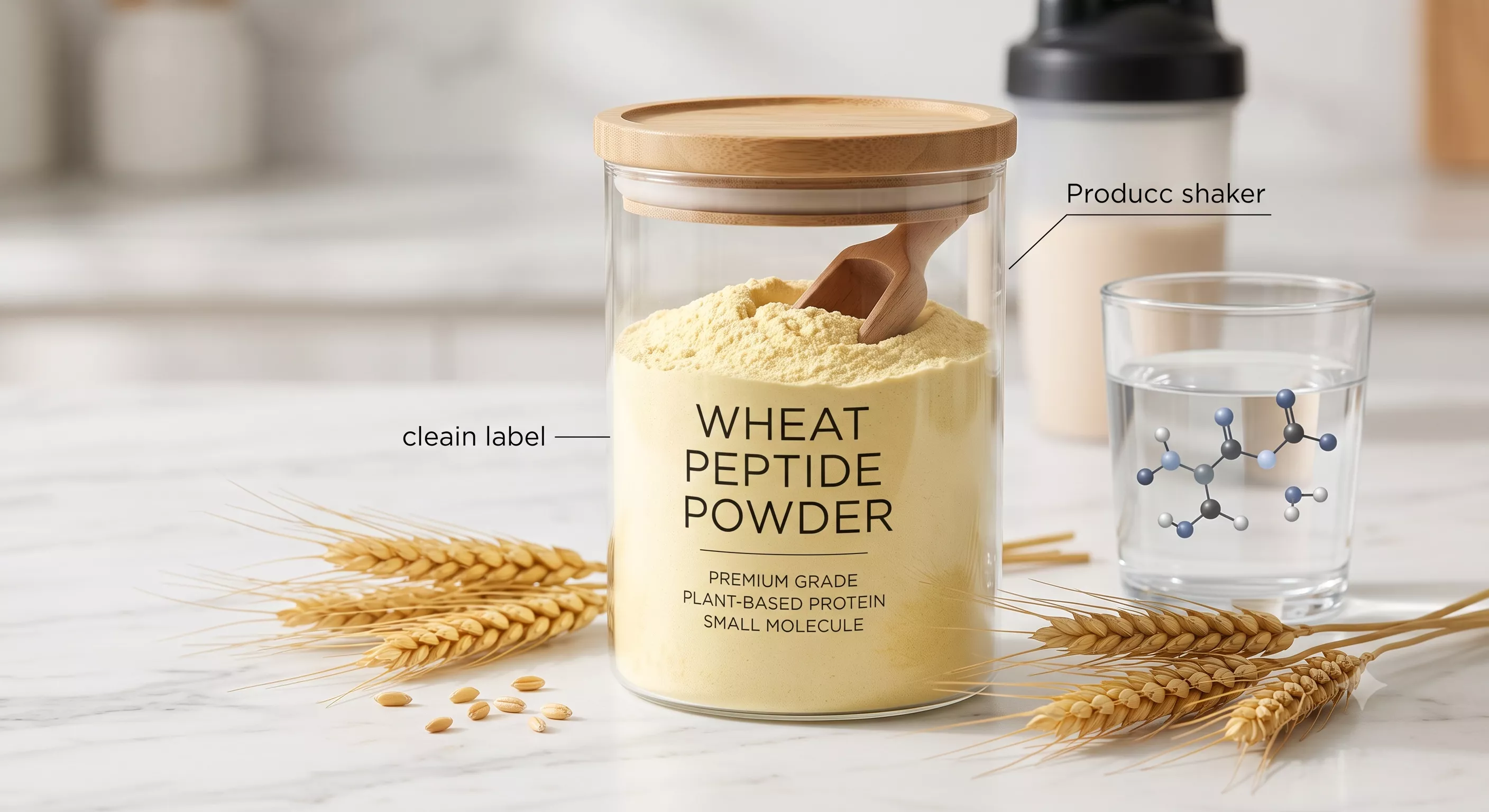
Source ultra-pure, high-solubility wholesale hydrolyzed wheat gluten peptide in bulk. Rich in plant-bound Glutamine ($\ge 25\%$) for muscle recovery and gut barrier health.
Tel:+86 21 65010906
Cell/Whatsapp/Wechat:
+86 13482884055
+86 18657345785
Email: sales@beyondbiopharma.com





User Comments
Service Experience Sharing from Real Customers
Mike
CrossFit CoachI’ve tried both forms over the years for my own creaky knees. Honestly, the sulphate version felt more effective for me—less stiffness after heavy squat days. The HCl just didn’t seem to absorb as well, even with higher doses. YMMV, but I’m sticking with sulphate.
Sarah
Veterinary TechnicianSwitched from sulphate to HCl about six months ago because my joints were getting noisy. Not a huge difference in pain relief, but the HCl is gentler on my stomach, which is a big win. I’d say it’s worth a shot if sulphate makes you bloated.
Tom
Warehouse SupervisorBeen taking glucosamine for years on and off. Sulphate gave me some weird heartburn, so I tried HCl. It’s okay—my knees still ache after a 12-hour shift, but maybe a little less. Not the miracle cure some folks claim, but it’s cheap enough to keep trying.
Emma
Research ScientistAs someone who actually reads the studies, I was skeptical about glucosamine. But after a meniscus tear, I tried HCl because it’s more bioavailable on paper. Eight weeks in, my recovery PT feels noticeably smoother. Could be placebo, but I’ll take it.