 English EN


Gelatin sheet vs powder what science says in 2026
Gelatin sheet offers chefs better clarity, smooth texture, and consistent results than powdered gelatin, making it the top choice for desserts in 2026.
More
Glucosamine is a naturally occurring amino sugar and a key building block of cartilage. In the nutraceutical and pharmaceutical industries, it is widely used to support joint health and manage osteoarthritis symptoms. The two most common commercial forms are glucosamine sulphate and glucosamine hydrochloride. While both serve similar end purposes, their chemical structure, stability, and application suitability differ significantly. Understanding these differences is essential for making informed sourcing decisions.
The primary difference lies in the salt form. Glucosamine hydrochloride (HCl) is the hydrochloride salt, which contains a higher concentration of glucosamine base (typically around 83%) compared to glucosamine sulphate (around 65%). However, glucosamine sulphate is often stabilized with sodium or potassium chloride and is believed to be more bioavailable in some studies. The sulphate form also provides the sulfate ions that are naturally present in joint cartilage, which some researchers argue is beneficial for cartilage synthesis.
Both forms are typically derived from chitin, which is extracted from the shells of shellfish (such as shrimp and crab). The chitin is then hydrolyzed to produce glucosamine, which is subsequently reacted with either hydrochloric acid or sulfuric acid to form the respective salt. The production process involves strict control of pH, temperature, and purity to meet food, pharmaceutical, or cosmetic grade standards.
| Parameter | Glucosamine HCl | Glucosamine Sulphate (2KCl) |
|---|---|---|
| Glucosamine Base Content | ~83% | ~65% |
| Molecular Weight | 215.5 g/mol | ~456.4 g/mol (with KCl) |
| Solubility in Water | > 1 g/mL (highly soluble) | > 0.5 g/mL (soluble) |
| Typical Purity (HPLC) | ≥ 99% | ≥ 99% |
| Sulphate Content | N/A | ~30% (as SO4) |
| Common Grades | Food, Pharma | Food, Pharma |
| Note: These are typical industry ranges. Final values per COA/sample. | ||
For purchasing managers and R&D teams, the choice often comes down to formulation goals:
Both forms are widely used in the nutraceutical, pharmaceutical, and food industries. Below is a selection guidance by application:
Beyond Biopharma, based in Shanghai, China, is a reliable manufacturer of glucosamine HCl, glucosamine sulphate, and other joint health ingredients. With over 10 years of experience in the food-ingredient industry, our products are exported to more than 50 countries. Our facility features fully automatic production lines, GMP clean workshops, and stainless-steel sealed piping with automated temperature and pH control. We hold ISO 9001 certification, are US FDA registered, and select products carry Halal and Kosher certifications. Our in-house lab conducts heavy-metal and microbiological testing, supported by a dedicated QA/QC team. We offer three grades (food, pharmaceutical, cosmetic) and provide free samples along with formulation and selection support.
Q: Which form of glucosamine has better absorption?
A: Both forms are well absorbed, but some studies suggest glucosamine sulphate may have slightly higher bioavailability due to the presence of sulfate ions. However, glucosamine HCl provides a higher glucosamine base content per gram.
Q: Can glucosamine HCl be used in vegan formulations?
A: Yes, vegan glucosamine HCl is available. It is produced through fermentation or from plant-based sources, making it suitable for vegan and allergen-free products.
Q: What is the typical shelf life of glucosamine powder?
A: When stored in a cool, dry place away from direct sunlight, glucosamine HCl and sulphate typically have a shelf life of 2-3 years. Always refer to the COA for specific stability data.
Q: Does glucosamine sulphate contain shellfish allergens?
A: Most commercial glucosamine is derived from shellfish. For allergen-free needs, vegan glucosamine is recommended. Always check the supplier's allergen statement.
Q: What certifications should I look for when sourcing glucosamine?
A: Key certifications include ISO 9001, FDA registration, Halal, Kosher, and GMP compliance. These ensure quality, safety, and regulatory acceptance in target markets.
Q: Can I get a sample of glucosamine HCl or sulphate before placing a bulk order?
A: Yes, Beyond Biopharma offers free samples. Provide your application, required grade, quantity/MOQ, target specifications, and destination country to receive a sample and quote.
Choosing the right glucosamine form is critical for your product's efficacy and market success. Whether you need glucosamine HCl or glucosamine sulphate, Beyond Biopharma can supply consistent, high-quality material. To get started, please provide your application (food, pharma, or cosmetic), required grade, estimated quantity/MOQ, target specifications (purity, mesh, solubility), and destination country. We will send free samples and a competitive quote promptly.

We provide you with comprehensive foreign trade solutions to help enterprises achieve global development
BEYOND BIOPHARMA is a specialized manufacturer of high-quality Undenatured Collagen Type II. Utilizing low-temperature, non-enzymatic extraction methods, our Undenatured Collagen Type II retains its native, triple-helix structure, essential for modulating the immune system's response to joint health and providing superior support for mobility, flexibility, and overall joint comfort.
20 years experiences, 5000 ton/year capacity, Sustained supply with stable quality
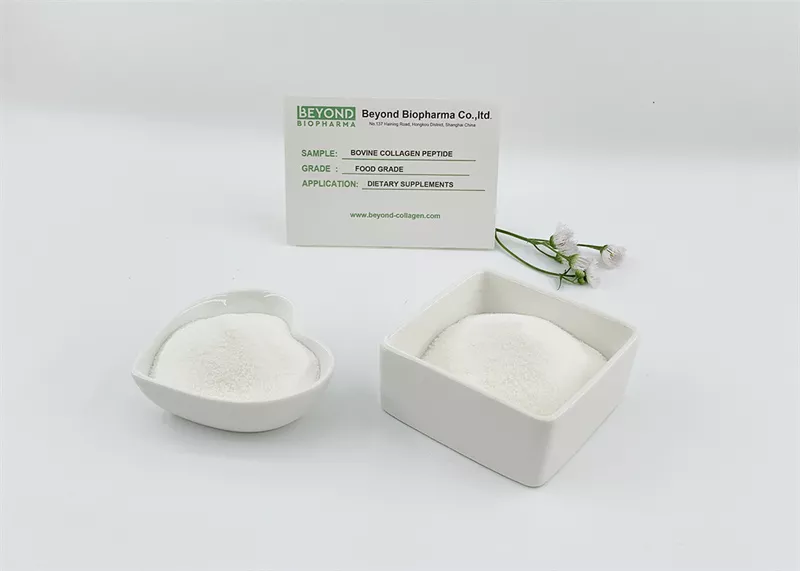
Manufacturer of bovine collagen peptide, shipping in containers all around the world
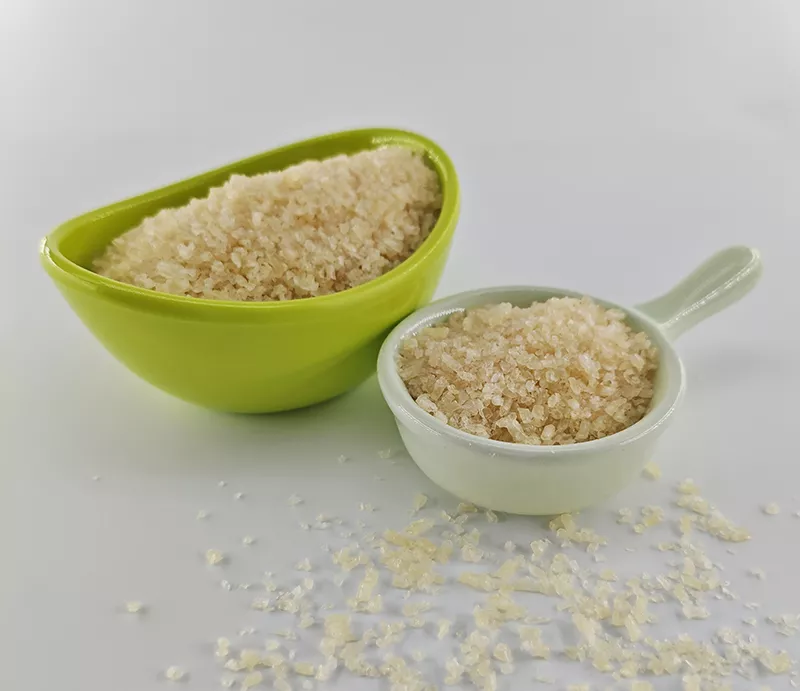
Stability, Swallowing Enhancement, and Controlled Release
Select the most popular foreign trade service products to meet your diverse needs
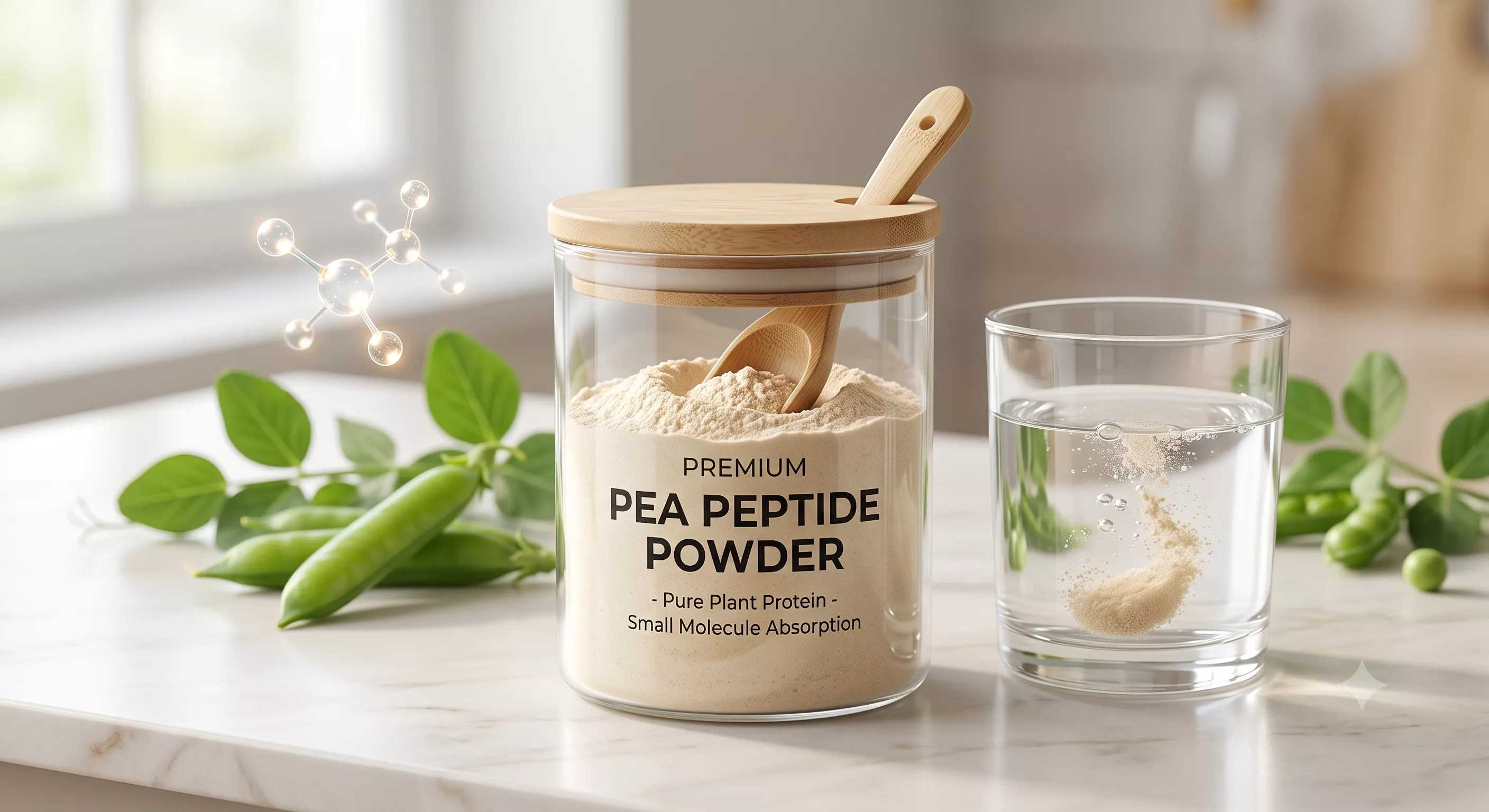
Source high-purity, hypoallergenic hydrolyzed pea peptide powder in bulk. Complete water solubility, rich in BCAAs, ideal for vegan recovery formulas.
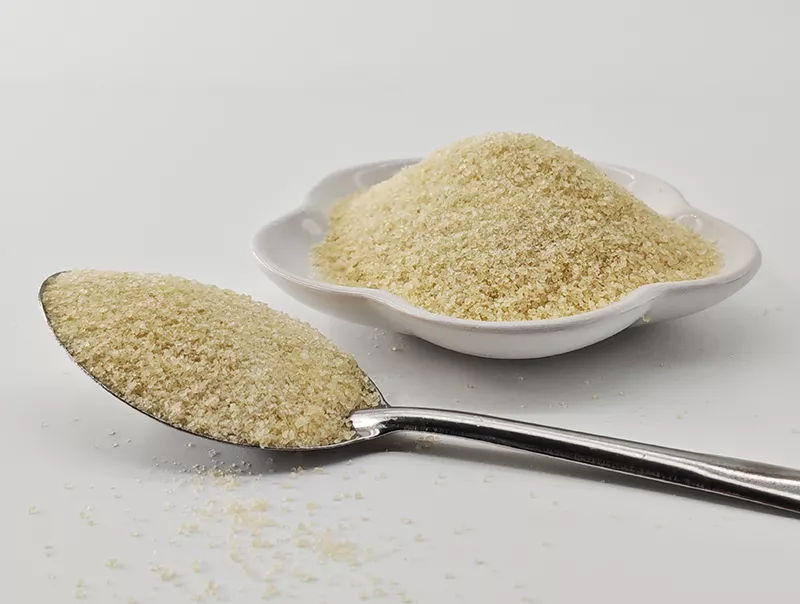
The High-Performance Barrier for Core Material Protection and Controlled Release.
High Purity and Efficacy for Joint Health Formulations
Tel:+86 21 65010906
Cell/Whatsapp/Wechat:
+86 13482884055
+86 18657345785
Email: sales@beyondbiopharma.com





User Comments
Service Experience Sharing from Real Customers
SandraM
Licensed Massage TherapistI've been using the sulphate version for about three months now for my stiff knees. The hydrochloride did nothing for me—felt like I was peeing money away. But this? I can actually squat down to pick up dropped towels without grunting. Not a miracle cure, but a solid help.
TommyK
Warehouse Shift SupervisorSwitched from hydrochloride to sulphate on my buddy's advice. Night and day. My right shoulder used to click like a broken metronome every time I lifted a box—now it's quiet. I'm on my feet 10 hours a day, so joint stuff matters. Sulphate wins, hands down.
Mia_R
Graduate Research AssistantTried both for my wrist tendonitis from pipetting all day. Honestly? I couldn't tell a huge difference between the two. Maybe the sulphate felt slightly more effective after week two, but it also gave me mild bloating. Hydrochloride was gentler on my stomach. YMMV.
CarlosD
Retired Construction ForemanAfter 35 years of concrete work, my hips were shot. Tried hydrochloride first—didn't do squat. Then my daughter bought me the sulphate. Three weeks in, I could walk the dog without stopping to lean on a mailbox. I'm 68 and I feel 58. That's all I need to say.