 English EN


Fish Gelatin Powder or Beef and Pork Gelatin Which Is Right for You
Compare fish gelatin powder with beef and pork gelatin to find the best option for dietary needs, texture, and recipes, including kosher and halal diets.
More
Sourcing glucosamine hydrochloride or sulphate for joint health supplements often comes down to one practical question: which form delivers the right balance of stability, solubility, and cost for your formulation. This guide breaks down the key differences between glucosamine hydrochloride and glucosamine sulphate, their typical specifications, and how to match the right form to your product application — whether you are developing gummies, capsules, or powders for the overseas nutraceutical market.
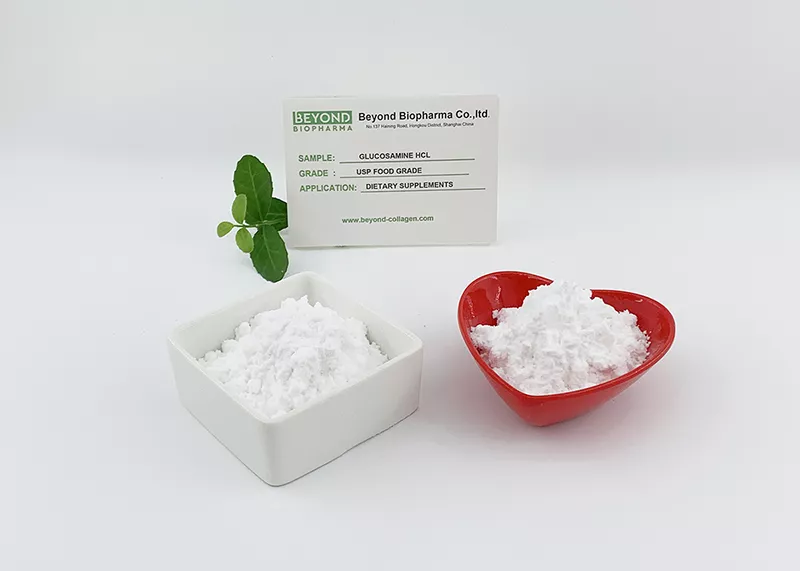
Glucosamine is a naturally occurring amino sugar found in cartilage and joint fluid. As a dietary supplement ingredient, it is most commonly available in two salt forms: glucosamine hydrochloride (HCl) and glucosamine sulphate. The core difference lies in the stabilizing molecule attached to the glucosamine base. Glucosamine hydrochloride uses a chloride ion, while glucosamine sulphate uses a sulphate ion, often stabilized with sodium chloride or potassium chloride. This small chemical difference affects solubility, stability, and how the ingredient behaves in different formulations.
For purchasing managers and R&D teams, the choice between glucosamine hydrochloride and glucosamine sulphate is not about efficacy alone. It is about practical sourcing parameters: batch-to-batch consistency, solubility in liquid or gummy matrices, odor control, and certification requirements such as Halal, Kosher, or vegan-friendly status. Both forms are widely used in joint health supplements, but they are not interchangeable in every application.
Glucosamine hydrochloride is typically produced through the acid hydrolysis of chitin, which is sourced from shellfish shells such as shrimp, crab, or lobster. The process removes the acetyl group from chitin, leaving a pure glucosamine molecule that is then combined with hydrochloric acid to form the hydrochloride salt. This form is highly stable and has a longer shelf life compared to glucosamine sulphate. It is also more concentrated by weight — glucosamine hydrochloride contains approximately 83% glucosamine base, while glucosamine sulphate contains only about 62% to 65% glucosamine base, depending on the stabilizer used.
For product developers, this higher concentration means you can use less raw material to achieve the same active dose, which can reduce tablet or capsule size and improve manufacturing efficiency. Glucosamine hydrochloride also tends to be more soluble in water, making it a preferred choice for liquid supplements, effervescent tablets, and gummy formulations where dissolution speed matters. However, it is important to note that glucosamine hydrochloride has a slightly salty taste, which may require masking in some finished products.
When sourcing glucosamine hydrochloride or glucosamine sulphate, you will encounter a standard set of quality parameters. The table below outlines the typical industry ranges for both forms. Note that these are generic ranges; final values should always be confirmed with the supplier's Certificate of Analysis (COA).
| Parameter | Glucosamine Hydrochloride (Typical Range) | Glucosamine Sulphate (Typical Range) |
|---|---|---|
| Assay (Glucosamine Base) | ≥ 98% (on dry basis) | ≥ 98% (on dry basis) |
| Glucosamine Base Content | ~ 82-83% | ~ 62-65% (stabilized) |
| pH (1% solution) | 3.0 - 5.0 | 3.0 - 5.0 |
| Loss on Drying | ≤ 1.0% | ≤ 1.0% |
| Heavy Metals (as Pb) | ≤ 10 ppm | ≤ 10 ppm |
| Solubility in Water | Freely soluble | Freely soluble |
| Shelf Life | Typically 36 months | Typically 24-36 months (stabilized) |
Note: Values shown are typical industry ranges. Always refer to the supplier's COA for exact specifications.
Choosing the right form of glucosamine depends on your final product type, target market, and manufacturing constraints. Below is a practical guide based on common application scenarios.
For gummy supplements, glucosamine hydrochloride is often preferred because of its higher solubility and smaller particle size, which helps avoid gritty textures. It also blends well with gelatin or pectin bases. If you are using food-grade porcine gelatin or fish gelatin for your gummies, glucosamine HCl integrates smoothly without affecting gel strength. Glucosamine sulphate can also be used, but its lower glucosamine base content means you need more raw material to hit the same dose, which may increase tablet or gummy size.
Both forms work well in hard capsules. Glucosamine hydrochloride is more compact, allowing for smaller capsule sizes. For soft gels, the sulphate form is sometimes used in liquid fill formulations, but it requires careful stabilization to prevent degradation. Many manufacturers choose glucosamine HCl for dry powder fills and glucosamine sulphate for liquid or semi-solid fills. If you are sourcing high-bloom gelatin for hard capsules, ensure the glucosamine form you select is compatible with your capsule shell material.
In powdered drink mixes, solubility is critical. Glucosamine hydrochloride dissolves quickly and completely, making it ideal for stick packs and bulk powders. Glucosamine sulphate also dissolves well but may have a slightly different taste profile. For formulations targeting athletes or active individuals, consider combining glucosamine with bovine collagen peptide for a comprehensive joint and recovery product.
Glucosamine is sometimes included in beauty supplements for its role in hyaluronic acid synthesis. In this segment, glucosamine hydrochloride is more common due to its neutral taste and high solubility. It pairs well with fish collagen peptide for skin health supplements and hyaluronic acid powder. The combination supports skin hydration and joint comfort in a single formula.
Standard glucosamine is derived from shellfish, which is not suitable for vegan or shellfish-allergic consumers. For plant-based formulations, look for premium vegan glucosamine hydrochloride that is produced through fermentation rather than shellfish extraction. This form is fully vegan, allergen-free, and maintains the same solubility and stability profile as conventional glucosamine HCl. It is an excellent choice for brands targeting the growing plant-based supplement market.
Beyond Biopharma is a Shanghai-based manufacturer with over 10 years of experience in the food ingredient industry. We supply glucosamine hydrochloride and glucosamine sulphate to buyers in more than 50 countries. Our production facility has an annual capacity of approximately 3,000 metric tons for collagen and 5,000 metric tons for gelatin, with a dedicated line for joint health ingredients including glucosamine, chondroitin sulfate, and hyaluronic acid.
Our glucosamine products are manufactured in a GMP clean workshop with fully automatic production lines and stainless-steel sealed piping. Automated temperature and pH control ensures batch-to-batch consistency. We hold ISO 9001 certification, are US FDA registered, and select products carry Halal and Kosher certifications. Our in-house QA/QC lab performs heavy metal and microbiological testing on every batch. We offer three grades: food grade, pharmaceutical grade, and cosmetic grade, so you can match the specification to your exact application.
We also provide free samples and formulation support. Whether you need glucosamine hydrochloride for gummies or glucosamine sulphate for capsules, our team can help you select the right grade and provide the necessary documentation, including COA, MSDS, and allergen statements.
The main difference is the stabilizing salt. Glucosamine hydrochloride uses chloride, while glucosamine sulphate uses sulphate. This affects the glucosamine base content: HCl contains about 83% base, while sulphate contains about 62-65%. HCl is more stable and has a longer shelf life, while sulphate is often preferred in clinical studies for joint health.
Both forms have clinical evidence supporting joint health benefits. Glucosamine sulphate has been used in several large-scale studies, but glucosamine hydrochloride is equally effective at equivalent doses. The choice often comes down to formulation needs rather than efficacy. Always check the glucosamine base content to ensure you are delivering the intended active dose.
Standard glucosamine is derived from shellfish, which is not vegan. However, vegan glucosamine hydrochloride produced through fermentation is available. This form is free from shellfish allergens and suitable for plant-based formulations. Beyond Biopharma offers a premium vegan glucosamine HCl option for this purpose.
The typical recommended dose is 1,500 mg per day of glucosamine hydrochloride or glucosamine sulphate. This dose is often split into two or three servings. Because glucosamine HCl has a higher base content, 1,500 mg of HCl delivers more active glucosamine than 1,500 mg of sulphate. Adjust your formulation accordingly.
Glucosamine hydrochloride has a slightly salty, acidic taste. Glucosamine sulphate can have a mild sulfur-like odor if not properly stabilized. High-quality glucosamine from reputable suppliers has minimal odor. In gummies and powders, flavor masking is often needed. Our glucosamine products are processed to minimize off-notes.
Key certifications include ISO 9001 for quality management, GMP for manufacturing standards, and Halal or Kosher for religious compliance. For vegan products, look for a vegan certification. Also request heavy metal and microbiological test reports. Beyond Biopharma provides all these certifications and test reports upon request.
If you are sourcing glucosamine hydrochloride or glucosamine sulphate for your next product, we invite you to contact us with the following details so we can provide the right solution:
Once we receive your requirements, we will send you a quote, free samples, and the relevant documentation. Our team is ready to support your formulation and sourcing needs. Choosing the right form of glucosamine hydrochloride or glucosamine sulphate is the first step toward a successful joint health product, and we are here to help you make that choice with confidence.

We provide you with comprehensive foreign trade solutions to help enterprises achieve global development
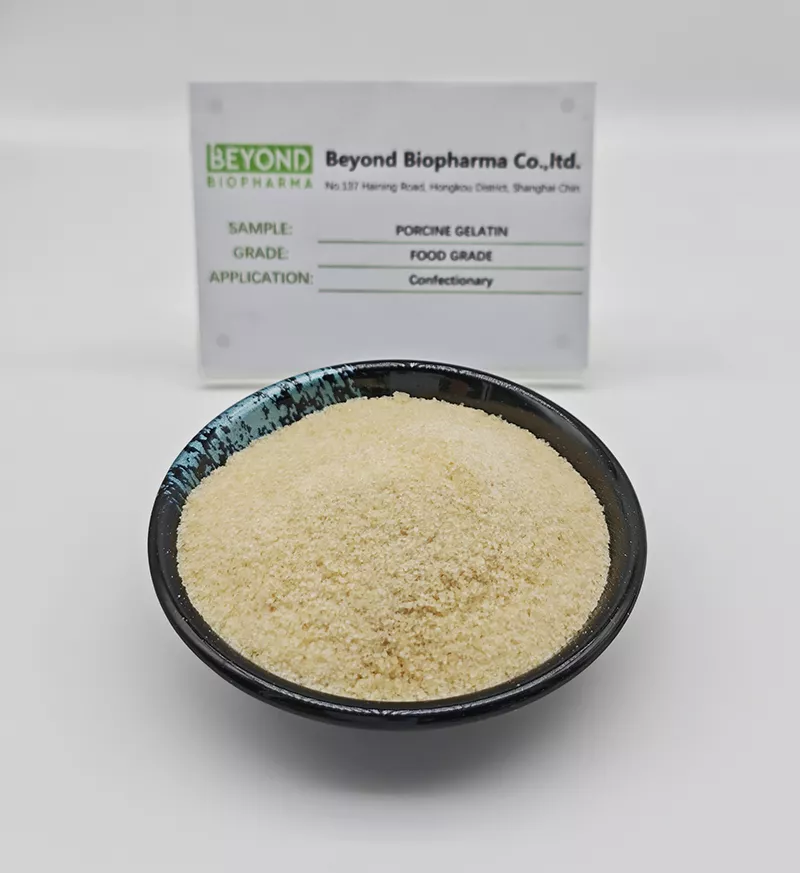
Food-grade porcine gelatin is a highly versatile and cost-effective natural protein derived from the collagen found in pig skin and bones. It is a premier gelling agent known for its exceptional clarity, neutral taste, and thermal reversibility.
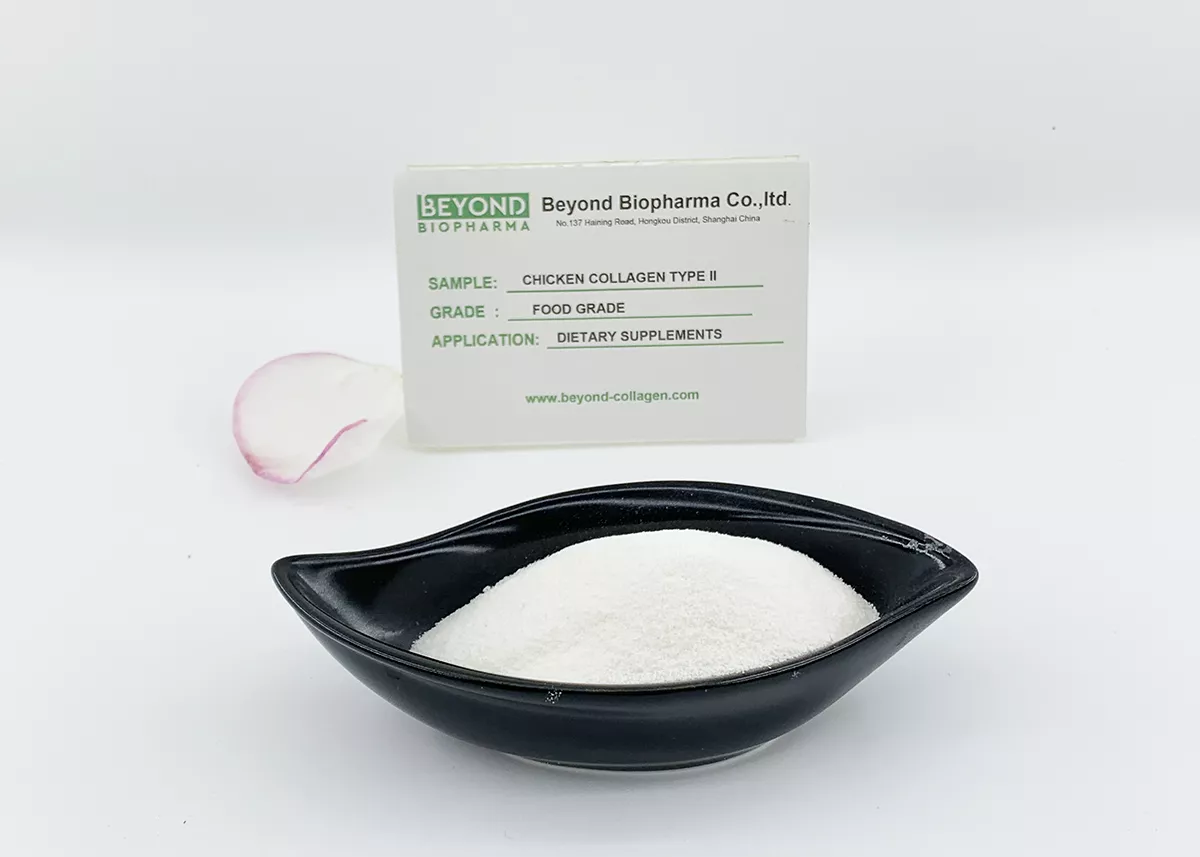
BEYOND BIOPHARMA is a specialized manufacturer of high-quality Undenatured Collagen Type II. Utilizing low-temperature, non-enzymatic extraction methods, our Undenatured Collagen Type II retains its native, triple-helix structure, essential for modulating the immune system's response to joint health and providing superior support for mobility, flexibility, and overall joint comfort.
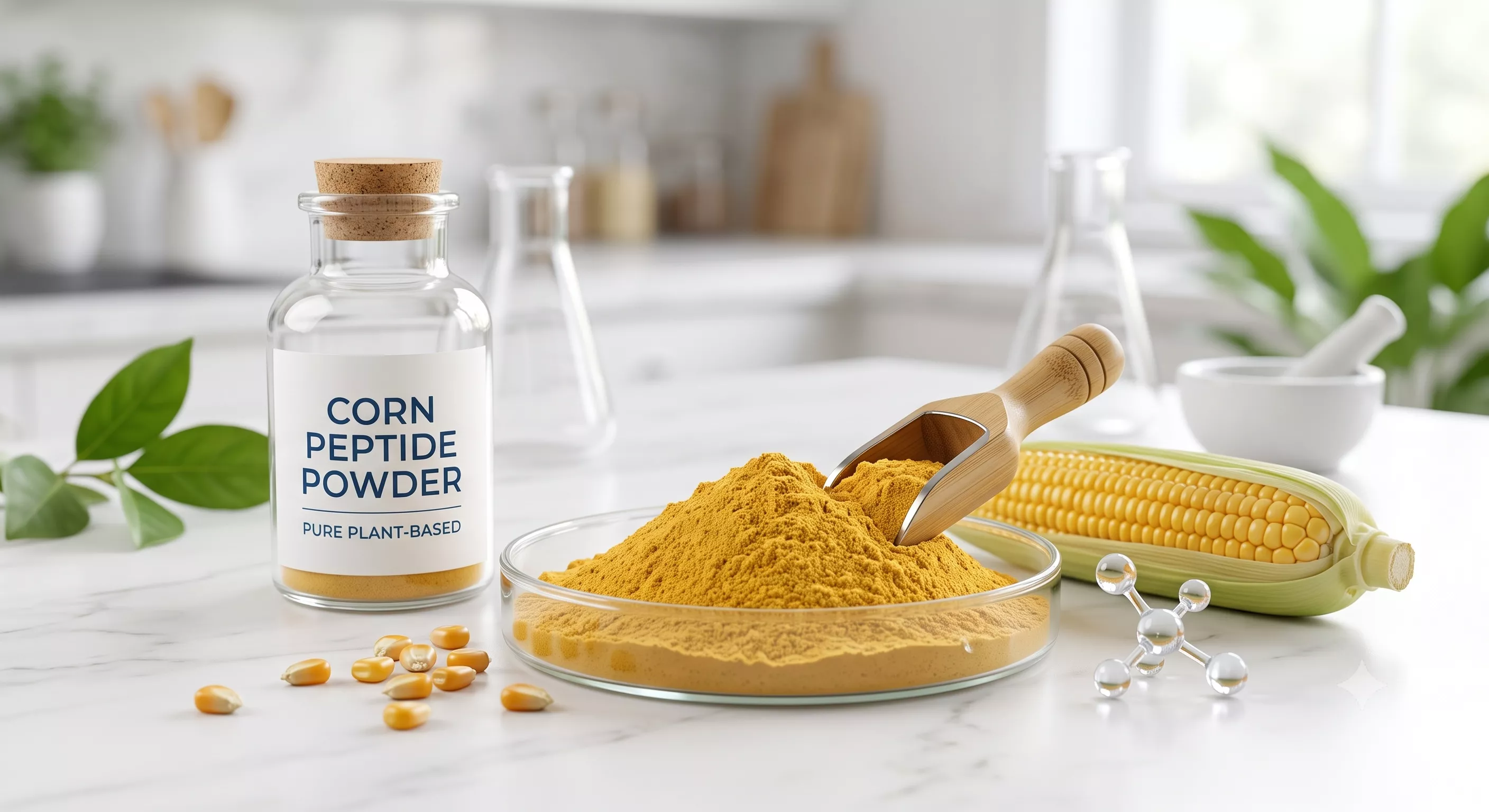
Source high-purity wholesale hydrolyzed corn protein peptide powder in bulk. Over 85% oligopeptides under 1000 Da. Rich in Alanine and Leucine for liver support and sobriety formulas.
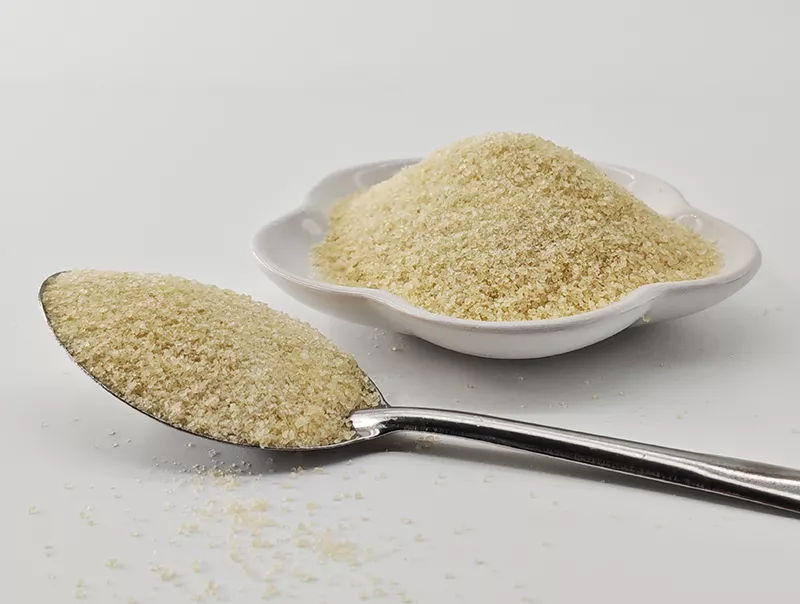
The High-Performance Barrier for Core Material Protection and Controlled Release.
Select the most popular foreign trade service products to meet your diverse needs
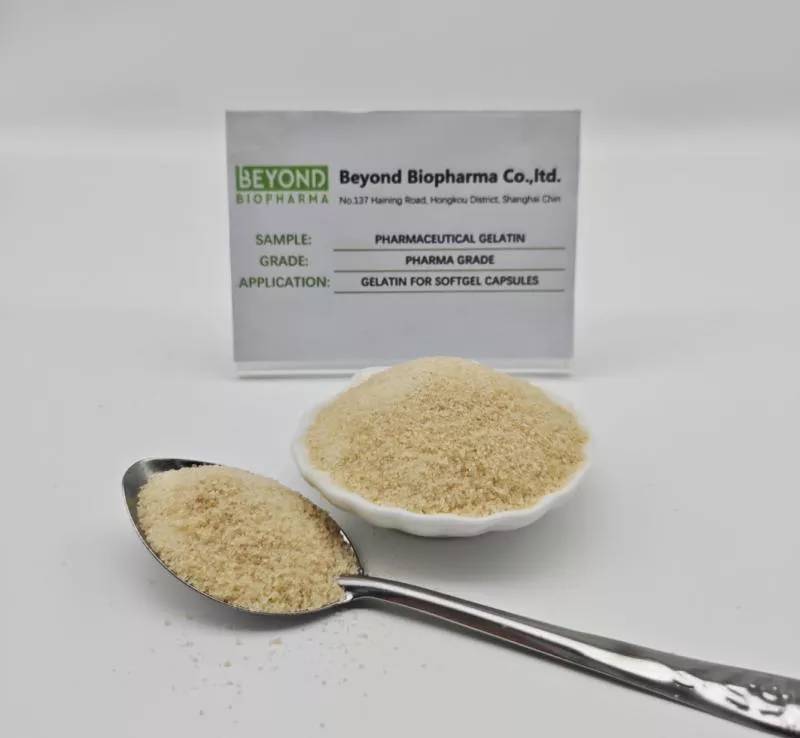
Softgel encapsulation demands a gelatin with unique physical attributes to perform optimally during the high-speed manufacturing process
BEYOND BIOPHARMA is a specialized manufacturer of high-quality Undenatured Collagen Type II. Utilizing low-temperature, non-enzymatic extraction methods, our Undenatured Collagen Type II retains its native, triple-helix structure, essential for modulating the immune system's response to joint health and providing superior support for mobility, flexibility, and overall joint comfort.
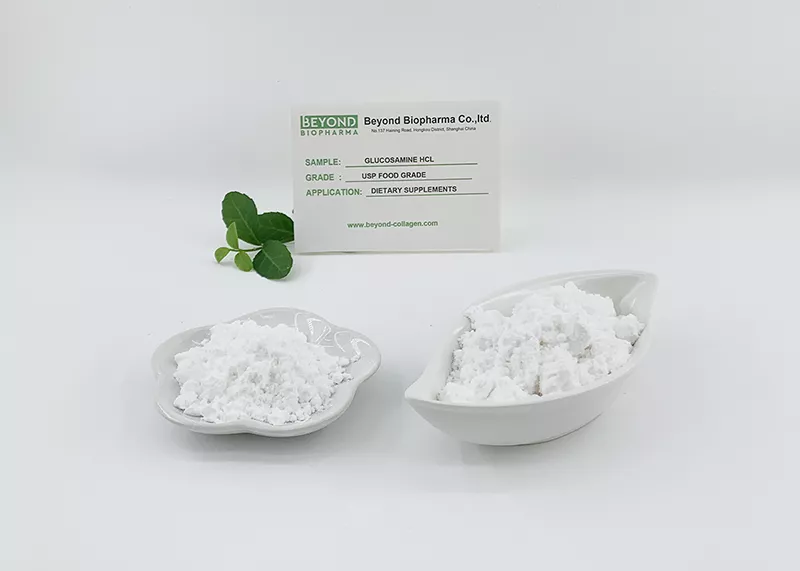
The Purest Plant-Based Joint Support Solution
Tel:+86 21 65010906
Cell/Whatsapp/Wechat:
+86 13482884055
+86 18657345785
Email: sales@beyondbiopharma.com





User Comments
Service Experience Sharing from Real Customers
Megan
Physical TherapistI've been recommending glucosamine sulphate to my patients with mild osteoarthritis for years, and finally decided to try it myself after some knee stiffness from running. After 6 weeks, I noticed a real difference in my morning joint flexibility. It's become part of my daily routine.
Leo
Construction SupervisorMy knees were killing me after 20 years on job sites. A buddy at work swore by glucosamine hydrochloride, so I gave it a shot. Not a miracle cure, but honestly, the constant ache has dialed way back. I can climb ladders without wincing now. Minus one star because it took a good month to really feel it.
Chloe
Retail ManagerI was skeptical about supplements, but standing on hard floors all day was murder on my hips. Tried the sulphate version after reading some reviews. I'm shocked at how much it's helped—the stiffness is pretty much gone. My co-worker asked why I'm not limping anymore!
Raj
Software DeveloperBetween coding marathons and weekend tennis, my elbows and shoulders were always grumpy. Started with glucosamine hydrochloride three months ago. The improvement is subtle but definite—less of that 'crunchy' feeling. It doesn't fix everything, but it takes the edge off enough that I can stay active.