 English EN


Gelatin sheet vs powder what science says in 2026
Gelatin sheet offers chefs better clarity, smooth texture, and consistent results than powdered gelatin, making it the top choice for desserts in 2026.
More
For overseas buyers in the nutraceutical and pharmaceutical industries, selecting the right form of glucosamine is not just about efficacy — it is about batch consistency, solubility, stability, and regulatory compliance. Whether you are developing a new joint health supplement or reformulating an existing product, understanding the nuances between glucosamine sulfate vs glucosamine hydrochloride can save you time, cost, and quality headaches. This guide provides a clear, side-by-side comparison based on real-world sourcing parameters.
Both forms are amino sugars derived from chitin, typically from shellfish shells. The key difference lies in the salt form. Glucosamine hydrochloride (HCl) is a simple salt with a chloride ion, while glucosamine sulfate is stabilized with a sulfate group, often combined with sodium or potassium chloride to improve shelf stability. This chemical variation affects solubility, molecular weight, and how the body absorbs each compound.
In terms of elemental glucosamine base, glucosamine HCl typically contains about 83% pure glucosamine by weight, whereas glucosamine sulfate (with salt stabilizers) contains roughly 59–65%. This means a 1500 mg dose of glucosamine HCl delivers more actual glucosamine than the same weight of sulfate form. However, bioavailability studies suggest the sulfate form may be more readily utilized by joint tissues due to the role of sulfur in cartilage synthesis.
Bioavailability is a common point of debate. Glucosamine HCl has higher solubility in water, which theoretically supports faster dissolution. However, clinical data indicates that both forms are absorbed efficiently in the gastrointestinal tract, with absorption rates exceeding 90% for each. The real difference appears in tissue retention. Glucosamine sulfate has been shown in some studies to achieve higher concentrations in joint cartilage, possibly because the sulfate ion is a substrate for glycosaminoglycan synthesis.
For buyers, this means the choice often depends on your target market and formulation goals. If you are producing a cost-effective, high-potency tablet, glucosamine HCl may be preferable due to its higher glucosamine content per gram. If you are targeting a premium joint health product with a focus on cartilage support, glucosamine sulfate might be the better fit.
When evaluating suppliers, you will encounter standard specification sheets. Below is a comparison of common parameter ranges for both forms. Note: These are typical industry ranges; final values should be confirmed per Certificate of Analysis (COA) and sample testing.
| Parameter | Glucosamine HCl | Glucosamine Sulfate (with NaCl/KCl) |
|---|---|---|
| Assay (as glucosamine base) | ≥ 80% (typically 82–84%) | ≥ 55% (typically 59–65%) |
| Molecular Weight | ~215 g/mol | ~456 g/mol (with stabilizer) |
| Solubility in Water | Very high (≥ 1 g/mL) | High (≥ 0.5 g/mL) |
| pH (1% solution) | 3.0–5.0 | 3.0–5.5 |
| Sulfate Content | None | ~20–25% |
| Typical Particle Size | Fine powder (80–100 mesh) | Fine powder (80–100 mesh) |
*Typical industry range; final values per COA / sample.
Choosing between the two forms depends heavily on your application. Here is a breakdown by product category:
Beyond Biopharma is a Shanghai, China–based manufacturer specializing in collagen peptides, gelatin, and plant protein peptides, with over 10 years of experience in the food-ingredient industry. Our products are exported to more than 50 countries. We operate a fully automatic production line with GMP clean workshops, stainless-steel sealed piping, and automated temperature/pH control. Our annual capacity is approximately 3,000 MT for collagen and 5,000 MT for gelatin.
We hold ISO 9001 certification, are US FDA registered, and maintain GMP clean workshops. Select products carry Halal and Kosher certifications (e.g., fish gelatin). Our bovine bone gelatin is BSE-free. An in-house lab conducts heavy-metal and microbiological testing, supported by a dedicated QA/QC team. We offer three grades — food, pharmaceutical, and cosmetic — and provide free samples along with formulation and selection support.
Our product lines include fish collagen peptide for skin health supplements, edible gelatin (bovine/porcine/fish), pharmaceutical gelatin, collagen peptides, undenatured collagen type II, plant protein peptides, and joint health ingredients such as bovine chondroitin sulfate sodium, glucosamine HCl, and food-grade hyaluronic acid powder. We are compatible with industry standards from suppliers like Rousselot, Gelita, Nitta Gelatin, and others, but we focus on providing cost-effective, consistent bulk supply.
Q: Which form of glucosamine has better clinical evidence for joint health?
A: Both have clinical support, but glucosamine sulfate has more published studies showing benefits for osteoarthritis pain and cartilage preservation. Glucosamine HCl is more studied for general joint maintenance and is often used in combination products.
Q: Is glucosamine HCl more stable than glucosamine sulfate?
A: Yes. Glucosamine HCl is inherently more stable and does not require salt stabilizers. Glucosamine sulfate is hygroscopic and must be stabilized with sodium chloride or potassium chloride to prevent degradation. This affects shelf life and formulation design.
Q: Can I use glucosamine HCl in vegan supplements?
A: Yes, provided it is sourced from fermentation rather than shellfish. Beyond Biopharma offers a premium vegan glucosamine hydrochloride HCl that is suitable for plant-based and allergen-free formulations.
Q: What is the typical dosage for glucosamine in supplements?
A: Common dosages range from 1,000 to 1,500 mg per day for glucosamine HCl, and 1,500 mg per day for glucosamine sulfate (which delivers less elemental glucosamine). Always check the label for active ingredient content.
Q: Does Beyond Biopharma provide samples for both forms?
A: Yes. We offer free samples for both glucosamine HCl and glucosamine sulfate. You can request samples along with a COA to evaluate quality, solubility, and compatibility with your formulation.
Q: What certifications do your glucosamine products carry?
A: Our glucosamine HCl is manufactured in a GMP-certified facility, is ISO 9001 compliant, and is US FDA registered. Vegan and non-GMO options are available upon request. Specific certifications like Halal or Kosher can be confirmed per batch.
If you are evaluating glucosamine sulfate vs glucosamine hydrochloride for your next project, we invite you to contact us with the following details so we can provide a tailored solution:
Beyond Biopharma will send free samples and a competitive quote based on your needs. Our team is ready to support your formulation and selection process with technical data and bulk supply consistency. Contact us today to move your project forward.

We provide you with comprehensive foreign trade solutions to help enterprises achieve global development
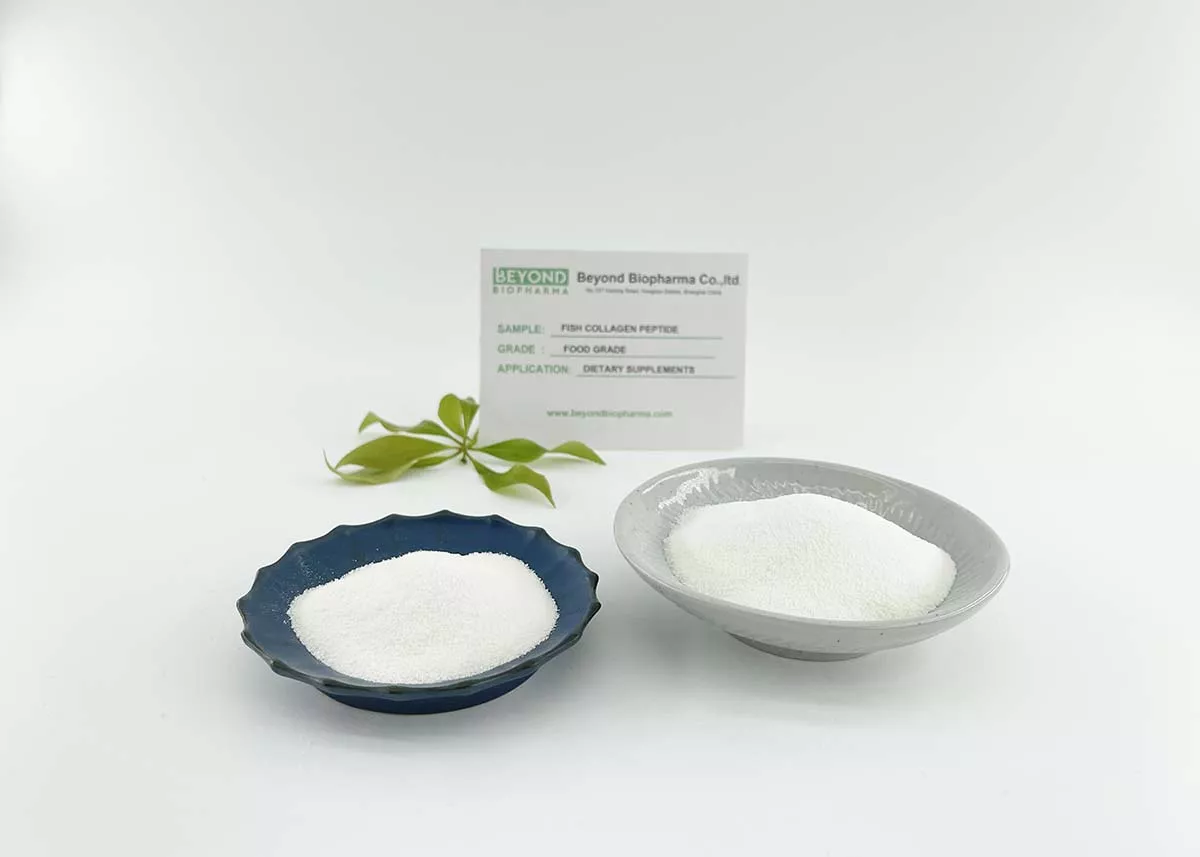
Premium marine-sourced collagen peptides with >90% protein content and low molecular weight (1000-3000 Da) for superior bioavailability. Sustainably sourced, neutral taste, and fully soluble—ideal for nutricosmetics and functional foods.
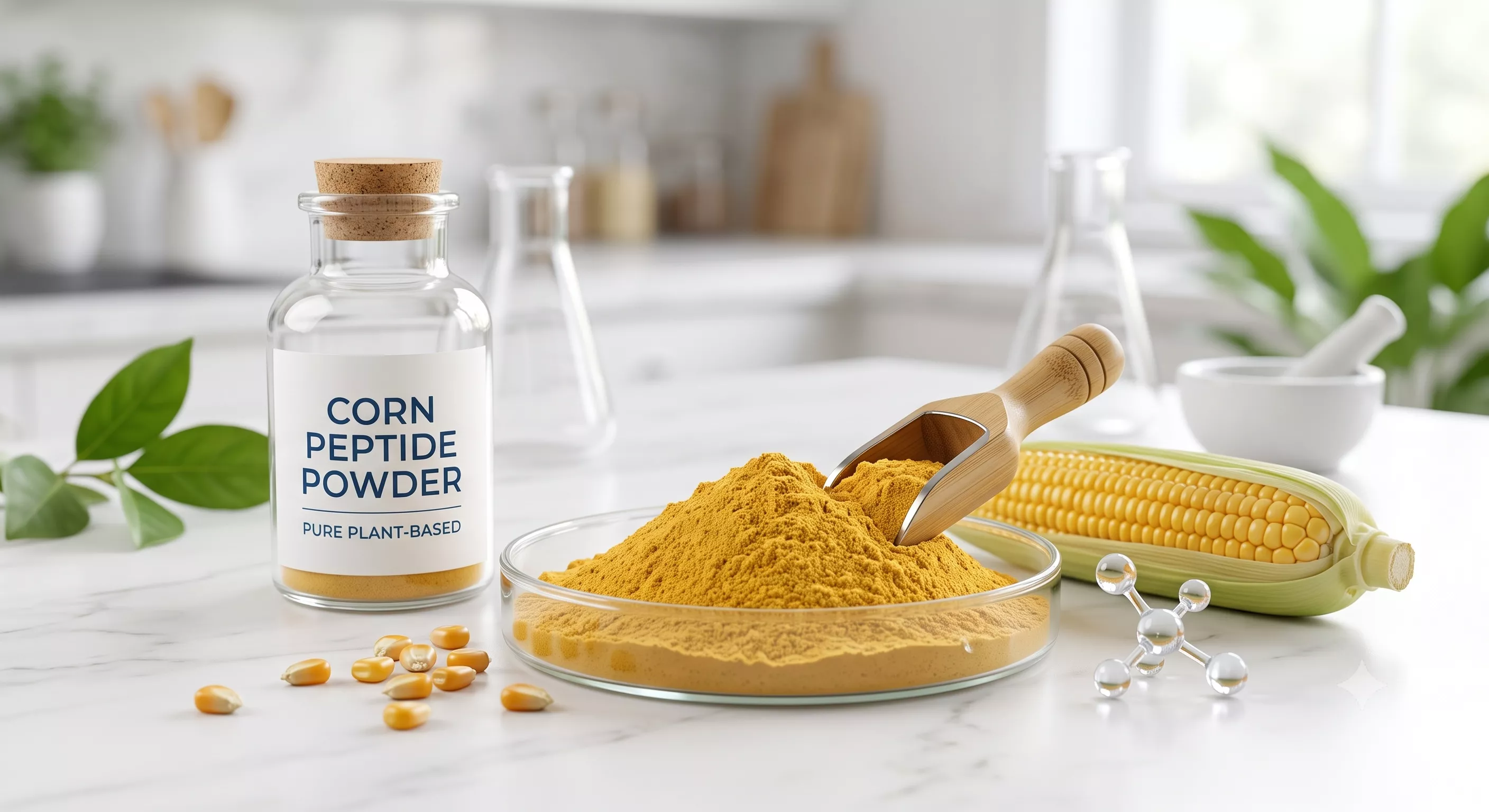
Source high-purity wholesale hydrolyzed corn protein peptide powder in bulk. Over 85% oligopeptides under 1000 Da. Rich in Alanine and Leucine for liver support and sobriety formulas.
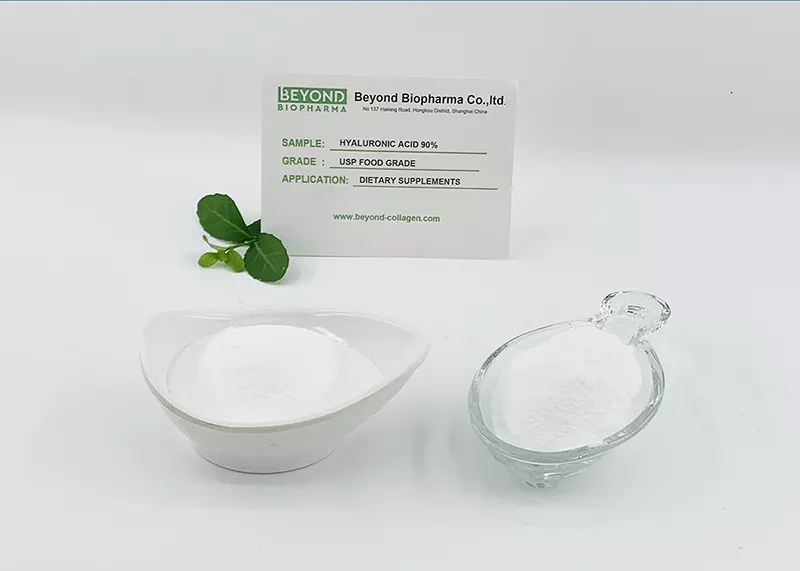
High Molecular Weight for Superior Joint, Skin, and Eye Health.
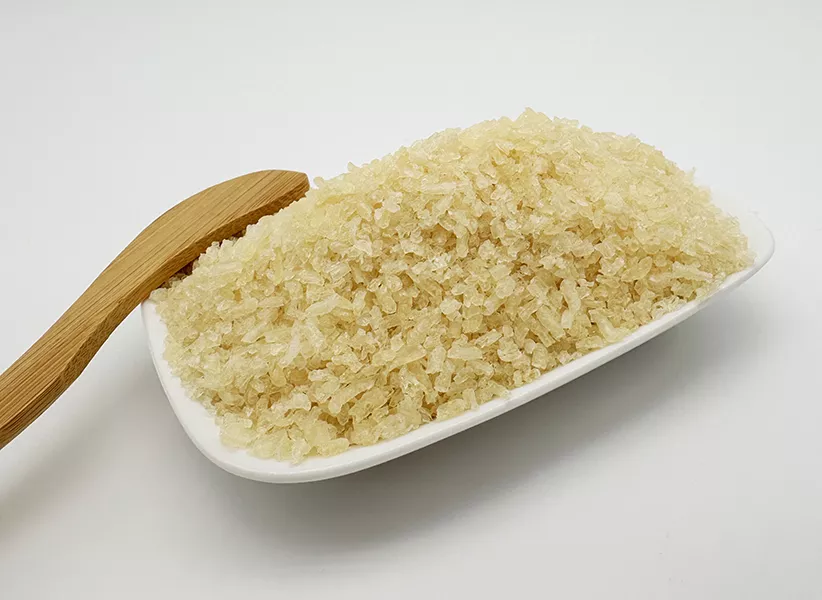
Our Bovine Hides Gelatin is engineered for versatility and compliance, ensuring performance across various applications.
Select the most popular foreign trade service products to meet your diverse needs
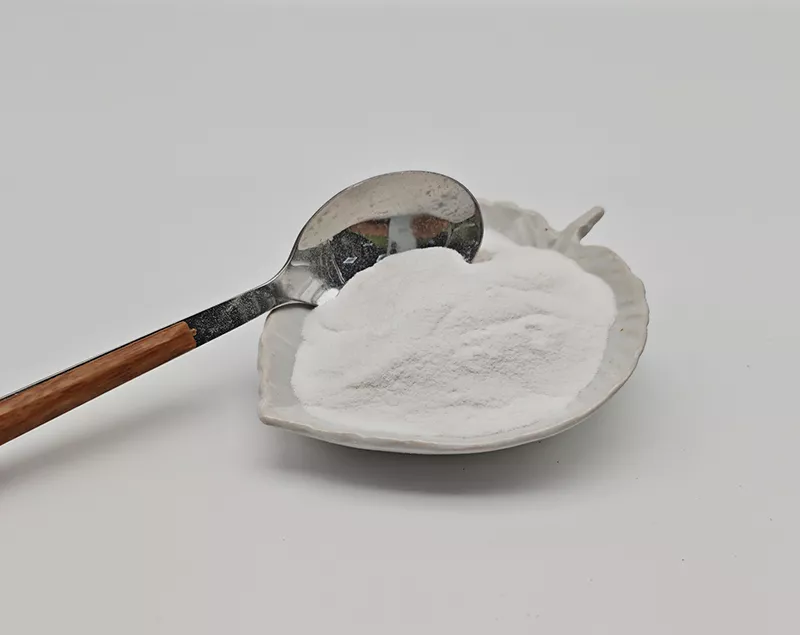
Fish Gelatin for foods is increasingly recognized as the premium alternative to traditional mammalian sources, meeting the growing global demand for clean-label ingredients that align with diverse dietary and religious requirements. Derived from the skin and scales of fish like cod and tilapia, fish gelatin offers unique functional benefits that make it an exceptional gelling, stabilizing, and texturizing agent.
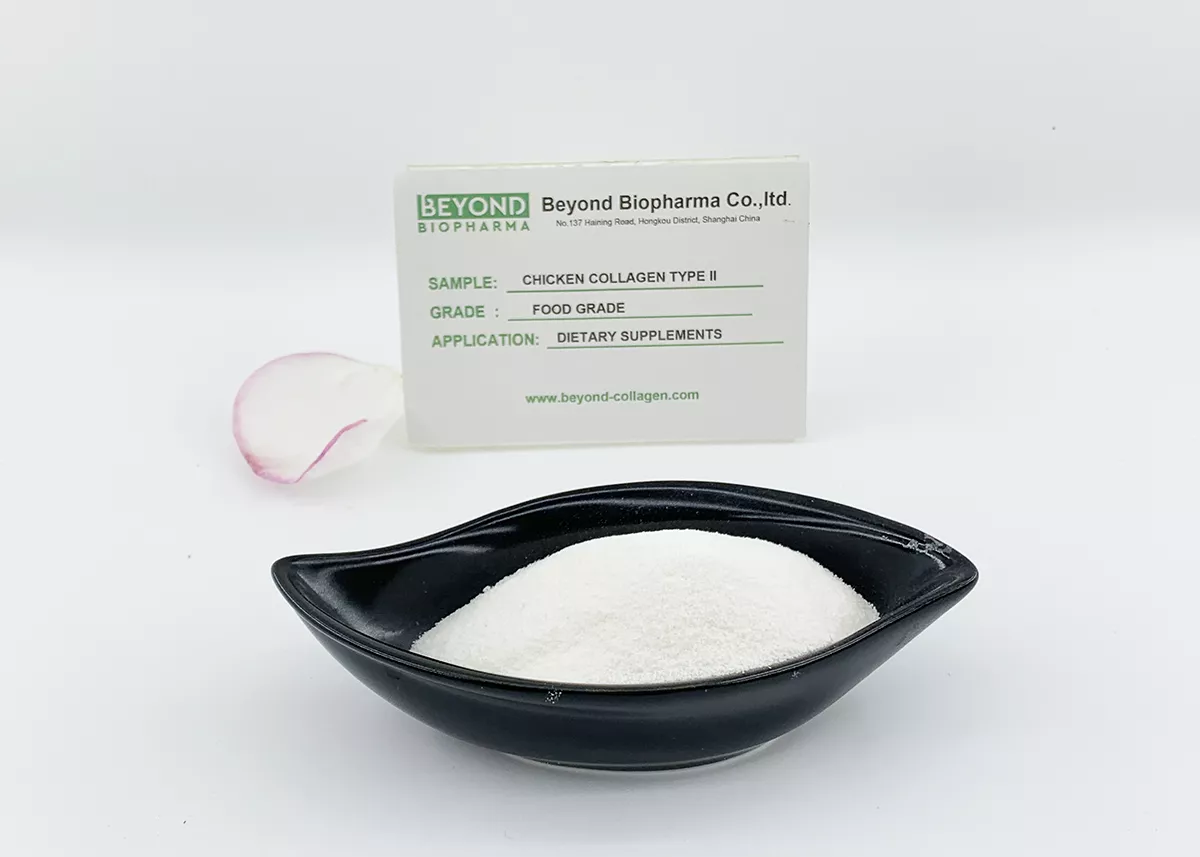
BEYOND BIOPHARMA is a specialized manufacturer of high-quality Undenatured Collagen Type II. Utilizing low-temperature, non-enzymatic extraction methods, our Undenatured Collagen Type II retains its native, triple-helix structure, essential for modulating the immune system's response to joint health and providing superior support for mobility, flexibility, and overall joint comfort.
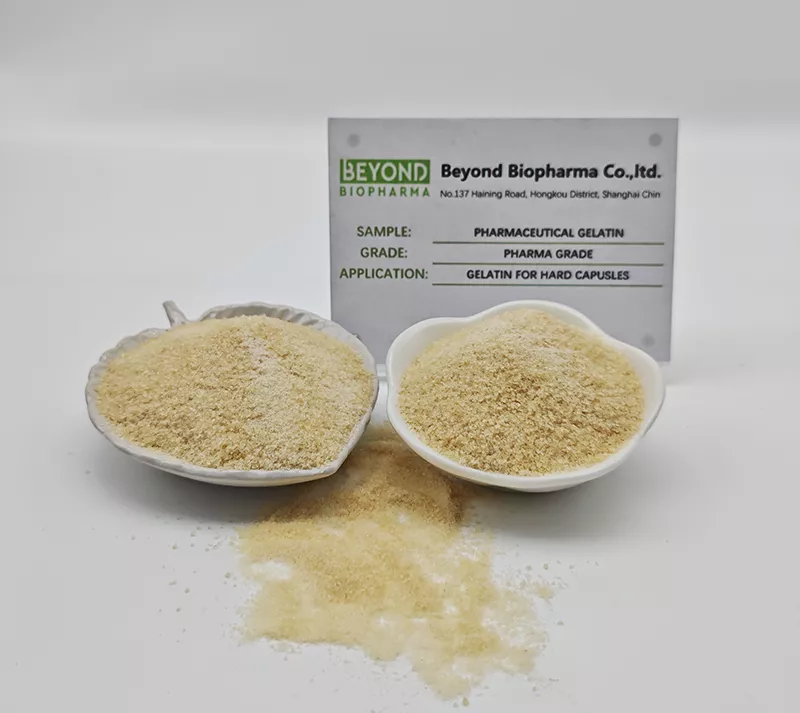
The high-strength and rapid-setting characteristics of Bovine Bone Gelatin ensure it forms a stable, uniform, and durable shell that preserves the integrity of the active pharmaceutical ingredient (API).
Tel:+86 21 65010906
Cell/Whatsapp/Wechat:
+86 13482884055
+86 18657345785
Email: sales@beyondbiopharma.com





User Comments
Service Experience Sharing from Real Customers
Mike
CrossFit CoachI've been using the sulfate version for about 8 weeks now after my ACL repair. The hydrochloride did nothing for my knee stiffness, but the sulfate actually helps me get through burpees without that grinding feeling. It's not magic, but it's the only thing that's made a real difference.
Lily
Veterinary TechnicianTried both for my own hip pain. Honestly, I couldn't tell a huge difference between the two—maybe a slight edge for the sulfate in terms of how fast I felt some relief? But the hydrochloride is way cheaper and doesn't have that weird salty aftertaste. If you're on a budget, go with the HCl.
Tom
Long-Haul Truck DriverSitting 11 hours a day wrecked my right knee. Started with glucosamine hydrochloride because it was cheaper, but after 3 months my joints still popped like bubble wrap. Switched to sulfate and within a month I could climb into my rig without grunting. Only 4 stars because it's pricier and I wish it came in bigger bottles.
Sarah
Data AnalystI'm a desk jockey with a family history of arthritis. Took hydrochloride for a year—meh. My rheumatologist suggested trying sulfate instead. Night and day. My fingers don't ache when I type reports anymore, and I can actually open jars now. Downside: it's bulkier pills, but worth it.