 English EN


Gelatin sheet vs powder what science says in 2026
Gelatin sheet offers chefs better clarity, smooth texture, and consistent results than powdered gelatin, making it the top choice for desserts in 2026.
More
For overseas buyers sourcing joint health ingredients, choosing between glucosamine sulfate vs glucosamine HCl often comes down to stability, bioavailability, and formulation goals. This article breaks down the structural and practical differences between these two common forms, helping purchasing managers and R&D teams make informed decisions for supplements, nutraceuticals, and pharmaceutical applications.
Glucosamine is a natural amino sugar found in cartilage and joint fluid. It is commonly extracted from shellfish shells and used to support joint health. The two most common commercial forms are glucosamine sulfate and glucosamine hydrochloride (HCl). The key difference lies in their chemical structure: glucosamine sulfate is stabilized with a sulfate group and often combined with potassium or sodium chloride, while glucosamine HCl is a hydrochloride salt. This structural variation affects solubility, stability, and how the body absorbs and utilizes the compound.
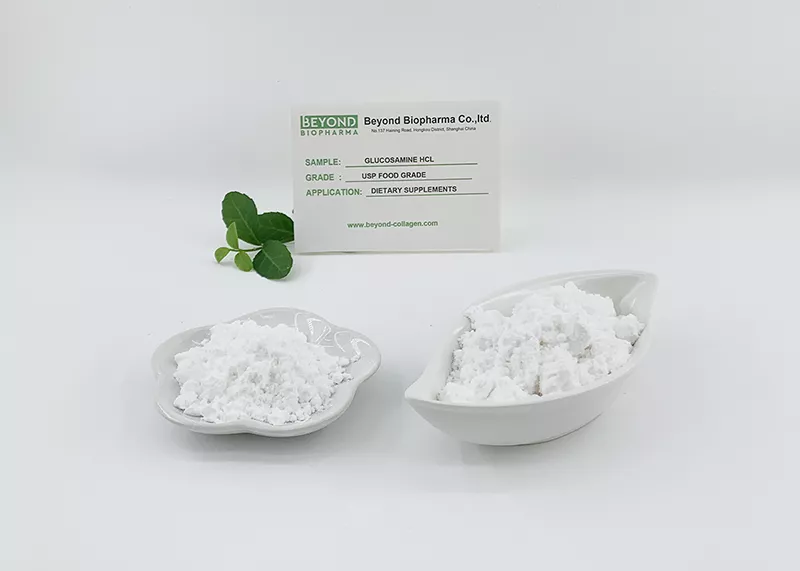
From a sourcing perspective, glucosamine HCl is more stable and has a higher glucosamine base content per gram (typically around 83% compared to 62–65% for sulfate forms). This makes it a cost-effective option for manufacturers who need consistent potency. On the other hand, glucosamine sulfate is often preferred in clinical studies for joint health, as the sulfate group may play a role in cartilage synthesis. Understanding these nuances helps buyers align ingredient selection with product claims and target markets.
Both forms of glucosamine are used by the body to produce glycosaminoglycans, which are building blocks of joint cartilage. However, the presence of the sulfate ion in glucosamine sulfate may support the synthesis of proteoglycans more directly. Some research suggests that sulfate is a necessary component for cartilage repair, which is why glucosamine sulfate is often highlighted in clinical settings.
Glucosamine HCl, being more stable and less hygroscopic, is easier to formulate into tablets, capsules, and powders. It does not require additional stabilizers like sodium or potassium chloride, which are often added to glucosamine sulfate to prevent moisture absorption. For product developers, this means fewer excipients and a cleaner label. Both forms are well-absorbed orally, but the choice depends on the specific application and target consumer profile.
When evaluating suppliers, buyers should compare the following typical industry ranges for glucosamine sulfate vs glucosamine HCl. Note that these are generic parameters; final values should be confirmed per Certificate of Analysis (COA) and sample testing.
| Parameter | Glucosamine Sulfate | Glucosamine HCl |
|---|---|---|
| Glucosamine Base Content | 62–65% | ~83% |
| Stability | Hygroscopic; requires stabilizers (e.g., KCl, NaCl) | High; non-hygroscopic |
| Solubility | Good in water | Excellent in water |
| Typical Purity | ≥99% | ≥99% |
| Common Applications | Joint health supplements, clinical studies | Tablets, capsules, powders, sports nutrition |
Typical industry range; final values per COA / sample.
Choosing between glucosamine sulfate vs glucosamine HCl depends on your product format and target market. Here is a breakdown by industry:
Beyond Biopharma, based in Shanghai, China, is a manufacturer of collagen peptides, gelatin, and plant protein peptides with over 10 years of experience in the food-ingredient industry. Our products are exported to more than 50 countries. We operate a fully automatic production line with GMP clean workshops, stainless-steel sealed piping, and automated temperature/pH control. Our annual capacity is approximately 3,000 MT for collagen and 5,000 MT for gelatin.
We hold ISO 9001 certification, are US FDA registered, and maintain GMP clean workshops. Select products carry Halal and Kosher certifications (e.g., fish gelatin). Our bovine bone gelatin is BSE-free. We have an in-house lab for heavy-metal and microbiological testing, supported by a dedicated QA/QC team. For joint health ingredients, we supply bovine chondroitin sulfate sodium, glucosamine HCl, and food-grade hyaluronic acid powder. We offer free samples and formulation support across food, pharmaceutical, and cosmetic grades.
Q: Which form of glucosamine is better for joint health?
A: Both forms support joint health. Glucosamine sulfate is more commonly used in clinical studies due to the potential role of sulfate in cartilage repair. Glucosamine HCl offers higher glucosamine content per gram and greater stability, making it a practical choice for supplements.
Q: Can glucosamine HCl be used in vegan supplements?
A: Yes, if the glucosamine is derived from fermentation rather than shellfish. Glucosamine HCl is easier to formulate in vegan capsules and tablets due to its non-hygroscopic nature.
Q: What is the shelf life of glucosamine sulfate vs glucosamine HCl?
A: Glucosamine HCl has a longer shelf life due to its stability and low moisture absorption. Glucosamine sulfate, being hygroscopic, may degrade faster if not properly stored with stabilizers.
Q: Do I need different certifications for glucosamine products?
A: Requirements vary by market. Common certifications include ISO, FDA registration, Halal, and Kosher. Beyond Biopharma offers select products with Halal and Kosher certifications, and all products are tested in-house for heavy metals and microbiology.
Q: Can I get free samples for testing?
A: Yes, Beyond Biopharma offers free samples for evaluation. Please provide your application, required grade, quantity, target specs, and destination country to receive a quote and samples.
Q: How do I choose between glucosamine sulfate vs glucosamine HCl for my product?
A: Consider your product format, target claims, and budget. For clinical claims, glucosamine sulfate may be preferred. For stable, high-potency formulations, glucosamine HCl is often the better choice. Our team can help you select the right form based on your application.
To source high-quality glucosamine sulfate vs glucosamine HCl for your next project, contact Beyond Biopharma with the following details: your application (food, pharmaceutical, or cosmetic), required grade, target quantity or MOQ, desired specifications (purity, mesh, certifications), and destination country. We will provide a tailored quote and free samples for evaluation. Our team is ready to support your formulation and sourcing needs with reliable, consistent ingredients.
Understanding the structural differences between glucosamine sulfate vs glucosamine HCl is key to making the right sourcing decision. Whether you need a stable, high-potency ingredient for tablets or a clinically studied form for joint health supplements, Beyond Biopharma offers the expertise and quality assurance to meet your requirements.

We provide you with comprehensive foreign trade solutions to help enterprises achieve global development
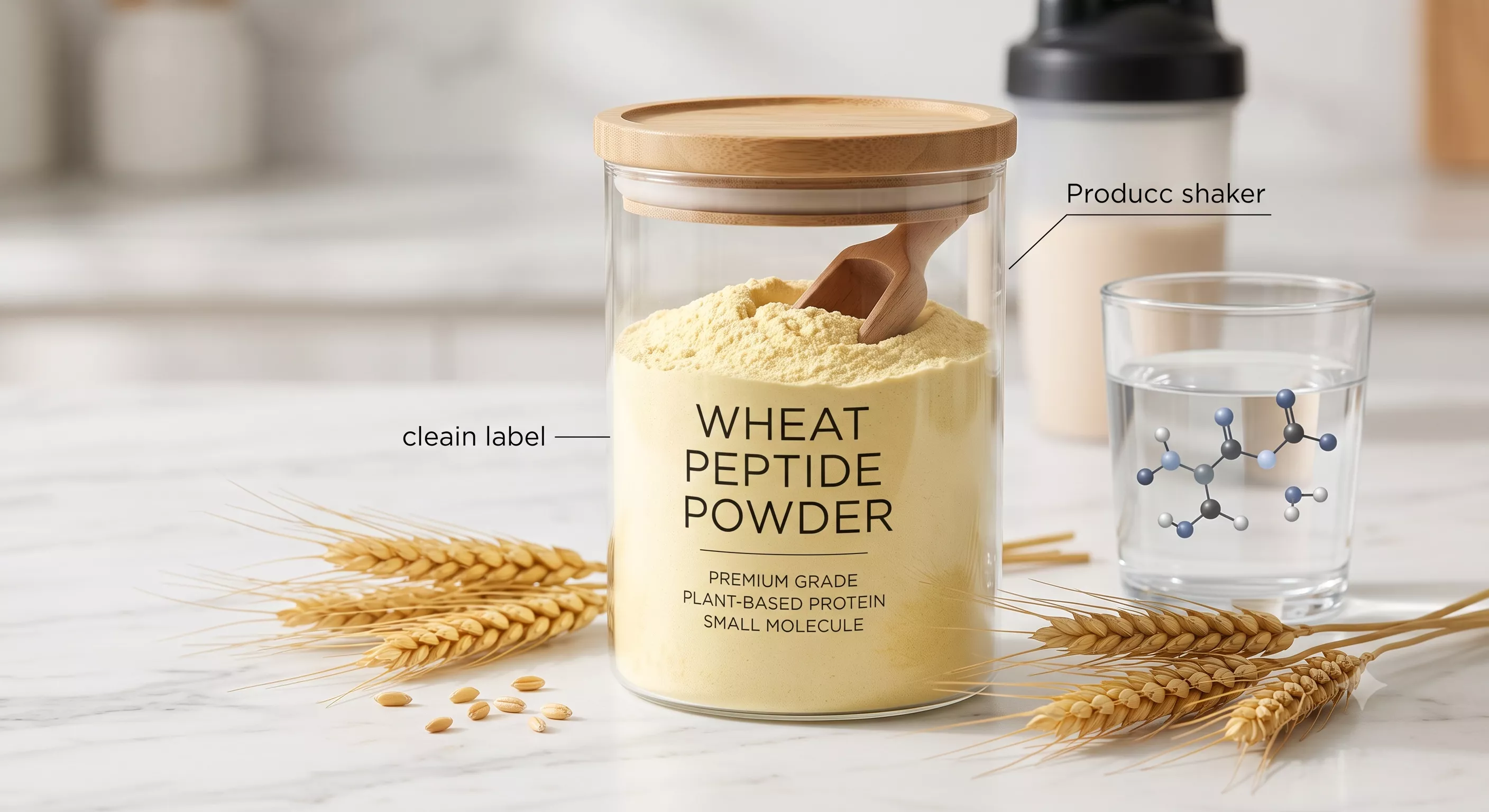
Source ultra-pure, high-solubility wholesale hydrolyzed wheat gluten peptide in bulk. Rich in plant-bound Glutamine ($\ge 25\%$) for muscle recovery and gut barrier health.
Stability, Swallowing Enhancement, and Controlled Release
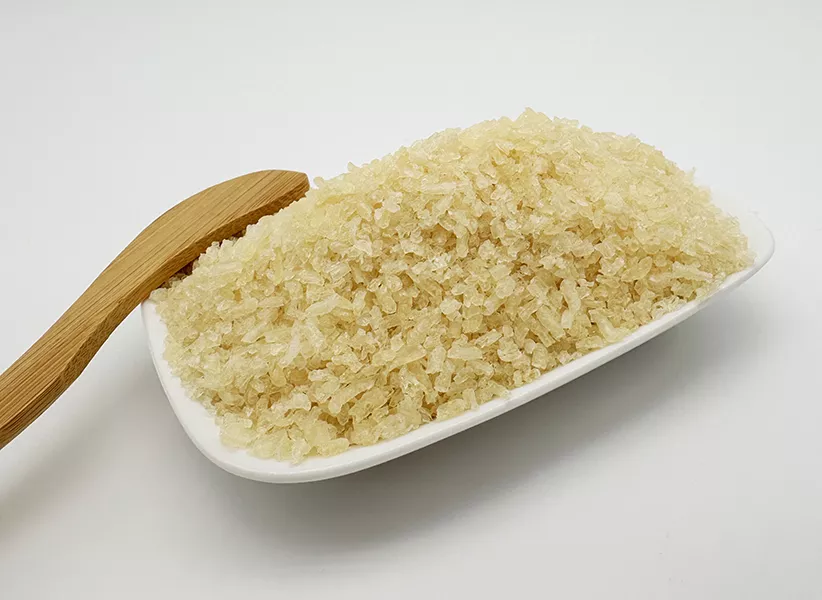
Our Bovine Hides Gelatin is engineered for versatility and compliance, ensuring performance across various applications.
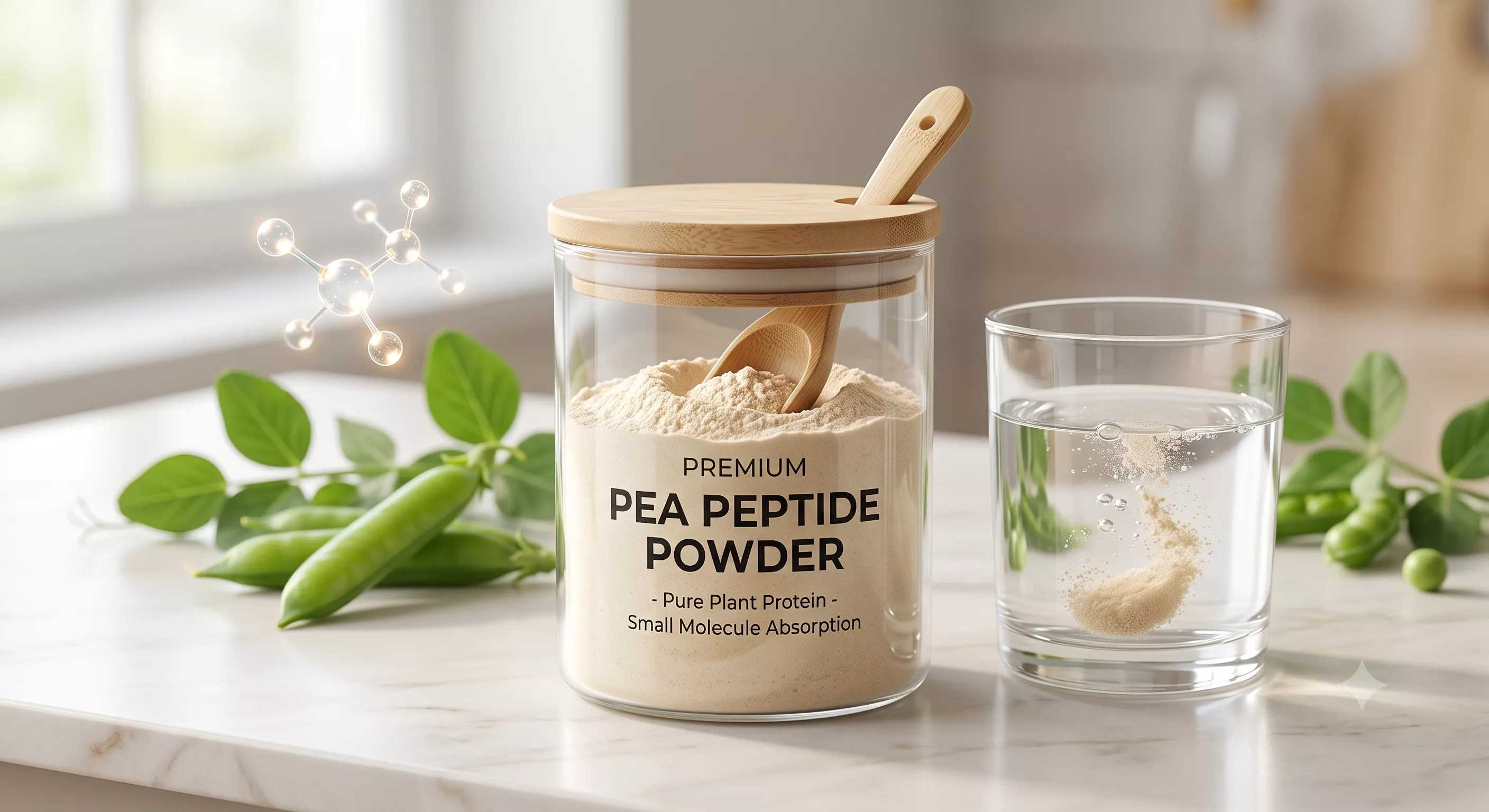
Source high-purity, hypoallergenic hydrolyzed pea peptide powder in bulk. Complete water solubility, rich in BCAAs, ideal for vegan recovery formulas.
Select the most popular foreign trade service products to meet your diverse needs
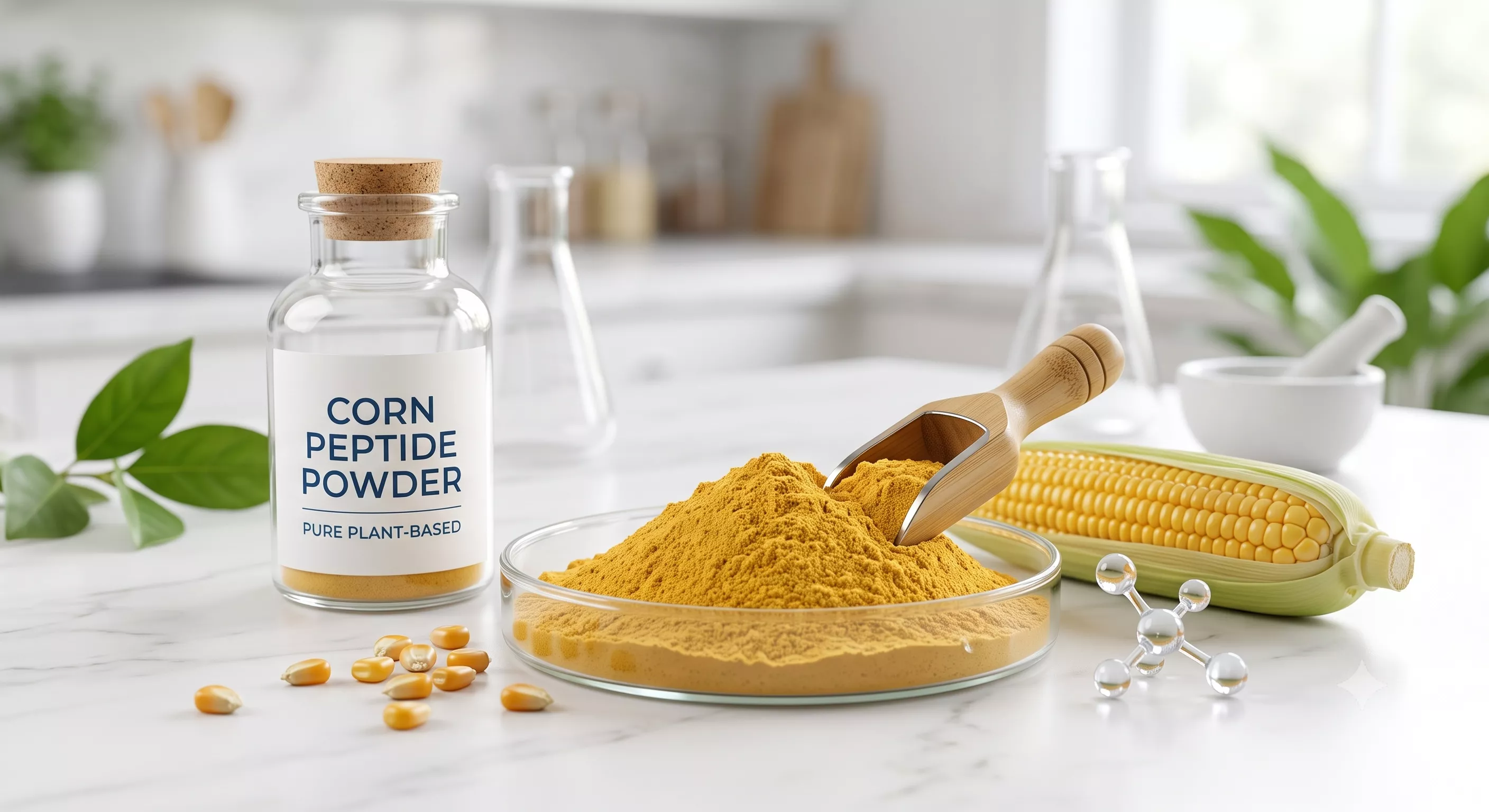
Source high-purity wholesale hydrolyzed corn protein peptide powder in bulk. Over 85% oligopeptides under 1000 Da. Rich in Alanine and Leucine for liver support and sobriety formulas.
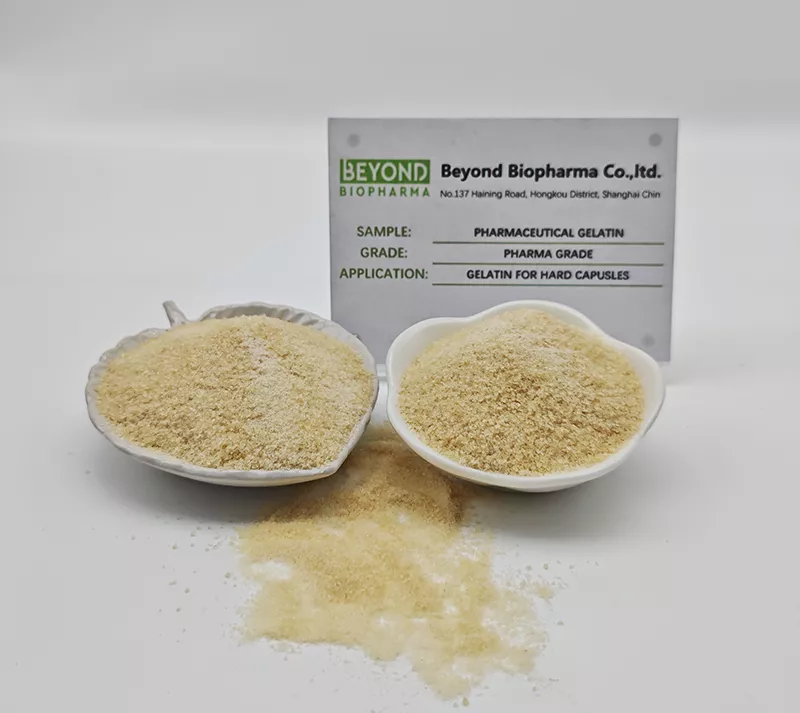
The high-strength and rapid-setting characteristics of Bovine Bone Gelatin ensure it forms a stable, uniform, and durable shell that preserves the integrity of the active pharmaceutical ingredient (API).
The Purest Plant-Based Joint Support Solution
Tel:+86 21 65010906
Cell/Whatsapp/Wechat:
+86 13482884055
+86 18657345785
Email: sales@beyondbiopharma.com





User Comments
Service Experience Sharing from Real Customers
Megan T.
Registered NurseI’ve been taking glucosamine sulfate for my knees for about six months now. I tried the HCL version a few years back but it didn’t do much for me. This one actually makes a difference—less stiffness in the morning. Not a miracle cure, but I’ll take the win.
Derek L.
Warehouse SupervisorSwitched from sulfate to HCL after a buddy recommended it. Honestly, my joints feel way better on HCL—less clicking and popping when I’m lifting boxes all day. Plus, it’s cheaper per dose. Not going back.
Sarah-Jane K.
High School TeacherI’ve been on glucosamine sulfate for a few months because my pharmacist said it absorbs better. Can’t say I notice a huge difference in my hip pain, but maybe it’s just slow acting. Might try HCL next time just to compare.
Oscar V.
Bicycle MechanicBeen using glucosamine HCL for about a year now after reading that it’s more concentrated. My knuckles and wrists used to ache after a long day wrenching on bikes, but now I hardly feel it. Sulfate gave me weird bloating, so HCL is the winner for me.