 English EN


Fish Gelatin Powder or Beef and Pork Gelatin Which Is Right for You
Compare fish gelatin powder with beef and pork gelatin to find the best option for dietary needs, texture, and recipes, including kosher and halal diets.
More
Sourcing the right Glucosamine HCl or Sulfate is a critical decision for supplement brands and pharmaceutical buyers. Batch consistency, solubility, and certification barriers often complicate procurement. This article breaks down the differences between these two forms, their working mechanisms, typical specifications, and application-specific guidance to help you select the optimal ingredient for your product line.
Glucosamine is a naturally occurring amino sugar that serves as a key building block for joint cartilage and connective tissue. In the nutraceutical and pharmaceutical industries, it is most commonly available in two salt forms: glucosamine hydrochloride (HCl) and glucosamine sulfate. While both deliver the same active molecule, their chemical structure and salt content differ, influencing purity, stability, and application suitability. For overseas buyers, understanding these nuances ensures you select a form that aligns with your formulation goals, regulatory requirements, and cost targets.
Both Glucosamine HCl or Sulfate are absorbed in the gastrointestinal tract and transported to joint tissues, where they stimulate the production of glycosaminoglycans and proteoglycans—key components of cartilage matrix. The primary difference lies in bioavailability and the presence of sulfate ions. Glucosamine sulfate provides a source of sulfur, which is essential for cartilage synthesis, while glucosamine HCl offers a higher glucosamine base content per gram (typically 83% vs. 65% for sulfate). This makes HCl a more concentrated option for formulations requiring higher active doses without adding bulk.
Glucosamine is typically derived from chitin, extracted from shellfish shells (shrimp, crab, lobster) through acid hydrolysis. The resulting glucosamine base is then reacted with hydrochloric acid to form glucosamine HCl, or with sulfuric acid to produce glucosamine sulfate (often stabilized with sodium chloride or potassium chloride). The production process for glucosamine HCl is simpler and yields a more stable, crystalline powder with a longer shelf life. Glucosamine sulfate, being hygroscopic, requires stabilizers and is more sensitive to moisture, which can affect handling and storage.
The table below outlines common industry parameters for both forms. Note: These are typical ranges; final values should be verified per Certificate of Analysis (COA) and sample testing.
| Parameter | Glucosamine HCl | Glucosamine Sulfate (2KCl) |
|---|---|---|
| Assay (Glucosamine Base) | ≥ 99% (typically 83% base) | ≥ 99% (typically 65% base) |
| Appearance | White to off-white crystalline powder | White to off-white powder (hygroscopic) |
| Particle Size | 80 mesh (typical) | 80 mesh (typical) |
| Loss on Drying | ≤ 1.0% | ≤ 1.0% |
| Heavy Metals | ≤ 10 ppm | ≤ 10 ppm |
| Sulfate Content | N/A | ~20% (as sulfate) |
Typical industry range; final values per COA / sample.
Choosing between Glucosamine HCl or Sulfate depends on your product format and target market. Here is a breakdown by industry:
Both forms are widely used in joint health formulations. Glucosamine sulfate is often preferred in clinical studies due to its sulfur contribution, but glucosamine HCl offers higher potency per dose, making it ideal for high-strength capsules and tablets. Many brands combine either form with Undenatured Collagen Type II or Bovine Chondroitin Sulfate Sodium for synergistic joint support.
For hard capsules and softgels, glucosamine HCl is preferred due to its stability and lower moisture sensitivity. It blends well with other dry ingredients and does not require special packaging. Glucosamine sulfate, being hygroscopic, is more commonly used in powder blends or sachets where moisture control is managed. For capsule manufacturing, consider using Pharmaceutical Gelatin for consistent encapsulation.
Glucosamine HCl is more soluble in water, making it suitable for functional beverages, gummies, and jellies. Its neutral taste allows for easier masking in flavored products. For gummy formulations, pairing with Edible Gelatin ensures proper texture and stability.
Standard glucosamine is derived from shellfish, which poses allergen concerns. For vegan or hypoallergenic products, look for fermentation-derived glucosamine (non-shellfish). Beyond Biopharma offers Premium Vegan Glucosamine Hydrochloride as an alternative. This form is compatible with plant-based formulations and avoids shellfish allergen labeling.
Beyond Biopharma is a Shanghai-based manufacturer with over 10 years of experience in the food-ingredient industry. We specialize in collagen peptides, gelatin, and plant protein peptides, and our Glucosamine HCl or Sulfate products are part of our Joint Health Ingredients line. Our facility operates with a fully automatic production line, GMP clean workshop, and stainless-steel sealed piping with automated temperature and pH control. We are ISO 9001 certified, US FDA registered, and select products carry Halal and Kosher certifications. Our in-house lab conducts heavy-metal and microbiological testing, supported by a dedicated QA/QC team. We offer free samples and formulation support across food, pharmaceutical, and cosmetic grades.
Glucosamine HCl has a higher glucosamine base content (83% vs. 65% for sulfate), meaning more active ingredient per gram. However, some studies suggest glucosamine sulfate may be better utilized due to its sulfur content. Bioavailability depends on individual metabolism and formulation.
Both forms are effective for joint health. Glucosamine sulfate is often cited in clinical research for osteoarthritis, while glucosamine HCl is preferred for high-dose formulations. The choice depends on your product goals and target market.
Standard glucosamine is derived from shellfish. For vegan formulations, fermentation-derived glucosamine HCl is available. Beyond Biopharma offers a vegan-friendly glucosamine HCl option that avoids shellfish allergens and is suitable for plant-based products.
Key certifications include ISO 9001, FDA registration, Halal, Kosher, and GMP compliance. For pharmaceutical use, USP or EP grade is often required. Always request a COA to verify purity, heavy metals, and microbiological limits.
Glucosamine HCl is stable at room temperature in a sealed container. Glucosamine sulfate is hygroscopic and should be stored in a cool, dry place with desiccant. Both forms should be protected from moisture and direct sunlight.
Yes. Glucosamine is commonly paired with chondroitin sulfate, hyaluronic acid, and collagen peptides for synergistic effects. Beyond Biopharma offers a range of Joint Health Ingredients to support multi-ingredient formulations.
To ensure you receive the right Glucosamine HCl or Sulfate for your application, please provide the following details: your specific application (food, pharmaceutical, or cosmetic), required grade, target quantity or MOQ, desired specifications (e.g., assay, particle size, certifications), and destination country. Beyond Biopharma offers free samples and formulation support to help you evaluate our products. Contact our team today to discuss your sourcing needs and receive a tailored quote.

We provide you with comprehensive foreign trade solutions to help enterprises achieve global development
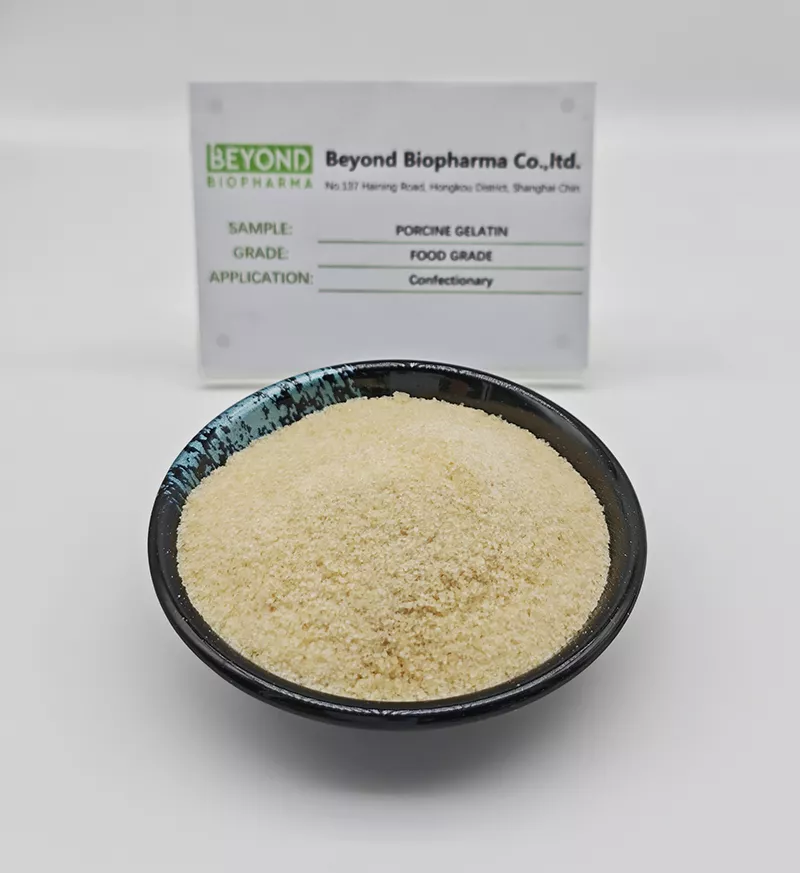
Food-grade porcine gelatin is a highly versatile and cost-effective natural protein derived from the collagen found in pig skin and bones. It is a premier gelling agent known for its exceptional clarity, neutral taste, and thermal reversibility.
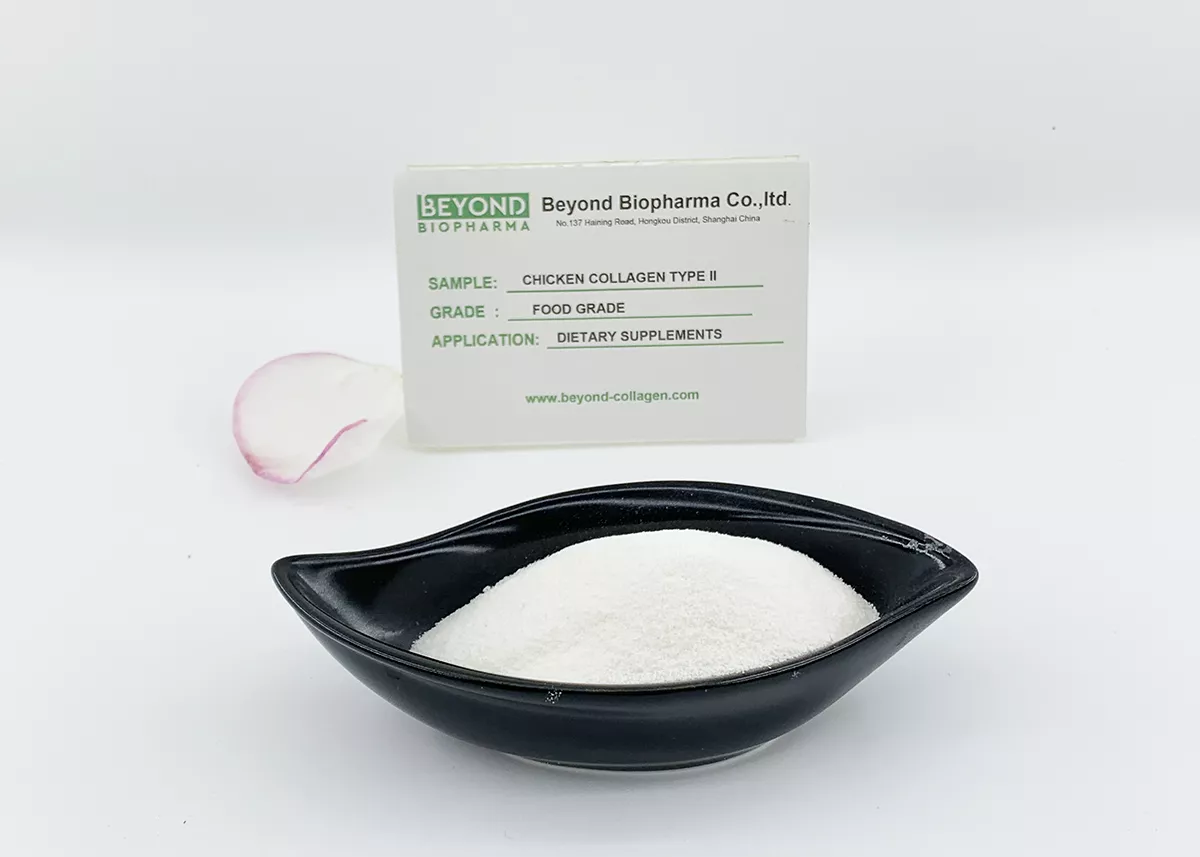
BEYOND BIOPHARMA is a specialized manufacturer of high-quality Undenatured Collagen Type II. Utilizing low-temperature, non-enzymatic extraction methods, our Undenatured Collagen Type II retains its native, triple-helix structure, essential for modulating the immune system's response to joint health and providing superior support for mobility, flexibility, and overall joint comfort.
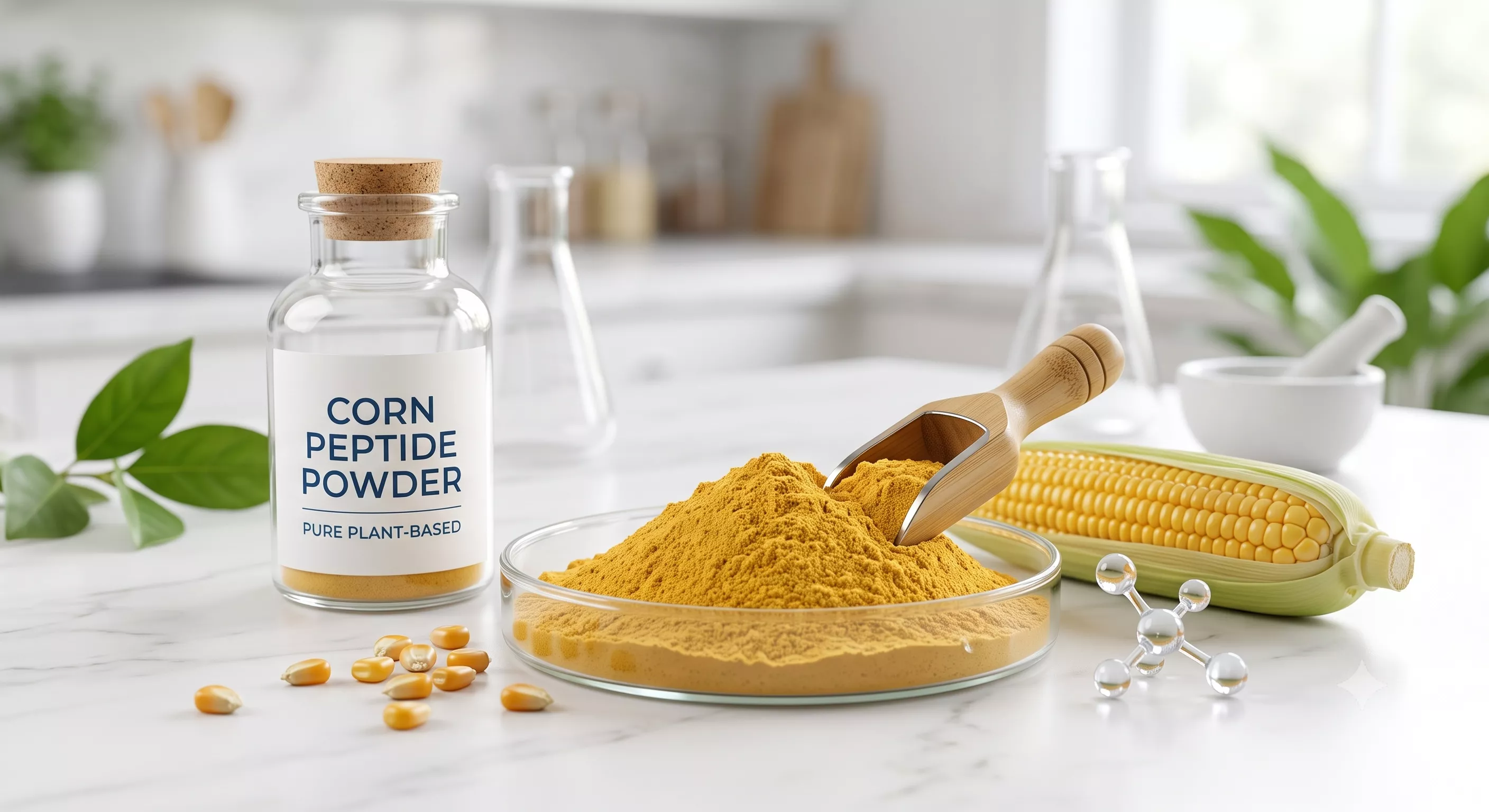
Source high-purity wholesale hydrolyzed corn protein peptide powder in bulk. Over 85% oligopeptides under 1000 Da. Rich in Alanine and Leucine for liver support and sobriety formulas.
The High-Performance Barrier for Core Material Protection and Controlled Release.
Select the most popular foreign trade service products to meet your diverse needs
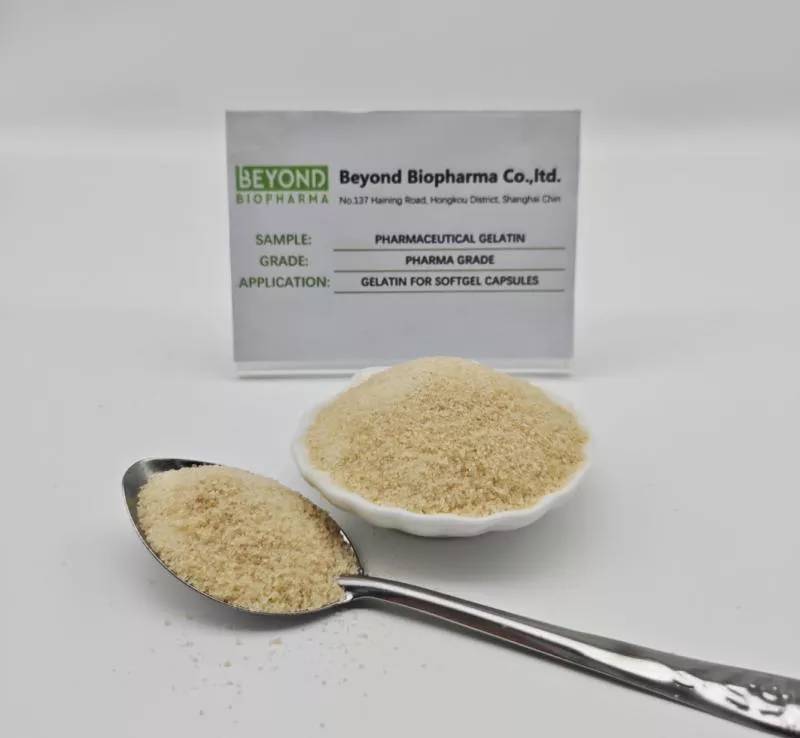
Softgel encapsulation demands a gelatin with unique physical attributes to perform optimally during the high-speed manufacturing process
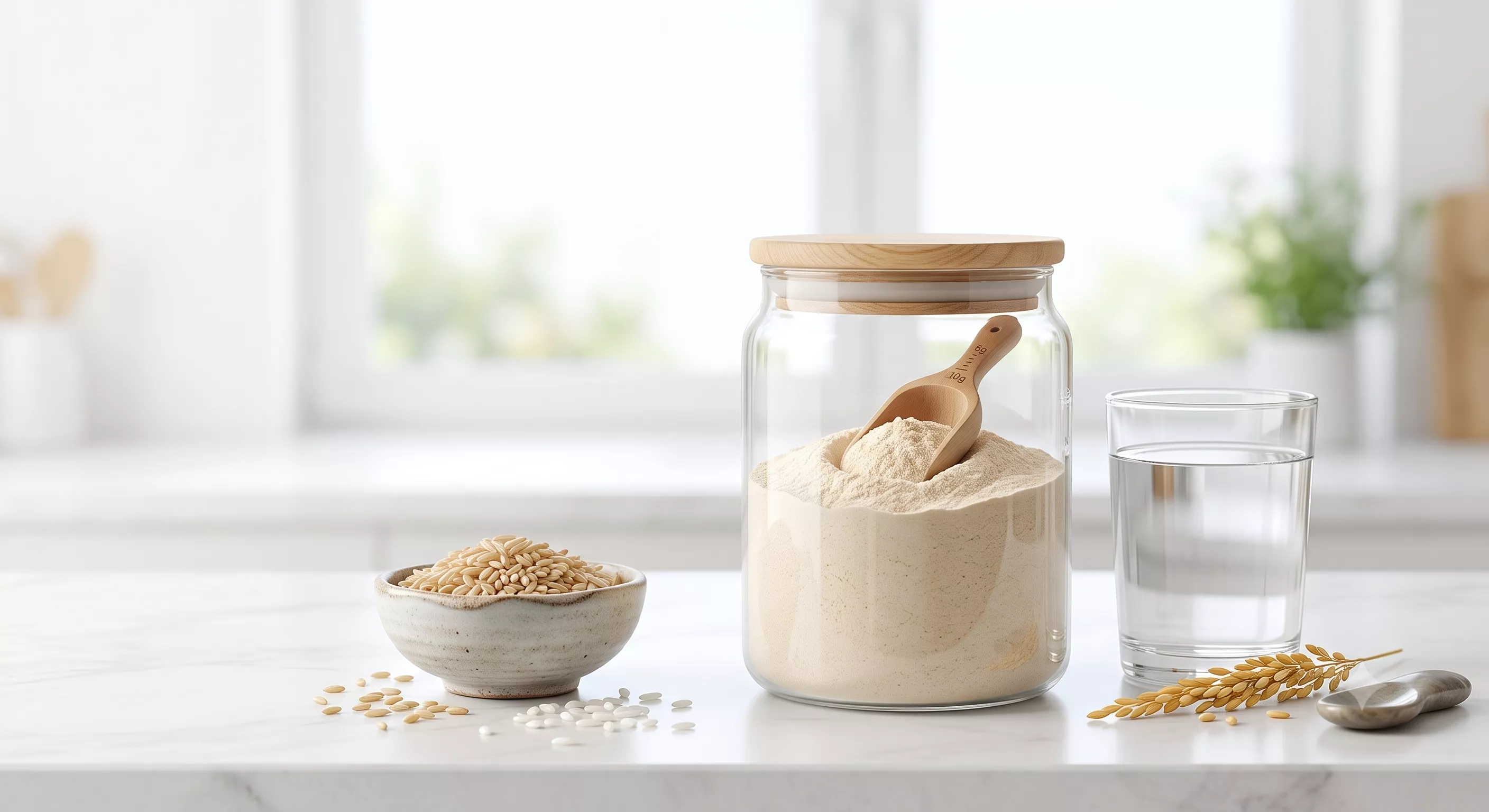
Source ultra-pure, 100% water-soluble wholesale hydrolyzed rice protein peptide in bulk. Over 85% molecules under 1000 Da. Ideal for infant nutrition, clean-label sports formulas, and sensitive skincare.
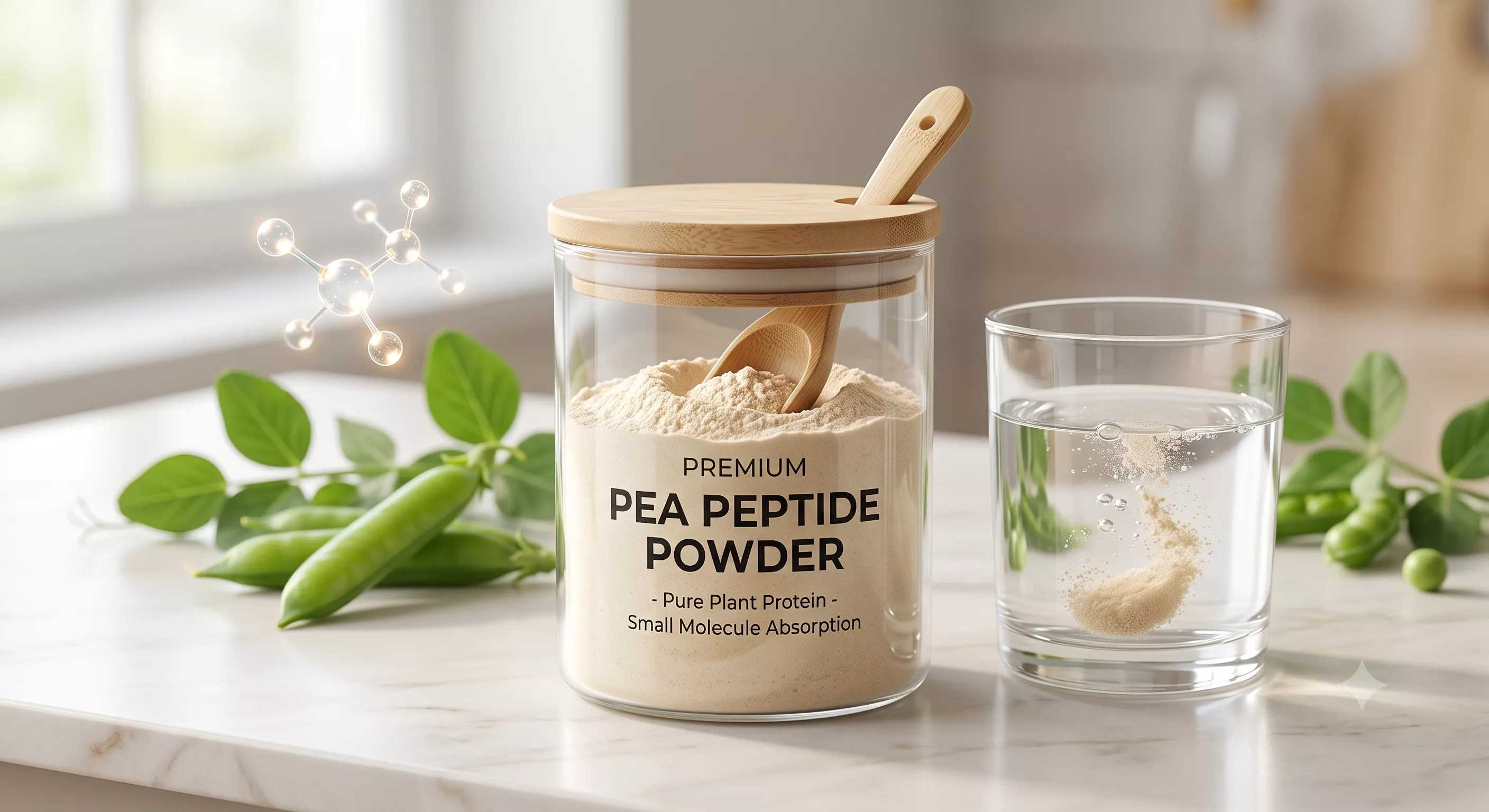
Source high-purity, hypoallergenic hydrolyzed pea peptide powder in bulk. Complete water solubility, rich in BCAAs, ideal for vegan recovery formulas.
Tel:+86 21 65010906
Cell/Whatsapp/Wechat:
+86 13482884055
+86 18657345785
Email: sales@beyondbiopharma.com





User Comments
Service Experience Sharing from Real Customers
Mike Harris
Retired Marathon CoachI’ve been taking the sulfate version for about 4 months now, and my knees feel noticeably looser in the morning. Still not back to my 50s, but way less grinding when I climb stairs. Definitely worth a shot if you’re active.
Lena Park
Veterinary TechnicianSwitched from glucosamine HCl to sulfate after my own hip started bothering me at work (lots of kneeling). HCl gave me mild bloating, but sulfate is easier on my stomach. No miracle, but I feel a real difference after 6 weeks.
Tom Reeves
Warehouse SupervisorI was hoping for more relief from my lower back after lifting boxes all day. The sulfate kind seems okay, but it took nearly 2 months to notice anything. Not a magic pill, but I’ll finish the bottle before deciding.
Sarah Bell
Freelance Graphic DesignerMy wrists used to ache after long hours at the tablet, especially with carpal tunnel acting up. Started taking HCl three weeks ago and the pain has dialed way back. I’m shocked—I was skeptical but now I’m a believer.