 English EN


Gelatin sheet vs powder what science says in 2026
Gelatin sheet offers chefs better clarity, smooth texture, and consistent results than powdered gelatin, making it the top choice for desserts in 2026.
More
For overseas buyers in the food-ingredient and nutraceutical sectors, choosing between Glucosamine HCl and Glucosamine Sulfate is more than a technical detail—it directly impacts product stability, formulation cost, and end-user compliance. Both forms are widely used to support joint health, but their chemical differences translate into distinct practical advantages. This article breaks down the key parameters, typical applications, and sourcing considerations to help you select the right ingredient for your specific needs.
Glucosamine is a naturally occurring amino sugar and a key building block of cartilage. The two most common commercial forms are Glucosamine Hydrochloride (HCl) and Glucosamine Sulfate. The primary difference lies in the salt form: HCl is bonded with chloride, while sulfate is bonded with a sulfate group. This seemingly small distinction affects solubility, stability, and how the ingredient behaves in different formulations.
From a sourcing perspective, Glucosamine HCl offers higher purity—typically 99% or more—because it contains no additional salts. It is also more stable and less hygroscopic than the sulfate form, making it easier to handle during manufacturing and storage. For buyers concerned with batch consistency and shelf life, HCl is often the preferred choice. On the other hand, Glucosamine Sulfate is frequently combined with sodium chloride or potassium chloride to improve stability, which lowers the actual glucosamine content per gram.
Both forms are typically derived from chitin, which is extracted from the shells of crustaceans like shrimp and crabs. The production process involves deacetylation and hydrolysis to yield glucosamine base, which is then reacted with either hydrochloric acid or sulfuric acid to form the respective salt. The manufacturing environment must be tightly controlled to ensure purity and avoid contamination.
For Glucosamine HCl, the process yields a crystalline powder with excellent flowability and high solubility in water. This makes it ideal for tablet compression and capsule filling. Glucosamine Sulfate, while also soluble, is more prone to absorbing moisture from the air, requiring careful packaging and storage conditions. Buyers should request a Certificate of Analysis (COA) to verify purity, heavy metal levels, and microbiological counts before committing to a supplier.
The table below summarizes the typical industry specifications for both forms. These are generic ranges; always refer to the supplier’s COA for exact values.
| Parameter | Glucosamine HCl | Glucosamine Sulfate (with NaCl/KCl) |
|---|---|---|
| Purity (as glucosamine base) | ≥99% | ~65–80% (due to salt content) |
| Molecular Weight | 215.63 g/mol | ~456.42 g/mol (with stabilizer) |
| Solubility in Water | High (>500 g/L at 20°C) | High (>400 g/L at 20°C) |
| Hygroscopicity | Low (stable in ambient conditions) | Moderate to high (requires sealed packaging) |
| pH (1% solution) | 3.0–5.0 | 3.0–5.0 |
| Common Mesh Size | 80–200 mesh | 80–200 mesh |
| Typical Shelf Life | 36 months (sealed) | 24–36 months (sealed, low humidity) |
Note: The above values represent typical industry ranges. Final specifications should be confirmed with the supplier’s COA.
The choice between the two forms often depends on the final product type and target market. Here is a practical breakdown:
Beyond Biopharma, based in Shanghai, China, has over 10 years of experience in the food-ingredient industry, exporting to more than 50 countries. Our Glucosamine HCl is produced in a GMP clean workshop with fully automatic production lines and stainless-steel sealed piping. We maintain strict quality control through our in-house lab, which conducts heavy-metal and microbiological testing on every batch.
Our facility has an annual capacity of approximately 3,000 MT for collagen and 5,000 MT for gelatin, and we apply the same rigorous standards to our joint health ingredients. We are ISO 9001 certified, US FDA registered, and offer Halal and Kosher certifications on select products. Whether you need food-grade, pharmaceutical-grade, or cosmetic-grade Glucosamine HCl, we can provide custom bulk supply and formulation support. We also offer free samples to help you evaluate quality before committing to a larger order.
Glucosamine HCl has a higher glucosamine base content per gram, meaning you get more active ingredient in the same dose. Studies show both forms are absorbed well, but HCl delivers a higher percentage of pure glucosamine to the body.
Traditional glucosamine is derived from shellfish. However, fermentation-based Glucosamine HCl is available and is suitable for vegan and allergen-free formulations. Always verify the source with your supplier.
There is no strong evidence that one form causes more gastrointestinal issues than the other. Individual tolerance varies. Glucosamine HCl is often better tolerated in tablet form because it requires fewer excipients.
Yes. Glucosamine HCl is highly soluble in water, making it suitable for liquid supplements and syrups. Its low hygroscopicity also helps maintain stability in aqueous solutions.
Look for ISO 9001, GMP, and FDA registration. If targeting specific markets, Halal, Kosher, and non-GMO certifications may be required. Always request a COA for heavy metals and microbial purity.
Glucosamine HCl is often more cost-effective on a per-dose basis because of its higher purity. You need less material to achieve the same glucosamine base content, reducing overall formulation costs.
If you are evaluating Glucosamine HCl for your next product, we invite you to contact Beyond Biopharma. To help us provide the most accurate quote and sample, please share the following details:
We offer free samples and formulation support to help you test our Glucosamine HCl in your specific application. Our team is ready to assist with technical questions and bulk supply arrangements. Reach out today to start the conversation.

We provide you with comprehensive foreign trade solutions to help enterprises achieve global development
Stability, Swallowing Enhancement, and Controlled Release
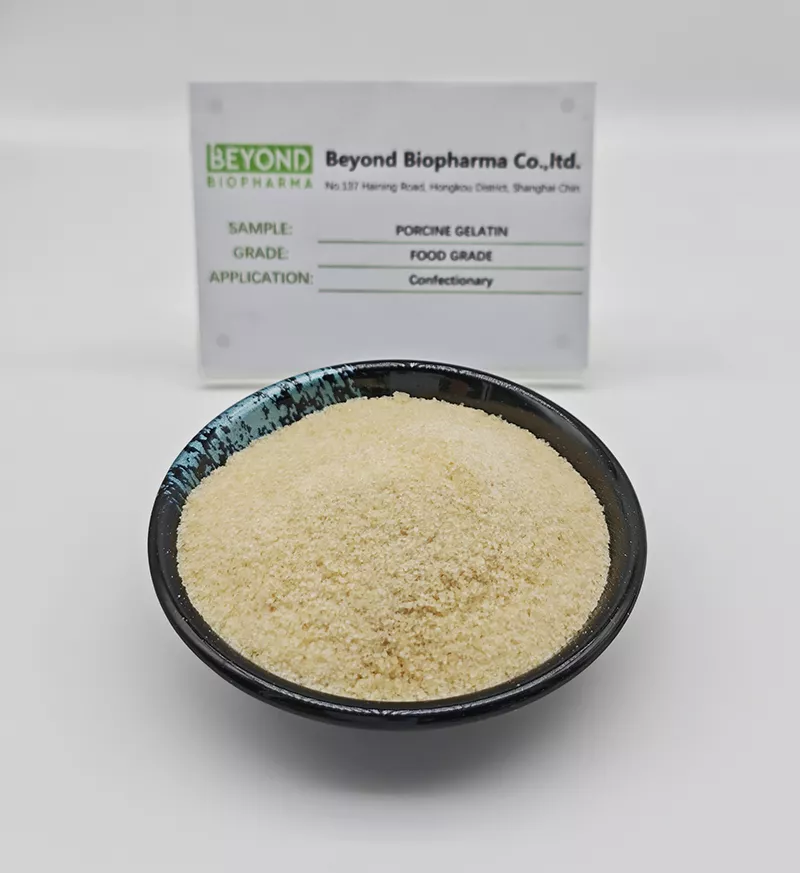
Food-grade porcine gelatin is a highly versatile and cost-effective natural protein derived from the collagen found in pig skin and bones. It is a premier gelling agent known for its exceptional clarity, neutral taste, and thermal reversibility.
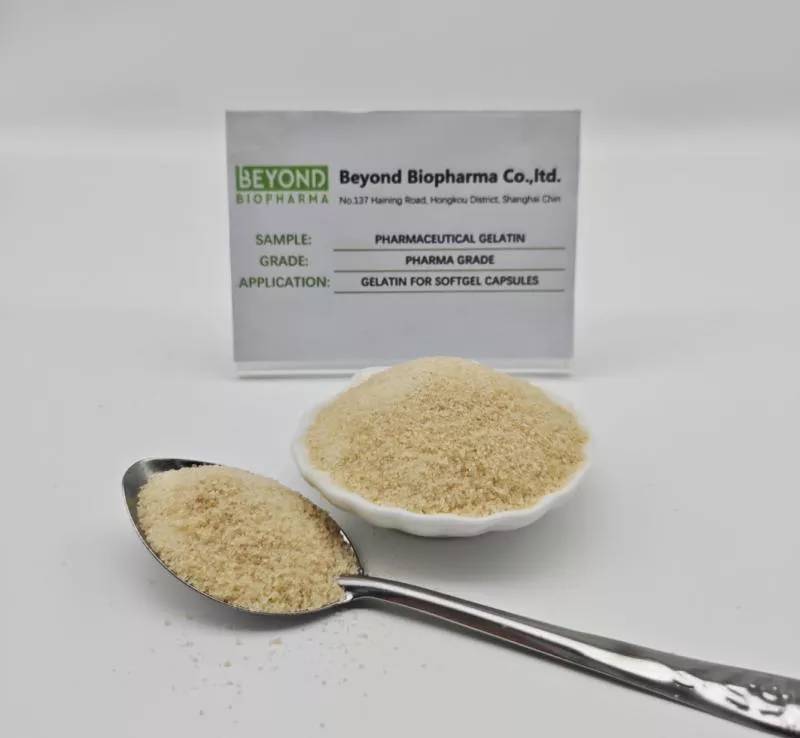
Softgel encapsulation demands a gelatin with unique physical attributes to perform optimally during the high-speed manufacturing process
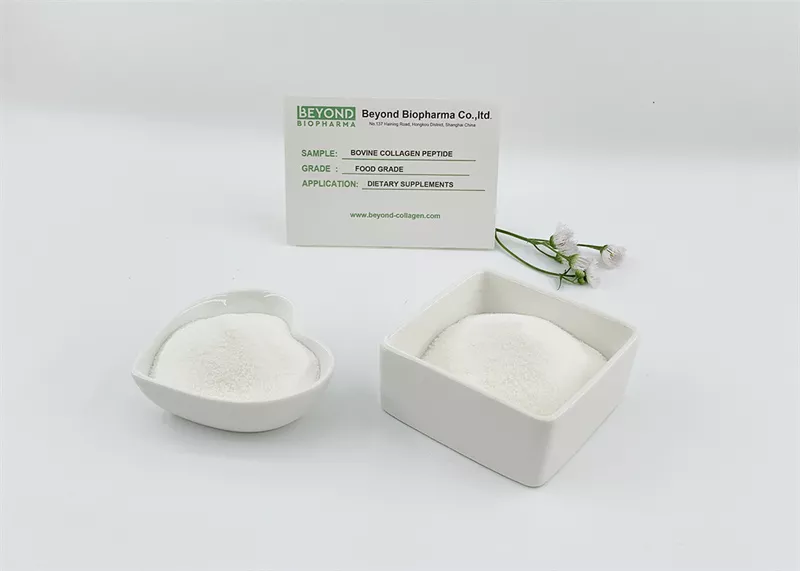
Manufacturer of bovine collagen peptide, shipping in containers all around the world
Select the most popular foreign trade service products to meet your diverse needs
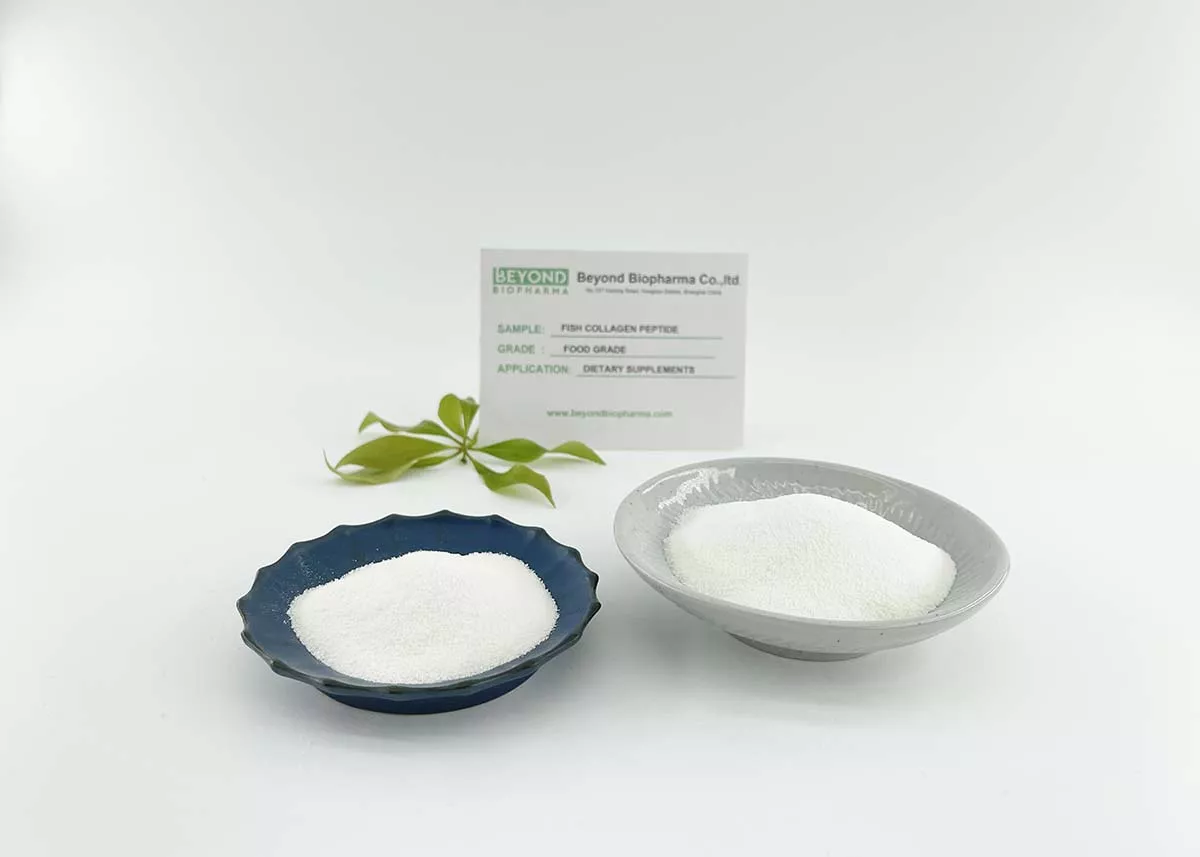
Premium marine-sourced collagen peptides with >90% protein content and low molecular weight (1000-3000 Da) for superior bioavailability. Sustainably sourced, neutral taste, and fully soluble—ideal for nutricosmetics and functional foods.
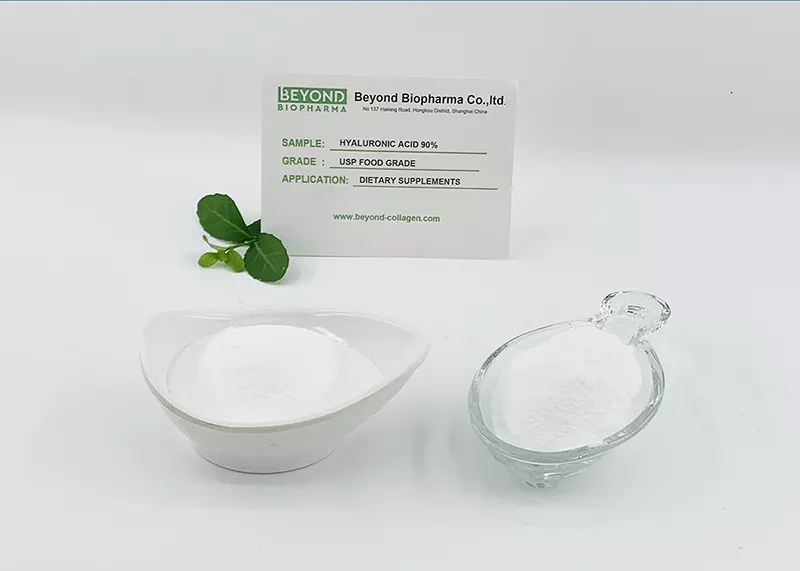
High Molecular Weight for Superior Joint, Skin, and Eye Health.
Food-grade porcine gelatin is a highly versatile and cost-effective natural protein derived from the collagen found in pig skin and bones. It is a premier gelling agent known for its exceptional clarity, neutral taste, and thermal reversibility.
Tel:+86 21 65010906
Cell/Whatsapp/Wechat:
+86 13482884055
+86 18657345785
Email: sales@beyondbiopharma.com





User Comments
Service Experience Sharing from Real Customers
Marcus
Marathon CoachI’ve been using glucosamine sulfate for three years, and I honestly think it’s way more effective than the HCL version I tried before. The sulfate just seems to absorb better—my knees feel less crunchy after long runs. HCL gave me some bloating, but with sulfate I have zero side effects. Sticking with this.
Lena
Veterinary TechnicianI tried both forms for my own joint pain after switching from standing all day at the clinic. Glucosamine HCL didn’t upset my stomach like sulfate did, but I’m not convinced either one is a miracle. The HCL gave me mild relief after about 8 weeks, but nothing dramatic. Might just be my chemistry.
Derek
Construction ForemanBeen on glucosamine sulfate for about six months now. I’ve got a bad shoulder from years of framing houses, and this stuff definitely takes the edge off. Tried HCL first because it was cheaper, but it did nothing for me. Sulfate feels like it actually works—just wish it didn’t cost twice as much.
Priya
Yoga InstructorI wanted to love glucosamine HCL because it’s more stable and doesn’t have that salty taste, but after three months I noticed zero change in my hip flexibility or pain levels. Switched to sulfate and within a month I felt a difference—less stiffness in downward dog. HCL was a waste of money for me.