 English EN


Fish Gelatin Powder or Beef and Pork Gelatin Which Is Right for You
Compare fish gelatin powder with beef and pork gelatin to find the best option for dietary needs, texture, and recipes, including kosher and halal diets.
More
When sourcing joint health ingredients, the choice between glucosamine sulfate or HCl often comes down to stability, purity, and application. While both forms support cartilage repair and joint comfort, their chemical structure directly affects solubility, shelf life, and compatibility with different supplement formats. For overseas buyers evaluating bulk supply options, understanding these differences is critical to matching the right ingredient with your product line.
Glucosamine is an amino sugar naturally found in cartilage and joint fluid. As a dietary supplement, it is most commonly available in two salt forms: glucosamine sulfate and glucosamine hydrochloride (HCl). The key difference lies in the stabilizing anion. Glucosamine sulfate is bonded with a sulfate group, which some studies suggest may play a role in cartilage synthesis. Glucosamine HCl, on the other hand, is bonded with chloride, resulting in a higher glucosamine base content per gram—typically around 83% compared to 65% in the sulfate form. This makes HCl a more concentrated option, but the sulfate form is often preferred in clinical research for joint health.
From a sourcing perspective, these differences impact formulation. Glucosamine HCl is more stable and less hygroscopic, making it easier to handle in dry powder blends and capsules. Glucosamine sulfate, especially in its non-salt-stabilized form, tends to absorb moisture and requires careful packaging. Many manufacturers use sodium chloride or potassium chloride to stabilize the sulfate form, which adds sodium or potassium content that may be a consideration for certain dietary profiles.
Commercial glucosamine is typically derived from chitin, which is extracted from the shells of shrimp, crab, and lobster. The chitin undergoes acid hydrolysis to produce glucosamine, which is then converted into either the sulfate or HCl salt. The source material and processing method directly influence purity, heavy metal content, and allergen status. For buyers requiring allergen-free or vegan options, synthetic or plant-based glucosamine alternatives are available, though they represent a smaller share of the market.
Quality markers include assay purity (typically 99%+), residual solvent levels, heavy metal limits (lead, arsenic, mercury, cadmium), and microbiological specifications. Reputable suppliers provide Certificates of Analysis (COA) for each batch. For glucosamine sulfate, the presence of sodium chloride or potassium chloride as a stabilizer should be clearly stated on the spec sheet, as it affects the actual glucosamine content and sodium intake per serving.
The table below outlines common parameters for both forms. Note that these are typical industry ranges; final values should be confirmed per COA or sample.
| Parameter | Glucosamine Sulfate (KCl/NaCl stabilized) | Glucosamine HCl |
|---|---|---|
| Glucosamine Base Content | ~62–65% | ~83% |
| Assay (HPLC) | ≥ 99% | ≥ 99% |
| Sodium Content (if NaCl stabilized) | ~5–7% | N/A |
| Heavy Metals (Pb, As, Hg, Cd) | ||
| Moisture | ≤ 1.0% | ≤ 1.0% |
| Solubility | Freely soluble in water | Freely soluble in water |
| Allergen Status | Derived from shellfish; may contain traces | Derived from shellfish; may contain traces |
Typical industry range; final values per COA / sample.
The choice between glucosamine sulfate or HCl depends on your target product format and market positioning. Here is practical guidance for different applications:
Beyond Biopharma is a Shanghai-based manufacturer with over 10 years of experience in the food-ingredient industry. Our products are exported to more than 50 countries, serving supplement brands, pharmaceutical companies, and food manufacturers. We operate a fully automatic production line with GMP clean workshops, stainless-steel sealed piping, and automated temperature and pH control. Our annual capacity is approximately 3,000 MT for collagen and 5,000 MT for gelatin, and we also produce Bovine Collagen Peptide, Edible Gelatin, and Pharmaceutical Gelatin.
Our quality system includes ISO 9001 certification, US FDA registration, and GMP compliance. Select products carry Halal and Kosher certifications. Our bovine bone gelatin is BSE-free, and our in-house lab conducts heavy-metal and microbiological testing on every batch. We offer three grades—food, pharmaceutical, and cosmetic—and provide free samples along with formulation and selection support.
For joint health ingredients, we supply glucosamine HCl, bovine chondroitin sulfate sodium, and food-grade hyaluronic acid powder. Whether you need glucosamine sulfate or HCl, we can match the right form to your application and provide consistent quality batch after batch.
Q: Which form of glucosamine is better for joint pain—sulfate or HCl?
A: Most clinical studies on joint health use glucosamine sulfate, particularly the stabilized form. However, glucosamine HCl is also effective and offers higher glucosamine content per dose. The choice often depends on formulation needs rather than efficacy.
Q: Is glucosamine HCl suitable for people with shellfish allergies?
A: Standard glucosamine HCl is derived from shellfish shells and may contain trace allergens. For shellfish-sensitive consumers, look for vegan or synthetic glucosamine HCl, which is produced without animal or marine inputs.
Q: Does glucosamine sulfate contain sodium?
A: Only if it is stabilized with sodium chloride. Some manufacturers use potassium chloride instead, which adds potassium. Always check the spec sheet for stabilizer type and sodium or potassium content.
Q: Can I use glucosamine HCl in softgel formulations?
A: Glucosamine HCl is more commonly used in dry forms like tablets and capsules. For softgels, glucosamine sulfate is often preferred due to its better compatibility with oil-based carriers and liquid fill systems.
Q: What is the shelf life of glucosamine sulfate vs. HCl?
A: Glucosamine HCl is more stable and less hygroscopic, typically offering a longer shelf life of 2–3 years when stored properly. Glucosamine sulfate, especially non-stabilized forms, may degrade faster if exposed to moisture.
Q: Do you offer free samples for glucosamine sulfate or HCl?
A: Yes, Beyond Biopharma provides free samples for both glucosamine sulfate and HCl. You can request samples along with a quote by providing your application details and target specifications.
Choosing between glucosamine sulfate or HCl is just the first step. To ensure the ingredient fits your formulation, you need the right grade, consistent quality, and reliable supply. Beyond Biopharma is ready to support your project with bulk quantities, custom specifications, and technical guidance.
To get started, please provide the following details in your inquiry:
Once we receive your details, we will send free samples and a competitive quote. Contact our team today to discuss your glucosamine sulfate or HCl requirements.

We provide you with comprehensive foreign trade solutions to help enterprises achieve global development
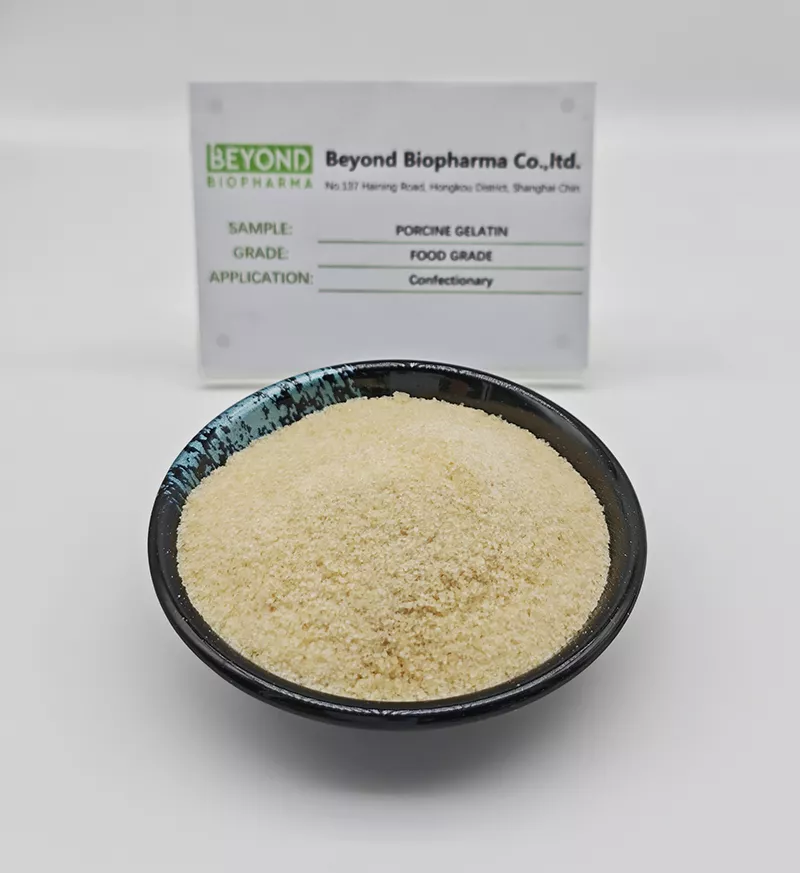
Food-grade porcine gelatin is a highly versatile and cost-effective natural protein derived from the collagen found in pig skin and bones. It is a premier gelling agent known for its exceptional clarity, neutral taste, and thermal reversibility.
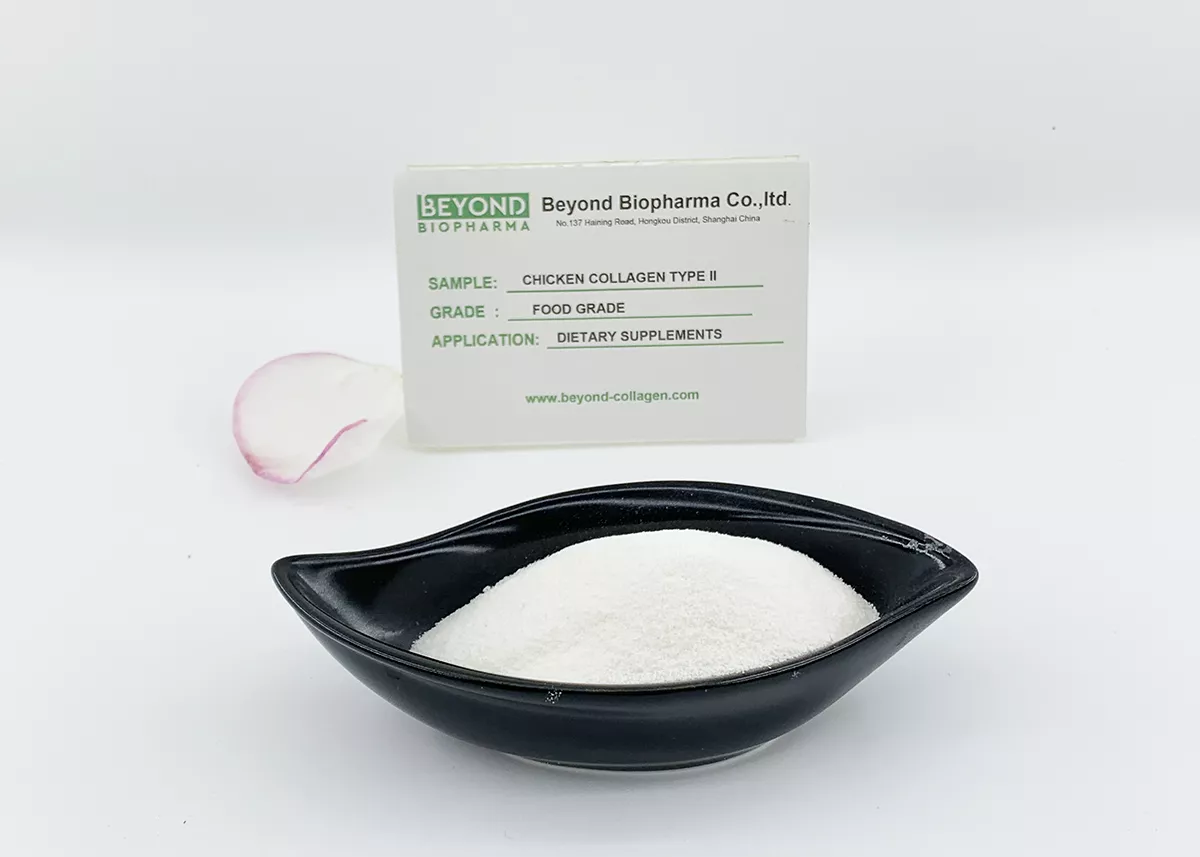
BEYOND BIOPHARMA is a specialized manufacturer of high-quality Undenatured Collagen Type II. Utilizing low-temperature, non-enzymatic extraction methods, our Undenatured Collagen Type II retains its native, triple-helix structure, essential for modulating the immune system's response to joint health and providing superior support for mobility, flexibility, and overall joint comfort.
The High-Performance Barrier for Core Material Protection and Controlled Release.
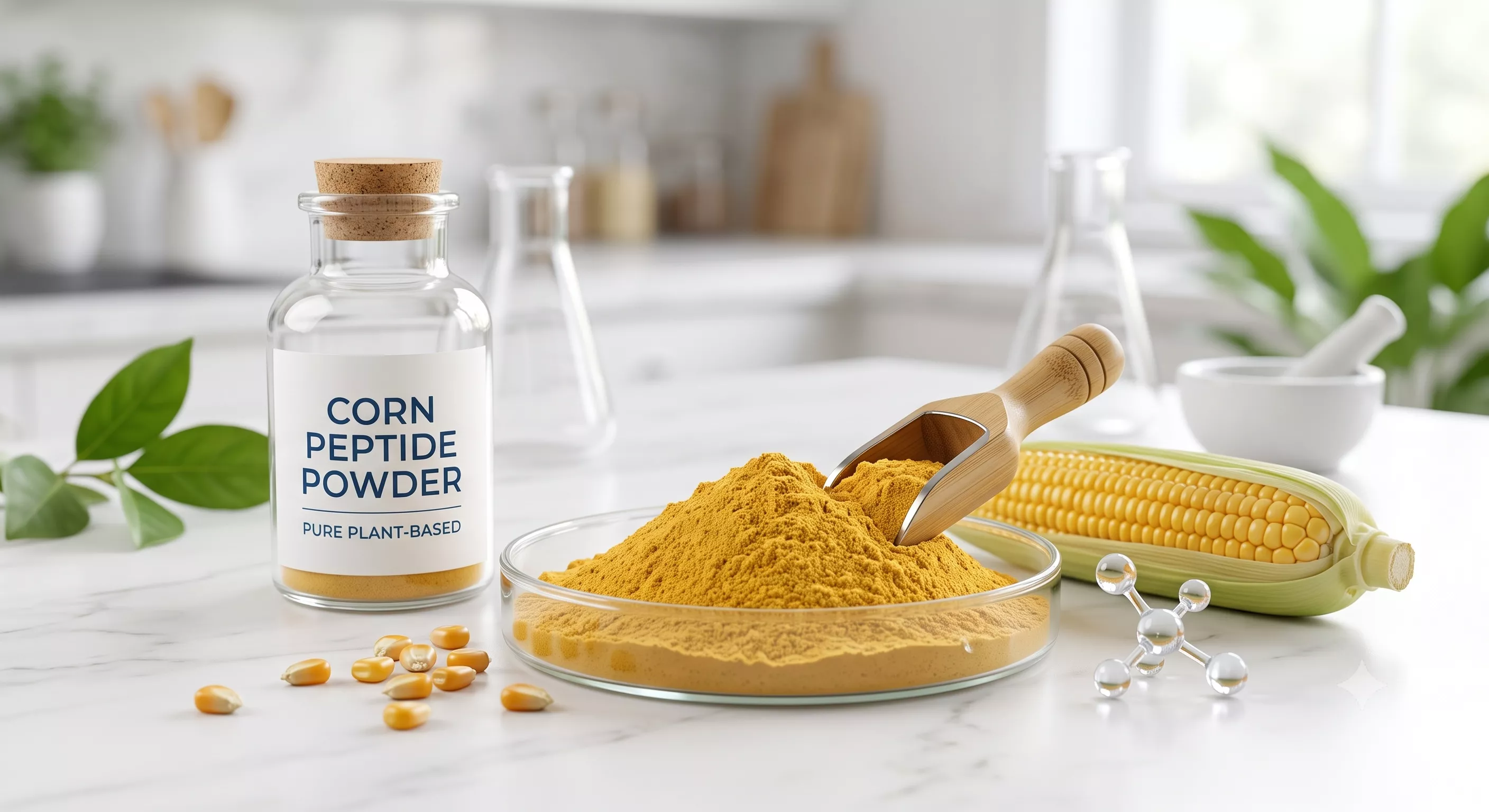
Source high-purity wholesale hydrolyzed corn protein peptide powder in bulk. Over 85% oligopeptides under 1000 Da. Rich in Alanine and Leucine for liver support and sobriety formulas.
Select the most popular foreign trade service products to meet your diverse needs
Source high-purity wholesale hydrolyzed corn protein peptide powder in bulk. Over 85% oligopeptides under 1000 Da. Rich in Alanine and Leucine for liver support and sobriety formulas.
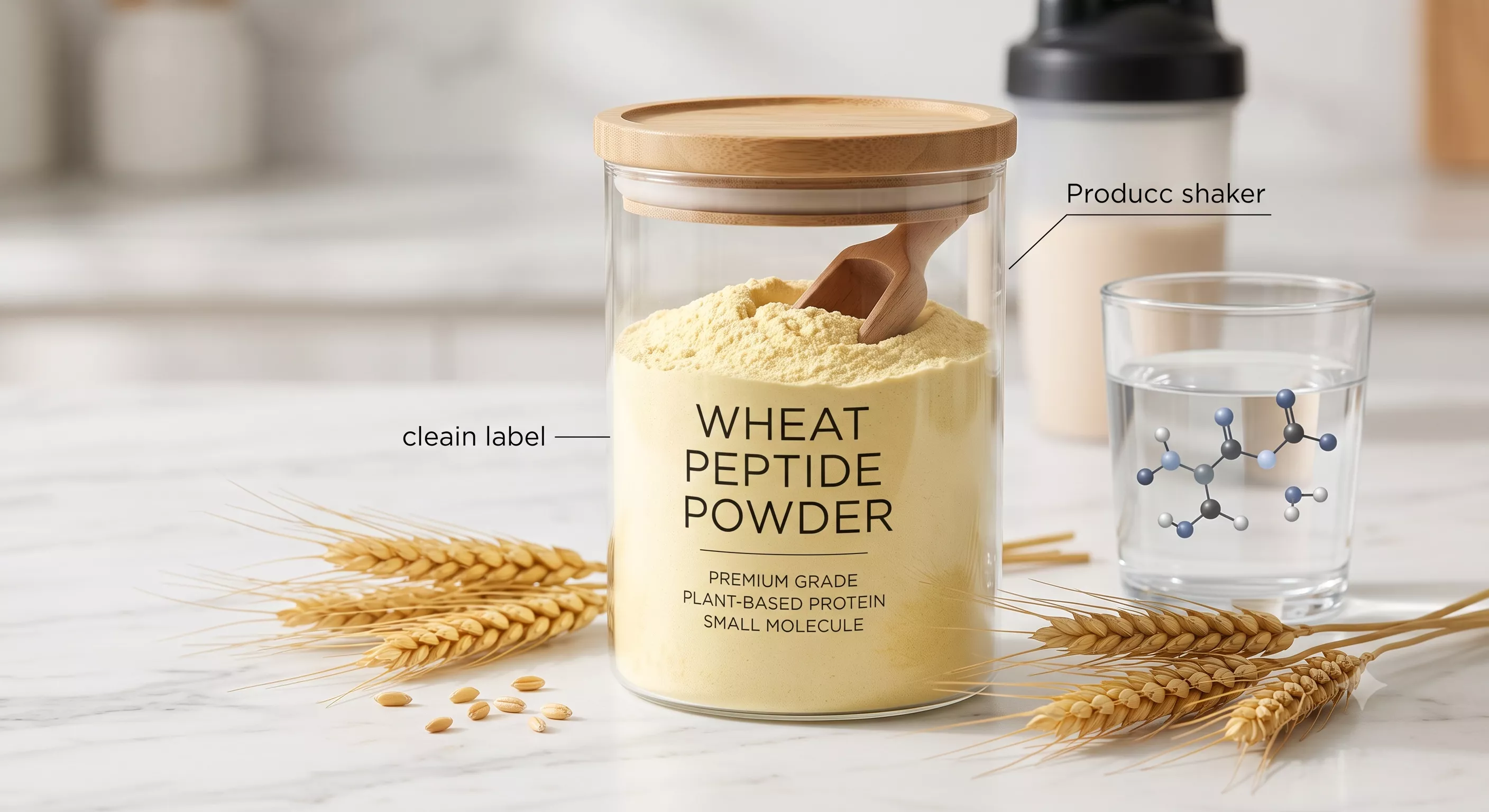
Source ultra-pure, high-solubility wholesale hydrolyzed wheat gluten peptide in bulk. Rich in plant-bound Glutamine ($\ge 25\%$) for muscle recovery and gut barrier health.
BEYOND BIOPHARMA is a specialized manufacturer of high-quality Undenatured Collagen Type II. Utilizing low-temperature, non-enzymatic extraction methods, our Undenatured Collagen Type II retains its native, triple-helix structure, essential for modulating the immune system's response to joint health and providing superior support for mobility, flexibility, and overall joint comfort.
Tel:+86 21 65010906
Cell/Whatsapp/Wechat:
+86 13482884055
+86 18657345785
Email: sales@beyondbiopharma.com





User Comments
Service Experience Sharing from Real Customers
Sarah
Graphic DesignerI’ve been taking the sulfate version for about three months now, and honestly, my knees feel way less creaky when I get up from my desk. I was skeptical at first, but the difference is noticeable—especially after long hours sitting. No weird aftertaste or stomach issues either.
Mike
Warehouse SupervisorStarted with the HCl because it was cheaper, but switched to sulfate after a friend recommended it. My shoulders and lower back still ache after a 10-hour shift, but the joint stiffness has definitely eased up. Not a miracle cure, but it helps. Only downside is the pills are a bit large.
Liam
High School TeacherBeen on glucosamine HCl for six weeks. My right knee still pops when I walk up stairs, but it doesn’t hurt as much as before. I’m not sure if it’s the supplement or just me being more careful. I’ll finish the bottle, but I might try the sulfate next time to compare.
Priya
Registered NurseI’m on my feet 12 hours a day, and my hips were killing me. A colleague suggested the sulfate form, and within two months I could actually squat down to pick up supplies without wincing. I also noticed my wrist pain from charting got better. Highly recommend for anyone with an active job.