 English EN


Gelatin sheet vs powder what science says in 2026
Gelatin sheet offers chefs better clarity, smooth texture, and consistent results than powdered gelatin, making it the top choice for desserts in 2026.
More
For overseas purchasing managers and R&D teams sourcing glucosamine HCl for joint health supplements, the choice between hydrochloride and sulfate forms often comes down to stability, bioavailability, and formulation compatibility. This article breaks down the chemical differences, typical specifications, and practical selection guidance to help you make informed sourcing decisions.
Glucosamine HCl is the hydrochloride salt form of glucosamine, a naturally occurring amino sugar that plays a key role in cartilage formation and repair. The primary structural distinction lies in the stabilizing anion: glucosamine HCl uses chloride, while glucosamine sulfate uses a sulfate group. This difference directly impacts stability, purity, and application suitability. Glucosamine HCl typically offers higher chemical stability and a longer shelf life compared to the sulfate form, which is more hygroscopic and often requires additional stabilizers like sodium chloride or potassium chloride. For buyers focused on batch consistency and clean label formulations, glucosamine HCl is frequently preferred.
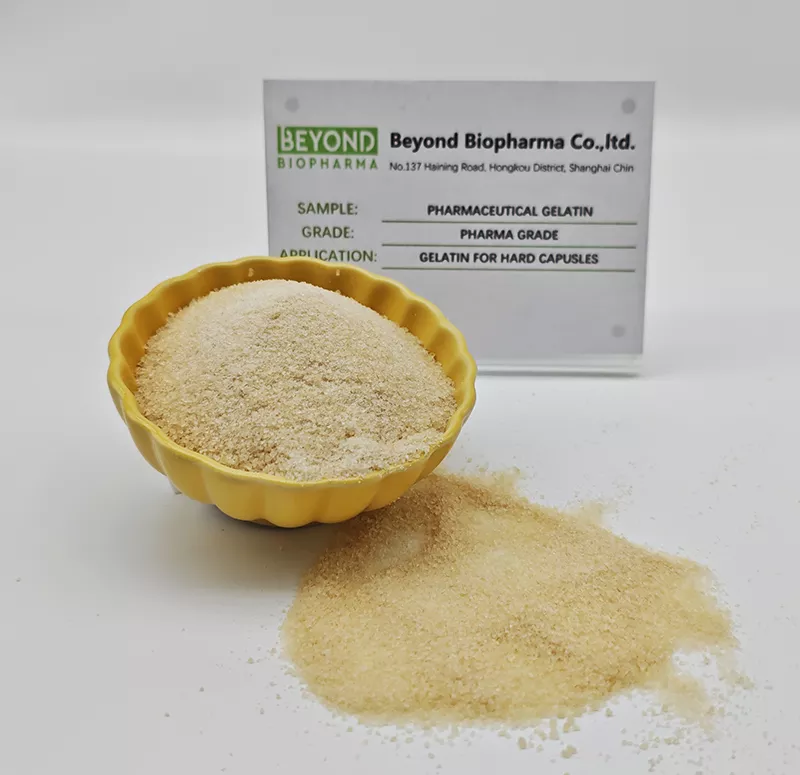
Glucosamine HCl is typically produced through the acid hydrolysis of chitin, which is sourced from crustacean shells such as shrimp and crab. The process involves deproteinization, demineralization, and then hydrolysis using hydrochloric acid, followed by purification and crystallization. The resulting compound is a white crystalline powder with high solubility in water. In the body, glucosamine HCl serves as a substrate for the synthesis of glycosaminoglycans, which are essential components of joint cartilage. Its mechanism of action involves stimulating chondrocyte activity and supporting the production of synovial fluid, thereby helping to maintain joint structure and function. For buyers, the key quality indicators include high purity (typically ≥99%), low heavy metal content, and consistent particle size.
When sourcing glucosamine HCl, it is important to review the Certificate of Analysis (COA) against the following common parameters. Note that these are typical industry ranges; final values should be confirmed per COA and sample.
| Parameter | Typical Range |
|---|---|
| Assay (Glucosamine HCl) | ≥99.0% |
| Chloride Content | 15.5% – 16.5% |
| Heavy Metals | ≤10 ppm |
| pH (1% solution) | 3.5 – 5.0 |
| Loss on Drying | ≤1.0% |
| Particle Size | 80 mesh pass ≥95% |
| Sulfated Ash | ≤0.5% |
Note: These are typical industry ranges. Final values should be confirmed per COA and sample.
Glucosamine HCl is widely used across several supplement and pharmaceutical applications. Here is a breakdown of common use scenarios and selection guidance:
Beyond Biopharma, based in Shanghai, China, is a reliable manufacturer of high-quality glucosamine HCl and other joint health ingredients. With over 10 years of experience in the food-ingredient industry, our products are exported to more than 50 countries. Our facility operates with a fully automatic production line, GMP clean workshop, and stainless-steel sealed piping with automated temperature and pH control, ensuring consistent quality. We hold ISO 9001 certification, are US FDA registered, and select products carry Halal or Kosher certification. Our in-house lab conducts rigorous heavy-metal and microbiological testing, supported by a dedicated QA/QC team. We offer three grades—food, pharmaceutical, and cosmetic—and provide free samples along with formulation and selection support.
Glucosamine HCl offers higher stability and a longer shelf life compared to the sulfate form, which is more hygroscopic. The choice depends on your formulation needs. For dry dosage forms like tablets and capsules, glucosamine HCl is often preferred.
The common dosage range is 1,500 mg per day, often taken in divided doses. However, optimal dosage may vary based on individual needs and formulation. Always refer to regulatory guidelines and consult with a healthcare professional.
Traditional glucosamine HCl is derived from crustacean shells, making it unsuitable for vegan products. However, fermentation-based or synthetic glucosamine HCl options are available for vegan and allergen-free formulations. Beyond Biopharma can discuss sourcing options based on your requirements.
Key certifications include ISO 9001, FDA registration, and Halal or Kosher if required. Also look for heavy-metal testing and microbiological analysis on the COA. Beyond Biopharma provides full documentation and free samples for evaluation.
Store in a cool, dry place away from direct sunlight and moisture. Keep containers tightly sealed. Proper storage ensures product stability and extends shelf life.
Minimum order quantities vary by grade and specification. Contact our team with your application, required grade, and target quantity to receive a tailored quote and free sample.
If you are sourcing glucosamine HCl for your next project, we invite you to reach out to Beyond Biopharma. Please provide the following details so we can send you free samples and a competitive quote: your intended application, required grade (food, pharmaceutical, or cosmetic), target quantity or MOQ, desired specifications (purity, particle size, certifications), and destination country. Our team is ready to support your formulation and sourcing needs with high-quality ingredients and reliable supply.

We provide you with comprehensive foreign trade solutions to help enterprises achieve global development
Precision, Purity, and Optimal Machinability
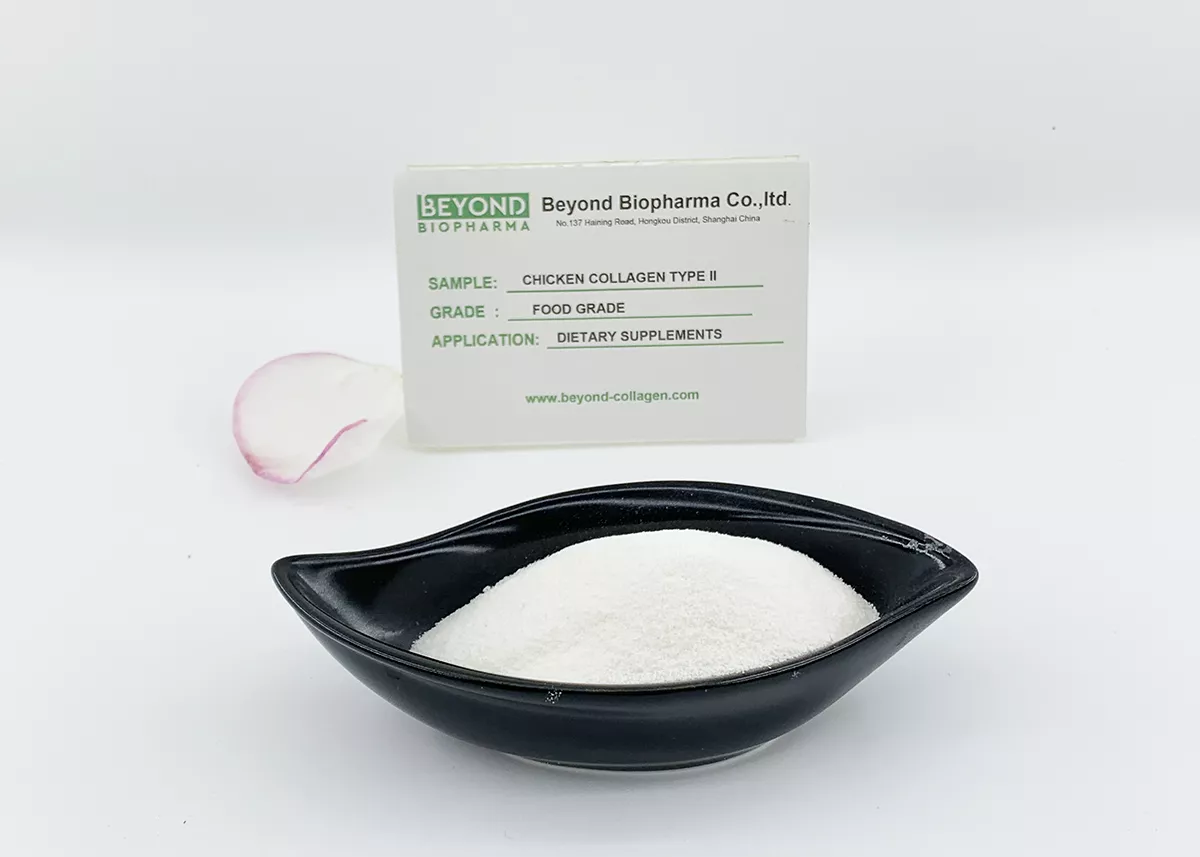
BEYOND BIOPHARMA is a specialized manufacturer of high-quality Undenatured Collagen Type II. Utilizing low-temperature, non-enzymatic extraction methods, our Undenatured Collagen Type II retains its native, triple-helix structure, essential for modulating the immune system's response to joint health and providing superior support for mobility, flexibility, and overall joint comfort.
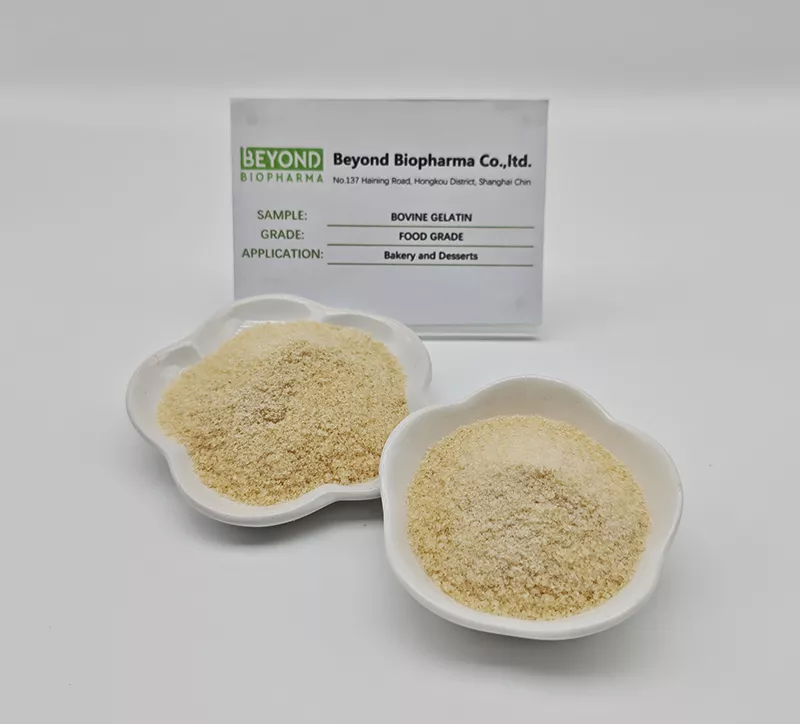
20 years experiences, 5000 ton/year capacity, Sustained supply with stable quality
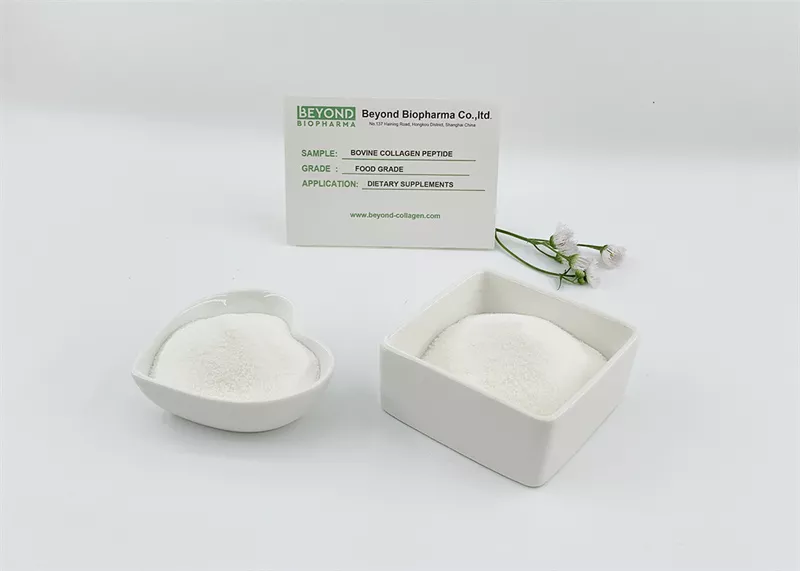
Manufacturer of bovine collagen peptide, shipping in containers all around the world
Select the most popular foreign trade service products to meet your diverse needs
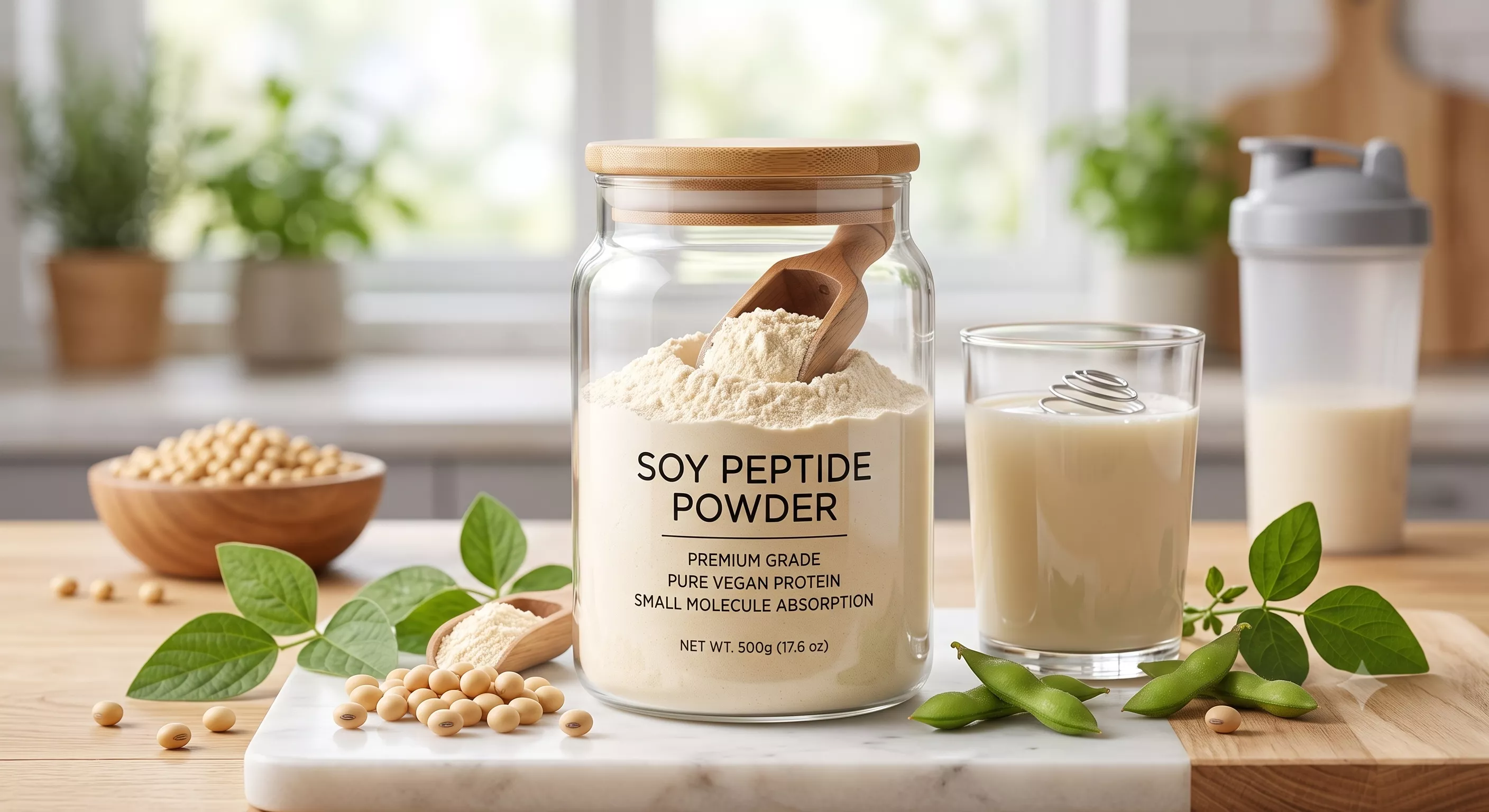
Source ultra-pure, non-GMO hydrolyzed soybean oligopeptide powder in bulk. Complete water solubility, over 80% peptides under 1000 Da. Ideal for sports nutrition and immune recovery formulas.
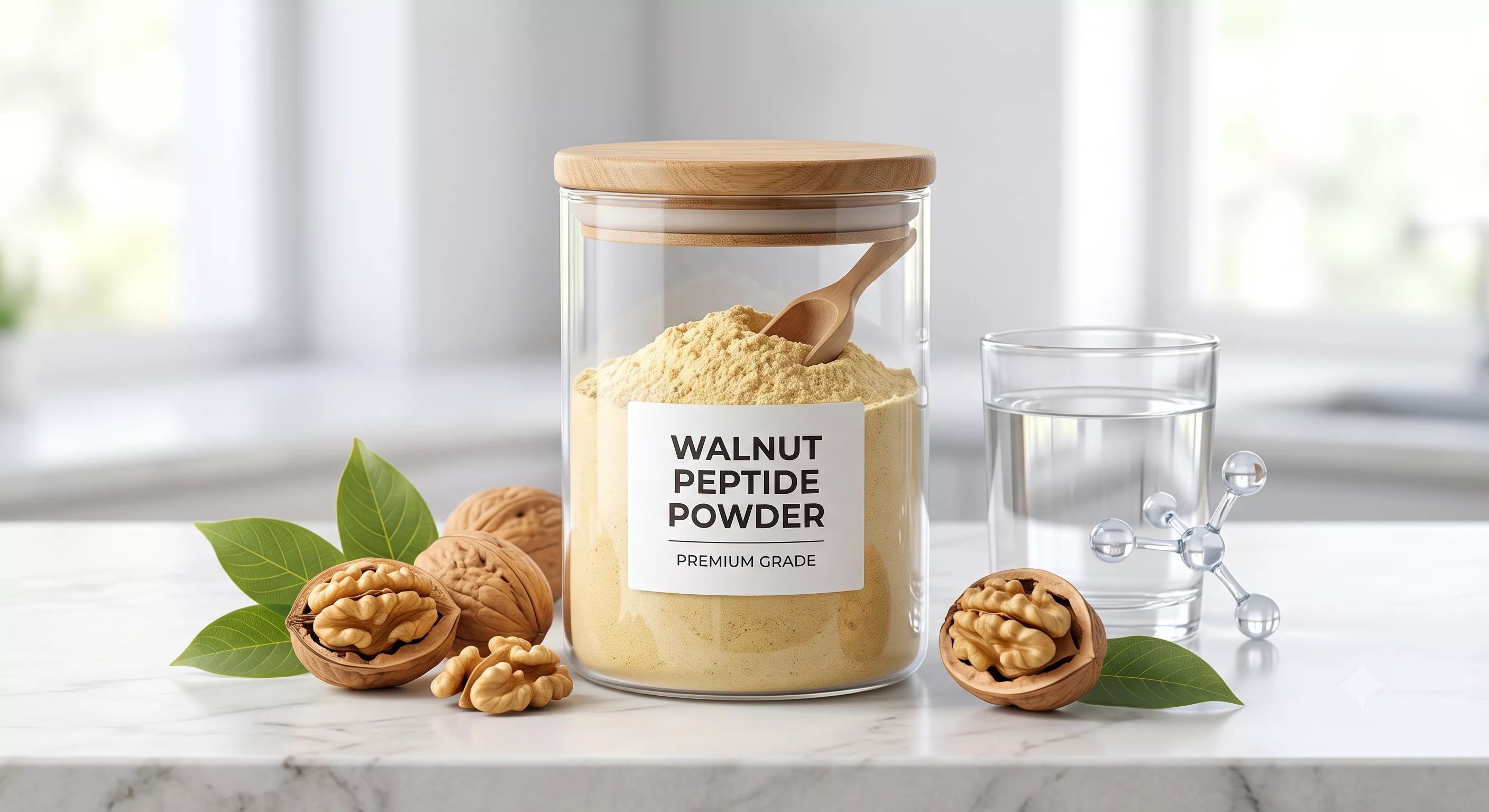
Source wholesale hydrolyzed walnut protein peptide powder in bulk. Over 85% low-molecular-weight oligopeptides rich in Glutamic Acid. Perfect for cognitive formulas and sleep aid supplements.
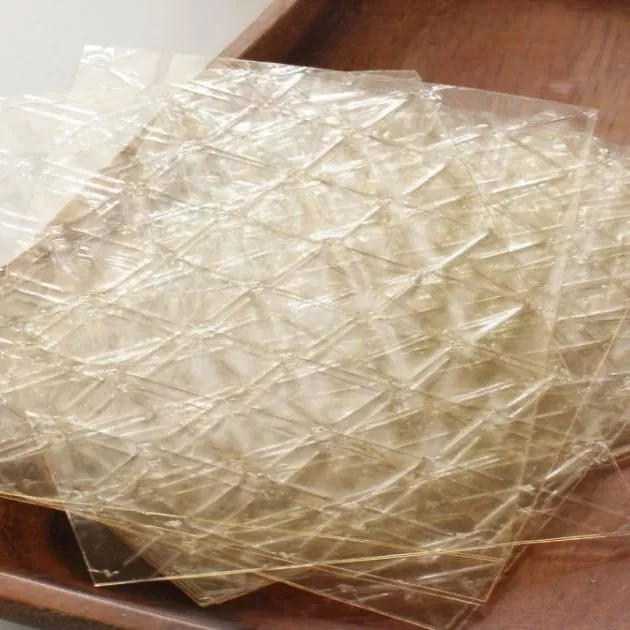
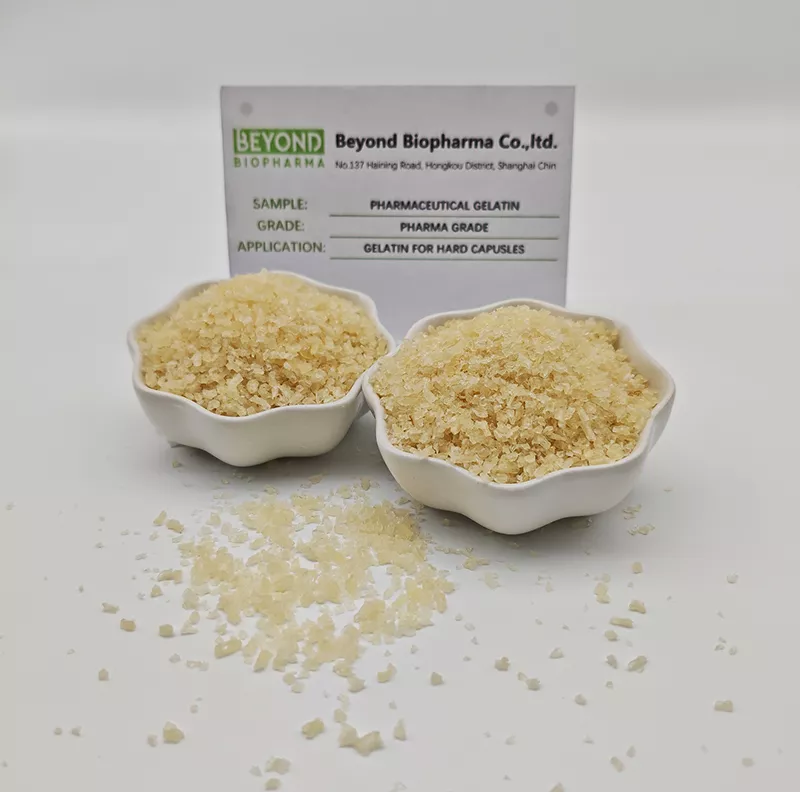
Our Gelatin Sheets are produced to precise standards, ensuring consistency and reliability across different Bloom grades (Silver being the most common professional choice).
Tel:+86 21 65010906
Cell/Whatsapp/Wechat:
+86 13482884055
+86 18657345785
Email: sales@beyondbiopharma.com





User Comments
Service Experience Sharing from Real Customers
Mike_Runner73
Marathon CoachI’ve tried both forms for my own knee recovery after long runs. Sulfate seems to absorb quicker for me—less morning stiffness. The HCl version left a weird aftertaste. Not a huge difference, but sulfate wins for my routine.
LenaH
Veterinary TechnicianSwitched from sulfate to HCl for my old lab mix after reading about higher elemental glucosamine. Honestly, his limp improved faster, and he’s more willing to jump on the couch. My vet said either works, but I’m sticking with HCl.
Tom_the_Builder
Construction ForemanBeen on sulfate for 6 months for my wrists. It’s okay—definitely less grinding sound when I grip tools. Tried HCl for a month and got heartburn. Maybe it’s just me, but sulfate is gentler on my stomach.
SarahK_99
Pilates InstructorClient recommended HCl over sulfate for my hip impingement. Night and day after 3 weeks—less clicking during side-lying stretches. No bloating like I had with sulfate. Pricey but worth it for active folks.