 English EN


Gelatin sheet vs powder what science says in 2026
Gelatin sheet offers chefs better clarity, smooth texture, and consistent results than powdered gelatin, making it the top choice for desserts in 2026.
More
Sourcing glucosamine hydrochloride or glucosamine sulfate for joint health formulations? The chemical structure difference between these two forms directly impacts stability, solubility, and shelf life. This article breaks down the molecular distinctions, typical specification ranges, and practical selection guidance for purchasing managers and product developers evaluating glucosamine hydrochloride as a key ingredient for supplements and nutraceuticals.
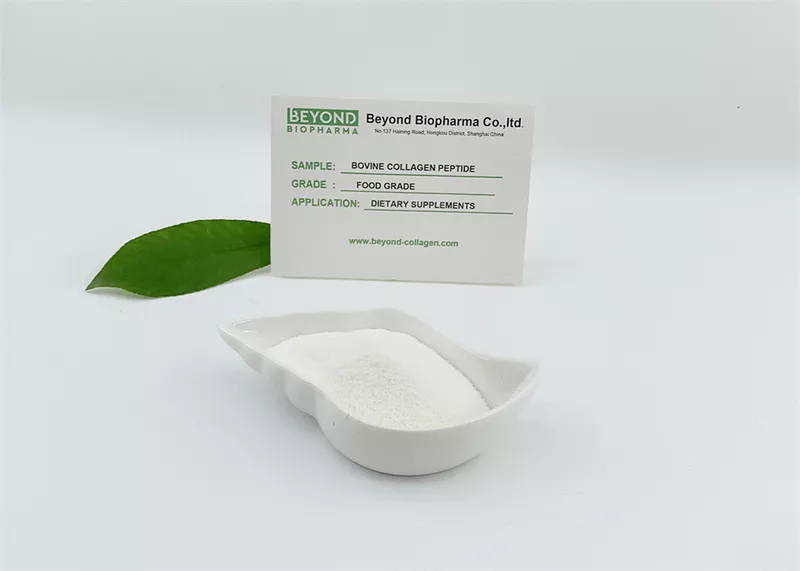
Glucosamine hydrochloride is a stable, chloride-salt form of glucosamine, an amino sugar naturally found in cartilage and joint tissue. Its chemical structure features a hydrochloride group (HCl) attached to the glucosamine molecule, making it highly water-soluble and resistant to moisture absorption. For overseas buyers, batch consistency and stability are common pain points — glucosamine hydrochloride offers predictable performance across different climates and storage conditions, with minimal risk of degradation compared to sulfate forms.
The core difference lies in the salt component. Glucosamine hydrochloride uses chloride ions, while glucosamine sulfate uses sulfate ions, often stabilized with sodium chloride or potassium chloride. The hydrochloride form is more compact and chemically stable, with no tendency to absorb moisture from the air. Glucosamine sulfate, by contrast, is hygroscopic and requires additional stabilizers to prevent decomposition. This structural stability makes glucosamine hydrochloride a preferred choice for dry powder blends, capsules, and tablets where long shelf life is critical.
Below are commonly accepted industry parameters for glucosamine hydrochloride. Note these are generic ranges; final values should be confirmed via Certificate of Analysis (COA) and sample testing.
| Parameter | Typical Range |
|---|---|
| Assay (Glucosamine HCl) | 98.0% – 102.0% |
| Heavy Metals (as Pb) | ≤ 10 ppm |
| Loss on Drying | ≤ 1.0% |
| Residue on Ignition | ≤ 0.5% |
| pH (1% solution) | 3.0 – 5.0 |
| Particle Size | 80 mesh – 200 mesh (typical) |
Typical industry range; final values per COA / sample.
Selecting the right glucosamine form depends on your application. Here is practical guidance by industry:
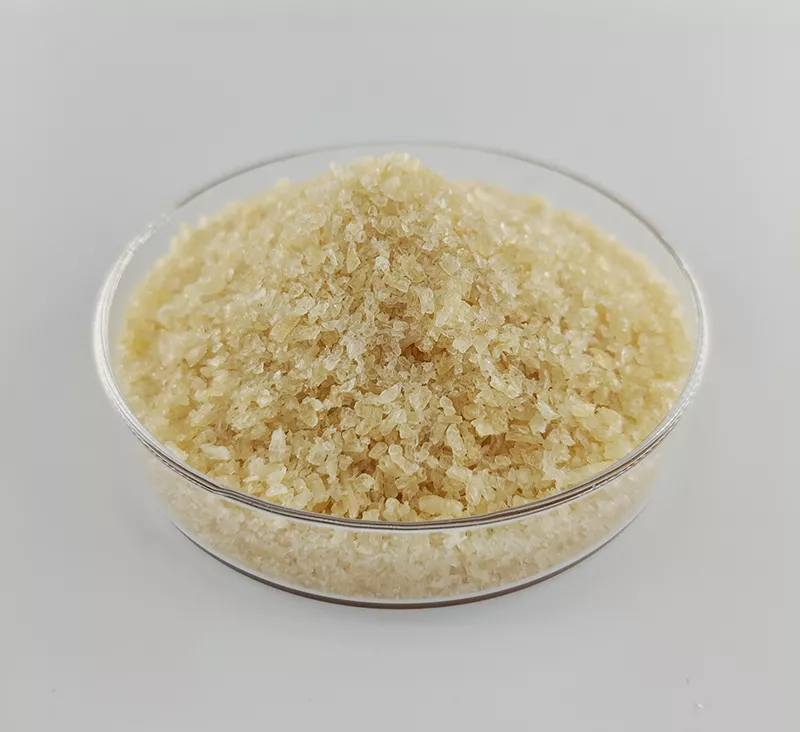
Beyond Biopharma, based in Shanghai, China, is a manufacturer of collagen peptides, gelatin, and plant protein peptides with over 10 years in the food-ingredient industry. Our products are exported to 50+ countries. We operate a fully automatic production line with GMP clean workshops, stainless-steel sealed piping, and automated temperature/pH control. Our facility capacity is approximately 3,000 MT/year for collagen and 5,000 MT/year for gelatin. We hold ISO 9001, US FDA registration, and GMP certification; select products carry Halal or Kosher certifications. Our in-house lab performs heavy-metal and microbiological testing, supported by a dedicated QA/QC team. We offer free samples and formulation support for glucosamine hydrochloride across food, pharmaceutical, and cosmetic grades.
Q: Is glucosamine hydrochloride more stable than glucosamine sulfate?
A: Yes, glucosamine hydrochloride is chemically more stable and non-hygroscopic, meaning it does not absorb moisture from the air. This makes it ideal for dry powder formulations and long-term storage without degradation.
Q: What is the typical molecular weight of glucosamine HCl?
A: The molecular weight of glucosamine hydrochloride is approximately 215.6 g/mol. This is lower than glucosamine sulfate, which allows for a higher percentage of active glucosamine per gram in the HCl form.
Q: Can glucosamine hydrochloride be used in vegan supplements?
A: Yes, fermentation-derived glucosamine hydrochloride is available and suitable for vegan formulations. It is free from shellfish allergens and compatible with plant-based product lines.
Q: What certifications should I look for when sourcing glucosamine HCl?
A: Key certifications include ISO 9001, FDA registration, GMP compliance, and optionally Halal or Kosher. Beyond Biopharma provides COA with heavy-metal and microbiological test results for every batch.
Q: How does glucosamine HCl compare to glucosamine sulfate in terms of bioavailability?
A: Both forms are well absorbed, but glucosamine hydrochloride provides a higher glucosamine base content per dose. The sulfate form requires stabilizers that reduce the active ingredient percentage. Selection depends on formulation goals and stability requirements.
Q: What is the minimum order quantity (MOQ) for glucosamine hydrochloride from Beyond Biopharma?
A: MOQ varies by grade and specification. We recommend contacting us with your target application and quantity to receive a tailored quote and free sample for evaluation.
To evaluate glucosamine hydrochloride for your formulation, please provide the following details so Beyond Biopharma can send free samples and a competitive quote:
Contact Beyond Biopharma today to discuss your glucosamine hydrochloride sourcing needs. Our team provides formulation support, custom bulk supply, and OEM options backed by 10+ years of industry experience and a global export network.

We provide you with comprehensive foreign trade solutions to help enterprises achieve global development
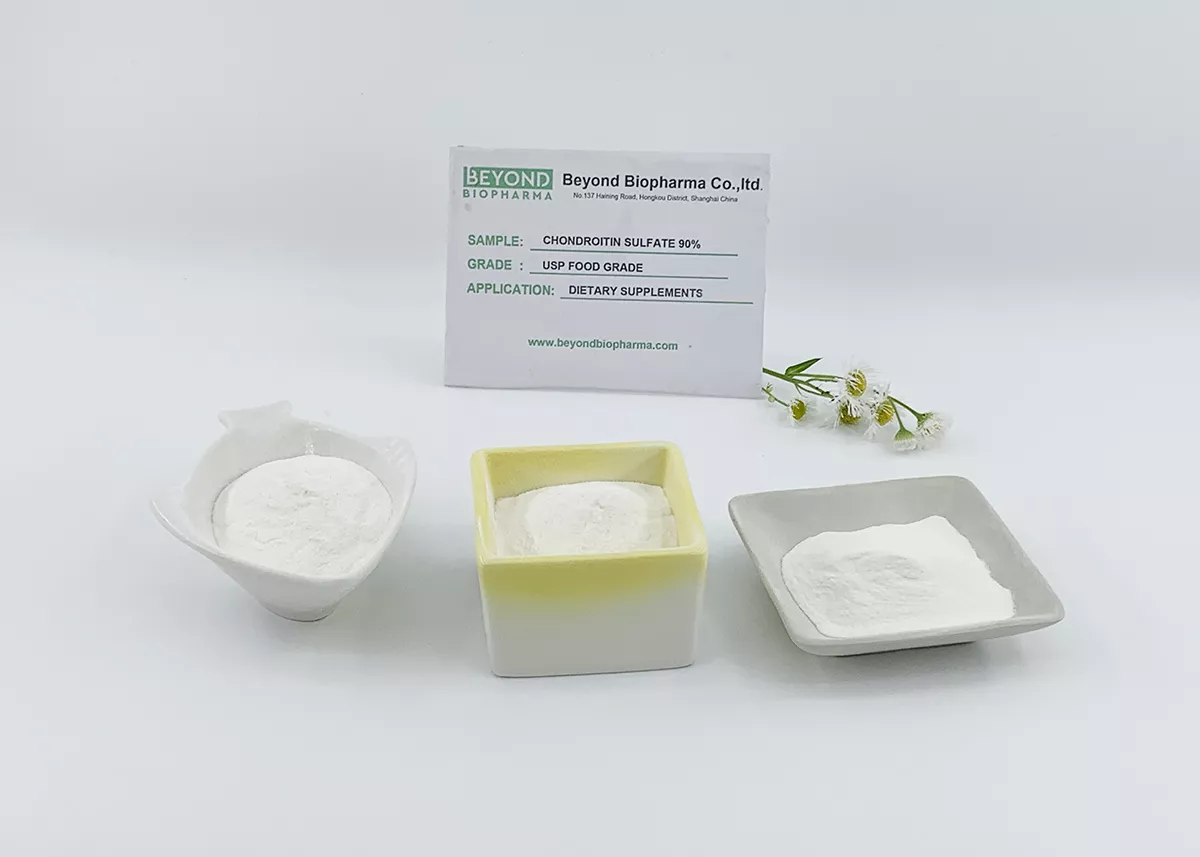
High Purity and Efficacy for Joint Health Formulations
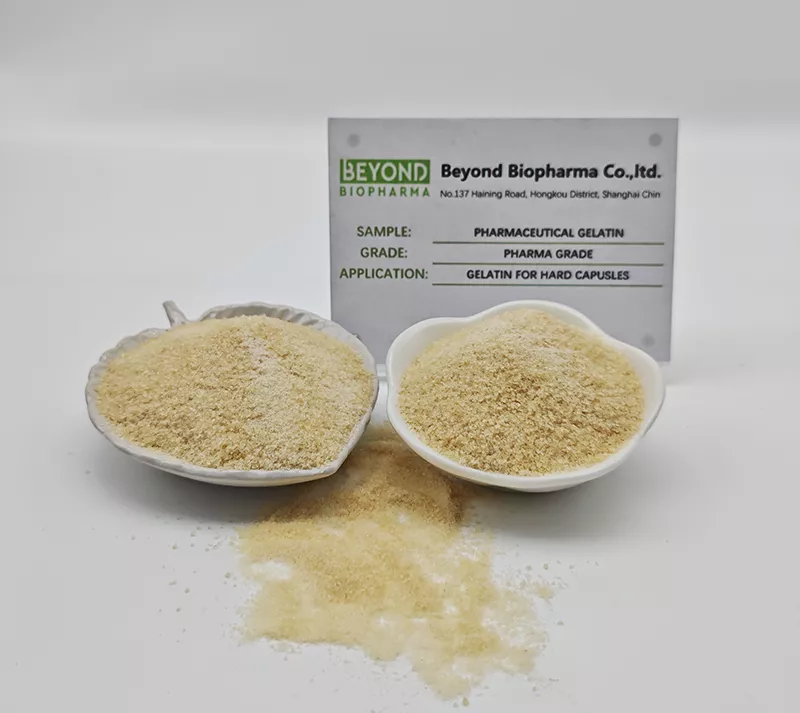
The high-strength and rapid-setting characteristics of Bovine Bone Gelatin ensure it forms a stable, uniform, and durable shell that preserves the integrity of the active pharmaceutical ingredient (API).
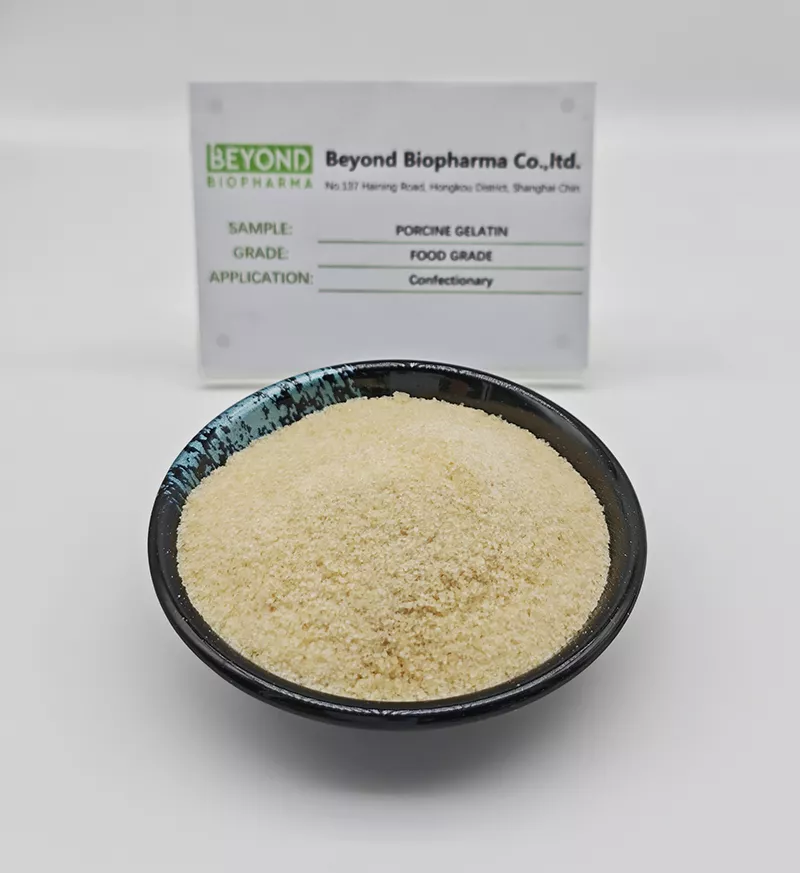
Food-grade porcine gelatin is a highly versatile and cost-effective natural protein derived from the collagen found in pig skin and bones. It is a premier gelling agent known for its exceptional clarity, neutral taste, and thermal reversibility.
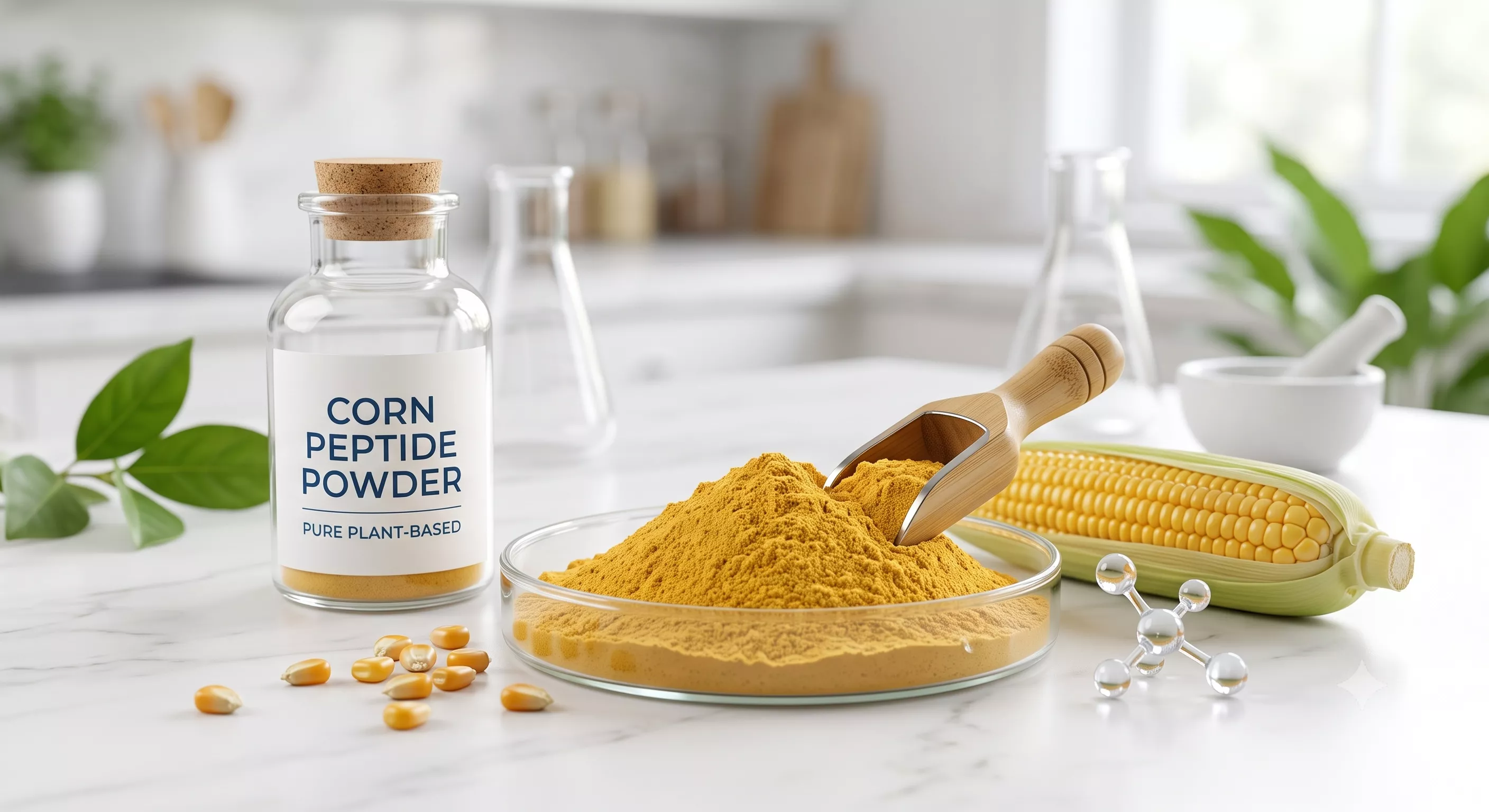
Source high-purity wholesale hydrolyzed corn protein peptide powder in bulk. Over 85% oligopeptides under 1000 Da. Rich in Alanine and Leucine for liver support and sobriety formulas.
Select the most popular foreign trade service products to meet your diverse needs
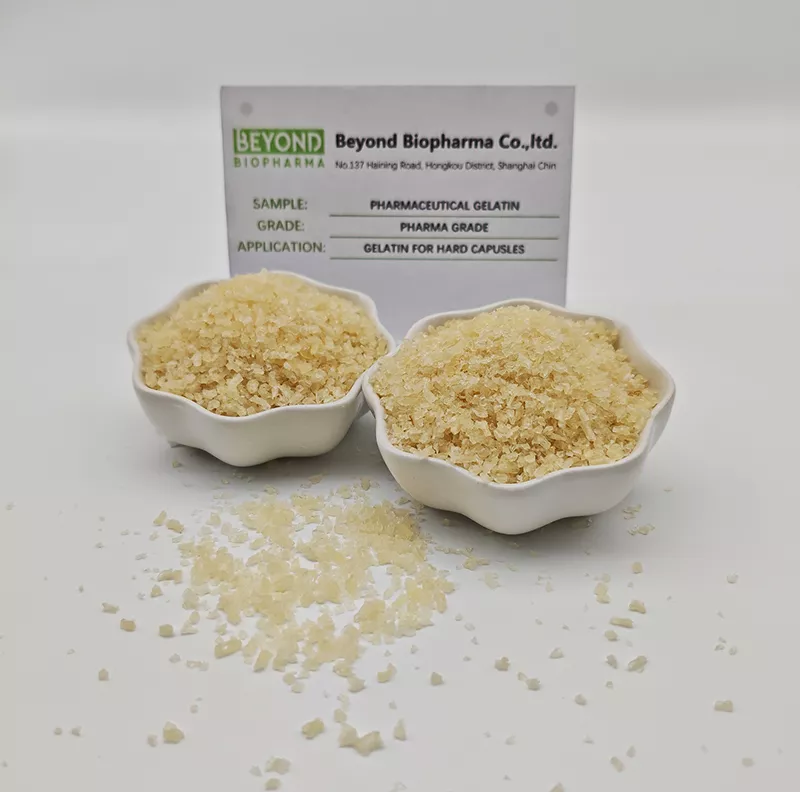
Precision, Purity, and Optimal Machinability
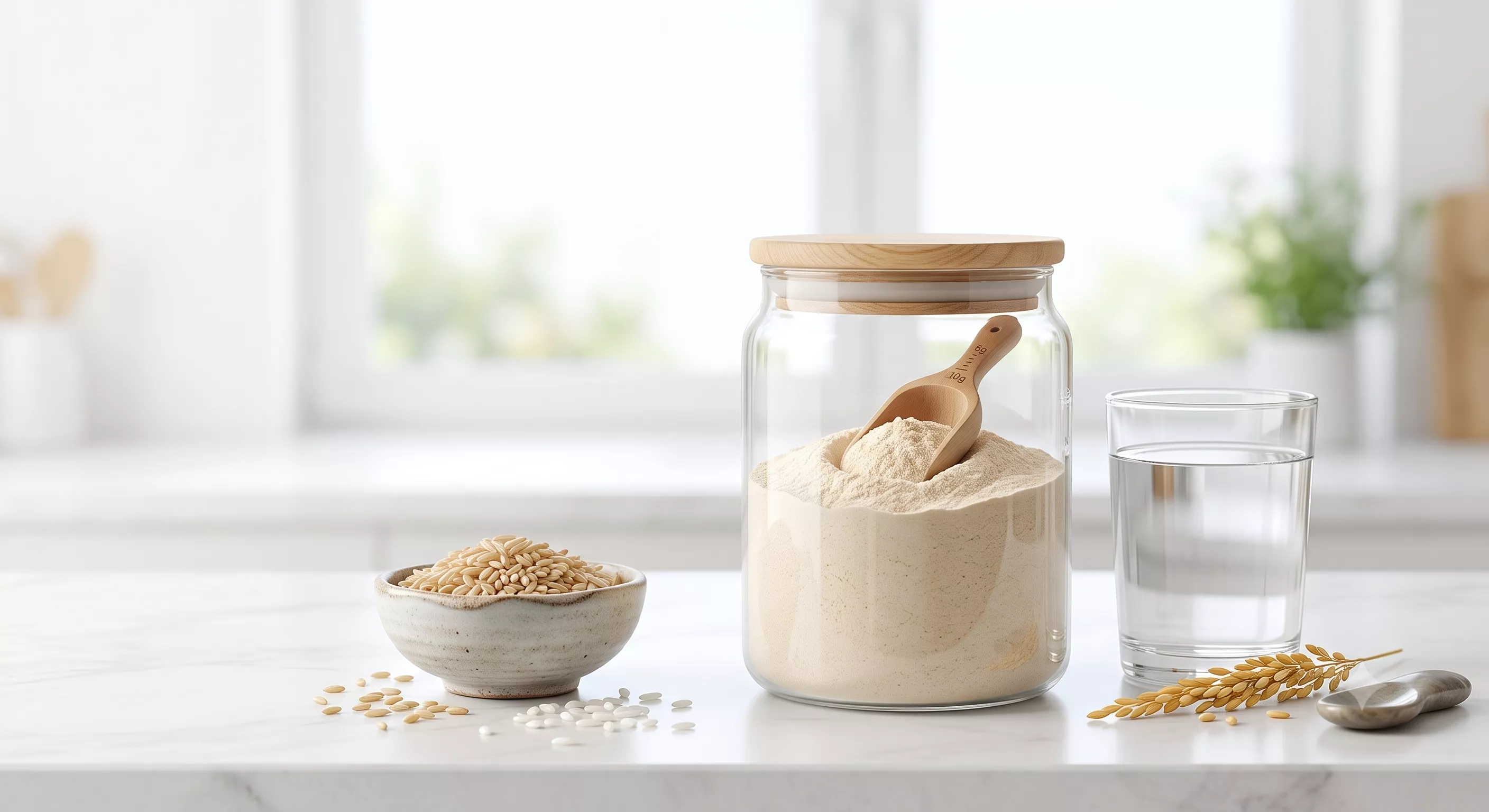
Source ultra-pure, 100% water-soluble wholesale hydrolyzed rice protein peptide in bulk. Over 85% molecules under 1000 Da. Ideal for infant nutrition, clean-label sports formulas, and sensitive skincare.
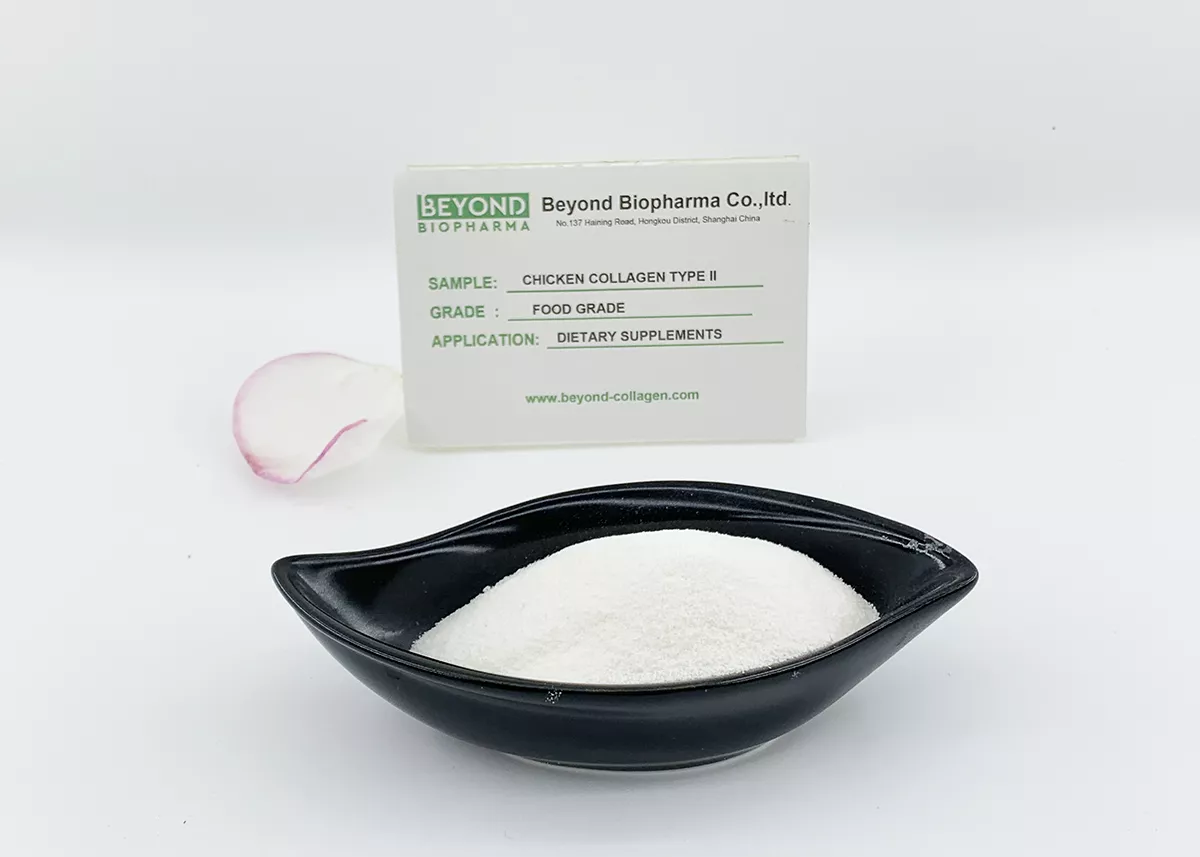
BEYOND BIOPHARMA is a specialized manufacturer of high-quality Undenatured Collagen Type II. Utilizing low-temperature, non-enzymatic extraction methods, our Undenatured Collagen Type II retains its native, triple-helix structure, essential for modulating the immune system's response to joint health and providing superior support for mobility, flexibility, and overall joint comfort.
Tel:+86 21 65010906
Cell/Whatsapp/Wechat:
+86 13482884055
+86 18657345785
Email: sales@beyondbiopharma.com





User Comments
Service Experience Sharing from Real Customers
Linda
Registered NurseI’ve been using glucosamine hydrochloride for about 8 months now for my knee pain from years of standing on shifts. It works decently, but my sister swears by the sulfate version. I tried hers for a month and felt a bit less stiffness. Might switch soon.
Marcus
Software DeveloperWas skeptical about joint supplements at 35, but glucosamine sulfate saved my wrists from coding all day. Tried the hydrochloride version first—it helped a little, but the sulfate gave me way more mobility. Totally sticking with sulfate.
Sandra
High School TeacherTried both over the past year. Hydrochloride seemed fine for a few months, then my hip started aching again. Switched to sulfate and it’s a bit better, but honestly I expected more from either. Maybe I need a different brand.
Tom
Construction ForemanBeen on glucosamine hydrochloride for two years after my doctor recommended it for my knees. Works like a charm—no more creaking when I climb ladders. Tried sulfate once and it made me bloated. Hydrochloride is my go-to.