English EN


Formulating for Success: The R&D Guide to Selecting the Right Collagen Peptides
Master collagen selection for functional foods. Read our technical guide for R&D scientists to optimize production efficiency and eliminate formulation issues.
More
Collagen peptide injection works by delivering bioactive peptides directly into the dermal layer, where they act as signaling molecules that trigger fibroblasts to ramp up endogenous collagen synthesis. This process restores skin firmness and elasticity over time.
Once injected, collagen peptides bind to specific receptors on fibroblast cells, activating the TGF-β signaling pathway. This upregulates the expression of collagen type I and III genes, leading to increased production of new collagen fibers and improved extracellular matrix remodeling.
The process also stimulates the release of growth factors such as VEGF and FGF, which enhance angiogenesis and nourish the skin tissue, resulting in a more youthful and plump appearance.
Regular collagen peptide injections can lead to a visible reduction in fine lines and wrinkles, improved skin hydration, and a more even skin tone. The treatment also helps strengthen the skin barrier and reduce transepidermal water loss.
Clinical studies have shown that patients experience a significant increase in skin density and dermal thickness after a series of injections, with results lasting several months post-treatment.
A typical course involves 3 to 4 sessions spaced 4 weeks apart. Each session delivers a precise dose of collagen peptides into targeted areas such as the face, neck, and décolletage. Maintenance treatments are recommended every 6 to 12 months.
Minimal downtime is required, with most patients returning to normal activities within 24 hours. Mild swelling or redness at the injection site usually resolves quickly.
For more information on high-quality collagen peptide sources, please visit our product pages: Bovine Collagen Peptide for Energy Bar, Bovine Chondroitin Sulfate, Edible Bovine Gelatin, Pharmaceutical Grade Bovine Bone Gelatin, Food Grade Porcine Gelatin, Premium Vegan Glucosamine HCl, Ultra High Viscosity Gelatin, Premium Pharmaceutical Gelatin, and Halal & Kosher Fish Gelatin.
Understanding the progression of skin rejuvenation after collagen peptide injections helps set realistic expectations. Results typically unfold in distinct phases, with noticeable improvements in skin texture, hydration, and firmness over several months.
During the first month, you may experience mild swelling or redness at the injection site, which subsides quickly. Collagen production begins to increase, leading to subtle improvements in skin hydration and a slight reduction in fine lines. Results are minimal at this stage as the skin adapts to the treatment.
By the second and third months, collagen remodeling accelerates. Patients typically notice enhanced skin elasticity, improved texture, and a more even skin tone. Wrinkles around the eyes and mouth become less pronounced. This is often the period when visible rejuvenation becomes apparent.
Between three and six months, the full effects of collagen peptide injections emerge. Skin appears significantly firmer, plumper, and more youthful. Deep wrinkles are softened, and overall skin luminosity improves. Maintenance sessions are often recommended to sustain these benefits.
Results can last 6 to 12 months depending on individual factors like age, lifestyle, and skin condition. Regular follow-up treatments help maintain collagen levels and prolong skin rejuvenation effects. Combining injections with a good skincare routine enhances longevity.
Collagen peptide injections have gained significant attention for their ability to deliver visible skin rejuvenation results. Unlike topical collagen products, which primarily work on the skin's surface, injections penetrate deeper layers to stimulate natural collagen production. Oral supplements, while convenient, often face bioavailability challenges that limit their effectiveness. The table below highlights key differences between these three delivery methods.
| Aspect | Collagen Injections | Topical Collagen | Oral Supplements |
|---|---|---|---|
| Delivery Depth | Deep dermal layers | Surface stratum corneum | Systemic absorption |
| Bioavailability | High (direct delivery) | Low (skin barrier limits) | Moderate (digestive breakdown) |
| Visible Results | Noticeable within weeks | Minimal, temporary effects | Gradual over months |
| Duration of Effect | Several months per session | Hours to days | Requires daily intake |
| Skin Rejuvenation | Stimulates collagen synthesis | Hydration only | Supports general health |
Data from clinical studies suggests that collagen peptide injections provide the most direct and potent approach for skin rejuvenation, particularly for individuals seeking measurable improvements in firmness and elasticity. For those interested in high-quality collagen sources, bovine-derived peptides are widely used in both injectable and supplement forms. Explore more about collagen applications at bovine collagen peptide for energy bars and edible bovine gelatin for food applications.
While topical collagen remains popular for daily skincare routines, its inability to penetrate beyond the outer skin layers limits its rejuvenation capacity. Oral supplements, such as those derived from food-grade porcine gelatin or halal and kosher fish gelatin, offer systemic benefits but require consistent long-term use. Ultimately, the choice depends on individual goals, budget, and tolerance for clinical procedures.
Collagen peptide injections have gained significant popularity in aesthetic medicine, but their effectiveness depends on several critical variables. Understanding these factors can help you achieve optimal skin rejuvenation results.
The molecular weight of collagen peptides directly impacts how effectively they penetrate the dermal layers. Low molecular weight peptides (typically below 3000 Da) demonstrate superior absorption and bioavailability, allowing them to reach fibroblasts where collagen synthesis occurs. Higher molecular weight peptides may remain on the skin surface, providing only superficial hydration without deep structural repair.
Precision in injection depth is paramount. Intradermal injections targeting the mid-to-deep dermis (1.5-2.5 mm depth) stimulate fibroblast activity most effectively. Superficial injections may lead to uneven results or product extrusion, while overly deep injections risk vascular complications. The practitioner's technique, including fanning or serial puncture methods, also influences how evenly the peptides disperse and integrate with existing tissue.
The concentration of active collagen peptides in the injectable formulation determines the signaling strength for neocollagenesis. Optimal concentrations typically range between 2% and 5% per volume, depending on the specific product. Dosage per treatment area must be calibrated to avoid overstimulation, which can cause inflammation or fibrosis, while underdosing yields negligible improvements. A typical facial session uses 2-4 ml of solution.
Younger patients with mild photoaging and adequate baseline collagen respond more robustly to peptide injections, as their fibroblasts retain higher synthetic capacity. In contrast, individuals over 50 with advanced elastosis and matrix degradation may require more sessions or combination therapies. Skin thickness, hydration status, and previous damage from UV exposure or smoking also modulate the outcome.
The origin of collagen peptides (bovine, porcine, marine, or recombinant) affects their amino acid profile and immunogenicity. Marine-sourced peptides often have higher glycine-proline-hydroxyproline content, which is more bioactive for human skin. Products with high purity, minimal endotoxins, and rigorous quality control produce more consistent results and lower adverse reaction rates.
Collagen remodeling is a gradual biological process. A typical protocol involves 3-4 sessions spaced 3-4 weeks apart to allow fibroblasts to respond and new matrix to form. Shorter intervals risk incomplete remodeling, while longer gaps may lead to suboptimal cumulative effect. Maintenance sessions every 4-6 months help sustain improvements.
After injection, avoiding heat, intense exercise, and topical irritants for 24-48 hours reduces inflammation and product degradation. Long-term results are enhanced by adequate dietary protein intake, vitamin C supplementation (a cofactor for collagen synthesis), sun protection, and avoidance of smoking. Patients who adhere to these supportive measures experience more pronounced and durable rejuvenation.
Genetic polymorphisms in collagen synthesis genes (such as COL1A1) and metabolic factors like thyroid function or hormonal status can influence how an individual responds to peptide injections. Some patients are natural high responders, while others show modest improvement. Personalized assessment and realistic expectations are essential for satisfaction.
Injectable collagen peptides should be produced under sterile conditions with regulatory approval (e.g., FDA, CE marking). Products from unverified sources may contain contaminants, incorrect peptide chains, or improper pH, leading to poor results or safety risks. Always verify that the product is specifically formulated for intradermal use.
Collagen peptide injections often yield superior results when combined with microneedling, radiofrequency, or hyaluronic acid fillers. These modalities create microchannels or thermal stimulation that enhance peptide diffusion and fibroblast activation. However, the sequence and timing of combination treatments must be carefully planned to avoid overloading the tissue.
Collagen peptide injections are generally considered safe when administered by a qualified professional. However, as with any injectable procedure, there are potential side effects and safety considerations to be aware of before treatment.
Mild side effects may occur at the injection site, including redness, swelling, itching, or bruising. These symptoms typically resolve within a few days. Some individuals may experience temporary firmness or lumps under the skin, which usually subside as the product settles.
Although rare, serious complications can include infection, allergic reactions, or granuloma formation. Patients with a history of allergies to bovine or porcine products should exercise caution. Always verify the source of the collagen peptide with your provider.
Individuals with autoimmune disorders, active skin infections, or those who are pregnant or breastfeeding should avoid collagen peptide injections. A thorough medical consultation is required prior to treatment.
Choose a licensed and experienced practitioner. Ensure that the product used is from a reputable source and is approved for injectable use. Discuss your full medical history and any medications you are taking to minimize risks.
For more information on collagen peptide sources, visit Bovine Collagen Peptide or Halal Fish Gelatin.
Injections introduce bioactive peptides directly into the dermis, triggering fibroblast activity and upregulating endogenous collagen synthesis. This targeted approach supports structural repair and long-term skin matrix renewal.
Initial improvements in skin hydration and texture may appear within 2–4 weeks. More pronounced firmness, elasticity, and wrinkle reduction typically develop after 8–12 weeks, with continued enhancement over 6 months. Maintenance sessions every 4–6 months support lasting outcomes.
Unlike topical collagen, which remains largely on the skin’s surface, or oral supplements that undergo digestion, injections deliver peptides directly into the target layer. This results in higher bioavailability and more direct stimulation of collagen production, often yielding faster and more noticeable rejuvenation.
Treatment outcomes depend on injection depth, peptide concentration, skin type, age, lifestyle habits (sun exposure, smoking), and the provider’s technique. Consistent aftercare and a personalized treatment plan further optimize results.
Common side effects include temporary redness, swelling, bruising, or mild tenderness at injection sites. Serious complications are rare when performed by a qualified professional. Always choose a licensed practitioner, disclose medical history, and follow pre‑ and post‑treatment instructions to minimize risks.
Collagen peptide injections represent a science‑backed, minimally invasive strategy for skin rejuvenation. By directly stimulating natural collagen synthesis, they offer a distinct advantage over topical and oral alternatives. Realistic expectations, adherence to safety protocols, and individualized treatment planning are essential for achieving optimal, long‑lasting results.


We provide you with comprehensive foreign trade solutions to help enterprises achieve global development
Premium marine-sourced collagen peptides with >90% protein content and low molecular weight (1000-3000 Da) for superior bioavailability. Sustainably sourced, neutral taste, and fully soluble—ideal for nutricosmetics and functional foods.
Manufacturer of bovine collagen peptide, shipping in containers all around the world
BEYOND BIOPHARMA is a specialized manufacturer of high-quality Undenatured Collagen Type II. Utilizing low-temperature, non-enzymatic extraction methods, our Undenatured Collagen Type II retains its native, triple-helix structure, essential for modulating the immune system's response to joint health and providing superior support for mobility, flexibility, and overall joint comfort.
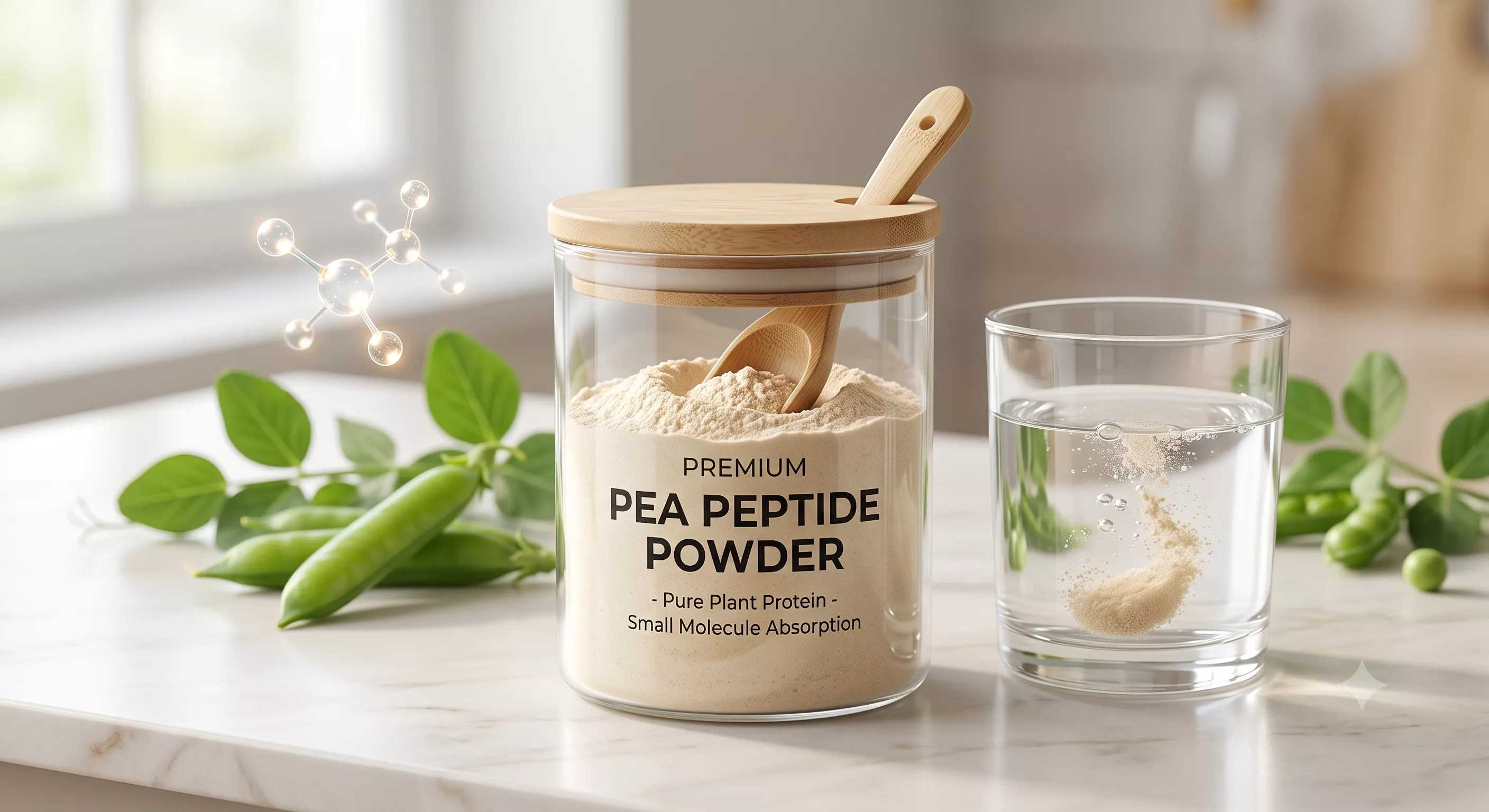
Source high-purity, hypoallergenic hydrolyzed pea peptide powder in bulk. Complete water solubility, rich in BCAAs, ideal for vegan recovery formulas.
Tel:+86 21 65010906
Cell/Whatsapp/Wechat:
+86 13482884055
+86 18657345785
Email: sales@beyondbiopharma.com