 English EN


Bovine gelatin pros and cons everyone should know
Bovine gelatin offers strong gelling and health benefits but has dietary, ethical, and allergen concerns. Compare bovine gelatin to other gelatin options here.
More
Sourcing the right gelatin alternatives for food, nutraceutical, and pharmaceutical applications can be a challenge. Whether you need a vegan-friendly gelling agent, a low-odor collagen peptide for clean-label products, or a pharmaceutical-grade excipient that meets strict regulatory standards, this guide covers the key options. We explore how these ingredients work, their typical specifications, and how to select the best solution for your formulation. Beyond Biopharma, a Shanghai-based manufacturer with over a decade of experience, provides a range of collagen peptides, gelatins, and plant protein peptides to help you meet your product development goals.
Gelatin alternatives are ingredients that can replace traditional animal-derived gelatin in various applications. Common sourcing pain points include batch consistency, off-odors (fishy smell), poor solubility, certification barriers (Halal, Kosher, vegan), and allergen requirements. For example, a gummy manufacturer might need a plant-based gelling agent to meet vegan label claims, while a sports nutrition brand may seek a low-molecular-weight collagen peptide for rapid absorption without the typical taste issues.
The working principle varies by ingredient type. Gelatin alternatives like plant-based hydrocolloids (agar-agar, pectin, carrageenan) form gels through different mechanisms, such as ionic cross-linking or hydrogen bonding. Collagen peptides, often used as a gelatin alternative in nutraceuticals, are produced via enzymatic hydrolysis, breaking down collagen into smaller peptides (molecular weight ~2,000–5,000 Da). This process improves solubility and absorption. For pharmaceutical applications, high-bloom gelatin alternatives (e.g., from fish or plant sources) offer specific gel strength and viscosity profiles. For instance, a typical edible gelatin has a Bloom range of 50–300 g, while pharmaceutical grades for hard capsules often require 150–260 Bloom. These are typical industry ranges; final values per COA or sample.
When evaluating gelatin alternatives, understanding their physical and chemical parameters is critical. Below is a table summarizing common specifications for different types of alternatives.
| Ingredient Type | Typical Bloom (g) | Molecular Weight (Da) | Protein Content (%) | Key Quality Markers |
|---|---|---|---|---|
| Edible Gelatin (Bovine/Porcine/Fish) | 50–300 | N/A | ≥85% | Viscosity 2.0–5.5 mPa·s; Mesh 8–60; Moisture ≤14% |
| Collagen Peptides (Fish/Bovine) | N/A | 2,000–5,000 | ≥90% | High solubility; Low odor |
| Plant Protein Peptides (Pea/Rice/Soy) | N/A | 80–90% | Good solubility; Allergen profile depends on source |
Note: These are typical industry ranges; final values per COA or sample.
Selecting the right gelatin alternatives depends on your specific application. Here is a breakdown by industry:
Beyond Biopharma is a Shanghai-based manufacturer specializing in collagen peptides, gelatin, and plant protein peptides. With over 10 years in the food-ingredient industry, we export to 50+ countries. Our facility has an annual capacity of approximately 3,000 MT for collagen and 5,000 MT for gelatin. We operate a fully automatic production line with GMP clean workshops, stainless-steel sealed piping, and automated temperature/pH control. Our certifications include ISO 9001, US FDA registration, and select products carry Halal or Kosher certification (e.g., fish gelatin). Our bovine bone gelatin is BSE-free. We have an in-house lab for heavy-metal and microbiological testing, supported by a dedicated QA/QC team. We offer free samples and formulation support across food, pharmaceutical, and cosmetic grades.
Q: What is the best vegan alternative to gelatin for gummies?
A: Pectin and agar-agar are the most common vegan alternatives for gummies. Pectin provides a firm, clear gel, while agar-agar offers a firmer texture. Both are plant-based and suitable for vegan formulations.
Q: Can collagen peptides replace gelatin in all applications?
A: No. Collagen peptides are hydrolyzed and do not form a gel like traditional gelatin. They are best used in applications requiring solubility and absorption, such as sports nutrition and beauty drinks, not for gelling or thickening.
Q: How do I choose between fish and bovine collagen peptides?
A: Fish collagen peptides typically have a lower molecular weight, leading to faster absorption. Bovine collagen is rich in Type I and III collagen, ideal for skin and joint health. Your choice depends on target application and dietary restrictions (e.g., pescatarian vs. halal).
Q: Are plant protein peptides suitable for allergen-free formulations?
A: Yes. Pea protein peptides are free from common allergens like soy, gluten, and dairy. Rice protein peptides are also hypoallergenic. Always check the specific allergen profile on the COA.
Q: What certifications should I look for in a gelatin alternative supplier?
A: Look for ISO 9001, FDA registration, and GMP compliance. For specific markets, Halal or Kosher certification may be required. BSE-free certification is important for bovine-derived ingredients.
Q: How can I get samples for testing?
A: Beyond Biopharma offers free samples for evaluation. Simply provide your application, required grade (food/pharma/cosmetic), target specs, and destination country to receive a quote and sample.
Choosing the right gelatin alternatives is critical for your product's success. To get started, please provide the following details to Beyond Biopharma: your specific application (e.g., gummies, softgels, sports nutrition), required grade (food, pharmaceutical, or cosmetic), estimated quantity or MOQ, target specifications (Bloom, mesh size, molecular weight, certifications), and destination country. Our team will send you free samples and a tailored quotation. Contact us today to begin your formulation journey.

We provide you with comprehensive foreign trade solutions to help enterprises achieve global development
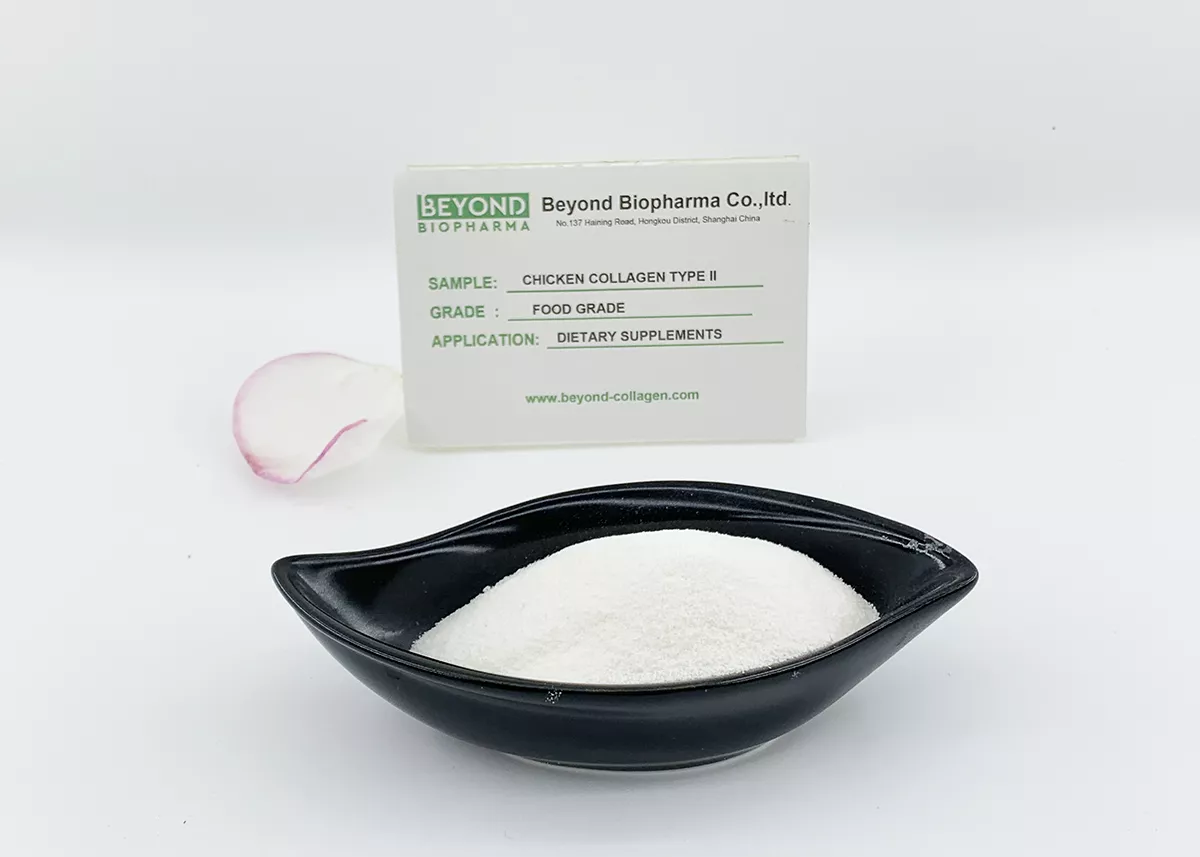
BEYOND BIOPHARMA is a specialized manufacturer of high-quality Undenatured Collagen Type II. Utilizing low-temperature, non-enzymatic extraction methods, our Undenatured Collagen Type II retains its native, triple-helix structure, essential for modulating the immune system's response to joint health and providing superior support for mobility, flexibility, and overall joint comfort.
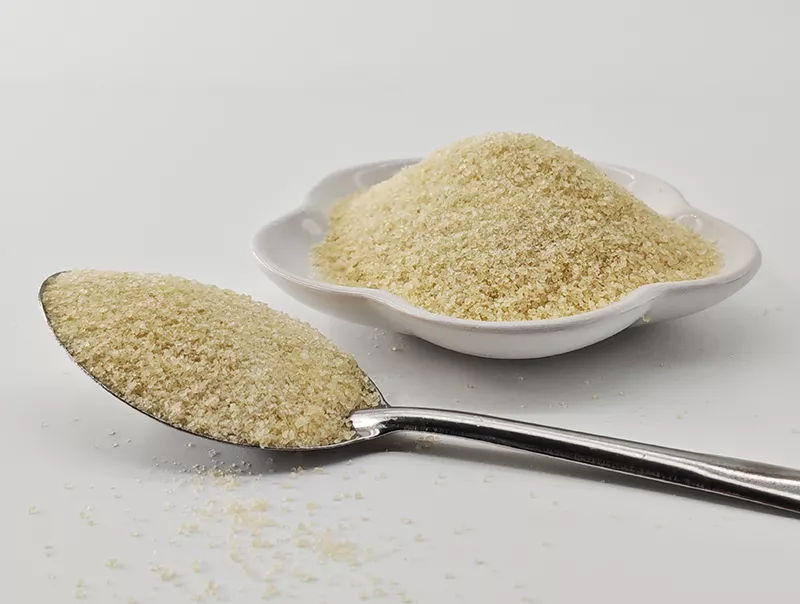
The High-Performance Barrier for Core Material Protection and Controlled Release.
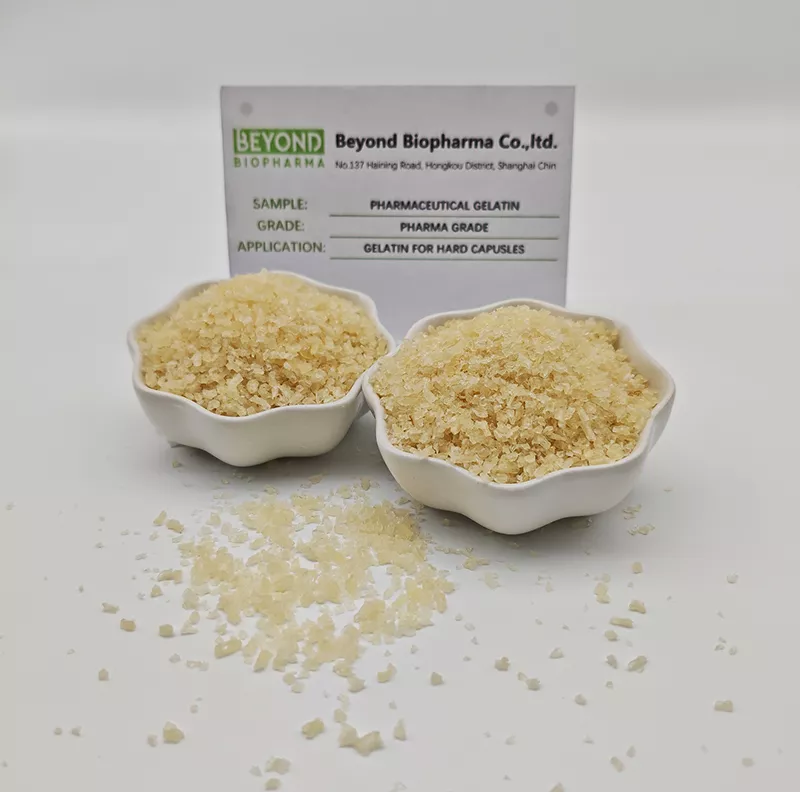
Precision, Purity, and Optimal Machinability
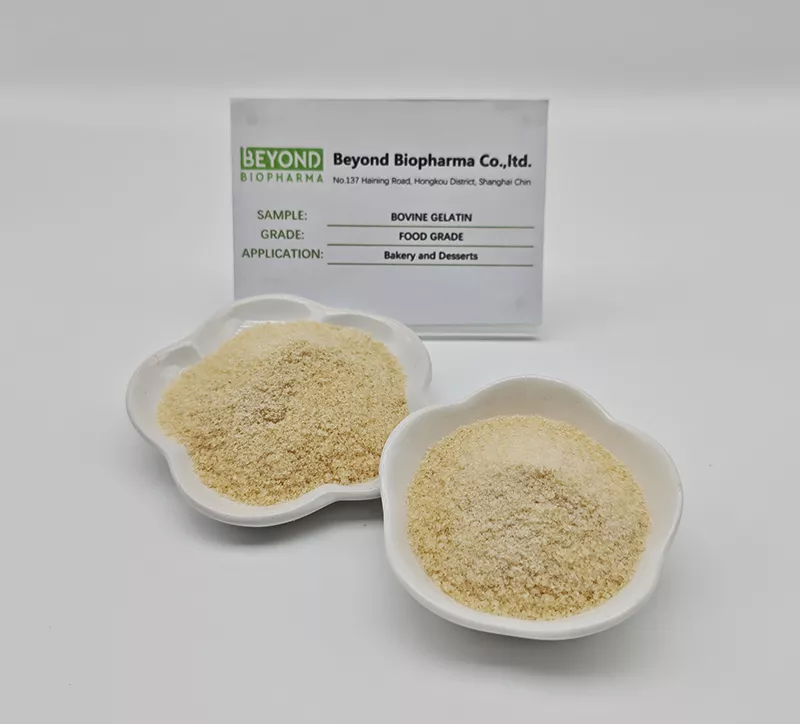
20 years experiences, 5000 ton/year capacity, Sustained supply with stable quality
Select the most popular foreign trade service products to meet your diverse needs
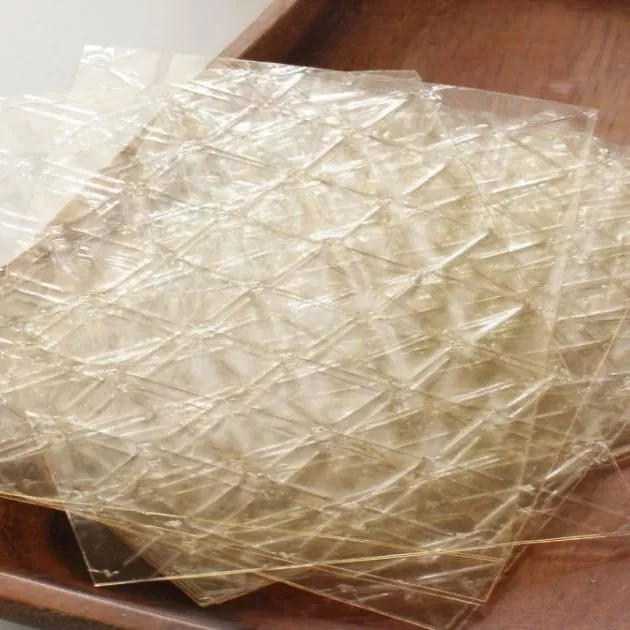
Our Gelatin Sheets are produced to precise standards, ensuring consistency and reliability across different Bloom grades (Silver being the most common professional choice).
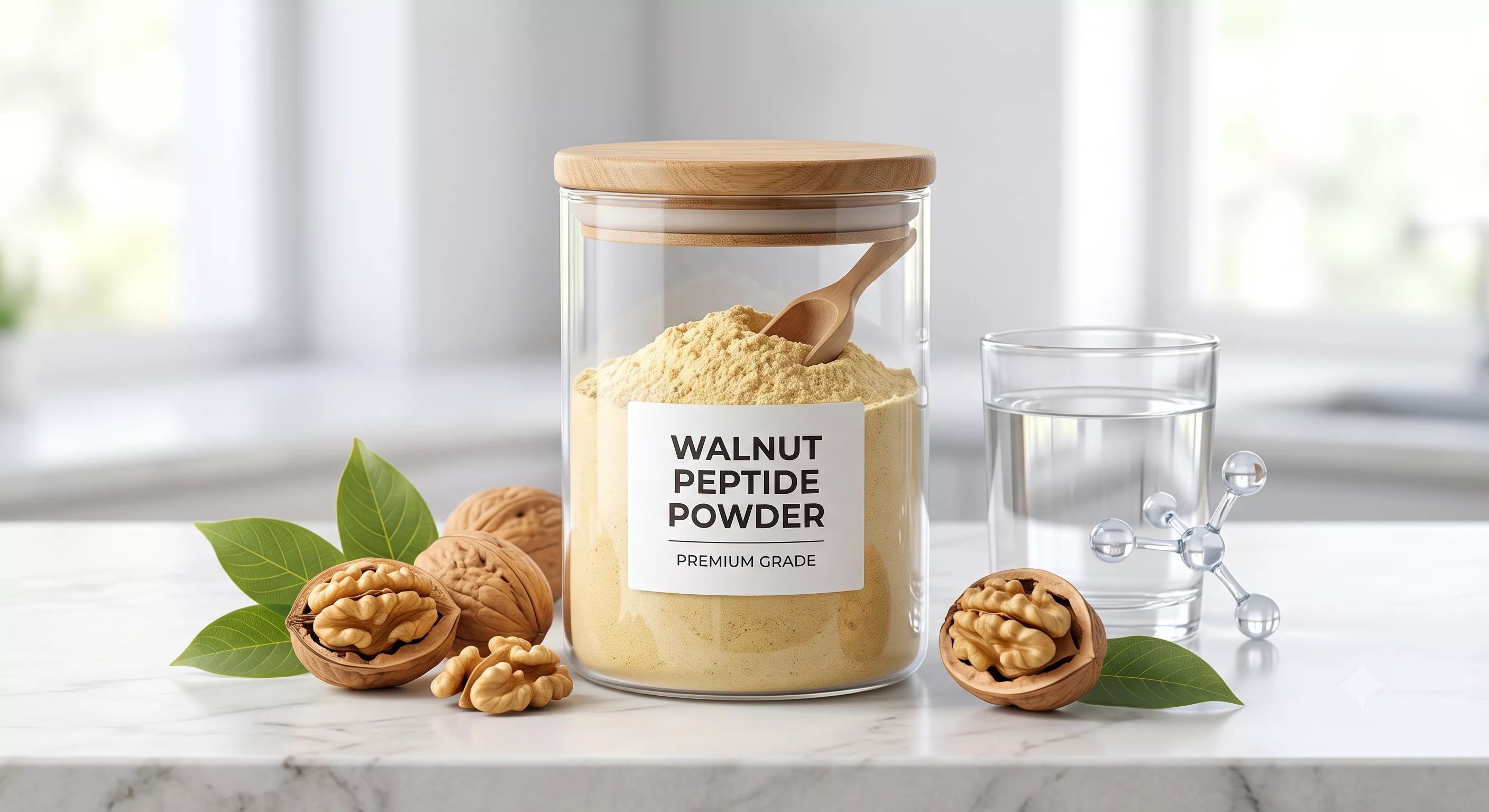
Source wholesale hydrolyzed walnut protein peptide powder in bulk. Over 85% low-molecular-weight oligopeptides rich in Glutamic Acid. Perfect for cognitive formulas and sleep aid supplements.
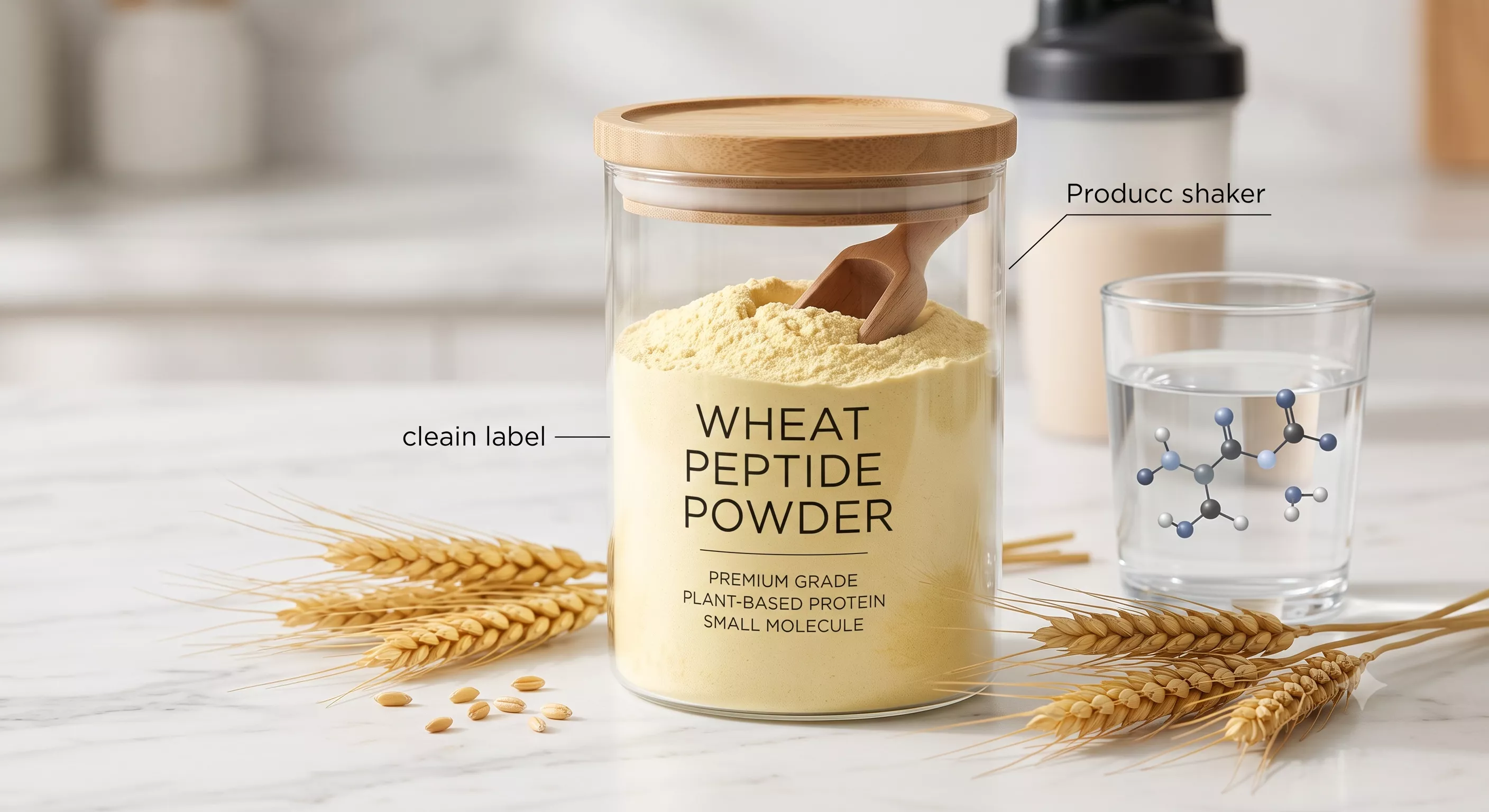
Source ultra-pure, high-solubility wholesale hydrolyzed wheat gluten peptide in bulk. Rich in plant-bound Glutamine ($\ge 25\%$) for muscle recovery and gut barrier health.
Tel:+86 21 65010906
Cell/Whatsapp/Wechat:
+86 13482884055
+86 18657345785
Email: sales@beyondbiopharma.com





User Comments
Service Experience Sharing from Real Customers
Megan
Product Development ChefAs someone who's been developing vegan desserts for years, I was skeptical about agar-based alternatives holding up in large batches. Tried the 'VegSet Pro' line last month and it's been a game-changer for our panna cotta production. The texture is spot-on, and it sets reliably even with acidic fruit purees. Finally, a consistent performer!
Leo
Owner & BakerRunning a small gluten-free bakery means every ingredient swap is a risk. I've been testing various pectin blends for jellies and found the 'NaturGel' series works wonders for our seasonal fruit tarts. It's not perfect for everything (still tweaking the cheesecake recipe), but for jams and glazes? Honestly, my customers can't tell it's not traditional gelatin. Big relief!
Sam
QA TechnicianFrom a quality control perspective, the batch-to-batch consistency of 'CarraBloom' (carrageenan-based) has been impressive. We switched six months ago for our yogurt cups, and the syneresis rate dropped by 80%. No more weeping gels on the shelf – our retail partners have actually commented on the improved appearance. Makes my job easier, honestly.
Jack
Culinary StudentUsed the 'FlexiGel' pea protein blend for my final project on sustainable food tech. Wasn't sure what to expect, but it handled heat way better than the agar I tried before. Made a pretty decent marshmallow that held shape at room temp. The instructor was impressed! Still has a slight learning curve for beginners like me, but the supplier's recipe guides were super helpful.