 English EN


Bovine gelatin pros and cons everyone should know
Bovine gelatin offers strong gelling and health benefits but has dietary, ethical, and allergen concerns. Compare bovine gelatin to other gelatin options here.
More
Sourcing the right gelatin for your product line often comes down to batch consistency, solubility, and certification requirements. Whether you are a purchasing manager evaluating edible gelatin for gummies or a nutraceutical R&D specialist developing a clean-label joint health supplement, understanding what foods contain gelatin and how different grades perform is essential. This guide covers common and surprising sources, typical specifications, and selection criteria for food, pharmaceutical, and nutraceutical applications.
Gelatin is a natural protein derived from collagen, typically sourced from bovine hide, bovine bone, porcine skin, or fish skin. The production process involves partial hydrolysis of collagen through controlled enzymatic or acid/alkaline treatment. This breaks down the collagen into smaller peptides that can form a thermoreversible gel when cooled. For food and pharmaceutical applications, the key performance indicators are bloom strength (gel firmness), viscosity, and mesh size. A higher bloom value, typically in the range of 150–260 g for gummies and softgels, indicates a firmer gel. Viscosity generally falls between 2.0 and 5.5 mPa·s, and moisture content is kept at or below 14% to ensure stability and shelf life. These are typical industry ranges; final values should always be confirmed per Certificate of Analysis (COA) and sample testing.
Gelatin is widely used in confectionery, dairy, meat products, and desserts. Common foods containing gelatin include gummy candies, marshmallows, jelly desserts, yogurt, ice cream, and some processed meats like ham and aspics. It acts as a gelling agent, stabilizer, thickener, and texturizer. For example, edible bovine gelatin is a popular choice for gummy formulations due to its high bloom strength and clean flavor profile. Similarly, food-grade porcine gelatin is widely used in jellies and confections for its consistent gelation properties. For applications requiring a fish-based alternative, fish gelatin is available and is often preferred for kosher or halal-compliant products.
Beyond obvious confections, gelatin appears in many unexpected products. It is used in some protein bars, meal replacement shakes, and even certain wines and beers as a fining agent to clarify the liquid. Gelatin can also be found in some nutritional supplements, including collagen peptide powders and ready-to-drink protein beverages. For instance, bovine collagen peptide is often added to energy bars and functional foods to boost protein content without altering texture. Additionally, gelatin is used in some pharmaceutical applications, such as hard capsules and softgels, where it serves as a reliable shell material. Pharmaceutical-grade bovine bone gelatin is a standard choice for hard capsules due to its BSE-free certification and consistent viscosity.
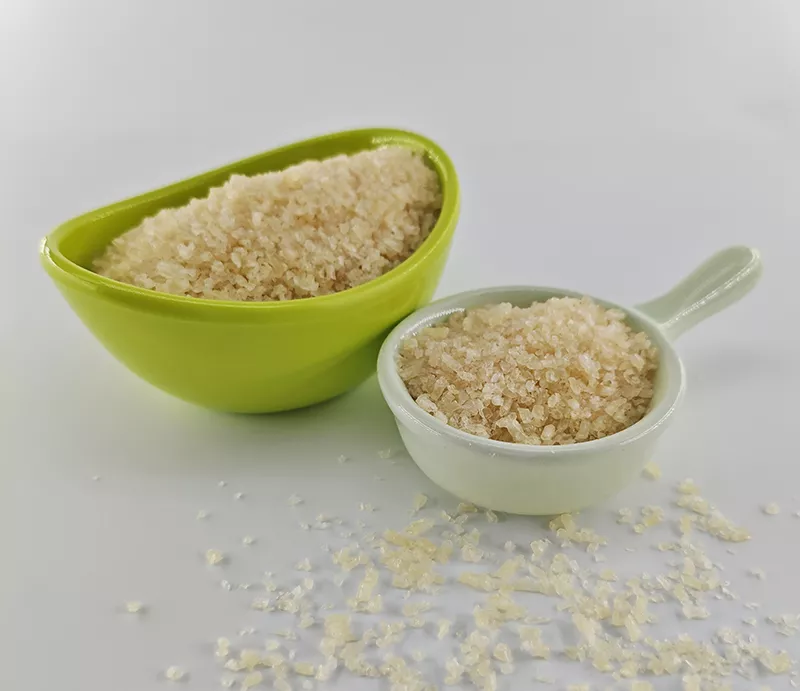
While both gelatin and collagen peptides originate from collagen, they differ in molecular weight and solubility. Gelatin has a higher molecular weight (typically 50,000–300,000 Da) and forms a gel when cooled. Collagen peptides, on the other hand, are more extensively hydrolyzed, resulting in a lower molecular weight (typically 2,000–5,000 Da) and cold-water solubility. This makes collagen peptides ideal for applications where a clear, non-gelling protein is needed, such as in beverages, bars, and beauty supplements. For example, fish collagen peptide is known for its low molecular weight and rapid absorption, making it a popular choice in skin health formulations. Gelatin, conversely, is preferred for gummies, jellies, and capsule shells where a firm gel structure is required.
The table below outlines common parameter ranges for edible gelatin, pharmaceutical gelatin, collagen peptides, and plant protein peptides. These are typical industry ranges; final values should be verified per COA and sample testing.
| Product Type | Bloom (g) | Viscosity (mPa·s) | Mesh Size | Moisture (%) | Protein (%) |
|---|---|---|---|---|---|
| Edible Gelatin (bovine/porcine/fish) | 50–300 | 2.0–5.5 | 8–60 | ≤14 | ≥85 |
| Pharmaceutical Gelatin (hard capsules/softgels) | 150–260 | 2.5–5.0 | 8–40 | ≤14 | ≥85 |
| Collagen Peptides (fish/bovine) | N/A | N/A | 20–80 | ≤8 | ≥90 |
| Plant Protein Peptides (pea/rice/soy) | N/A | N/A | 20–100 | ≤10 | 80–90 |
Note: These are typical industry ranges. Final values should be confirmed per COA and sample testing.
Selection depends on your target application and formulation requirements. For gummies and softgels, a high-bloom edible gelatin (150–260 g) provides the necessary gel strength and chewability. For hard capsules, pharmaceutical-grade gelatin with consistent viscosity and BSE-free certification is critical. In sports nutrition and beauty supplements, collagen peptides with low molecular weight (2,000–5,000 Da) and high solubility are preferred. For plant-based or vegan formulations, plant protein peptides from pea, rice, or soy offer an allergen-free alternative. For joint health products, undenatured collagen type II is a clinically proven ingredient that supports joint comfort and mobility, often combined with chondroitin and glucosamine for comprehensive joint health formulations.
Beyond Biopharma is a Shanghai, China-based manufacturer with over 10 years of experience in the food-ingredient industry. Our products are exported to more than 50 countries. We operate a fully automatic production line with a GMP clean workshop, stainless-steel sealed piping, and automated temperature and pH control. Our annual capacity is approximately 3,000 MT for collagen and 5,000 MT for gelatin. We are ISO 9001 certified, US FDA registered, and maintain a GMP clean workshop. Select products carry Halal or Kosher certification, and our bovine bone gelatin is BSE-free. Our in-house lab conducts heavy-metal and microbiological testing, supported by a dedicated QA/QC team. We offer three grades: food, pharmaceutical, and cosmetic. We also provide free samples and formulation support to help you select the right ingredient for your application.
Yes, but it depends on the source. Bovine and porcine gelatin are not suitable for vegans or vegetarians. Fish gelatin is an alternative for those avoiding mammalian products and can be kosher or halal certified. Plant protein peptides are suitable for vegan and allergen-free formulations.
Standard gelatin requires heating to dissolve and then cooling to set. For cold-processed applications, collagen peptides are a better choice as they dissolve in cold water without gelling. Plant protein peptides also offer cold-water solubility.
Pharmaceutical-grade gelatin meets stricter purity standards, with lower heavy-metal limits and tighter viscosity specifications. It is used for hard capsules and softgels. Food-grade gelatin is suitable for confections, dairy, and meat products. Both are safe for their intended applications.
Consider your target market and certification needs. Bovine gelatin is widely used and BSE-free options are available. Porcine gelatin is common in confections. Fish gelatin is preferred for kosher, halal, and allergen-free products. Each source has specific bloom and viscosity profiles.
Look for ISO 9001, US FDA registration, and GMP certification. For specific dietary needs, Halal, Kosher, and BSE-free certifications are important. Always request a COA to verify heavy-metal and microbiological compliance.
Traditional gelatin is animal-derived and not vegan. For plant-based formulations, use plant protein peptides such as pea, rice, or soy protein hydrolysates. These provide similar functional properties without animal ingredients.
If you are evaluating gelatin or collagen peptides for your next product, we invite you to contact Beyond Biopharma. Please provide your application, required grade (food, pharmaceutical, or cosmetic), estimated quantity or MOQ, target specifications (bloom, mesh, molecular weight, certifications), and destination country. Our team will send you free samples and a competitive quote tailored to your needs. We support custom bulk supply and formulation/OEM services to help you bring your product to market efficiently.

We provide you with comprehensive foreign trade solutions to help enterprises achieve global development
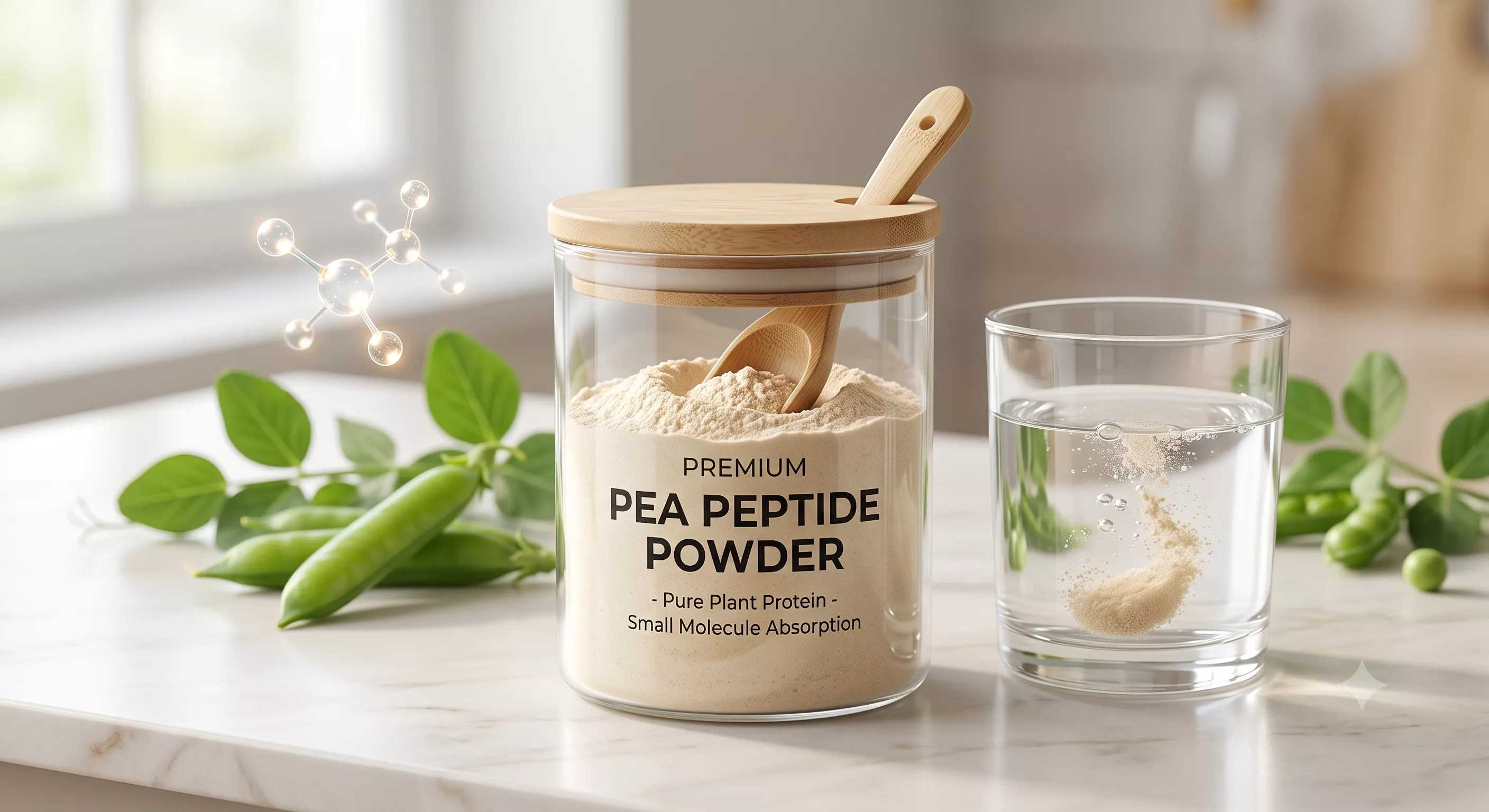
Source high-purity, hypoallergenic hydrolyzed pea peptide powder in bulk. Complete water solubility, rich in BCAAs, ideal for vegan recovery formulas.
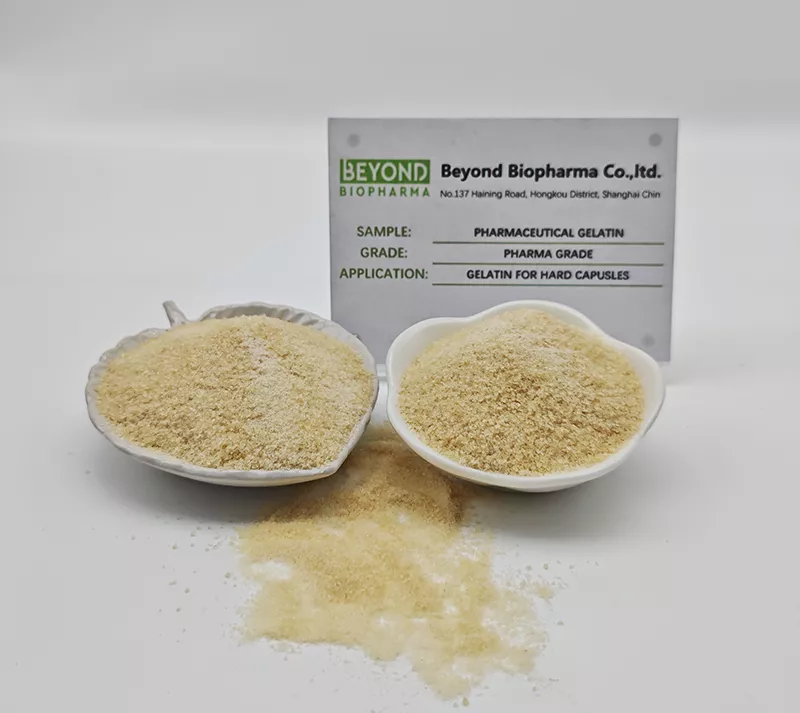
The high-strength and rapid-setting characteristics of Bovine Bone Gelatin ensure it forms a stable, uniform, and durable shell that preserves the integrity of the active pharmaceutical ingredient (API).
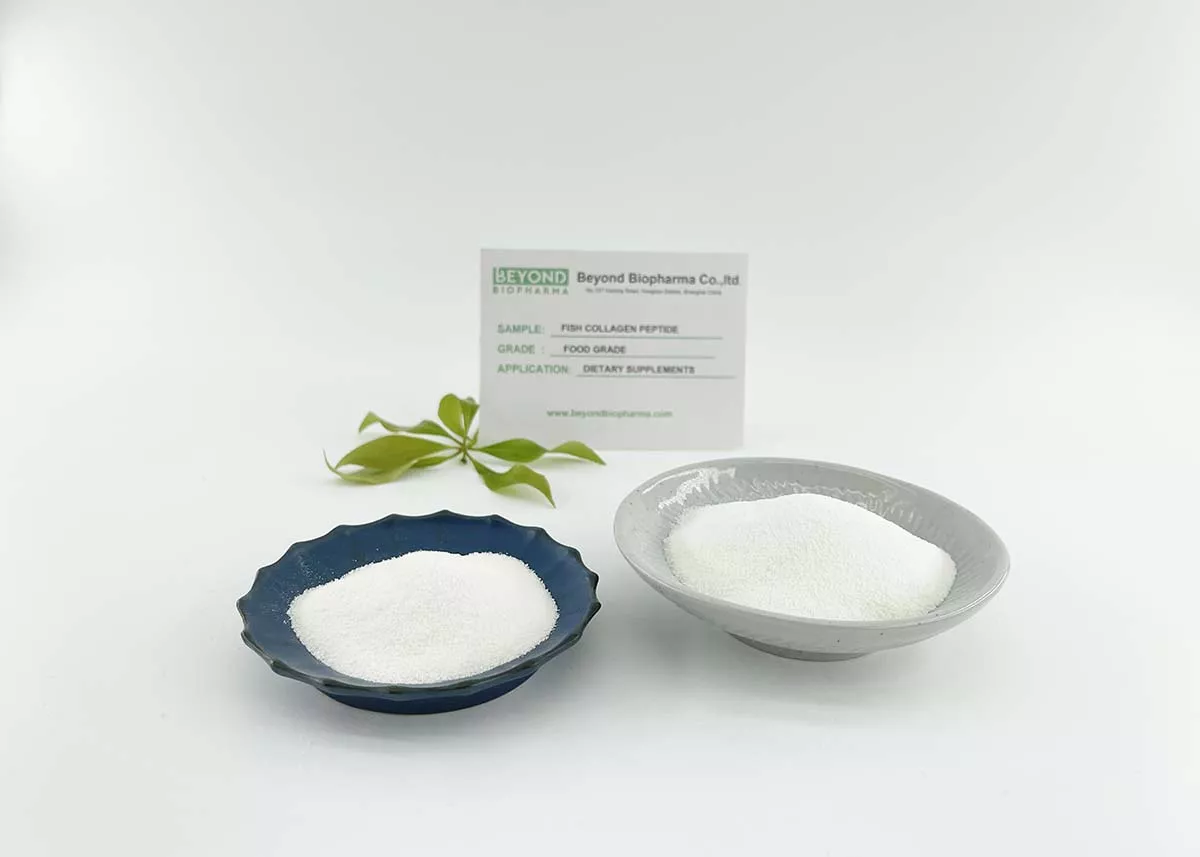
Premium marine-sourced collagen peptides with >90% protein content and low molecular weight (1000-3000 Da) for superior bioavailability. Sustainably sourced, neutral taste, and fully soluble—ideal for nutricosmetics and functional foods.
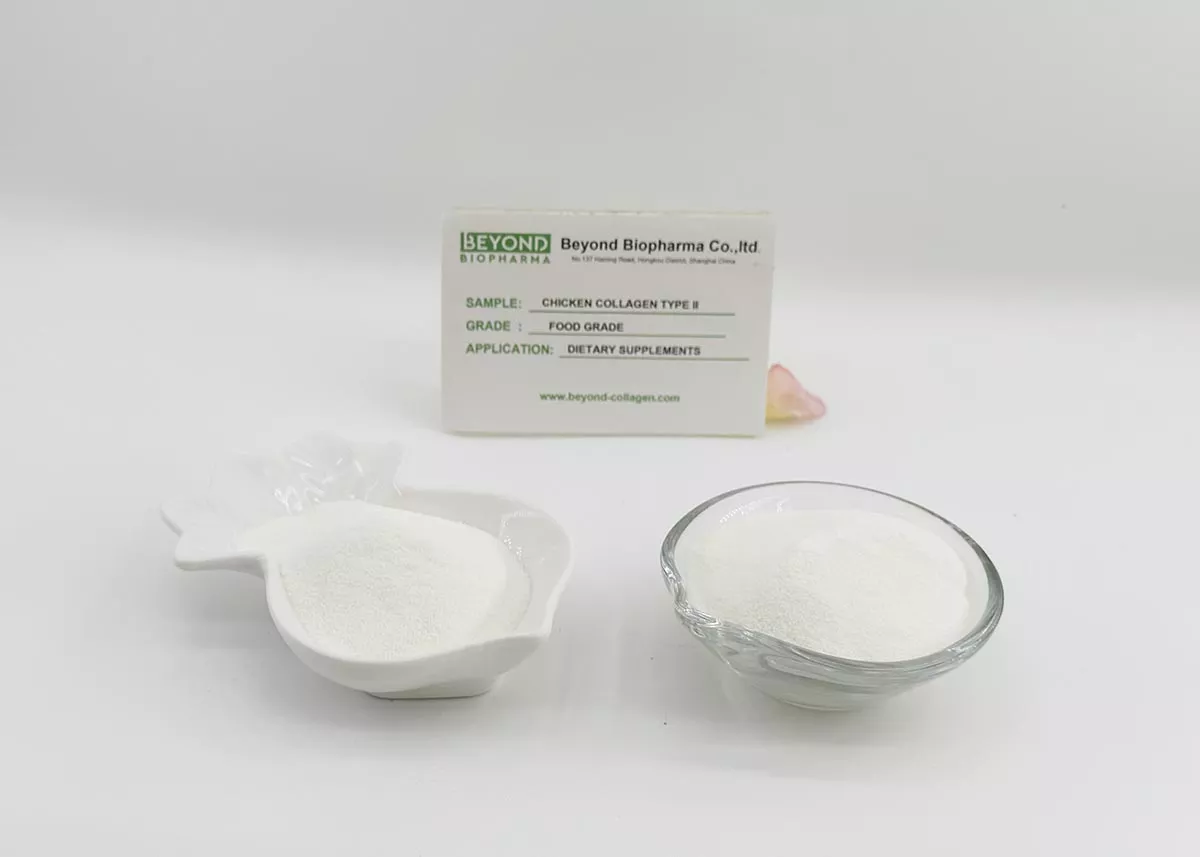
BEYOND BIOPHARMA is a specialized manufacturer of highly purified Hydrolyzed Collagen Type II. Through advanced enzymatic hydrolysis, we create low-molecular-weight collagen peptides that are highly bioavailable, offering foundational nutritional support for cartilage repair, joint function, and skin health. Our product is designed for rapid absorption and maximum efficacy in oral supplements.
Select the most popular foreign trade service products to meet your diverse needs
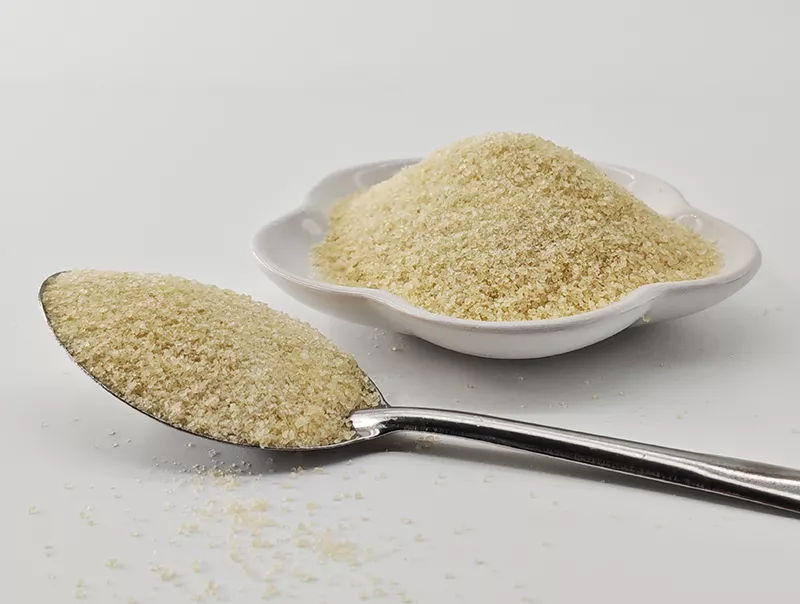
The High-Performance Barrier for Core Material Protection and Controlled Release.
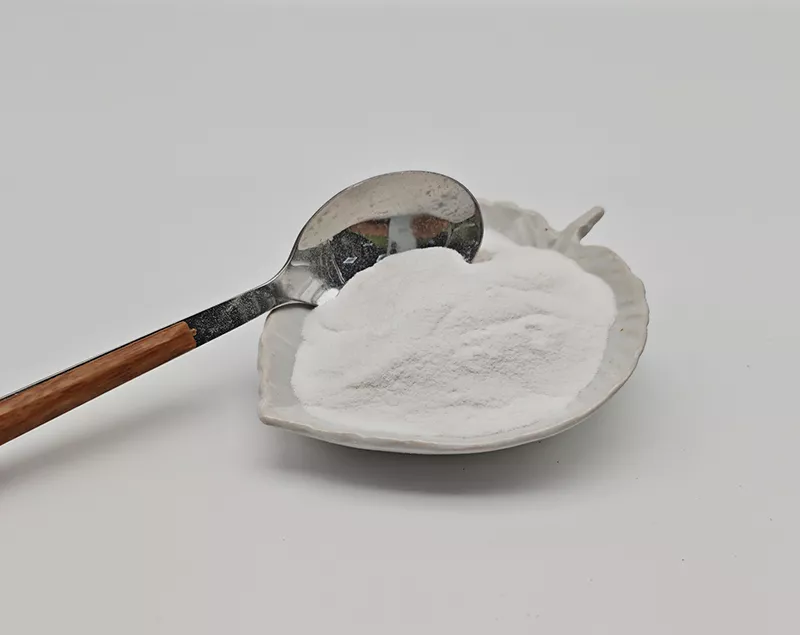
Fish Gelatin for foods is increasingly recognized as the premium alternative to traditional mammalian sources, meeting the growing global demand for clean-label ingredients that align with diverse dietary and religious requirements. Derived from the skin and scales of fish like cod and tilapia, fish gelatin offers unique functional benefits that make it an exceptional gelling, stabilizing, and texturizing agent.
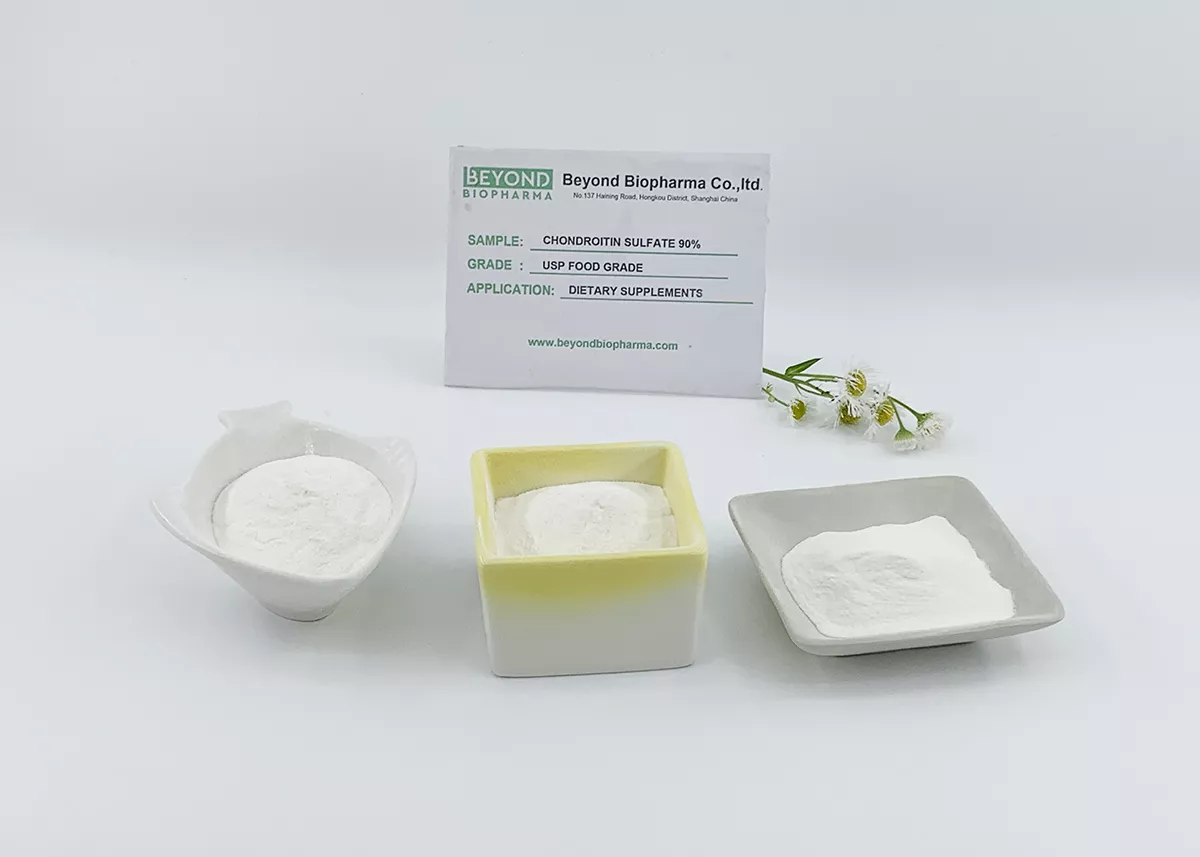
High Purity and Efficacy for Joint Health Formulations
Tel:+86 21 65010906
Cell/Whatsapp/Wechat:
+86 13482884055
+86 18657345785
Email: sales@beyondbiopharma.com





User Comments
Service Experience Sharing from Real Customers
Megan
Graphic DesignerAs someone who avoids animal products, I was thrilled to find these gummy vitamins with plant-based pectin instead of gelatin. They're perfect for my lifestyle and taste amazing! My search for gelatin-free snacks finally paid off.
Leo
Construction SupervisorMy wife is vegetarian, so reading labels is a habit now. Picked up these marshmallows for hot cocoa and was pleasantly surprised they use agar-agar. Texture's a bit different but she loves them. Good stuff!
Chloe
Pediatric NurseAfter my son developed a sensitivity, I became hyper-aware of gelatin in everything from yogurt to supplements. This brand's jelly candies use fruit pectin and are a lifesaver for school treats. Other parents should know about these!
Ryan
Software EngineerHonestly, I never checked ingredients until my friend pointed out gelatin often comes from animal bones. Tried these vegan protein bars as an alternative—flavor's decent, though a bit pricey. Makes me wonder what else I've been overlooking.