 English EN


Bovine gelatin pros and cons everyone should know
Bovine gelatin offers strong gelling and health benefits but has dietary, ethical, and allergen concerns. Compare bovine gelatin to other gelatin options here.
More
For overseas buyers sourcing gelatin, the choice between sheets and powder often comes down to application, handling, and batch consistency. This guide breaks down the key differences in bloom strength, solubility, and usage across food, pharmaceutical, and nutraceutical applications, helping you make an informed purchasing decision.
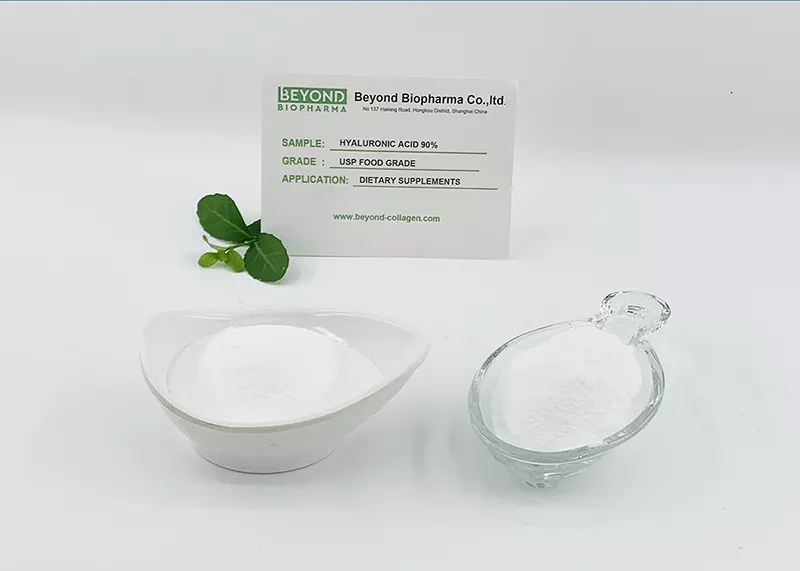
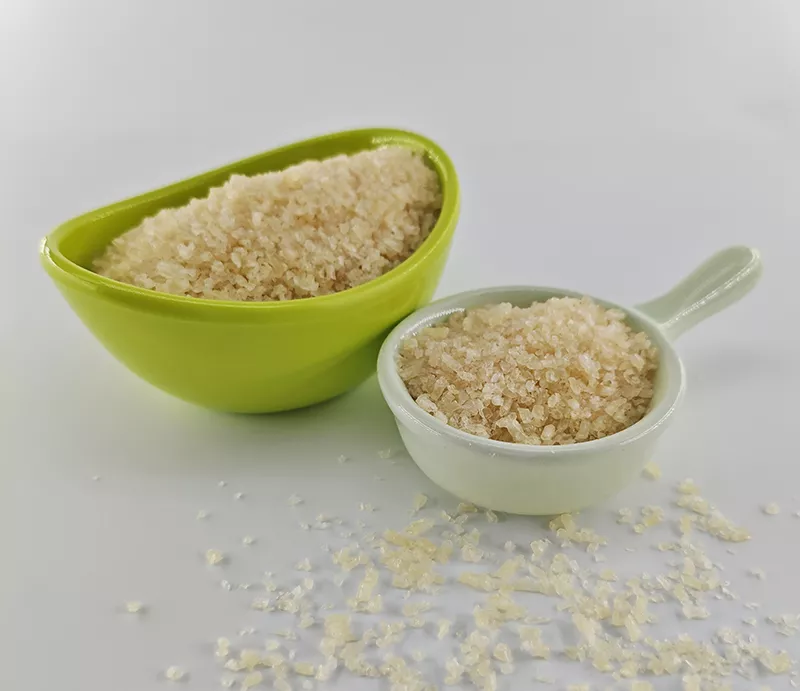
Gelatin sheets (also called leaf gelatin) and gelatin powder are two physical forms of the same protein derived from collagen. The primary difference between gelatin sheets and powder is the physical format, which affects hydration, dispersion, and melting behavior. Sheets are pre-measured, dissolve slowly in cold water, and yield a clear, bubble-free gel. Powder is granular, requires blooming in cold water, and is more flexible for adjusting bloom strength in bulk formulations. Both forms are available in bovine, porcine, and fish sources, with bloom values typically ranging from 50 to 300 g (industry standard).
Both forms start with the same enzymatic hydrolysis process. Collagen-rich raw materials (bovine hide, bone, porcine skin, or fish skin) are cleaned, acid- or alkali-treated, extracted with hot water, filtered, concentrated, and dried. For sheets, the gelatin solution is cast into thin films, dried, and cut into standardized leaves. For powder, the dried gelatin is milled to a specific mesh size (typically 8–60 mesh).
In application, sheets hydrate evenly and are preferred for delicate desserts and confectionery where clarity and texture matter. Powder disperses quickly and is ideal for high-volume production, gummies, and capsule manufacturing. Both require blooming in cold water (approx. 4–6 times the weight of gelatin) before dissolving at 50–60°C. The bloom strength directly correlates to gel firmness: higher bloom (e.g., 250 g) yields a firmer gel, while lower bloom (e.g., 100 g) gives a softer set.
Below is a comparison of typical specifications for gelatin sheets and powder. Note: these are generic industry ranges; final values should be confirmed per Certificate of Analysis (COA) or sample.
| Parameter | Gelatin Sheets | Gelatin Powder |
|---|---|---|
| Bloom (g) | 100–250 (common: 160–220) | 50–300 (common: 150–260 for pharma/gummies) |
| Viscosity (mPa·s) | 2.0–5.0 | 2.0–5.5 |
| Mesh Size | N/A (sheet thickness standardized) | 8–60 mesh |
| Moisture (%) | ≤14 | ≤14 |
| Protein (%) | ≥85 | ≥85 |
| Typical Source | Bovine, porcine, fish | Bovine, porcine, fish |
*Typical industry range; final values per COA / sample.
Selecting between sheets and powder depends on your production process and end product. Here is a practical guide by industry:
Beyond Biopharma is a Shanghai-based manufacturer with over 10 years of experience in the food-ingredient industry. We supply collagen peptides, gelatin, and plant protein peptides to buyers in more than 50 countries. Our facility produces approximately 3,000 MT of collagen and 5,000 MT of gelatin per year, using fully automatic production lines in GMP clean workshops. All equipment features stainless-steel sealed piping and automated temperature/pH control to ensure batch-to-batch consistency.
We hold ISO 9001 certification, are US FDA registered, and operate GMP clean workshops. Select products carry Halal and Kosher certifications (e.g., fish gelatin). Our bovine bone gelatin is BSE-free. An in-house lab conducts heavy-metal and microbiological testing, supported by a dedicated QA/QC team. We offer three grades—food, pharmaceutical, and cosmetic—and provide free samples along with formulation and selection support.
Our product lines include bovine collagen peptide for energy bars, bovine chondroitin sulfate sodium, and food-grade hyaluronic acid powder for comprehensive nutraceutical solutions.
Q: Can I substitute gelatin sheets for powder in a recipe?
A: Yes, but you must account for bloom strength. One sheet (approx. 2–3 g) typically has a bloom of 160–220 g. To substitute, weigh the powder equivalent based on bloom value. For example, 10 g of 200-bloom powder equals roughly 4–5 sheets of the same bloom. Always test in small batches first.
Q: Which form has better clarity and less odor?
A: Sheets generally produce a clearer gel with fewer bubbles because they hydrate more evenly. However, high-quality powder from reputable suppliers (like Beyond Biopharma) also achieves excellent clarity and low odor when properly processed. Fish gelatin tends to have a milder odor than bovine or porcine.
Q: What bloom strength is best for gummy manufacturing?
A: For gummies, a bloom of 200–260 g is typical. Higher bloom (250 g) yields firmer, chewier gummies. Lower bloom (150–180 g) gives a softer texture. Powder is preferred for precise bloom adjustment in bulk production.
Q: Are gelatin sheets or powder easier to store and transport?
A: Powder is more space-efficient and less fragile during shipping. Sheets require careful stacking to avoid breakage. Both should be stored in a cool, dry place below 25°C with low humidity to prevent clumping or melting.
Q: Do you offer Halal or Kosher-certified gelatin?
A: Yes. Beyond Biopharma offers select products with Halal and Kosher certification, including fish gelatin. Bovine bone gelatin is BSE-free. Please specify your certification requirements when requesting a quote.
Q: What is the shelf life of gelatin sheets vs. powder?
A: Both forms typically have a shelf life of 2–3 years when stored properly (cool, dry, away from sunlight). Powder may have a slightly longer shelf life due to lower surface area exposure. Always check the COA for specific expiration dates.
Understanding the difference between gelatin sheets and powder is the first step to optimizing your formulation. To get started, please provide the following details so Beyond Biopharma can send you free samples and a competitive quote:
Contact our team today to discuss your gelatin sheets and powder requirements. We are ready to support your next project with reliable supply and technical expertise.

We provide you with comprehensive foreign trade solutions to help enterprises achieve global development
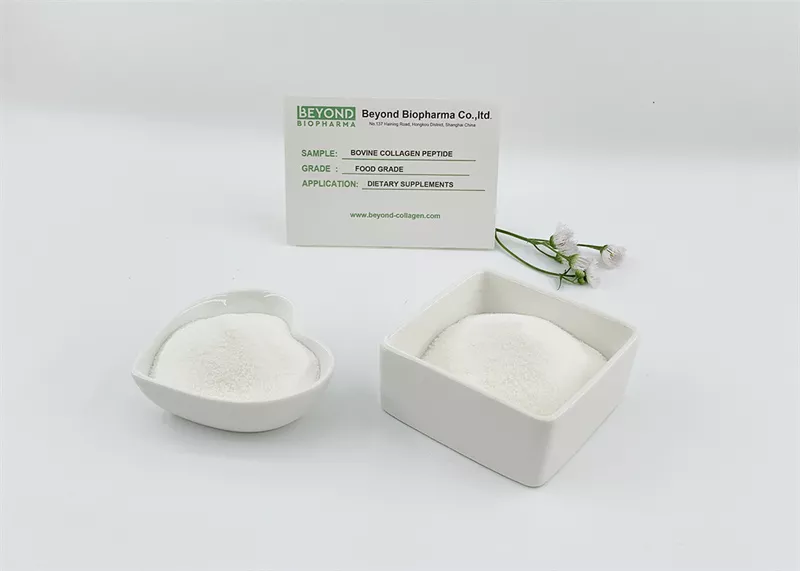
Manufacturer of bovine collagen peptide, shipping in containers all around the world
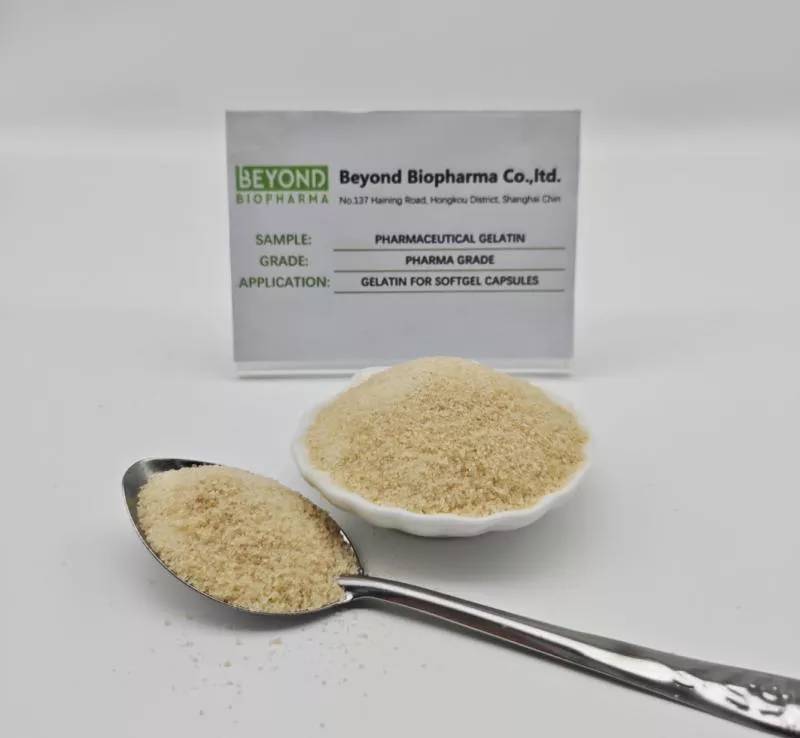
Softgel encapsulation demands a gelatin with unique physical attributes to perform optimally during the high-speed manufacturing process
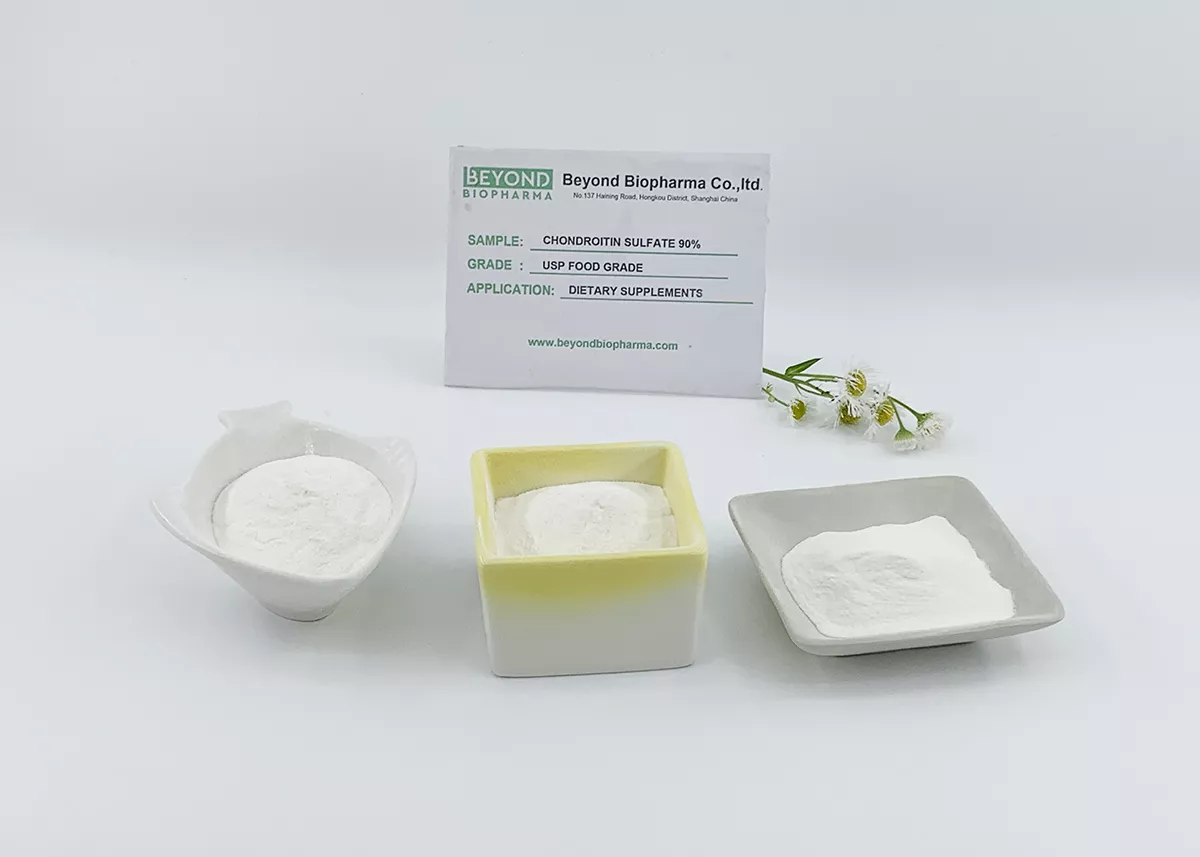
High Purity and Efficacy for Joint Health Formulations
Fish Gelatin for foods is increasingly recognized as the premium alternative to traditional mammalian sources, meeting the growing global demand for clean-label ingredients that align with diverse dietary and religious requirements. Derived from the skin and scales of fish like cod and tilapia, fish gelatin offers unique functional benefits that make it an exceptional gelling, stabilizing, and texturizing agent.
Select the most popular foreign trade service products to meet your diverse needs
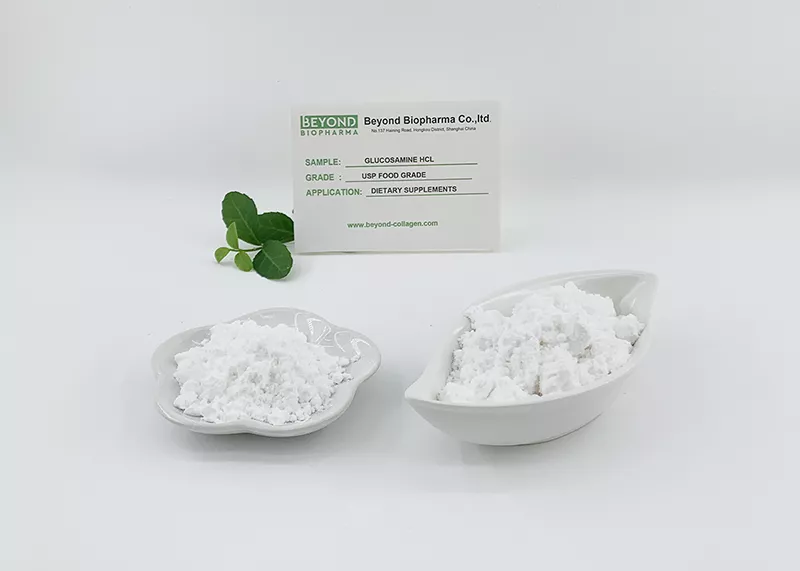
The Purest Plant-Based Joint Support Solution
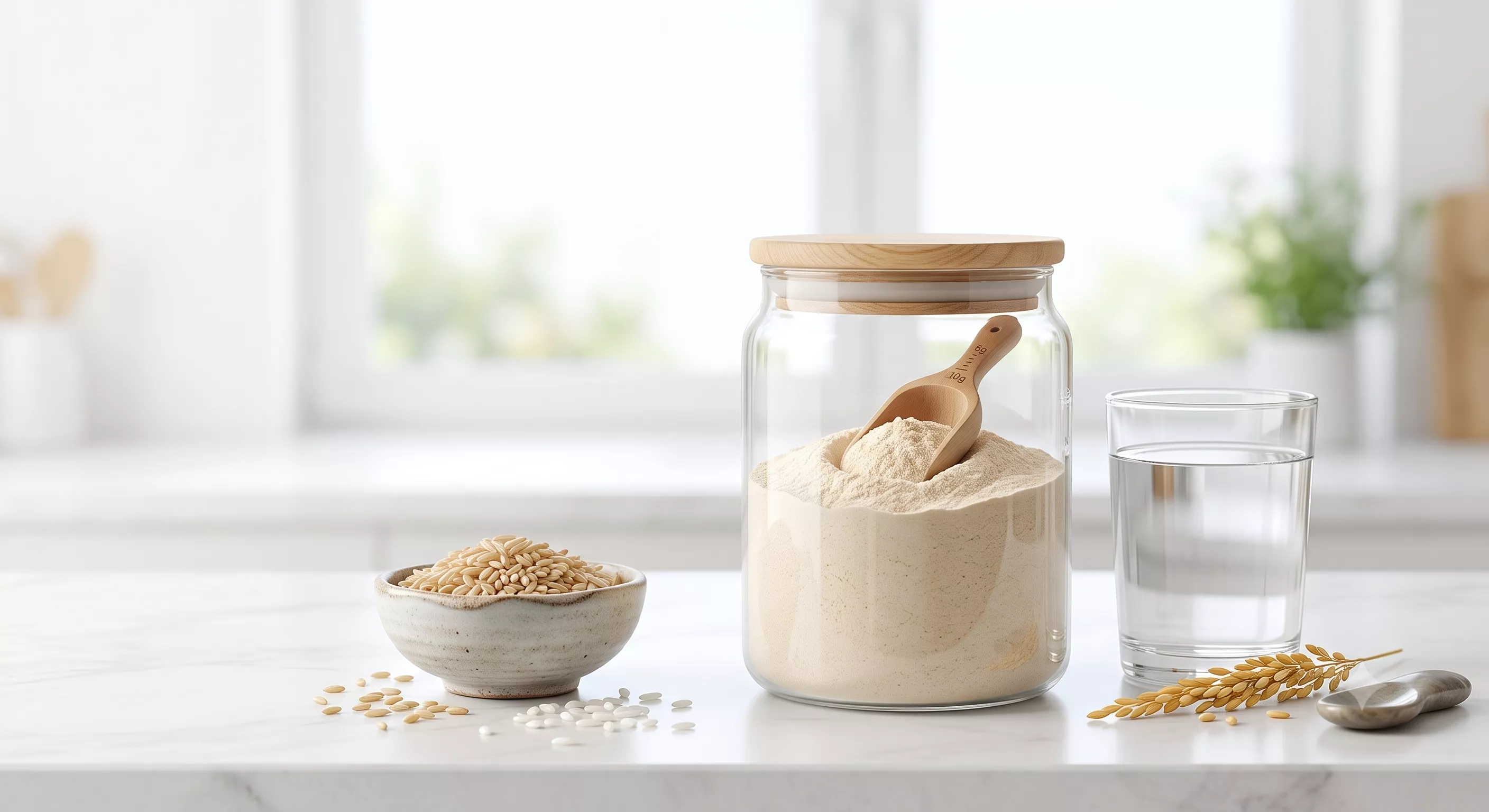
Source ultra-pure, 100% water-soluble wholesale hydrolyzed rice protein peptide in bulk. Over 85% molecules under 1000 Da. Ideal for infant nutrition, clean-label sports formulas, and sensitive skincare.
Stability, Swallowing Enhancement, and Controlled Release
Tel:+86 21 65010906
Cell/Whatsapp/Wechat:
+86 13482884055
+86 18657345785
Email: sales@beyondbiopharma.com





User Comments
Service Experience Sharing from Real Customers
Megan
Pastry ChefAs someone who's worked in French patisseries for years, I was skeptical about switching from sheets to powder. After testing three brands, I can confirm they perform identically in panna cotta if you hydrate the powder properly. The conversion chart on the package saved me so much trial and error!
Leo
Home BakerFinally cleared up my confusion! I used to think sheets were 'professional grade' and powder was for amateurs. Turns out my chocolate mousse sets perfectly with either, though I slightly prefer powder for easier measuring. The blog post explaining the 200 vs 250 bloom strength was a game-changer.
Chloe
Science TeacherDid a classroom experiment comparing both forms with my students - the molecular structure is identical when dissolved! The powder dissolved faster in cold water than I expected. We're using this for our food chemistry unit next semester. Wish I'd found this info before my failed marshmallow attempt last Christmas.
Raj
Meal Prep EntrepreneurRunning a small-scale dessert business, I need consistency. Switched to powder because it's easier to scale up recipes for bulk batches. The texture difference people warn about? Honestly couldn't tell in blind taste tests with my clients. Pro tip: always sieve the powder before mixing to avoid clumps!