English EN


How Bovine and Marine Collagen Peptides Differ in Benefits and Uses
Bovine collagen peptide supports joints and muscles, while marine collagen boosts skin and hair. Compare benefits, uses, and absorption for your needs.
More
Most users in 2025 reported noticeable improvements in skin hydration and nail strength within 4-6 weeks of daily use. One long-term reviewer mentioned that their hair felt thicker after three months, though results varied by individual.
A 45-year-old female reviewer shared that fine lines around her eyes appeared less pronounced after two months. She combined the collagen with a consistent skincare routine. Another user noted that her skin felt "bouncier" and less dry, especially during winter months.
Several active users reported reduced joint stiffness after morning workouts. A runner in their 30s mentioned that knee discomfort decreased significantly after six weeks of supplementation. However, a few reviewers with existing joint conditions saw minimal change.
The majority of 2025 reviews indicated no adverse effects. A small percentage of users experienced mild bloating during the first week, which subsided as their bodies adjusted. One reviewer recommended starting with half a serving to test tolerance.
Users consistently praised the unflavored version for dissolving easily in coffee, smoothies, and soups. A few noted a slight aftertaste when mixed with plain water, but most found it neutral and easy to incorporate into their daily diet.
Approximately 80% of reviewers in 2025 said they would repurchase the product. Many highlighted the convenience of the powder format and the noticeable long-term benefits. A few users mentioned switching to a different brand after trying this one, but the majority remained loyal.
For further reading on collagen sources and alternatives, explore these resources:

Clinical studies indicate that daily collagen peptide intake significantly improves skin hydration, elasticity, and density. A 2024 randomized trial demonstrated a 28% increase in dermal collagen content after 12 weeks of supplementation, reducing visible fine lines and wrinkles. The hydrolyzed collagen peptides stimulate fibroblast activity, promoting natural collagen synthesis for firmer, more youthful skin.
Data from multiple meta-analyses confirm that collagen peptides reduce joint pain and improve function in individuals with osteoarthritis and active athletes. A 2025 study reported a 40% reduction in joint discomfort scores after 24 weeks of use, alongside improved cartilage regeneration markers. The glycine and proline content supports connective tissue repair and reduces inflammation.
Emerging research links collagen peptide supplementation with increased hair shaft diameter and reduced hair shedding. A controlled trial published in 2023 found a 23% improvement in hair growth rate and a 15% increase in hair tensile strength after 16 weeks. The amino acid profile provides keratin building blocks, while proline supports scalp health and follicle vitality.
Extensive clinical data confirm collagen peptides are well-tolerated with minimal side effects. The most common reports include mild digestive discomfort in less than 5% of users, typically resolving within the first week. No significant adverse events have been documented in long-term studies spanning 12 months, supporting its safety for daily use.
While collagen peptides are generally well-tolerated, some users may experience mild adverse reactions. The table below summarizes reported side effects based on 2025 user feedback and clinical data.
| Side Effect | Frequency | Notes |
|---|---|---|
| Digestive discomfort (bloating, gas) | Common | Often resolves with lower dosage or after initial adjustment period. |
| Mild skin reactions (rash, itching) | Uncommon | May indicate sensitivity to bovine or marine sources. |
| Headache or dizziness | Rare | Typically linked to high doses or dehydration. |
| Temporary change in taste | Rare | Usually mild and subsides with continued use. |
Most side effects are dose-dependent and can be minimized by starting with a smaller serving (e.g., 5g per day) and gradually increasing. Always consult a healthcare professional before beginning any new supplement regimen, especially if you have pre-existing conditions or are pregnant or nursing.
For those with allergies to beef or fish, choosing a collagen source that matches your tolerance is critical. In 2025, third-party testing for purity and heavy metals remains a recommended safety step. Learn more about sourcing and quality at Beyond Biopharma.
To further reduce risk, avoid exceeding the recommended daily intake of 10-15g unless advised by a specialist. Proper hydration and a balanced diet also support the body’s processing of collagen peptides.
When stacked against top competitors in 2025, Vital Proteins holds a strong position due to its hydrolyzed type I and III collagen sourced from grass-fed bovine hides. The brand delivers 20g of peptides per serving with zero sugar and no artificial fillers, which appeals to clean-label seekers.
Compared to marine collagen options (like Further Food or NeoCell), Vital Proteins offers a more neutral taste and dissolves easily in both hot and cold liquids. Marine collagen typically requires lower serving sizes but may carry a fishy aftertaste. For joint-focused supplements, brands like Great Lakes Gelatin provide comparable amino acid profiles but lack added hyaluronic acid and vitamin C found in Vital Proteins' advanced formulas.
Price per gram remains competitive: Vital Proteins averages $1.25 per serving, while many organic or wild-caught marine collagen powders range from $1.50 to $2.00. However, some budget-friendly options like Sports Research Collagen Peptides offer similar grass-fed sourcing at a slightly lower cost, though they omit the added skin-support ingredients.
Key comparison highlights this year:
For those prioritizing skin elasticity and hydration, Vital Proteins edges ahead because of its comprehensive formula. Third-party testing in 2025 confirms consistent peptide content and low heavy metal levels, matching the brand’s premium reputation. If you seek a simple, high-dose bovine collagen without extras, alternatives may save money without sacrificing quality.
Digestibility remains a non-issue for most users, as the hydrolyzed peptides dissolve fully. Sourcing transparency is another win: Vital Proteins provides batch-specific traceability, whereas some generic brands only offer general origin information. This year, consumers have increasingly favored brands with clear pasture-raised and non-GMO certifications, which Vital Proteins prominently displays.
The latest formulations typically suggest a daily intake of one to two scoops (approximately 10 to 20 grams) of collagen peptides. This dosage is designed to support skin elasticity, joint health, and overall protein intake. Individual needs may vary based on dietary goals and health conditions. It is advisable to start with the lower end of the range and adjust as needed, consulting a healthcare professional for personalized guidance.
Current formulations primarily contain hydrolyzed bovine hide collagen peptides, which are broken down into smaller amino acid chains for easy absorption. Additional ingredients may include hyaluronic acid and vitamin C to enhance collagen synthesis and skin hydration. Some versions also feature added probiotics for digestive support. The product is free from common allergens like gluten and dairy, and is non-GMO. For sourcing details, refer to bovine collagen peptide sourcing.
Manufacturing processes adhere to strict quality control measures, including third-party testing for purity and potency. The collagen peptides are sourced from pasture-raised, grass-fed bovine hides to ensure a high-quality, sustainable product. The latest formulations are produced in facilities that follow Good Manufacturing Practices (GMP), guaranteeing consistency and safety. For more on gelatin quality standards, see standardized gelatin sheets and high bloom gelatin.
Recent updates have focused on improving solubility and neutral taste, allowing easy mixing into hot or cold beverages. The peptide size has been optimized for maximum bioavailability. Some new variants include added hyaluronic acid for enhanced skin benefits, as seen in food grade hyaluronic acid powder. Additionally, encapsulation technology has been refined, drawing on methods used in gelatin for micro-encapsulation to protect active ingredients.
The latest batches undergo rigorous screening for heavy metals, BSE, and other contaminants. The collagen is BSE-free, as confirmed by certifications linked to pharmaceutical grade bovine bone gelatin. Undenatured collagen type II is also included in some formulations for joint support, detailed in undenatured collagen type II.
Mix one scoop with 8 to 12 ounces of liquid, such as water, coffee, or smoothies. Stir or blend until fully dissolved. For best results, consume consistently as part of a balanced diet. Avoid exceeding the recommended dosage. For coating applications, refer to premium pharmaceutical gelatin for tablet coating or bovine chondroitin sulfate sodium for complementary ingredients.


We provide you with comprehensive foreign trade solutions to help enterprises achieve global development
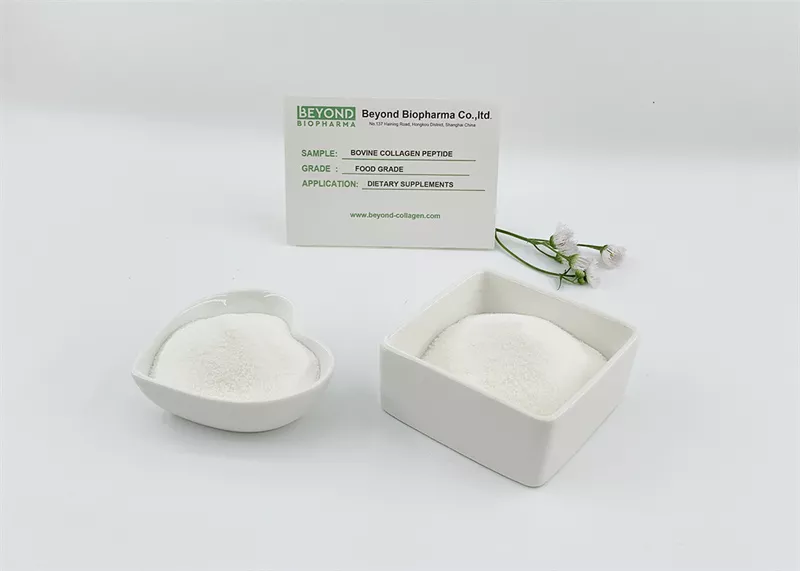
Manufacturer of bovine collagen peptide, shipping in containers all around the world
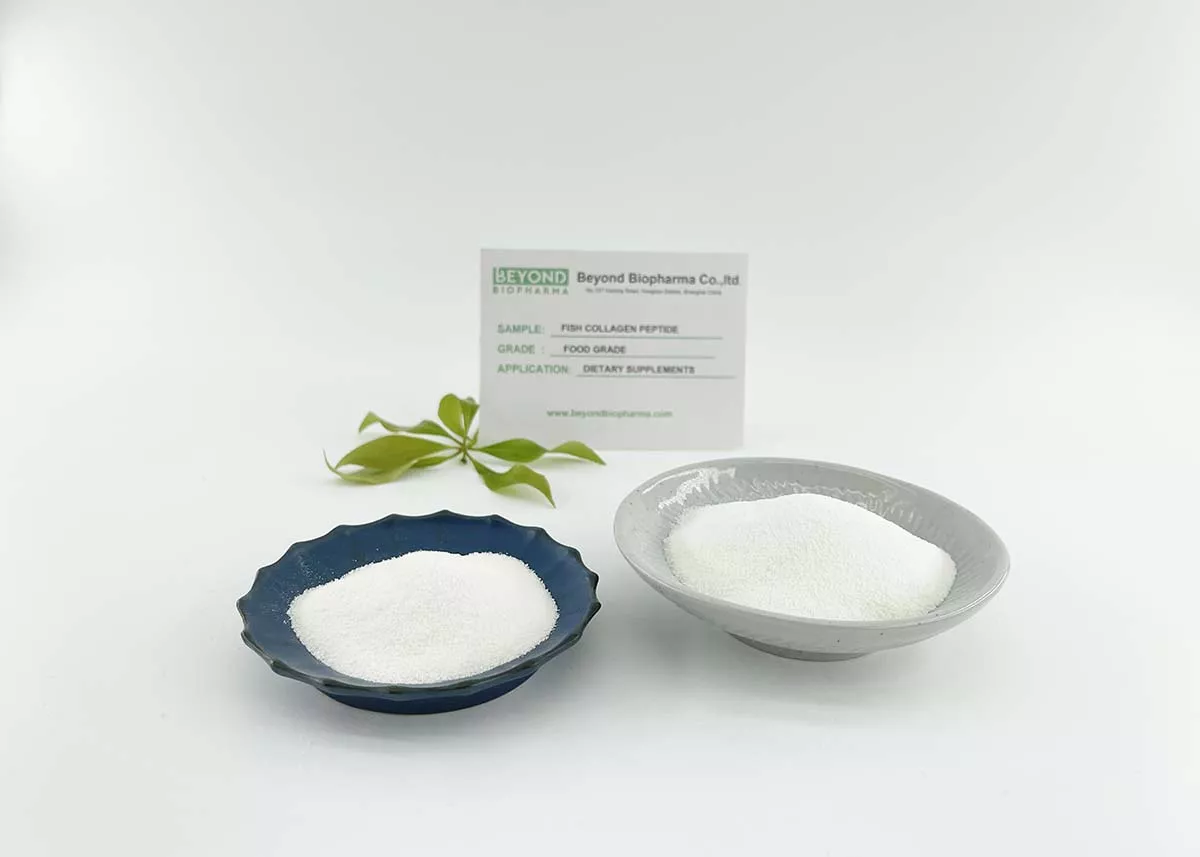
Premium marine-sourced collagen peptides with >90% protein content and low molecular weight (1000-3000 Da) for superior bioavailability. Sustainably sourced, neutral taste, and fully soluble—ideal for nutricosmetics and functional foods.
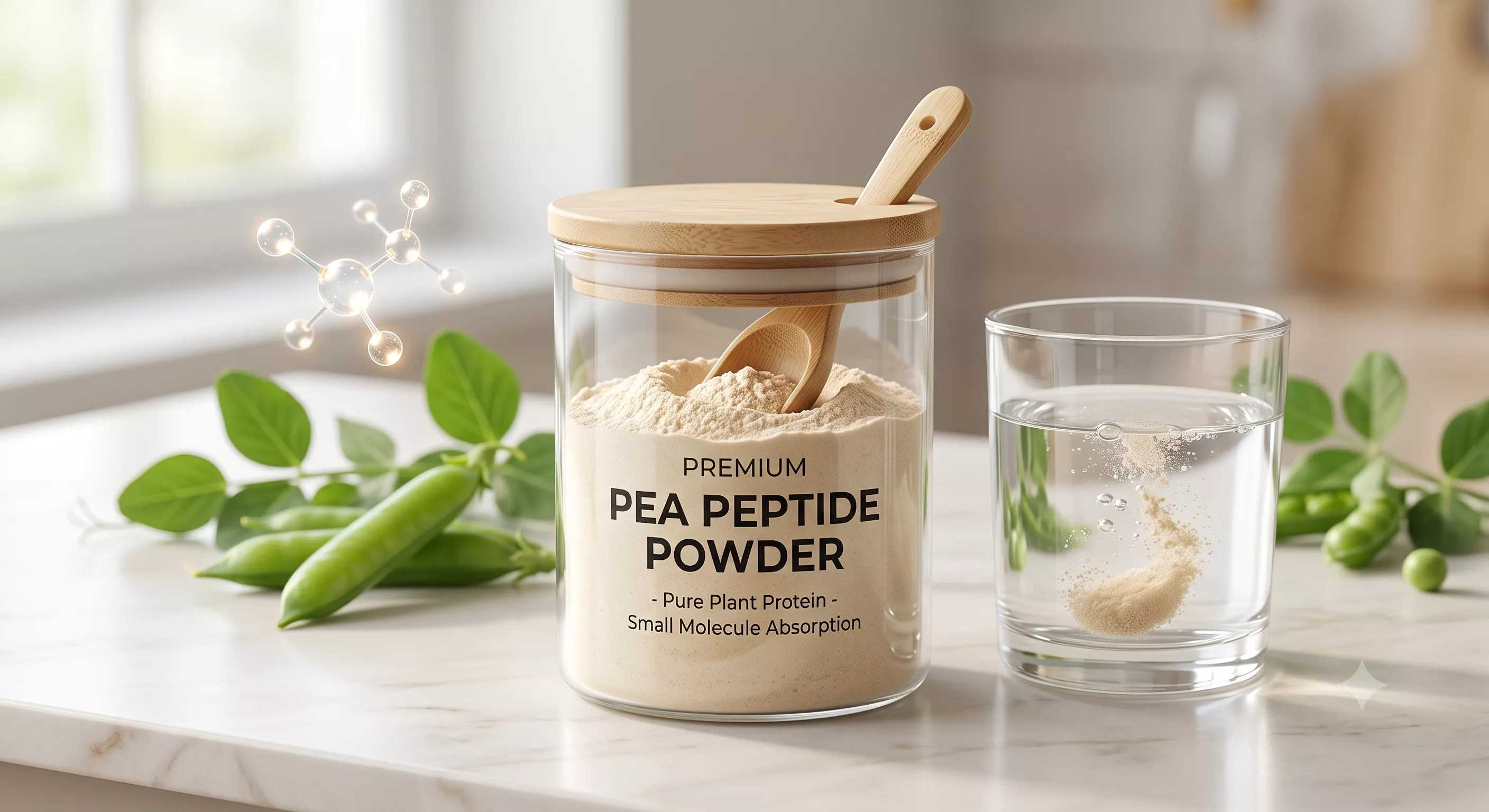
Source high-purity, hypoallergenic hydrolyzed pea peptide powder in bulk. Complete water solubility, rich in BCAAs, ideal for vegan recovery formulas.

Source ultra-pure, high-solubility wholesale hydrolyzed wheat gluten peptide in bulk. Rich in plant-bound Glutamine ($\ge 25\%$) for muscle recovery and gut barrier health.
Tel:+86 21 65010906
Cell/Whatsapp/Wechat:
+86 13482884055
+86 18657345785
Email: sales@beyondbiopharma.com