 English EN


Formulating for Success: The R&D Guide to Selecting the Right Collagen Peptides
Master collagen selection for functional foods. Read our technical guide for R&D scientists to optimize production efficiency and eliminate formulation issues.
More
Collagen peptide injections have gained popularity as a targeted approach to support skin elasticity, joint comfort, and overall tissue health. Unlike oral supplements, these injections deliver hydrolyzed collagen peptides directly into the dermis or targeted areas, aiming to stimulate the body’s own collagen production. This guide breaks down what real users can expect, from the science behind the process to typical timelines for visible changes, based on clinical insights and practical experience.
Collagen peptide injections involve administering small, bioactive fragments of collagen protein into the skin or joints. These peptides are typically derived from bovine, porcine, or marine sources and are processed to ensure low molecular weight for better absorption. The goal is to provide the building blocks that fibroblasts need to synthesize new collagen, which naturally declines with age. Many clinics use these injections for facial rejuvenation, scar remodeling, and even joint support, often in combination with other therapies like hyaluronic acid or undenatured collagen type II for comprehensive care.
When injected, collagen peptides act as signaling molecules. They bind to receptors on fibroblasts and immune cells, triggering a cascade of repair processes. Research indicates that this can increase local collagen density by up to 30% over several months, depending on the individual’s age and health status. Unlike dermal fillers that add volume immediately, peptide injections work gradually, with results building over weeks as the body remodels tissue.
Results vary, but most people notice improvements in skin texture and firmness within 4 to 6 weeks after a series of treatments. For joint-related use, reduced stiffness and better mobility often appear after 8 to 12 weeks. It’s important to have realistic expectations: these injections are not a quick fix but a regenerative approach. Maintenance sessions every 3 to 6 months are typically recommended to sustain benefits.
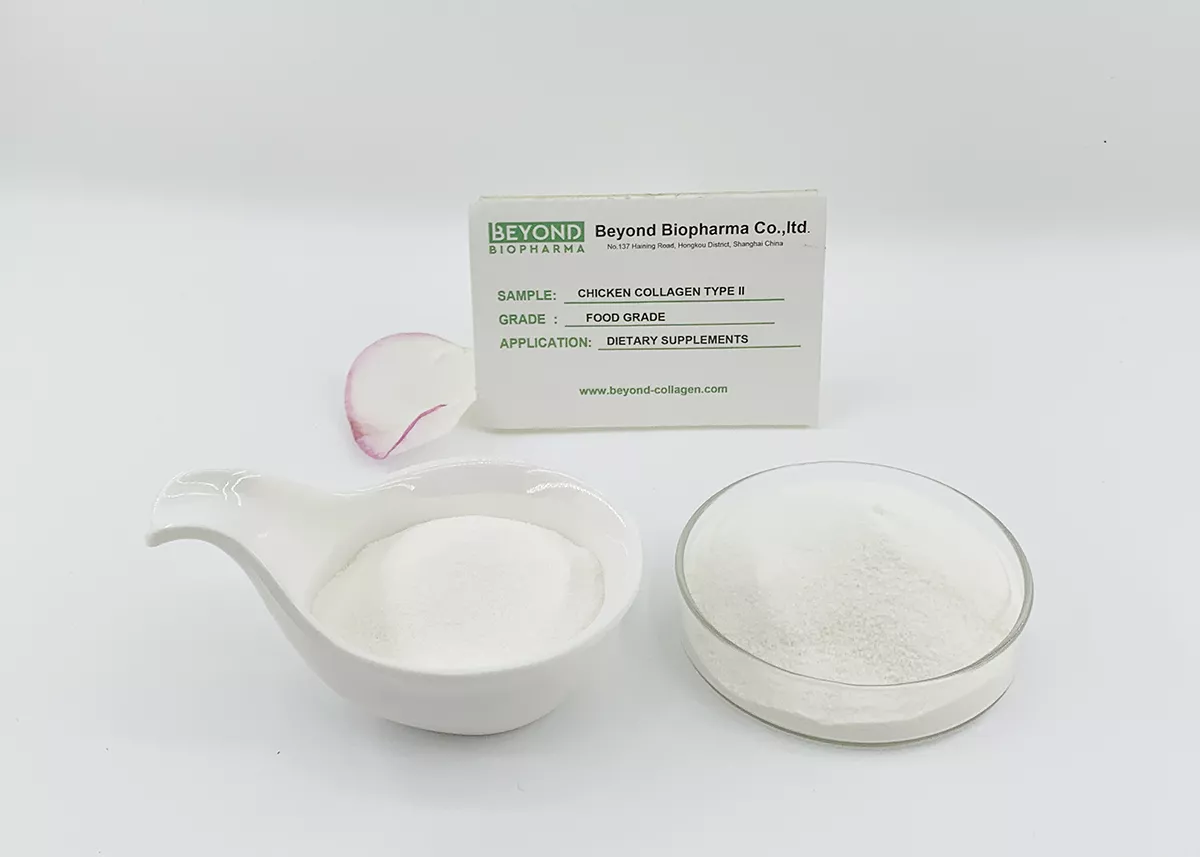
Collagen peptide injections are generally well-tolerated when performed by a qualified professional. Common side effects include temporary redness, swelling, or mild bruising at the injection site, which usually resolves within 24 to 48 hours. Allergic reactions are rare but possible, especially with marine-sourced peptides. Always discuss your medical history and any allergies with your provider beforehand. For those seeking a non-invasive option, oral collagen supplements like hydrolyzed collagen type II powder can be a complementary approach.
Ideal candidates are those experiencing early signs of skin aging, such as loss of firmness or fine lines, as well as individuals with mild to moderate joint discomfort. It’s also used by athletes looking to support connective tissue health. However, people with active infections, autoimmune disorders, or bleeding conditions should avoid these injections. A consultation with a healthcare provider is essential to determine if this treatment aligns with your goals.
Collagen peptide injections offer a science-backed way to support your body’s natural collagen network. While they require commitment and multiple sessions, many users find the gradual, natural-looking improvements worthwhile. For best results, pair them with a healthy lifestyle, sun protection, and a balanced diet rich in vitamin C and amino acids. Always choose a reputable clinic and ask about the source and purity of the peptides used.


We provide you with comprehensive foreign trade solutions to help enterprises achieve global development
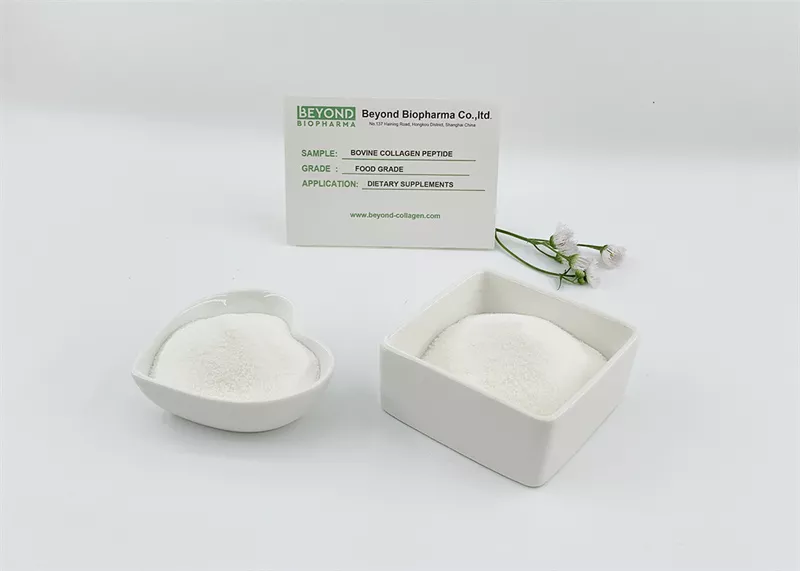
Manufacturer of bovine collagen peptide, shipping in containers all around the world
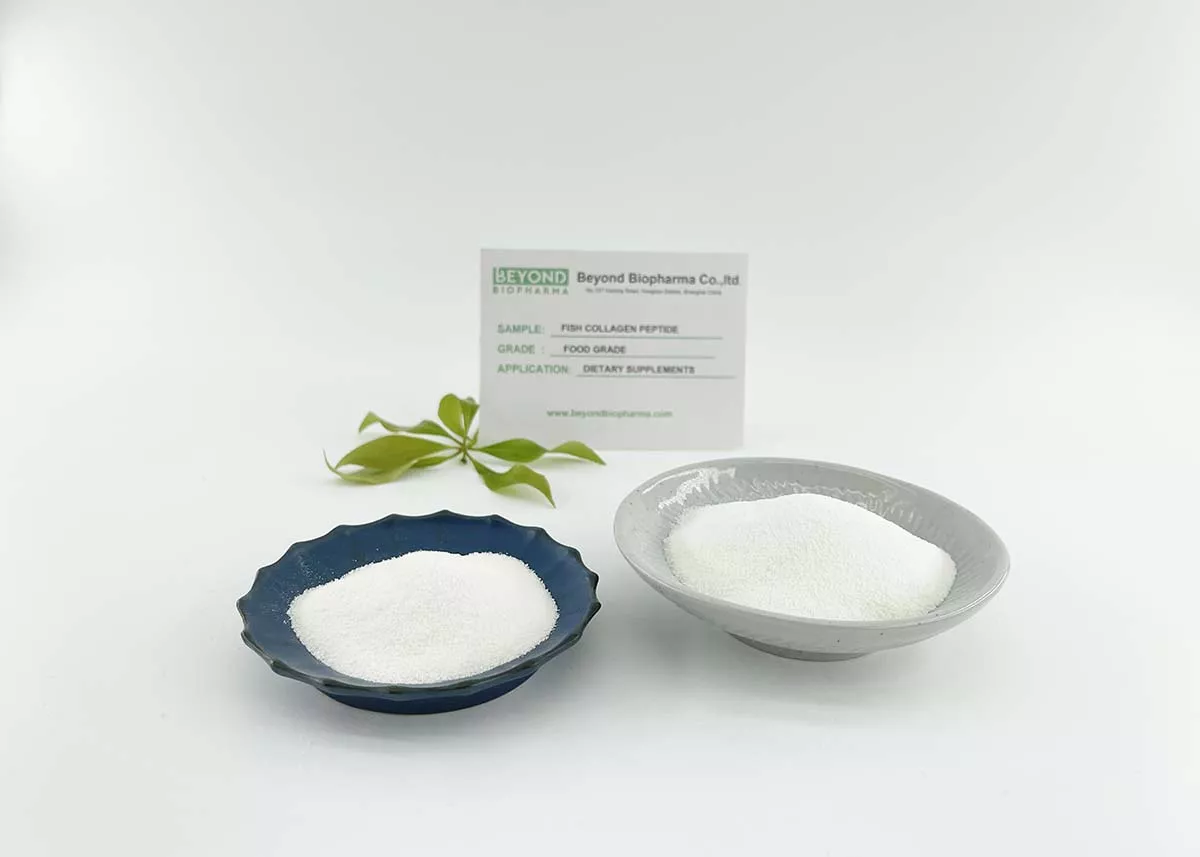
Premium marine-sourced collagen peptides with >90% protein content and low molecular weight (1000-3000 Da) for superior bioavailability. Sustainably sourced, neutral taste, and fully soluble—ideal for nutricosmetics and functional foods.
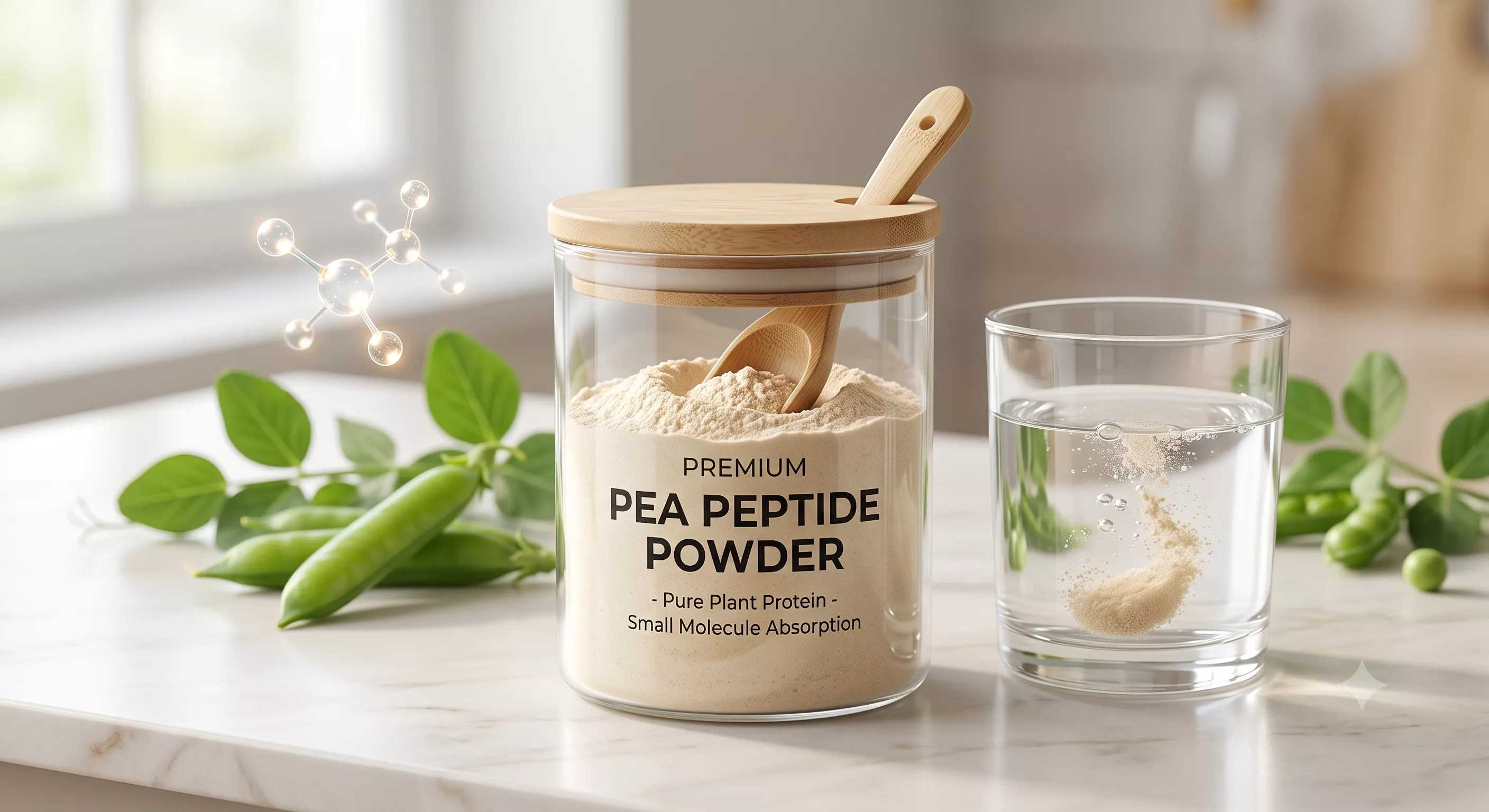
Source high-purity, hypoallergenic hydrolyzed pea peptide powder in bulk. Complete water solubility, rich in BCAAs, ideal for vegan recovery formulas.
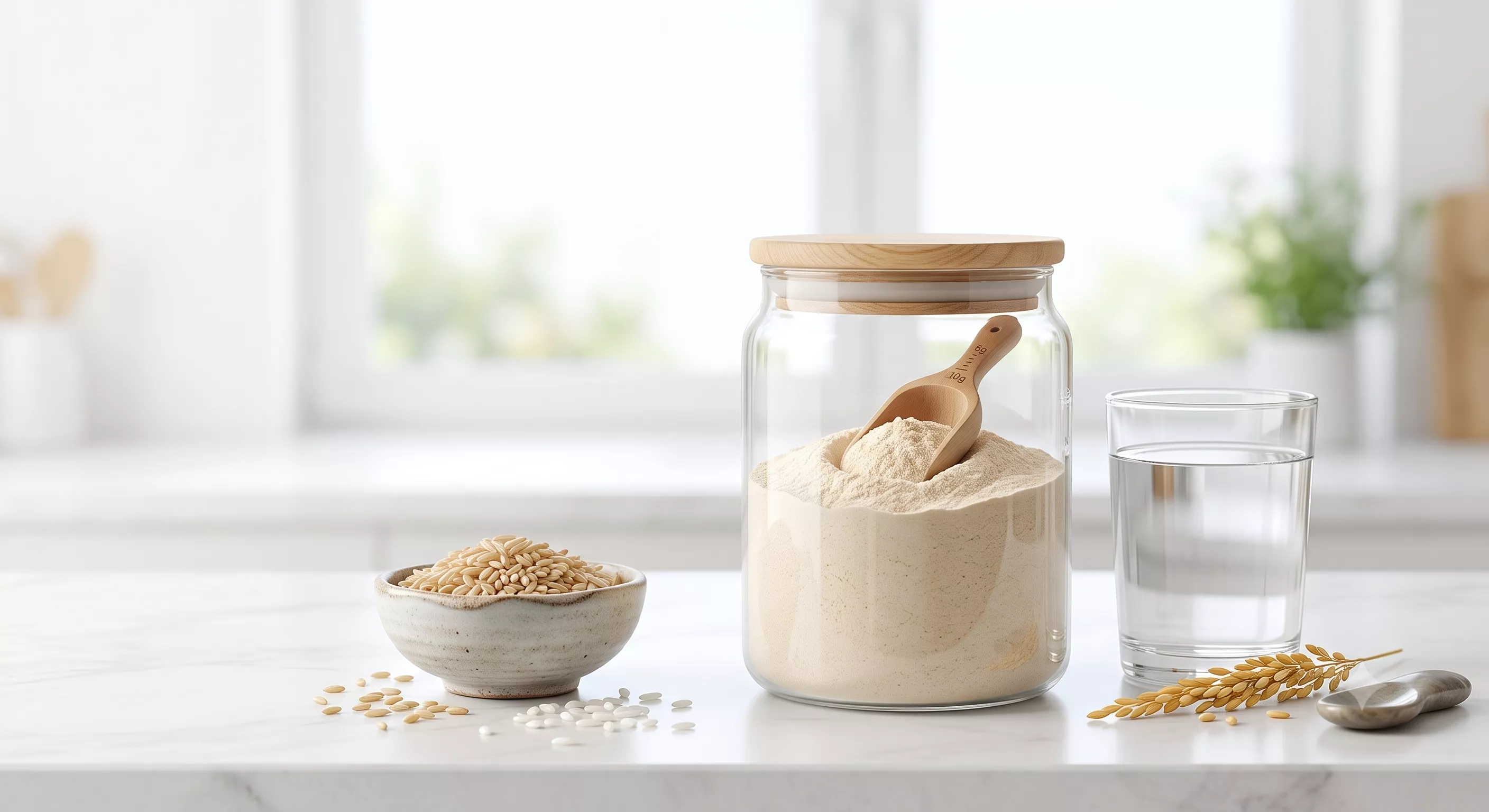
Source ultra-pure, 100% water-soluble wholesale hydrolyzed rice protein peptide in bulk. Over 85% molecules under 1000 Da. Ideal for infant nutrition, clean-label sports formulas, and sensitive skincare.
Tel:+86 21 65010906
Cell/Whatsapp/Wechat:
+86 13482884055
+86 18657345785
Email: sales@beyondbiopharma.com




