English EN


How to Use Gelatin Powder? Applications of Gelatin Powder
Use gelatin powder by blooming it in cold water, dissolving gently, and adding to recipes for perfect texture in desserts, sauces, and supplements.
More
Vegetarian gelatin powder is a plant-based alternative to traditional gelatin, designed to replicate the gelling, thickening, and stabilizing properties of animal-derived gelatin without using any animal products. It is commonly made from agar-agar (derived from red algae), carrageenan (extracted from seaweed), pectin (found in fruits), or konjac gum (from the konjac root). These ingredients are processed into a fine powder that dissolves easily in liquids and sets into a gel upon cooling.
The most common base is agar-agar, which is a polysaccharide derived from seaweed. It forms a firm, brittle gel that is heat-stable up to high temperatures. Carrageenan is another seaweed extract that creates a softer, more elastic gel, often used in dairy alternatives. Pectin, found in apples and citrus peels, is ideal for jams and jellies due to its ability to set with sugar and acid. Konjac gum produces a very firm, chewy gel and is often used in vegan gummy candies. Some commercial blends combine these ingredients to achieve specific textures.
Traditional gelatin is made from animal collagen, typically from bovine or porcine sources, which requires boiling skin, bones, and connective tissues. Vegetarian gelatin, in contrast, is entirely plant-based and suitable for vegans, vegetarians, and those avoiding animal products for religious or ethical reasons. The setting temperature and texture also differ: traditional gelatin melts at body temperature (giving a melt-in-the-mouth feel), while agar-agar sets at room temperature and remains solid up to about 85°C (185°F), making it more heat-resistant. Carrageenan gels are reversible and can melt and reset, while pectin requires specific pH and sugar levels to set properly. Nutritionally, vegetarian options often provide dietary fiber and minerals like calcium and iron, whereas traditional gelatin is primarily protein.
To use vegetarian gelatin powder, always follow the specific instructions for your chosen type, as ratios and activation methods vary. For agar-agar, typically 1 teaspoon of powder is mixed with 1 cup of liquid, brought to a boil, and then simmered for 2-5 minutes until fully dissolved before pouring into molds and refrigerating to set. Carrageenan and pectin often require whisking into cold liquid first, then heating with sugar or acid. You can substitute vegetarian gelatin in classic recipes like fruit jellies, panna cotta, mousses, and gummy candies. It also works well as a thickener for soups, sauces, and pie fillings. For best results, test a small batch first, as the gel strength and texture can differ significantly from traditional gelatin. Explore food-grade porcine gelatin alternatives or premium vegan supplements for additional inspiration.
When adapting recipes, remember that vegetarian gelatin sets faster and at higher temperatures than traditional gelatin, so work quickly once the liquid is prepared. For a softer gel, use less powder; for a firmer set, increase the amount slightly. Acidic ingredients like citrus juice or vinegar can weaken the gel, so adjust accordingly. Store vegetarian gelatin powder in a cool, dry place to maintain its potency. For more specialized applications, such as micro-encapsulation or capsule production, refer to gelatin for micro-encapsulation or high bloom gelatin for hard capsules.
Plant-based thickeners like agar-agar, carrageenan, and pectin rely on unique molecular structures to create gels. Agar-agar, derived from red algae, consists of agarose and agaropectin. When heated in liquid, these polysaccharides disperse; upon cooling, they form a rigid, double-helix network that traps water molecules, resulting in a firm, brittle gel. Unlike gelatin, which requires animal collagen, agar sets at room temperature and remains stable even in warm conditions, making it ideal for dairy-free desserts and savory dishes.
Carrageenan, extracted from Irish moss, works through a similar mechanism but produces softer, more elastic gels depending on the type. Kappa-carrageenan forms strong, rigid gels with potassium ions, while iota-carrageenan creates flexible, thixotropic gels with calcium. Pectin, found in fruits, requires sugar and acid to gel; its pectin chains cross-link via hydrogen bonding and hydrophobic interactions, forming a network that holds fruit juices in jams and jellies.
Understanding these gelling processes allows you to substitute plant-based thickeners in everyday recipes. For example, replace one teaspoon of gelatin powder with one teaspoon of agar-agar powder in puddings or custards, but note that agar sets faster and at higher temperatures. Use carrageenan for creamy sauces or ice creams, and pectin for low-sugar preserves. Each thickener offers distinct textures and stability, empowering you to create vegan-friendly versions of classic dishes without compromising on structure or mouthfeel.
To explore high-quality plant-based thickeners for your recipes, learn more about our ingredient solutions.
Vegetarian gelatin, typically derived from seaweed or plant starches, requires specific ratios to achieve the desired texture. The standard ratio is 1 tablespoon of powder to 2 cups of liquid for a soft gel, or 1 tablespoon to 1 cup for a firmer set. Always bloom the powder in cold liquid for 5 minutes before heating.
| Recipe Type | Vegetarian Gelatin | Liquid | Bloom Time | Texture Result |
|---|---|---|---|---|
| Fruit Jelly | 1 tbsp | 1.5 cups | 5 minutes | Soft, wobbly |
| Panna Cotta | 1.5 tbsp | 2 cups | 5 minutes | Creamy, firm |
| Gummy Candies | 2 tbsp | 1 cup | 5 minutes | Chewy, firm |
| Mousse | 1 tsp | 1 cup | 3 minutes | Light, airy |
The table above provides starting ratios for common uses. Adjust liquid amount slightly for altitude or humidity. For best results, always use cold water for blooming and avoid boiling the mixture after adding gelatin, as high heat can weaken the gelling power.
When preparing fruit-based recipes, note that certain fresh fruits like pineapple, kiwi, and papaya contain enzymes that can break down gelatin. Briefly cook these fruits first to deactivate the enzymes, or use canned versions instead. For savory applications, vegetarian gelatin works well in chilled terrines and aspics.
Store your vegetarian gelatin powder in a cool, dry place. Once opened, use within six months for optimal potency. For professional-grade options, explore specialized gelatin products or vegan-friendly alternatives for consistent results in your everyday recipes.
Explore how vegetarian gelatin powder transforms simple ingredients into delightful dishes for any meal.
Combine fruit juice with vegetarian gelatin powder and a touch of sweetener. Heat gently, pour into molds, and chill until set. Serve as a refreshing snack or dessert.
Mix plant-based gelatin powder with fruit puree and agave syrup. Warm the mixture, pour into silicone molds, and refrigerate for chewy, guilt-free candies.
Whisk a small amount of vegetarian gelatin into cold broth or sauce, then heat gently. This adds a silky thickness to gravies, fruit coulis, or savory glazes.
Use gelatin powder to stabilize vegan panna cotta, mousses, or custards. Blend with coconut milk and vanilla, then chill for a smooth, elegant finish.
Prepare a clear fruit jelly with vegetarian gelatin and pour between cake layers. Let it set before frosting for a beautiful, fruity surprise in every slice.
Substituting vegetarian gelatin for traditional animal-based gelatin can be tricky. Many home cooks encounter issues with texture, setting time, or flavor. Below are the most frequent mistakes and how to avoid them for perfect results every time.
Vegetarian gelatin (such as agar-agar) is much stronger than traditional gelatin. A common mistake is using a 1:1 substitution. Typically, you need only about half the amount of vegetarian gelatin compared to animal gelatin. Always check the package instructions and adjust the liquid volume accordingly.
For example, if a recipe calls for 2 teaspoons of traditional gelatin, start with 1 teaspoon of vegetarian gelatin and test the set. Overuse can result in a rubbery or brittle texture.
Unlike traditional gelatin, vegetarian gelatin often requires boiling to fully dissolve. Simply stirring it into warm liquid will leave gritty particles and result in a grainy texture. Always bring the liquid to a full boil while whisking the powder in, then simmer for 1-2 minutes to ensure complete hydration.
This step is critical for achieving a smooth, clear gel. Skipping the boil is the number one reason for failed vegetarian gelatin desserts.
High-acid ingredients like citrus juice, vinegar, or certain fruits (pineapple, kiwi, papaya) can weaken or break down the gelling structure of vegetarian gelatin. If your recipe includes acidic components, add them after the gelatin has fully dissolved and the mixture has cooled slightly.
Alternatively, you can increase the amount of vegetarian gelatin by 10-20% to compensate for the acidity. This ensures a firm set without compromising flavor.
While vegetarian gelatin needs to be boiled to dissolve, prolonged boiling can degrade its gelling power. Once the powder is fully dissolved (usually within 2 minutes), remove it from heat immediately. Overcooking can cause the gel to become weak or fail to set altogether.
Use a timer and keep the heat at a gentle boil. This preserves the integrity of the polysaccharides that create the gel structure.
Vegetarian gelatin sets at a higher temperature than traditional gelatin—usually around 32-40°C (90-104°F). If you refrigerate the mixture too soon, it may set unevenly or become cloudy. Allow the mixture to cool to room temperature before placing it in the fridge.
For best results, let it sit at room temperature for 15-20 minutes, then transfer to the refrigerator. This promotes a uniform, crystal-clear gel.
High sugar concentrations can interfere with the setting process of vegetarian gelatin. Sugar competes with the gelling agent for water, which can lead to a softer set. If your recipe is very sweet, reduce the sugar slightly or increase the gelatin powder by 5-10%.
Alternatively, use a sugar substitute that does not affect gelation, such as stevia or erythritol. Always test a small batch first to find the right balance.
As the mixture cools, the gelatin can settle at the bottom if left undisturbed. This creates a dense layer at the bottom and a watery layer on top. Stir the mixture gently every 5 minutes while it cools to room temperature to keep the gelatin evenly suspended.
This simple step ensures a consistent texture throughout your final dish, whether it's a panna cotta, jelly, or fruit glaze.
Not all vegetarian gelatins are created equal. Agar-agar is the most common, but there are also carrageenan-based and pectin-based options. Each has different setting properties. Agar-agar sets firmly and is heat-stable, while carrageenan produces a softer, more elastic gel.
Read the label carefully and choose the type that matches your recipe's needs. For a traditional gelatin-like texture, agar-agar is usually the best choice. For creamy desserts, consider a blend of carrageenan and locust bean gum.
Alcohol can prevent vegetarian gelatin from setting properly, especially if used in high concentrations (above 20% by volume). If your recipe includes alcohol, reduce the amount or use a lower-proof spirit. Alternatively, add the alcohol after the gelatin has partially set to minimize interference.
For cocktails or alcoholic jellies, use a maximum of 1 part alcohol to 4 parts liquid base to ensure a stable gel.
Even experienced cooks can misjudge the setting time. Always test a small spoonful of the mixture in the refrigerator for 10 minutes before pouring the entire batch. If it sets too soft, you can reheat the mixture and add more gelatin. If it sets too hard, add a bit more liquid.
This quick test saves you from serving a runny or overly stiff dessert. It also allows you to adjust seasoning or flavor before the final set.
For more information on high-quality vegetarian gelatin and its applications, consider exploring specialized gelatin products or vegan alternatives for your recipes. Proper substitution techniques will help you achieve consistent results in everything from gummies to elegant desserts.
Understanding vegetarian gelatin powder begins with recognizing its plant-based origins—typically agar-agar derived from seaweed, carrageenan, or pectin—which sets it apart from animal-derived traditional gelatin. The gelling process relies on polysaccharides that form a stable network when heated and cooled, requiring precise temperature control for optimal texture.
For consistent results, use approximately 1 tablespoon of agar-agar powder per 2 cups of liquid, and always dissolve it in cold liquid before bringing to a boil. Simmer for 2–3 minutes to fully activate the gelling agents, then cool at room temperature before refrigerating. Acidic ingredients may require a higher ratio, while sugar can strengthen the gel structure.
Vegetarian gelatin excels in fruit jellies, vegan gummy candies, thickened sauces, and plant-based desserts. Unlike traditional gelatin, it sets firmly at room temperature and withstands warmer environments, making it ideal for stable, shelf-friendly creations. Adjust liquid ratios for softer or firmer textures depending on the recipe.
Do not substitute vegetarian gelatin in recipes requiring a melt-in-mouth texture, as it sets more firmly and does not dissolve at body temperature. Avoid adding acidic fruits directly without adjusting the gelling agent ratio. Always pre-dissolve the powder thoroughly to prevent clumping, and never over-boil, which can weaken the gel strength.


We provide you with comprehensive foreign trade solutions to help enterprises achieve global development
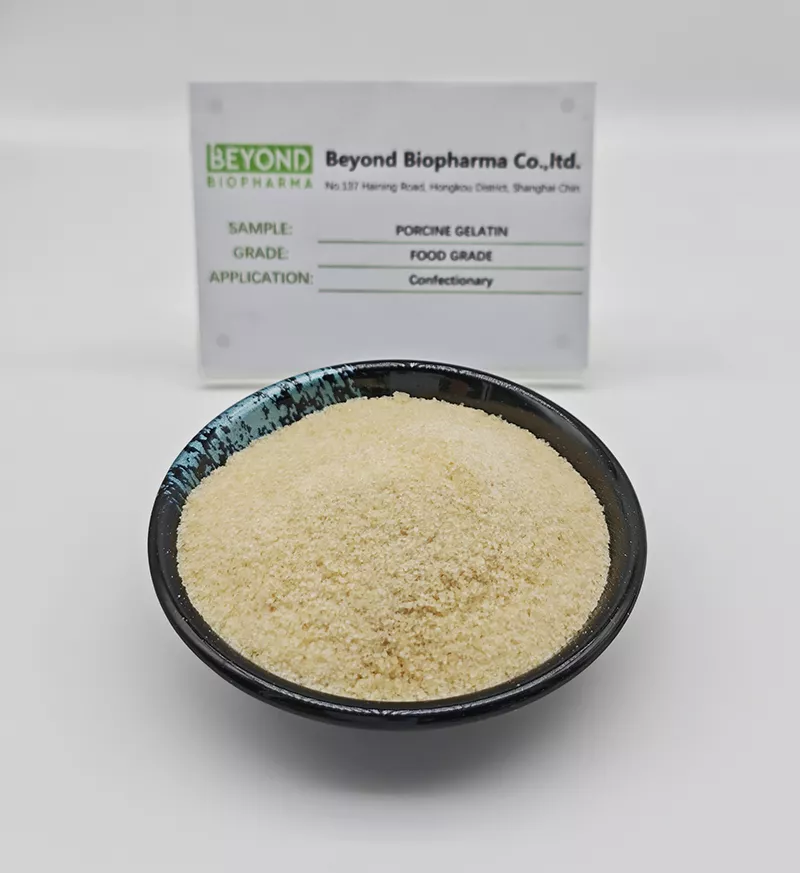
Food-grade porcine gelatin is a highly versatile and cost-effective natural protein derived from the collagen found in pig skin and bones. It is a premier gelling agent known for its exceptional clarity, neutral taste, and thermal reversibility.
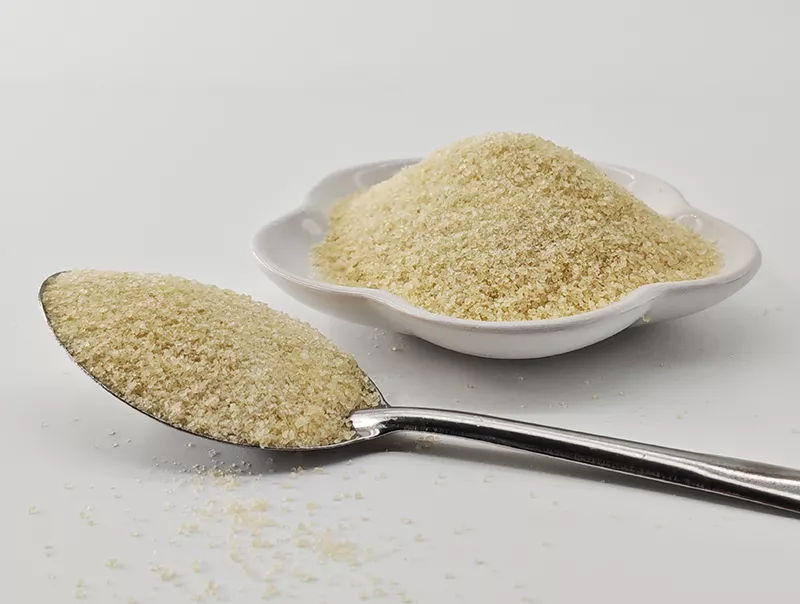
The High-Performance Barrier for Core Material Protection and Controlled Release.
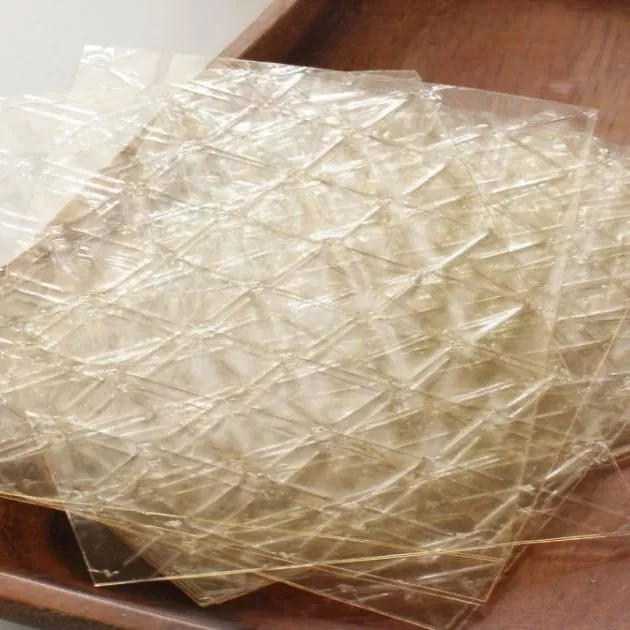
Our Gelatin Sheets are produced to precise standards, ensuring consistency and reliability across different Bloom grades (Silver being the most common professional choice).
20 years experiences, 5000 ton/year capacity, Sustained supply with stable quality
Tel:+86 21 65010906
Cell/Whatsapp/Wechat:
+86 13482884055
+86 18657345785
Email: sales@beyondbiopharma.com