 English EN


Essential buyer checklist for bulk plant peptide MOQ, lead time, and Incoterms
Bulk plant peptide MOQ ranges from 10 kg to 25 kg, with 1-6 week lead times. Selecting DDP Incoterms protects high-solubility hydrolysates from moisture.
More
Plant protein peptides are short chains of amino acids released from plant-based proteins through enzymatic hydrolysis. These bioactive compounds are gaining attention in the nutrition and functional food industries due to their high bioavailability and targeted physiological effects. From rice and pea to soybean sources, these peptides offer a range of benefits including antioxidant support, muscle recovery enhancement, blood pressure regulation, and improved digestive tolerance. This article explores what plant protein derived peptides are, how they differ from whole proteins, and the science-backed functional advantages they bring to modern dietary formulations.
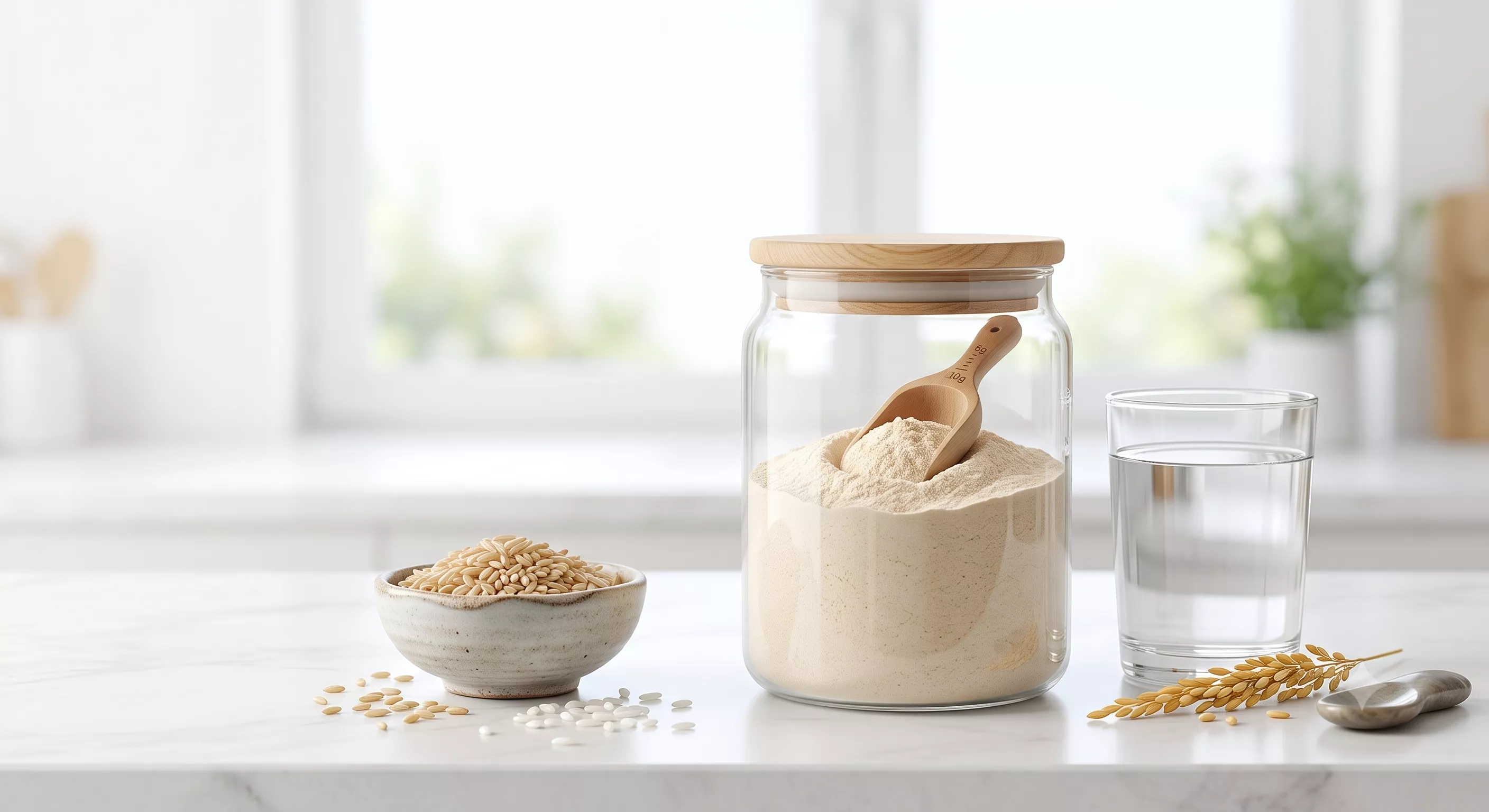
When we consume protein, our digestive system breaks it down into smaller units called peptides and eventually into individual amino acids. Plant protein derived peptides are produced through a controlled process called enzymatic hydrolysis, where specific enzymes cleave the long protein chains from sources like rice, pea, or soybean into shorter, more manageable fragments. These fragments typically consist of 2 to 20 amino acids linked together.
What makes these peptides particularly interesting is their improved solubility and absorption profile compared to intact proteins. Because they are already partially broken down, the body can absorb them more rapidly, especially in situations where quick nutrient delivery is needed, such as post-exercise recovery or for individuals with compromised digestive function. Furthermore, many of these peptides exhibit biological activities that their parent proteins do not possess, including antioxidant properties, ACE-inhibitory effects for blood pressure support, and even antimicrobial activity.
Several plant sources are commonly used for peptide production, each offering a unique amino acid profile and functional characteristics:
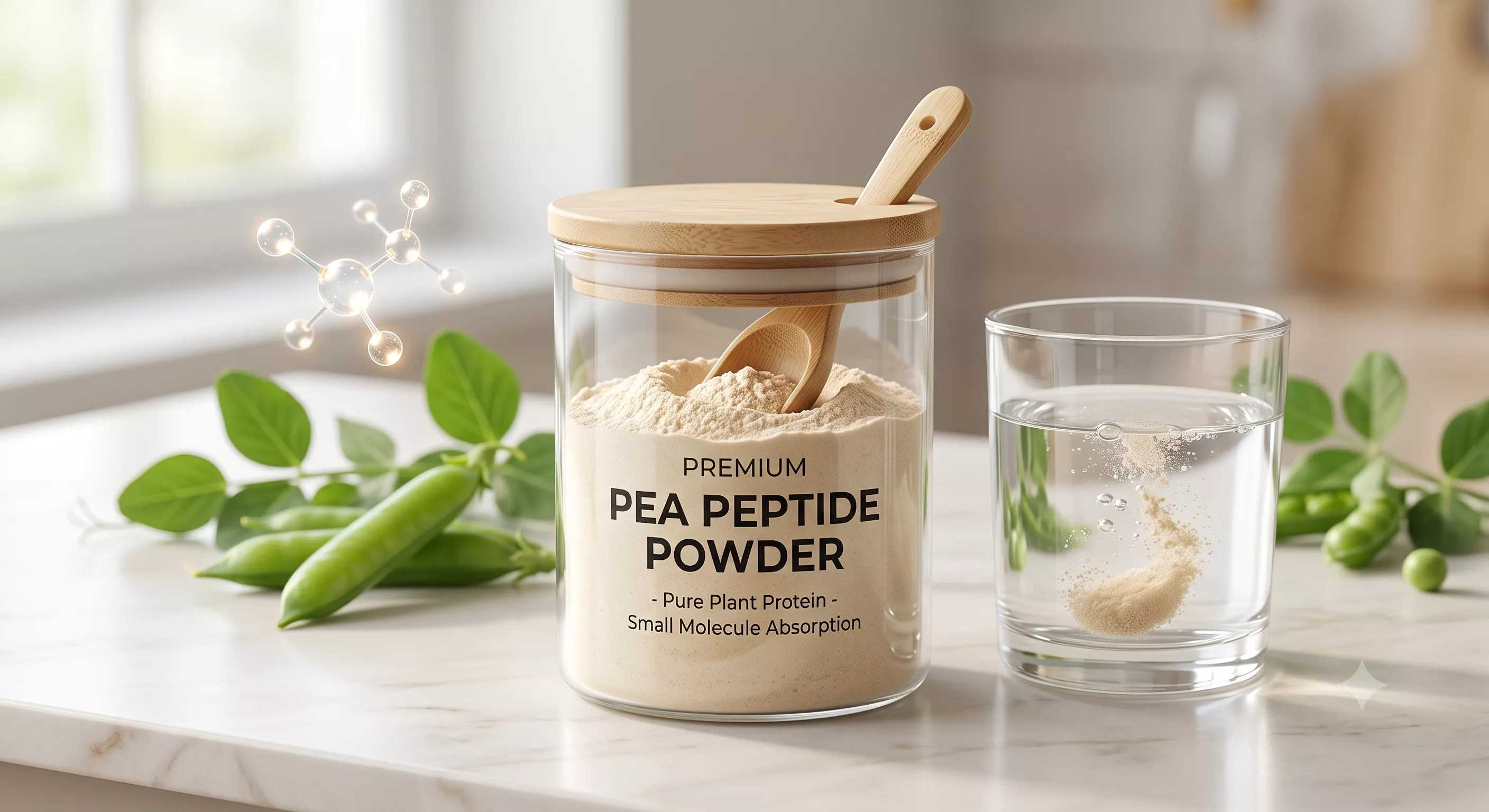
The functional benefits of plant protein peptides extend beyond basic nutrition. Here are some of the most compelling, evidence-based advantages:
Peptides from rice and pea protein are rich in leucine, isoleucine, and valine – the three branched-chain amino acids that play a central role in stimulating muscle protein synthesis. A study published in the Journal of the International Society of Sports Nutrition found that rice protein peptides provided comparable muscle recovery benefits to whey protein when consumed post-exercise. The rapid absorption rate of these peptides ensures that amino acids reach muscle tissue quickly, reducing exercise-induced muscle damage and supporting faster recovery.
Certain plant peptides, particularly those derived from soybean and pea, exhibit angiotensin-converting enzyme (ACE) inhibitory activity. ACE is an enzyme that constricts blood vessels, and inhibiting it helps relax blood vessels, thereby lowering blood pressure. Clinical trials have demonstrated that daily consumption of 10-20 grams of soybean oligopeptides can lead to a modest but significant reduction in systolic and diastolic blood pressure in individuals with mild hypertension. This natural approach offers a promising adjunct to lifestyle modifications for cardiovascular health.
Plant protein peptides have been shown to scavenge free radicals and reduce oxidative stress. The hydrophobic amino acids present in these peptides, such as proline and histidine, contribute to their ability to neutralize reactive oxygen species. Additionally, some peptides modulate inflammatory pathways by inhibiting the production of pro-inflammatory cytokines. This dual action makes them valuable in managing chronic inflammatory conditions and supporting overall cellular health.
For individuals with sensitive digestive systems or those who experience discomfort from consuming whole proteins, peptides offer a gentler alternative. The pre-digested nature of peptides reduces the workload on the gastrointestinal tract, minimizing issues like bloating, gas, and heaviness. This is particularly relevant for elderly populations, athletes during intense training periods, and patients recovering from illness where digestive capacity may be compromised.
Peptides derived from plant proteins can promote satiety, helping individuals feel fuller for longer periods. This effect is partly attributed to the release of cholecystokinin (CCK) and glucagon-like peptide-1 (GLP-1), hormones that signal fullness to the brain. Incorporating these peptides into meal replacements or protein shakes can support calorie control without sacrificing nutritional quality.
Plant protein peptides are versatile ingredients that can be incorporated into a wide range of products. In the sports nutrition sector, they are commonly found in protein powders, ready-to-drink shakes, and recovery bars. Their excellent solubility and neutral flavor profile make them ideal for clear beverages and fruit-flavored drinks where traditional protein powders would cause cloudiness or off-tastes.
In functional foods, these peptides are being added to bakery products, dairy alternatives, and even confectionery items to boost their nutritional value. For manufacturers looking to formulate clean-label products, plant peptides align well with consumer demand for natural, plant-based ingredients. Additionally, their stability under various processing conditions, including heat and acidic environments, makes them suitable for pasteurized and shelf-stable products.
When selecting a plant protein peptide ingredient for product development, several factors should be considered. The degree of hydrolysis (DH) determines the average peptide chain length, which influences bitterness and bioactivity. A moderate DH typically balances functionality with sensory acceptability. The amino acid profile is another critical consideration – for muscle-focused applications, peptides with higher BCAA content are preferable, while for blood pressure support, peptides with documented ACE-inhibitory activity should be prioritized.
Manufacturers should also evaluate the peptide's solubility, heat stability, and interaction with other ingredients in the final product matrix. Partnering with a reputable supplier who can provide consistent quality and detailed specification sheets is essential. For those interested in exploring specific products, resources such as rice protein peptide manufacturing, pea peptide powder options, and soybean oligopeptide powder offer detailed information on available forms and specifications.
Plant protein peptides are generally recognized as safe (GRAS) when produced following good manufacturing practices. Since they are derived from common food sources, they do not typically introduce new allergenic risks beyond those associated with the source protein itself. However, individuals with known allergies to soy or peas should exercise caution and consult their healthcare provider before consuming products containing these peptides.
From a regulatory standpoint, plant peptides can be labeled as "plant protein peptides," "hydrolyzed plant protein," or specific names like "rice peptides" depending on the source. It is important for manufacturers to ensure their labeling complies with regional food regulations and accurately reflects the product's composition. Third-party testing for heavy metals, microbial contamination, and pesticide residues is recommended to ensure product safety and quality.
The field of plant protein peptides is evolving rapidly, with ongoing research uncovering new bioactive sequences and potential health applications. Advances in enzymatic engineering and fermentation technologies are enabling the production of peptides with enhanced potency and targeted functionality. Additionally, the growing consumer preference for sustainable and plant-based ingredients is driving increased investment in this area.
We can expect to see more specialized peptides designed for specific health conditions, such as cognitive support, immune modulation, and skin health. The integration of artificial intelligence in peptide sequence prediction is also accelerating the discovery of novel peptides with unprecedented precision. As research continues to validate the benefits of these compounds, their adoption across the food, beverage, and supplement industries is likely to expand significantly.
Plant protein derived peptides represent a meaningful advancement in nutritional science, bridging the gap between whole protein consumption and targeted physiological benefits. Their enhanced absorption, bioactive properties, and versatility make them valuable ingredients for formulators and beneficial for consumers seeking science-backed nutrition. Whether the goal is muscle recovery, cardiovascular support, or simply better protein tolerance, these peptides offer a practical and effective solution.
For product developers and nutrition enthusiasts alike, understanding the nuances of different plant peptide sources and their functional profiles is key to making informed decisions. With continued research and innovation, plant protein peptides are poised to play an increasingly important role in the future of functional foods and dietary supplements.

We provide you with comprehensive foreign trade solutions to help enterprises achieve global development
Source high-purity, hypoallergenic hydrolyzed pea peptide powder in bulk. Complete water solubility, rich in BCAAs, ideal for vegan recovery formulas.
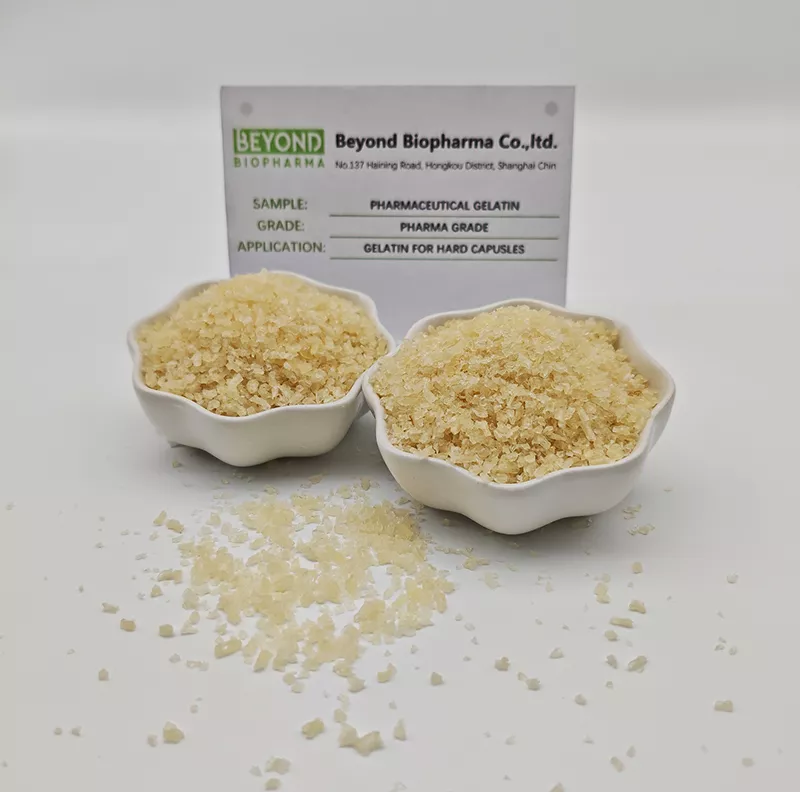
Precision, Purity, and Optimal Machinability
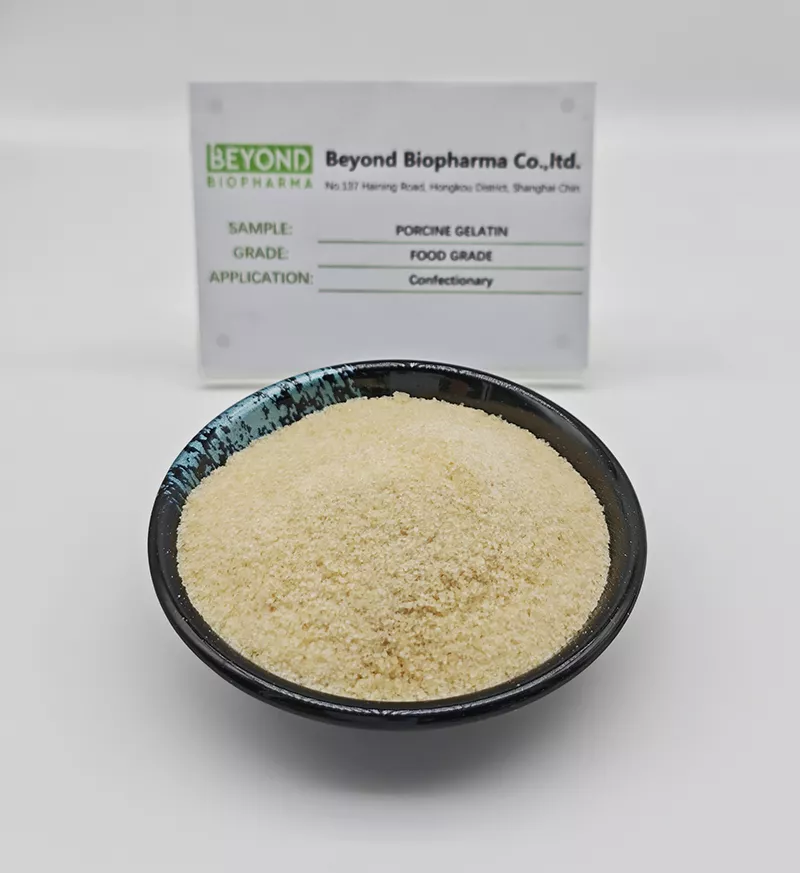
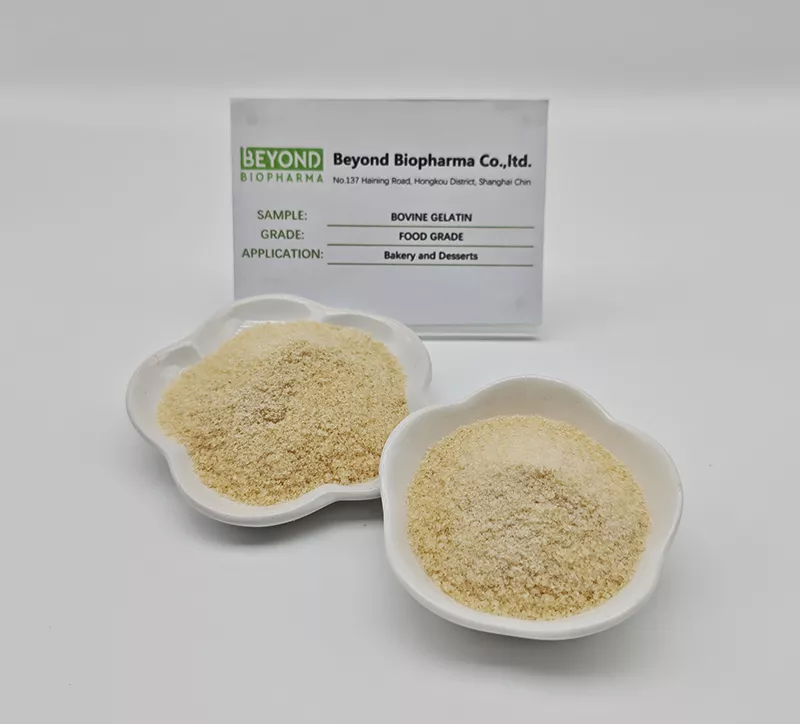
Food-grade porcine gelatin is a highly versatile and cost-effective natural protein derived from the collagen found in pig skin and bones. It is a premier gelling agent known for its exceptional clarity, neutral taste, and thermal reversibility.
20 years experiences, 5000 ton/year capacity, Sustained supply with stable quality
Select the most popular foreign trade service products to meet your diverse needs
Source high-purity, hypoallergenic hydrolyzed pea peptide powder in bulk. Complete water solubility, rich in BCAAs, ideal for vegan recovery formulas.

Our Gelatin Sheets are produced to precise standards, ensuring consistency and reliability across different Bloom grades (Silver being the most common professional choice).

Stability, Swallowing Enhancement, and Controlled Release
Tel:+86 21 65010906
Cell/Whatsapp/Wechat:
+86 13482884055
+86 18657345785
Email: sales@beyondbiopharma.com





User Comments
Service Experience Sharing from Real Customers
Elena
Research ScientistI've been testing plant protein derived peptides in our lab for a new sports nutrition line. The solubility and amino acid profile are genuinely impressive—no bitter aftertaste like some hydrolysates I've worked with. My recovery time after evening runs has noticeably improved, which is a nice personal bonus on top of the professional data.
Marcus
Kitchen ManagerWe switched to these peptides for our plant-based meal prep service about two months ago. They blend into soups and smoothies without clumping, which saves us a ton of prep time. Only reason it's not a 5 is the price point—still a bit steep for bulk ordering, but the quality is there.
Priya
Formulation ChemistFinally, a peptide source that doesn't mess with the pH balance of my cosmetic emulsions. I incorporated it into a new anti-aging serum and the stability tests came back flawless. My colleagues noticed the difference in texture right away. This is going into our permanent ingredient roster.
Tomás
Small Batch Farmer & HobbyistI bought a small sample to experiment with for my own homemade protein bars. The peptides mixed okay, but I found the flavor a bit too earthy for my taste—had to mask it with a lot of cocoa. Functional benefits seem solid, but as a home user, I wish there were smaller trial packs available.