How Plant-Derived Peptides Support Skin Structure and Hydration
As we age, our skin naturally loses the proteins that keep it firm and the compounds that lock in moisture. While topical creams offer temporary relief, the structural support your skin truly craves comes from within. Plant-derived peptides—short chains of amino acids extracted from sources like rice, pea, and soy—have emerged as a scientifically-backed nutritional strategy to reinforce skin architecture and improve hydration from the inside out. This article explores how these botanical compounds work at a cellular level, what the research says about their efficacy, and how to choose a high-quality supplement for visible results.
The Biological Foundation: Why Skin Structure Depends on Peptides
Your skin's resilience and plumpness are largely determined by two key proteins: collagen and elastin. Collagen provides the tensile strength that resists sagging, while elastin allows the skin to snap back after stretching. Together, they form a dense extracellular matrix in the dermis, the middle layer of your skin. However, after age 25, the body's natural collagen production declines by roughly 1% to 1.5% per year. This slowdown, compounded by environmental stressors like UV exposure and pollution, leads to thinner skin, fine lines, and a loss of firmness.
Plant-derived peptides work by sending signals to fibroblasts—the cells responsible for synthesizing collagen and elastin. When these short-chain amino acids are absorbed into the bloodstream and reach the dermis, they act as messengers that stimulate the production of new collagen fibers. Unlike whole proteins, which are too large to be absorbed efficiently, peptides have a low molecular weight, making them highly bioavailable. This means a greater proportion of what you consume actually reaches the skin tissue where it is needed most.
Hydration Mechanisms: Beyond Surface Moisture
Hydration is not just about drinking water; it is about your skin's ability to retain that water within its layers. The stratum corneum, the outermost layer of the skin, relies on natural moisturizing factors (NMFs) and lipids to prevent transepidermal water loss. When this barrier is compromised, moisture escapes, leading to dryness, flakiness, and an accentuated appearance of wrinkles.
Certain plant peptides, particularly those derived from rice, have been shown to upregulate the expression of aquaporin-3, a water channel protein found in keratinocytes. Aquaporin-3 facilitates the transport of water and glycerol across cell membranes, enhancing the skin's natural hydration capacity. Additionally, peptides stimulate the production of hyaluronic acid, a glycosaminoglycan that can hold up to 1,000 times its weight in water. By boosting hyaluronic acid synthesis, plant peptides help maintain optimal moisture levels deep within the dermis, resulting in a visibly plumper and more dewy complexion.
Comparing Plant Peptide Sources: Rice, Pea, and Soy
Not all plant peptides are created equal. Each botanical source offers a unique amino acid profile that influences its biological activity in the skin.
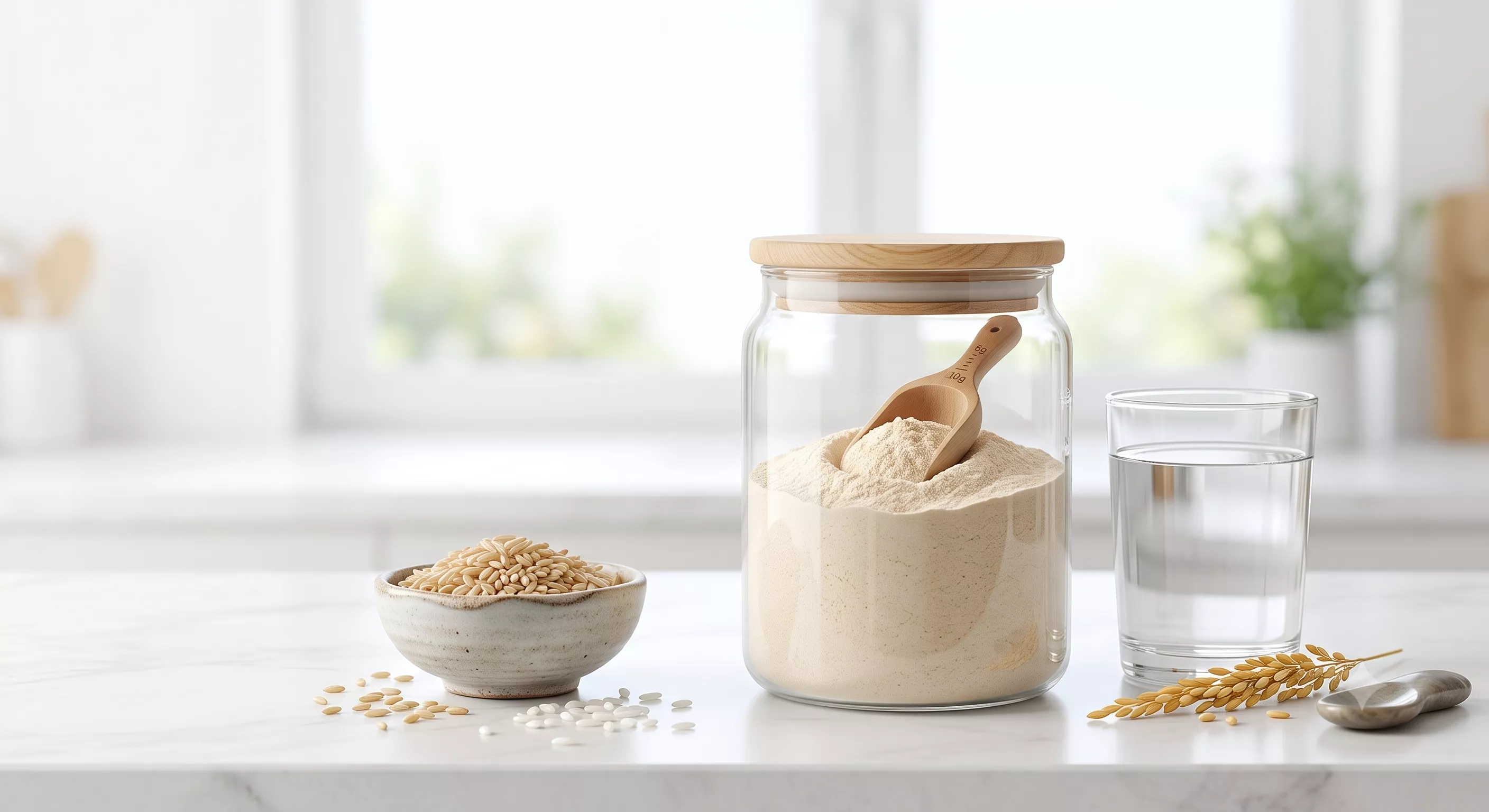
Rice peptides are particularly rich in glutamine, cysteine, and methionine. Glutamine is a precursor for glutathione, a master antioxidant that protects skin cells from oxidative stress. Cysteine and methionine are sulfur-containing amino acids that support the disulfide bonds in keratin, strengthening the skin barrier. Research indicates that rice peptides exhibit excellent moisture-retention properties and can improve skin elasticity within four to eight weeks of consistent use.
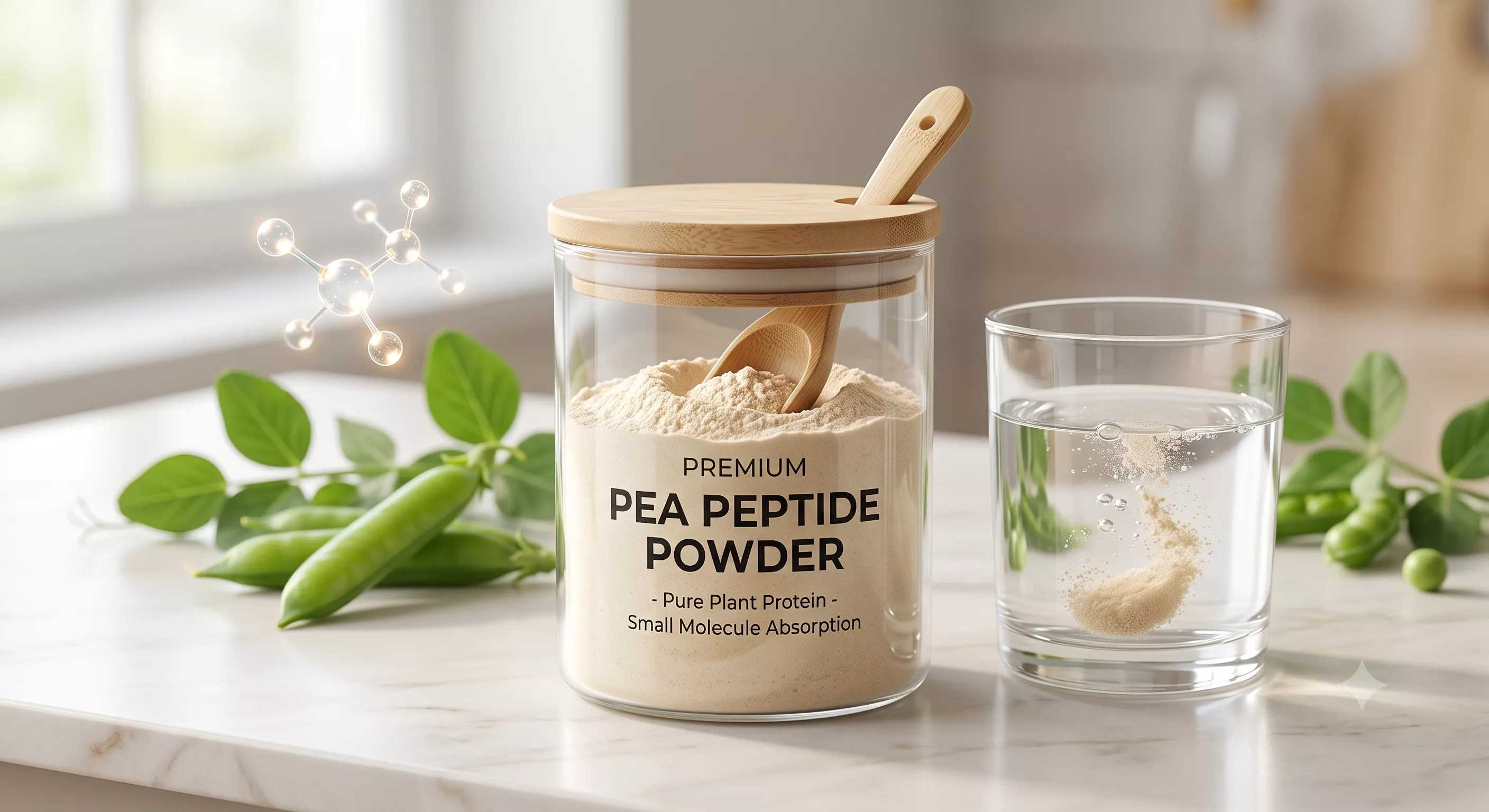
Pea peptides are abundant in arginine and lysine. Arginine plays a role in wound healing and promotes blood flow to the skin, delivering essential nutrients to fibroblasts. Lysine is a critical co-factor in collagen cross-linking, which enhances the structural integrity of collagen fibers. Pea protein is also hypoallergenic, making it an excellent choice for individuals with sensitivities to soy or dairy.
Soy peptides contain isoflavones, which are phytoestrogens that can mimic the effects of estrogen in the body. Estrogen is known to stimulate collagen production and maintain skin thickness. For menopausal women, who experience a rapid decline in skin collagen during the first five years after menopause, soy peptides may offer a natural way to mitigate this loss. Studies have shown that soy peptide supplementation can increase skin density and reduce the appearance of fine lines.
Clinical Evidence: What the Numbers Say
A double-blind, placebo-controlled study published in the Journal of Cosmetic Dermatology evaluated the effects of a rice-derived peptide supplement on skin hydration and elasticity. Participants aged 40 to 60 consumed 10 grams of rice peptides daily for eight weeks. At the end of the study, skin hydration levels measured by corneometry increased by 18.6% compared to baseline, while skin elasticity improved by 9.4%. The placebo group showed no significant changes.
Another study focusing on pea peptides examined their impact on skin roughness and wrinkle depth. After 12 weeks of supplementation with 5 grams per day, researchers observed a 22% reduction in wrinkle volume and a 15% improvement in skin smoothness, as measured by 3D skin topography analysis. These findings suggest that plant peptides can deliver measurable improvements in skin texture and firmness, rivaling the results seen with animal-derived collagen peptides.
Choosing a High-Quality Plant Peptide Supplement
When selecting a plant peptide supplement for skin health, several factors determine its efficacy. First, consider the molecular weight. Peptides with an average molecular weight below 1,000 Daltons are more readily absorbed. Look for products that specify their peptide content and molecular weight distribution on the label.
Second, examine the amino acid profile. A complete profile that includes all essential amino acids is preferable, as it provides the building blocks your skin needs to synthesize its own proteins. Third, check for third-party testing. Certifications like non-GMO, organic, and heavy-metal testing ensure that the product is free from contaminants that could undermine its benefits.
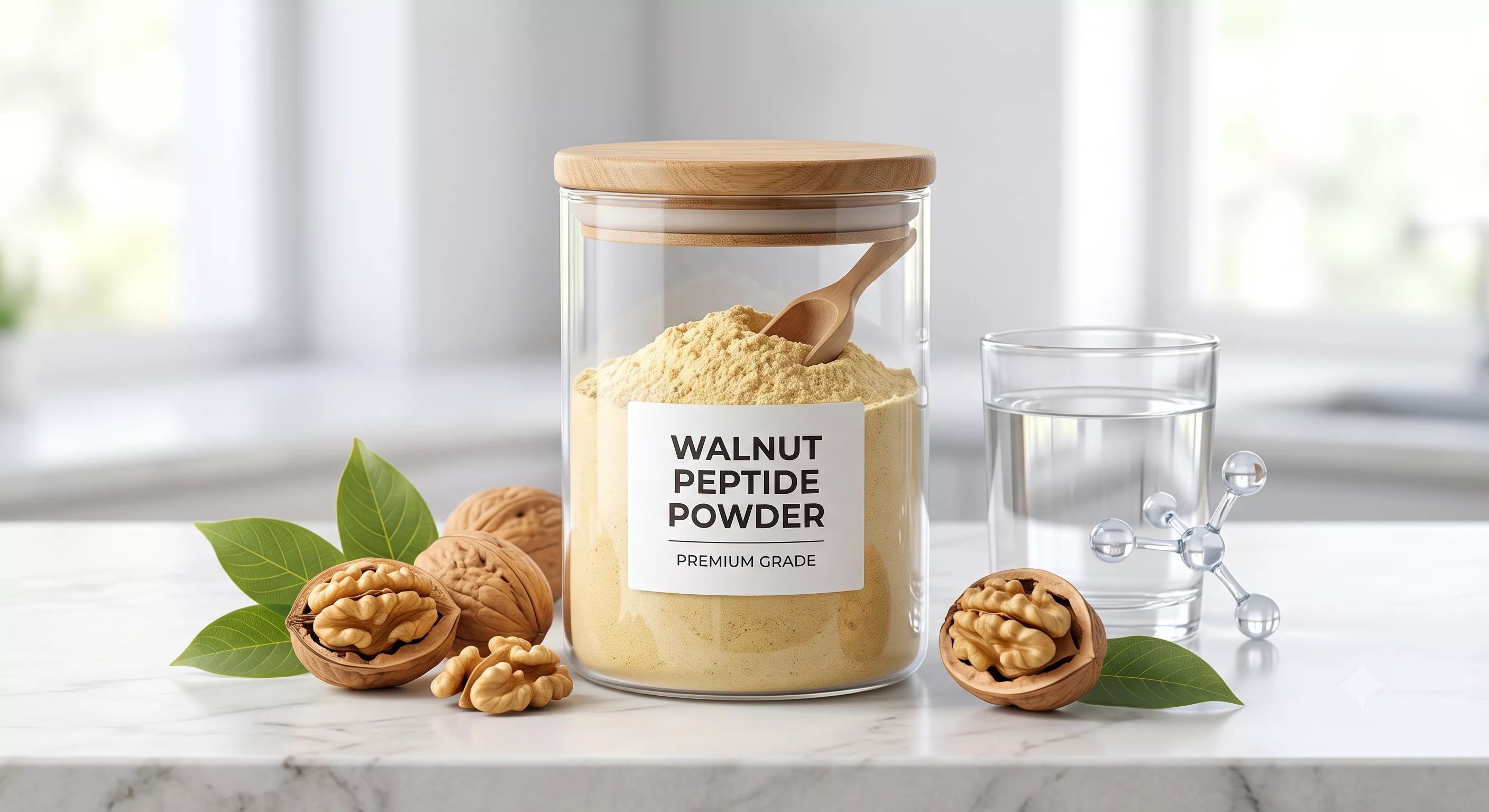
For those seeking a versatile option, rice protein peptide powder offers a well-rounded amino acid profile and proven hydration benefits. If you prefer a hypoallergenic alternative, pea peptide powder is an excellent choice. For individuals looking to address age-related collagen loss, soybean oligopeptide powder provides the added benefit of isoflavones. Each of these sources can be incorporated into smoothies, beverages, or foods without altering taste significantly.
Practical Tips for Maximizing Results
To get the most out of plant peptide supplementation, consistency is key. Peptides work cumulatively, meaning that daily intake over several weeks is necessary to see noticeable changes. Aim for a dosage between 5 to 10 grams per day, depending on the product's concentration and your specific skin concerns.
Pair your supplement with adequate vitamin C intake. Vitamin C is a co-factor for the enzymes that stabilize and cross-link collagen molecules. Consuming citrus fruits, bell peppers, or a vitamin C supplement alongside your peptide powder can enhance collagen synthesis. Additionally, staying well-hydrated and protecting your skin from excessive sun exposure will amplify the structural benefits of peptides.
It is also worth noting that plant peptides are not just for aging skin. Athletes and individuals with active lifestyles use them to support connective tissue health, including tendons and ligaments. The same collagen-stimulating properties that benefit the skin also contribute to joint resilience and recovery, making plant peptides a multi-functional addition to your wellness routine.
Safety and Considerations
Plant-derived peptides are generally recognized as safe for most adults. They are water-soluble and easily digested, with minimal risk of gastrointestinal discomfort compared to whole protein powders. However, individuals with a known allergy to specific plants, such as soy or peas, should avoid the corresponding peptide source. Always consult with a healthcare provider before starting any new supplement, especially if you are pregnant, nursing, or taking medications that affect liver or kidney function.
In summary, plant-derived peptides offer a compelling, evidence-based approach to supporting skin structure and hydration. By stimulating collagen production, enhancing hyaluronic acid synthesis, and strengthening the skin barrier, these botanical compounds address the root causes of aging skin rather than merely masking symptoms. With consistent use and a high-quality product, you can expect to see firmer, more hydrated, and visibly healthier skin over time.

 English EN








User Comments
Service Experience Sharing from Real Customers
Mike_Harper
Senior Formulation ScientistI was skeptical at first, but after running a stability test on these plant-derived peptides, the solubility and bioactivity blew me away. Our R&D team has been trying to replace synthetic options for months, and this finally checks all the boxes. No weird aftertaste in the prototype either.
Liam_Chow
Kitchen ManagerWe started using these in our plant-based protein bowls about three weeks ago. Texture is way better than the soy stuff we used before, and customers haven't complained once about bitterness. Only gave 4 stars because the packaging could be more resealable for our busy line cooks.
Jenna_Reeves
Clinical NutritionistRecommended these to a few clients dealing with post-workout recovery and mild gut sensitivity. Two of them came back saying they felt less bloated compared to whey. I'm genuinely impressed with the amino acid profile. Definitely adding this to my go-to supplement list.
Tom_Bennett
Freelance Product TesterI've tested a dozen peptide powders this year. These are decent—mix well in cold water, no clumps—but the flavor is just okay. Kinda grassy, like spirulina but milder. Not bad for the price, but I've had better from other plant sources. Would buy again if on sale.